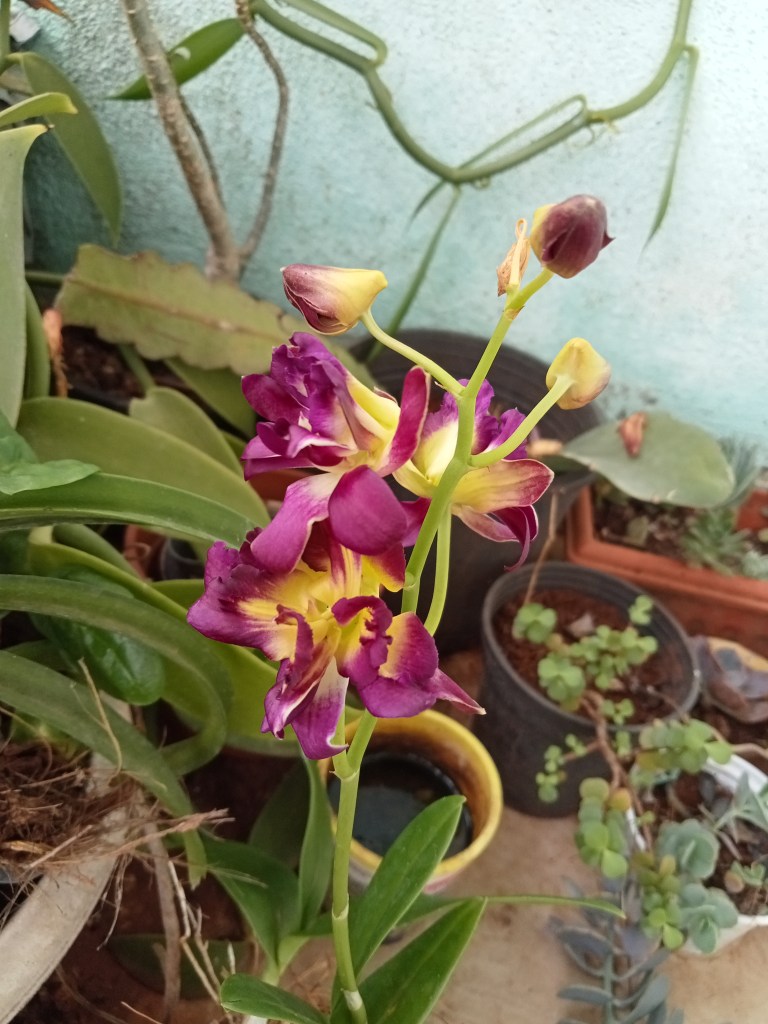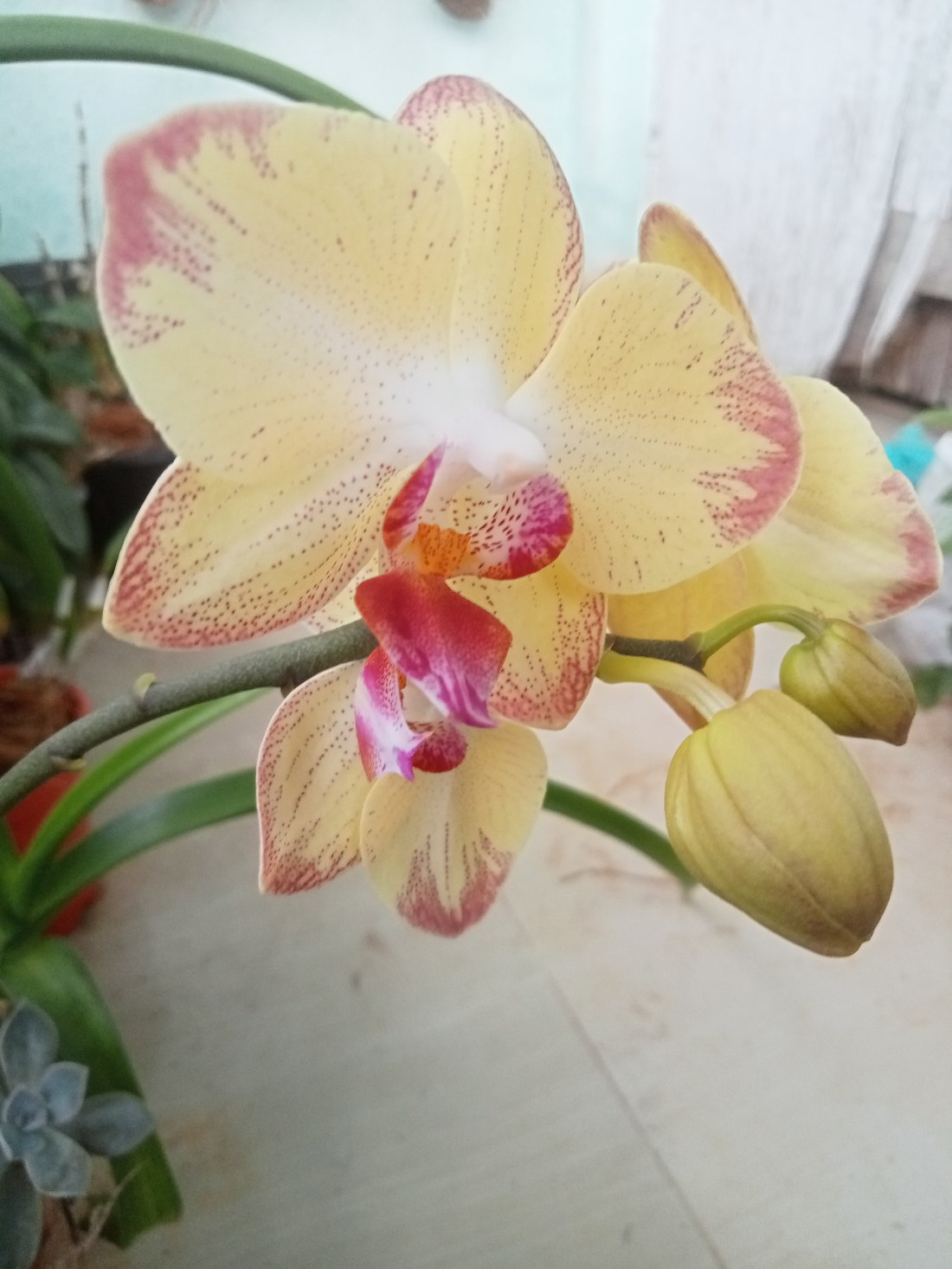
Repotting Orchids: A Comprehensive Guide!

Introduction

Repotting orchids is a crucial aspect of their care, ensuring that they continue to grow healthily and bloom beautifully. Orchids typically need repotting every two to three years, though the frequency can depend on several factors, such as the type of orchid and the condition of the potting medium. Here’s a detailed guide on when and how to repot your orchids effectively.

When to Repot Orchids?

There are several key indicators that it’s time to repot your orchid:

Overgrown Plant: When the orchid outgrows its container and roots start spilling over the edges, it’s time to give it more space.

Deteriorating Potting Material: Over time, the potting medium can break down, losing its structure and ability to provide adequate support and aeration to the roots.

Division Necessity: When the plant becomes too large or if you want to propagate it, division may be necessary, which requires repotting.

It’s generally recommended to repot epiphytic orchids (which grow on other plants) every year to maintain their health. However, Cattleyas, a type of epiphyte, prefer to be left undisturbed and should only be repotted when absolutely necessary.

Best Time for Repotting

The ideal time for repotting orchids is when fresh roots begin to emerge at the base of the previous year’s growth. This indicates that the plant is entering a growth phase, and repotting at this time will minimize stress and promote healthy new root development.

For monopodial climbers (orchids that grow upward from a single stem), repotting or division should be done when new leaf growth appears at the top and new root growth is visible. This ensures that the plant can quickly reestablish itself in its new container.


Similar Posts:


Step-by-Step Repotting Process

Preparation:

Gather all necessary materials: new pot, fresh potting medium (such as bark, moss, or a specialized orchid mix), sterilized cutting tools, and gloves.

Choose a pot that allows for good drainage. Orchids doesn’t survive in waterlogged conditions.

Removing the Orchid from Its Current Pot:

Gently loosen the orchid from its pot. If it is stuck, you can carefully break the pot or cut away the old medium to free the roots.

Check  the orchids for any signs of root rot or disease. Healthy roots are white or green. Trim away any dry, dead, unhealthy  or rotten roots with sterilized scissors.

Preparing the New Pot:

Place a layer of the new potting medium in the bottom of the pot. Position the orchid in the pot, spreading the roots out gently.

Adding Potting Medium:

Fill in around the roots with the fresh potting medium, ensuring that the plant is stable and the roots are well-supported.

Do not pack the medium too tightly, as orchids need good air circulation around their roots.

Aftercare:

After repotting, place the orchid in a location with indirect light for about two weeks to allow it to acclimate to its new environment.

Water the plant gently to avoid disturbing the new setup. Use room-temperature water and ensure it is not applied with force.

Maintaining Repotted Orchids

Proper care after repotting is crucial for the orchid’s recovery and continued growth:

Light: Keep the plant in a less intense light area initially. Gradually move it back to its normal light conditions after two weeks.

Watering: Water the orchid thoroughly but ensure that excess water drains away. Never let the orchid remain in the water.

Humidity and Air Circulation: Orchids thrive in humid environments with good air circulation. Use a humidity tray or a room humidifier if necessary.

Repotting orchids can seem daunting, but with the right approach, it can be a straightforward process that ensures your plants remain healthy and vibrant. By recognizing the signs that your orchid needs repotting and following these steps, you’ll be able to provide the best care for your beautiful blooms. Remember, orchids are resilient and with a little attention to their unique needs, they can thrive and bring joy to your space for years to come.

Happy Gardening!
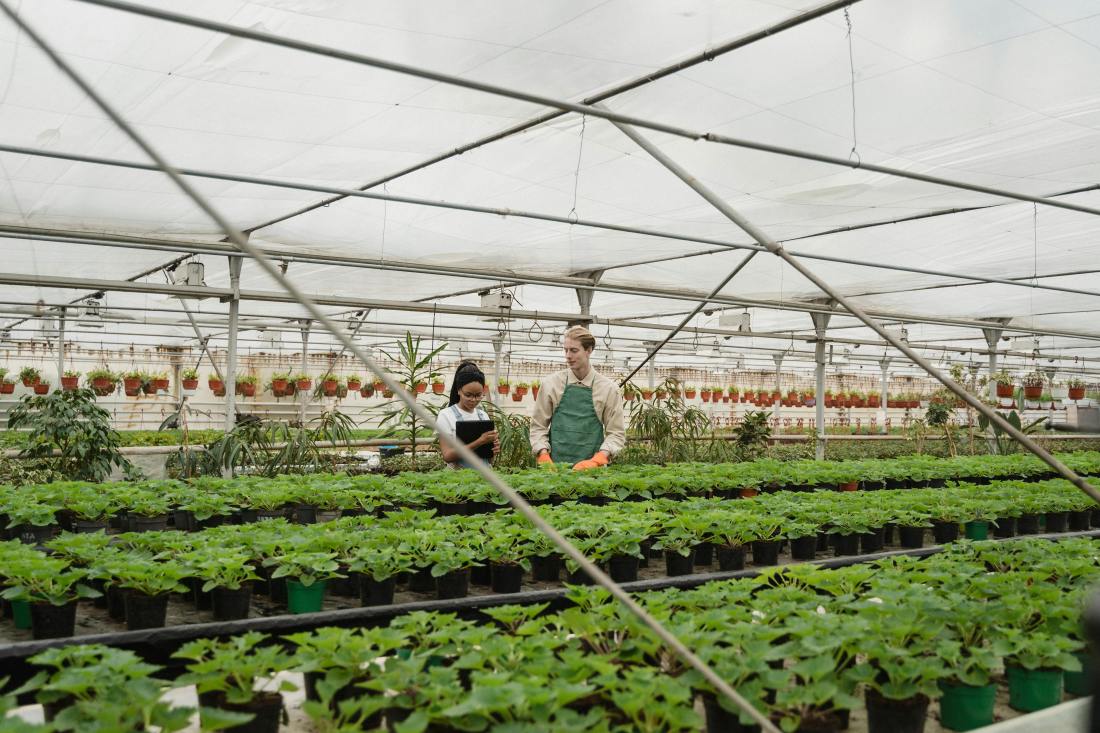
Unlock the Greenhouse Effect: Benefits and DIY Building Guide!

Introduction

Greenhouses are invaluable structures for gardeners and farmers alike, offering a controlled environment that can significantly enhance plant growth and productivity. These versatile buildings provide numerous benefits, from extending the growing season to protecting plants from pests and harsh weather. This article delves into the various advantages of greenhouses and provides a step-by-step guide to building your own.

Benefits of Greenhouses

1. Extended Growing Season

Extending the growing season is one of the main advantages of a greenhouse. By trapping heat from the sun, greenhouses create a warmer environment that allows plants to thrive even during colder months. This means you can start planting earlier in the spring and continue growing crops later into the fall, maximizing your yield.

2. Protection from Pests and Diseases

Greenhouses serve as a protective barrier against many common garden pests and diseases. The enclosed structure prevents insects, rodents, and other animals from accessing your plants. Additionally, the controlled environment reduces the likelihood of fungal infections and other diseases, leading to healthier crops.

3. Controlled Environment

Greenhouses provide the ability to control various environmental factors such as temperature, humidity, and light. This control allows you to create the optimal conditions for different types of plants, ensuring they receive the right amount of sunlight, water, and nutrients. As a result, you can grow a wider variety of plants, including those that may not typically thrive in your region’s climate.

4. Water Efficiency

Greenhouses can help conserve water by reducing evaporation and allowing for more efficient irrigation systems. Drip irrigation and soaker hoses can be used within a greenhouse to deliver water directly to the plants’ roots, minimizing waste. This not only saves water but also ensures that your plants receive consistent moisture levels.

5. Increased Yield and Quality

The controlled environment of a greenhouse often leads to higher crop yields and better-quality produce. Plants can grow faster and healthier due to the optimized conditions, resulting in more abundant and robust harvests. Additionally, you can grow multiple cycles of crops in a year, further increasing your productivity.

6. Year-Round Gardening

With a greenhouse, you can enjoy gardening year-round, regardless of the external weather conditions. This is particularly beneficial for avid gardeners who want to continue their hobby even during winter. The ability to grow fresh produce throughout the year also contributes to food security and self-sufficiency.

7. Learning and Experimentation

Greenhouses provide an excellent opportunity for learning and experimentation. Gardeners can test different growing techniques, plant varieties, and soil mixes in a controlled setting. This hands-on experience is invaluable for both novice and experienced gardeners looking to expand their knowledge and skills.


Similar Posts:


How to Build a Greenhouse

1. Planning and Design

Before you start building your greenhouse, it’s essential to plan and design it according to your needs and available space. Consider the following factors:

Size: Determine the size of the greenhouse based on the number of plants you want to grow and the available space in your garden.

Location: Select an area that is exposed to direct sunshine all day long. Avoid placing the greenhouse in shaded areas or near large trees that may block sunlight.

Type: Decide on the type of greenhouse structure you want to build. Common types include hoop houses, lean-to greenhouses, and freestanding greenhouses.

2. Materials and Tools

Gather all the necessary materials and tools for your greenhouse project. The materials you need will depend on the type of greenhouse you choose to build, but common items include:

Frame: Wood, PVC pipes, or metal

Covering: Polyethylene film, polycarbonate panels, or glass

Foundation: Treated wood, concrete blocks, or gravel

Fasteners: Screws, nails, brackets, and clamps

Tools: Saw, drill, hammer, measuring tape, level, and utility knife

3. Building the Foundation

Having a solid foundation is essential for ensuring the stability and longevity of your greenhouse. Follow these steps to build a sturdy foundation:

Clear the Area: Clear the selected area of any debris, rocks, or vegetation.

Level the Ground: Ensure the ground is level to provide a stable base for the greenhouse.

Lay the Foundation: Depending on your chosen foundation material, lay treated wood, concrete blocks, or gravel to create a base for the greenhouse frame.

4. Constructing the Frame

The next step is to construct the frame of the greenhouse. Here’s how to do it:

Measure and Cut: Measure and cut the framing materials to the specified dimensions.

Assemble the Frame: Assemble the frame pieces using screws, nails, or brackets. Make sure the frame is both square and level.

Install Vertical Supports: Install vertical supports at regular intervals along the frame to provide additional stability.

5. Adding the Covering

Once the frame is complete, it’s time to add the covering material. Follow these steps:

Cut the Covering: Cut the polyethylene film, polycarbonate panels, or glass to the appropriate size.

Attach the Covering: Secure the covering material to the frame using clamps, clips, or fasteners. Verify that there are no loose areas or gaps.

Seal the Edges: Use weatherproof tape or sealant to seal the edges and joints to prevent drafts and moisture infiltration.

6. Ventilation and Irrigation

Proper ventilation and irrigation are essential for maintaining a healthy greenhouse environment. Install vents or fans to regulate temperature and humidity levels. Set up an irrigation system, such as drip irrigation or soaker hoses, to ensure consistent and efficient watering.

7. Finishing Touches

Finally, add any finishing touches to your greenhouse, such as shelving, benches, or pathways. These additions will make it easier to organize and care for your plants.

Conclusion

Building a greenhouse is a rewarding project that offers numerous benefits for gardeners. From extending the growing season to protecting plants from pests, a greenhouse provides a controlled environment that enhances plant growth and productivity. By following the steps outlined in this guide, you can create your own greenhouse and enjoy year-round gardening success.

Happy Gardening! 🌿🌞

Garden Reads: Must-Have Books for Every Green Thumb!

Introduction

Gardening is a timeless and rewarding hobby that connects us to nature and fosters a sense of accomplishment. Whether you’re a novice gardener just starting out or a seasoned green thumb looking to expand your knowledge, there’s always something new to learn. The right books can offer invaluable insights, practical tips, and inspiring ideas to help you grow a flourishing garden. This article highlights some of the best book recommendations for gardeners, covering various aspects of gardening, from organic practices to landscape design.

1. “The Vegetable Gardener’s Bible”: Edward C. Smith

Edward C. Smith’s “The Vegetable Gardener’s Bible” is a comprehensive guide for anyone interested in growing their own vegetables. The book is based on Smith’s W-O-R-D system, which stands for Wide rows, Organic methods, Raised beds, and Deep soil. This approach ensures healthy, productive, and sustainable vegetable gardening. The book covers everything from soil preparation and pest management to crop rotation and companion planting. With detailed instructions and illustrations, it’s a must-have for vegetable gardeners of all levels.

2. “Gaia’s Garden: A Guide to Home-Scale Permaculture”: Toby Hemenway

For those interested in permaculture and sustainable gardening, “Gaia’s Garden” by Toby Hemenway is an essential read. The book introduces the principles of permaculture and how to apply them to a home garden. Hemenway provides practical advice on creating self-sustaining ecosystems that mimic nature. Topics include soil fertility, water conservation, plant guilds, and wildlife habitats. The book is filled with inspiring ideas and real-world examples, making it accessible and engaging for gardeners interested in ecological practices.

3. “The Flower Gardener’s Bible”: Lewis Hill and Nancy Hill

“The Flower Gardener’s Bible” by Lewis and Nancy Hill is a beautiful and informative guide for flower enthusiasts. The book covers everything from selecting the right flowers for your garden to planting, growing, and maintaining them. It includes detailed profiles of over 400 flower varieties, along with tips on garden design, soil preparation, and pest control. The stunning photographs and practical advice make it an indispensable resource for anyone looking to create a vibrant and colorful flower garden.

4. “The Well-Tempered Garden”: Christopher Lloyd

Christopher Lloyd’s “The Well-Tempered Garden” is a classic in the world of gardening literature. Lloyd, a renowned British gardener, shares his vast knowledge and experience in this engaging and witty book. It covers a wide range of topics, including garden design, plant selection, and seasonal care. Lloyd’s passion for gardening and his humorous writing style make this book a joy to read. Whether you’re looking for practical tips or inspiration, “The Well-Tempered Garden” is a timeless addition to any gardener’s library.

5. “The Garden Primer”: Barbara Damrosch

Barbara Damrosch’s “The Garden Primer” is a comprehensive guide for both beginner and experienced gardeners. The book covers all aspects of gardening, from planning and planting to maintenance and harvesting. Damrosch’s clear and concise writing makes complex gardening concepts easy to understand. The book includes sections on vegetable gardening, flower gardening, and landscaping, making it a versatile resource. With its practical advice and beautiful illustrations, “The Garden Primer” is a valuable tool for any gardener.


Similar Posts:


6. “The Organic Gardener’s Handbook of Natural Pest and Disease Control”: Fern Marshall Bradley, Barbara W. Ellis, and Deborah L. Martin

For gardeners committed to organic practices, “The Organic Gardener’s Handbook of Natural Pest and Disease Control” is an indispensable resource. This comprehensive guide provides detailed information on identifying and managing garden pests and diseases without synthetic chemicals. The book includes sections on beneficial insects, organic pesticides, and disease-resistant plants. With its practical solutions and easy-to-follow advice, it’s an essential reference for maintaining a healthy and thriving garden.

7. “The New Sunset Western Garden Book”: The Editors of Sunset Magazine

“The New Sunset Western Garden Book” is a definitive guide for gardeners in the Western United States. It provides detailed information on selecting, planting, and caring for plants that thrive in the region’s diverse climates. The book includes an extensive plant encyclopedia, with profiles of over 8,000 plants. It also covers garden design, soil improvement, and pest management. The comprehensive and region-specific advice makes it an invaluable resource for Western gardeners.

8. “Rodale’s Basic Organic Gardening” A Beginner’s Guide to Starting a Healthy Garden.: Deborah L. Martin

“Rodale’s Basic Organic Gardening” by Deborah L. Martin is a great starting point for those new to organic gardening. The book covers fundamental principles and techniques, including soil preparation, composting, pest control, and plant selection. Martin’s straightforward writing and practical tips make organic gardening accessible and enjoyable. With its step-by-step instructions and helpful illustrations, it’s a perfect guide for anyone looking to cultivate a healthy and sustainable garden.

9. “Bringing Nature Home: How You Can Sustain Wildlife with Native Plants”: Douglas W. Tallamy

Douglas W. Tallamy’s “Bringing Nature Home” emphasizes the importance of using native plants in gardening to support local wildlife. Tallamy explains how native plants provide essential resources for birds, insects, and other animals. The book includes practical advice on selecting and cultivating native plants, along with beautiful photographs and inspiring stories. It’s a compelling read for gardeners interested in creating ecologically beneficial landscapes.

10. “The Hidden Life of Trees: What They Feel, How They Communicate – Discoveries from a Secret World”: Peter Wohlleben

Peter Wohlleben’s “The Hidden Life of Trees” offers a fascinating glimpse into the secret lives of trees. Wohlleben, a forester, shares his discoveries about how trees communicate, support each other, and form complex ecosystems. The book is filled with captivating stories and scientific insights that deepen our understanding of trees and their importance. It’s an inspiring read for anyone interested in the natural world and the intricate relationships within forests.

Conclusion

Gardening is a beautiful journey of continuous learning and discovery. The books listed above offer a wealth of knowledge, practical tips, and inspiration to help you cultivate a thriving and beautiful garden. Whether you’re interested in vegetable gardening, flower cultivation, organic practices, or ecological landscapes, there’s a book for every gardener.

Happy reading and happy gardening! 🌿📚

From Bud to Bloom: Exploring the Wonders of Floriculture!

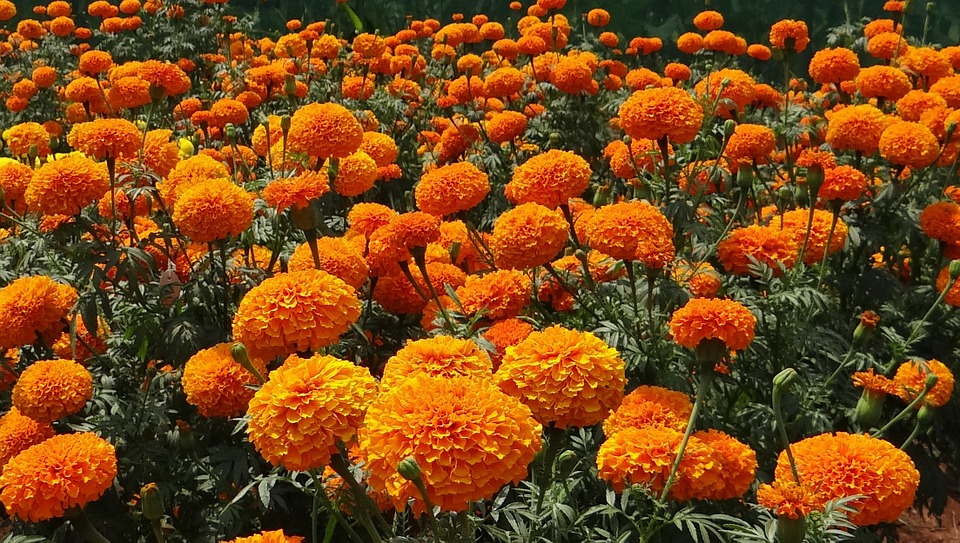
Marigold

Introduction

Floriculture, a branch of horticulture, is the art and science of growing, cultivating, and arranging flowers and ornamental plants. It is a field that combines beauty with practicality, playing a significant role in the global economy, the environment, and our well-being. This article delves into the fascinating world of floriculture, exploring its history, techniques, economic importance, and environmental benefits.

A Historical Perspective

The practice of cultivating flowers dates back thousands of years. Ancient civilizations like the Egyptians, Greeks, and Romans grew flowers not only for their beauty but also for their symbolic and medicinal properties. The Egyptians, for example, cultivated lotus flowers and lilies, which were considered sacred. The Greeks and Romans, on the other hand, used flowers in religious ceremonies, celebrations, and as medicines.

During the Renaissance, floriculture flourished in Europe, with the establishment of botanical gardens that focused on studying and classifying plants. The Victorian era saw the rise of ornamental gardening, with elaborate flower beds and intricate garden designs becoming a symbol of status and wealth.

Branches of Floriculture

Floriculture encompasses various branches, each focusing on different aspects of flower cultivation and use:

1. Flower Production

This branch involves the large-scale cultivation of flowering plants for commercial purposes. It includes the production of cut flowers, potted plants, bedding plants, and foliage plants. Floriculturists use advanced techniques to ensure high yield, quality, and disease resistance.

2. Floristry

Floristry is the art of arranging flowers and creating floral designs. Florists use cut flowers and foliage to craft bouquets, wreaths, centerpieces, and other decorative items for various occasions such as weddings, funerals, and celebrations. Floristry requires creativity, an eye for detail, and knowledge of flower care and handling.

3. Landscape Floriculture

Landscape floriculture focuses on using flowering plants in landscape design. It involves selecting and arranging plants to enhance the aesthetic appeal of gardens, parks, and public spaces. This field creates aesthetically beautiful and sustainable landscapes by combining aspects of environmental science, horticulture, and design.

4. Greenhouse Floriculture

Greenhouse floriculture involves growing flowers and ornamental plants in controlled environments. Greenhouses provide optimal conditions for plant growth, such as temperature, humidity, and light. This branch is essential for producing flowers out of season or in regions with unsuitable climates.

Techniques in Floriculture

Floriculture involves a variety of techniques aimed at optimizing plant growth and ensuring the quality of flowers. Some of the key techniques include:

1. Propagation

Propagation is an important process where we create new plants from existing ones. In floriculture, this is often done through methods such as seed sowing, cuttings, grafting, and tissue culture. Propagation ensures the reproduction of desirable traits and allows for the mass production of flowering plants.

2. Soil Management

Healthy soil is crucial for the successful cultivation of flowers. Floriculturists use various soil management practices, including soil testing, fertilization, and amendment with organic matter, to improve soil fertility and structure. Proper soil management ensures optimal growth and flowering.

3. Irrigation

Proper irrigation is essential for maintaining adequate moisture levels for flower growth. Floriculturists use various irrigation methods, such as drip irrigation, sprinkler systems, and hand watering, to deliver water efficiently and evenly to plants. Effective irrigation practices help conserve water and prevent issues such as root rot and nutrient leaching.

4. Pest and Disease Management

Integrated Pest Management (IPM) is a holistic approach to controlling pests and diseases in floriculture. It involves monitoring pest populations, using biological controls, and applying chemical treatments only when necessary. IPM aims to minimize the impact of pests and diseases on flowers while reducing the use of harmful chemicals.

5. Pruning and Training

Pruning and training are essential techniques for maintaining the shape, size, and health of flowering plants. Pruning involves the removal of dead, diseased, or excess branches to encourage healthy growth and improve air circulation. Training techniques, such as staking and trellising, help support plants and direct their growth in a desired manner.


Similar Posts:


The Economic Importance of Floriculture

Floriculture is a significant contributor to the global economy. The flower industry encompasses a wide range of activities, from growing and harvesting flowers to their distribution and sale. Some key economic aspects of floriculture include:

1. Employment

The floriculture industry provides employment to millions of people worldwide. This includes flower growers, greenhouse workers, florists, landscape designers, and many others. The industry offers diverse job opportunities, from manual labor to specialized technical roles.

2. Trade

Flowers and ornamental plants are major commodities in international trade. Countries like the Netherlands, Colombia, Kenya, and Ecuador are leading exporters of cut flowers, supplying markets in Europe, North America, and Asia. The trade of flowers contributes to the economic growth of these countries and supports local communities.

3. Retail and Services

The retail sector of the floriculture industry includes flower shops, garden centers, and online retailers. These businesses provide consumers with a wide range of floral products and services, from bouquets and arrangements to gardening supplies and plants. The demand for flowers for events, holidays, and personal use drives sales and supports local economies.

Environmental Benefits of Floriculture

Floriculture also offers several environmental benefits, contributing to the health and sustainability of our ecosystems:

1. Biodiversity

The cultivation of a wide variety of flowers and ornamental plants promotes biodiversity. Gardens and landscapes rich in diverse plant species provide habitats for pollinators, birds, and other wildlife. This contributes to the overall health of ecosystems and helps in the conservation of endangered species.

2. Air Quality

Flowers and ornamental plants improve air quality by absorbing carbon dioxide and releasing oxygen. They also help filter pollutants and particulate matter from the air, creating healthier environments in urban areas. Green spaces with flowering plants contribute to the well-being of city dwellers.

3. Climate Mitigation

Floriculture practices such as greenhouse cultivation and landscape design can contribute to climate change mitigation. Greenhouses can capture and utilize carbon dioxide, while well-designed landscapes with diverse plantings can sequester carbon and reduce the urban heat island effect.

Conclusion

Floriculture is a vibrant and dynamic field that blends creativity, science, and sustainability. From the ancient gardens of Egypt to modern greenhouse operations, the cultivation of flowers has evolved to meet the needs of society and the environment. By embracing the art and science of floriculture, we can enhance our surroundings, support economic growth, and contribute to a healthier planet.

Happy Gardening! 🌸🌿

Seeds of the Past: Ancient Farming Practices for Modern Sustainability!

Introduction

For thousands of years, agriculture has served as the cornerstone of human civilization. The evolution of gardening and agricultural practices reflects humanity’s ingenuity and adaptability. By understanding these ancient techniques, we gain insights into sustainable farming practices that are still relevant today. This article delves into some of the most fascinating ancient gardening and agricultural techniques from around the world.

Mesopotamian Innovations

The fertile crescent of Mesopotamia, located between the Tigris and Euphrates rivers, is often considered the cradle of agriculture. Here, early farmers developed several groundbreaking techniques:

Irrigation Systems

The Mesopotamians engineered intricate irrigation systems to harness river water for farming. They built canals, dikes, and reservoirs to control the distribution of water, allowing them to cultivate crops even in dry seasons. This innovation significantly boosted agricultural productivity and supported the growth of early cities.

Crop Rotation

To maintain soil fertility and reduce the risk of crop failure, Mesopotamians practiced crop rotation. By alternating the types of crops grown in a particular field, they prevented soil depletion and controlled pests and diseases. This practice ensured a steady supply of food throughout the year.

Ancient Egyptian Agriculture

The ancient Egyptians also harnessed the power of the Nile River to transform their arid land into fertile fields.

Basin Irrigation

Egyptians developed basin irrigation, a method that involved creating embanked fields (basins) to capture and hold floodwaters from the Nile. As the floodwaters receded, they left behind nutrient-rich silt that enriched the soil, allowing farmers to plant crops such as wheat and barley.

Shaduf

The shaduf was an early tool used by Egyptian farmers to lift water from the Nile onto their fields. This manually controlled device comprised a long pole with a counterweight at one end and a bucket at the other.

It allowed for efficient watering of crops, especially during dry spells.

Chinese Agricultural Advancements

Ancient China was home to numerous agricultural innovations that have influenced farming practices for centuries.

Terracing

In the mountainous regions of China, farmers built terraces to create flat, arable land on steep slopes. These terraces not only prevented soil erosion but also made efficient use of water resources. The iconic rice terraces of China are a testament to this ingenious method.

Crop Diversification

Chinese farmers practiced crop diversification to ensure food security and improve soil health. By planting a variety of crops, they minimized the risk of total crop failure due to pests or diseases. This approach also enriched the soil with different nutrients, promoting long-term agricultural sustainability.


Similar Posts:


Mesoamerican Farming Techniques

The indigenous peoples of Mesoamerica developed unique agricultural methods suited to their diverse environments.

Chinampas

The Aztecs constructed chinampas, often referred to as “floating gardens,” in the shallow lakes of the Valley of Mexico. These artificial islands were created by piling mud, reeds, and organic material into rectangular plots. Chinampas were highly productive and provided a year-round growing environment, thanks to the constant supply of water from the surrounding lakes.

Milpa

The milpa system, practiced by the Maya and other Mesoamerican cultures, involved intercropping maize, beans, and squash. This polyculture system maximized the use of available land and resources, as each crop complemented the others. Maize provided a structure for beans to climb, beans enriched the soil with nitrogen, and squash covered the ground, reducing weed growth.

Greco-Roman Contributions

The agricultural practices of ancient Greece and Rome laid the foundation for modern Western farming.

Viticulture

The Greeks and Romans perfected the art of viticulture, the cultivation of grapevines for wine production. They developed advanced pruning, grafting, and irrigation techniques to optimize grape yield and quality. Wine became a crucial part of their economy and culture.

Animal Husbandry

Both Greeks and Romans practiced advanced animal husbandry, selectively breeding livestock for improved traits. They raised cattle, sheep, goats, and pigs, utilizing them for food, labor, and clothing. The integration of animal husbandry with crop farming enhanced soil fertility through manure use.

Indigenous Australian Practices

Indigenous Australians managed their land using sophisticated techniques that promoted biodiversity and sustainability.

Fire-Stick Farming

Fire-stick farming involved the controlled use of fire to manage vegetation and promote the growth of certain plant species. By burning underbrush, indigenous Australians reduced the risk of large wildfires, encouraged the growth of edible plants, and created habitats for game animals.

Yam Daisy Cultivation

The cultivation of yam daisy (Murnong) was a staple of indigenous Australian agriculture. Women used digging sticks to harvest the tubers, which were an important food source. This practice also aerated the soil, promoting the growth of new plants.

Conclusion

The ancient gardening and agricultural techniques developed by different civilizations around the world highlight the ingenuity and adaptability of our ancestors. These methods not only sustained their populations but also laid the groundwork for modern agricultural practices. By studying and incorporating these techniques, we can promote sustainable and efficient farming practices in our own gardens and fields today.

Happy Gardening! 🌱🌾

Save Your Orchids: Natural Cures for Common Pests and Diseases!

Introduction

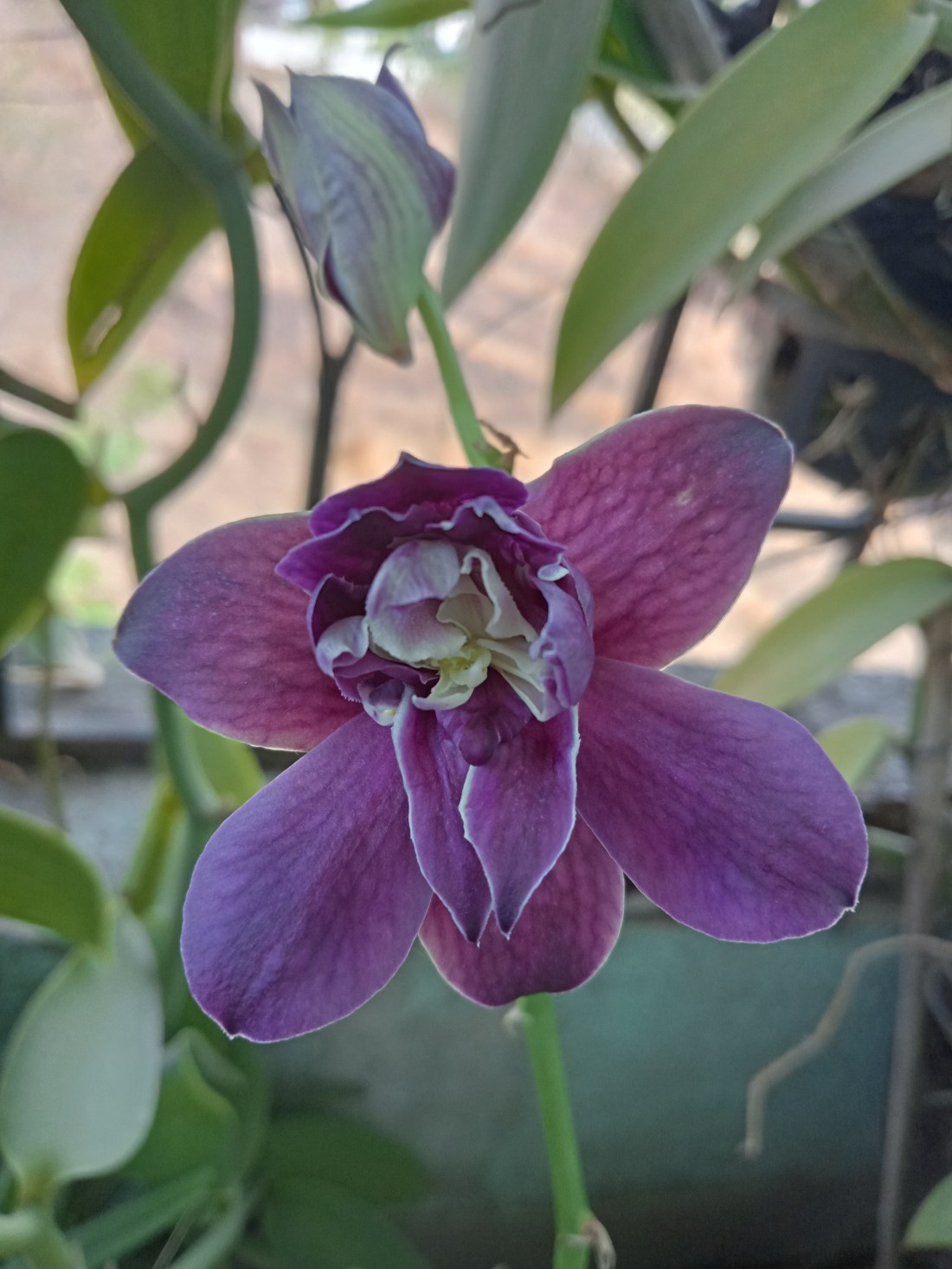
Dendrobium orchid

Orchids are among the most exotic and enchanting flowers, known for their stunning beauty and diversity. Like all plants, they can be affected by a variety of pests and diseases. These issues can damage or even kill orchids if not addressed promptly. Fortunately, there are natural and organic remedies that can help manage these problems effectively. This article explores some common pests and diseases affecting orchids and provides natural solutions to keep your orchids healthy and thriving.

Common Pests Affecting Orchids

1. Aphids

Aphids are small, soft-bodied insects that feed on the sap of orchids, causing yellowing and distortion of leaves and flowers. They also produce a sticky substance known as honeydew, which can result in the growth of sooty mold.

Natural Cure:

Neem Oil: Neem oil is a very good and effective organic pesticide. Mix one teaspoon of neem oil with one liter of water and a few drops of mild dish soap. Spray the solution on the affected areas of the orchid.

Ladybugs: Introduce ladybugs to your garden because they are natural predators of aphids.

2. Mealybugs

Mealybugs are small, white, cottony insects that cluster on the leaves, stems, and roots of orchids. They feed on the sap of the plant, which results in stunted growth and yellowing leaves.

Natural Cure:

Rubbing Alcohol: Rub alcohol-dipped cotton swabs to the mealybugs. This will kill them on contact.

Garlic Spray: Blend the garlic cloves with water, then strain the mixture. Spray the solution on the affected areas to repel mealybugs.

3. Spider Mites

Spider mites are tiny, red or yellowish pests that cause fine webbing on the undersides of orchid leaves. They suck the sap, leading to speckled leaves and overall plant weakness.

Natural Cure:

Water Spray: Use a strong spray of water to remove spider mites from the plant. Repeat this process regularly.

Essential Oils: Mix a few drops of rosemary or peppermint oil with water and spray on the affected areas. These oils deter spider mites.

4. Scale Insects

Scale insects appear as small, immobile bumps on orchid stems and leaves. They consume sap of the leaves, which leads to yellowing and wilting of the plant.

Natural Cure:

Insecticidal Soap: Use a mild insecticidal soap solution to wash off scale insects from the plant. Repeat the application as needed.

Horticultural Oil: Use horticultural oil to suffocate and eliminate scale insects.


Similar Posts:


Common Diseases Affecting Orchids

1. Root Rot

Root rot is a fungal disease that occurs due to overwatering and inadequate drainage. It leads to mushy, blackened roots and eventually leads to the death of the plant.

Natural Cure:

Cinnamon: Cinnamon is a natural fungicide. Dust cinnamon powder on the affected roots after trimming off the rotten parts.

Hydrogen Peroxide: Soak the roots in a hydrogen peroxide solution (one part hydrogen peroxide to four parts water) to disinfect and promote healthy root growth.

2. Leaf Spot

Leaf spot is a fungal or bacterial disease that causes black or brown spots on orchid leaves. In humid environments, it can spread rapidly.

Natural Cure:

Baking Soda Spray: Mix one teaspoon of baking soda with one liter of water and a few drops of mild dish soap. Spray the solution on the affected leaves to inhibit fungal growth.

Garlic Extract: Blend garlic cloves with water, strain, and spray on the affected areas to prevent the spread of leaf spot.

3. Powdery Mildew

Powdery mildew appears as a white, powdery coating on orchid leaves and stems. It thrives in warm, dry conditions and has the potential to weaken the plant.

Natural Cure:

Milk Spray: Combine one part milk with two parts water, then spray the mixture onto the affected areas. The proteins in milk help combat powdery mildew.

Neem Oil: Neem oil can also be used to control powdery mildew. Spray a neem oil solution on the affected parts of the plant.

4. Black Rot

Black rot is a serious fungal disease that affects the leaves and pseudobulbs of orchids. It causes black, mushy lesions and can quickly spread if not treated.

Natural Cure:

Lemon Juice: Apply diluted lemon juice to the affected areas to inhibit fungal growth.

Fungicidal Soap: Use a fungicidal soap solution to clean the plant and prevent the spread of black rot.

Preventive Measures

Prevention is always better than cure. Here are some tips to prevent pests and diseases in orchids:

1. Proper Watering

Overwatering is a common cause of many orchid diseases. Only when the top inch of the potting material is dry you should water the orchids. Make sure to provide proper drainage to avoid waterlogged conditions.

2. Good Air Circulation

Ensure good air circulation around your orchids to reduce humidity and prevent fungal and bacterial growth. Use fans or place your orchids in a well-ventilated area.

3. Sterilize Tools

Always sterilize your gardening tools before and after use to prevent the spread of diseases. To disinfect tools, use either rubbing alcohol or a bleach solution.

4. Monitor Plants Regularly

Make sure to regularly check your orchids for any signs of pests or diseases. Detecting and treating issues early can protect your plants from serious damage.

5. Use Clean Potting Medium

Use a clean, sterile potting medium to repot your orchids. Avoid reusing potting mix, which can harbor pests and diseases.

Conclusion

Orchids are delicate and require proper care to thrive. By understanding the common pests and diseases that affect orchids and using natural and organic remedies, you can keep your orchids healthy and beautiful. With preventive measures and timely treatments, you can enjoy the stunning beauty of your orchids for years to come.

Happy Gardening! 🌸🌿
From Garden to Teacup: Cultivating Aparajita for Beauty and Health!

Introduction

Aparajita
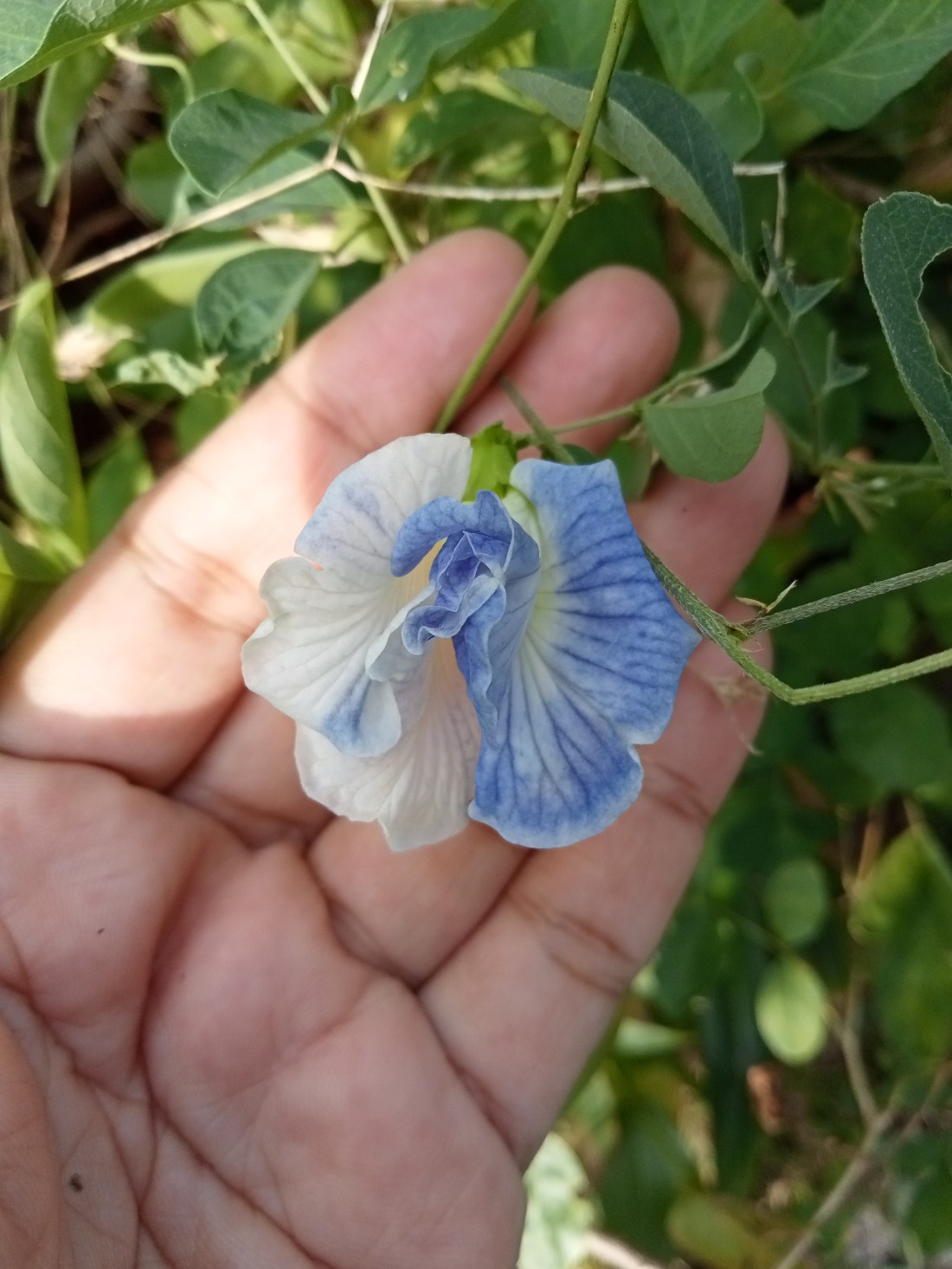
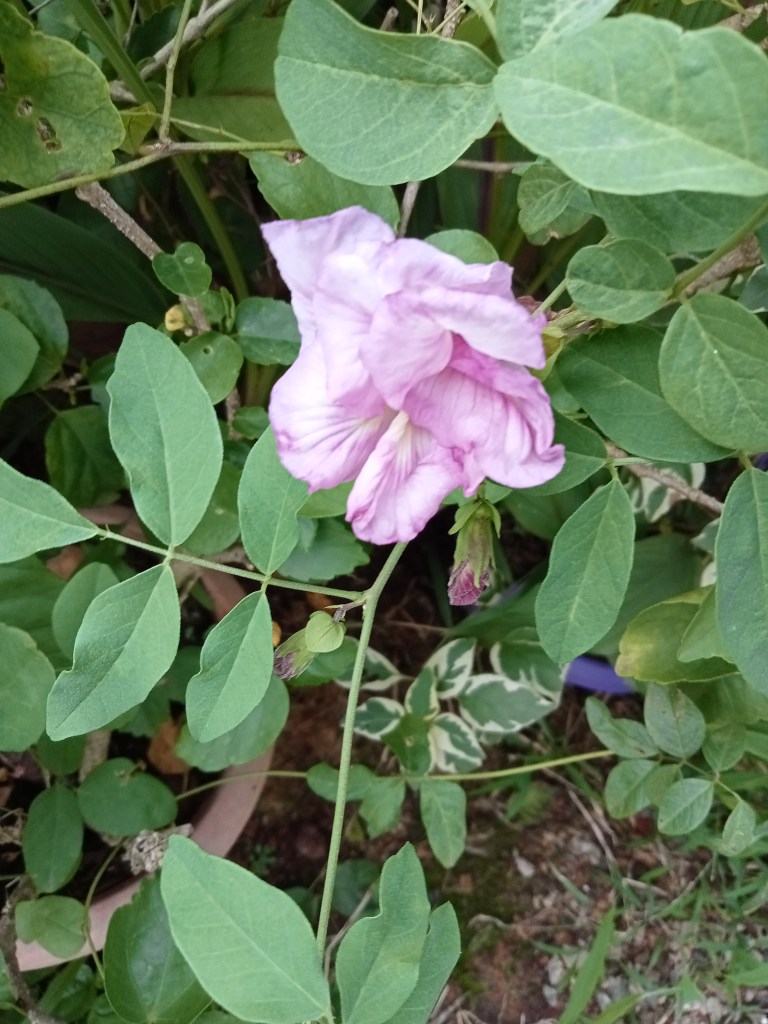
Multipetal Aparajita Flower

Aparajita, also known as the butterfly pea or Asian pigeonwings, is a strikingly beautiful plant renowned for its vivid blue flowers. Scientifically known as Clitoria ternatea, this versatile plant is not only cherished for its ornamental value but also for its medicinal properties and culinary uses. Native to tropical Asia, Aparajita is easy to grow and can thrive in a variety of conditions. This article provides a comprehensive guide on how to cultivate and care for the Aparajita plant.

Characteristics of Aparajita

Before diving into the cultivation process, it’s essential to understand the unique characteristics of the Aparajita plant:

Botanical Name: Clitoria ternatea

Common Names: Butterfly pea, Blue pea, Asian pigeonwings, Aparajita

Family: Fabaceae

Plant Type: Perennial herbaceous plant

Flower Color: Vibrant blue (also available in white and lavender varieties)

Growth Habit: Climbing vine

Benefits of Growing Aparajita

The Aparajita plant offers several benefits, making it a valuable addition to any garden:

Ornamental Value: The striking blue flowers add a touch of elegance to gardens and landscapes.

Medicinal Properties: Aparajita is known for its health benefits, including antioxidant, anti-inflammatory, and cognitive-enhancing properties.

Culinary Uses: The flowers are used to make herbal teas, natural food coloring, and refreshing drinks.

Soil Improvement: As a member of the legume family, Aparajita helps fix nitrogen in the soil, improving soil fertility.

How to Grow Aparajita

Growing Aparajita is relatively simple and requires basic gardening skills. Here is a detailed, step-by-step tutorial to get you going:

1. Choosing the Right Location

Aparajita thrives in warm, sunny locations. Pick a place that gets direct sunlight.  The plant can tolerate partial shade, but full sun ensures the best flowering.

2. Soil Preparation

Aparajita prefers well-draining soil with a neutral to slightly acidic pH (6.0-7.5). Loamy soil that is enriched with organic matter is ideal for promoting healthy plant growth. To improve soil fertility and drainage, mix compost or well-rotted manure into the soil before planting.

3. Propagation

Aparajita can be propagated through seeds or cuttings. Here’s how to do it:

Seeds: Soak the seeds in warm water for 24 hours to enhance germination. Sow the seeds directly in the garden or in seed trays filled with potting mix. The potting mix should be consistently moist until germination occurs, which typically takes 1 to 2 weeks.

Cuttings: Take cuttings that are 6 to 8 inches long from healthy, mature plants. Dip the cut end into the rooting hormone after trimming off the lower leaves. Plant the cuttings in a pot with moist potting mix and keep them in a warm, humid environment until roots develop.


Similar Posts:


4. Planting

Once the seedlings or rooted cuttings are ready, transplant them into the garden. Space the plants about 2-3 feet apart to allow for their climbing habit. If growing as a vine, provide support such as trellises, fences, or arbors for the plants to climb.

5. Watering

Aparajita requires moderate watering. The soil should be consistently moist but it should not be soggy. Depending on the weather, give the plants a deep watering once or twice a week. During the summer season water the plants daily. Applying mulch around the base of plants helps retain soil moisture and suppress weeds.

6. Fertilization

To promote healthy growth and flowering, feed the Aparajita plant with a balanced fertilizer every 4-6 weeks during the growing season. Organic options such as compost, well-rotted manure, or fish emulsion are excellent choices.

7. Pruning and Training

Pruning regularly helps to maintain the shape of the plant and encourages more blooms. Trim back any dead or damaged growth, and pinch the tips of the vines to promote bushier growth. As the vines grow, tie them gently to train them to climb the support structure.

8. Pest and Disease Management

Aparajita is relatively pest-resistant, but it can occasionally be affected by aphids, spider mites, and whiteflies. Inspect the plants regularly and use organic pest control methods such as neem oil or insecticidal soap if needed. To prevent fungal diseases, make sure there is adequate spacing and airflow around your plants.

Lavender Color Aparajita Flower

Harvesting and Uses

The vibrant blue flowers of Aparajita are the most sought-after part of the plant. Here’s a guide on how to harvest and use them:

1. Harvesting

Harvest the flowers early in the morning when they are fresh and fully open. Gently pluck the flowers by hand or use scissors to avoid damaging the plant. Regular harvesting encourages more blooms.

2. Culinary Uses

Aparajita flowers are used in various culinary applications:

Herbal Tea: Steep fresh or dried flowers (blue color) in hot water to make a refreshing herbal tea. The tea has a mild, earthy flavor and is often enjoyed with honey and lemon.

Natural Food Coloring: The vibrant blue pigment from the flowers is used as a natural food coloring in desserts, beverages, and rice dishes. A few drops of lemon juice transform the blue color into purple, producing amazing visual effects.

Beverages: Aparajita flowers are used to make colorful and nutritious drinks. Butterfly pea flower tea, also known as blue tea, is a popular beverage known for its health benefits.

3. Medicinal Uses

For generations, traditional medicine has made use of Aparajita. Some of its medicinal benefits include:

Cognitive Health: Aparajita is believed to enhance memory and cognitive function. In Ayurvedic medicine, it is often used as a brain tonic.

Antioxidant Properties: The flowers contain antioxidants that help protect cells from damage caused by free radicals.

Anti-Inflammatory Effects: Aparajita has anti-inflammatory properties that can help reduce inflammation and pain.

Conclusion

Growing Aparajita (Clitoria ternatea) is a rewarding experience that combines beauty, utility, and tradition. With its stunning blue flowers, health benefits, and ease of cultivation, the Aparajita plant is a valuable addition to any garden. By following the steps outlined in this guide, you can successfully grow and enjoy the many benefits of this remarkable plant.

Happy Gardening! 🌸🌿

Horticulture Unveiled: Cultivating Nature’s Masterpieces!

Introduction

Horticulture, the practice of garden cultivation and management, is both an art and a science. It encompasses a wide range of activities aimed at growing and improving plants for food, medicine, aesthetics, and environmental benefits. Unlike agriculture, which focuses on large-scale crop production, horticulture is often more intimate and diverse, involving everything from home gardens to urban parks. This article delves into the various aspects of horticulture, its history, techniques, and its significance in our lives today.

A Brief History of Horticulture

Horticulture has ancient roots, dating back to the earliest human civilizations. Archaeological evidence suggests that as early as 10,000 BCE, humans began cultivating plants in the Fertile Crescent region. The Egyptians, Greeks, and Romans made significant contributions to horticultural practices, particularly in the cultivation of medicinal and ornamental plants.

In medieval Europe, monastic gardens became centers of horticultural knowledge, preserving ancient techniques and introducing new plant species. The Renaissance period saw a surge in botanical gardens and the classification of plants, laying the foundation for modern horticulture.

Branches of Horticulture

Horticulture can be broadly divided into several branches, each focusing on different types of plants and purposes:

1. Pomology

Pomology is the science of fruit cultivation. It involves the study and cultivation of fruit trees and shrubs, including apples, oranges, grapes, and berries. Pomologists work to improve fruit quality, yield, and resistance to pests and diseases through breeding and cultural practices.

2. Olericulture

The branch of horticulture that focuses on vegetable production is called olericulture. This includes everything from leafy greens and root crops to tomatoes and peppers. Olericulturists focus on optimizing growing conditions, pest control, and harvesting techniques to ensure high-quality produce.

3. Floriculture

Floriculture is the cultivation of flowering plants for gardens, floral arrangements, and the floral industry. It encompasses the breeding, growing, and marketing of flowers such as roses, lilies, and tulips. Floriculturists also work on creating new flower varieties through hybridization and genetic modification.

4. Landscape Horticulture

Landscape horticulture involves the design, installation, and maintenance of landscapes, including parks, gardens, and urban green spaces. Landscape horticulturists plan and manage plantings to create aesthetically pleasing and functional outdoor environments. They consider factors such as plant selection, soil preparation, and irrigation to ensure healthy, sustainable landscapes.

5. Arboriculture

Arboriculture is the cultivation and management of trees and shrubs, particularly in urban environments. Arborists focus on the health and safety of individual trees, providing services such as pruning, disease diagnosis, and tree removal. Their work helps maintain the ecological and aesthetic value of trees in our communities.

Techniques and Practices in Horticulture

Horticulture involves a variety of techniques and practices aimed at promoting healthy plant growth and maximizing yields. Some of the key techniques include:

1. Propagation

The practice of growing new plants from existing ones is called plant propagation. It can be done through sexual methods, such as seed sowing, or asexual methods, such as cuttings, grafting, and tissue culture. Propagation ensures the reproduction of desirable plant traits and allows for the mass production of plants.

2. Soil Management

Healthy soil is the foundation of successful horticulture. Soil management practices include soil testing, amendment with organic matter, and proper drainage. These practices improve soil structure, fertility, and water-holding capacity, providing an optimal growing environment for plants.

3. Irrigation

Irrigation is critical for maintaining adequate moisture levels for plant growth. Horticulturists use various irrigation methods, such as drip irrigation, sprinkler systems, and hand watering, to deliver water efficiently and evenly to plants. Proper irrigation practices help conserve water and prevent issues like root rot and nutrient leaching.

4. Pest and Disease Management

Integrated Pest Management (IPM) is a holistic approach to controlling pests and diseases in horticulture. It involves monitoring pest populations, using biological controls, and applying chemical treatments only when necessary. IPM aims to minimize the impact of pests and diseases on plants while reducing the use of harmful chemicals.

5. Pruning and Training

Pruning and training are essential for maintaining the shape, size, and health of plants. Pruning involves the removal of dead, diseased, or excess branches to encourage healthy growth and improve air circulation. Training techniques, such as trellising and staking, help support plants and direct their growth in a desired manner.


Similar Posts:


The Importance of Horticulture

Horticulture plays a vital role in our lives and the environment in several ways:

1. Food Security

Horticulture contributes significantly to food production, providing a diverse range of fruits, vegetables, and nuts that are essential for a balanced diet. By improving crop yields and quality, horticulture helps ensure a steady and nutritious food supply for growing populations.

2. Economic Impact

The horticulture industry is a major economic driver, generating employment and income through the production and sale of plants and related products. From nurseries and greenhouses to farmers’ markets and floral shops, horticulture supports a wide range of businesses and livelihoods.

3. Environmental Benefits

Horticulture enhances biodiversity and promotes environmental sustainability. Green spaces, such as parks and gardens, provide habitats for wildlife, improve air quality, and mitigate the effects of urbanization. Sustainable horticultural practices, such as organic farming and water conservation, contribute to the health of our ecosystems.

4. Mental and Physical Well-being

Gardening and interacting with plants have been shown to have numerous physical and mental health benefits. Horticultural therapy, which uses gardening activities to improve well-being, is used in various healthcare settings to reduce stress, enhance mood, and promote physical activity.

Conclusion

Horticulture is a multifaceted field that combines scientific knowledge with practical skills to cultivate plants for various purposes. From providing food and beauty to enhancing our environment and well-being, horticulture is an essential and enriching part of human life. By embracing and advancing horticultural practices, we can continue to enjoy the many benefits that come from cultivating nature’s bounty.

Happy Gardening! 🌿🌼

Rediscovering Ancient Indian Agricultural Mastery: Timeless Techniques for Modern Gardens!

Introduction

Agriculture has been an integral part of Indian civilization since its inception. The rich cultural heritage and diverse geographical landscapes of India have given rise to numerous traditional gardening and agricultural techniques. These age-old practices are a testament to the ingenuity and sustainable approaches of ancient Indian farmers. In this article, we will explore some of the most prominent ancient Indian gardening and agricultural techniques that have stood the test of time.

Vedic Agriculture

The Vedic period, dating back to around 1500 BCE, marks the beginning of organized agriculture in India. The Vedas, ancient Indian scriptures, contain detailed references to various agricultural practices and the importance of farming.

Crop Rotation and Mixed Cropping

Vedic farmers understood the significance of maintaining soil fertility and minimizing pest infestations. They practiced crop rotation, where different crops were grown in succession on the same land to prevent soil depletion and control pests. Mixed cropping, or growing multiple crops in the same field, was another common practice. This not only improved soil health but also ensured a diverse food supply.

Organic Fertilizers

Ancient Indian farmers relied on natural fertilizers to enhance soil fertility. Cow dung, ash, and compost made from decomposed plant material were commonly used. These organic fertilizers provide essential nutrients to the soil, promoting healthy plant growth without causing harm to the environment.

The Dravidian Legacy

The Dravidian civilization, which flourished in southern India, made significant contributions to agricultural practices.

Tank Irrigation

Tank irrigation was a hallmark of Dravidian agriculture. Large tanks, or reservoirs, were constructed to collect and store rainwater. This water was then channeled through a network of canals to irrigate fields during dry periods. Tank irrigation not only ensured a reliable water supply but also helped in recharging groundwater levels.

Rice Cultivation

Southern India, particularly the regions of Tamil Nadu and Karnataka, is known for its rich tradition of rice cultivation. Ancient Dravidian farmers developed sophisticated methods for paddy cultivation, including transplanting seedlings and maintaining water levels in the fields. These techniques resulted in high yields and established southern India as a major rice-producing region.

The Mauryan Empire and Agricultural Reforms

The Mauryan Empire (322-185 BCE), under the rule of Emperor Ashoka, witnessed significant agricultural reforms.

Land Management

Emperor Ashoka emphasized efficient land management and agricultural practices. The Arthashastra, an ancient Indian treatise on statecraft and economics, provided guidelines on land distribution, crop selection, and irrigation. Farmers were encouraged to diversify their crops and adopt sustainable farming practices.

Horticulture

The Mauryan period saw a rise in horticulture, with the cultivation of fruits, vegetables, and medicinal plants. Ashoka’s emphasis on tree planting and conservation led to the establishment of large orchards and botanical gardens. These gardens not only provided food but also played a crucial role in preserving biodiversity.

Ancient Indian Water Management Techniques

Water management was a critical aspect of ancient Indian agriculture, given the country’s varied climate and topography.

Ghaggar-Hakra and Saraswati River Systems

The Ghaggar-Hakra and Saraswati river systems were vital sources of water for ancient Indian civilizations. These rivers provided a lifeline for agriculture, and sophisticated canal systems were developed to divert water for irrigation. The remains of these ancient canals can still be found in the Indus Valley region.

Step Wells and Baolis

Step wells, or baolis, were an ingenious solution to water scarcity in arid regions. These structures, built with descending steps leading to a water reservoir, allowed easy access to water even during dry seasons. Step wells were not only functional but also served as social and cultural centers for communities.


See Also:


Indigenous Farming Practices

India’s diverse ecological zones gave rise to various indigenous farming practices tailored to local conditions.

Zabo System

The Zabo system, practiced by the Chakhesang tribe in Nagaland, is a sustainable method of agriculture that integrates forestry, horticulture, and animal husbandry. Terraced fields are constructed on hill slopes, and rainwater is collected in ponds and used for irrigation. This holistic approach ensures soil conservation and water management.

SRI Method

The System of Rice Intensification (SRI) is a modern adaptation of traditional rice farming techniques. It involves planting fewer seedlings, maintaining a wider spacing between plants, and using organic fertilizers. SRI has gained popularity for its ability to increase rice yields while reducing water usage and chemical inputs.

Traditional Organic Farming

Organic farming has deep roots in ancient Indian agriculture, with practices that have been passed down through generations.

Vermicomposting

Vermicomposting, the process of using earthworms to decompose organic waste, was practiced by ancient Indian farmers. The nutrient-rich vermicompost produced by earthworms was used as a natural fertilizer, enhancing soil fertility and promoting healthy plant growth.

Biodynamic Farming

Biodynamic farming, inspired by traditional Indian practices, is a holistic approach that treats farms as self-sustaining ecosystems. It involves the use of organic fertilizers, crop rotation, and the integration of livestock. Biodynamic farming emphasizes the spiritual and ecological aspects of agriculture, aligning with ancient Indian philosophies.

Conclusion

Ancient Indian gardening and agricultural techniques reflect the wisdom and sustainability of early civilizations. These practices were not only effective in ensuring food security but also in maintaining ecological balance. By revisiting and incorporating these traditional methods, modern agriculture can benefit from their timeless principles of sustainability and harmony with nature.

Happy Gardening! 🌱🌾

The Ultimate Guide to Hugelkultur: Elevating Your Garden with Hugel Beds!

Introduction

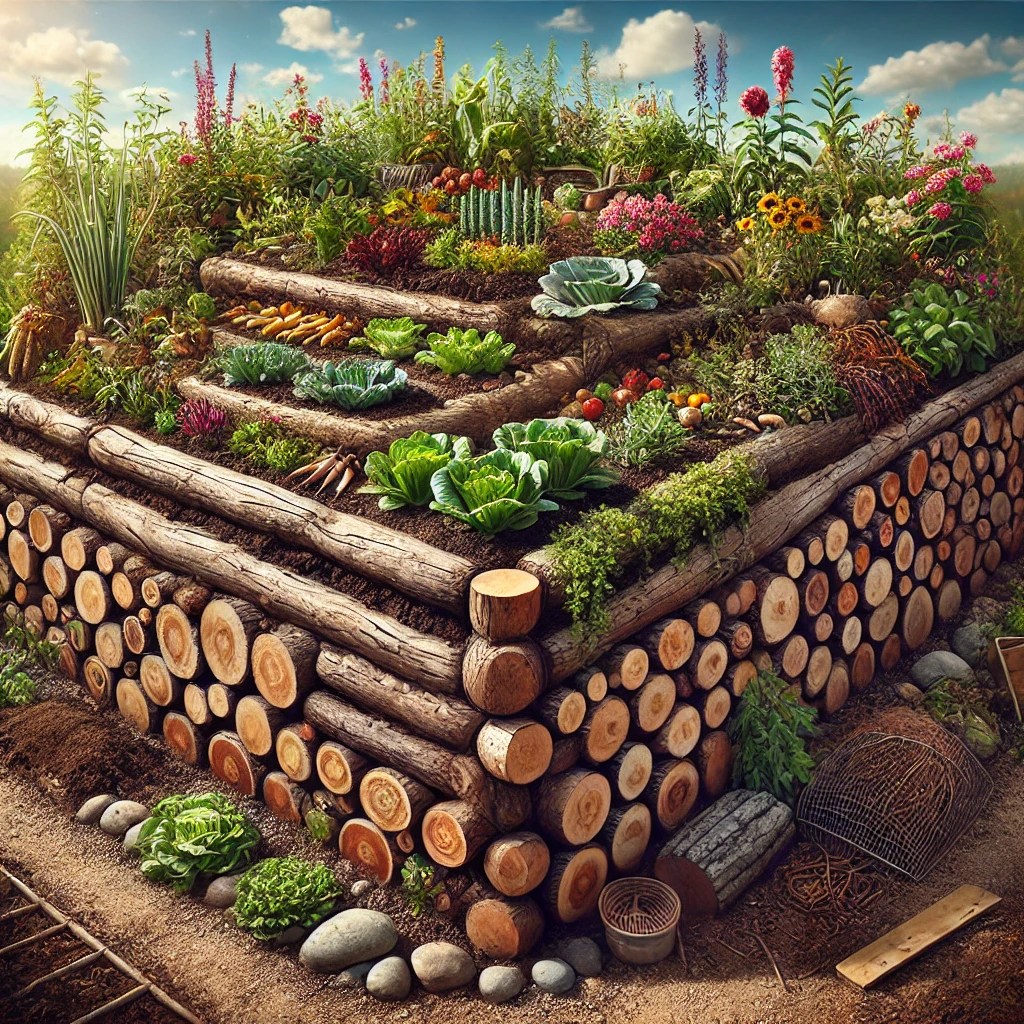
Hugel Beds

Hugelkultur, also known as hugel beds, is an ancient gardening method that has been embraced by modern permaculturists for its sustainability and efficiency. Originating from Eastern Europe and Germany, this technique involves creating raised beds filled with decaying wood and organic matter. Hugel beds are celebrated for their ability to retain moisture, improve soil health, and boost plant growth. In this comprehensive guide, we’ll explore the benefits of hugel beds, how to create them, and tips for maintaining these garden powerhouses.

What is Hugelkultur?

Hugelkultur, which translates to “hill culture” or “mound culture,” is a gardening method where a mound is constructed using decaying wood debris and other organic materials. The mound is then covered with soil and used as a planting bed. The decaying wood at the core of the mound acts as a sponge, absorbing and retaining water, which reduces the need for frequent watering.

Benefits of Hugel Beds

Water Retention and Conservation: One of the most significant advantages of hugel beds is their ability to retain water. The decaying wood absorbs rainwater and slowly releases it into the surrounding soil. This natural irrigation system reduces the need for frequent watering, making hugel beds ideal for areas prone to drought.

Enhanced Soil Fertility: As the wood and organic materials decompose, they enrich the soil with nutrients. This slow release of nutrients provides a long-term food source for plants, resulting in healthier and more vigorous growth. The decomposition process also encourages beneficial microbial activity, further enhancing soil fertility.

Improved Soil Structure: Hugel beds improve soil structure by increasing aeration and drainage. The mound’s layered composition prevents soil compaction and promotes root penetration. This leads to stronger root systems and healthier plants.

Pest and Weed Management: The raised nature of hugel beds can help with pest control by creating a physical barrier that deters some ground-dwelling pests. Additionally, the dense planting often associated with hugel beds can suppress weed growth, reducing the need for chemical herbicides.

Carbon Sequestration: By incorporating large amounts of woody debris into the soil, hugel beds contribute to carbon sequestration. This process helps mitigate climate change by trapping carbon in the soil and reducing greenhouse gas emissions.

Extended Growing Season: The decomposition process in hugel beds generates heat, which can create a warmer microclimate for plants. This can extend the growing season, allowing gardeners to plant earlier in the spring and harvest later in the fall.


Similar Posts:


How to Create a Hugel Bed

Creating a hugel bed involves several steps, but the process is straightforward and can be adapted to any garden size or layout.

1. Choose a Location: Select a well-drained site with good sunlight exposure. Consider the bed’s proximity to water sources and other garden features.

2. Gather Materials: You’ll need a variety of organic materials, including:

  • Large logs or branches
  • Smaller branches and twigs
  • Leaves, grass clippings, and straw
  • Compost or manure
  • Topsoil

3. Build the Base: Start by laying large logs or branches directly on the ground. These will form the core of your hugel bed. Organize them in a manner that forms a stable base.

4. Add Layers: Layer smaller branches and twigs on top of the large logs. Follow with a layer of leaves, grass clippings, or straw. These materials will fill in the gaps and add more organic matter to the bed.

5. Add Compost or Manure: Add a layer of compost or manure to provide additional nutrients. This layer will kickstart the decomposition process and enrich the soil.

6. Cover with Topsoil: Finally, cover the entire mound with a thick layer of topsoil. The soil layer should be deep enough to allow for planting.

7. Water Thoroughly: Water the hugel bed thoroughly to settle the materials and start the decomposition process.

8. Plant Your Garden: Once the hugel bed is built and settled, you can start planting. Choose a mix of shallow-rooted and deep-rooted plants to maximize space and resources.

Maintaining Your Hugel Bed

Maintaining a hugel bed is relatively easy, but there are a few key practices to keep in mind:

Watering: Initially, you may need to water the hugel bed more frequently until the wood becomes fully saturated. After this period, the bed will require less water due to its natural water retention capabilities.

Mulching Add a layer of mulch to the surface of the hugel bed to help retain moisture, suppress weeds, and add organic matter as it decomposes.

Crop Rotation: Practice crop rotation to prevent soil depletion and manage pests. Rotate different plant families through your hugel bed to maintain soil health and productivity.

Periodic Inspections: Regularly check your hugel bed for signs of pests, diseases, or nutrient deficiencies. Make sure to address any issues quickly to maintain the health and vitality of your garden.

Conclusion

Hugelkultur is a time-tested gardening technique that offers numerous benefits for gardeners looking to create sustainable and productive growing spaces. By utilizing decaying wood and organic matter, hugel beds enhance soil fertility, improve water retention, and support robust plant growth. Whether you’re an experienced gardener or a novice, incorporating hugel beds into your garden can transform your gardening experience and yield impressive results. Embrace the principles of hugelkultur and watch your garden flourish!

Happy Gardening! 🌱