
Introduction
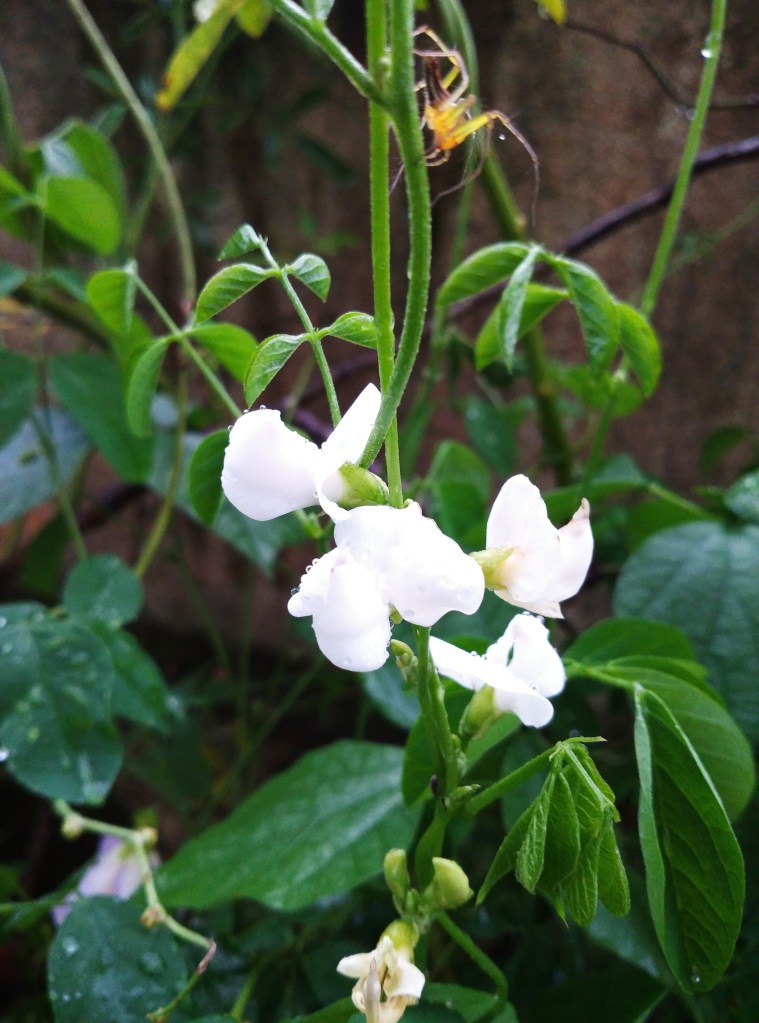
In the world of gardening, there’s a clever technique that goes beyond just planting seeds and hoping for the best. It’s called companion planting, a practice that involves strategically pairing certain plants together to maximize growth, improve pest control, and enhance overall yields. This time-tested approach to gardening combines science with nature’s intricate relationships, resulting in bountiful harvests and healthier plants. Not only does it maximize space, but it also promotes healthier growth and reduces the need for harmful chemicals. In this article, we’ll explore the art and science of companion planting and how you can harness its benefits for your own garden.
The Basics of Companion Planting
Companion planting is more than just arranging plants haphazardly; it’s about understanding the synergies between different plant species. Certain plants have the ability to complement each other in various ways, such as enhancing soil fertility, deterring pests, or providing structural support. For instance, the “Three Sisters” method, practiced by Native American tribes for centuries, involves planting corn, beans, and squash together. The corn provides sturdy support for the climbing beans, while the squash’s broad leaves suppress weeds and conserve soil moisture.
Maximizing Nutrient Utilization
Companion planting can significantly improve soil health and nutrient availability. Nitrogen-fixing plants, like legumes (beans, peas), work in harmony with nitrogen-hungry crops such as leafy greens or corn. The legumes draw nitrogen from the air and convert it into a form that other plants can utilize, promoting better overall growth and reducing the need for synthetic fertilizers.
Natural Pest Management
One of the remarkable benefits of companion planting is its role in pest management. Nature has its own way of protecting plants, and companion planting taps into this wisdom. Some plant pairings can repel pests through natural mechanisms, reducing the need for chemical interventions. For instance, marigolds emit a scent that deters many garden pests, making them excellent companions for tomatoes and peppers. Its fragrance also attracts beneficial insects, creating a balanced ecosystem in your garden.
Herbs are flavorful additions to your cooking and can also be excellent companions for other plants. Intercropping aromatic herbs like basil or rosemary among vegetable crops can also confuse and repel insects that would otherwise target your main crops. Basil, for instance, enhances the growth and flavor of tomatoes. Its aromatic leaves ward off pests like aphids and mosquitoes, making it a dual-purpose companion.
Other examples include dill which eats small pests such as aphids and spider mites and also attracts ladybugs.
Sage is effective for warding off carrot flies.
The strong fragrance of garlic keeps many insects away. Plant alyssum and garlic to attract aphid-eating hoverflies between rows of potatoes, alongside lettuce and cabbage, and close to fruit trees.
Onions guard against cutworms and borers. Pests become confused by their fragrance.
Marigolds are beneficial for onions because their aroma prevents onion maggot flies from laying eggs.
Root Buddies
Underground, unseen, yet crucial to plant health – roots play a significant role. Carrots and onions are classic examples of root buddies. Onions help deter pests that often trouble carrots, while carrots release compounds that suppress weeds around onions. It’s a win-win situation beneath the soil!
Enhancing Pollination
Companion planting isn’t just about keeping pests away; it can also attract beneficial insects like bees and butterflies. These pollinators play a crucial role in fertilizing flowers, which leads to fruit production. Plants like lavender, sunflowers, and borage can serve as attractive nectar sources for these essential garden helpers, boosting the overall productivity of your garden.
You can combine sweet peas with runner beans; calendula with summer squash; and cosmos with cucumbers to enhance pollination.
Space Optimization
In smaller garden spaces, companion planting can be a game-changer. By choosing plant pairings that grow vertically or occupy different layers of the soil, you can make the most of your limited area. For example, vining crops like cucumbers can be trained to grow up trellises, freeing up ground space for shorter plants like radishes or lettuces. Onions and carrots don’t require a lot of room below ground, and they require even less above ground. They can be placed between any variety of plants, including kale, cabbage, broccoli, and peppers.
Complementary Aromas and Growth Patterns
Another fascinating aspect of companion planting is the interaction between plants’ aromas and growth patterns. Some scents can mask the attractive smell of neighboring crops, deterring pests that rely on scent to locate their targets. Planting nasturtiums near cucumbers, for instance, provides a two-fold benefit. Nasturtiums act as a sacrificial plant, attracting aphids away from the cucumbers. Additionally, their vining nature allows them to create a living ground cover that conserves moisture and suppresses weeds.
Additionally, tall plants can provide shade for heat-sensitive crops, while low-growing plants can act as living mulches, conserving soil moisture and preventing weed growth. Imagine tall sunflowers standing sentinel over delicate lettuce – this is a prime example of a tall and low companion planting strategy. The sunflower provides shade to the lettuce, protecting it from excessive heat and maintaining soil moisture. In return, the low lettuce act as a living mulch, keeping the soil cool and conserving water.
Conclusion
Companion planting is a remarkable gardening technique that blends ecological understanding with practical benefits. It’s like orchestrating a symphony in your garden, where each plant plays a unique role in the harmony of growth. From the classic Three Sisters technique to herb heroes and pest-repelling partnerships, these examples showcase the endless possibilities of plant cooperation. By thoughtfully selecting plant combinations based on their complementary traits, you can create a harmonious and productive garden that requires fewer chemical interventions, encourages pollination, and maximizes space utilization. By embracing these techniques, you not only create a thriving garden but also nurture an environment where plants support and protect one another naturally. Whether you’re an experienced gardener or just starting out, experimenting with companion planting can lead to more abundant and vibrant yields while fostering a deeper appreciation for the intricate connections within the natural world. So, why not give it a try and let your garden thrive through the magic of smart plant pairings?
Happy Gardening!
 ILoveGardening
5 thoughts on “Companion Planting: Maximizing Growth Through Smart Plant Pairings!!”