Growing Together: The Benefits and Impact of Community Gardens!

Introduction

In urban landscapes and suburban neighborhoods alike, community gardens have sprouted up as vibrant oases of green amid the concrete jungle. These shared spaces are more than just plots of land for growing plants—they are vital hubs for social interaction, environmental education, and local food production. Community gardens offer a myriad of benefits, fostering a sense of community and promoting sustainable living. Let’s dive into the world of community gardening, exploring its advantages, challenges, and ways to get involved.

What is a Community Garden?

A community garden is a piece of land collectively maintained by a group of people. These gardens can vary in size, from small plots in urban areas to larger spaces in suburban or rural locales. The land may be owned by a local government, a nonprofit organization, or even a group of private citizens. Participants usually rent plots within the garden to grow vegetables, fruits, flowers, and herbs.

Benefits of Community Gardens

Social Interaction and Community Building Community gardens provide a unique platform for social interaction. They bring together people from diverse backgrounds, fostering friendships and a sense of belonging. Gardeners can share tips, seeds, and stories, building a supportive network that extends beyond the garden gates.

Access to Fresh and Healthy Food

One of the primary benefits of community gardens is the provision of fresh, locally-grown produce. Gardeners can cultivate a variety of fruits and vegetables, which contributes to a healthier diet and reduces the reliance on processed foods. This access to fresh produce is particularly beneficial in food deserts, where grocery stores and fresh food options are limited.

Environmental Benefits

Community gardens contribute significantly to environmental sustainability. They promote biodiversity by providing habitats for various plants, insects, and birds. Gardens also improve air quality, reduce the urban heat island effect, and help manage stormwater runoff. By practicing composting and using organic gardening methods, community gardeners can reduce waste and avoid harmful pesticides.

Educational Opportunities

Community gardens serve as living classrooms for people of all ages. They offer hands-on learning experiences about plant biology, ecology, and sustainable agricultural practices. Schools often partner with community gardens to provide students with practical lessons in science, nutrition, and environmental stewardship.

Mental and Physical Health

 Many beneficial effects on mental and physical health have been shown by gardening. The physical activity involved in planting, weeding, and harvesting helps improve cardiovascular health and muscle strength. Additionally, spending time outdoors and engaging with nature can reduce stress, improve mood, and enhance overall well-being.

Economic Benefits

Community gardens can also have economic benefits. They can increase property values and attract new residents to neighborhoods. Additionally, gardeners can save money on groceries by growing their own produce. Some community gardens even operate farmers’ markets, providing an additional source of income for gardeners and access to fresh produce for the community.


Similar Posts:


Challenges of Community Gardens

Despite their many benefits, community gardens face several challenges:

Access to Land

Securing a suitable piece of land for a community garden can be difficult, especially in densely populated urban areas. Land ownership issues, zoning regulations, and potential redevelopment can all pose obstacles.

Funding and Resources

Community gardens often rely on grants, donations, and volunteer labor to operate. Finding consistent funding and resources for tools, seeds, water, and maintenance can be challenging. Many gardens also need support for infrastructure improvements like fencing, raised beds, and irrigation systems.

Maintenance and Management

Successful community gardens require ongoing maintenance and effective management. This includes organizing volunteers, coordinating planting schedules, and ensuring equitable access to plots. Gardens may face issues with vandalism, theft, or pests, which require a collective effort to address.

Community Engagement

Attracting and retaining participants can be challenging, especially in transient urban areas. Community gardens need active engagement and a sense of ownership among gardeners to thrive. Outreach efforts and inclusive practices are essential to involve diverse community members.

How Can One Participate in a Community Garden?

Interested in joining a community garden? The following steps let you get started:

Find a Local Garden

Search online or check with local community centers, schools, or gardening organizations to find a community garden near you. Websites like the American Community Gardening Association (ACGA) offer directories of gardens across the country.

Attend a Meeting or Open House

Most community gardens hold regular meetings or open houses where prospective members can learn more about the garden, its rules, and how to get involved. It’s an excellent opportunity to ask questions and meet current members.

Sign Up for a Plot

If space is available, sign up for a plot. Some gardens have waitlists due to high demand, so be patient and persistent. Once you have a plot, you’ll need to follow the garden’s guidelines and contribute to its upkeep.

Volunteer

Even if you don’t have a plot, many gardens welcome volunteers to help with maintenance, events, and educational programs. Volunteering is a great way to get involved and learn more about gardening.

Start Your Own Garden

If there isn’t a community garden in your area, consider starting one. Gather a group of interested community members, secure a piece of land, and develop a plan for the garden. Seek assistance and resources from nearby organizations.

Conclusion

Community gardens are vital assets to neighborhoods, providing numerous social, environmental, and health benefits. They offer a place for people to come together, grow fresh food, and learn about sustainable practices. While challenges exist, the rewards of community gardening are immense. By getting involved, you can help cultivate a greener, healthier, and more connected community.

Happy Gardening! 🌱

Is Rice Water the Secret to a Thriving Garden? Explore Its Incredible Benefits Now!

Introduction

Garden enthusiasts continually seek natural and effective solutions to boost plant growth and health. One such age-old remedy that has gained attention is rice water. Often discarded after cooking rice, this nutrient-rich liquid is brimming with benefits that can significantly contribute to your garden’s well-being. Let’s delve into the multifaceted uses of rice water in gardening, alongside its advantages and potential drawbacks.

The Nutrient Profile of Rice Water

Rice water, the starchy liquid left behind after rinsing or boiling rice, is packed with essential nutrients that are beneficial for plants. It contains:

  • Vitamins such as B1 (thiamine), B2 (riboflavin), B6 (pyridoxine), and vitamin E.
  • Amino acids: are crucial for plant growth.
  • Minerals like phosphorus and potassium that aid in root development and flowering.
  • Carbohydrates: provide an immediate energy source for plants.

Using Rice Water in Gardening

Soil Conditioner

Rice water serves as an excellent soil conditioner. The nutrients present in the water improve soil fertility, promoting the growth of beneficial microorganisms that aid in breaking down organic matter. This, in turn, enhances nutrient availability for plants, leading to healthier and more vigorous growth.

Fertilizer

One of the primary uses of rice water in gardening is as a fertilizer. Its nutrient content helps in the overall development of plants. Regular application can result in lush foliage, robust root systems, and improved flowering and fruiting. To use rice water as a fertilizer, simply dilute it with an equal amount of water and apply it to the base of your plants.

Pest Deterrent

The starch in rice water can create a protective barrier on plant leaves, making them less appealing to pests. While it may not completely eliminate pests, it can reduce their presence and prevent minor infestations from becoming major problems. Spray diluted rice water on the leaves to create this protective coating.

Seed Soaking Solution

Soaking seeds in rice water before planting can enhance germination rates. The nutrients in the water provide the seeds with a nutrient boost, giving them a head start in their growth journey. Simply soak the seeds in rice water for 12-24 hours before planting them in the soil.

Compost Booster

Adding rice water to your compost pile can speed up the decomposition process. The microorganisms in the compost benefit from the additional nutrients, breaking down organic matter more efficiently. This results in rich, nutrient-dense compost that can be used to nourish your garden.


Similar Posts:


Pros of Using Rice Water in Gardening

Cost-Effective

Using rice water is a cost-effective way to improve your garden’s health. Instead of discarding the water after cooking rice, you can repurpose it, reducing waste and saving money on commercial fertilizers and soil conditioners.

Eco-Friendly

Rice water is an eco-friendly solution that promotes sustainable gardening practices. It reduces the need for chemical fertilizers and pesticides, which can harm the environment and disrupt the balance of your garden ecosystem.

Nutrient-Rich

The nutrient profile of rice water makes it a valuable addition to your gardening routine. It provides essential vitamins, minerals, and amino acids that support plant growth and development.

Enhances Soil Health

Regular application of rice water improves soil health by promoting the growth of beneficial microorganisms. This leads to better nutrient availability and improved soil structure, resulting in healthier plants.

Versatile

Rice water can be used in various ways in the garden, from fertilizing and conditioning the soil to deterring pests and enhancing seed germination. Its versatility makes rice water a valuable asset for a gardener.

Cons of Using Rice Water in Gardening

Potential for Overuse

While rice water is beneficial, overusing it can lead to nutrient imbalances in the soil. Too much starch can create an environment conducive to the growth of harmful microorganisms, which can negatively affect plant health. It’s essential to use rice water in moderation and dilute it before application.

Odor

Rice water can develop an unpleasant odor if left to sit for too long. This can be off-putting for some gardeners and may attract unwanted pests. To avoid this, use fresh rice water or store it in the refrigerator for no more than a week.

Attracts Pests

While rice water can deter some pests, it may attract others, especially if it starts to ferment. Fermented rice water can attract flies and other insects that can become a nuisance in the garden. It’s crucial to monitor its usage and ensure it doesn’t become a pest attractant.

Limited Nutrient Spectrum

Although rice water is nutrient-rich, it doesn’t provide all the essential nutrients that plants need. Relying solely on rice water may result in nutrient deficiencies over time. It’s important to use it as part of a balanced gardening regimen, complementing it with other fertilizers and soil amendments.

Risk of Pathogens

If not properly prepared or stored, rice water can harbor pathogens that can harm plants. It’s vital to ensure that the water is clean and hasn’t been left to sit at room temperature for extended periods. Using boiled rice water can mitigate this risk, as the heat kills potential pathogens.

Conclusion

In conclusion, rice water is a valuable resource for gardeners looking to enhance their plant’s health and promote sustainable gardening practices. Its nutrient-rich profile and versatility make it an excellent addition to your gardening toolkit. However, it’s essential to use it in moderation and be mindful of potential drawbacks to ensure the best results for your garden. By incorporating rice water into a balanced gardening regimen, you can enjoy the benefits of this natural remedy while maintaining the health and vitality of your plants.

Happy Gardening!

Revolutionizing Small-Scale Farming with the Chapin Bucket: Efficient Watering Techniques

Introduction

Efficient water use is essential in small-scale agriculture. The Chapin Bucket, a simple yet innovative irrigation system, has become a game-changer for small-scale farmers, particularly in water-scarce regions. This article explores how this system is transforming agricultural practices.

What is the Chapin Bucket?

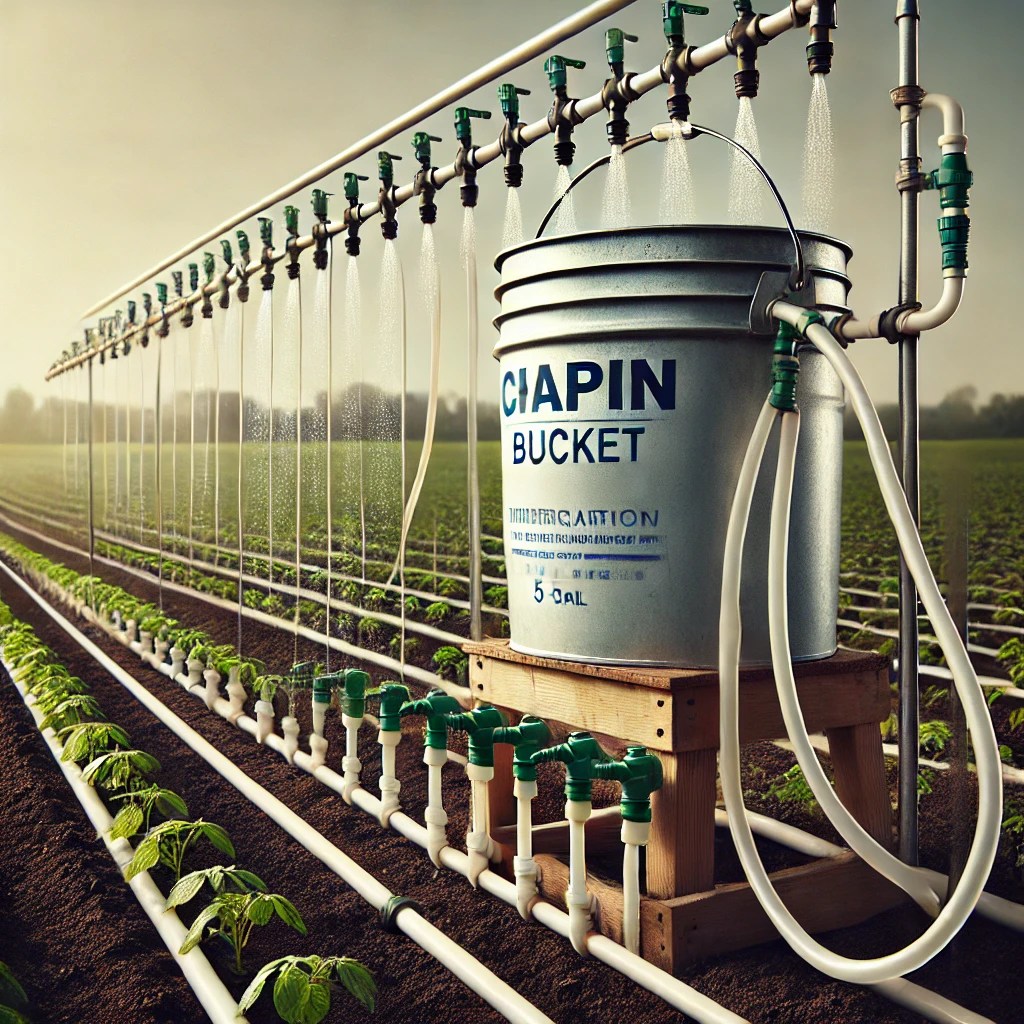
The Chapin Bucket is a robust plastic bucket designed to maximize water distribution efficiency. Key features include a sealed lid with a handle, strategically placed holes, and a hose attachment. Utilizing gravity, it ensures a steady and controlled water flow to plants.

How Does the Chapin Bucket Work?

  1. Water Source: Farmers fill the bucket with water from sources like wells or rivers.
  2. Sealed Lid: This prevents evaporation and contamination, keeping the water clean.
  3. Hose Attachment: The bucket’s base has a hose attachment that allows connection to hoses of varying lengths, depending on the distance to the crops.
  4. Controlled Distribution: Elevating the bucket enables gravity-fed water flow through the holes. Farmers can control the flow rate by adjusting the holes’ size and number or altering the bucket’s height.

Similar Posts:


Advantages of the Chapin Bucket

The Chapin Bucket offers several impactful benefits:

  • Affordability: Made from readily available materials, it is cost-effective, even for resource-constrained farmers.
  • Simplicity:  Its user-friendly requires minimal training, making it easy to construct and maintain.
  • Efficiency: Controlled water distribution minimizes waste, ensuring each plant gets adequate water, potentially increasing crop yields.
  • Accessibility: Suitable for various farming scenarios, from family plots to community gardens and larger farms.
  • Sustainability: Conserves water and reduces manual labor, promoting sustainable agriculture.
  • Empowerment: Enables farmers to manage their irrigation needs independently, reducing reliance on unpredictable weather.

Impact on Small-Scale Agriculture

The Chapin Bucket is more than just an irrigation tool; it’s a catalyst for sustainable agriculture. By promoting efficient water use, it supports food security and enhances the economic stability of small-scale farmers, especially in drought-prone areas.

Real-World Applications

The Chapin Bucket has been effectively used in various contexts:

  • Family Plots: Provides consistent irrigation without expensive infrastructure.
  • Community Gardens: Supports healthy crops and local food production in urban areas.
  • Larger Agricultural Endeavors: Multiple buckets can create an efficient irrigation network for larger farms.

Conclusion

The Chapin Bucket exemplifies the power of simple, innovative solutions to address complex challenges. As the world faces water scarcity and food security issues, such low-tech, high-impact tools are crucial for empowering small-scale farmers and fostering a sustainable, food-secure future.

Adopting the Chapin Bucket ensures crops receive necessary hydration, leading to healthier plants and better yields. This improves farmers’ livelihoods and benefits their communities overall.

Feel free to share this article to spread awareness about this revolutionary irrigation method. Supporting small-scale farmers through sustainable practices has never been more important.

Happy Gardening!

Dive into the Enigmatic Realm of Seaweeds!

Introduction

Seaweed is a collective term for numerous species of marine algae that thrive in oceans, rivers, and other water bodies. Ranging in color from green to brown to red, seaweeds are crucial for marine ecosystems, providing food, habitat, and oxygen through photosynthesis. These versatile organisms also have significant human applications, from culinary uses (like nori in sushi) to industrial applications in pharmaceuticals, cosmetics, and biofuels. Despite their simple structure, seaweeds are incredibly diverse and essential for ecological balance and human innovation. 

Seaweeds, often overlooked in the grand tapestry of marine life, play a crucial role in our oceans and have a significant impact on human life. These macroscopic, multicellular marine algae are found in various forms and colors, primarily classified into three main groups: red (Rhodophyta), brown (Phaeophyceae), and green (Chlorophyta) algae.

Types of Seaweeds

Red Algae (Rhodophyta):

Red algae are known for their vibrant colors, which come from the pigment phycoerythrin. This pigment allows them to absorb blue light and inhabit deeper waters than other types of seaweed.

Common examples include dulse (Palmaria palmata) and Irish moss (Chondrus crispus), which are often used in food products and cosmetics.

Brown Algae (Phaeophyceae):

Brown algae are typically found in colder waters and are known for their large size. The giant kelp (Macrocystis pyrifera), which can grow up to 60 meters, is a notable example.

These algae contain fucoxanthin, a pigment that gives them their characteristic brown color. They are often used in the production of alginates, which are used as thickening agents in various industries.

Green Algae (Chlorophyta):

Green algae are more commonly found in freshwater environments but also thrive in marine settings. They contain chlorophyll, which is responsible for their green color.

Sea lettuce (Ulva lactuca) is a well-known green alga that is often used in salads and other culinary dishes.

Ecological Importance

Seaweeds are vital to marine ecosystems. They provide habitat and food for a variety of marine organisms, from tiny invertebrates to large fish. Kelp forests, for example, are among the most productive and dynamic ecosystems on Earth, offering shelter and nourishment to countless species.

Moreover, seaweeds play a significant role in carbon sequestration. They absorb carbon dioxide from the atmosphere, helping to mitigate the effects of climate change. Some studies suggest that seaweed farming could be a viable strategy for reducing atmospheric CO2 levels.

Human Uses

Humans have utilized seaweeds for centuries, and their applications are diverse:

Food:

Seaweeds are a staple in many Asian cuisines. Nori, a delicious ingredient in sushi, is actually a type of red algae that adds not only flavor but also essential nutrients to your meal. Kombu and wakame, both brown algae, are essential ingredients in Japanese soups and broths.

They are rich source of vitamins, minerals, and antioxidants, making them a nutritious addition to any diet.

Agriculture:

Seaweeds are used as fertilizers because they are rich in nutrients. They improve soil structure and provide essential minerals that promote plant growth.

Industry:

Alginates, agar, and carrageenan, extracted from various seaweeds, are used as gelling, thickening, and stabilizing agents in the food, pharmaceutical, and cosmetic industries.

Medicine:

Seaweeds have been found to have anti-inflammatory, antiviral, and antimicrobial properties. They are being researched for their potential in treating various health conditions.


Similar Posts:


Threats to Seaweed Ecosystems

Despite their importance, seaweed ecosystems face numerous threats:

Climate Change:

Rising sea temperatures and ocean acidification can adversely affect seaweed growth and distribution. Some species may struggle to adapt to changing conditions, leading to shifts in marine biodiversity.

Pollution:

Chemical pollutants, plastic waste, and oil spills can damage seaweed habitats. Nutrient runoff from agriculture can lead to algal blooms, which deplete oxygen in the water and harm marine life.

Overharvesting:

Unsustainable harvesting practices can deplete seaweed populations. It is crucial to implement and follow sustainable harvesting guidelines to ensure the long-term health of seaweed ecosystems.

Conservation Efforts

Efforts are being made globally to protect and restore seaweed habitats:

Marine Protected Areas (MPAs):

Establishing MPAs can help safeguard critical seaweed habitats from human activities. These areas provide a refuge for marine life and allow ecosystems to recover and thrive.

Sustainable Farming:

Promoting sustainable seaweed farming practices can reduce pressure on wild populations. This includes rotating harvest areas, using environmentally friendly farming techniques, and monitoring the health of seaweed beds.

Research and Education:

Continued research into the ecological roles and benefits of seaweeds is essential. Public education campaigns can raise awareness about the importance of seaweeds and the need to protect them.

Conclusion

Seaweeds are more than just marine plants; they are a cornerstone of marine ecosystems and have a profound impact on human life. From providing habitat and food for marine organisms to offering numerous benefits to humans, seaweeds are indispensable. However, they face serious threats that necessitate coordinated conservation efforts. By understanding and protecting these vital organisms, we can ensure the health and sustainability of our oceans for future generations.

Happy Gardening!

Themed Gardening: Transform Your Outdoor Space with Creativity!

Introduction

Gardening is more than just planting flowers and shrubs; it’s an art form that allows you to express your creativity and personality. Themed gardening takes this concept to the next level by creating a cohesive and immersive experience in your outdoor space. Whether you’re a seasoned gardener or a beginner, themed gardening can add a unique touch to your garden. In this article, we’ll explore various garden themes, how to plan and implement them, and tips for maintaining your themed garden.

What is Themed Gardening?

Themed gardening involves designing your garden around a specific concept or style. This could be inspired by a particular culture, historical period, or even a favorite book or movie. The goal is to create a harmonious and visually appealing space that tells a story or evokes a particular feeling.

Popular Garden Themes

1. Japanese Zen Gardens

Elements: Zen gardens are known for their simplicity and tranquility. Key elements include rocks, gravel, water features, and carefully pruned plants.

Plants: Bamboo, Japanese maple, and moss are popular choices.

Tips: Focus on creating a sense of balance and harmony. Use natural materials and avoid clutter.

2. Cottage Gardens

Elements: Cottage gardens are characterized by their informal, romantic style. They frequently include a combination of flowers, herbs, and vegetables.

Plants: Roses, lavender, and hollyhocks are common.

Tips: Plant densely to create a lush, overflowing look. Use winding paths and rustic garden furniture to enhance the charm.

3. Mediterranean Gardens

Elements: These gardens are designed to thrive in hot, dry climates. They often include terracotta pots, gravel paths, and drought-tolerant plants.

Plants: Olive trees, lavender, and rosemary are ideal.

Tips: Incorporate water-saving techniques like drip irrigation. Use bright, sun-soaked colors in your plant choices and decor.

4. Wildlife Gardens

Elements: Wildlife gardens aim to attract and support local wildlife, including birds, bees, and butterflies.

Plants: Native plants, wildflowers, and berry-producing shrubs.

Tips: Provide water sources and shelter. Please remember to avoid the use of pesticides and instead opt for organic gardening methods.

5. Herb Gardens

Elements: Herb gardens are both functional and beautiful. They can be designed in formal patterns or more casual arrangements.

Plants: Basil, thyme, mint, and parsley.

Tips: Plant herbs in well-drained soil and ensure they receive plenty of sunlight. Consider creating a dedicated herb spiral or raised beds.


Similar Posts:


Planning Your Themed Garden

Assess Your Space and Climate

Examine the dimensions, layout, and condition of your garden area. Think about elements like climate, soil type, and sunlight.

Choose a Theme

Select a theme that resonates with you and suits your environment. Research different themes and gather inspiration from books, magazines, and online resources.

Create a Design Plan

Sketch a layout of your garden, including the placement of plants, paths, and features. Think about how different elements will complement one another to produce a unified style.

Select Plants and Materials

Choose plants that fit your theme and are suitable for your climate. Select materials for paths, borders, and garden structures that complement your theme.

Implementing Your Garden Theme

Prepare the Soil

Ensure your soil is healthy and well-drained. Add vermicompost or other organic manure to improve soil quality.

Planting

Follow your design plan and start planting. Always group plants which have similar water and sunlight needs together.

Incorporate Hardscape Elements

Add paths, benches, water features, and other hardscape elements. These features can enhance the theme and provide structure to your garden.

Use Garden Art and Accessories

Decorate your garden with themed accessories like statues, lanterns, or decorative pots. These will add personality and charm to your garden space.

Maintaining Your Themed Garden

Regular Upkeep

Maintain your garden on a regular basis to keep it looking its best. This covers fertilization, pruning, weeding, and watering.

Seasonal Tasks

Adjust your care routine based on the season. For example, protect delicate plants in winter and ensure adequate watering in summer.

Pest Control

Use organic methods to manage pests. Encourage beneficial insects and use natural remedies to keep harmful pests at bay.

Adapt and Evolve

Gardens are dynamic and ever-changing. Be open to making adjustments and improvements as your garden matures.

Conclusion

Themed gardening is a wonderful way to personalize your outdoor space and create a unique, immersive experience. By choosing a theme that resonates with you and carefully planning and maintaining your garden, you can transform your yard into a beautiful and harmonious retreat. Whether you opt for the tranquility of a Japanese Zen garden or the vibrant charm of a cottage garden, themed gardening offers endless possibilities for creativity and enjoyment.

Happy Gardening!

Aquatic Plants: Transform Your Garden into a Tranquil Oasis!

Introduction

Aquatic plants, often associated with ponds and water features, can bring a unique and serene beauty to your garden. These plants not only enhance the aesthetic appeal but also contribute to the ecological balance of your garden. Here, we explore various aquatic plants that you can grow in your garden, their benefits, and tips for successful cultivation.

Types of Aquatic Plants

Aquatic plants can be broadly categorized into four types: floating plants, submerged plants, marginal plants, and bog plants. Each type has particular characteristics and requirements of its own.

Floating Plants:

Water Lettuce (Pistia stratiotes): This floating plant has rosettes of light green leaves that resemble lettuce. It provides shade and helps in controlling algae growth.

Duckweed (Lemna minor): This tiny, free-floating plant forms a green carpet on the water surface. It is excellent for controlling algae and providing food for fish.

Submerged Plants:

Anacharis (Elodea canadensis): Also known as waterweed, this plant grows entirely underwater. It is great for oxygenating the water and providing habitat for aquatic life.

Hornwort (Ceratophyllum demersum): This plant has feathery, dark green foliage and grows submerged. It helps in maintaining water clarity by absorbing excess nutrients.

Marginal Plants:

Cattail (Typha latifolia): Cattails are tall, reed-like plants that grow along the edges of ponds. They provide shelter for wildlife and help in stabilizing the pond’s edge.

Pickerelweed (Pontederia cordata): This plant has heart-shaped leaves and produces spikes of blue flowers. It thrives in shallow water and attracts pollinators like bees and butterflies.

Bog Plants:

Marsh Marigold (Caltha palustris): With its bright yellow flowers, marsh marigold adds a splash of color to the garden. It prefers wet, boggy conditions and blooms in early spring.

Japanese Iris (Iris ensata): Known for its stunning flowers, Japanese iris grows well in wet soil and can tolerate shallow water.

Benefits of Aquatic Plants

Aquatic plants offer a wide range of benefits in addition to their visual appeal:

Water Quality Improvement:

Aquatic plants play a crucial role in maintaining the quality of water. They absorb excess nutrients, reducing the risk of algae blooms and keeping the water clear.

Habitat for Wildlife:

These plants provide habitat and food for various aquatic creatures, including fish, frogs, and insects. They create a balanced ecosystem in your garden pond.

Erosion Control:

Marginal and bog plants help in stabilizing the soil around the pond, preventing erosion and maintaining the pond’s structure.

Aesthetic Appeal:

The diverse shapes, colors, and textures of aquatic plants add a unique charm to your garden. They create a tranquil and serene environment, perfect for relaxation.


Similar Posts:


Tips for Growing Aquatic Plants

Choose the Right Plants:

Select plants that are suitable for your climate and the specific conditions of your garden pond. Consider factors like water depth, sunlight, and temperature.

Planting Techniques:

Use containers or planting baskets for submerged and marginal plants to control their growth and make maintenance easier.

Water Quality Management:

Regularly monitor the water quality in your pond. Maintain a balance of nutrients and avoid overfeeding fish, as excess food can lead to nutrient buildup and also promotes algae growth.

Regular Maintenance:

Trim and remove dead or decaying plant material to prevent it from decomposing in the water. This helps in maintaining water clarity and preventing the buildup of harmful substances.

Control Invasive Species:

Some aquatic plants like water hyacinths (Eichhornia crassipes) can become invasive if not managed properly. Regularly check for signs of overgrowth and take necessary measures to control their spread.

Popular Aquatic Plants for Your Garden

Water Lily (Nymphaea spp.):

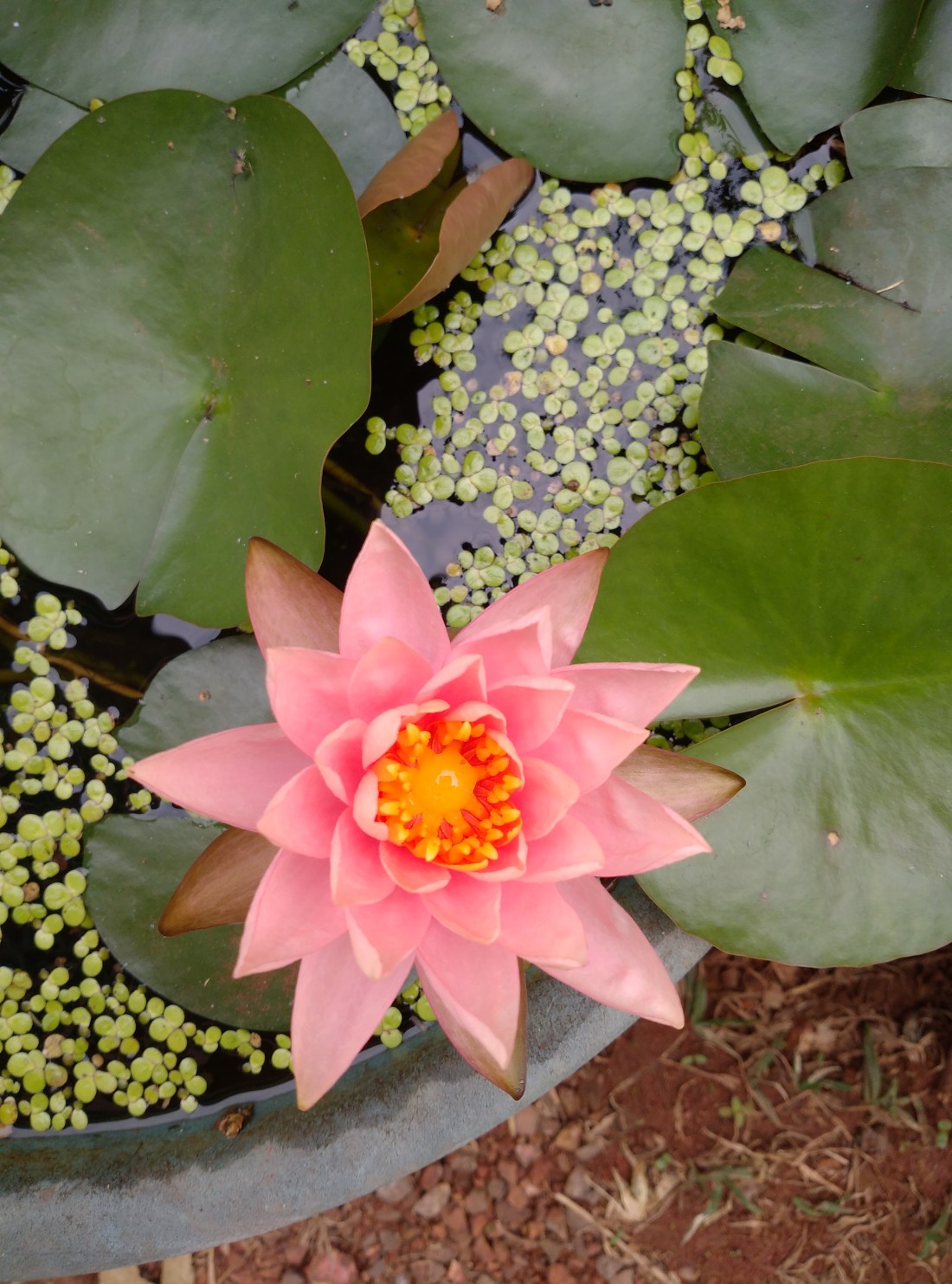
Water lilies are iconic aquatic plants known for their large, floating leaves and beautiful flowers. They give a touch of elegance to any pond and are available in a variety of colors and shapes.

Lotus (Nelumbo nucifera):

Lotus plants are revered for their large, fragrant flowers and round leaves. They require full sun and can grow in deeper water compared to water lilies.

Papyrus (Cyperus papyrus):

It is a tall plant with feathery tops that resemble grass. It grows well in shallow water, adding a tropical feel to the garden.

Taro (Colocasia esculenta):

Taro, also known as elephant ear, has large, heart-shaped leaves. It thrives in wet soil and can be grown along the edges of ponds.

Conclusion

Incorporating aquatic plants into your garden can transform it into a lush, vibrant oasis. These plants not only enhance the beauty of your garden but also contribute to the ecological balance. By choosing the right plants and following proper care techniques, you can create a thriving aquatic garden that brings joy and tranquility to your outdoor space.

Happy Gardening!

Explore the World’s Most Beautiful Gardens: Nature’s Masterpieces!

Introduction

Gardens have always been a source of inspiration, tranquility, and beauty. They reflect the creativity and dedication of their creators, offering a glimpse into the harmonious relationship between humans and nature. Here, we explore some of the most beautiful gardens in the world, each with its unique charm and history.

1. Gardens of Versailles, France

The Gardens of Versailles are a testament to the grandeur and opulence of French royalty. Designed by the famous landscape architect André Le Nôtre in the 17th century, these gardens cover approximately 800 hectares of land. The gardens feature meticulously manicured lawns, parterres of flowers, and an array of sculptures and fountains. The Grande Perspective, stretching from the Palace of Versailles to the horizon, is a stunning example of the art of perspective in garden design. Visitors can wander through the Orangery, the Grand Canal, and the numerous groves, each offering a unique experience.

2. Keukenhof Gardens, Netherlands

Known as the “Garden of Europe,” Keukenhof Gardens is one of the largest flower gardens in the world. Located in Lisse, the Netherlands, Keukenhof spans 32 hectares and is home to over 7 million flower bulbs planted annually. The garden is famous for its vibrant displays of tulips, daffodils, hyacinths, and other spring flowers. Open only from mid-March to mid-May, Keukenhof attracts visitors from around the globe who come to witness the breathtaking floral displays. The garden also features themed gardens, pavilions, and a windmill, adding to its charm.

3. Royal Botanic Gardens, Kew, United Kingdom

The Royal Botanic Gardens, Kew in London is a UNESCO World Heritage site and one of the most important botanical gardens in the world. Covering 326 acres, Kew Gardens boasts over 50,000 different species of plants. The garden is renowned for its historic glasshouses, including the Palm House and the Temperate House, which house exotic plants from around the world. Visitors can also explore the Treetop Walkway, the Japanese Gateway, and the stunning Waterlily House. Kew Gardens is not only a place of beauty but also a center for botanical research and conservation.

4. Butchart Gardens, Canada

Located in Brentwood Bay, British Columbia, Butchart Gardens is a floral wonderland that attracts over a million visitors each year. The gardens were created by Jennie Butchart in the early 20th century on the site of a former limestone quarry. Today, Butchart Gardens covers 55 acres and features several themed gardens, including the Sunken Garden, the Rose Garden, and the Japanese Garden. The vibrant displays of flowers, fountains, and sculptures make it a must-visit destination for garden enthusiasts.

5. Claude Monet’s Garden, France

The Claude Monet Garden in Giverny, France, is a living masterpiece that inspired many of the artist’s famous paintings. Monet designed the garden himself, creating a harmonious blend of colors and textures. The garden is divided into two parts: the Clos Normand, a flower garden in front of Monet’s house, and the Japanese-inspired Water Garden, featuring the iconic Japanese bridge and water lilies. Visitors can stroll through the garden and see the scenes that Monet captured in his paintings, making it a unique and immersive experience.

6. Kirstenbosch National Botanical Garden, South Africa

Nestled at the foot of Table Mountain in Cape Town, Kirstenbosch National Botanical Garden is one of the most beautiful botanical gardens in the world. Established in 1913, Kirstenbosch is dedicated to the preservation of South Africa’s unique flora. The garden covers 528 hectares and features a diverse collection of plants, including many rare and endangered species. Highlights include the Tree Canopy Walkway, the Protea Garden, and the fragrance garden. Kirstenbosch is also a popular venue for outdoor concerts and events.


Similar Posts:


7. Nong Nooch Tropical Botanical Garden, Thailand

Nong Nooch Tropical Botanical Garden in Pattaya, Thailand, is a sprawling garden that showcases the beauty and diversity of tropical plants. Covering 500 acres, the garden features a variety of themed gardens, including the French Garden, the Cactus and Succulent Garden, and the Orchid Garden. Nong Nooch is also home to a collection of bonsai trees, topiary sculptures, and traditional Thai architecture. Visitors can enjoy cultural shows, elephant performances, and a scenic lake, making it a vibrant and entertaining destination.

8. Villa d’Este, Italy

The Villa d’Este in Tivoli, Italy, is a Renaissance masterpiece known for its stunning gardens and fountains. Designed in the 16th century by Pirro Ligorio, the gardens are a UNESCO World Heritage site and a prime example of Italian Renaissance garden design. The garden features terraced hillsides, elaborate fountains, and grottoes, all set against the backdrop of the villa. The Fountain of Neptune, the Hundred Fountains, and the Oval Fountain are just a few of the highlights that make Villa d’Este a must-see destination.

9. Desert Botanical Garden, USA

Located in Phoenix, Arizona, the Desert Botanical Garden is a unique garden that showcases the beauty and diversity of desert plants. Covering 140 acres, the garden features over 50,000 plants, including cacti, succulents, and agaves. The garden’s trails wind through various themed areas, such as the Sonoran Desert Nature Loop Trail and the Desert Wildflower Loop Trail. The Desert Botanical Garden also hosts seasonal events, art installations, and educational programs, making it a vibrant and dynamic destination.

10. Biltmore Gardens, USA

The Biltmore Gardens in Asheville, North Carolina, are part of the Biltmore Estate, the largest privately-owned home in the United States. Designed by Frederick Law Olmsted, the gardens cover 8,000 acres and feature a variety of landscapes, including formal gardens, woodland trails, and a conservatory. Highlights include the Italian Garden, the Rose Garden, and the Azalea Garden. The Biltmore Gardens offer a picturesque setting for visitors to explore and enjoy the beauty of nature.

Conclusion

These gardens are just a few examples of the many beautiful gardens around the world. Each garden offers a unique experience, showcasing the creativity and dedication of their creators. Whether you’re a seasoned gardener or simply a lover of nature, visiting these gardens is sure to inspire and delight. So, pack your bags and embark on a journey to explore the most beautiful gardens in the world. 🌸

Happy Gardening!

Understanding Rose Dieback Disease: Causes, Treatment, and Prevention!

Introduction

Rose plants are cherished for their beauty but can be susceptible to various diseases, one of the most common being rose dieback disease. This condition causes the plant’s branches to turn black and wilt, primarily due to a fungal attack. In this article, we’ll explore the causes of rose dieback disease and provide a step-by-step guide on how to treat and prevent it to ensure your roses remain healthy and vibrant.

What is Rose Dieback Disease?

Rose dieback disease is a prevalent issue affecting rose plants. It manifests as a blackening of branches, which eventually causes the plant to wilt and die. This disease is triggered by several factors, most commonly fungal infections. Other contributing factors include improper soil conditions, seasonal stress, nutrient deficiencies, and more. By identifying and addressing these issues, you can restore your rose plant’s health.

The disease is essentially a signal from the plant, indicating that something is wrong with its growing conditions. Whether it’s an issue with the soil, lack of nutrients, or too much moisture, the plant is trying to communicate that it needs help.

Common Causes of Rose Dieback Disease

1. Excess Humidity

One of the primary causes of rose dieback disease is high humidity. Roses thrive in environments with good air circulation, but when humidity levels rise and moisture lingers around the plant, it becomes stressed. This stress makes the plant more vulnerable to fungal attacks. The fungus responsible for dieback disease thrives in such moist conditions, making it easier for the infection to spread.

To reduce the risk of dieback, ensure your roses are planted in areas with good air circulation. Avoid overcrowding the plants, and regularly prune them to promote airflow.

2. Overly Moist Soil

Waterlogged soil is another major cause of rose dieback disease. When the soil surrounding your rose plant remains constantly wet, it can encourage fungal growth. A rose plant suffering from overly moist soil will begin to wilt, and its branches will turn black as the infection sets in.

To prevent this, use well-draining, fertile soil for your rose plants. To enhance soil drainage, you can add organic matter such as compost or sand. A homemade potting mix designed specifically for roses can also be beneficial.

3. Sudden Seasonal Changes

Seasonal changes can also trigger rose dieback disease. A sudden drop or increase in temperature can shock the plant, making it more susceptible to infections. The plant becomes stressed, and the conditions become favourable for fungal diseases like dieback. Fortunately, this type of dieback is usually temporary, and the plant will adapt to the new environment given enough time.

During periods of sudden weather changes, it’s essential to monitor your plants closely. Providing extra protection, such as mulch or shade during extreme conditions, can help the plant adjust.

4. Contaminated Pruning Tools

Using contaminated pruning tools is another common way that rose dieback disease spreads. If you use the same pruning shears on multiple plants without cleaning them, you risk transferring the infection from one plant to another. Fungal spores can easily stick to the blades and spread the disease.

To prevent this, always clean your pruning tools before and after use. Disinfect them with a solution like hydrogen peroxide or alcohol to kill any lingering fungi.

5. Nutrient Imbalances

Roses are heavy feeders and need a consistent supply of nutrients to grow well. If your soil lacks essential nutrients, or if you overuse chemical fertilizers, it can weaken the plant, making it more prone to dieback disease. Nutrient deficiencies, particularly in nitrogen, phosphorus, and potassium, can stunt growth and encourage fungal infections.

To avoid this, regularly fertilize your rose plants with organic fertilizers. Compost, well-rotted manure, or a balanced rose fertilizer can help provide the necessary nutrients. Avoid over-fertilizing, as excess nutrients can also contribute to dieback disease.

6. Pest Infestations

Pest infestations can further weaken rose plants and make them more vulnerable to dieback disease. Aphids, spider mites, and other pests can damage the plant’s tissues, providing an entry point for fungal infections. The weakened state of the plant allows the dieback fungus to take over more easily.

Using neem oil or other organic pest control methods can help keep pests at bay and protect your plants from further damage.


Similar Posts:


How to Treat Rose Dieback Disease

If your rose plant is already showing signs of dieback disease, don’t worry—there are steps you can take to reverse the damage and restore its health.

1. Identify and Fix the Root Cause

The first step in treating rose dieback disease is to identify the underlying cause. Is your soil too wet? Are there pests attacking your plant? Is there a sudden shift in the weather? Once you determine the cause, take immediate action to fix it. If you skip this step, the disease will continue to reappear, no matter how many treatments you try.

2. Apply Neem Cake Powder

Using a fungicide is an essential step in treating rose dieback disease. Neem cake powder, a natural antifungal agent, can help eliminate the fungus from the soil. Apply up to a tablespoon of neem cake powder to a 6-8 inch pot. For larger containers, increase the dosage accordingly. After applying the neem cake powder, water the plant only if the soil is dry.

Repeat this treatment after 10 days. In most cases, your plant should begin to recover within this timeframe.

3. Prune the Infected Branches

To prevent the spread of dieback disease, it’s crucial to prune the infected branches. Use clean, disinfected shears to cut 1 inch below the blackened area of the branch. Be sure to remove all the diseased parts of the plant to halt the infection.

After pruning, remember to disinfect your tools again to avoid spreading the infection to other plants.

4. Use Neem Oil Spray

In addition to neem cake powder, applying a neem oil spray can help control pests and fungi. Neem oil is a natural pesticide and fungicide that can help the plant recover faster. Spray the neem oil solution on the entire plant, making sure to cover the leaves, stems, and soil surface. This will repel pests and prevent further fungal growth.

Aftercare for Your Rose Plant

Once you’ve treated the plant for dieback disease, the key to a full recovery lies in aftercare. Ensure that the root cause of the problem has been resolved, whether it was overly moist soil, a pest infestation, or a nutrient deficiency. Continue to monitor the plant closely, and adjust its care as needed.

If you follow the steps above, your rose plant should recover within 1-2 weeks. In addition to addressing dieback, stay proactive in maintaining your plant’s health by regularly feeding it with organic fertilizer, pruning it properly, and keeping pests in check.

Conclusion:

Rose dieback disease can be a frustrating problem for gardeners, but it is manageable with the right care. By understanding the causes and taking preventive steps, you can protect your rose plants from future infections. If your plant does fall victim to dieback, following the treatment steps outlined above will help restore it to its former beauty. Stay vigilant, and your roses will thrive for years to come.

Happy Gardening!

The Use of Mulch in Gardening: A Comprehensive Guide!

Introduction

Mulching is one of the most beneficial practices in gardening, as it enhances plant health, reduces water usage, and improves soil quality. Whether you’re a seasoned gardener or a beginner, understanding how and why to use mulch can make a significant difference in your garden’s success. This SEO-friendly guide will explore the types of mulch, the benefits of using mulch, and how to apply it effectively in your garden.

What is Mulch?

Mulch refers to any material applied to the soil surface around plants to protect the soil, retain moisture, and improve its structure. It can be organic or inorganic and can serve both functional and aesthetic purposes in a garden. Organic mulch materials decompose over time, adding nutrients to the soil, while inorganic mulch primarily serves to suppress weeds and conserve moisture.

Types of Mulch

There are various types of mulch that serve different purposes depending on the plants, soil type, and garden conditions. Here are the most commonly used types of mulch:

Organic Mulch

  1. Wood Chips or Bark: These are among the most common types of organic mulch used in gardening. Wood chips and bark provide long-lasting coverage and improve soil structure as they decompose. They are particularly useful around trees, shrubs, and flower beds.
  2. Straw: Straw mulch is often used in vegetable gardens. It is excellent for preventing weed growth and retaining moisture, and it decomposes faster than wood mulch, enriching the soil more quickly.
  3. Compost: Compost can serve as both a mulch and a soil amendment. It’s nutrient-rich and improves soil health while protecting plants. However, it decomposes faster than other organic mulches, so it may need to be reapplied frequently.
  4. Grass Clippings: If you regularly mow your lawn, you can use grass clippings as mulch. Grass clippings are rich in nitrogen and decompose relatively quickly, feeding nutrients back into the soil.
  5. Leaves: Fallen leaves can be shredded and used as mulch. They add organic matter to the soil and are readily available in most gardens during the fall.
  6. Pine Needles: Pine needles are a great choice for mulching around acid-loving plants like blueberries or azaleas. They allow water to penetrate easily while suppressing weed growth.

Inorganic Mulch

  1. Gravel or Pebbles: These materials are often used in dry or desert landscapes. They don’t decompose, making them ideal for permanent mulch. However, they don’t provide nutrients to the soil and may retain heat, which can harm certain plants.
  2. Plastic Sheeting: Black plastic is sometimes used in vegetable gardens to suppress weeds and retain moisture. It works well for crops like tomatoes or peppers but should be removed during hot weather to prevent soil overheating.
  3. Landscape Fabric: This is a durable material used to control weeds and keep moisture in the soil. It’s often covered with a decorative layer of mulch to improve its appearance.

Similar Posts:


Benefits of Mulch in Gardening

Mulch offers numerous advantages to your garden, promoting healthier plants and reducing the need for watering and weeding. The following are some of the main advantages of applying mulch:

1. Moisture Retention

Mulch helps to retain moisture in the soil, which is one of its biggest benefits. By reducing evaporation, mulch helps the soil stay moist longer, which is particularly beneficial during dry seasons. Additionally, it reduces the need for regular watering, which saves both water and time.

2. Weed Suppression

Mulch acts as a barrier that blocks sunlight from reaching the soil, preventing weeds from germinating. Using a thick layer of mulch can significantly reduce weed growth, minimizing competition for nutrients and water between weeds and your plants.

3. Temperature Regulation

Mulch helps moderate soil temperatures by insulating the ground. During hot weather, mulch keeps the soil cooler, protecting plants from heat stress. In colder months, it prevents soil temperatures from dropping too quickly, allowing roots to remain active for longer periods.

4. Soil Erosion Prevention

Mulch aids in preventing wind and/or heavy rain-induced soil erosion. By covering the soil, it protects the top layer from being washed or blown away, helping maintain the soil’s structure and health.

5. Improved Soil Health

Organic mulch decomposes over time, enriching the soil with valuable nutrients. As it breaks down, it adds organic matter to the soil, improving its structure, fertility, and the ability to retain moisture and nutrients.

6. Aesthetic Appeal

Mulch can enhance the visual appeal of your garden by providing a neat, uniform appearance. Whether you prefer the look of wood chips, gravel, or shredded bark, mulch gives your garden a well-maintained, polished finish.

7. Protection Against Pests

Certain types of mulch, such as cedar or pine bark, have natural insect-repelling properties. Mulch also reduces the splash-back of soil onto plants during rain or watering, which can prevent the spread of soil-borne diseases.

How to Apply Mulch Effectively

To reap the full benefits of mulch, it’s essential to apply it correctly. Here’s a step-by-step guide on how to use mulch in your garden:

1. Prepare the Soil

Before applying mulch, prepare the soil by removing any weeds, rocks, or debris. Water the soil deeply to ensure it has enough moisture before adding mulch, especially in dry climates.

2. Layer the Mulch

For most organic mulches, apply a 2 to 4-inch thick layer around your plants. For lighter mulches like straw or grass clippings, you may need to apply a thicker layer. Avoid piling mulch directly against plant stems, as this can cause rot or attract pests.

3. Reapply as Needed

Organic mulch needs to be replaced because it will decompose over time.  Check your mulch layer periodically and add more when it has decomposed or thinned out.

4. Monitor Watering

While mulch helps retain moisture, it’s still essential to monitor the moisture levels in your soil. Make sure the mulch is not preventing water from reaching the roots, and adjust your watering schedule based on your garden’s needs.

Conclusion

Mulching is an invaluable gardening technique that offers numerous benefits, from moisture retention and weed suppression to improving soil health. By choosing the right type of mulch for your garden and applying it correctly, you can create a healthier, more sustainable growing environment for your plants. Whether you’re mulching flower beds, vegetable gardens, or around trees, incorporating mulch into your gardening routine is a simple and effective way to promote a vibrant, low-maintenance garden.

Happy Gardening!

Taro Plants: A Comprehensive Guide to Growing and Caring for Taro!

Introduction

Taro (Colocasia esculenta), also known as elephant ear or dasheen, is a tropical plant that is grown primarily for its starchy root, although its large, heart-shaped leaves are also a culinary delight in many cultures. Known for its rich history and versatility, taro is a popular crop in Asia, Africa, the Pacific Islands, and the Caribbean. Whether you’re interested in its culinary uses, cultural significance, or simply as a beautiful ornamental plant, taro is an excellent addition to any garden. In this article, we’ll explore how to grow, care for, and use taro plants in your garden.

What is Taro?

Taro is a perennial plant that thrives in warm, humid climates. It’s a part of the Araceae family and is often recognized for its large, lush leaves, which can grow up to two feet long. The plant produces a corm, or starchy underground root, which is edible after being cooked. In addition to its edible corms, taro’s leaves are also used in cooking, although they must be cooked thoroughly to remove naturally occurring toxins.

Taro is a staple food in many cultures, especially in Polynesian, Southeast Asian, and African cuisines. It’s packed with nutrients, including fiber, vitamin C, potassium, and magnesium, making it both a healthy and versatile ingredient.

Benefits of Growing Taro Plants

Growing taro offers several benefits, from its culinary uses to its ornamental appeal. Here are some key reasons to consider adding taro plants to your garden:

Nutrient-Rich Food: Taro roots and leaves are excellent sources of essential vitamins and minerals, making them a great addition to a healthy diet.

Culinary Diversity: Taro is used in a variety of dishes, from mashed roots to soups and stews, and its leaves can be used in savory dishes as well.

Ornamental Appeal: Taro’s large, decorative leaves add a tropical touch to your garden or landscape. The leaves’ unique shape makes taro a popular choice in ornamental gardening.

Cultural Significance: Growing taro can be a way to connect with cultural traditions, as the plant is considered sacred in some cultures, particularly in Polynesia.

How to Grow Taro Plants

Taro is relatively easy to grow, provided you live in the right climate. The plant thrives in tropical to subtropical environments, where temperatures remain above 60°F (16°C) throughout the year. Here’s a step-by-step guide to growing taro plants in your garden.

1. Climate and Location

Taro requires a warm, humid environment with plenty of sunlight. It thrives in USDA hardiness zones 9-11, but can be grown as an annual in cooler climates, provided you plant it after the last frost.

Temperature: Taro needs consistently warm temperatures between 70-90°F (21-32°C) to grow well.

Sunlight: Taro plants prefer partial to full sun, but in very hot climates, partial shade can protect them from sunburn.

2. Soil Preparation

Taro prefers well-draining, rich, and loamy soil. It can tolerate waterlogged conditions, making it ideal for planting near ponds or in swampy areas. If you’re planting in a garden bed, prepare the soil by incorporating organic matter like compost to ensure it’s nutrient-rich and retains moisture.

Soil pH: Taro grows best in slightly acidic soil with a pH between 5.5 and 6.5.


Similar Posts:


3. Planting Taro

Taro is typically propagated through its corms. You can purchase taro corms from a nursery or use small, healthy corms from a store-bought taro root.

Planting Depth: Plant taro corms 4-6 inches deep in the soil, with the pointed end facing up.

Spacing: Space the plants about 18-24 inches apart to allow room for their large leaves to spread.

4. Watering

Taro is a water-loving plant, and regular watering is essential for its growth. Maintaining steady moisture in the soil without making it soggy is crucial. If growing taro in a pond or water garden, the plant can tolerate being submerged in shallow water.

Frequency: Water regularly to maintain moist soil, especially during dry spells. Make sure the soil is not completely dry.

5. Fertilizing

Taro plants require frequent fertilizing because they are heavy feeders. Use a balanced fertilizer (10-10-10) every month during the growing season to promote strong growth and healthy corm development.

Organic Alternatives: You can also use organic fertilizers like vermicompost, fish emulsion, or well-rotted manure to provide the necessary nutrients.

6. Caring for Taro Plants

Taro plants require minimal maintenance once established, but there are a few key care tips to ensure healthy growth:

Mulching: For moisture retention and weed control, mulch the area surrounding the base of the plants. It’s best to use organic mulch, such as leaves or straw.

Pest Control: Taro plants can be susceptible to pests like aphids, spider mites, and caterpillars. Use organic pest control methods like neem oil or insecticidal soap to keep these pests in check.

Pruning: For the plant to remain healthy and attractive, remove any damaged or yellowing leaves.

Harvesting Taro

Taro plants are typically ready for harvest 8-12 months after planting, depending on the variety and growing conditions. You can harvest both the corms and the leaves, but make sure to handle them properly, as they can be toxic if not prepared correctly.

1. Harvesting Corms

When the leaves begin to die back, it’s a sign that the corms are ready for harvest. Use a garden fork or spade to carefully dig up the corms without damaging them. The corms can be cooked immediately or stored in a cool, dry place for later use.

2. Harvesting Leaves

Taro leaves can be harvested once they are large and fully mature. Always cook the leaves thoroughly before eating to neutralize the calcium oxalate crystals, which can cause irritation if consumed raw.

Culinary Uses of Taro

Taro is used in a wide variety of cuisines. Both the corms and leaves are edible when cooked properly. Here are some popular culinary uses for taro:

Mashed Taro: Similar to mashed potatoes, boiled taro corms can be mashed and seasoned with herbs and spices.

Taro Chips: Thinly sliced taro can be fried or baked to create crispy, delicious chips.

Stews and Soups: Taro corms add a starchy, hearty texture to soups and stews.

Taro Leaves: In many cultures, taro leaves are used in dishes like luau (a Polynesian dish) and callaloo (a Caribbean dish), Pathrode (an Indian dish).

Conclusion

Taro is a valuable addition to any garden, providing both aesthetic appeal and nutritious, versatile food. Whether you’re growing it for its edible corms, its lush foliage, or its cultural significance, taro is a rewarding plant that requires relatively little effort to grow. By following the tips outlined in this guide, you can successfully cultivate taro plants and enjoy the many benefits they offer.

Happy Gardening!