Unveiling the Secrets of Tomato Plant Cultivation: A Comprehensive Guide!

Introduction:

Tomatoes, with their juicy texture and vibrant colors, are a staple in gardens and kitchens worldwide. Whether you’re a seasoned gardener or a novice enthusiast, growing tomatoes can be a rewarding and enjoyable experience. From selecting the right varieties to providing optimal growing conditions, there are several key factors to consider when cultivating these versatile fruits. In this comprehensive guide, we’ll delve into everything you need to know to successfully grow and care for tomato plants in your garden.

Choosing the Right Tomato Varieties

Before embarking on your tomato-growing journey, it’s crucial to select the right varieties suited to your preferences and growing conditions. With countless cultivars available, ranging from heirlooms to hybrids, there’s a tomato variety to suit every taste and skill level. Consider factors such as flavor, size, color, and growth habit when choosing tomato seeds or seedlings for your garden.

Providing Optimal Growing Conditions

Tomato plants thrive in warm, sunny environments with well-draining soil and consistent moisture. Here are some tips for providing optimal growing conditions for your tomatoes:

Sunlight: Plant tomatoes in a location that receives at least 6-8 hours of direct sunlight each day to promote healthy growth and fruit production. Ensure adequate spacing between plants to prevent overcrowding and maximize sunlight exposure.

Soil: Choose well-draining soil with a pH level between 6.0 and 7.0 for optimal tomato growth. Incorporate organic matter such as compost or aged manure into the soil to improve fertility and moisture retention.

Watering: Keep the soil consistently moist but not waterlogged, especially during the hot summer months. Water tomato plants deeply and evenly, avoiding overhead irrigation to minimize fungal diseases. Mulch around the base of plants to retain soil moisture and suppress weeds.

Temperature: Tomatoes thrive in temperatures between 70°F to 85°F (21°C to 29°C) during the day and above 50°F (10°C) at night. Protect plants from frost and cold temperatures, as they are sensitive to cold damage.

Planting and Transplanting

When planting tomato seeds or seedlings, follow these guidelines for successful establishment:

Seed Starting: Start tomato seeds indoors 6-8 weeks before the last frost date in your area. Sow seeds in seed trays or small pots filled with seed-starting mix, keeping them warm and moist until germination occurs.

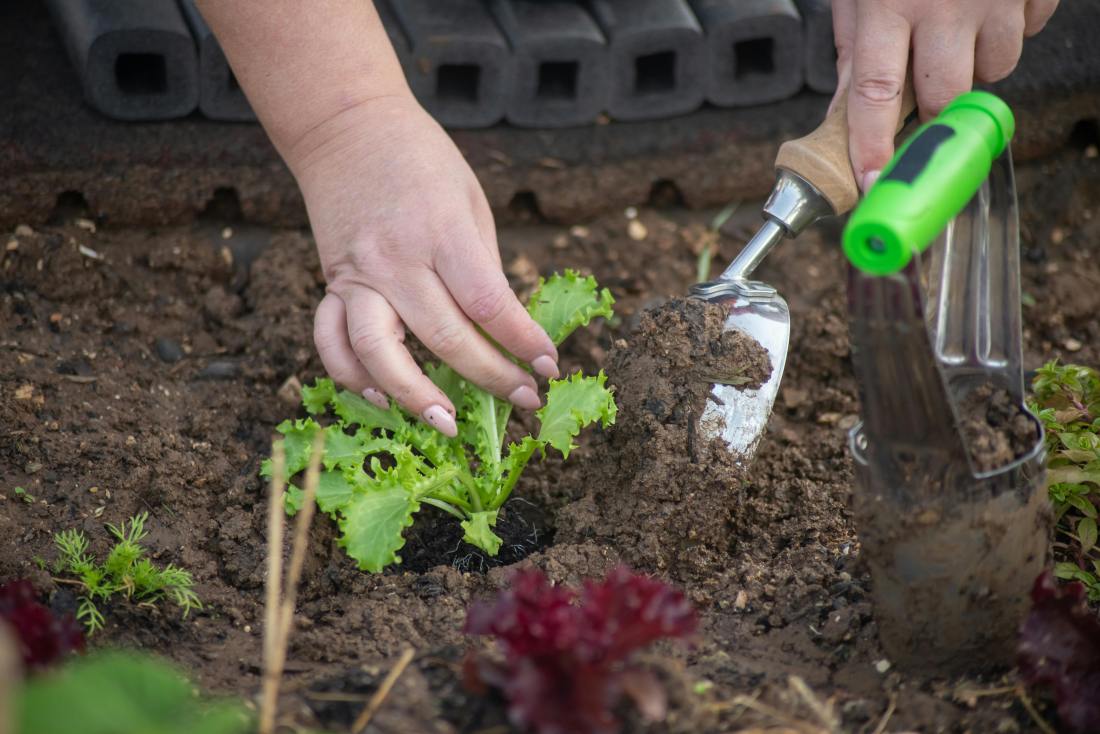
Transplanting: Transplant tomato seedlings into larger containers or into the garden once they have developed 3-4 true leaves and the threat of frost has passed. Space plants 18-24 inches apart in rows or clusters to allow for adequate air circulation and sunlight penetration.

Fertilizing and Feeding

Tomato plants are heavy feeders and benefit from regular fertilization throughout the growing season. Here are some tips for feeding your tomatoes:

Organic Fertilizers: Use organic fertilizers such as compost, fish emulsion, or seaweed extract to provide a balanced supply of nutrients to your tomato plants. Apply fertilizers according to package instructions, taking care not to over-fertilize, which can lead to excessive foliage growth at the expense of fruit production.

Top-Dressing: Apply a layer of compost or well-aged manure around the base of tomato plants every 4-6 weeks to replenish soil nutrients and improve soil structure.

Foliar Feeding: Spray tomato plants with a dilute solution of liquid seaweed or fish emulsion every 2-4 weeks to provide a quick boost of nutrients and promote healthy growth.

Pest and Disease Management

Tomato plants are susceptible to a variety of pests and diseases, including aphids, whiteflies, hornworms, and fungal infections. Here are some tips for managing common tomato plant pests and diseases:

Companion Planting: Plant insect-repellent herbs such as basil, marigolds, and borage near tomato plants to deter pests and attract beneficial insects that prey on garden pests.

Natural Predators: Introduce beneficial insects such as ladybugs, lacewings, and predatory mites to your garden to help control pest populations organically.

Cultural Practices: Practice good garden hygiene by removing weeds, fallen leaves, and debris that can harbor pests and diseases. Rotate tomato plantings annually to reduce the buildup of soil-borne pathogens.

Harvesting and Storage

Harvest tomatoes when they reach their mature size and color, typically 60-80 days after transplanting. Use clean, sharp scissors or pruning shears to snip tomatoes from the plant, taking care not to damage the stems or surrounding foliage. Store harvested tomatoes at room temperature away from direct sunlight, or refrigerate them for longer shelf life.

Conclusion:

With the right knowledge and care, growing tomatoes can be a rewarding and enjoyable experience for gardeners of all skill levels. By selecting the right varieties, providing optimal growing conditions, and implementing effective pest and disease management strategies, you can enjoy a bountiful harvest of flavorful tomatoes to enhance your culinary creations. Follow the tips outlined in this guide, and embark on your journey to becoming a successful tomato gardener!

Happy Gardening!

Unveiling the Secrets of Growing a Thriving Lemon Plant Indoors!

Introduction:

Lemon plants, with their glossy foliage and vibrant fruits, add a refreshing touch to any indoor garden. Beyond their ornamental value, these citrus wonders offer the allure of homegrown lemons right at your fingertips. Cultivating a lemon plant indoors is not only rewarding but also surprisingly straightforward, even for novice gardeners. In this comprehensive guide, we’ll delve into the essential steps and expert tips to help you grow a healthy and fruitful lemon plant in your home.

Choosing the Right Variety

Before you embark on your lemon-growing journey, it’s crucial to select the right variety for indoor cultivation. Dwarf lemon varieties, such as Meyer lemons or Ponderosa lemons, are ideally suited for growing indoors due to their compact size and adaptability to container life.

Selecting the Perfect Container

When it comes to containers for lemon plants, bigger is often better. Choose a container that provides ample space for root development and drainage. Opt for a pot with drainage holes to prevent waterlogging, and consider placing a saucer underneath to catch excess water.

Preparing the Potting Mix

Lemon plants thrive in well-draining, slightly acidic soil. Prepare a potting mix by combining equal parts of peat moss, perlite, and compost. This nutrient-rich blend provides the ideal growing medium for your lemon plant and ensures adequate aeration and moisture retention.

Planting Your Lemon Tree

  1. Preparing the Soil: Fill the bottom of the container with a layer of potting mix, then gently remove the lemon plant from its nursery container and place it in the center of the pot.
  2. Backfilling: Fill the remaining space around the plant with potting mix, ensuring that the top of the root ball is level with the soil surface. Firmly pat down the soil to eliminate air pockets.
  3. Watering: Give your newly planted lemon tree a thorough watering to settle the soil. Water until it begins to drain from the bottom of the pot, then empty the saucer to prevent water buildup.

Light and Temperature Requirements

Lemon plants require ample sunlight to thrive, so choose a sunny location for your indoor garden. Place your lemon tree near a south-facing window where it can receive at least 6-8 hours of sunlight per day. During the winter months, consider supplementing natural light with a grow light to ensure optimal growth.

Maintain a consistent temperature range of 60-70°F (15-21°C) during the day and slightly cooler temperatures at night. Avoid placing your lemon plant near drafty windows or heating vents, as extreme temperature fluctuations can stress the plant.

Watering and Fertilizing

  1. Watering Frequency: Lemon plants prefer evenly moist soil but are susceptible to root rot if overwatered. Allow the top inch of soil to dry out between waterings, then water thoroughly until excess moisture drains from the bottom of the pot.
  2. Fertilizing: Feed your lemon plant regularly during the growing season with a balanced, water-soluble fertilizer formulated for citrus plants. Apply fertilizer every 4-6 weeks from spring to early fall, following the manufacturer’s instructions for dilution and application rates.

Pruning and Maintenance

Regular pruning is essential for shaping your lemon plant and promoting healthy growth. Remove any dead, damaged, or crossing branches, as well as any suckers or shoots emerging from the base of the plant. Prune selectively to maintain an open, airy canopy that allows sunlight to penetrate the interior of the plant.

Pest and Disease Control

Keep an eye out for common pests such as aphids, scale insects, and spider mites, which can infest lemon plants indoors. If you notice any signs of pest infestation, such as yellowing leaves or sticky residue, treat the affected plant with insecticidal soap or neem oil spray.

Harvesting Your Lemons

With proper care and patience, your lemon plant will reward you with a bountiful harvest of fresh, juicy fruits. Most lemon varieties take 6-12 months to ripen, depending on environmental conditions and the age of the plant. Harvest lemons when they reach full size and color, giving them a gentle twist to detach them from the branch.

Conclusion

Growing a lemon plant indoors is a fulfilling endeavor that brings the joy of citrus cultivation into your home. By following these expert tips and guidelines, you can cultivate a healthy, productive lemon tree that provides an abundant harvest of homegrown lemons year-round.

Happy Gardening!

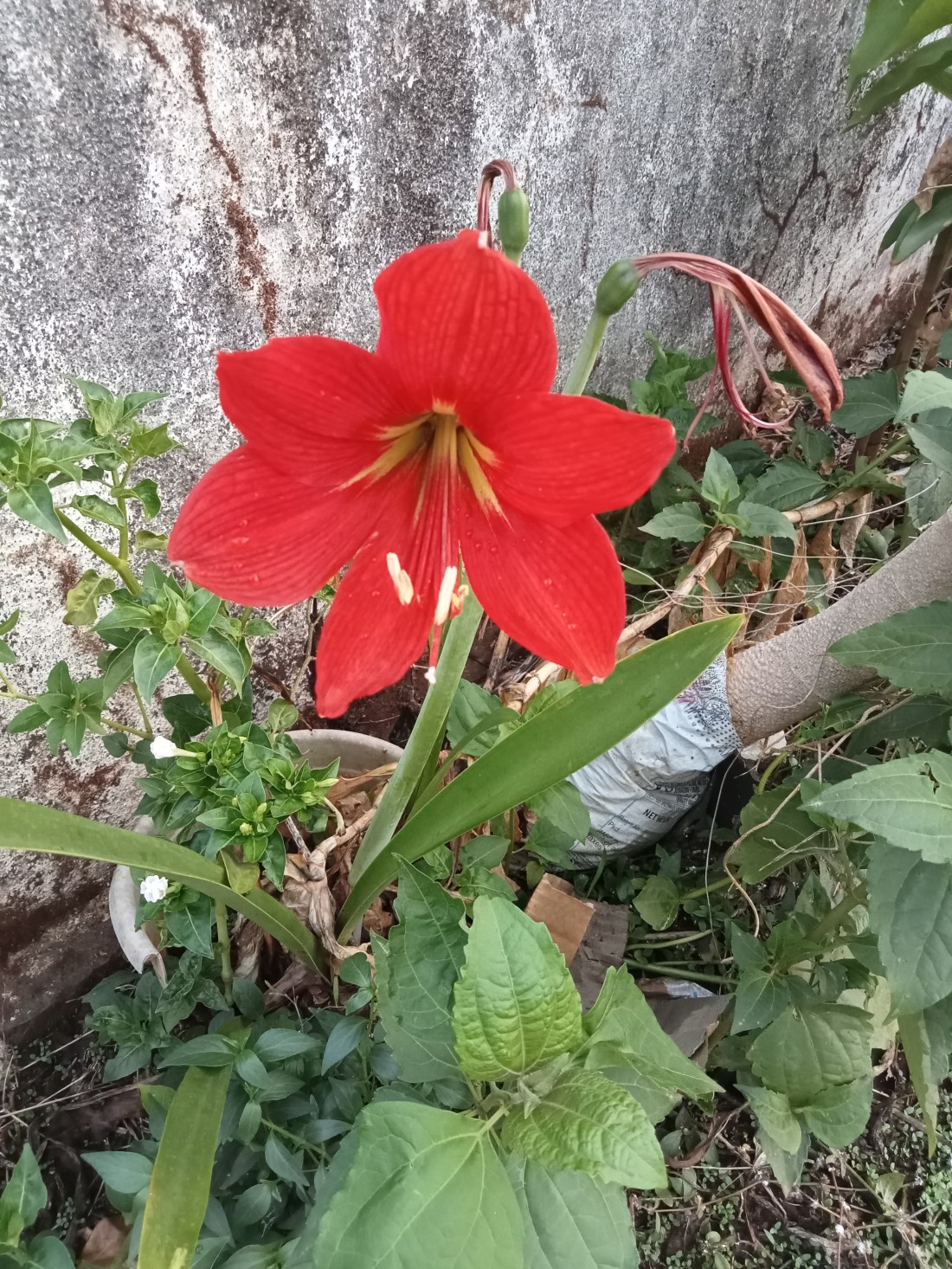
Amaryllis Growing Guide: Cultivating Elegance Indoors!

Introduction:

Amaryllis, with its striking blooms and effortless elegance, is a favorite among indoor plant enthusiasts. Known for its vibrant colors and easy care, this beautiful plant can brighten up any room, especially during the winter months when outdoor gardening is limited. Whether you’re a seasoned gardener or a beginner, growing Amaryllis can be a rewarding experience. In this guide, we’ll walk you through the steps to successfully grow and care for this stunning plant.

Choosing the Right Bulb

The journey to growing a beautiful Amaryllis starts with selecting the right bulb. When buying bulbs, look for ones that are firm, plump, and free from mold or blemishes. Larger bulbs often produce more flowers, so opt for bulbs that are at least 2-3 inches in diameter.

Planting Your Amaryllis

Choosing a Container: Amaryllis bulbs don’t require deep pots. Choose a pot that’s about 1-2 inches wider than the bulb to allow for growth.

Soil: Use a well-draining potting mix.A blend of peat moss, perlite, and compost proves to be effective. Avoid using soil from your garden, as it may not provide the right balance of nutrients and drainage.

Planting: Place the bulb in the pot with the pointed end facing up. Leave the top third of the bulb exposed above the soil. Firmly pack the soil around the bulb to provide support.

Watering and Care

Initial Watering: After planting, give your Amaryllis a thorough watering. Irrigate the plant until the surplus water flows out from the bottom of the pot.

Watering Frequency: Amaryllis prefers to dry out between waterings. Water sparingly until you see new growth, then increase the frequency. Overwatering can lead to bulb rot, so it’s essential to find the right balance.

Light: Place your Amaryllis in a bright location with indirect sunlight. Occasionally rotating the pot ensures even growth. Too little light can result in leggy growth, while too much direct sunlight can scorch the leaves.

Temperature: Amaryllis prefers temperatures between 60-75°F (15-24°C). Avoid placing it near drafts or heaters, as extreme temperature fluctuations can stress the plant.

Fertilizing

To encourage healthy growth and abundant blooms, fertilize your Amaryllis regularly during the growing season. Apply a balanced fertilizer containing equal parts of nitrogen, phosphorus, and potassium. Start fertilizing when new growth appears and continue every 2-4 weeks.

Supporting Blooms

As your Amaryllis grows, it may require some support to prevent the flowers from drooping. Use bamboo stakes or decorative supports to gently prop up the stems.

Post-Blooming Care

After your Amaryllis has finished blooming, it will enter a dormant period. Here are the steps for its care during this period:

Stop Fertilizing: Once the flowers fade, stop fertilizing your Amaryllis.

Watering: Reduce watering gradually as the leaves turn yellow and die back. Eventually, the plant will go into dormancy.

Dormancy: During dormancy, it’s essential to keep the bulb dry. You can either leave it in the pot or remove it, clean off any remaining soil, and store it in a cool, dark place until it’s time to replant.

Reblooming Your Amaryllis

With proper care, your Amaryllis can rebloom year after year. To encourage reblooming:

Repotting: Every 2-3 years, repot your Amaryllis bulb in fresh soil.

Forcing Dormancy: If you want your Amaryllis to bloom again around the holidays, you can force it into dormancy by cutting back on watering and placing it in a cool, dark place for 8-10 weeks.

Restarting Growth: After the dormant period, bring your Amaryllis back into a bright, warm location, resume watering, and watch as new growth appears.

Conclusion

Growing Amaryllis is a delightful and rewarding experience. With its vibrant blooms and minimal care requirements, it’s a perfect choice for both novice and experienced gardeners alike. By following these tips and guidelines, you’ll be well on your way to enjoying the beauty of Amaryllis in your home year after year.

Happy Gardening!

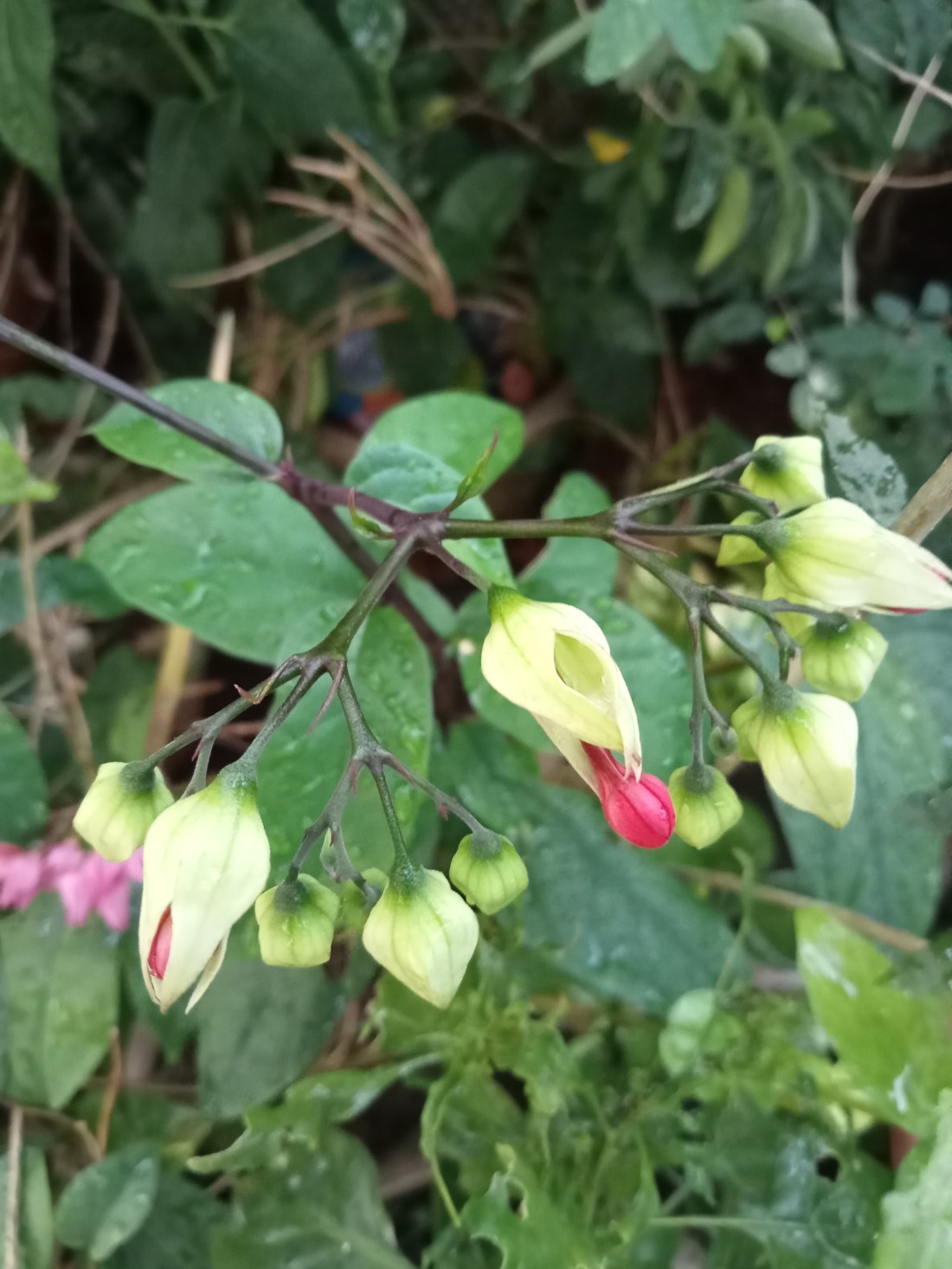
Growing Bleeding Heart Plant: A Guide to Heartwarming Beauty!

Introduction:

The Bleeding Heart plant, known for its heart-shaped flowers that dangle gracefully from arching stems, is a romantic and nostalgic addition to any garden. This enchanting perennial, scientifically known as Dicentra spectabilis, captures the hearts of gardeners with its unique blooms and fern-like foliage. If you’re looking to add a touch of whimsy and elegance to your garden, read on to discover our comprehensive guide on growing and caring for the Bleeding Heart plant.

1. Understanding the Bleeding Heart Plant

Botanical Background

The Bleeding Heart plant is native to Siberia, Northern China, Korea, and Japan. It belongs to the Fumariaceae family and is renowned for its distinctive heart-shaped flowers, which come in shades of pink, red, and white. The flowers typically appear in spring, adding a burst of color to the garden landscape.

Ideal Growing Conditions

Bleeding Hearts thrive in cool, moist conditions and prefer partial shade to full shade. They are typically grown as perennials in USDA hardiness zones 3-9, depending on the variety. While they can tolerate some sunlight, too much direct sun can scorch their delicate foliage, making them more suitable for shaded areas or dappled sunlight.

2. Planting the Bleeding Heart Plant

Soil Requirements

Well-draining soil rich in organic matter is essential for the Bleeding Heart’s health. An ideal soil pH level ranges from 6.0 to 7.0. Incorporating compost or well-rotted manure into the planting area can help improve soil structure and fertility.

Planting Depth and Spacing

Plant Bleeding Hearts at the same depth as they were in their nursery pots, typically around 1-2 inches deep. Space them approximately 18-24 inches apart to allow room for mature growth and optimal air circulation.


Similar Posts:


3. Watering and Feeding

Watering

Consistent moisture is key to the Bleeding Heart’s success. Ensure regular watering, particularly during periods of drought, to maintain even soil moisture without causing waterlogging. Applying mulch around the plant’s base aids in preserving soil moisture and controlling weed growth.

Fertilization

In the early spring, apply a balanced fertilizer following the manufacturer’s guidelines. Avoid over-fertilizing, as excessive nutrients can lead to lush foliage at the expense of flower production.

4. Maintenance and Care

Pruning and Deadheading

Deadheading spent flowers promotes ongoing blooms and helps keep a neat appearance. After the plant has finished blooming for the season, you can cut it back to ground level to promote fresh growth and rejuvenate the plant.

Winter Care

Apply mulch around the plant’s base in late fall to insulate the roots against freezing temperatures. In colder climates, additional winter protection such as covering with burlap or a layer of straw may be necessary.

5. Pests and Diseases

Common Pests

Aphids, slugs, and snails can occasionally be a problem for Bleeding Heart plants. Monitor your plants regularly and treat any infestations promptly using insecticidal soap or other organic pest control methods.

Disease Prevention

Powdery mildew and root rot are potential concerns for Bleeding Hearts. Ensuring proper spacing, facilitating adequate air flow, and refraining from overhead watering are effective strategies to prevent these problems. If signs of disease appear, treat the plant with fungicides or other appropriate treatments as recommended.

Conclusion:

The Bleeding Heart plant, with its heartwarming beauty and easy-care nature, is a delightful addition to any garden. By providing the right growing conditions, regular watering, and minimal maintenance, you can enjoy the charm of these romantic blooms year after year. Whether planted in borders, woodland gardens, or containers, the Bleeding Heart’s unique flowers and elegant foliage are sure to captivate and enchant all who behold them.

Happy Gardening!

Growing Night Queen (Epiphyllum) – A Guide to Enchanting Blooms!

Introduction:

The Night Queen, scientifically known as Epiphyllum, is a captivating plant known for its stunning nocturnal blooms and easy-care nature. Originating from the tropical regions of Central and South America, this epiphytic cactus has gained popularity among plant enthusiasts for its enchanting beauty and unique flowering habits. In this article, we’ll delve into the world of growing and caring for the Night Queen, unlocking the secrets to cultivating these mesmerizing plants in your own garden or indoor space.

1. Understanding the Night Queen (Epiphyllum)

Botanical Background

Epiphyllum, commonly known as the Night Queen or Orchid Cactus, belongs to the cactus family but lacks the typical spines associated with cacti. Instead, it features flat, leaf-like stems that provide a striking backdrop for its magnificent blooms. These blooms, which appear primarily at night, are often fragrant and come in a range of colors, including white, pink, red, and orange.

Light Requirements

Being a tropical plant, the Night Queen thrives in bright, indirect light. Place it near a window where it can receive ample sunlight but avoid direct exposure to intense midday sun, which can scorch its leaves. If grown indoors, artificial grow lights can also be used to supplement natural light.

2. Planting the Night Queen

Soil Mix

A well-draining soil mix is essential for the Night Queen’s health. A combination of peat moss, perlite, and orchid bark works well, providing the plant with the moisture retention it needs while ensuring excess water drains away efficiently.

Potting

Choose a pot with proper drainage holes to prevent waterlogging, which can cause root rot. Repotting is generally recommended every two to three years or when a plant has outgrown its existing pot. Use a pot that allows room for the plant to grow and expand its root system.

3. Watering and Feeding

Watering

Moderate watering is key to the Night Queen’s well-being. Water the plant thoroughly once the top inch of soil is dry to the touch, ensuring any excess water can drain off. In the winter, decrease the frequency of watering to reflect its natural period of dormancy.

Fertilization

Fertilize monthly during the growing season, which includes spring and summer,using a balanced liquid fertilizer at half strength. This will provide the Night Queen with the nutrients it needs to produce healthy foliage and vibrant blooms.

4. Temperature and Humidity

Temperature

Maintain a consistent temperature between 65-85°F (18-29°C) for optimal growth. The Night Queen is sensitive to cold temperatures, so avoid exposing it to drafts or sudden temperature drops, which can cause leaf damage.

Humidity

Being a tropical plant, the Night Queen appreciates higher humidity levels. If grown indoors, consider placing the plant on a humidity tray filled with pebbles and water or use a room humidifier to increase moisture levels around the plant.

5. Pruning and Propagation

Pruning

Regular pruning helps maintain the Night Queen’s shape and promotes new growth. Remove any dead, damaged, or overgrown stems using sharp, sterile pruning shears. While pruning can be performed as necessary throughout the year, it is generally best to prune plants during their dormant season to promote healthy growth and blooming.

Propagation

Propagating the Night Queen is relatively straightforward and can be done using stem cuttings. Choose a healthy stem and cut a section that is at least 6 inches long. Allow the cut end to dry and callous for a few days before planting it in a well-draining soil mix. Maintain moist soil and ensure exposure to bright, indirect sunlight until signs of new growth are evident.

Conclusion

The Night Queen, with its mesmerizing blooms and easy-care nature, is a delightful addition to any garden or indoor space. By understanding its light, water, and temperature requirements, as well as proper planting, feeding, and care techniques, you can enjoy the beauty of this enchanting plant year-round. Whether you’re a seasoned gardener or a beginner, growing the Night Queen is a rewarding experience that will captivate your senses and bring joy with its stunning displays.

Succession Planting: A Guide to Continuous Harvests in Your Garden!

Introduction:

Succession planting is a gardening strategy where crops are planted at intervals to ensure a continuous harvest throughout the growing season. This technique maximizes yield, optimizes garden space, and extends the harvest period, allowing gardeners to enjoy a bountiful supply of fresh produce over an extended period. In this article, we’ll explore the benefits of succession planting, how to implement it, and tips for success.

Benefits of Succession Planting

1. Continuous Harvest

Succession planting ensures a steady supply of fresh produce by staggering planting dates. This allows gardeners to enjoy a continuous harvest rather than a glut of produce all at once, reducing waste and maximizing enjoyment.

2. Maximizes Garden Space

By carefully planning planting dates and utilizing garden space efficiently, succession planting allows you to grow more crops in the same area. This is particularly beneficial for small gardens or limited spaces where maximizing yield is essential.

3. Improves Soil Health

Planting a variety of crops and incorporating cover crops during intervals can help improve soil health. Different plants have varying nutrient needs, and succession planting can help balance soil fertility, reduce soil erosion, and enhance microbial activity.

4. Reduces Pests and Diseases

Continuous planting disrupts the life cycle of pests and diseases, reducing their impact on your garden. By removing old plants and replacing them with new ones, you can minimize pest infestations and disease outbreaks.


Similar Posts:


How to Implement Succession Planting

1. Plan Your Garden Layout

Before you start, plan your garden layout carefully. Consider the mature size and spacing requirements of your crops, and plan succession intervals accordingly. Research companion planting to find combinations that work well together and maximize space.

2. Understand Planting Intervals

Research the growth cycle of your crops to determine the ideal planting intervals. Some crops, like lettuce and radishes, have quick growth cycles and can be planted every few weeks. Others, like tomatoes and peppers, have longer growing seasons and may only allow for one or two successions.

3. Use a Garden Calendar

Maintain a garden calendar to track planting dates, harvest times, and succession intervals. This will help you stay organized and ensure a continuous supply of fresh produce throughout the growing season.

4. Rotate Crops

Crop rotation helps minimize pest and disease issues and stops soil erosion. To ensure a balanced nutrient profile and healthier plants, plan your planting calendar such that crops are rotated annually.

Tips for Successful Succession Planting

1. Choose Complementary Crops

Select crops that complement each other in terms of growth rate and nutrient needs. For example, planting fast-growing radishes between slower-growing carrots can help maximize space and yield.

2. Plant Quick-Growing Crops

Include quick-growing crops like lettuce, radishes, and spinach in your succession planting plan. These crops can be planted multiple times throughout the season, providing a continuous harvest.

3. Optimize Soil Fertility

Incorporate cover crops or green manures during intervals to improve soil fertility and structure. This can help balance soil nutrients and enhance microbial activity, promoting healthier plants and higher yields.

4. Monitor and Maintain

Regularly monitor your garden to ensure plants are thriving and address any issues promptly. Inspect plants for nutrient deficiencies, pest or disease issues, and adjust watering and fertilization as required.

Conclusion:

Succession planting is a valuable gardening technique that allows you to enjoy a continuous harvest throughout the growing season. By carefully planning your garden layout, understanding planting intervals, and following these tips and strategies, you can create a productive and thriving garden that provides a bountiful harvest from spring to fall.

Happy Gardening!

Maximizing Garden Space: Organizing Plants for Optimal Growth and Yield!

Introduction:

One of the joys of gardening is watching your plants thrive and flourish. However, space can often be a limiting factor, especially for those with smaller gardens or urban spaces. The good news? With careful planning and organization, you can make the most out of your garden’s space, allowing you to grow more plants and enhance your garden’s beauty. In this article, we’ll explore practical tips and strategies for organizing plants in your garden to maximize space and yield.

1. Utilize Vertical Space

Vertical gardening is a game-changer for gardeners looking to maximize space. Utilize trellises, arbors, and wall-mounted planters to grow climbing plants like peas, beans, and cucumbers vertically. This not only saves ground space but also adds visual interest to your garden.

Don’t: Avoid neglecting vertical spaces in your garden. With the right support structures, you can transform walls, fences, and even posts into productive growing areas.

2. Plan Companion Plantings

Companion planting involves grouping plants together that benefit each other. For example, planting marigolds alongside tomatoes can deter pests, while basil can enhance the flavor and growth of tomatoes. Research companion planting guides to find combinations that work best for your garden.

Don’t: Avoid planting incompatible plants together, as this can lead to competition for resources or increased susceptibility to pests and diseases.

3. Opt for Raised Beds and Containers

Raised beds and containers are excellent options for maximizing garden space. They allow you to control soil quality, improve drainage, and concentrate plants in specific areas. Plus, they can be placed in sunny spots, patios, or even rooftops, expanding your growing space.

Don’t: Avoid neglecting proper drainage in raised beds or containers. Ensure adequate drainage holes and use quality potting mix to promote healthy plant growth.

4. Practice Intensive Planting

Intensive planting involves planting crops closer together than traditional methods. This technique can significantly increase yields by maximizing space and reducing weed growth. Research spacing requirements for your plants and adjust based on your garden’s size and layout.

Don’t: Avoid overcrowding plants to the point where they compete for light, nutrients, or space. Balance is key to successful intensive planting.


Similar Posts:


5. Implement Succession Planting

Succession planting involves planting new crops as soon as one harvest is finished. This continuous planting ensures a steady supply of fresh produce throughout the growing season and maximizes the use of garden space. Plan your planting schedule to include early, mid, and late-season crops.

Don’t: Avoid neglecting crop rotation or planting the same crops in the same location year after year. Rotate crops to prevent soil depletion and reduce pest and disease problems.

6. Utilize Corners and Odd Spaces

Corners and odd spaces in your garden can often be overlooked, but they offer valuable growing space. Plant vining plants, herbs, or compact vegetables in these areas to make use of every inch of your garden.

Don’t: Avoid leaving corners or odd spaces unused. With a bit of creativity, you can turn these overlooked areas into productive growing spaces.

7. Design Efficient Paths and Walkways

Efficiently designed paths and walkways can help you navigate your garden while maximizing planting space. Consider using gravel, stepping stones, or mulch for paths that allow water to penetrate the soil and reduce runoff.

Don’t: Avoid creating paths that are too wide or winding, as they can consume valuable planting space. Opt for narrow, straight paths that allow easy access without sacrificing growing areas.

8. Combine Multiple Plants in one container

Plants that require similar conditions, such as adequate sunlight, water, and nutrients from the soil can be grown together. When you mix different types of potted plants in a container, you create a small garden with a range of colors and textures.

Don’t: Avoid planting large plants or plants with different needs in the same container as it can lead to their growth being stunted or even cause them to die.

Conclusion:

Maximizing garden space is all about thoughtful planning, organization, and creativity. By implementing these tips and strategies, you can make the most out of your garden’s space, allowing you to grow more plants and enjoy a bountiful harvest. Whether you’re a seasoned gardener or just starting, these practices can help you create a productive and beautiful garden that makes the most of every square inch.

Happy Gardening!

Intensive Planting: Maximizing Yield in Your Garden!

Introduction:

Intensive planting, also known as close planting or square foot gardening, is a gardening technique that focuses on planting crops more densely than in traditional gardening methods. This approach allows gardeners to make the most out of limited space, increase yields, and reduce maintenance efforts. In this article, we’ll delve into the benefits of intensive planting, how to implement it, and tips for success.

Benefits of Intensive Planting

1. Maximizes Space

Intensive planting is all about making the most of your garden’s space. By planting crops closer together, you can grow more in the same area, making it ideal for small gardens, urban spaces, or even container gardening.

2. Increases Yields

Higher planting density can lead to increased yields. When plants are grown closely together, they create a microclimate that helps retain moisture, reduce weed growth, and maximize nutrient uptake, resulting in healthier and more productive plants.

3. Reduces Weeds

The dense foliage created by intensive planting shades the soil, reducing weed growth and competition. This you will get more time enjoying your garden and less time on weeding.

4. Improves Soil Health

Intensive planting encourages strong root development, which helps aerate the soil and improve its structure. The close proximity of plants also leads to a faster canopy cover, reducing soil erosion and improving moisture retention.

How to Implement Intensive Planting

1. Plan Your Garden Layout

It’s crucial to thoroughly plan your garden’s layout before you start planting. Consider the mature size of your plants and their spacing requirements. Research companion planting to find combinations that work well together and maximize space.

2. Prepare the Soil

Healthy soil is essential for a successful garden. Increasing the number of plants in an area will result in more competition for essential resources such as water and nutrients. So before planting, amend your soil with organic matter like vermicompost or aged cow manure to improve its overall structure and fertility. Make sure there is adequate drainage to avoid waterlogging. Waterlogging can cause root rot, which can harm your plants.

3. Use Raised Beds or Containers

Raised beds and containers are excellent options for intensive planting. They allow you to control soil quality, improve drainage, and concentrate plants in specific areas. Plus, they can be placed in sunny spots, patios, or even rooftops, expanding your growing space.

4. Plant Closely, But Not Too Close

While the goal is to plant densely, it’s essential not to overcrowd plants. Follow spacing recommendations on seed packets or plant labels, adjusting based on your garden’s size and layout. Consider staggered or offset planting for rows to maximize space further. Consider planting symbiotic plants that can mutually benefit each other in growth and fruit production.


Similar Posts:


Tips for Successful Intensive Planting

1. Rotate Crops

Crop rotation is essential in intensive planting to prevent soil depletion and reduce pest and disease problems. Plan your planting schedule to rotate crops annually, ensuring a balanced nutrient profile and healthier plants.

2. Mulch

Mulching is beneficial in intensive planting as it helps retain moisture, suppress weeds, and regulate soil temperature. Use organic mulches like straw, wood chips, or leaves to create a protective layer around your plants.

3. Monitor and Maintain

Regular monitoring is crucial in intensive planting to ensure plants are thriving and address any issues promptly. Check for signs of nutrient deficiencies, pest or disease problems, and adjust watering and fertilization as needed.

4. Harvest Promptly

Harvesting promptly encourages continuous production and prevents overcrowding. Regular harvesting also ensures plants have enough space to grow and reduces competition for nutrients and sunlight.

Conclusion:

Intensive planting offers a practical and efficient approach to gardening, allowing you to make the most out of your garden’s space while increasing yields and reducing maintenance. By carefully planning your garden layout, preparing the soil, and following these tips and strategies, you can create a productive and thriving garden that provides a bountiful harvest throughout the growing season.

Happy Gardening!

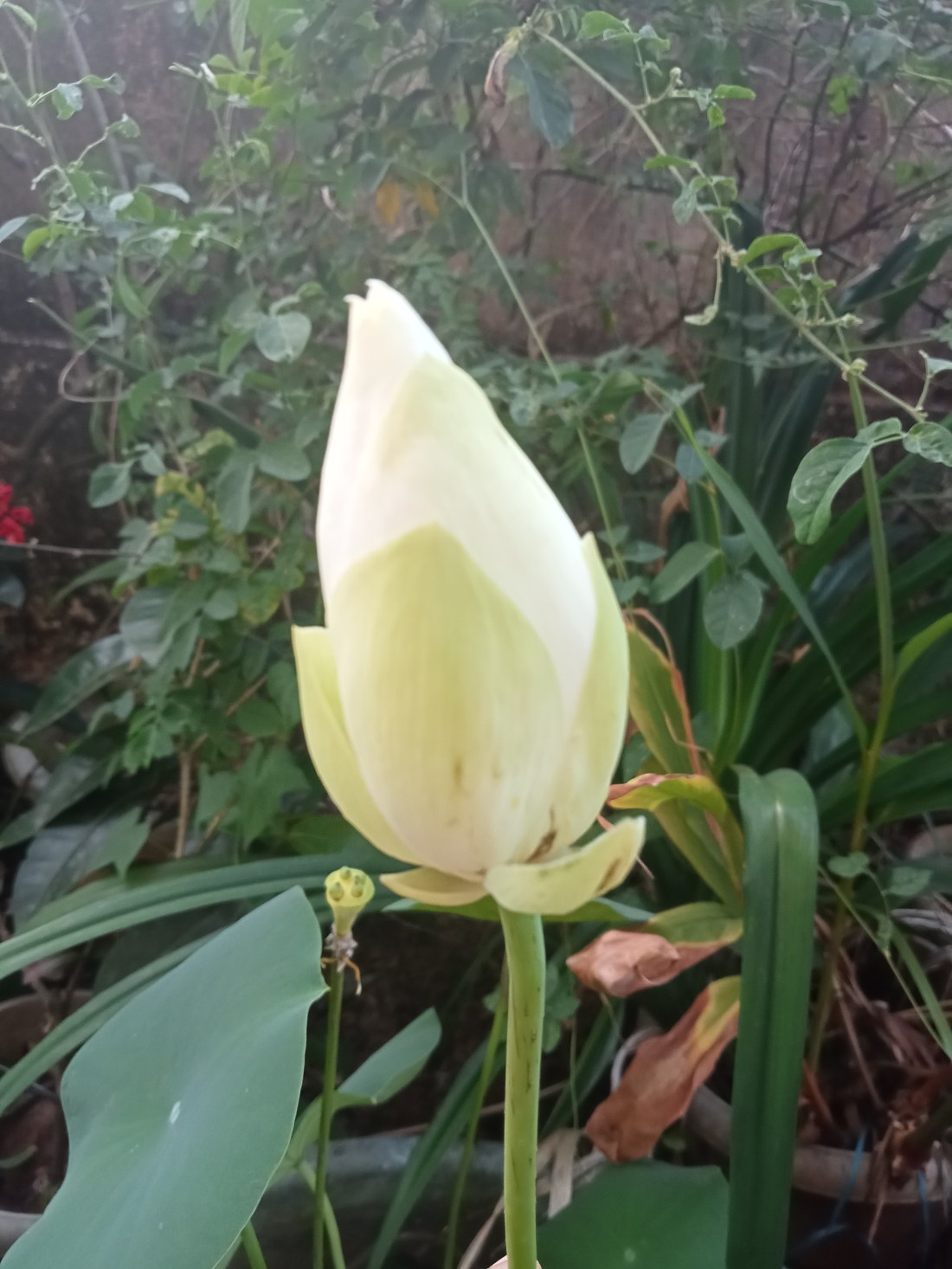
Maintaining a Pristine Water Lily Pond: Tips for a Clean and Insect-Free Garden Oasis!

Introduction:

Water lilies are captivating aquatic plants that add a touch of elegance and tranquility to any garden pond. Their floating leaves and vibrant blooms create a serene ambiance, attracting not only human admirers but also a variety of insects and wildlife. While some insects are beneficial, others can become pests that disrupt the balance of your pond ecosystem. In this comprehensive guide, we’ll explore the essential tips for keeping your water lily pond clean and insect-free, ensuring it remains a beautiful and harmonious garden oasis.

Understanding the Importance of Pond Maintenance

Before diving into the tips, it’s crucial to understand why pond maintenance is essential. A well-maintained pond not only enhances the aesthetic appeal of your garden but also promotes a healthy ecosystem. Regular maintenance helps prevent algae overgrowth, maintains water clarity, and ensures the well-being of your water lilies and other aquatic plants.

Tips for Keeping Your Water Lily Pond Clean

1. Install a Filtration System

Do: Invest in a quality pond filtration system to help remove debris, sediment, and organic matter from the water. A good filtration system will help keep the water clean and clear, reducing the need for frequent cleaning.

2. Regularly Remove Debris

Do: Skim the surface of your pond regularly to remove leaves, twigs, and other debris that can accumulate and decay, releasing nutrients that promote algae growth. Use a pond net or skimmer to make this task easier.

3. Use Beneficial Bacteria

Do: Add beneficial bacteria to your pond regularly to help break down organic waste and reduce algae growth. Beneficial bacteria are natural and safe for fish, plants, and other pond inhabitants.

4. Monitor Water Quality

Do: Regularly test the water quality of your pond to ensure it meets the optimal conditions for your water lilies and other aquatic plants. Factors to monitor include pH levels, ammonia, nitrites, and nitrates.


Similar Posts:


Tips for Keeping Your Water Lily Pond Insect-Free

1. Attract Beneficial Insects

Do: Encourage the presence of beneficial insects like dragonflies, water beetles, and damselflies that naturally control pest populations. These insects are voracious predators of mosquito larvae and other pests.

2. Use Natural Repellents

Do: Employ natural repellents like citronella or lavender around the pond to deter mosquitoes and other nuisance insects. These plants not only repel pests but also add fragrance and beauty to your garden.

3. Install a Pond Skimmer

Do: Consider installing a pond skimmer with a fine mesh net to catch and remove insects that land on the water surface. This simple device can significantly reduce insect populations in your pond.

4. Avoid Overfeeding Fish

Don’t: Resist the urge to overfeed your fish as uneaten food can decompose and attract pests. Feed your fish sparingly and remove any uneaten food after a few minutes to maintain water quality and reduce pest attraction.

Conclusion:

Maintaining a clean and insect-free water lily pond requires regular care, attention, and a bit of knowledge about pond ecosystems. By following these tips, you can create a harmonious environment that not only showcases the beauty of your water lilies but also provides a sanctuary for aquatic life and beneficial insects.

Remember, prevention is key when it comes to pond maintenance. Regularly monitoring water quality, removing debris, and implementing natural pest control methods will help keep your water lily pond clean, clear, and thriving for years to come.

Happy Gardening!

Sweet Success: A Guide to Growing Sugarcane in Your Home Garden!

Introduction:

Sugarcane, with its tall stalks and sweet taste, is not only a staple crop but also a delightful addition to any home garden. Cultivating sugarcane at home can be a rewarding experience, providing you with a fresh source of sweetness while adding a tropical touch to your garden landscape. In this comprehensive guide, we’ll explore everything you need to know about growing sugarcane in your own backyard oasis.

Understanding Sugarcane:

Sugarcane (Saccharum officinarum) is a perennial grass native to tropical regions, known for its high sugar content. It thrives in warm, humid climates and can grow up to 20 feet tall under optimal conditions. While sugarcane is primarily cultivated for sugar production on a commercial scale, it can also be grown in home gardens for its ornamental value and culinary uses.

Choosing the Right Variety:

Before you start growing sugarcane, it’s essential to select the right variety for your garden. Some popular sugarcane varieties suitable for home cultivation include:

Red Sugarcane: Known for its striking red-hued stalks and high sugar content, red sugarcane adds a vibrant pop of color to your garden landscape.

Yellow Sugarcane: Yellow sugarcane varieties are prized for their sweet taste and juicy stalks, making them a favorite for fresh consumption and juicing.

Green Sugarcane: Green sugarcane varieties are valued for their versatility and adaptability to different growing conditions. They are suitable for both culinary and ornamental purposes.


Similar Posts:


Planting Sugarcane:

Once you’ve chosen your sugarcane variety, it’s time to plant them in your home garden. Here’s a step-by-step guide to planting sugarcane:

Soil Preparation: Sugarcane thrives in well-draining, fertile soil with a pH level between 6.5 and 7.5. Prepare the planting area by loosening the soil and incorporating organic matter such as compost or aged manure to improve soil structure and fertility.

Planting Method: Sugarcane can be propagated from cuttings known as “seed pieces.” Cut the sugarcane stalks into parts roughly 6 to 8 inches long, ensuring each segment contains at least one bud or “node.” Plant the seed pieces horizontally in furrows or trenches, spacing them 12 to 18 inches apart to allow for proper growth and development.

Watering and Mulching: Sugarcane requires lots of water during its growing season. It’s one of the basic requirements which a gardener needs to consider before growing sugarcane. Keep the soil consistently moist but not waterlogged, especially during the initial stages of growth. Apply a layer of organic mulch such as straw or shredded leaves to retain soil moisture, suppress weed growth, and regulate soil temperature.

Sunlight and Temperature: Sugarcane requires full sun exposure to thrive, so choose a planting location that receives at least 6 to 8 hours of direct sunlight per day. Additionally, ensure that your garden receives adequate warmth, as sugarcane is sensitive to cold temperatures and frost.

Maintenance: Throughout the growing season, monitor your sugarcane plants for signs of pests, diseases, or nutrient deficiencies. The “seed pieces” are more vulnerable to termites in the early stages, and after it begins to grow leaves, animals like chickens and rabbits will come to consume it. Add some ash to the side of the seed piece to deter termites. You can also build a fence to keep rabbits and chicken out. Provide regular water and fertilizer as needed to support healthy growth and development.

Harvesting and Utilizing Sugarcane:

With proper care and maintenance, your sugarcane plants will mature and be ready for harvest within 9 to 24 months, depending on the variety and growing conditions. Here’s how to harvest and utilize sugarcane in your home garden:

Harvesting: To harvest sugarcane, wait until the stalks reach maturity and develop a rich, sweet taste. Use a sharp knife or machete to cut the stalks at ground level, being careful not to damage the surrounding plants.

Processing: Once harvested, peel away the outer husk of the sugarcane stalks to reveal the juicy inner pulp. Sugarcane can be enjoyed fresh by chewing on the stalks to extract the sweet juice or processed into various products such as juice, syrup, or molasses.

Culinary Uses: Fresh sugarcane juice is a popular beverage in many tropical regions, prized for its refreshing taste and nutritional benefits. Additionally, sugarcane syrup and molasses can be used as natural sweeteners in cooking and baking, adding depth of flavor to a wide range of dishes.

Conclusion:

Growing sugarcane in your home garden is a rewarding experience that allows you to enjoy the sweet taste of tropical bliss right in your backyard. By following the steps outlined in this guide, you can cultivate healthy sugarcane plants and harvest a bountiful crop for culinary enjoyment and ornamental beauty. So why wait? Get started on your sugarcane-growing journey today and sweeten up your garden paradise!

Happy Gardening!