Dive into the Enigmatic Realm of Seaweeds!

Introduction

Seaweed is a collective term for numerous species of marine algae that thrive in oceans, rivers, and other water bodies. Ranging in color from green to brown to red, seaweeds are crucial for marine ecosystems, providing food, habitat, and oxygen through photosynthesis. These versatile organisms also have significant human applications, from culinary uses (like nori in sushi) to industrial applications in pharmaceuticals, cosmetics, and biofuels. Despite their simple structure, seaweeds are incredibly diverse and essential for ecological balance and human innovation. 

Seaweeds, often overlooked in the grand tapestry of marine life, play a crucial role in our oceans and have a significant impact on human life. These macroscopic, multicellular marine algae are found in various forms and colors, primarily classified into three main groups: red (Rhodophyta), brown (Phaeophyceae), and green (Chlorophyta) algae.

Types of Seaweeds

Red Algae (Rhodophyta):

Red algae are known for their vibrant colors, which come from the pigment phycoerythrin. This pigment allows them to absorb blue light and inhabit deeper waters than other types of seaweed.

Common examples include dulse (Palmaria palmata) and Irish moss (Chondrus crispus), which are often used in food products and cosmetics.

Brown Algae (Phaeophyceae):

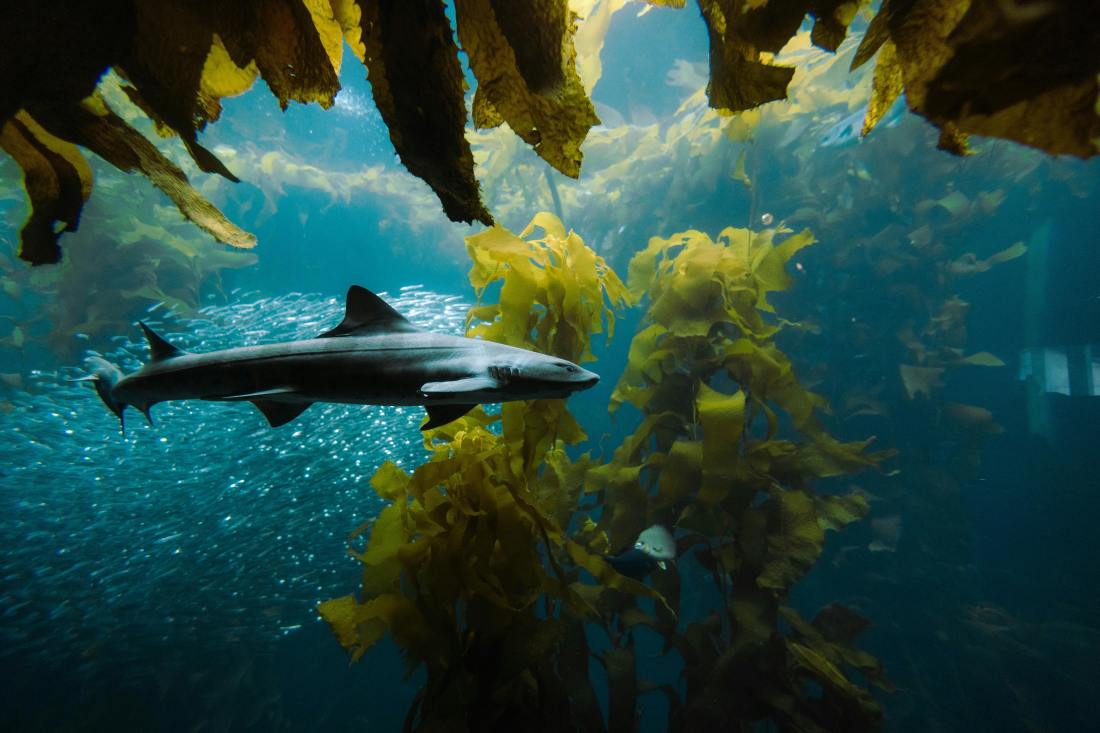
Brown algae are typically found in colder waters and are known for their large size. The giant kelp (Macrocystis pyrifera), which can grow up to 60 meters, is a notable example.

These algae contain fucoxanthin, a pigment that gives them their characteristic brown color. They are often used in the production of alginates, which are used as thickening agents in various industries.

Green Algae (Chlorophyta):

Green algae are more commonly found in freshwater environments but also thrive in marine settings. They contain chlorophyll, which is responsible for their green color.

Sea lettuce (Ulva lactuca) is a well-known green alga that is often used in salads and other culinary dishes.

Ecological Importance

Seaweeds are vital to marine ecosystems. They provide habitat and food for a variety of marine organisms, from tiny invertebrates to large fish. Kelp forests, for example, are among the most productive and dynamic ecosystems on Earth, offering shelter and nourishment to countless species.

Moreover, seaweeds play a significant role in carbon sequestration. They absorb carbon dioxide from the atmosphere, helping to mitigate the effects of climate change. Some studies suggest that seaweed farming could be a viable strategy for reducing atmospheric CO2 levels.

Human Uses

Humans have utilized seaweeds for centuries, and their applications are diverse:

Food:

Seaweeds are a staple in many Asian cuisines. Nori, a delicious ingredient in sushi, is actually a type of red algae that adds not only flavor but also essential nutrients to your meal. Kombu and wakame, both brown algae, are essential ingredients in Japanese soups and broths.

They are rich source of vitamins, minerals, and antioxidants, making them a nutritious addition to any diet.

Agriculture:

Seaweeds are used as fertilizers because they are rich in nutrients. They improve soil structure and provide essential minerals that promote plant growth.

Industry:

Alginates, agar, and carrageenan, extracted from various seaweeds, are used as gelling, thickening, and stabilizing agents in the food, pharmaceutical, and cosmetic industries.

Medicine:

Seaweeds have been found to have anti-inflammatory, antiviral, and antimicrobial properties. They are being researched for their potential in treating various health conditions.


Similar Posts:


Threats to Seaweed Ecosystems

Despite their importance, seaweed ecosystems face numerous threats:

Climate Change:

Rising sea temperatures and ocean acidification can adversely affect seaweed growth and distribution. Some species may struggle to adapt to changing conditions, leading to shifts in marine biodiversity.

Pollution:

Chemical pollutants, plastic waste, and oil spills can damage seaweed habitats. Nutrient runoff from agriculture can lead to algal blooms, which deplete oxygen in the water and harm marine life.

Overharvesting:

Unsustainable harvesting practices can deplete seaweed populations. It is crucial to implement and follow sustainable harvesting guidelines to ensure the long-term health of seaweed ecosystems.

Conservation Efforts

Efforts are being made globally to protect and restore seaweed habitats:

Marine Protected Areas (MPAs):

Establishing MPAs can help safeguard critical seaweed habitats from human activities. These areas provide a refuge for marine life and allow ecosystems to recover and thrive.

Sustainable Farming:

Promoting sustainable seaweed farming practices can reduce pressure on wild populations. This includes rotating harvest areas, using environmentally friendly farming techniques, and monitoring the health of seaweed beds.

Research and Education:

Continued research into the ecological roles and benefits of seaweeds is essential. Public education campaigns can raise awareness about the importance of seaweeds and the need to protect them.

Conclusion

Seaweeds are more than just marine plants; they are a cornerstone of marine ecosystems and have a profound impact on human life. From providing habitat and food for marine organisms to offering numerous benefits to humans, seaweeds are indispensable. However, they face serious threats that necessitate coordinated conservation efforts. By understanding and protecting these vital organisms, we can ensure the health and sustainability of our oceans for future generations.

Happy Gardening!
Aquatic Plants: Transform Your Garden into a Tranquil Oasis!

Introduction

Aquatic plants, often associated with ponds and water features, can bring a unique and serene beauty to your garden. These plants not only enhance the aesthetic appeal but also contribute to the ecological balance of your garden. Here, we explore various aquatic plants that you can grow in your garden, their benefits, and tips for successful cultivation.

Types of Aquatic Plants

Aquatic plants can be broadly categorized into four types: floating plants, submerged plants, marginal plants, and bog plants. Each type has particular characteristics and requirements of its own.

Floating Plants:

Water Lettuce (Pistia stratiotes): This floating plant has rosettes of light green leaves that resemble lettuce. It provides shade and helps in controlling algae growth.

Duckweed (Lemna minor): This tiny, free-floating plant forms a green carpet on the water surface. It is excellent for controlling algae and providing food for fish.

Submerged Plants:

Anacharis (Elodea canadensis): Also known as waterweed, this plant grows entirely underwater. It is great for oxygenating the water and providing habitat for aquatic life.

Hornwort (Ceratophyllum demersum): This plant has feathery, dark green foliage and grows submerged. It helps in maintaining water clarity by absorbing excess nutrients.

Marginal Plants:

Cattail (Typha latifolia): Cattails are tall, reed-like plants that grow along the edges of ponds. They provide shelter for wildlife and help in stabilizing the pond’s edge.

Pickerelweed (Pontederia cordata): This plant has heart-shaped leaves and produces spikes of blue flowers. It thrives in shallow water and attracts pollinators like bees and butterflies.

Bog Plants:

Marsh Marigold (Caltha palustris): With its bright yellow flowers, marsh marigold adds a splash of color to the garden. It prefers wet, boggy conditions and blooms in early spring.

Japanese Iris (Iris ensata): Known for its stunning flowers, Japanese iris grows well in wet soil and can tolerate shallow water.

Benefits of Aquatic Plants

Aquatic plants offer a wide range of benefits in addition to their visual appeal:

Water Quality Improvement:

Aquatic plants play a crucial role in maintaining the quality of water. They absorb excess nutrients, reducing the risk of algae blooms and keeping the water clear.

Habitat for Wildlife:

These plants provide habitat and food for various aquatic creatures, including fish, frogs, and insects. They create a balanced ecosystem in your garden pond.

Erosion Control:

Marginal and bog plants help in stabilizing the soil around the pond, preventing erosion and maintaining the pond’s structure.

Aesthetic Appeal:

The diverse shapes, colors, and textures of aquatic plants add a unique charm to your garden. They create a tranquil and serene environment, perfect for relaxation.


Similar Posts:


Tips for Growing Aquatic Plants

Choose the Right Plants:

Select plants that are suitable for your climate and the specific conditions of your garden pond. Consider factors like water depth, sunlight, and temperature.

Planting Techniques:

Use containers or planting baskets for submerged and marginal plants to control their growth and make maintenance easier.

Water Quality Management:

Regularly monitor the water quality in your pond. Maintain a balance of nutrients and avoid overfeeding fish, as excess food can lead to nutrient buildup and also promotes algae growth.

Regular Maintenance:

Trim and remove dead or decaying plant material to prevent it from decomposing in the water. This helps in maintaining water clarity and preventing the buildup of harmful substances.

Control Invasive Species:

Some aquatic plants like water hyacinths (Eichhornia crassipes) can become invasive if not managed properly. Regularly check for signs of overgrowth and take necessary measures to control their spread.

Popular Aquatic Plants for Your Garden

Water Lily (Nymphaea spp.):

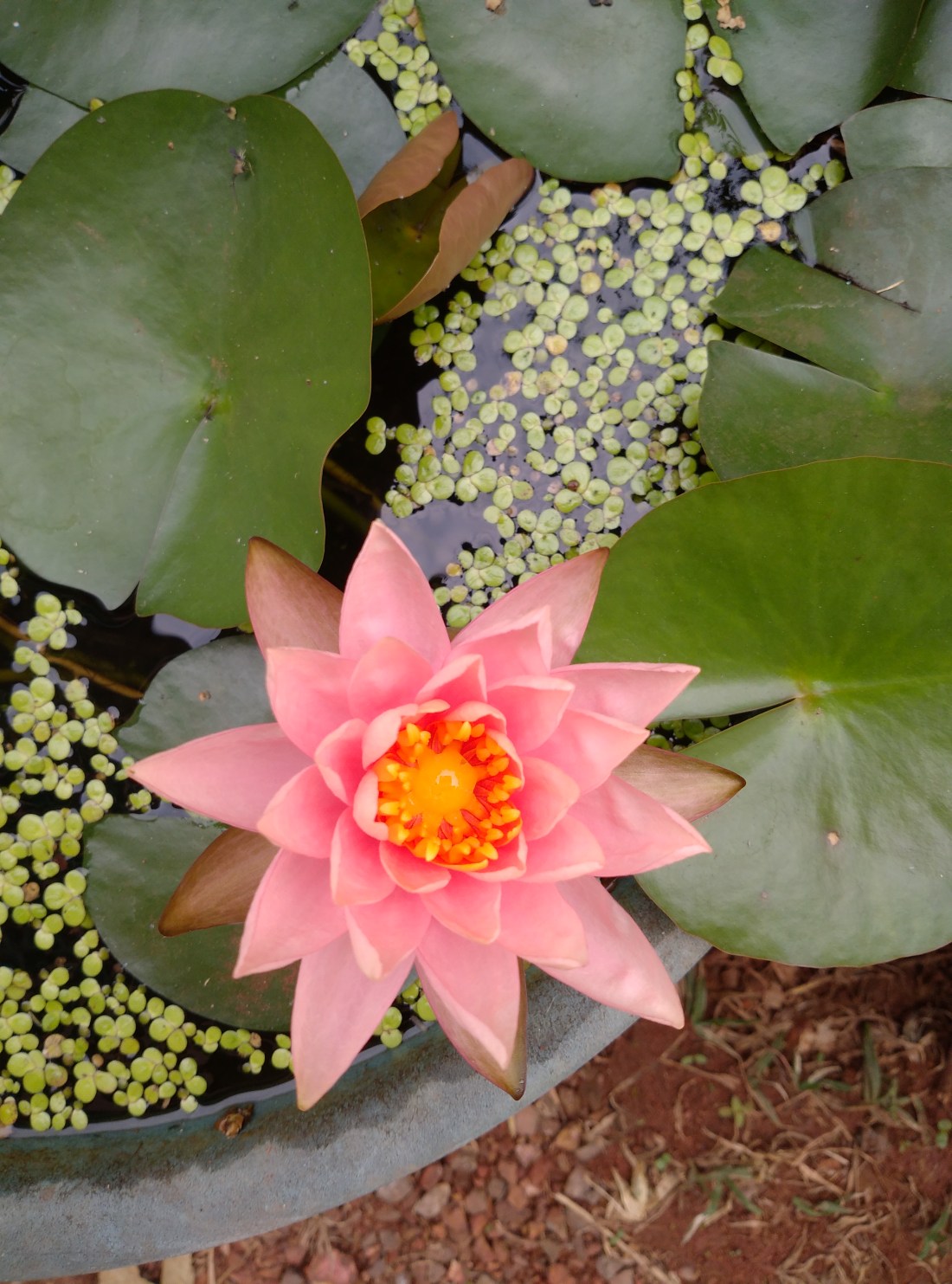
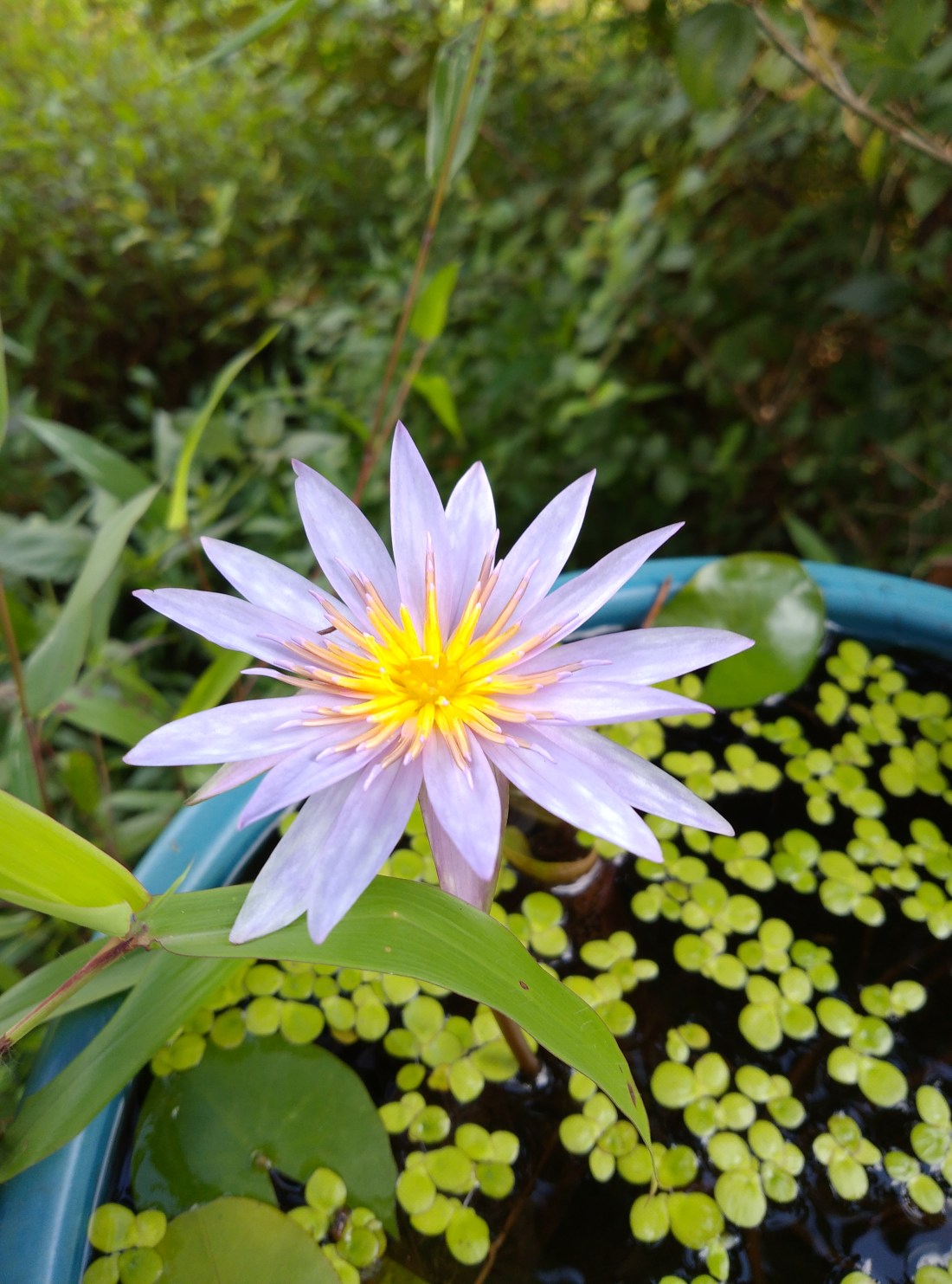
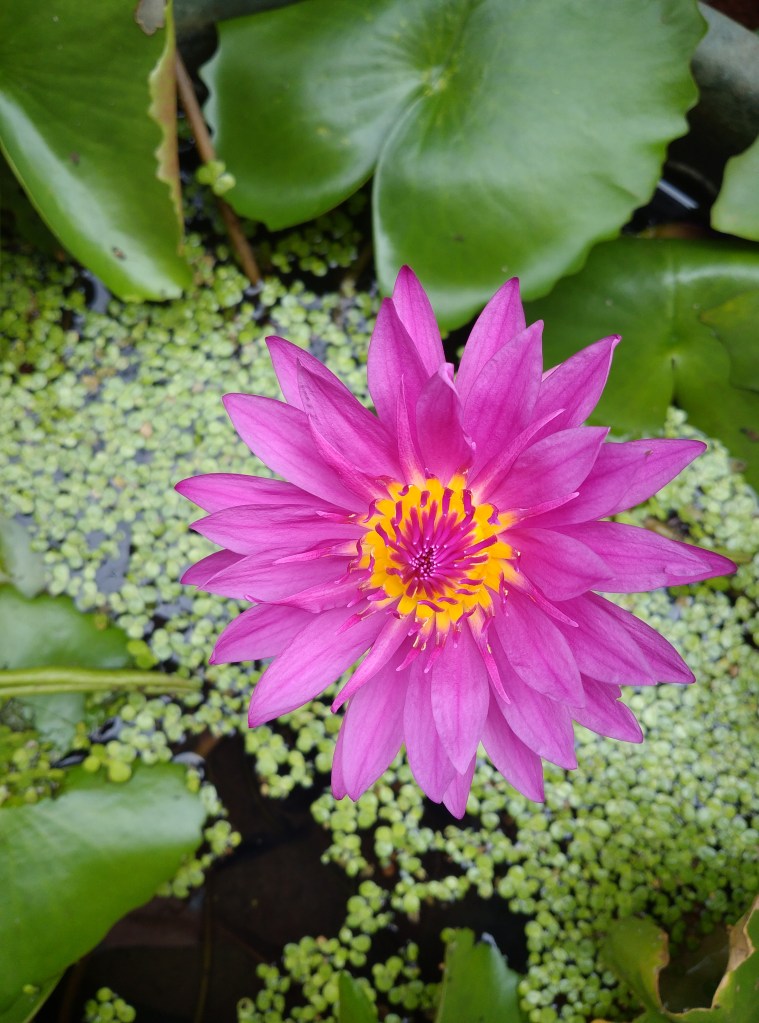
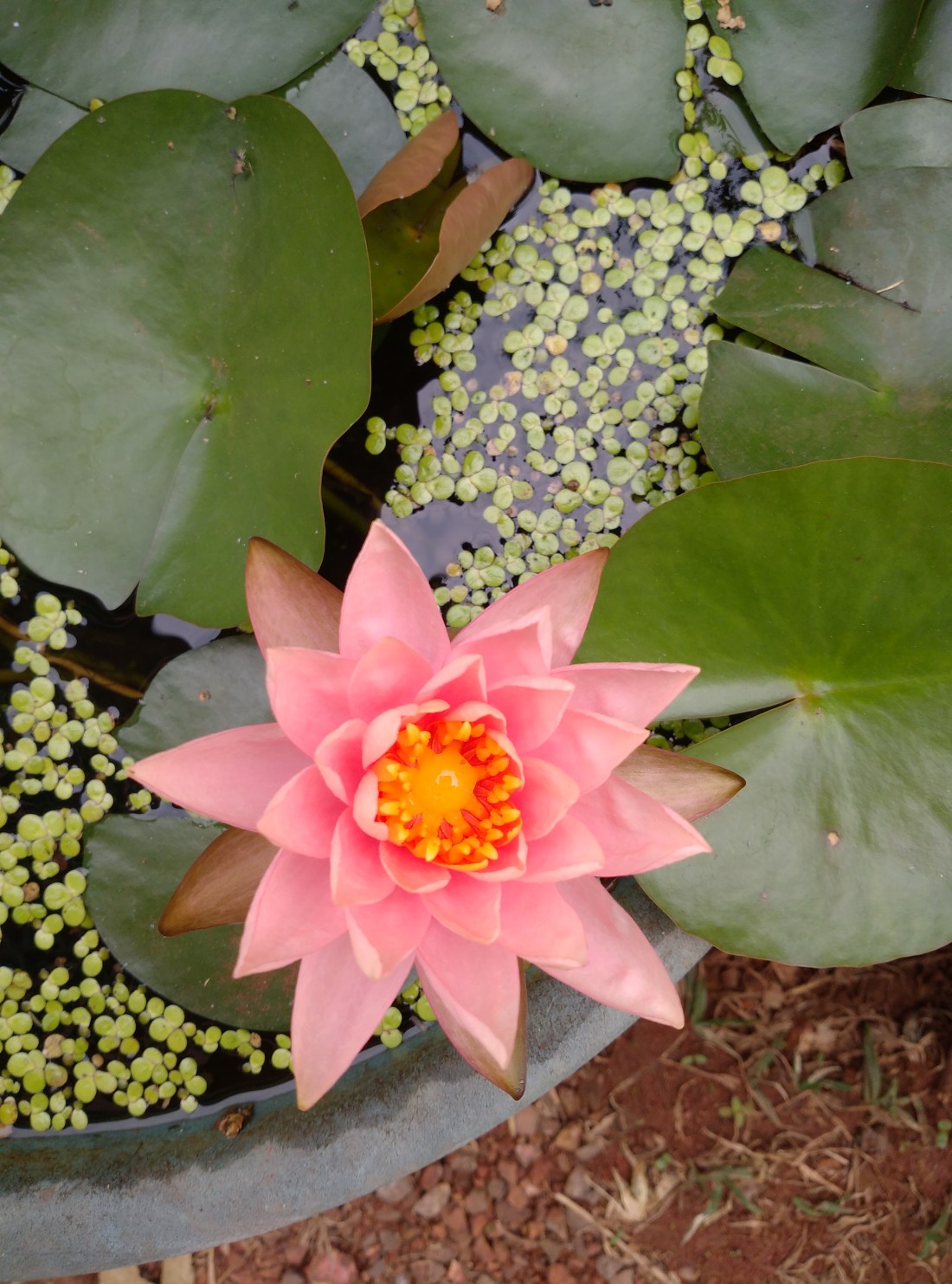
Water lilies are iconic aquatic plants known for their large, floating leaves and beautiful flowers. They give a touch of elegance to any pond and are available in a variety of colors and shapes.

Lotus (Nelumbo nucifera):

Lotus plants are revered for their large, fragrant flowers and round leaves. They require full sun and can grow in deeper water compared to water lilies.

Papyrus (Cyperus papyrus):

It is a tall plant with feathery tops that resemble grass. It grows well in shallow water, adding a tropical feel to the garden.

Taro (Colocasia esculenta):

Taro, also known as elephant ear, has large, heart-shaped leaves. It thrives in wet soil and can be grown along the edges of ponds.

Conclusion

Incorporating aquatic plants into your garden can transform it into a lush, vibrant oasis. These plants not only enhance the beauty of your garden but also contribute to the ecological balance. By choosing the right plants and following proper care techniques, you can create a thriving aquatic garden that brings joy and tranquility to your outdoor space.

Happy Gardening!

Maintaining a Pristine Water Lily Pond: Tips for a Clean and Insect-Free Garden Oasis!

Introduction:

Water lilies are captivating aquatic plants that add a touch of elegance and tranquility to any garden pond. Their floating leaves and vibrant blooms create a serene ambiance, attracting not only human admirers but also a variety of insects and wildlife. While some insects are beneficial, others can become pests that disrupt the balance of your pond ecosystem. In this comprehensive guide, we’ll explore the essential tips for keeping your water lily pond clean and insect-free, ensuring it remains a beautiful and harmonious garden oasis.

Understanding the Importance of Pond Maintenance

Before diving into the tips, it’s crucial to understand why pond maintenance is essential. A well-maintained pond not only enhances the aesthetic appeal of your garden but also promotes a healthy ecosystem. Regular maintenance helps prevent algae overgrowth, maintains water clarity, and ensures the well-being of your water lilies and other aquatic plants.

Tips for Keeping Your Water Lily Pond Clean

1. Install a Filtration System

Do: Invest in a quality pond filtration system to help remove debris, sediment, and organic matter from the water. A good filtration system will help keep the water clean and clear, reducing the need for frequent cleaning.

2. Regularly Remove Debris

Do: Skim the surface of your pond regularly to remove leaves, twigs, and other debris that can accumulate and decay, releasing nutrients that promote algae growth. Use a pond net or skimmer to make this task easier.

3. Use Beneficial Bacteria

Do: Add beneficial bacteria to your pond regularly to help break down organic waste and reduce algae growth. Beneficial bacteria are natural and safe for fish, plants, and other pond inhabitants.

4. Monitor Water Quality

Do: Regularly test the water quality of your pond to ensure it meets the optimal conditions for your water lilies and other aquatic plants. Factors to monitor include pH levels, ammonia, nitrites, and nitrates.


Similar Posts:


Tips for Keeping Your Water Lily Pond Insect-Free

1. Attract Beneficial Insects

Do: Encourage the presence of beneficial insects like dragonflies, water beetles, and damselflies that naturally control pest populations. These insects are voracious predators of mosquito larvae and other pests.

2. Use Natural Repellents

Do: Employ natural repellents like citronella or lavender around the pond to deter mosquitoes and other nuisance insects. These plants not only repel pests but also add fragrance and beauty to your garden.

3. Install a Pond Skimmer

Do: Consider installing a pond skimmer with a fine mesh net to catch and remove insects that land on the water surface. This simple device can significantly reduce insect populations in your pond.

4. Avoid Overfeeding Fish

Don’t: Resist the urge to overfeed your fish as uneaten food can decompose and attract pests. Feed your fish sparingly and remove any uneaten food after a few minutes to maintain water quality and reduce pest attraction.

Conclusion:

Maintaining a clean and insect-free water lily pond requires regular care, attention, and a bit of knowledge about pond ecosystems. By following these tips, you can create a harmonious environment that not only showcases the beauty of your water lilies but also provides a sanctuary for aquatic life and beneficial insects.

Remember, prevention is key when it comes to pond maintenance. Regularly monitoring water quality, removing debris, and implementing natural pest control methods will help keep your water lily pond clean, clear, and thriving for years to come.

Happy Gardening!

Caring for Fish in Your Water Lily Pond: A Comprehensive Guide!

Introduction:

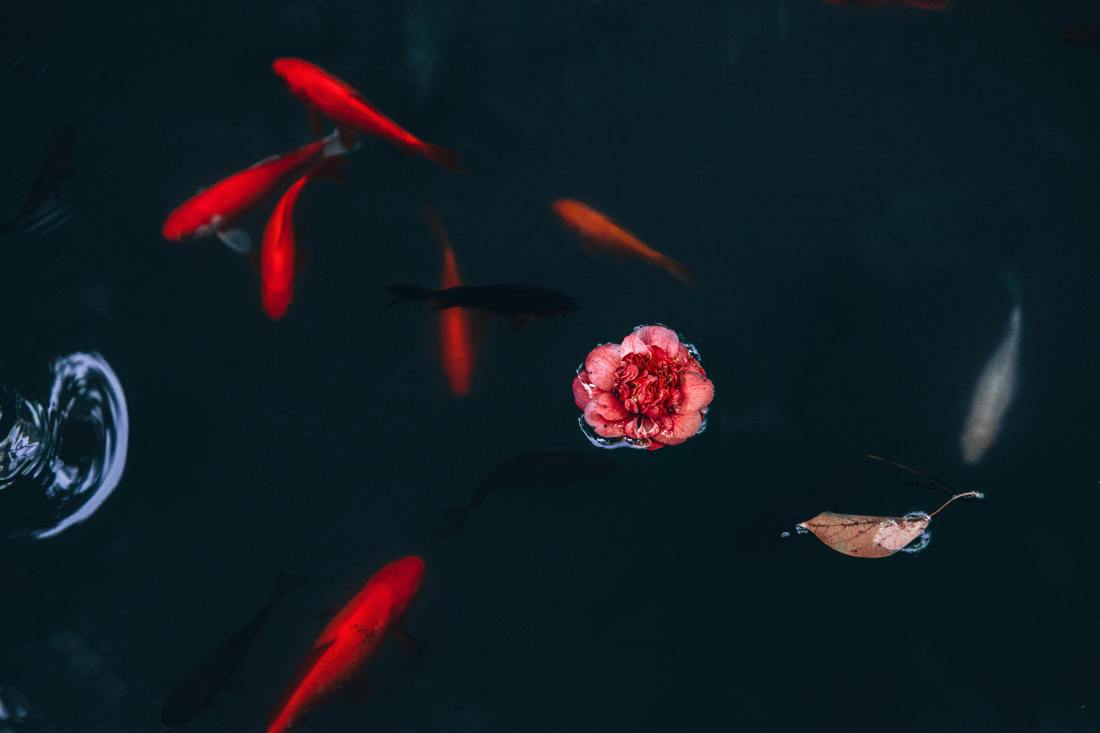
Water lilies and fish make for a harmonious combination in a garden pond, creating a serene and captivating aquatic environment. While water lilies beautify the surface with their elegant blooms, fish add movement and life below, creating a dynamic ecosystem. However, caring for fish in a water lily pond requires specific knowledge and attention to ensure their health and well-being. In this article, we’ll delve into the essential tips and best practices for caring for fish in your water lily pond, ensuring a thriving aquatic community.

Understanding the Importance of Fish Care in a Pond

Fish play a vital role in maintaining the ecological balance of a pond. They help control mosquito larvae, algae growth, and other pests while contributing to nutrient cycling. Proper fish care ensures a healthy pond environment where fish can thrive and coexist with water lilies and other aquatic plants.

Choosing the Right Fish for Your Water Lily Pond

1. Consider the Pond Size

Do: Choose fish species that are suitable for the size of your pond. Large ponds can accommodate a variety of fish species, including koi and goldfish, while smaller ponds may be better suited for smaller fish like guppies or minnows.

2. Research Fish Compatibility

Do: Research the compatibility of different fish species to ensure they can coexist peacefully in your pond. Avoid mixing aggressive and passive fish species to prevent conflicts and stress.

3. Opt for Hardy Fish Varieties

Do: Opt for hardy fish varieties that can withstand fluctuating water temperatures and water quality changes. Commonly used pond fish like goldfish and koi are known for their resilience and adaptability.

Maintaining Water Quality for Fish Health

1. Monitor Water Parameters

Do: Regularly test the water quality of your pond to ensure it meets the optimal conditions for fish health. Key parameters to monitor include pH levels, ammonia, nitrites, and nitrates.

2. Install a Pond Filtration System

Do: Install a quality pond filtration system to help remove debris, organic matter, and harmful substances from the water. A good filtration system promotes water clarity and ensures a healthy environment for fish and aquatic plants.

3. Perform Regular Water Changes

Do: Perform regular water changes to dilute harmful substances and replenish essential minerals. Aim to replace 10-20% of the pond water every week or as needed to maintain water quality.


Similar Posts:


Feeding Your Pond Fish

1. Feed a Balanced Diet

Do: Feed your pond fish a balanced diet that meets their nutritional needs. Commercial fish pellets, flakes, and live or frozen foods like bloodworms and brine shrimp are excellent options.

2. Feed Sparingly

Don’t: Avoid overfeeding your pond fish as it can lead to poor water quality and health problems. Feed your fish small amounts 2-3 times a day and remove any uneaten food to prevent water contamination.

3. Monitor Fish Health

Do: Monitor your fish regularly for signs of illness or distress. Look out for abnormal swimming behavior, loss of appetite, or visible signs of disease like lesions or discoloration. Consult a veterinarian or fish expert if you notice any health issues.

Protecting Fish from Predators

1. Provide Shelter

Do: Create shelters and hiding spots for your pond fish using rocks, plants, or artificial structures. These shelters provide refuge from predators like birds and frogs.

2. Use Netting

Do: Install a pond netting or mesh cover to deter predators from accessing your pond. Ensure the netting is securely fastened to prevent animals from getting trapped.

Conclusion

Caring for fish in a water lily pond requires a combination of knowledge, attention, and regular maintenance. By choosing the right fish species, maintaining water quality, providing a balanced diet, and protecting fish from predators, you can create a thriving aquatic community where fish and water lilies coexist harmoniously.

Remember, each pond is unique, and it may take time to establish a balanced ecosystem. With proper care and patience, your water lily pond will become a vibrant and captivating feature of your garden, providing endless enjoyment for years to come.

Happy Gardening!

Crafting and Sustaining Stunning Ponds and Water Features in Your Garden!

Introduction

Introducing ponds and water features into your garden elevates its charm, creating serene, nature-inspired spaces. From initial construction to ongoing maintenance, here’s a comprehensive guide to building and preserving these aquatic delights.

Designing Your Water Haven

Constructing a water feature commences with thoughtful planning. Assess your garden’s layout, determining the ideal location and size for the pond or water element. Factor in sunlight exposure, proximity to utilities, and accessibility for maintenance.

Building a Serene Oasis

Excavation marks the inception of your water feature. Dig the desired pond shape, ensuring varied depths for aquatic flora and fauna. Install a sturdy liner to retain water, and incorporate filtration systems or pumps for circulation and cleanliness.

Aquatic Plant Selection and Arrangement

Select aquatic plants suiting your water feature’s depth and purpose. Include oxygenators, floaters, and marginal plants to enhance biodiversity and oxygenate the water. Arrange them strategically, ensuring harmony between aesthetics and functionality.

If your pond receives ample sunlight, it’s recommended to plant some floating aquatic plants to prevent the growth of algae. Alternatively, you can plant water lilies and lotuses, which will not only add to the aesthetics of your pond but also help control algae growth. Incorporating aquatic plants like water lilies or lotuses adds vibrant colors and texture to your pond while offering shade and shelter for aquatic life. On the other hand, if your pond is located in a shady area or receives partial sunlight, it is advisable to go for non-flowering plants such as American eelgrass, parrot feather watermilfoil, water lettuce, etc. These plants will thrive in low-light conditions and will still be able to provide the necessary oxygen and nutrients to your pond.

Accentuating with Features and Décor

Enhance your water feature with embellishments like rocks, stones, or driftwood, mimicking natural water environments. Integrate waterfalls, fountains, or cascades to introduce soothing sounds and elevate visual appeal.

Consider installing lighting around the water feature to create stunning visual effects during evenings, transforming your garden into a magical oasis. Lastly, introduce seating areas or cozy corners near the water feature, inviting moments of relaxation and contemplation amidst the tranquil ambiance.


Similar Posts


Sustaining Water Quality and Health

Regular maintenance preserves the ecosystem’s equilibrium. Monitor water quality parameters, perform occasional cleanings, and tend to plant growth to sustain a balanced and thriving aquatic environment.

Consider installing a filtration system to sustain a healthy aquatic environment. Use fish such as guppies and mollies to control mosquito larvae. For larger ponds, consider introducing a small tortoise.

Winter Preparation and Seasonal Care

Shield your water feature from harsh winter conditions by installing heaters or ensuring adequate depth to prevent freezing. Adjust maintenance routines according to seasonal shifts, supporting plant health and preserving water quality year-round.

Safety and Considerations

Implement safety measures, especially if you have children or pets. Erect barriers or coverings to prevent accidents and ensure proper supervision around water features. Additionally, check local regulations or consult professionals to ensure compliance with safety standards when building and maintaining water features.

Conclusion

Embrace the tranquility of nature with skillfully crafted ponds and water features in your garden. From meticulous design and construction to routine maintenance and seasonal care, these aquatic marvels infuse serenity and visual allure, enriching your outdoor haven. Whether it’s the soothing sound of flowing water or the vibrant life thriving within, water features bring an enchanting dimension to your garden’s landscape.

Happy Gardening!

Unveiling the Art of Water Lily Hybridization: Cultivating Nature’s Jewels!

Introduction:

Water lilies, those enchanting aquatic jewels, have a timeless allure that graces ponds and water gardens worldwide. Their vibrant blooms and graceful foliage add a touch of elegance to any aquatic landscape. But what if you could take this beauty to the next level by hybridizing water lilies? In this article, we’ll delve into the captivating world of water lily hybridization, offering insights and tips on how to create your very own aquatic masterpieces.

Understanding Water Lily Hybridization:

Water lily hybridization is a fascinating process that involves cross-breeding different varieties of water lilies to create new and unique cultivars. It’s a bit like nature’s own art studio, where you can blend colors, shapes, and characteristics to craft your own floral masterpiece.

Selecting Parent Plants:

The first step in water lily hybridization is selecting the parent plants. Choose two water lily varieties with traits you’d like to combine. It could be the color of the flowers, the size of the leaves, or the overall growth habit. Remember that successful hybridization often involves trial and error, so don’t be discouraged if your first attempts don’t yield the results you desire.

The Pollination Process:

Once you’ve chosen your parent plants, it’s time for the pollination process. Water lilies have both male and female reproductive organs, making them perfect candidates for hybridization.

To pollinate water lilies, first look for first-day flowers with a liquid pool covering the stigma, which is the central area of the flower. Take pollen from a second-day flower and stir it into the pool of liquid using a cotton swab or small paintbrush. It’s best to do this quickly to avoid competition from bees and other insects. However, sometimes the second-day flower may not release its pollen until later in the morning. If that happens, you can use pollen from third-day flowers, but bees may have already removed all the pollen from the anthers of these flowers. In addition, bees can also remove pollen from second-day flowers before the morning is over. To prevent this, you may need to cover second-day flowers with netting before they open in the morning. If the liquid covering the stigma dries up before the flower closes, you can still fertilize the flower by rubbing pollen onto the dry stigma.

Once you have placed pollen into the liquid covering the stigma, it is important to cover the flower with a plastic bag. Use the tie provided to securely attach the open end of the bag to the stem below the flower. This will ensure that when the seeds are released, they will not be lost from the bag. Even if there is a delay in collecting the seeds and the stem begins to rot, the majority of the seeds will still be safely contained within the bag.

Watching for Seed Pods:

After successful pollination, you’ll notice seed pods developing where the flowers once bloomed. These pods contain the seeds of your potential new water lily hybrid. Allow the seed pods to mature and turn brown before harvesting the seeds. This can take several weeks.

The seeds can be stored in plastic bags, either wet for hardy seeds or dry for tropical seeds. To prevent sprouting in the bag, store them in the refrigerator.


Similar Posts


Growing Your Hybrid Water Lilies:

To grow your harvested seeds, choose a shallow container with clean water and add a layer of aquatic soil or sand. Scatter the seeds on the soil and cover them with a thin layer of sand. Add an inch or two of water over the sand and place the container in a sunny location with consistent water temperatures. Once the seedlings have developed two or three surface leaves, you can safely transplant them into your pond or water garden.

Patience and Persistence:

Hybridizing water lilies is an art that requires patience. Not every cross will yield a stunning new variety, but each attempt brings you closer to creating something truly unique. Keep detailed records of your hybridization efforts, including parent plants, pollination dates, and seedling outcomes. This information will be invaluable as you refine your hybridization skills.

Sharing Your Creations:

Once you’ve successfully hybridized a water lily, consider sharing your creations with fellow water gardening enthusiasts. Sharing knowledge and cultivars within the community can be incredibly rewarding.

Conclusion:

Water lily hybridization is a captivating journey that allows you to become a co-creator with nature. By carefully selecting parent plants, mastering the pollination process, and nurturing your seedlings, you can unlock a world of aquatic beauty. So, dive into this enchanting endeavor, and let your water garden bloom with the unique and mesmerizing water lily hybrids you create. Happy hybridizing!

Happy Gardening!

Lotus vs. Waterlilies: Unveiling the Aquatic Garden Wonders!

Introduction

When it comes to the world of aquatic gardening, enthusiasts often find themselves in a delightful conundrum, confusing two striking water plants: the Lotus and the Waterlily. These aquatic marvels, while sharing the same watery habitat, are, in fact, distinct in numerous ways. In this article, we’ll dive deep into the fascinating realm of Lotus and Waterlilies, unraveling their unique characteristics and helping you appreciate their individual beauty.

Lotus and Waterlilies: A Taxonomic Tale

Before delving into their visual disparities, it’s crucial to understand the botanical differences between these aquatic wonders. The Lotus, scientifically known as Nelumbo species, belongs to a distinct genus, while the Waterlily, classified as Nymphaea species, has its own taxonomic identity. Now, let’s explore how these botanical distinctions manifest in their physical characteristics.

Leaves: Above vs. At Surface

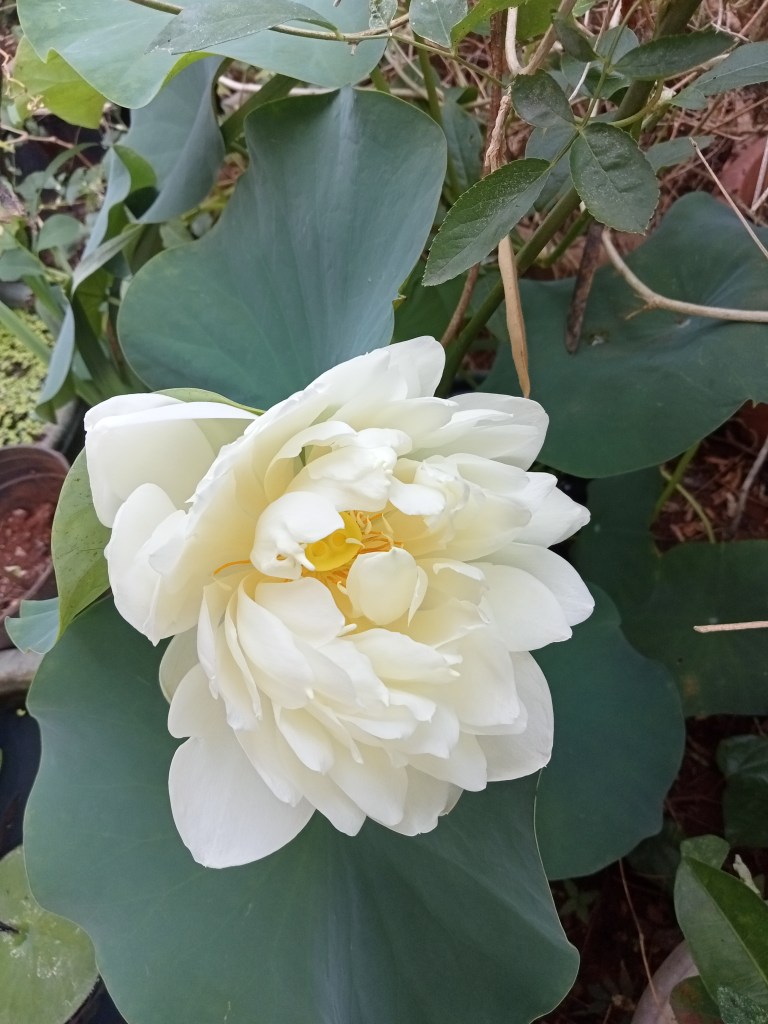
One of the most apparent distinctions between Lotus and Waterlilies lies in the positioning of their leaves. Lotus leaves are “emergent,” which means they gracefully rise above the water’s surface as they mature, creating an enchanting spectacle. On the other hand, Waterlily leaves, often seen adorning the water’s surface like lush green lily pads, provide a contrasting picture.

Shapes of Leaves: Discs vs. Radial Cuts

Taking a closer look at the leaves reveals another intriguing difference. Lotus leaves maintain a smooth, unbroken disc-like appearance, whereas Waterlily pads exhibit a distinct radial cut, adding a touch of elegance to their form.

Flowers: Above, On, and Below Water Surface

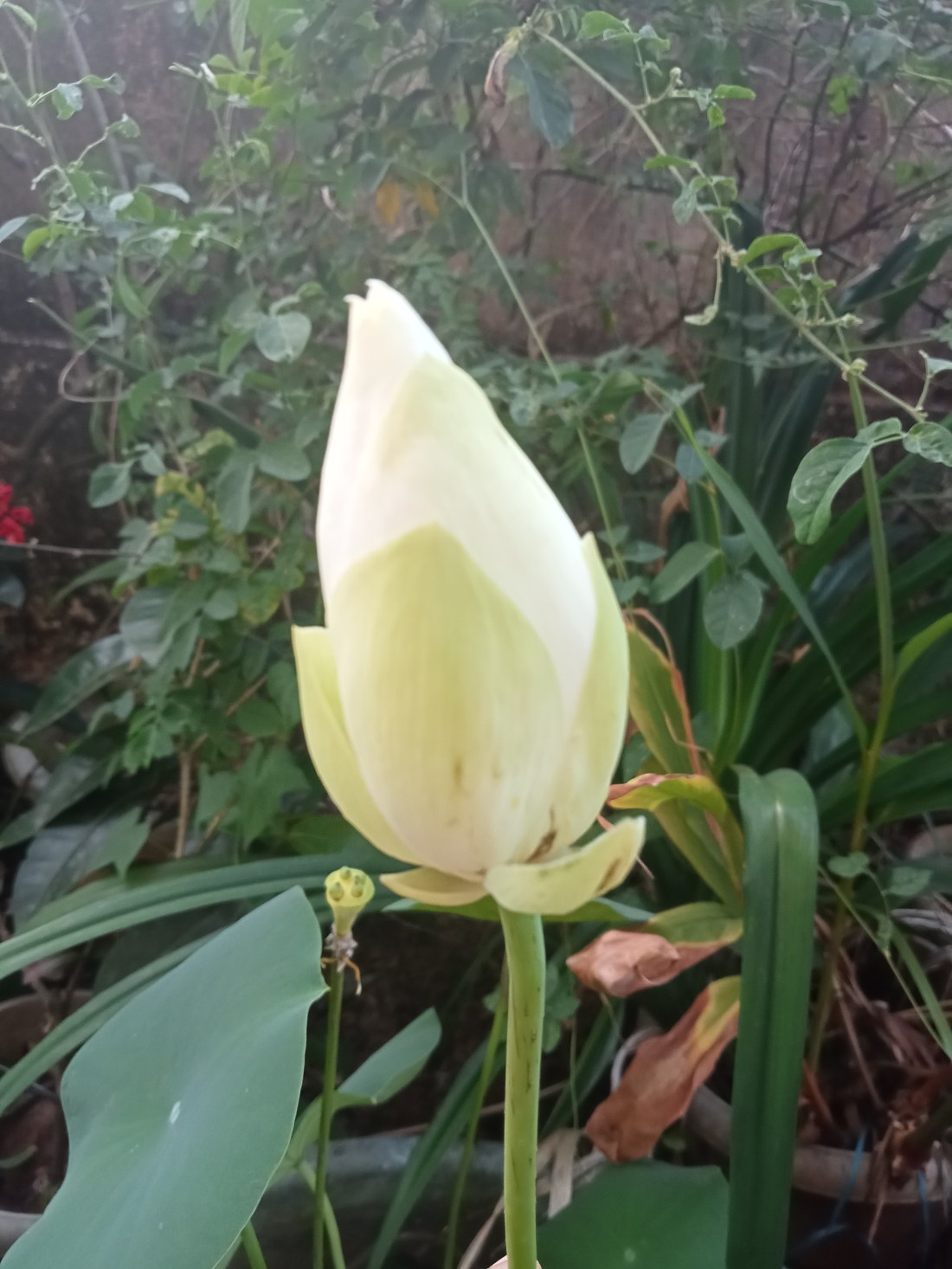
Now, let’s talk about the captivating blooms of Lotus and Waterlilies. Lotus flowers, true to their unique nature, ascend several feet above the water’s surface, creating a mesmerizing display. In contrast, hardy Waterlilies choose to bloom gracefully on the water’s surface, while tropical Waterlilies add a dash of extravagance by flowering 6 to 8 inches above the water.


Similar Posts


Seed Pods: Central vs. Base, Above vs. Below

Moving on to reproduction, the seed pods of these aquatic wonders tell a distinctive tale. In Lotus, the seed pod takes center stage within the flower, resting proudly above the water’s surface. Conversely, in Waterlilies, the seed pod modestly dwells at the base of the flower, often submerged beneath the water’s surface. This juxtaposition in seed pod locations highlights their contrasting life cycles.

Seed Size: Pebbles vs. Minutiae

As we explore further, the size of their seeds sets them apart. Lotus seeds resemble small pebbles in terms of size, while Waterlily seeds are incredibly minute, adding a touch of delicacy to these aquatic botanical treasures.

Rhizomes: Tubular vs. Compact

Finally, beneath the water’s surface, the roots of these plants differ in form. Lotus boasts long, tubular rhizomes that sprawl out, while Waterlilies possess compact rhizomes or tubers, making them adapt gracefully to their aquatic environment.

Conclusion:

In the enchanting world of aquatic gardening, discerning the differences between Lotus and Waterlilies is essential for any enthusiast. Each of these aquatic wonders offers a unique and awe-inspiring display, from their leaves to their flowers, seed pods, and rhizomes. So, the next time you gaze upon these aquatic beauties, remember the distinctions that make them extraordinary in their own right. Whether you’re cultivating Lotus or Waterlilies, you’re sure to be captivated by the beauty they bring to your aquatic garden.

Happy Gardening!