Hanging plants are more than just a trend in home and garden decor—they’re a stunning way to breathe life into your living spaces and outdoor areas. These versatile plants bring a touch of nature to otherwise unused spaces, creating a calming and aesthetic atmosphere. In this article, we’ll explore the world of hanging plants, their benefits, and the best varieties to elevate your space.
Why Choose Hanging Plants?
Hanging plants offer numerous advantages, making them a must-have addition to your home or garden:
1. Space-Saving Solution: Hanging plants maximize your living space, utilizing vertical areas and freeing up precious floor space.
2. Enhanced Aesthetics: They add a dynamic and visually pleasing dimension to your decor, creating a lush and inviting environment.
3. Air Purification: Many hanging plants are excellent air purifiers, improving indoor air quality by removing toxins and adding oxygen.
4. Stress Reduction: The presence of greenery has been proven to reduce stress and boost mental well-being, making your space more relaxing.
5. Versatility: Hanging plants are suitable for both indoor and outdoor settings, allowing you to incorporate them into various design schemes.
Popular Varieties of Hanging Plants
Let’s delve into some of the most beloved and low-maintenance hanging plants that you can introduce to your living spaces:
1. Spider Plant (Chlorophytum comosum)
The Spider Plant (Chlorophytum comosum) is a classic and easy-to-grow houseplant known for its air-purifying qualities and striking appearance. Its long, arching leaves are typically green with white stripes, creating a visually appealing contrast, and adding an elegant touch to any room. Spider Plants thrive in indirect light but can tolerate low-light conditions, making them perfect for various indoor settings. They produce small offsets or “spiderettes” that dangle from the parent plant, making them a favorite for hanging baskets. Low-maintenance and adaptable, Spider Plants are an excellent choice for both novice and experienced plant enthusiasts.
2. Pothos (Epipremnum aureum)
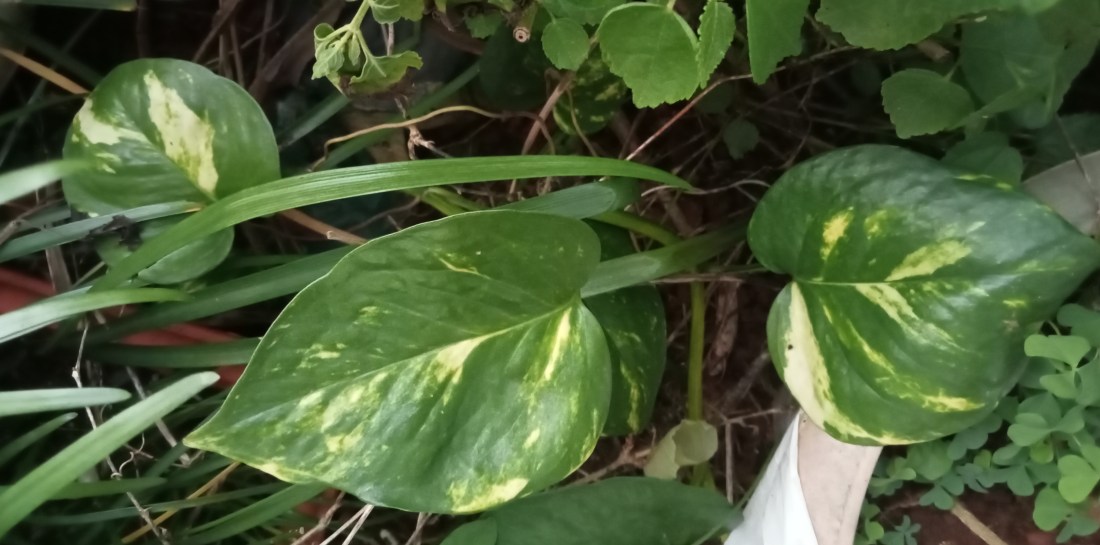
Pothos, also known as Devil’s Ivy, is a popular, versatile, and easy-to-care-for hanging plant. It’s loved for its heart-shaped leaves and easygoing nature. This trailing plant comes in various leaf colors, including classic green, variegated, and neon yellow, adding a pop of color to indoor spaces. Pothos is an excellent choice for beginners due to its low-maintenance requirements and adaptability to various light conditions, including low light. It’s known for its air-purifying qualities, removing toxins from the air, making it a healthy addition to any room. Regular pruning helps maintain its lush and vibrant appearance, making it a timeless favorite among plant enthusiasts.
3. String of Pearls (Senecio rowleyanus)
The String of Pearls (Senecio rowleyanus) is a captivating and distinctive succulent characterized by its cascading stems adorned with small, bead-like leaves, resembling a string of pearls. This plant is a favorite choice for hanging baskets or trailing from shelves, adding a unique and eye-catching element to indoor spaces. String of Pearls prefers bright, indirect light and well-draining soil, making it relatively easy to care for. It’s best to water sparingly, allowing the soil to dry out between waterings, as overwatering can lead to root rot. With its quirky appearance, this succulent is a conversation starter and a stylish addition to any plant collection.
4. Boston Fern (Nephrolepis exaltata)
The Boston Fern (Nephrolepis exaltata) is a popular choice for indoor hanging baskets and outdoor garden accents, known for its lush, feathery fronds. This classic fern variety thrives in high humidity and filtered, indirect light, making it an ideal plant for bathrooms or shady outdoor areas. Boston Ferns are excellent air purifiers, enhancing indoor air quality by removing pollutants and adding oxygen. They require consistently moist soil, but it’s crucial not to overwater them, as they are sensitive to waterlogging. With their vibrant green foliage and graceful arching fronds, Boston Ferns bring a refreshing and tropical feel to any space.
Similar Posts
5. Burro’s Tail (Sedum morganianum)
Burro’s Tail (Sedum morganianum) is a distinctive and charming succulent known for its trailing stems covered in plump, blue-green leaves that resemble hanging beads. This plant is often referred to as the “Donkey Tail” due to its unique appearance. It’s relatively easy to care for and thrives in bright, indirect light, making it an excellent choice for hanging baskets or decorative containers. Burro’s Tail is drought-tolerant and prefers to dry out between waterings. It’s an excellent choice for sunny spots.With its unusual beauty, it adds a touch of whimsy and elegance to any indoor or outdoor space.
6. Air Plants (Tillandsia spp.)
Air Plants, scientifically known as Tillandsia spp., are remarkable and unique in the plant world because they don’t require soil to grow. These epiphytic plants absorb nutrients and moisture through their specialized trichomes, making them perfect for creative displays in decorative holders or hanging arrangements. Air Plants come in various sizes and shapes, from small and delicate to larger, statement-making specimens. They thrive in bright, indirect light and require occasional misting or soaking to maintain their health and vibrancy. With their quirky, otherworldly appearance, Air Plants are a favorite among plant enthusiasts and a versatile addition to any indoor garden.
7. Lipstick Plant (Aeschynanthus radicans)
The Lipstick Plant (Aeschynanthus radicans) is a captivating tropical houseplant known for its striking red, tubular flowers that resemble lipstick tubes, hence its name. It’s a beautiful and exotic hanging plant that blooms intermittently. This charming plant also boasts glossy, dark green foliage that contrasts beautifully with its vibrant blooms. It’s a relatively low-maintenance indoor plant that can thrive in moderate to bright indirect light. Lipstick Plants are excellent choices for hanging baskets, as their trailing vines create an eye-catching display. Regular pruning can help promote more vigorous growth and enhance the appearance of this unique and delightful plant.
8. English Ivy (Hedera helix)
English Ivy (Hedera helix) is a classic and versatile trailing plant known for its lush, dark green leaves that create a charming, cascading effect. It’s a popular choice for both indoor and outdoor gardens, often used to cover walls, trellises, and fences. This evergreen vine is hardy and can adapt to a variety of conditions, making it a reliable addition to any landscape. English Ivy is not only aesthetically pleasing but also a natural air purifier, helping to improve indoor air quality. Careful pruning can maintain its elegant appearance and prevent it from becoming overly invasive in outdoor settings.
9. Tangled heart (Plectranthus prostratus)
The Tangled Heart plant, also known as Ceropegia woodii, is a captivating trailing succulent that’s beloved for its unique heart-shaped leaves and charming vining habit. Its delicate, variegated foliage features shades of green and silver, adding an elegant touch to any space. This plant is known for its resilience and ability to thrive in indirect light, making it an ideal choice for indoor gardening. The Tangled Heart plant’s trailing vines can gracefully cascade from hanging baskets or cascade down shelves, creating a visually stunning and low-maintenance green display. Whether you’re a beginner or a seasoned plant enthusiast, the Tangled Heart plant is sure to steal your heart with its enchanting appearance.
Hanging Plant Care Tips
To ensure your hanging plants thrive and remain vibrant, consider the following care guidelines:
Light: Determine the light requirements of your specific plant variety and place your hanging plants accordingly. Some prefer bright, indirect light, while others thrive in low-light conditions.
Watering: Avoid overwatering; let the top inch of soil dry out before watering again. Be mindful of the moisture needs of your particular plant.
Potting Soil: Use well-draining potting soil to prevent waterlogging, which can lead to root rot.
Humidity: Some hanging plants, like Boston Ferns, thrive in higher humidity. Mist your plants or place them in a humidity tray if needed.
Fertilizing: Feed your hanging plants with a balanced liquid fertilizer during the growing season, typically spring and summer.
Pruning: Regularly trim dead or yellowing leaves and spent blooms to encourage healthy growth and maintain a tidy appearance.
Conclusion
Hanging plants are not just decorations; they are living, breathing elements that can transform your indoor and outdoor spaces into lush, inviting retreats. Whether you’re a seasoned gardener or a novice, there’s a hanging plant variety perfect for your needs. So, elevate your greenery game and let nature hang around in style!
Happy Gardening!

 ILoveGardening