Unlock the Greenhouse Effect: Benefits and DIY Building Guide!

Introduction

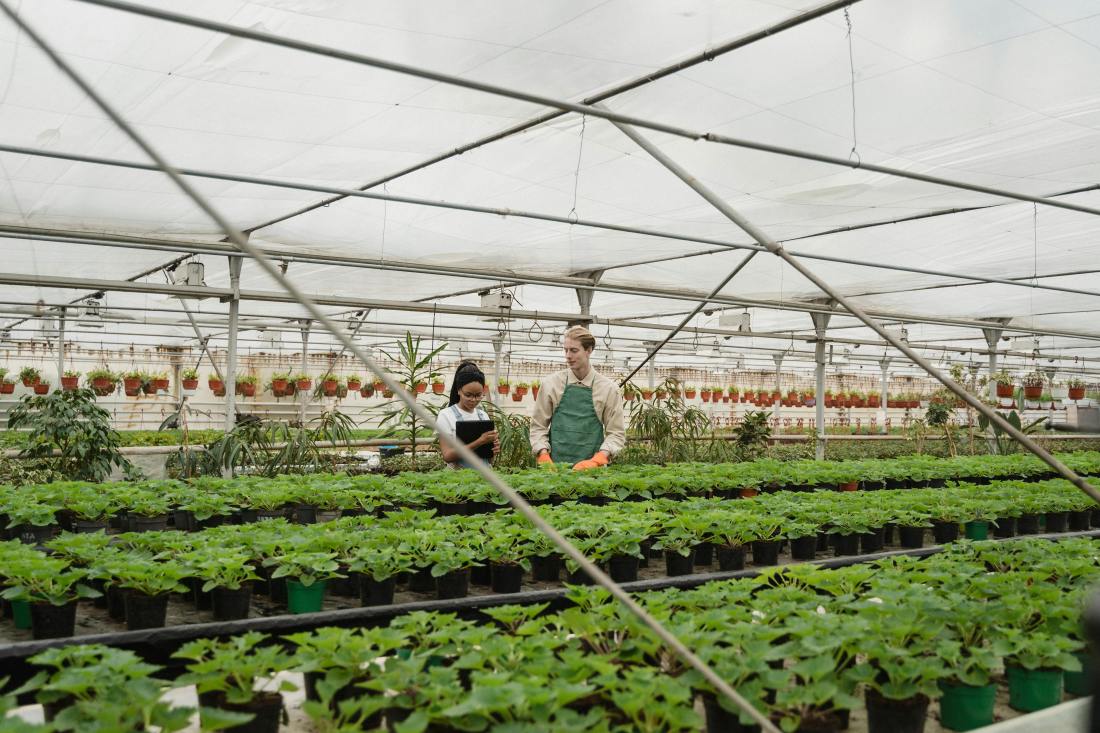
Greenhouses are invaluable structures for gardeners and farmers alike, offering a controlled environment that can significantly enhance plant growth and productivity. These versatile buildings provide numerous benefits, from extending the growing season to protecting plants from pests and harsh weather. This article delves into the various advantages of greenhouses and provides a step-by-step guide to building your own.

Benefits of Greenhouses

1. Extended Growing Season

Extending the growing season is one of the main advantages of a greenhouse. By trapping heat from the sun, greenhouses create a warmer environment that allows plants to thrive even during colder months. This means you can start planting earlier in the spring and continue growing crops later into the fall, maximizing your yield.

2. Protection from Pests and Diseases

Greenhouses serve as a protective barrier against many common garden pests and diseases. The enclosed structure prevents insects, rodents, and other animals from accessing your plants. Additionally, the controlled environment reduces the likelihood of fungal infections and other diseases, leading to healthier crops.

3. Controlled Environment

Greenhouses provide the ability to control various environmental factors such as temperature, humidity, and light. This control allows you to create the optimal conditions for different types of plants, ensuring they receive the right amount of sunlight, water, and nutrients. As a result, you can grow a wider variety of plants, including those that may not typically thrive in your region’s climate.

4. Water Efficiency

Greenhouses can help conserve water by reducing evaporation and allowing for more efficient irrigation systems. Drip irrigation and soaker hoses can be used within a greenhouse to deliver water directly to the plants’ roots, minimizing waste. This not only saves water but also ensures that your plants receive consistent moisture levels.

5. Increased Yield and Quality

The controlled environment of a greenhouse often leads to higher crop yields and better-quality produce. Plants can grow faster and healthier due to the optimized conditions, resulting in more abundant and robust harvests. Additionally, you can grow multiple cycles of crops in a year, further increasing your productivity.

6. Year-Round Gardening

With a greenhouse, you can enjoy gardening year-round, regardless of the external weather conditions. This is particularly beneficial for avid gardeners who want to continue their hobby even during winter. The ability to grow fresh produce throughout the year also contributes to food security and self-sufficiency.

7. Learning and Experimentation

Greenhouses provide an excellent opportunity for learning and experimentation. Gardeners can test different growing techniques, plant varieties, and soil mixes in a controlled setting. This hands-on experience is invaluable for both novice and experienced gardeners looking to expand their knowledge and skills.


Similar Posts:


How to Build a Greenhouse

1. Planning and Design

Before you start building your greenhouse, it’s essential to plan and design it according to your needs and available space. Consider the following factors:

Size: Determine the size of the greenhouse based on the number of plants you want to grow and the available space in your garden.

Location: Select an area that is exposed to direct sunshine all day long. Avoid placing the greenhouse in shaded areas or near large trees that may block sunlight.

Type: Decide on the type of greenhouse structure you want to build. Common types include hoop houses, lean-to greenhouses, and freestanding greenhouses.

2. Materials and Tools

Gather all the necessary materials and tools for your greenhouse project. The materials you need will depend on the type of greenhouse you choose to build, but common items include:

Frame: Wood, PVC pipes, or metal

Covering: Polyethylene film, polycarbonate panels, or glass

Foundation: Treated wood, concrete blocks, or gravel

Fasteners: Screws, nails, brackets, and clamps

Tools: Saw, drill, hammer, measuring tape, level, and utility knife

3. Building the Foundation

Having a solid foundation is essential for ensuring the stability and longevity of your greenhouse. Follow these steps to build a sturdy foundation:

Clear the Area: Clear the selected area of any debris, rocks, or vegetation.

Level the Ground: Ensure the ground is level to provide a stable base for the greenhouse.

Lay the Foundation: Depending on your chosen foundation material, lay treated wood, concrete blocks, or gravel to create a base for the greenhouse frame.

4. Constructing the Frame

The next step is to construct the frame of the greenhouse. Here’s how to do it:

Measure and Cut: Measure and cut the framing materials to the specified dimensions.

Assemble the Frame: Assemble the frame pieces using screws, nails, or brackets. Make sure the frame is both square and level.

Install Vertical Supports: Install vertical supports at regular intervals along the frame to provide additional stability.

5. Adding the Covering

Once the frame is complete, it’s time to add the covering material. Follow these steps:

Cut the Covering: Cut the polyethylene film, polycarbonate panels, or glass to the appropriate size.

Attach the Covering: Secure the covering material to the frame using clamps, clips, or fasteners. Verify that there are no loose areas or gaps.

Seal the Edges: Use weatherproof tape or sealant to seal the edges and joints to prevent drafts and moisture infiltration.

6. Ventilation and Irrigation

Proper ventilation and irrigation are essential for maintaining a healthy greenhouse environment. Install vents or fans to regulate temperature and humidity levels. Set up an irrigation system, such as drip irrigation or soaker hoses, to ensure consistent and efficient watering.

7. Finishing Touches

Finally, add any finishing touches to your greenhouse, such as shelving, benches, or pathways. These additions will make it easier to organize and care for your plants.

Conclusion

Building a greenhouse is a rewarding project that offers numerous benefits for gardeners. From extending the growing season to protecting plants from pests, a greenhouse provides a controlled environment that enhances plant growth and productivity. By following the steps outlined in this guide, you can create your own greenhouse and enjoy year-round gardening success.

Happy Gardening! 🌿🌞

Maximizing Garden Space: Organizing Plants for Optimal Growth and Yield!

Introduction:

One of the joys of gardening is watching your plants thrive and flourish. However, space can often be a limiting factor, especially for those with smaller gardens or urban spaces. The good news? With careful planning and organization, you can make the most out of your garden’s space, allowing you to grow more plants and enhance your garden’s beauty. In this article, we’ll explore practical tips and strategies for organizing plants in your garden to maximize space and yield.

1. Utilize Vertical Space

Vertical gardening is a game-changer for gardeners looking to maximize space. Utilize trellises, arbors, and wall-mounted planters to grow climbing plants like peas, beans, and cucumbers vertically. This not only saves ground space but also adds visual interest to your garden.

Don’t: Avoid neglecting vertical spaces in your garden. With the right support structures, you can transform walls, fences, and even posts into productive growing areas.

2. Plan Companion Plantings

Companion planting involves grouping plants together that benefit each other. For example, planting marigolds alongside tomatoes can deter pests, while basil can enhance the flavor and growth of tomatoes. Research companion planting guides to find combinations that work best for your garden.

Don’t: Avoid planting incompatible plants together, as this can lead to competition for resources or increased susceptibility to pests and diseases.

3. Opt for Raised Beds and Containers

Raised beds and containers are excellent options for maximizing garden space. They allow you to control soil quality, improve drainage, and concentrate plants in specific areas. Plus, they can be placed in sunny spots, patios, or even rooftops, expanding your growing space.

Don’t: Avoid neglecting proper drainage in raised beds or containers. Ensure adequate drainage holes and use quality potting mix to promote healthy plant growth.

4. Practice Intensive Planting

Intensive planting involves planting crops closer together than traditional methods. This technique can significantly increase yields by maximizing space and reducing weed growth. Research spacing requirements for your plants and adjust based on your garden’s size and layout.

Don’t: Avoid overcrowding plants to the point where they compete for light, nutrients, or space. Balance is key to successful intensive planting.


Similar Posts:


5. Implement Succession Planting

Succession planting involves planting new crops as soon as one harvest is finished. This continuous planting ensures a steady supply of fresh produce throughout the growing season and maximizes the use of garden space. Plan your planting schedule to include early, mid, and late-season crops.

Don’t: Avoid neglecting crop rotation or planting the same crops in the same location year after year. Rotate crops to prevent soil depletion and reduce pest and disease problems.

6. Utilize Corners and Odd Spaces

Corners and odd spaces in your garden can often be overlooked, but they offer valuable growing space. Plant vining plants, herbs, or compact vegetables in these areas to make use of every inch of your garden.

Don’t: Avoid leaving corners or odd spaces unused. With a bit of creativity, you can turn these overlooked areas into productive growing spaces.

7. Design Efficient Paths and Walkways

Efficiently designed paths and walkways can help you navigate your garden while maximizing planting space. Consider using gravel, stepping stones, or mulch for paths that allow water to penetrate the soil and reduce runoff.

Don’t: Avoid creating paths that are too wide or winding, as they can consume valuable planting space. Opt for narrow, straight paths that allow easy access without sacrificing growing areas.

8. Combine Multiple Plants in one container

Plants that require similar conditions, such as adequate sunlight, water, and nutrients from the soil can be grown together. When you mix different types of potted plants in a container, you create a small garden with a range of colors and textures.

Don’t: Avoid planting large plants or plants with different needs in the same container as it can lead to their growth being stunted or even cause them to die.

Conclusion:

Maximizing garden space is all about thoughtful planning, organization, and creativity. By implementing these tips and strategies, you can make the most out of your garden’s space, allowing you to grow more plants and enjoy a bountiful harvest. Whether you’re a seasoned gardener or just starting, these practices can help you create a productive and beautiful garden that makes the most of every square inch.

Happy Gardening!

Elevate Your Outdoor Haven: Creative Homemade Garden Décor and Art Ideas!

Introduction:

Transforming your garden into a personalized oasis doesn’t always require a trip to the store. With a dash of creativity and resourcefulness, homemade garden décor and art can add charm, character, and a touch of whimsy to your outdoor space. Here’s a guide to crafting your own stunning garden adornments:

Repurposed Treasures:

Tin Can Planters: Upcycle tin cans into colorful planters by painting them in vibrant hues or decorating them with mosaic tiles for a unique touch.

Vintage Tool Ornaments: Give old garden tools a new lease on life by turning them into hanging ornaments or garden stakes, lending a nostalgic feel to your green space.

Pallet Furniture: Construct a rustic outdoor bench or table using repurposed pallets, adding functionality and an eco-friendly vibe to your garden.

Creative Crafts:

Hand-Painted Rocks: Transform ordinary rocks into eye-catching garden markers or decorative pieces by painting them with intricate designs or inspirational quotes.

DIY Wind Chimes: Craft personalized wind chimes using recycled materials like seashells, beads, or old silverware, creating soothing melodies in the breeze.

Mosaic Stepping Stones: Create mosaic stepping stones using broken tiles or colorful glass, adding a whimsical pathway through your garden.

Nature-Inspired Art:

Twig and Branch Creations: Fashion twigs and branches into enchanting decorations, such as homemade birdhouses, fairy houses, or natural sculptures.

Leaf Imprints: Capture the intricate patterns of leaves by pressing them into clay or cement, crafting beautiful impressions to adorn garden walls or steppingstones.

Botanical Artwork: Press flowers and foliage between sheets of wax paper or create stunning botanical prints, framing and displaying them as garden wall art.

Garden Structures:

DIY Arbors and Trellises: Build simple arbors or trellises using wooden poles or repurposed materials like old ladders or bicycle frames. These structures offer support for climbing plants while adding vertical interest to your garden.

Garden Signage: Create custom signs using salvaged wood or decorative tiles, labeling different sections of your garden or displaying inspirational messages.

Hanging Planters: Fashion hanging planters from macramé, woven baskets, or repurposed containers, elevating your garden’s greenery and adding visual appeal.

Seasonal Accents:

Holiday Décor: Craft seasonal decorations like homemade wreaths, painted gourds for fall, or festive ornaments using pinecones and holly branches for winter, infusing your garden with holiday cheer.

Seasonal Mosaics: Design mosaic art pieces that change with the seasons, incorporating colors and themes representative of spring blooms, summer sunsets, autumn leaves, and winter frost.


Similar Posts


Sustainable Artistry:

Recycled Sculptures: Fashion sculptures using reclaimed materials like old metal, driftwood, or discarded glass, turning salvaged items into captivating focal points in your garden.

Living Art Installations: Create living walls or vertical gardens using repurposed pallets or frames filled with pockets of soil, planting succulents or herbs to form living, breathing art pieces.

Sustainable Water Features: Craft simple, eco-friendly water features using recycled containers or salvaged materials, providing a tranquil and sustainable addition to your garden.

Engaging the Senses:

Aromatherapy Gardens: Plant fragrant herbs like lavender, mint, and rosemary in decorative containers or designated areas, creating an aromatic haven within your garden.

Musical Installations: Incorporate DIY musical instruments, such as a wooden xylophone or wind instruments made from bamboo, adding a harmonious aspect to your garden.

Personal Touches:

Customized Plant Markers: Design unique plant markers using popsicle sticks, painted rocks, or wooden spoons, adding a personal touch while organizing your garden.

DIY Bird Feeders: Construct bird feeders using recycled materials like milk cartons or pinecones covered in peanut butter and seeds, inviting feathered friends to your garden.

Fairy Garden Accents: Craft miniature accessories like tiny furniture, bridges, or signs to create an enchanting fairy garden within your larger garden space.

Conclusion:

Embrace the joy of creativity and resourcefulness by infusing your garden with homemade décor and art, making it a true reflection of your personality and love for nature. Transform your outdoor sanctuary into a canvas for self-expression, exploring DIY projects that add character and individuality. From repurposed materials to nature-inspired artistry, craft unique touches that personalize your green space and showcase your creativity.

By integrating homemade décor and art, your garden not only becomes an extension of your creative spirit but also a source of inspiration for visitors. These elements not only enhance the aesthetics but also foster a deeper connection to your garden, creating an inviting and personalized outdoor haven.

Happy Gardening!

A Complete Guide to Crafting and Using Seed Balls for Gardening Success!

Introduction

In the realm of gardening, the ingenious concept of seed balls has gained remarkable popularity for its simplicity and effectiveness. These small, compact spheres encapsulate seeds within a mixture of clay, compost, and other natural materials. They offer a convenient and efficient way to sow seeds while aiding in plant germination and growth. Here’s a comprehensive guide on how to prepare and utilize seed balls to foster lush gardens.

Understanding Seed Balls

Seed balls, also known as seed bombs, serve as protective casings for seeds, shielding them from harsh environmental conditions like wind, birds, and excessive sunlight. This technique was inspired by ancient agricultural practices and has evolved into a modern-day technique for conservation and gardening.

Ingredients for Seed Balls

Creating seed balls requires a simple blend of clay, compost, and seeds. Clay acts as a protective casing, compost provides nutrients for initial growth, and seeds are, of course, the potential plants. Additional ingredients like water and soil amendments may be added for specific seed requirements.

Step-by-Step Guide to Crafting Seed Balls

Gather Materials: Acquire clay powder or finely ground natural clay, quality compost, desired seeds, and optional amendments like organic fertilizers.

Mix Ingredients: Combine clay and compost in a ratio of 3:1 or 4:1, adjusting to ensure a manageable consistency. Gradually add water while mixing until the mixture reaches a moldable, dough-like texture.

Incorporate Seeds: Integrate the seeds evenly into the clay-compost mixture, ensuring they’re well distributed throughout.

Form Balls: Pinch off small portions of the mixture and roll them into small balls, roughly 1-2 centimeters in diameter. Allow the balls to dry for 24-48 hours in a dry, cool place.


Similar Posts


Utilizing Seed Balls in Gardening

Seed balls offer a versatile approach to gardening:

Enhanced Germination: The protective coating of the seed balls provides an ideal environment for seeds to germinate.

Biodiversity Promotion: Seed balls aid in dispersing seeds and encouraging biodiversity in gardens, especially in challenging terrains or barren areas.

Easy Planting: Simply scatter the seed balls in desired locations, whether in garden beds, wildflower patches, or urban landscapes.

Tips for Successful Seed Ball Gardening

Choose Appropriate Seeds: Opt for native or adaptive seeds suited to your local climate and soil conditions. Seeds that work well for making seed balls typically include wildflowers, herbs like basil or parsley, vegetables like tomato, chilli and certain grass seeds. These seeds are great for seed balls due to their hardy nature, adaptability to various environments, and ability to grow with minimal maintenance. Wildflower seeds offer diversity and attract pollinators, while herbs like basil or parsley provide edible and aromatic benefits. Grass seeds help in stabilizing soil and preventing erosion, making them suitable for seed balls in areas needing vegetation cover.

Timing Matters: Sow seed balls during seasons conducive to seed germination, typically spring or fall.

Proper Placement: Ensure good soil contact for optimal germination by lightly pressing seed balls into the soil or scattering them in areas likely to receive rainfall or irrigation.

Conclusion

In conclusion, the art of creating and using seed balls presents an eco-friendly and efficient method for gardening enthusiasts. Whether aiming for a vibrant wildflower meadow or enhancing garden biodiversity, seed balls offer a simple yet impactful solution. Experiment, explore, and witness the transformative power of these small spheres in nurturing a flourishing garden ecosystem.

Happy Gardening!