
From Garden to Teacup: Cultivating Aparajita for Beauty and Health!

Introduction

Aparajita
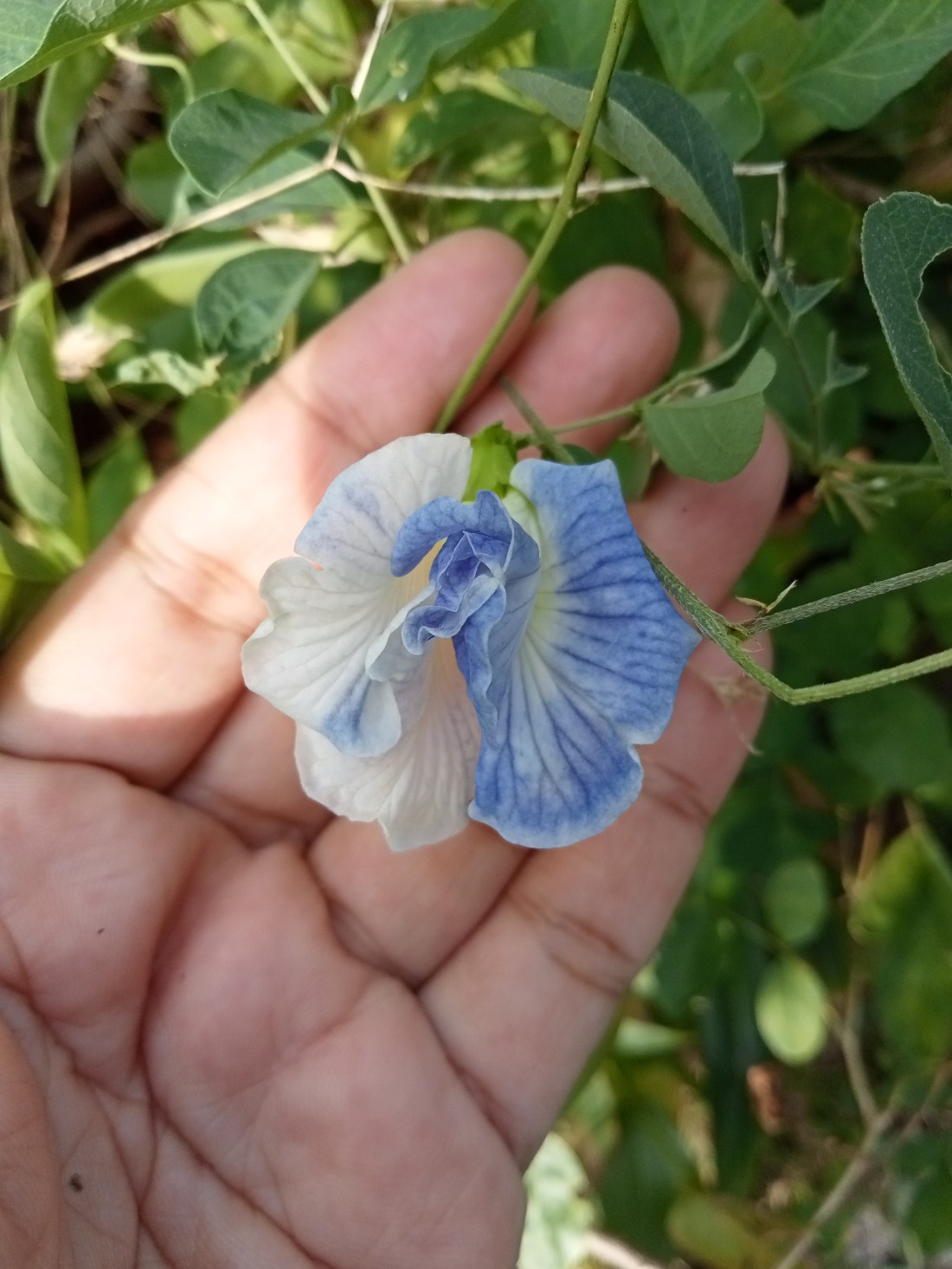
Multipetal Aparajita Flower

Aparajita, also known as the butterfly pea or Asian pigeonwings, is a strikingly beautiful plant renowned for its vivid blue flowers. Scientifically known as Clitoria ternatea, this versatile plant is not only cherished for its ornamental value but also for its medicinal properties and culinary uses. Native to tropical Asia, Aparajita is easy to grow and can thrive in a variety of conditions. This article provides a comprehensive guide on how to cultivate and care for the Aparajita plant.

Characteristics of Aparajita

Before diving into the cultivation process, it’s essential to understand the unique characteristics of the Aparajita plant:

Botanical Name: Clitoria ternatea

Common Names: Butterfly pea, Blue pea, Asian pigeonwings, Aparajita

Family: Fabaceae

Plant Type: Perennial herbaceous plant

Flower Color: Vibrant blue (also available in white and lavender varieties)

Growth Habit: Climbing vine

Benefits of Growing Aparajita

The Aparajita plant offers several benefits, making it a valuable addition to any garden:

Ornamental Value: The striking blue flowers add a touch of elegance to gardens and landscapes.

Medicinal Properties: Aparajita is known for its health benefits, including antioxidant, anti-inflammatory, and cognitive-enhancing properties.

Culinary Uses: The flowers are used to make herbal teas, natural food coloring, and refreshing drinks.

Soil Improvement: As a member of the legume family, Aparajita helps fix nitrogen in the soil, improving soil fertility.

How to Grow Aparajita

Growing Aparajita is relatively simple and requires basic gardening skills. Here is a detailed, step-by-step tutorial to get you going:

1. Choosing the Right Location

Aparajita thrives in warm, sunny locations. Pick a place that gets direct sunlight.  The plant can tolerate partial shade, but full sun ensures the best flowering.

2. Soil Preparation

Aparajita prefers well-draining soil with a neutral to slightly acidic pH (6.0-7.5). Loamy soil that is enriched with organic matter is ideal for promoting healthy plant growth. To improve soil fertility and drainage, mix compost or well-rotted manure into the soil before planting.

3. Propagation

Aparajita can be propagated through seeds or cuttings. Here’s how to do it:

Seeds: Soak the seeds in warm water for 24 hours to enhance germination. Sow the seeds directly in the garden or in seed trays filled with potting mix. The potting mix should be consistently moist until germination occurs, which typically takes 1 to 2 weeks.

Cuttings: Take cuttings that are 6 to 8 inches long from healthy, mature plants. Dip the cut end into the rooting hormone after trimming off the lower leaves. Plant the cuttings in a pot with moist potting mix and keep them in a warm, humid environment until roots develop.


Similar Posts:


4. Planting

Once the seedlings or rooted cuttings are ready, transplant them into the garden. Space the plants about 2-3 feet apart to allow for their climbing habit. If growing as a vine, provide support such as trellises, fences, or arbors for the plants to climb.

5. Watering

Aparajita requires moderate watering. The soil should be consistently moist but it should not be soggy. Depending on the weather, give the plants a deep watering once or twice a week. During the summer season water the plants daily. Applying mulch around the base of plants helps retain soil moisture and suppress weeds.

6. Fertilization

To promote healthy growth and flowering, feed the Aparajita plant with a balanced fertilizer every 4-6 weeks during the growing season. Organic options such as compost, well-rotted manure, or fish emulsion are excellent choices.

7. Pruning and Training

Pruning regularly helps to maintain the shape of the plant and encourages more blooms. Trim back any dead or damaged growth, and pinch the tips of the vines to promote bushier growth. As the vines grow, tie them gently to train them to climb the support structure.

8. Pest and Disease Management

Aparajita is relatively pest-resistant, but it can occasionally be affected by aphids, spider mites, and whiteflies. Inspect the plants regularly and use organic pest control methods such as neem oil or insecticidal soap if needed. To prevent fungal diseases, make sure there is adequate spacing and airflow around your plants.
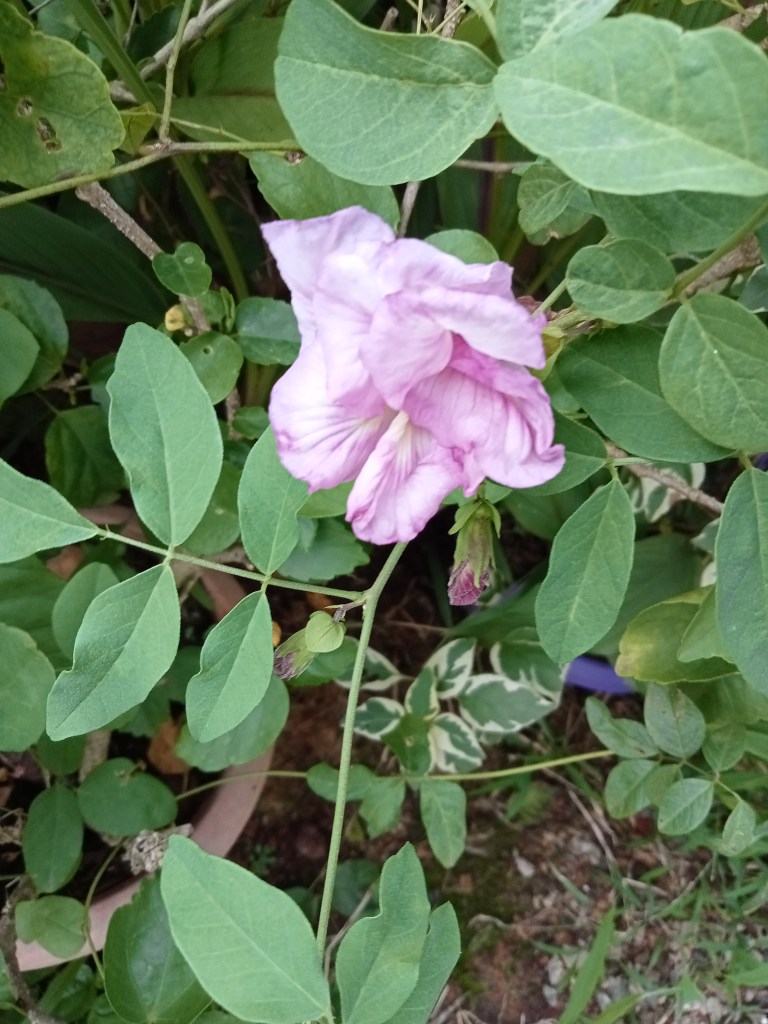
Lavender Color Aparajita Flower

Harvesting and Uses

The vibrant blue flowers of Aparajita are the most sought-after part of the plant. Here’s a guide on how to harvest and use them:

1. Harvesting

Harvest the flowers early in the morning when they are fresh and fully open. Gently pluck the flowers by hand or use scissors to avoid damaging the plant. Regular harvesting encourages more blooms.

2. Culinary Uses

Aparajita flowers are used in various culinary applications:

Herbal Tea: Steep fresh or dried flowers (blue color) in hot water to make a refreshing herbal tea. The tea has a mild, earthy flavor and is often enjoyed with honey and lemon.

Natural Food Coloring: The vibrant blue pigment from the flowers is used as a natural food coloring in desserts, beverages, and rice dishes. A few drops of lemon juice transform the blue color into purple, producing amazing visual effects.

Beverages: Aparajita flowers are used to make colorful and nutritious drinks. Butterfly pea flower tea, also known as blue tea, is a popular beverage known for its health benefits.

3. Medicinal Uses

For generations, traditional medicine has made use of Aparajita. Some of its medicinal benefits include:

Cognitive Health: Aparajita is believed to enhance memory and cognitive function. In Ayurvedic medicine, it is often used as a brain tonic.

Antioxidant Properties: The flowers contain antioxidants that help protect cells from damage caused by free radicals.

Anti-Inflammatory Effects: Aparajita has anti-inflammatory properties that can help reduce inflammation and pain.

Conclusion

Growing Aparajita (Clitoria ternatea) is a rewarding experience that combines beauty, utility, and tradition. With its stunning blue flowers, health benefits, and ease of cultivation, the Aparajita plant is a valuable addition to any garden. By following the steps outlined in this guide, you can successfully grow and enjoy the many benefits of this remarkable plant.

Happy Gardening! 🌸🌿
Creating a Thriving Understory Garden: 25 Plants That Flourish Under Trees!

Gardening

Introduction:

Gardening under trees can present unique challenges due to limited sunlight, competition for nutrients, and varying moisture levels. However, selecting the right plants can transform these shady spots into lush, vibrant gardens. Here are 25 plants that can thrive under trees, providing a variety of textures, colors, and growth habits to enhance your garden’s understory.

1. Hostas

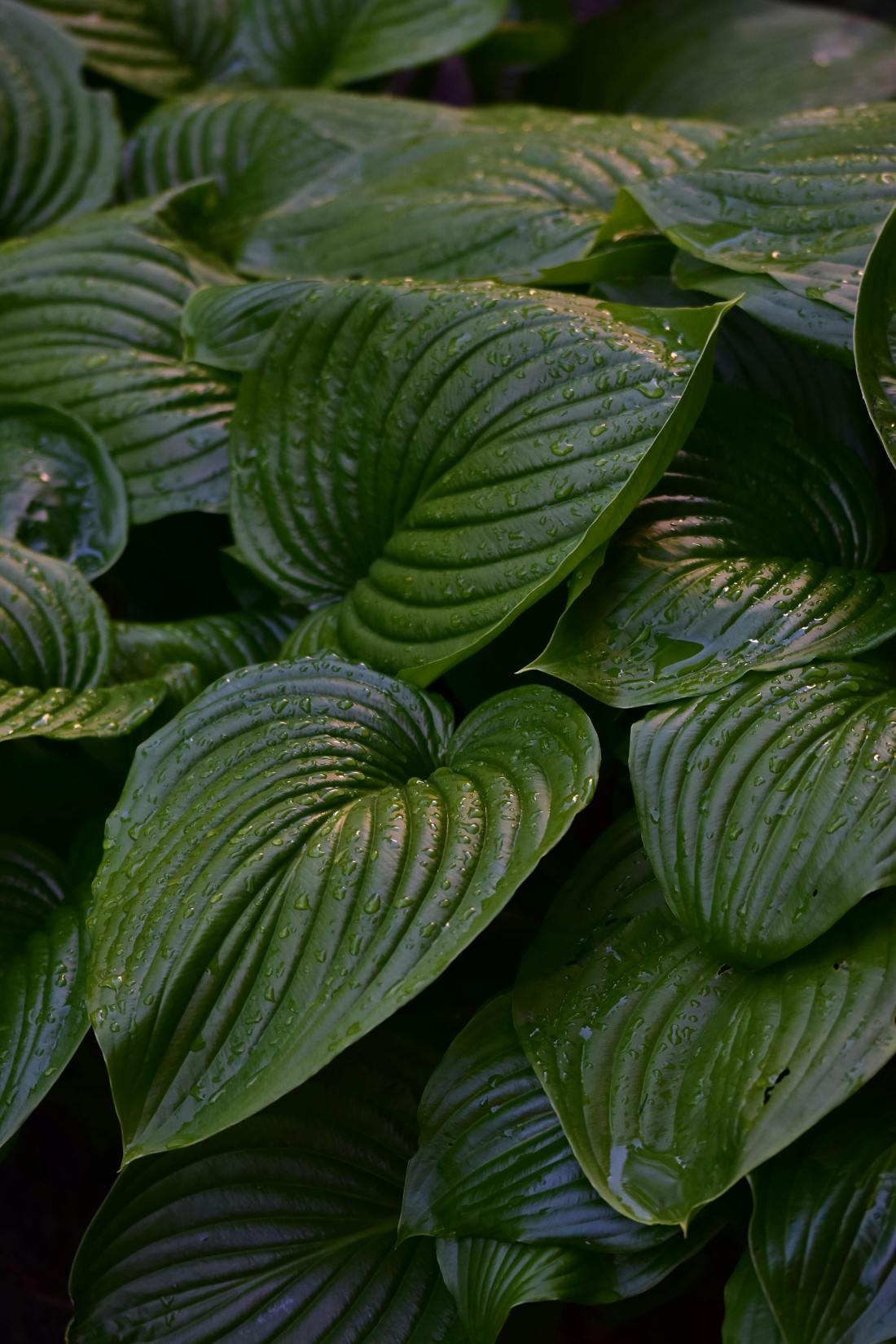
Hostas are a staple for shaded gardens, known for their diverse foliage colors and sizes. They add a lush, tropical feel with their broad, variegated leaves and can thrive in deep to partial shade.

2. Ferns

Ferns offer a range of varieties suitable for different levels of shade. Their delicate, feathery fronds add a soft texture to the garden. Popular varieties include Maidenhair Fern and Japanese Painted Fern.

3. Astilbe

Astilbes are prized for their feathery, plume-like flowers that come in shades of pink, red, and white. They thrive in partial to full shade and prefer consistently moist soil.

4. Lily of the Valley

Lily of the Valley is a low-growing plant with fragrant, bell-shaped white flowers. It spreads easily, forming a dense ground cover in shaded areas.

5. Heuchera (Coral Bells)

Heucheras, or Coral Bells, are known for their vibrant, colorful foliage ranging from deep purples to bright greens. They tolerate shade well and add year-round interest to the garden.

6. Brunnera

Brunnera, with its heart-shaped leaves and striking blue spring flowers, is a standout in shady gardens. It thrives in partial to full shade and requires moist, well-drained soil.

7. Epimedium

Epimediums are tough ground covers with delicate flowers that bloom in spring. Their heart-shaped leaves provide a dense, attractive cover for shaded areas.

8. Solomon’s Seal

Solomon’s Seal features arching stems with white, bell-shaped flowers that dangle beneath the foliage. It thrives in moist, shady spots and adds graceful movement to the garden.

9. Lamium (Dead Nettle)

Lamium is known for its silver-patterned leaves and small, colorful flowers. It’s an excellent ground cover for shady areas, adding both texture and color.

10. Wild Ginger

Wild Ginger offers heart-shaped leaves and inconspicuous flowers. It forms a dense ground cover in shaded areas, helping to suppress weeds and retain moisture.

11. Pachysandra

Pachysandra is a type of evergreen ground cover that grows well in deep shade. Its glossy leaves and small, white flowers make it a reliable choice for year-round coverage.

12. Tiarella (Foamflower)

Tiarellas are known for their attractive foliage and delicate spring flowers. They thrive in partial to full shade and add a soft, airy texture to the garden.

13. Pulmonaria (Lungwort)

Pulmonarias have speckled leaves and early spring flowers in shades of blue, pink, and white. They prefer shady, moist conditions and add a splash of color early in the season.

14. Trillium

Trilliums are native wildflowers with three-petaled blooms. They thrive in woodland settings, preferring moist, shaded areas with rich soil.

15. Bleeding Heart

Bleeding Hearts are known for their heart-shaped flowers that dangle from arching stems. They prefer moist, shady spots and add a romantic touch to the garden.

16. Bergenia

Bergenias have large, bold leaves and clusters of pink flowers. They are tough and adaptable, thriving in both shade and sun with minimal care.

17. Helleborus (Lenten Rose)

Hellebores are evergreen perennials that bloom in winter or early spring. Their nodding flowers come in various colors, providing winter interest in the garden.


Similar Posts:


18. Ajuga (Bugleweed)

Ajugas are low-growing plants with colorful foliage and spring flowers. They form dense mats that are excellent for ground cover in shaded areas.

19. Japanese Forest Grass (Hakonechloa)

Japanese Forest Grass has graceful, arching foliage that adds movement to the garden. It grows well in regions that are partially shaded and have moist, well-drained soil.

20. Sweet Woodruff

Sweet Woodruff is a ground cover with fragrant, star-shaped flowers. It thrives in shaded areas and adds a sweet, fresh scent to the garden.

21. Corydalis

Corydalis features delicate, fern-like foliage and tubular flowers. It prefers shady, moist conditions and adds a touch of elegance to the garden.

22. Anemone (Windflower)

Anemones have early spring blooms and delicate foliage. They thrive in partial shade and well-drained soil, adding early-season color to the garden.

23. Cyclamen

Cyclamens have variegated leaves and winter or spring flowers. They prefer shaded areas with well-drained soil and add interest during the cooler months.

24. Vinca minor (Periwinkle)

Vinca minor is an evergreen ground cover with blue flowers. It thrives in shade and forms dense mats, making it ideal for covering large areas.

25. Carex (Sedge)

Carex, or sedges, have grass-like foliage and come in many varieties suitable for shade. They add texture and movement to the garden, thriving in a range of conditions.

Conclusion

Creating a lush and diverse understory garden under trees is possible with the right selection of plants. These 25 plants offer a variety of textures, colors, and growth habits that thrive in shady conditions. By incorporating these plants into your garden, you can transform shady spots into beautiful, thriving spaces.

Happy Gardening!

Sweet Success: A Guide to Growing Sugarcane in Your Home Garden!

Introduction:

Sugarcane, with its tall stalks and sweet taste, is not only a staple crop but also a delightful addition to any home garden. Cultivating sugarcane at home can be a rewarding experience, providing you with a fresh source of sweetness while adding a tropical touch to your garden landscape. In this comprehensive guide, we’ll explore everything you need to know about growing sugarcane in your own backyard oasis.

Understanding Sugarcane:

Sugarcane (Saccharum officinarum) is a perennial grass native to tropical regions, known for its high sugar content. It thrives in warm, humid climates and can grow up to 20 feet tall under optimal conditions. While sugarcane is primarily cultivated for sugar production on a commercial scale, it can also be grown in home gardens for its ornamental value and culinary uses.

Choosing the Right Variety:

Before you start growing sugarcane, it’s essential to select the right variety for your garden. Some popular sugarcane varieties suitable for home cultivation include:

Red Sugarcane: Known for its striking red-hued stalks and high sugar content, red sugarcane adds a vibrant pop of color to your garden landscape.

Yellow Sugarcane: Yellow sugarcane varieties are prized for their sweet taste and juicy stalks, making them a favorite for fresh consumption and juicing.

Green Sugarcane: Green sugarcane varieties are valued for their versatility and adaptability to different growing conditions. They are suitable for both culinary and ornamental purposes.


Similar Posts:


Planting Sugarcane:

Once you’ve chosen your sugarcane variety, it’s time to plant them in your home garden. Here’s a step-by-step guide to planting sugarcane:

Soil Preparation: Sugarcane thrives in well-draining, fertile soil with a pH level between 6.5 and 7.5. Prepare the planting area by loosening the soil and incorporating organic matter such as compost or aged manure to improve soil structure and fertility.

Planting Method: Sugarcane can be propagated from cuttings known as “seed pieces.” Cut the sugarcane stalks into parts roughly 6 to 8 inches long, ensuring each segment contains at least one bud or “node.” Plant the seed pieces horizontally in furrows or trenches, spacing them 12 to 18 inches apart to allow for proper growth and development.

Watering and Mulching: Sugarcane requires lots of water during its growing season. It’s one of the basic requirements which a gardener needs to consider before growing sugarcane. Keep the soil consistently moist but not waterlogged, especially during the initial stages of growth. Apply a layer of organic mulch such as straw or shredded leaves to retain soil moisture, suppress weed growth, and regulate soil temperature.

Sunlight and Temperature: Sugarcane requires full sun exposure to thrive, so choose a planting location that receives at least 6 to 8 hours of direct sunlight per day. Additionally, ensure that your garden receives adequate warmth, as sugarcane is sensitive to cold temperatures and frost.

Maintenance: Throughout the growing season, monitor your sugarcane plants for signs of pests, diseases, or nutrient deficiencies. The “seed pieces” are more vulnerable to termites in the early stages, and after it begins to grow leaves, animals like chickens and rabbits will come to consume it. Add some ash to the side of the seed piece to deter termites. You can also build a fence to keep rabbits and chicken out. Provide regular water and fertilizer as needed to support healthy growth and development.

Harvesting and Utilizing Sugarcane:

With proper care and maintenance, your sugarcane plants will mature and be ready for harvest within 9 to 24 months, depending on the variety and growing conditions. Here’s how to harvest and utilize sugarcane in your home garden:

Harvesting: To harvest sugarcane, wait until the stalks reach maturity and develop a rich, sweet taste. Use a sharp knife or machete to cut the stalks at ground level, being careful not to damage the surrounding plants.

Processing: Once harvested, peel away the outer husk of the sugarcane stalks to reveal the juicy inner pulp. Sugarcane can be enjoyed fresh by chewing on the stalks to extract the sweet juice or processed into various products such as juice, syrup, or molasses.

Culinary Uses: Fresh sugarcane juice is a popular beverage in many tropical regions, prized for its refreshing taste and nutritional benefits. Additionally, sugarcane syrup and molasses can be used as natural sweeteners in cooking and baking, adding depth of flavor to a wide range of dishes.

Conclusion:

Growing sugarcane in your home garden is a rewarding experience that allows you to enjoy the sweet taste of tropical bliss right in your backyard. By following the steps outlined in this guide, you can cultivate healthy sugarcane plants and harvest a bountiful crop for culinary enjoyment and ornamental beauty. So why wait? Get started on your sugarcane-growing journey today and sweeten up your garden paradise!

Happy Gardening!

Anil Balanja’s Exotic Fruit Farming: A Bounty of 700 Varieties from 40 Nations!

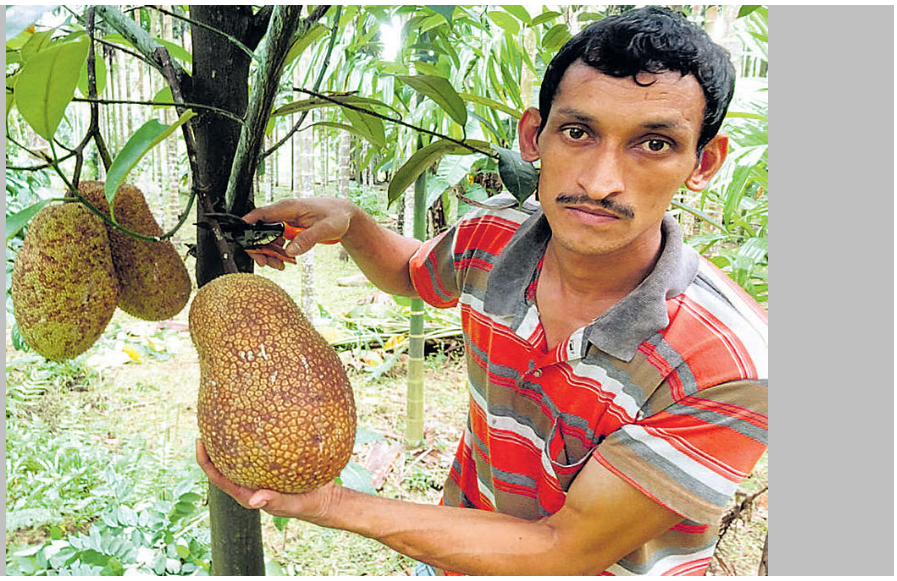
In the heart of Karnataka, farmer Anil Balanja has cultivated an extraordinary legacy, nurturing over 700 diverse varieties of exotic fruits sourced from 40 countries over two decades. His visionary approach to farming has not only brought a global orchard to his doorstep but has also showcased the incredible biodiversity that enriches India’s agricultural landscape.

Photo Courtesy: http://www.deccanherald.com

Balanja’s journey began two decades ago, fueled by a genuine passion for horticulture and a desire to introduce unparalleled diversity to local farming practices. Nestled in Karnataka’s verdant embrace, his farm stands as a testament to perseverance and a profound commitment to biodiversity. Watching his father grow various jackfruit and mango varieties was a part of his childhood. He was always determined to become a farmer from the beginning and, at the age of 19, started planting areca, coconut, and rubber plants. Following that, he began cultivating a variety of exotic fruit varieties that are rarely grown in the country.

He has been farming on an area of thirty-five acres. Although his primary crops are areca and rubber, he also enjoys producing tropical fruits. On his farm, there are between 600 and 800 different varieties of foreign and Indian fruits.

With meticulous care and a keen eye for cultivation, Balanja has curated a cornucopia of fruits, each bearing a unique origin and story. From the vibrant hues of Southeast Asian durians to the tropical sweetness of South American cherimoyas, his farm boasts a kaleidoscope of flavors and textures seldom seen within one terrain.

Anil gathers various fruit saplings from throughout the world. He has gathered seeds from all over the world, including Brazil, Thailand, Indonesia, and others. After evaluating the quality of the saplings, he gives them to the farmers. He maintains a detailed record of every fruit, he also records its scientific name, ideal growing temperature, kind of soil, and even its medicinal properties. He also has his own nursery where he propagates the fruits he gathered from other countries.

Beyond the borders of Karnataka, Balanja’s orchard serves as an educational beacon, drawing horticulturists, enthusiasts, and curious minds keen to witness the rich tapestry of global fruit diversity thriving within India’s embrace. After evaluating the plant’s quality and the weather, Anil is now supplying farmers with fruit saplings. Subsequently, he transfers the samplings to distinct regions.

What sets Balanja’s initiative apart is not just the sheer variety but also his dedication to sustainable farming practices. Embracing eco-friendly methods, he nurtures these global treasures, fostering an ecosystem where nature harmonizes with innovation. Organic farming accounts for over 99% of sapling growth. In addition, he offers advice to farmers who are interested in growing various fruits.  There is a large market for growing tropical and exotic fruits.

As the years have passed, Balanja’s orchard has not only flourished but has also become a symbol of unity in diversity, reflecting the cultural amalgamation found in the fruits that grace his farm. It stands as a living tribute to the power of agricultural diversity and the boundless potential it brings to enrich local landscapes.

Amidst the challenges of changing climates and agricultural practices, Anil Balanja’s dedication remains an inspiring testament to the endless possibilities of embracing diversity and sustainability in farming. His orchard serves as a reminder that, with determination and a passion for biodiversity, the land can yield a vibrant mosaic of flavors and cultures.

The legacy of Anil Balanja’s exotic fruit farm echoes far beyond Karnataka’s borders, instilling a profound appreciation for the beauty of diversity and the bounty it brings to our tables and lives. In a world grappling with agricultural homogenization, Balanja’s farm stands as an oasis, showcasing the splendor of varied fruit cultures thriving harmoniously within Karnataka’s soil.

Bountiful Gardens: The Power of Rainwater Harvesting in Gardening!

Introduction

In the realm of gardening, water stands as a precious resource. Amidst concerns of water scarcity and environmental sustainability, rainwater harvesting emerges as a sustainable practice with immense benefits for cultivating flourishing gardens. Harnessing rainwater isn’t just an eco-friendly choice; it’s a powerful technique to nourish your garden while conserving water resources.

Rainwater harvesting for gardening is a method that involves collecting and storing rainwater for later use in watering plants, enriching soil, and sustaining green spaces. This eco-conscious approach not only lessens dependence on traditional water sources but also amplifies the health and vitality of your garden in myriad ways.

Importance of Rainwater Harvesting for Gardening:

  • Eco-Friendly and Sustainable: Rainwater harvesting minimizes reliance on municipal water supplies or groundwater, thereby reducing your carbon footprint and lessening strain on natural water sources.
  • Nutrient-Rich Water Source: Rainwater is devoid of harmful chemicals and possesses natural nutrients vital for plant growth, providing a healthier alternative to chemically treated water.
  • Conservation of Resources: By capturing rainwater, this method ensures you maximize water availability and reduces water wastage, supporting a sustainable approach to gardening.

Methods of Rainwater Harvesting for Gardening:

  • Rain Barrels and Cisterns: These storage units collect rainwater from rooftops, diverting it through gutters into barrels or tanks for later use in garden irrigation.
  • Rain Gardens: Designed to capture and absorb rainwater runoff, these gardens are planted in low-lying areas and act as natural filters while recharging groundwater.
  • Permeable Surfaces: Install permeable pavements or surfaces that allow rainwater to infiltrate the soil directly, replenishing groundwater levels and supporting garden growth.

Benefits of Rainwater Harvesting in Gardening:

  • Natural Nutrient Source: Rainwater is free from chlorine or other chemicals often found in tap water, providing plants with a pure, nutrient-rich source of hydration.
  • Sustainable Irrigation: The stored rainwater can sustain your garden during dry spells or watering restrictions, ensuring continuous growth and vitality of plants.
  • Cost-Efficient: By reducing reliance on municipal water, rainwater harvesting can lower your water bills while providing an effective irrigation solution.

Similar Posts


Tips for Implementing Rainwater Harvesting:

  • Proper Storage: Ensure rain barrels or tanks are clean and covered to prevent contamination and breeding of mosquitoes or algae.
  • Regular Maintenance: Periodically clean gutters, filters, and storage units to maintain water quality and prevent blockages.
  • Use of Screen Filters: Install screen filters to prevent debris or contaminants from entering rainwater collection systems.

Step By Step Process:

Harvesting rainwater for your garden is a sustainable and eco-friendly way to ensure a steady water supply. Here are steps to harvest rainwater effectively:

  • Rain Barrel Setup: Place a rain barrel beneath a downspout or gutter to collect rainwater. Ensure the barrel has a secure lid to prevent debris, mosquitoes, and evaporation.
  • Barrel Positioning: Position the barrel on a raised platform to improve water pressure. It should be stable and situated close to the garden for easier access.
  • Filter System: Install a mesh screen or filter at the entry point to prevent leaves, twigs, and other debris from entering the barrel.
  • Gutter Diversion: Direct the downspout or gutter directly into the rain barrel using a diverter. This allows you to control when the rainwater fills the barrel.
  • Overflow Outlet: Include an overflow outlet near the top of the barrel. Attach a hose to redirect excess water away from the foundation to avoid waterlogging.
  • Regular Maintenance: Clean the barrel and filter periodically to ensure the system remains efficient. Check for leaks or damage.
  • Water Usage: Use the harvested rainwater to irrigate your garden. Connect a hose or use a watering can for easy distribution.
  • Conservation: Conserve rainwater during dry spells and use it judiciously for your plants, prioritizing when watering is most crucial.

By implementing these steps, you can effectively harvest rainwater to nurture your garden while minimizing water waste and reducing your environmental impact.

Conclusion:

Rainwater harvesting is a sustainable, eco-friendly practice that offers immense benefits for gardening enthusiasts. By harnessing the power of rain, gardeners can create thriving landscapes while actively contributing to water conservation efforts. Implementing rainwater harvesting techniques not only elevates gardening practices but also embodies a commitment to environmental stewardship.

Incorporating rainwater harvesting in gardening isn’t just a choice; it’s a conscious step toward sustainable living that fosters healthy, vibrant gardens while preserving precious water resources for future generations.

Happy Gardening!

Budding Green Thumbs: Engaging Kids in the Wonders of Gardening!

Introduction

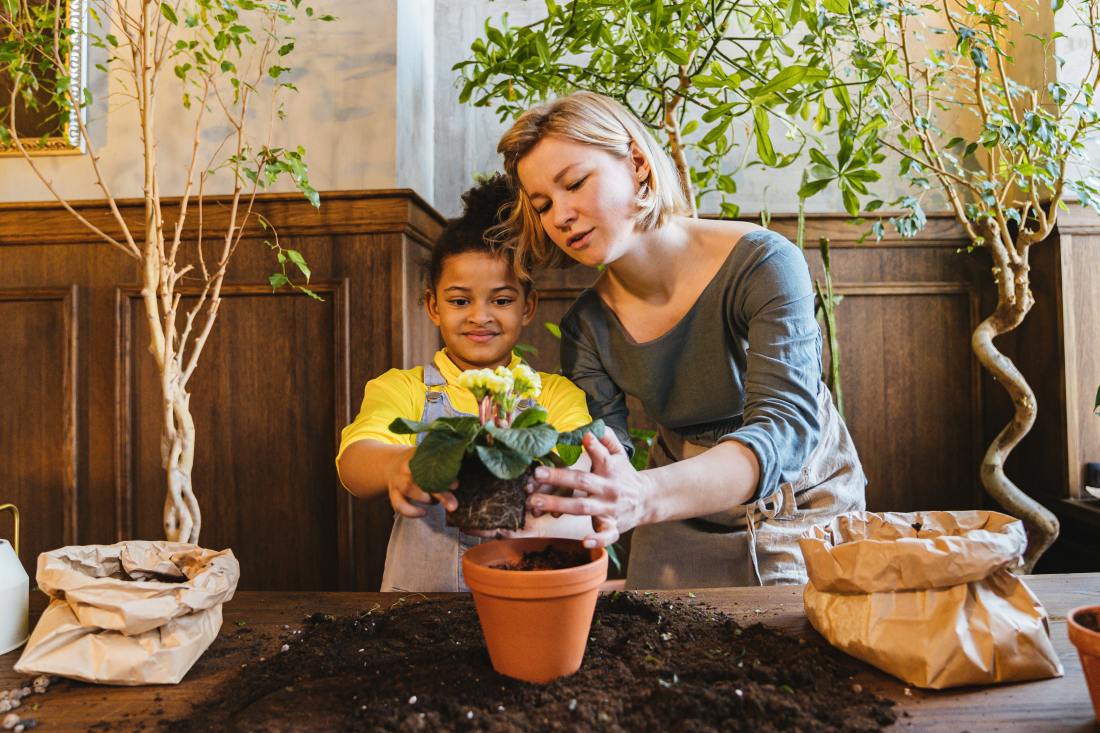
Gardening isn’t just for adults—it’s a fantastic activity to involve kids in! Introducing children to gardening not only fosters a love for nature but also teaches valuable life lessons about responsibility, patience, and the environment. Here’s how to make gardening a fun and educational experience for your little ones.

Getting Started:

Start with simple tasks like planting seeds or seedlings in small pots. Choose plants that grow quickly, like sunflowers, radishes, or cherry tomatoes, to maintain their interest and excitement.

Educational Opportunities:

Take the chance to teach kids about plant life cycles, photosynthesis, and the importance of water and sunlight. Engage them in identifying different plants and insects, turning gardening into an educational adventure.

Designing Their Space:

Allocate a dedicated area in the garden for kids to call their own. Let them personalize it with colorful markers, fun garden signs, or homemade decorations. Encourage creativity and ownership of their gardening space.

Choosing Child-Friendly Tools:

Invest in child-sized, durable gardening tools designed for small hands. Rakes, shovels, gloves, and watering cans made specifically for kids will make gardening tasks easier and more enjoyable.

Making It Interactive:

Create interactive activities like scavenger hunts for specific leaves or flowers, or create a mini-garden with themes like a pizza garden (with herbs and veggies for pizza toppings) to keep them engaged.


Similar Posts


Harvesting and Enjoying Fruits of Labor:

Involve kids in harvesting produce from the garden. Let them taste and enjoy the fruits (or vegetables!) of their labor, instilling a sense of accomplishment and encouraging healthy eating habits.

Encouraging Responsibility:

Assign tasks and let kids take responsibility for caring for their plants. This fosters a sense of ownership and teaches them the importance of commitment and nurturing.

Incorporating Fun Projects:

Explore crafty projects like making pressed flowers, creating nature-inspired artwork, or starting a garden journal to document their gardening journey.

Conclusion

Engaging kids in the wonders of gardening not only nurtures their love for nature but also sows the seeds of responsibility and curiosity. By immersing children in this hands-on experience, we empower them with valuable life skills and ignite a lifelong appreciation for the environment. From planting tiny seeds to witnessing the vibrant blooms and flavorful harvests, gardening becomes an enriching journey for young green thumbs. Encourage exploration, creativity, and ownership in their gardening space, fostering a deeper connection to the natural world. As budding gardeners, children discover that the magic of growth and the joy of accomplishment can be found right in their backyard.

Happy gardening, little ones!