
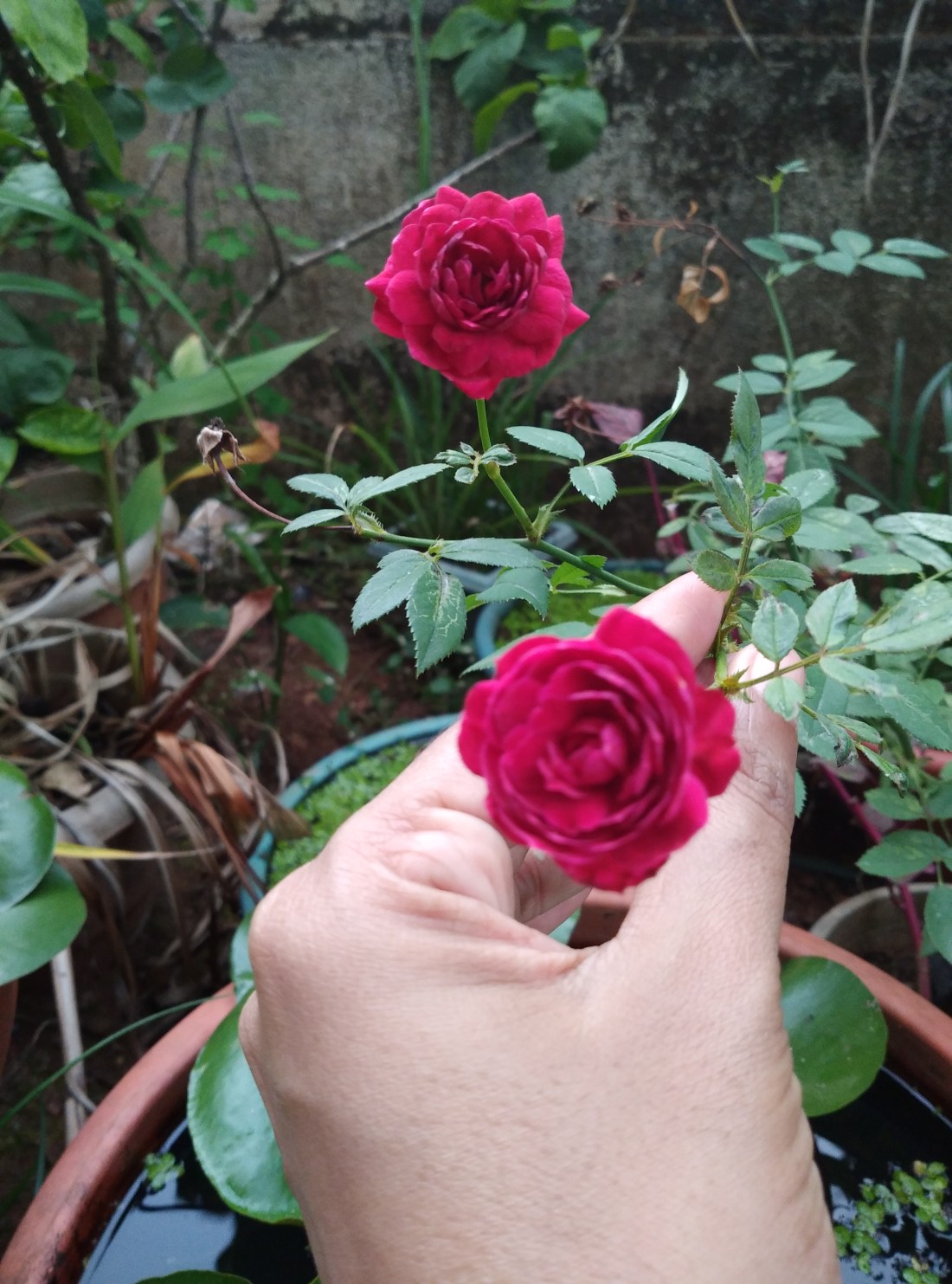
Introduction
Rose plants are cherished for their beauty but can be susceptible to various diseases, one of the most common being rose dieback disease. This condition causes the plant’s branches to turn black and wilt, primarily due to a fungal attack. In this article, we’ll explore the causes of rose dieback disease and provide a step-by-step guide on how to treat and prevent it to ensure your roses remain healthy and vibrant.
What is Rose Dieback Disease?
Rose dieback disease is a prevalent issue affecting rose plants. It manifests as a blackening of branches, which eventually causes the plant to wilt and die. This disease is triggered by several factors, most commonly fungal infections. Other contributing factors include improper soil conditions, seasonal stress, nutrient deficiencies, and more. By identifying and addressing these issues, you can restore your rose plant’s health.
The disease is essentially a signal from the plant, indicating that something is wrong with its growing conditions. Whether it’s an issue with the soil, lack of nutrients, or too much moisture, the plant is trying to communicate that it needs help.
Common Causes of Rose Dieback Disease
1. Excess Humidity
One of the primary causes of rose dieback disease is high humidity. Roses thrive in environments with good air circulation, but when humidity levels rise and moisture lingers around the plant, it becomes stressed. This stress makes the plant more vulnerable to fungal attacks. The fungus responsible for dieback disease thrives in such moist conditions, making it easier for the infection to spread.
To reduce the risk of dieback, ensure your roses are planted in areas with good air circulation. Avoid overcrowding the plants, and regularly prune them to promote airflow.
2. Overly Moist Soil
Waterlogged soil is another major cause of rose dieback disease. When the soil surrounding your rose plant remains constantly wet, it can encourage fungal growth. A rose plant suffering from overly moist soil will begin to wilt, and its branches will turn black as the infection sets in.
To prevent this, use well-draining, fertile soil for your rose plants. To enhance soil drainage, you can add organic matter such as compost or sand. A homemade potting mix designed specifically for roses can also be beneficial.
3. Sudden Seasonal Changes
Seasonal changes can also trigger rose dieback disease. A sudden drop or increase in temperature can shock the plant, making it more susceptible to infections. The plant becomes stressed, and the conditions become favourable for fungal diseases like dieback. Fortunately, this type of dieback is usually temporary, and the plant will adapt to the new environment given enough time.
During periods of sudden weather changes, it’s essential to monitor your plants closely. Providing extra protection, such as mulch or shade during extreme conditions, can help the plant adjust.
4. Contaminated Pruning Tools
Using contaminated pruning tools is another common way that rose dieback disease spreads. If you use the same pruning shears on multiple plants without cleaning them, you risk transferring the infection from one plant to another. Fungal spores can easily stick to the blades and spread the disease.
To prevent this, always clean your pruning tools before and after use. Disinfect them with a solution like hydrogen peroxide or alcohol to kill any lingering fungi.
5. Nutrient Imbalances
Roses are heavy feeders and need a consistent supply of nutrients to grow well. If your soil lacks essential nutrients, or if you overuse chemical fertilizers, it can weaken the plant, making it more prone to dieback disease. Nutrient deficiencies, particularly in nitrogen, phosphorus, and potassium, can stunt growth and encourage fungal infections.
To avoid this, regularly fertilize your rose plants with organic fertilizers. Compost, well-rotted manure, or a balanced rose fertilizer can help provide the necessary nutrients. Avoid over-fertilizing, as excess nutrients can also contribute to dieback disease.
6. Pest Infestations
Pest infestations can further weaken rose plants and make them more vulnerable to dieback disease. Aphids, spider mites, and other pests can damage the plant’s tissues, providing an entry point for fungal infections. The weakened state of the plant allows the dieback fungus to take over more easily.
Using neem oil or other organic pest control methods can help keep pests at bay and protect your plants from further damage.
Similar Posts:
How to Treat Rose Dieback Disease
If your rose plant is already showing signs of dieback disease, don’t worry—there are steps you can take to reverse the damage and restore its health.
1. Identify and Fix the Root Cause
The first step in treating rose dieback disease is to identify the underlying cause. Is your soil too wet? Are there pests attacking your plant? Is there a sudden shift in the weather? Once you determine the cause, take immediate action to fix it. If you skip this step, the disease will continue to reappear, no matter how many treatments you try.
2. Apply Neem Cake Powder
Using a fungicide is an essential step in treating rose dieback disease. Neem cake powder, a natural antifungal agent, can help eliminate the fungus from the soil. Apply up to a tablespoon of neem cake powder to a 6-8 inch pot. For larger containers, increase the dosage accordingly. After applying the neem cake powder, water the plant only if the soil is dry.
Repeat this treatment after 10 days. In most cases, your plant should begin to recover within this timeframe.
3. Prune the Infected Branches
To prevent the spread of dieback disease, it’s crucial to prune the infected branches. Use clean, disinfected shears to cut 1 inch below the blackened area of the branch. Be sure to remove all the diseased parts of the plant to halt the infection.
After pruning, remember to disinfect your tools again to avoid spreading the infection to other plants.
4. Use Neem Oil Spray
In addition to neem cake powder, applying a neem oil spray can help control pests and fungi. Neem oil is a natural pesticide and fungicide that can help the plant recover faster. Spray the neem oil solution on the entire plant, making sure to cover the leaves, stems, and soil surface. This will repel pests and prevent further fungal growth.
Aftercare for Your Rose Plant
Once you’ve treated the plant for dieback disease, the key to a full recovery lies in aftercare. Ensure that the root cause of the problem has been resolved, whether it was overly moist soil, a pest infestation, or a nutrient deficiency. Continue to monitor the plant closely, and adjust its care as needed.
If you follow the steps above, your rose plant should recover within 1-2 weeks. In addition to addressing dieback, stay proactive in maintaining your plant’s health by regularly feeding it with organic fertilizer, pruning it properly, and keeping pests in check.
Conclusion:
Rose dieback disease can be a frustrating problem for gardeners, but it is manageable with the right care. By understanding the causes and taking preventive steps, you can protect your rose plants from future infections. If your plant does fall victim to dieback, following the treatment steps outlined above will help restore it to its former beauty. Stay vigilant, and your roses will thrive for years to come.
Happy Gardening!

 ILoveGardening