Exploring the Optimal Garden Irrigation Solutions for Lush Plant Growth!

Introduction

Maintaining a thriving garden isn’t solely about planting the right seeds or providing adequate sunlight—it’s also about efficient watering. Choosing the best irrigation system for your garden is crucial to ensure your plants receive the optimal moisture they need for healthy growth. Here’s an insightful guide to various garden irrigation solutions:

1. Drip Irrigation Systems

Efficiency Meets Precision:

Drip irrigation systems deliver water directly to the roots of plants, minimizing water wastage and ensuring optimal hydration. With adjustable emitters, these systems offer precise control over water distribution, ideal for conserving water in drought-prone areas.

Best Suited For:

Ideal for gardens with a variety of plants, including vegetables, flower beds, and shrubs, where targeted watering is essential.

2. Soaker Hoses

Slow and Steady Soaking:

Soaker hoses ooze water along their length, gently soaking the soil directly around plants. They provide consistent moisture while preventing soil erosion and minimizing water runoff.

Best Suited For:

Great for gardens with dense plantings or long rows of vegetation, enabling deep watering without wetting foliage.

3. Sprinkler Systems

Wide Coverage, Efficient Watering:

Sprinkler systems disperse water over a larger area, making them suitable for extensive garden spaces. They offer versatility with adjustable patterns and coverage options.

Best Suited For:

Perfect for lawns and large garden areas requiring even watering, but they might not be as water-efficient as drip systems.

4. Rainwater Harvesting

Nature’s Gift Utilized:

Collecting rainwater in barrels or cisterns is an eco-friendly approach to watering gardens. It’s a sustainable way to utilize natural resources and reduces reliance on municipal water supplies.

Best Suited For:

Suitable for gardens of various sizes, particularly in regions with intermittent rainfall or water restrictions.


Similar Posts


5. Smart Irrigation Controllers

Technological Precision:

Smart irrigation controllers use weather data and soil moisture sensors to regulate watering schedules. They adjust watering times and volume based on environmental conditions, optimizing water usage.

Best Suited For:

Ideal for tech-savvy gardeners seeking automated, efficient watering routines and conservation-minded approaches.

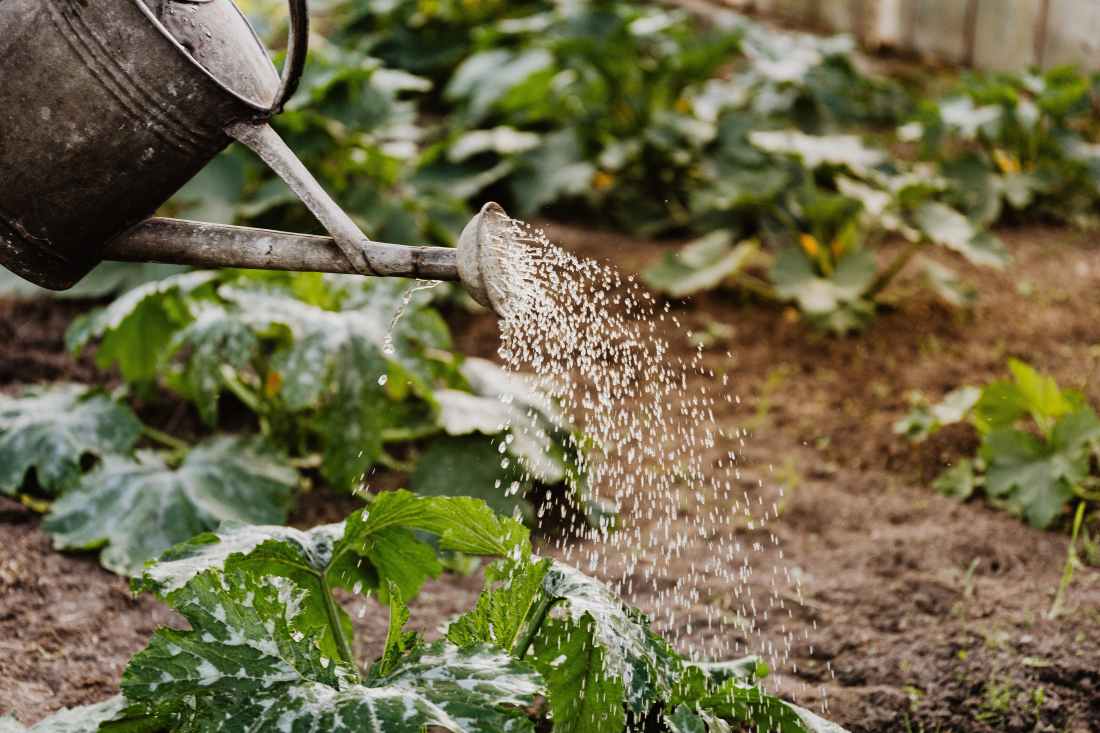
6. Hand Watering

Personalized Attention:

The traditional method of hand watering provides individual attention to each plant. While time-consuming, it allows for close observation and adjustment based on plant needs.

Best Suited For:

Perfect for small gardens or potted plants, ensuring a personal touch in nurturing delicate flora.

Choosing the right irrigation system depends on garden size, plant variety, water availability, and environmental factors. Opting for a combination of methods, like integrating drip irrigation with rainwater harvesting, can maximize efficiency while minimizing water usage.

Investing in an efficient irrigation solution not only ensures healthier plants but also contributes to water conservation efforts. By selecting the most suitable irrigation system, you’re one step closer to fostering a vibrant, thriving garden oasis.

Embrace the power of precise irrigation to nurture your garden and watch your plants flourish in the lap of well-calibrated hydration.

Conclusion

In the realm of gardening, the significance of efficient irrigation solutions cannot be overstated. Choosing the right system tailored to your garden’s needs is akin to providing a lifeline to your plants, ensuring their vitality and lush growth. From drip systems offering precise hydration to rainwater harvesting tapping into nature’s bounty, each method contributes to the sustainable nurturing of green spaces.

As gardeners, our responsibility extends beyond tending to plants; it encompasses responsible water management. The amalgamation of technology-driven controllers with traditional hand watering or the seamless integration of rainwater harvesting into automated systems exemplifies the harmony between innovation and eco-consciousness.

By adopting the optimal irrigation solution, you’re not just quenching your garden’s thirst; you’re becoming a steward of water conservation. Harnessing the power of efficient watering techniques not only yields thriving greenery but also stands as a testament to our commitment to sustainability.

Embrace the tailored irrigation method that suits your garden, conserve water, and witness the flourishing beauty that emerges—a testament to the harmony between precise hydration and verdant growth.

Happy Gardening!
Exploring Heirloom Plant Varieties: Timeless Treasures in the Garden!

Introduction

As the gardening world evolves, a captivating trend has emerged, captivating gardeners far and wide: the fascination with heirloom and unique plant varieties. This surge in interest is a testament to a collective desire among gardening enthusiasts to explore the rich tapestry of diverse, rare, and often forgotten species, particularly in the realm of vegetables and herbs.

Embracing Diversity

Gardeners, seasoned and novice alike, are venturing beyond conventional garden centers in search of these rare gems. Heirloom varieties, with their historical significance and distinct traits, offer a unique and flavorful twist to gardens. The allure lies not only in their extraordinary appearance but also in their ability to infuse diversity into homegrown produce, contributing to a more vibrant culinary experience.

Rediscovering Forgotten Treasures

Heirloom plants, often passed down through generations, tell stories of bygone eras. Their resurgence represents a rekindled appreciation for traditional farming practices and a dedication to preserving biodiversity. Gardeners are meticulously seeking out these forgotten treasures, cherishing their unique characteristics and the cultural heritage they embody.

Nurturing Uniqueness in Gardens

The appeal of unique plant varieties goes beyond aesthetics; it’s a movement towards sustainable and environmentally conscious gardening. By cultivating these rare species, gardeners actively participate in preserving genetic diversity and safeguarding plants that might otherwise vanish from our agricultural landscape.

Cultivating Your Collection

Curating a garden brimming with heirloom and unique varieties requires a bit of research and dedication. From vibrant heirloom tomatoes to fragrant heritage herbs, the journey to assembling a diverse garden tapestry is both rewarding and educational. Communities are forming around the sharing and exchanging of seeds, fostering a sense of camaraderie among enthusiasts passionate about preserving these botanical treasures.


Similar Posts


Examples Of Heirloom Varieties Plants

Heirloom varieties refer to plants that have been cultivated and passed down through generations due to their valued characteristics, unique flavors, or historical significance. These varieties are often open-pollinated, meaning they’ve been grown naturally and haven’t been hybridized for specific traits. Here are a few examples across different plant types:

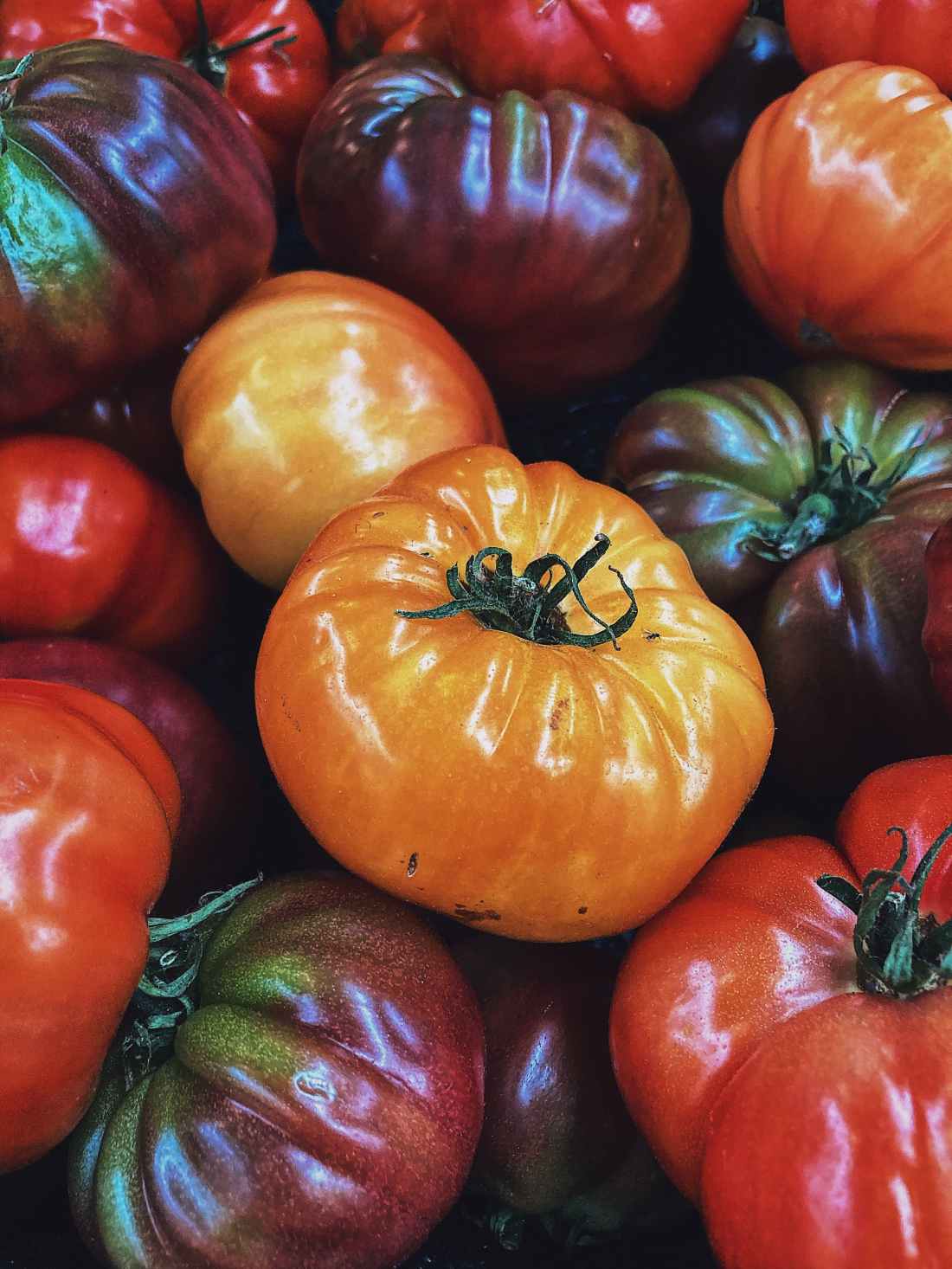
Tomatoes:

Brandywine Tomato: Known for its rich, sweet flavor, this tomato variety has been around for over 100 years. It offers large, pinkish fruits and is beloved by many gardeners for its taste.

Cherokee Purple Tomato: A deep, dusky rose-colored tomato with a complex, smoky flavor, often considered one of the best-tasting heirloom varieties.

Peppers:

Jimmy Nardello’s Italian Sweet Pepper: A long, thin-skinned pepper with a sweet flavor, perfect for frying or fresh eating.

Hungarian Black Pepper: Ripening from green to dark brown, this pepper has a slightly spicy flavor and is great for drying.

Lettuce:

Flashy Trout’s Back Lettuce: An heirloom variety with unique leaves resembling a trout’s back, offering a delicate texture and mild flavor.

Buttercrunch Lettuce: Known for its sweet, buttery taste and compact heads, making it ideal for small gardens or containers.

Beans:

Scarlet Runner Beans: Not just for their beans, but also for their beautiful red flowers, these beans are popular for their ornamental and edible qualities.

Rattlesnake Pole Beans: Characterized by their stringless pods with purple streaks, they have a rich, nutty flavor.

Carrots:

Cosmic Purple Carrot: This carrot variety has deep purple skin and a bright orange core, packed with antioxidants.

Dragon Carrot: Featuring an intense red-orange color, these carrots are sweet and crispy.

Herbs:

Genovese Basil: Known for its intense flavor and aromatic leaves, this basil variety is perfect for pesto and Italian dishes.

Lemon Verbena: A fragrant herb with citrus-scented leaves, used for teas and flavoring desserts.

These heirloom varieties are cherished not only for their unique flavors but also for their historical importance and biodiversity preservation.

Conclusion

The growing interest in heirloom and unique plant varieties signifies a profound shift in gardening culture. It reflects a longing for connection to our agricultural past, a celebration of diversity, and a commitment to sustainable gardening practices. As gardeners continue to seek out these extraordinary species, they not only enrich their gardens but also contribute to a larger movement aimed at conserving the invaluable heritage of our plant kingdom.

Cultivating heirloom and unique plant varieties is not merely a hobby; it’s a commitment to preserving our botanical heritage. By embracing these diverse species, gardeners foster biodiversity and ensure that the legacy of these plants endures for generations to come.

Let your garden tell a story, one filled with the richness of heritage plants and the diverse tapestry they weave into the world of gardening.

Happy Gardening!

The Ultimate Guide to Container Gardening: Cultivating Greenery in Limited Spaces

Introduction

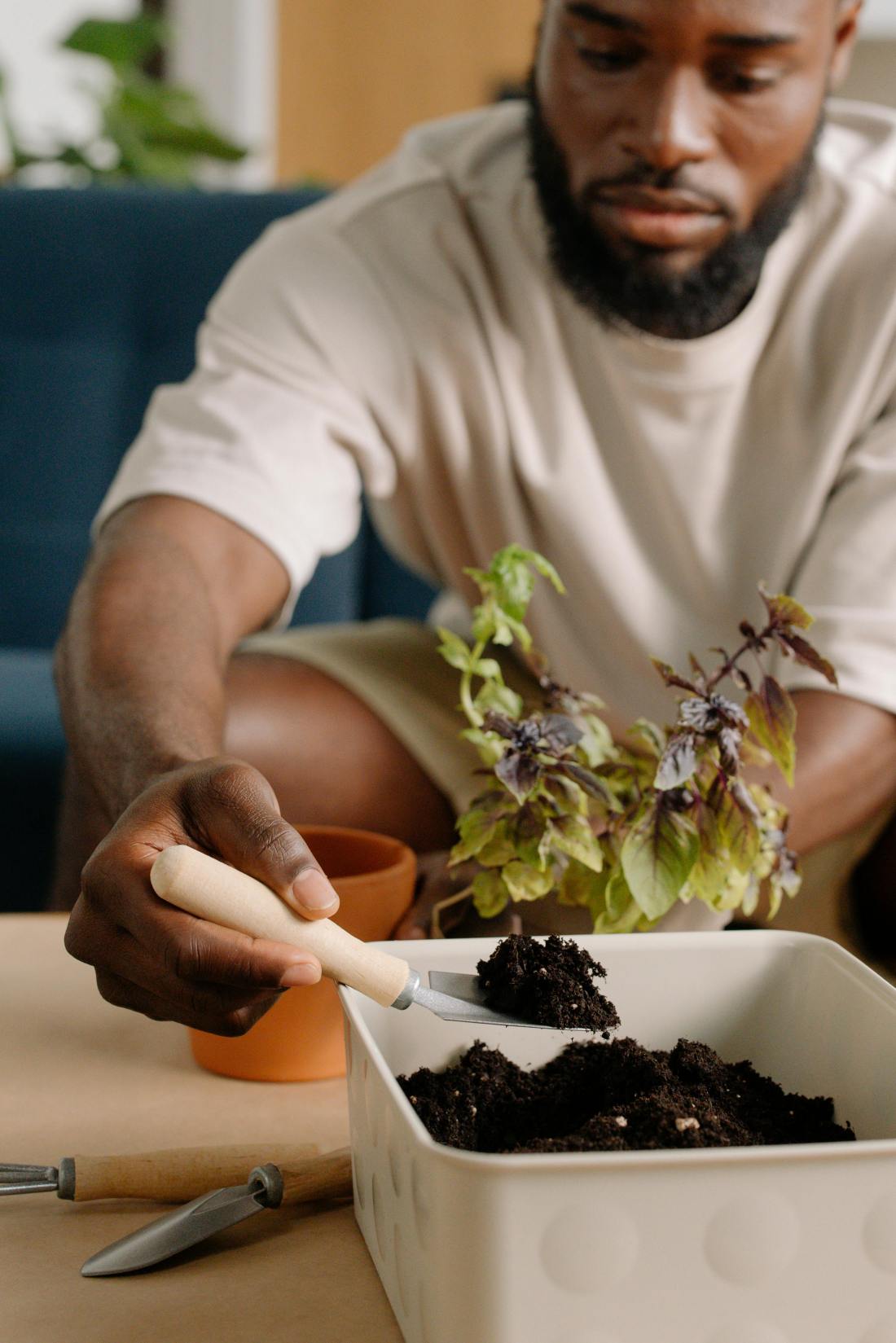
Container gardening has emerged as a popular and practical gardening solution for urban dwellers and anyone with limited outdoor space. This horticultural trend allows people to cultivate a wide array of plants and vegetables without the need for a large garden plot. Whether you have a tiny balcony, a small patio, or just a windowsill, container gardening offers a green oasis where you can experience the joys of nurturing and enjoying plants first-hand. This thorough manual will delve into the realm of container gardening, offering tips, techniques, and inspiration for creating a thriving mini garden in a confined space.

1.Choose the Right Containers

The foundation of successful container gardening lies in selecting the appropriate containers. Consider the following factors when choosing your pots or planters:

a. Size: Larger containers generally provide better growing conditions since they hold more soil and water, allowing plants to develop robust root systems.

b. Material: Containers come in various materials, including terracotta, plastic, metal, and ceramic. Each material has its pros and cons in terms of water retention, weight, and durability.

c. Drainage: Ensure that your containers have drainage holes to prevent waterlogging, which can lead to root rot.

2.Selecting the Ideal Plants

The key to a flourishing container garden is choosing plants that thrive in confined spaces. Consider the following plant categories:

a. Dwarf Varieties: Look for compact varieties of vegetables, fruits, and ornamental plants, which are bred specifically for container gardening.

b. Herbs: Culinary herbs like basil, mint, rosemary, and thyme are well-suited for containers and can add delightful flavours to your cooking.

c. Flowers: Opt for colorful blooms like pansies, petunias, marigolds, and geraniums, which add a vibrant touch to your outdoor space.

3.Potting Mix and Fertilizers

Choosing the right potting mix is crucial for container gardening success. Regular garden soil is not suitable since it may compact and impede root growth. Instead, use a high-quality potting mix that provides proper aeration and drainage.

Furthermore, container plants require a consistent supply of nutrients since they quickly deplete the soil. Supplement your garden with organic fertilizers or slow-release granules to ensure steady growth and blooming.

4.Sunlight and Watering

Understanding the sunlight and watering requirements of your plants is essential. Pay close attention to the following factors:

a. Sun Exposure: Position your containers strategically to receive the optimal amount of sunlight, which varies for different plant species.

b. Watering: Container plants typically need more frequent watering than those grown in the ground. Check the soil regularly and water when the top inch becomes dry, ensuring you don’t overwater, which can lead to root issues.

5.Container Garden Design and Layout

Create an attractive and harmonious container garden by considering the layout and design:

a. Vertical Gardening: Utilize wall-mounted planters or hanging baskets to maximize space and add a vertical dimension to your garden.

b. Color Combinations: Choose plants with complementary colours to create eye-catching displays. c. Thrillers, Fillers, and Spillers: Arrange your containers with a focal point plant (thriller), surrounding filler plants, and trailing plants (spillers) to add visual interest.

6.Pest and Disease Management

Container gardens are not immune to pests and diseases. Implement preventive measures like regular inspection, cleaning, and removing debris to reduce the risk of infestations. Consider using natural pest repellents and organic fungicides to protect your plants without harmful chemicals.

7.Maintenance and Pruning

Pruning is essential for maintaining the health and shape of your container plants. Regularly remove dead flowers and leaves to encourage new growth and prolong blooming periods. Additionally, trim back overgrown plants to keep them in check.

Conclusion

Container gardening offers a delightful and rewarding way to connect with nature, regardless of your living situation. By choosing the right containers, plants, and potting mix, and understanding the basics of sunlight, watering, and maintenance, you can create a flourishing and beautiful mini-garden in even the tiniest spaces. Embrace the joy of container gardening and unlock the full potential of your limited outdoor areas, as you experience the wonders of nature first-hand, right at your doorstep. Happy gardening!