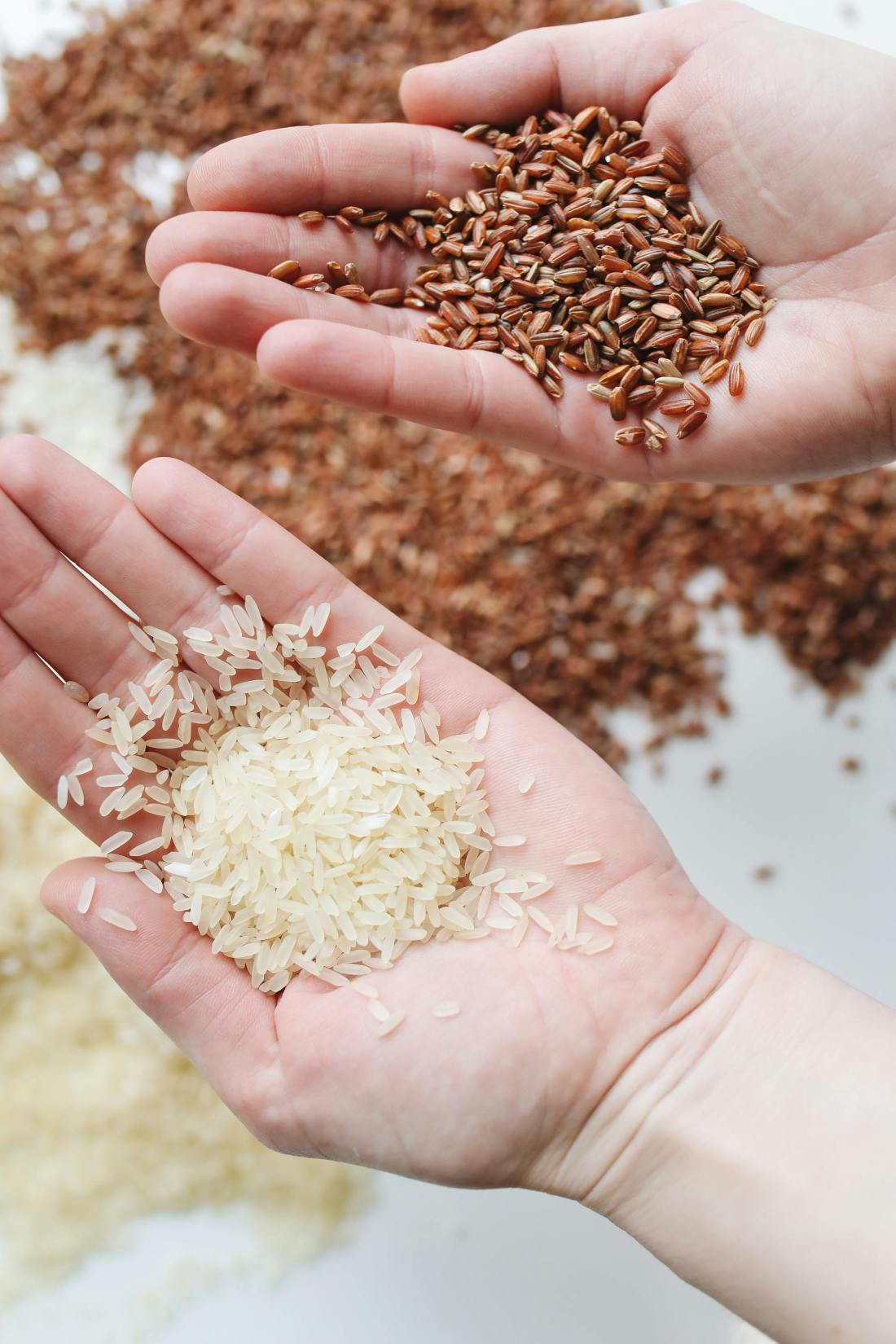
Is Rice Water the Secret to a Thriving Garden? Explore Its Incredible Benefits Now!

Introduction

Garden enthusiasts continually seek natural and effective solutions to boost plant growth and health. One such age-old remedy that has gained attention is rice water. Often discarded after cooking rice, this nutrient-rich liquid is brimming with benefits that can significantly contribute to your garden’s well-being. Let’s delve into the multifaceted uses of rice water in gardening, alongside its advantages and potential drawbacks.

The Nutrient Profile of Rice Water

Rice water, the starchy liquid left behind after rinsing or boiling rice, is packed with essential nutrients that are beneficial for plants. It contains:

  • Vitamins such as B1 (thiamine), B2 (riboflavin), B6 (pyridoxine), and vitamin E.
  • Amino acids: are crucial for plant growth.
  • Minerals like phosphorus and potassium that aid in root development and flowering.
  • Carbohydrates: provide an immediate energy source for plants.

Using Rice Water in Gardening

Soil Conditioner

Rice water serves as an excellent soil conditioner. The nutrients present in the water improve soil fertility, promoting the growth of beneficial microorganisms that aid in breaking down organic matter. This, in turn, enhances nutrient availability for plants, leading to healthier and more vigorous growth.

Fertilizer

One of the primary uses of rice water in gardening is as a fertilizer. Its nutrient content helps in the overall development of plants. Regular application can result in lush foliage, robust root systems, and improved flowering and fruiting. To use rice water as a fertilizer, simply dilute it with an equal amount of water and apply it to the base of your plants.

Pest Deterrent

The starch in rice water can create a protective barrier on plant leaves, making them less appealing to pests. While it may not completely eliminate pests, it can reduce their presence and prevent minor infestations from becoming major problems. Spray diluted rice water on the leaves to create this protective coating.

Seed Soaking Solution

Soaking seeds in rice water before planting can enhance germination rates. The nutrients in the water provide the seeds with a nutrient boost, giving them a head start in their growth journey. Simply soak the seeds in rice water for 12-24 hours before planting them in the soil.

Compost Booster

Adding rice water to your compost pile can speed up the decomposition process. The microorganisms in the compost benefit from the additional nutrients, breaking down organic matter more efficiently. This results in rich, nutrient-dense compost that can be used to nourish your garden.


Similar Posts:


Pros of Using Rice Water in Gardening

Cost-Effective

Using rice water is a cost-effective way to improve your garden’s health. Instead of discarding the water after cooking rice, you can repurpose it, reducing waste and saving money on commercial fertilizers and soil conditioners.

Eco-Friendly

Rice water is an eco-friendly solution that promotes sustainable gardening practices. It reduces the need for chemical fertilizers and pesticides, which can harm the environment and disrupt the balance of your garden ecosystem.

Nutrient-Rich

The nutrient profile of rice water makes it a valuable addition to your gardening routine. It provides essential vitamins, minerals, and amino acids that support plant growth and development.

Enhances Soil Health

Regular application of rice water improves soil health by promoting the growth of beneficial microorganisms. This leads to better nutrient availability and improved soil structure, resulting in healthier plants.

Versatile

Rice water can be used in various ways in the garden, from fertilizing and conditioning the soil to deterring pests and enhancing seed germination. Its versatility makes rice water a valuable asset for a gardener.

Cons of Using Rice Water in Gardening

Potential for Overuse

While rice water is beneficial, overusing it can lead to nutrient imbalances in the soil. Too much starch can create an environment conducive to the growth of harmful microorganisms, which can negatively affect plant health. It’s essential to use rice water in moderation and dilute it before application.

Odor

Rice water can develop an unpleasant odor if left to sit for too long. This can be off-putting for some gardeners and may attract unwanted pests. To avoid this, use fresh rice water or store it in the refrigerator for no more than a week.

Attracts Pests

While rice water can deter some pests, it may attract others, especially if it starts to ferment. Fermented rice water can attract flies and other insects that can become a nuisance in the garden. It’s crucial to monitor its usage and ensure it doesn’t become a pest attractant.

Limited Nutrient Spectrum

Although rice water is nutrient-rich, it doesn’t provide all the essential nutrients that plants need. Relying solely on rice water may result in nutrient deficiencies over time. It’s important to use it as part of a balanced gardening regimen, complementing it with other fertilizers and soil amendments.

Risk of Pathogens

If not properly prepared or stored, rice water can harbor pathogens that can harm plants. It’s vital to ensure that the water is clean and hasn’t been left to sit at room temperature for extended periods. Using boiled rice water can mitigate this risk, as the heat kills potential pathogens.

Conclusion

In conclusion, rice water is a valuable resource for gardeners looking to enhance their plant’s health and promote sustainable gardening practices. Its nutrient-rich profile and versatility make it an excellent addition to your gardening toolkit. However, it’s essential to use it in moderation and be mindful of potential drawbacks to ensure the best results for your garden. By incorporating rice water into a balanced gardening regimen, you can enjoy the benefits of this natural remedy while maintaining the health and vitality of your plants.

Happy Gardening!
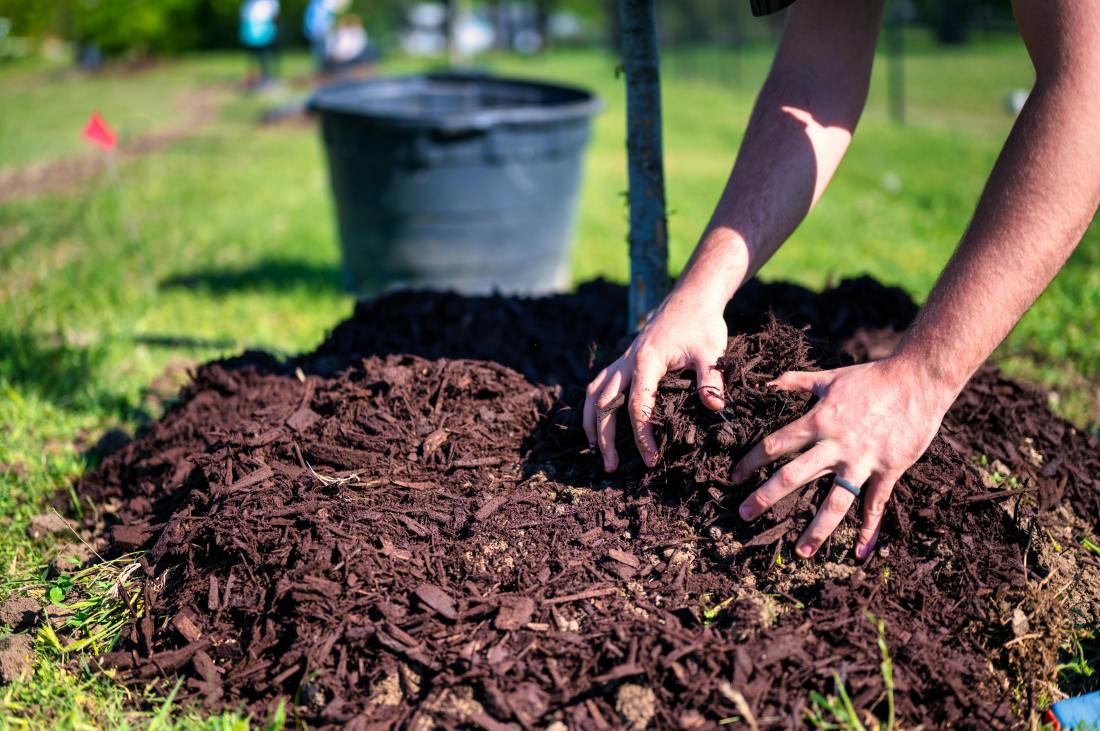
The Use of Mulch in Gardening: A Comprehensive Guide!

Introduction

Mulching is one of the most beneficial practices in gardening, as it enhances plant health, reduces water usage, and improves soil quality. Whether you’re a seasoned gardener or a beginner, understanding how and why to use mulch can make a significant difference in your garden’s success. This SEO-friendly guide will explore the types of mulch, the benefits of using mulch, and how to apply it effectively in your garden.

What is Mulch?

Mulch refers to any material applied to the soil surface around plants to protect the soil, retain moisture, and improve its structure. It can be organic or inorganic and can serve both functional and aesthetic purposes in a garden. Organic mulch materials decompose over time, adding nutrients to the soil, while inorganic mulch primarily serves to suppress weeds and conserve moisture.

Types of Mulch

There are various types of mulch that serve different purposes depending on the plants, soil type, and garden conditions. Here are the most commonly used types of mulch:

Organic Mulch

  1. Wood Chips or Bark: These are among the most common types of organic mulch used in gardening. Wood chips and bark provide long-lasting coverage and improve soil structure as they decompose. They are particularly useful around trees, shrubs, and flower beds.
  2. Straw: Straw mulch is often used in vegetable gardens. It is excellent for preventing weed growth and retaining moisture, and it decomposes faster than wood mulch, enriching the soil more quickly.
  3. Compost: Compost can serve as both a mulch and a soil amendment. It’s nutrient-rich and improves soil health while protecting plants. However, it decomposes faster than other organic mulches, so it may need to be reapplied frequently.
  4. Grass Clippings: If you regularly mow your lawn, you can use grass clippings as mulch. Grass clippings are rich in nitrogen and decompose relatively quickly, feeding nutrients back into the soil.
  5. Leaves: Fallen leaves can be shredded and used as mulch. They add organic matter to the soil and are readily available in most gardens during the fall.
  6. Pine Needles: Pine needles are a great choice for mulching around acid-loving plants like blueberries or azaleas. They allow water to penetrate easily while suppressing weed growth.

Inorganic Mulch

  1. Gravel or Pebbles: These materials are often used in dry or desert landscapes. They don’t decompose, making them ideal for permanent mulch. However, they don’t provide nutrients to the soil and may retain heat, which can harm certain plants.
  2. Plastic Sheeting: Black plastic is sometimes used in vegetable gardens to suppress weeds and retain moisture. It works well for crops like tomatoes or peppers but should be removed during hot weather to prevent soil overheating.
  3. Landscape Fabric: This is a durable material used to control weeds and keep moisture in the soil. It’s often covered with a decorative layer of mulch to improve its appearance.

Similar Posts:


Benefits of Mulch in Gardening

Mulch offers numerous advantages to your garden, promoting healthier plants and reducing the need for watering and weeding. The following are some of the main advantages of applying mulch:

1. Moisture Retention

Mulch helps to retain moisture in the soil, which is one of its biggest benefits. By reducing evaporation, mulch helps the soil stay moist longer, which is particularly beneficial during dry seasons. Additionally, it reduces the need for regular watering, which saves both water and time.

2. Weed Suppression

Mulch acts as a barrier that blocks sunlight from reaching the soil, preventing weeds from germinating. Using a thick layer of mulch can significantly reduce weed growth, minimizing competition for nutrients and water between weeds and your plants.

3. Temperature Regulation

Mulch helps moderate soil temperatures by insulating the ground. During hot weather, mulch keeps the soil cooler, protecting plants from heat stress. In colder months, it prevents soil temperatures from dropping too quickly, allowing roots to remain active for longer periods.

4. Soil Erosion Prevention

Mulch aids in preventing wind and/or heavy rain-induced soil erosion. By covering the soil, it protects the top layer from being washed or blown away, helping maintain the soil’s structure and health.

5. Improved Soil Health

Organic mulch decomposes over time, enriching the soil with valuable nutrients. As it breaks down, it adds organic matter to the soil, improving its structure, fertility, and the ability to retain moisture and nutrients.

6. Aesthetic Appeal

Mulch can enhance the visual appeal of your garden by providing a neat, uniform appearance. Whether you prefer the look of wood chips, gravel, or shredded bark, mulch gives your garden a well-maintained, polished finish.

7. Protection Against Pests

Certain types of mulch, such as cedar or pine bark, have natural insect-repelling properties. Mulch also reduces the splash-back of soil onto plants during rain or watering, which can prevent the spread of soil-borne diseases.

How to Apply Mulch Effectively

To reap the full benefits of mulch, it’s essential to apply it correctly. Here’s a step-by-step guide on how to use mulch in your garden:

1. Prepare the Soil

Before applying mulch, prepare the soil by removing any weeds, rocks, or debris. Water the soil deeply to ensure it has enough moisture before adding mulch, especially in dry climates.

2. Layer the Mulch

For most organic mulches, apply a 2 to 4-inch thick layer around your plants. For lighter mulches like straw or grass clippings, you may need to apply a thicker layer. Avoid piling mulch directly against plant stems, as this can cause rot or attract pests.

3. Reapply as Needed

Organic mulch needs to be replaced because it will decompose over time.  Check your mulch layer periodically and add more when it has decomposed or thinned out.

4. Monitor Watering

While mulch helps retain moisture, it’s still essential to monitor the moisture levels in your soil. Make sure the mulch is not preventing water from reaching the roots, and adjust your watering schedule based on your garden’s needs.

Conclusion

Mulching is an invaluable gardening technique that offers numerous benefits, from moisture retention and weed suppression to improving soil health. By choosing the right type of mulch for your garden and applying it correctly, you can create a healthier, more sustainable growing environment for your plants. Whether you’re mulching flower beds, vegetable gardens, or around trees, incorporating mulch into your gardening routine is a simple and effective way to promote a vibrant, low-maintenance garden.

Happy Gardening!

Cow Dung Fertilizer: A Traditional and Highly Beneficial Organic Option!

cow dung fertilizer0

Introduction

Cow dung has long been a staple fertilizer in rural areas, prized for its availability and organic nature. Cow dung is rich in nutrients and has a 3-2-1 NPK ratio, making it suitable for almost all types of plants. It’s also environmentally friendly because it produces very few greenhouse gases. As a natural resource, cow dung is often used to enrich the soil and promote plant growth. Its dried form, known as cow dung cakes, offers several advantages that make it safer and more effective for gardening.

What is a Cow Dung Cake and How is It Made?

Cow dung is simply the waste material excreted by cows. When fresh, it contains high levels of nitrogen, which can generate excessive heat and potentially harm plants. However, when the dung is dried, it loses some of its nitrogen content, making it safer to use as a fertilizer. This dried form, known as cow dung cake, is created by simply spreading fresh cow dung in the sun until it dries completely. Once dried, it can be used as a nutrient-rich fertilizer for your garden.

Benefits of Using Cow Dung Cakes

Using cow dung cakes as fertilizer comes with several benefits that can greatly enhance your gardening experience:

  • Organic and Environmentally Friendly

Cow dung is a completely organic fertilizer, making it an environmentally friendly choice for gardening and farming. Unlike synthetic fertilizers, which can introduce harmful chemicals into the soil and water supply, cow dung enriches the soil naturally without any negative environmental impact. Using cow dung as a fertilizer helps maintain the ecological balance, promotes soil health, and supports sustainable agricultural practices. It’s a great way to nourish your plants while being kind to the planet.

  • Reduced Nitrogen Content

One of the primary advantages of cow dung fertilizer is its reduced nitrogen content. Fresh cow dung contains high nitrogen levels, which can cause root burn if applied directly. The drying process of cow dung cakes lowers this nitrogen content, making it safer and less likely to damage your plants. The main goal of creating cow dung compost is to reduce the heat generated by nitrogen, and dried cow dung cakes achieve this effectively.

  • Improved Absorption

Cow dung cakes have a better absorption rate when applied to the roots of plants. The nutrients from the cake mix with water, allowing them to be more easily absorbed by the plant roots. When applied correctly, cow dung cakes can provide nutrients more effectively than fresh cow dung.

  • Slow Release of Nutrients

Another significant benefit of cow dung cakes is their slow-release nature. As the nutrients in the cake gradually break down in the soil, they provide a consistent supply of nourishment to the plants over time. This steady release helps ensure that the plants receive the nutrients they need for sustained growth.

  • Enhanced Foliar Growth

Cow dung cakes are rich in nitrogen, which is essential for promoting healthy foliar growth. Nitrogen is a key nutrient responsible for the development of leaves, making cow dung fertilizer particularly beneficial for leafy plants.

  • Trace Elements

In addition to nitrogen, cow dung contains a variety of trace elements that are essential for plant health. These microelements help prevent leaf problems, promote better overall growth, and contribute to larger, healthier fruits, flowers, and vegetables. Without these trace elements, plants may struggle to thrive.


Similar Posts:


Tips for Using Cow Dung Cakes

To get the most out of cow dung cakes, it’s important to apply them correctly and in the right amounts. Proper usage can maximize the benefits while minimizing any potential side effects.

  • Using Cow Dung Cakes for Potted Plants

For potted plants, start by crushing the cow dung cakes into a fine powder. The ideal amount is 4 tablespoons for a 10-inch pot, adjusting the dosage based on the size of the pot. Once you’ve measured the appropriate amount, mix the powder thoroughly with the soil. You can apply this cow dung powder every two weeks during the winter months. However, it’s best to avoid using it during hot summers, as the heat can intensify the effects. After applying the powder, water the plant frequently to help the nutrients absorb into the soil. The best time to apply cow dung is in the cool evening.

  • Making Cow Dung Liquid Fertilizer

Another effective way to use cow dung cakes is to create a liquid fertilizer. This method is even safer, as it allows for better absorption and reduces the risk of nitrogen-related heat damage. To make liquid fertilizer, simply soak the cow dung cakes in a liter of water for at least 1-2 nights. Once the cakes have settled in the water, the liquid is ready to use. Dilute this liquid with 8 parts of water, and apply 100ml of the diluted mixture to a 5-inch pot, doubling the dose for larger pots. The best time to apply this liquid fertilizer is in the evening or early morning. It’s safe to use throughout the year, providing consistent nourishment for your plants.

  • Making Panchagavya

Panchagavya, also known as Panchakavyam, is a traditional mixture used in Hindu rituals and Ayurvedic medicine. It’s also widely used in gardening. It is made from five cow-derived products: cow dung, cow urine, milk, curd, and ghee12. These ingredients are mixed and allowed to ferment.

Here’s a recipe for making panchagavya, a mixture that’s used for farming:

Mix 7 kg of cow dung and 1 kg of cow ghee in a wide-mouthed container. Stir in the morning and evening for three days. Mix 10 liters of cow urine and 10 liters of water in a separate container. Stir in the morning and evening for 15 days. After 15 days, mix in 3 liters of cow milk, 2 liters of cow curd, 3 liters of tender coconut water, and 3 kg of jaggery. Add all the ingredients to a wide-mouthed container, like a mud pot, concrete tank, or plastic can. Keep the container open in the shade and stir twice a day.

You can use panchagavya as a liquid fertilizer or foliar spray:

Liquid fertilizer: Dilute panchagavya with 30 parts water. Apply this fertilizer once in a week.

Foliar spray: Filter the liquid with a cotton cloth and spray on plants weekly.

Can Cow Dung Cakes Be Used for All Plants?

Cow dung cakes can be used on a wide variety of plants, including flowering plants, fruiting trees, seasonal vegetables, leafy houseplants, cacti, and succulents. However, it’s crucial to follow the correct dosage and application methods to avoid any adverse effects.

Preventive Measures When Using Cow Dung

While cow dung is a valuable fertilizer, there are a few precautions to keep in mind:

Avoid Using on Seedlings: Never apply cow dung to seedlings that are less than a month old, as they are too delicate to handle the nutrients.

Avoid in Hot Summers: Do not use cow dung during hot summers or on sunny days. The best time to apply is during cool evenings.

Monitor Usage: Overuse of cow dung fertilizer can lead to leaf burn, so it’s essential to use it sparingly.

Remove Weeds: Sometimes cow dung contains seeds of grass or other weeds. Keep a watch, and if weeds start to grow, remove them immediately; otherwise, they will absorb all the nutrients from the soil.

For the safest and most effective results, consider decomposing cow dung cakes into compost before using them. This composted form can be applied to any plant at any time without the risk of damage.

Cow dung cakes offer a traditional, organic way to enrich your garden, providing essential nutrients while being safe and easy to use.

Conclusion

Cow dung is a powerful and versatile natural fertilizer that has been used for centuries. Its many benefits, such as being low in nitrogen, improving nutrient absorption, promoting steady growth, encouraging foliar development, and providing essential trace elements, make it an excellent choice for healthy plant growth. Furthermore, as an organic and eco-friendly option, cow dung helps support sustainable gardening practices while enriching the soil without harmful chemicals. By using cow dung cakes or compost correctly, you can boost the health and productivity of your plants, making your garden flourish naturally.

Happy Gardening!

Mastering Scale Bug Control: A Comprehensive Guide for Gardeners!

Introduction:

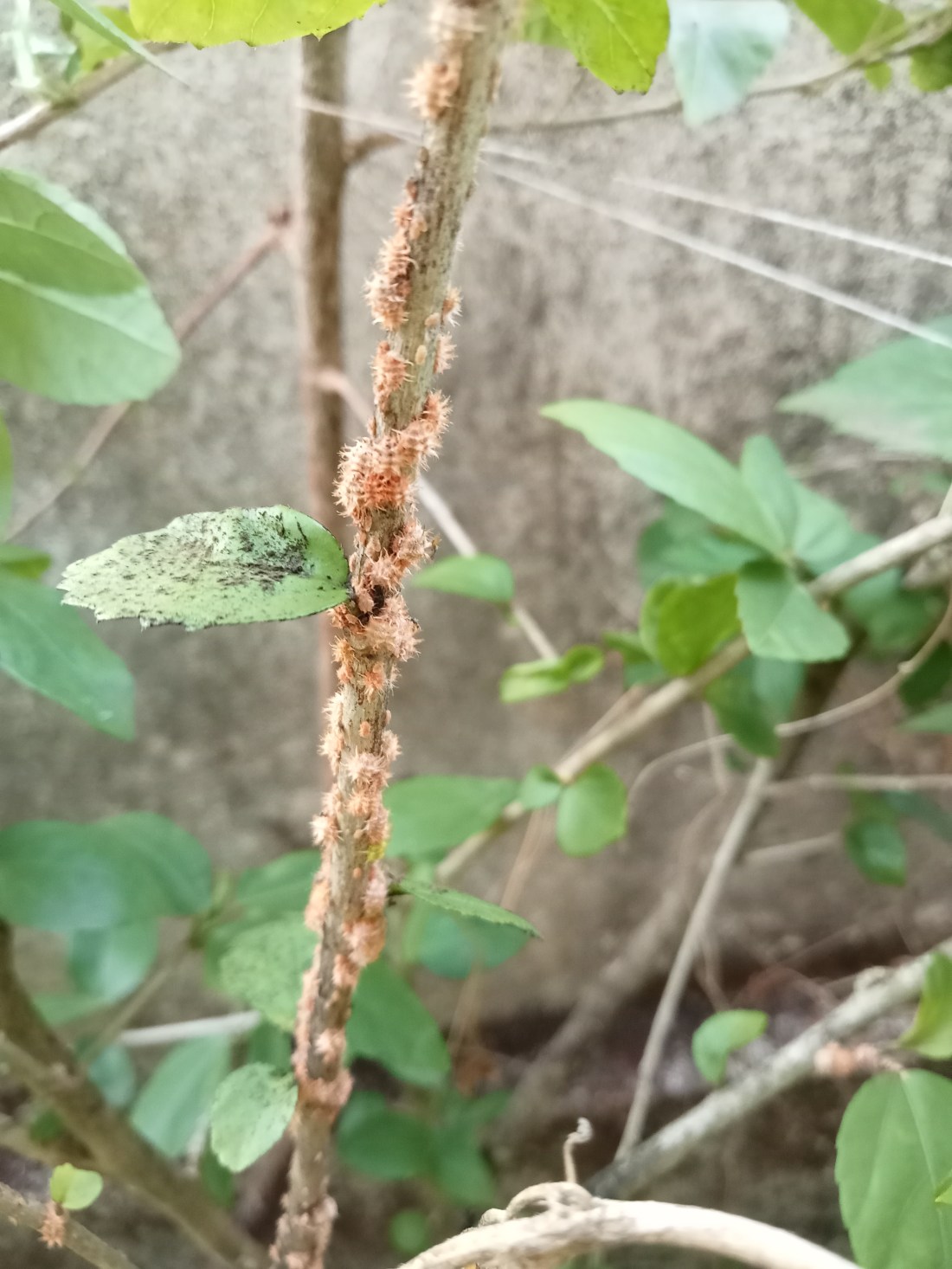
Scale bugs, with their small size and cryptic appearance, can wreak havoc on your garden plants if left unchecked. These pesky pests feed on plant sap, causing yellowing leaves, stunted growth, and overall decline in plant health. However, with the right strategies and diligent monitoring, you can effectively combat scale infestations and restore your garden to its former glory. In this comprehensive guide, we’ll explore everything you need to know about identifying, preventing, and eradicating scale bugs from your garden.

Identifying Scale Bugs

Before you can tackle a scale bug infestation, it’s essential to accurately identify these sneaky pests. Scale bugs are small, oval-shaped insects that attach themselves to plant stems and leaves. They often resemble tiny bumps or scales, hence their name. Scale bugs come in various colors, including white, brown, black, and even pink, depending on the species and life stage.

Signs of Scale Infestation

Keep a close eye on your garden plants for signs of scale infestation, including:

Sticky Residue: Scale insects secrete honeydew, a sugary substance that attracts ants and promotes sooty mold growth.

Yellowing Leaves: Plants infested with scale bugs may exhibit yellowing or wilting leaves, as the pests drain the plant’s sap and nutrients.

Stunted Growth: Severe scale infestations can cause stunted growth and overall decline in plant vigor.

Visible Insects: Look for clusters of scale bugs on the undersides of leaves, along stems, or in the crevices of plant joints.


Similar Posts:


Preventing Scale Infestations

Prevention is key when it comes to managing scale bugs in your garden. Here are some proactive measures you can take to minimize the risk of infestation:

Inspect New Plants: Before introducing new plants to your garden, thoroughly inspect them for signs of scale bugs or other pests. Quarantine new additions for a few weeks to monitor for any potential infestations.

Prune Infested Branches: Promptly prune and dispose of any plant branches or leaves infested with scale bugs to prevent the spread of the infestation to healthy plants.

Maintain Plant Health: Healthy, vigorously growing plants are less susceptible to scale infestations. Provide your plants with proper care, including adequate water, sunlight, and nutrients, to boost their natural defenses against pests.

Encourage Natural Predators: Introduce beneficial insects, such as ladybugs, lacewings, and parasitic wasps, to your garden to help control scale bug populations naturally.

Eradicating Scale Bugs

If you discover scale bugs in your garden, it’s essential to take swift action to prevent the infestation from spreading. Here are some effective methods for eradicating scale bugs:

Manual Removal: Use a soft brush or cloth dipped in rubbing alcohol to gently scrub scale bugs off plant surfaces. Be sure to target both adult insects and their eggs for thorough removal.

Horticultural Oils: Apply horticultural oils, such as neem oil or insecticidal soap, to affected plant parts to suffocate and kill scale bugs. For safe and effective application, it is important to carefully follow the instructions on the product label.

Systemic Insecticides: For severe infestations, consider using systemic insecticides that are absorbed by the plant and ingested by feeding scale bugs. Be sure to choose a product labeled for scale bug control and follow the manufacturer’s recommendations for application.

Monitoring and Maintenance

After treating your plants for scale bugs, continue to monitor them regularly for signs of reinfestation. Inspect plant surfaces for any lingering pests or new infestations, and take immediate action to address them. Additionally, maintain good garden hygiene by removing fallen leaves, weeds, and debris that can harbor scale bugs and other pests.

Conclusion:

By staying vigilant and implementing proactive pest management strategies, you can effectively control scale bugs and protect your garden plants from harm. Remember to regularly inspect your plants, practice good gardening practices, and take swift action at the first sign of infestation. With these tips and techniques, you’ll be well-equipped to keep your garden healthy, thriving, and free from scale bugs.

Happy Gardening!

Unveiling the Secrets of Successful Chilli Plant Cultivation: A Comprehensive Guide!

Introduction:

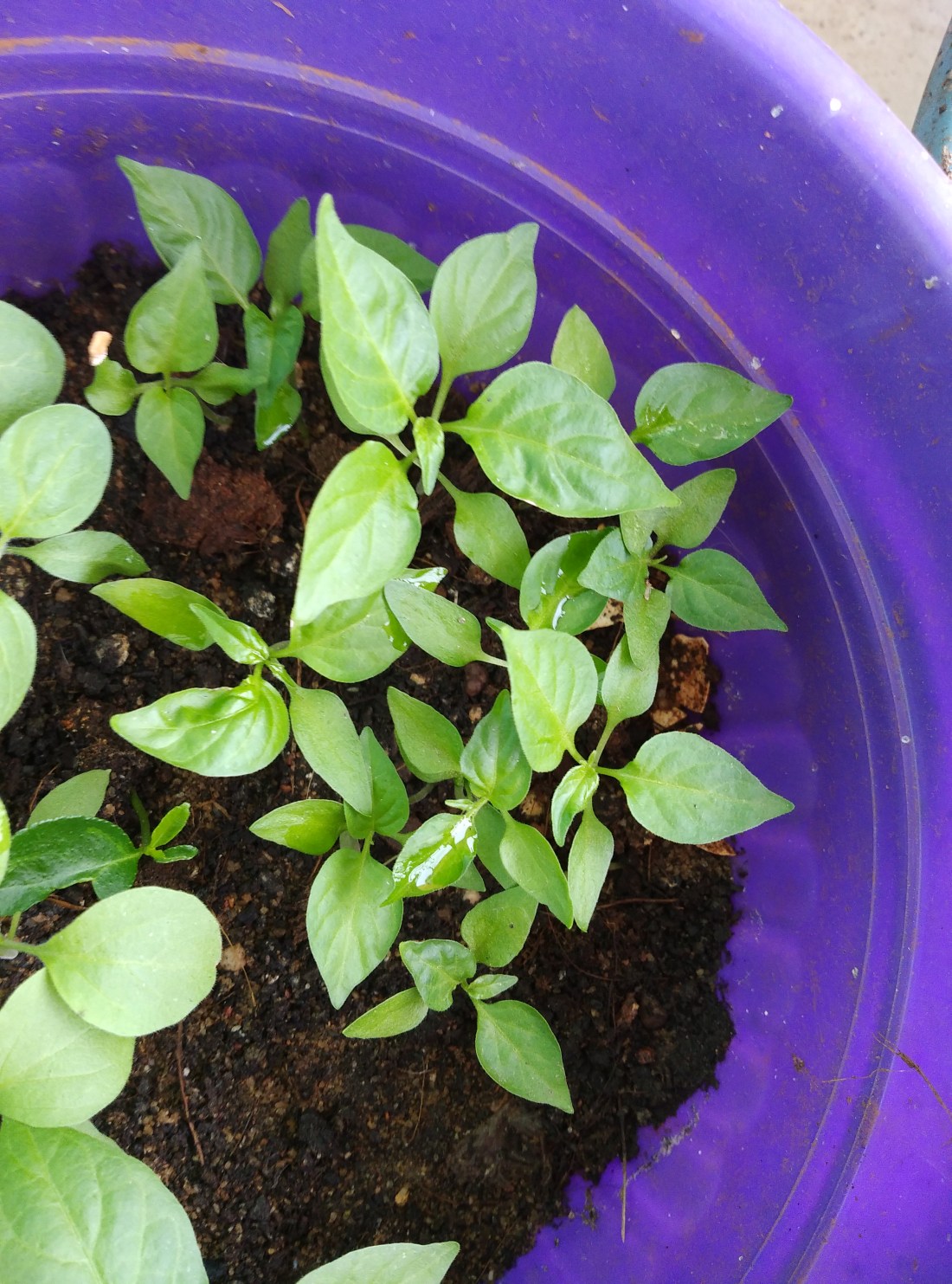
Chilli plants, with their vibrant colors and fiery flavors, are a staple in many gardens and kitchens around the world. Whether you’re a seasoned gardener or a novice enthusiast, growing chillies can be a rewarding and enjoyable experience. From selecting the right varieties to providing optimal growing conditions, there are several key factors to consider when cultivating these spicy delights. In this comprehensive guide, we’ll delve into everything you need to know to successfully grow and care for chilli plants in your garden.

Choosing the Right Chilli Varieties

Before diving into chilli cultivation, it’s essential to choose the right varieties suited to your preferences and growing conditions. With countless cultivars available, ranging from mild to super-hot, there’s a chilli variety to suit every taste and skill level. Consider factors such as heat level, size, color, and growth habit when selecting chilli seeds or seedlings for your garden.

Providing Optimal Growing Conditions

Chilli plants thrive in warm, sunny environments with well-draining soil and ample airflow. Here are some tips for providing optimal growing conditions for your chillies:

Sunlight: Ensure your chilli plants receive at least 6-8 hours of direct sunlight each day to promote robust growth and fruit production. Position them in a sunny spot in your garden or use grow lights for indoor cultivation.

Soil: Plant chillies in well-draining soil with a slightly acidic to neutral pH (pH 6.0-7.0). Incorporate organic matter such as compost or aged manure into the soil to improve fertility and moisture retention.

Watering: Chili plants require more water during hot and dry periods to prevent flower drop and promote chilli production. Water chili plants deeply and evenly, allowing the soil to dry out slightly between waterings to prevent root rot.

Temperature: Chilli plants thrive in warm temperatures between 70°F to 85°F (21°C to 29°C) during the day and above 50°F (10°C) at night. Protect them from frost and cold temperatures, as chillies are sensitive to cold damage.

Planting and Transplanting

When planting chilli seeds or seedlings, follow these guidelines for successful establishment:

Seed Starting: Start chilli seeds indoors 6-8 weeks before the last frost date in your area. Sow seeds in seed trays or small pots filled with seed-starting mix, keeping them warm and moist until germination occurs.

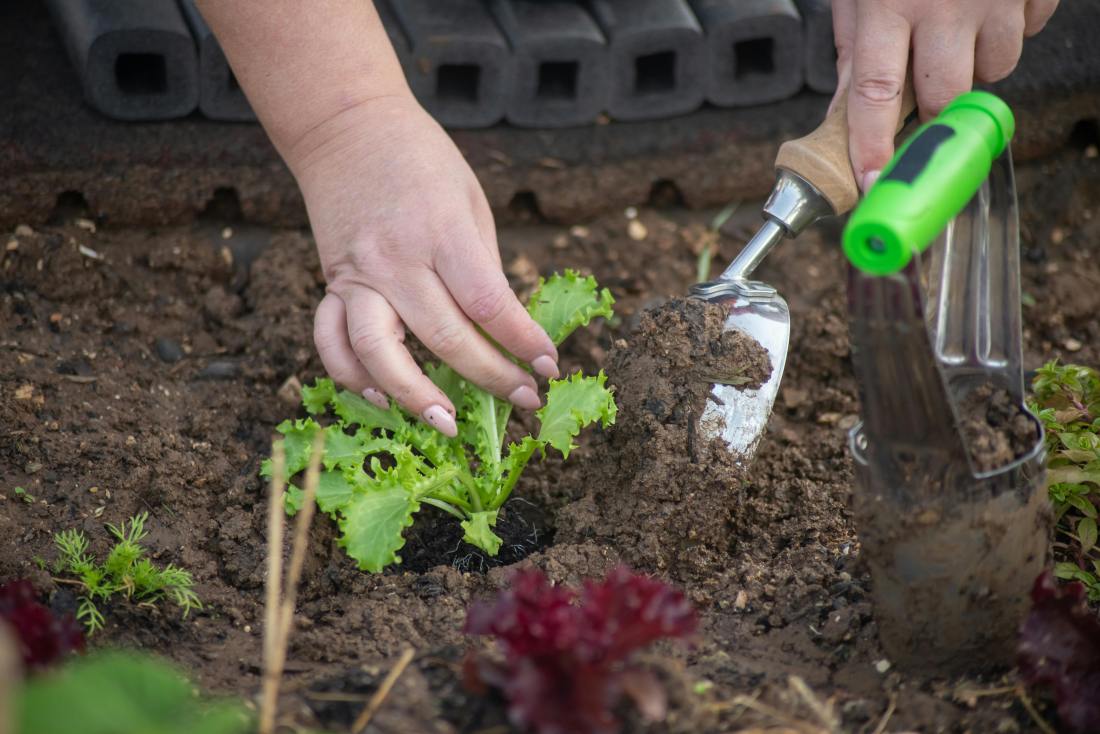
Transplanting: Transplant chilli seedlings into larger containers or into the garden once they have developed 3-4 true leaves and the threat of frost has passed. Space plants 18-24 inches apart in rows or clusters to allow for adequate air circulation and sunlight penetration.


Similar Posts:


Fertilizing and Feeding

Chilli plants are heavy feeders and benefit from regular fertilization throughout the growing season. Here are some tips for feeding your chilli plants:

Organic Fertilizers: Use organic fertilizers such as compost, fish emulsion, or seaweed extract to provide a steady supply of nutrients to your chilli plants. Apply fertilizers according to package instructions, taking care not to over-fertilize, which can lead to salt buildup and nutrient imbalances.

Top-Dressing: Apply a layer of compost or well-aged manure around the base of chilli plants every 4-6 weeks to replenish soil nutrients and improve soil structure.

Foliar Feeding: Spray chilli plants with a dilute solution of liquid seaweed or fish emulsion every 2-4 weeks to provide a quick boost of nutrients and promote healthy growth.

Pest and Disease Management

Chilli plants are susceptible to a variety of pests and diseases, including aphids, thrips, whiteflies, and fungal infections. Here are some tips for managing common chilli plant pests and diseases:

Companion Planting: Plant insect-repellent herbs such as basil, mint, and marigolds near chilli plants to deter pests and attract beneficial insects that prey on garden pests.

Natural Predators: Introduce beneficial insects such as ladybugs, lacewings, and predatory mites to your garden to help control pest populations organically.

Cultural Practices: Practice good garden hygiene by removing weeds, fallen leaves, and debris that can harbor pests and diseases. Avoid overhead watering to minimize fungal infections, and prune overcrowded foliage to improve air circulation around plants.

Harvesting and Storage

Harvest chillies when they reach their mature size and color, typically 60-90 days after transplanting. Use clean, sharp scissors or pruning shears to snip chillies from the plant, taking care not to damage the stems or foliage. Store harvested chillies in a cool, dry place away from direct sunlight, or preserve them by drying, freezing, or pickling for long-term storage.

Conclusion:

With the right knowledge and care, growing chilli plants can be a rewarding and enjoyable experience for gardeners of all skill levels. By selecting the right varieties, providing optimal growing conditions, and implementing effective pest and disease management strategies, you can enjoy a bountiful harvest of spicy peppers to enhance your culinary creations. Follow the tips outlined in this guide, and embark on your journey to becoming a successful chilli gardener!

Happy Gardening!

Unveiling the Secrets of Growing a Thriving Lemon Plant Indoors!

Introduction:

Lemon plants, with their glossy foliage and vibrant fruits, add a refreshing touch to any indoor garden. Beyond their ornamental value, these citrus wonders offer the allure of homegrown lemons right at your fingertips. Cultivating a lemon plant indoors is not only rewarding but also surprisingly straightforward, even for novice gardeners. In this comprehensive guide, we’ll delve into the essential steps and expert tips to help you grow a healthy and fruitful lemon plant in your home.

Choosing the Right Variety

Before you embark on your lemon-growing journey, it’s crucial to select the right variety for indoor cultivation. Dwarf lemon varieties, such as Meyer lemons or Ponderosa lemons, are ideally suited for growing indoors due to their compact size and adaptability to container life.

Selecting the Perfect Container

When it comes to containers for lemon plants, bigger is often better. Choose a container that provides ample space for root development and drainage. Opt for a pot with drainage holes to prevent waterlogging, and consider placing a saucer underneath to catch excess water.

Preparing the Potting Mix

Lemon plants thrive in well-draining, slightly acidic soil. Prepare a potting mix by combining equal parts of peat moss, perlite, and compost. This nutrient-rich blend provides the ideal growing medium for your lemon plant and ensures adequate aeration and moisture retention.

Planting Your Lemon Tree

  1. Preparing the Soil: Fill the bottom of the container with a layer of potting mix, then gently remove the lemon plant from its nursery container and place it in the center of the pot.
  2. Backfilling: Fill the remaining space around the plant with potting mix, ensuring that the top of the root ball is level with the soil surface. Firmly pat down the soil to eliminate air pockets.
  3. Watering: Give your newly planted lemon tree a thorough watering to settle the soil. Water until it begins to drain from the bottom of the pot, then empty the saucer to prevent water buildup.

Light and Temperature Requirements

Lemon plants require ample sunlight to thrive, so choose a sunny location for your indoor garden. Place your lemon tree near a south-facing window where it can receive at least 6-8 hours of sunlight per day. During the winter months, consider supplementing natural light with a grow light to ensure optimal growth.

Maintain a consistent temperature range of 60-70°F (15-21°C) during the day and slightly cooler temperatures at night. Avoid placing your lemon plant near drafty windows or heating vents, as extreme temperature fluctuations can stress the plant.

Watering and Fertilizing

  1. Watering Frequency: Lemon plants prefer evenly moist soil but are susceptible to root rot if overwatered. Allow the top inch of soil to dry out between waterings, then water thoroughly until excess moisture drains from the bottom of the pot.
  2. Fertilizing: Feed your lemon plant regularly during the growing season with a balanced, water-soluble fertilizer formulated for citrus plants. Apply fertilizer every 4-6 weeks from spring to early fall, following the manufacturer’s instructions for dilution and application rates.

Pruning and Maintenance

Regular pruning is essential for shaping your lemon plant and promoting healthy growth. Remove any dead, damaged, or crossing branches, as well as any suckers or shoots emerging from the base of the plant. Prune selectively to maintain an open, airy canopy that allows sunlight to penetrate the interior of the plant.

Pest and Disease Control

Keep an eye out for common pests such as aphids, scale insects, and spider mites, which can infest lemon plants indoors. If you notice any signs of pest infestation, such as yellowing leaves or sticky residue, treat the affected plant with insecticidal soap or neem oil spray.

Harvesting Your Lemons

With proper care and patience, your lemon plant will reward you with a bountiful harvest of fresh, juicy fruits. Most lemon varieties take 6-12 months to ripen, depending on environmental conditions and the age of the plant. Harvest lemons when they reach full size and color, giving them a gentle twist to detach them from the branch.

Conclusion

Growing a lemon plant indoors is a fulfilling endeavor that brings the joy of citrus cultivation into your home. By following these expert tips and guidelines, you can cultivate a healthy, productive lemon tree that provides an abundant harvest of homegrown lemons year-round.

Happy Gardening!

Maximizing Garden Space: Organizing Plants for Optimal Growth and Yield!

Introduction:

One of the joys of gardening is watching your plants thrive and flourish. However, space can often be a limiting factor, especially for those with smaller gardens or urban spaces. The good news? With careful planning and organization, you can make the most out of your garden’s space, allowing you to grow more plants and enhance your garden’s beauty. In this article, we’ll explore practical tips and strategies for organizing plants in your garden to maximize space and yield.

1. Utilize Vertical Space

Vertical gardening is a game-changer for gardeners looking to maximize space. Utilize trellises, arbors, and wall-mounted planters to grow climbing plants like peas, beans, and cucumbers vertically. This not only saves ground space but also adds visual interest to your garden.

Don’t: Avoid neglecting vertical spaces in your garden. With the right support structures, you can transform walls, fences, and even posts into productive growing areas.

2. Plan Companion Plantings

Companion planting involves grouping plants together that benefit each other. For example, planting marigolds alongside tomatoes can deter pests, while basil can enhance the flavor and growth of tomatoes. Research companion planting guides to find combinations that work best for your garden.

Don’t: Avoid planting incompatible plants together, as this can lead to competition for resources or increased susceptibility to pests and diseases.

3. Opt for Raised Beds and Containers

Raised beds and containers are excellent options for maximizing garden space. They allow you to control soil quality, improve drainage, and concentrate plants in specific areas. Plus, they can be placed in sunny spots, patios, or even rooftops, expanding your growing space.

Don’t: Avoid neglecting proper drainage in raised beds or containers. Ensure adequate drainage holes and use quality potting mix to promote healthy plant growth.

4. Practice Intensive Planting

Intensive planting involves planting crops closer together than traditional methods. This technique can significantly increase yields by maximizing space and reducing weed growth. Research spacing requirements for your plants and adjust based on your garden’s size and layout.

Don’t: Avoid overcrowding plants to the point where they compete for light, nutrients, or space. Balance is key to successful intensive planting.


Similar Posts:


5. Implement Succession Planting

Succession planting involves planting new crops as soon as one harvest is finished. This continuous planting ensures a steady supply of fresh produce throughout the growing season and maximizes the use of garden space. Plan your planting schedule to include early, mid, and late-season crops.

Don’t: Avoid neglecting crop rotation or planting the same crops in the same location year after year. Rotate crops to prevent soil depletion and reduce pest and disease problems.

6. Utilize Corners and Odd Spaces

Corners and odd spaces in your garden can often be overlooked, but they offer valuable growing space. Plant vining plants, herbs, or compact vegetables in these areas to make use of every inch of your garden.

Don’t: Avoid leaving corners or odd spaces unused. With a bit of creativity, you can turn these overlooked areas into productive growing spaces.

7. Design Efficient Paths and Walkways

Efficiently designed paths and walkways can help you navigate your garden while maximizing planting space. Consider using gravel, stepping stones, or mulch for paths that allow water to penetrate the soil and reduce runoff.

Don’t: Avoid creating paths that are too wide or winding, as they can consume valuable planting space. Opt for narrow, straight paths that allow easy access without sacrificing growing areas.

8. Combine Multiple Plants in one container

Plants that require similar conditions, such as adequate sunlight, water, and nutrients from the soil can be grown together. When you mix different types of potted plants in a container, you create a small garden with a range of colors and textures.

Don’t: Avoid planting large plants or plants with different needs in the same container as it can lead to their growth being stunted or even cause them to die.

Conclusion:

Maximizing garden space is all about thoughtful planning, organization, and creativity. By implementing these tips and strategies, you can make the most out of your garden’s space, allowing you to grow more plants and enjoy a bountiful harvest. Whether you’re a seasoned gardener or just starting, these practices can help you create a productive and beautiful garden that makes the most of every square inch.

Happy Gardening!

Intensive Planting: Maximizing Yield in Your Garden!

Introduction:

Intensive planting, also known as close planting or square foot gardening, is a gardening technique that focuses on planting crops more densely than in traditional gardening methods. This approach allows gardeners to make the most out of limited space, increase yields, and reduce maintenance efforts. In this article, we’ll delve into the benefits of intensive planting, how to implement it, and tips for success.

Benefits of Intensive Planting

1. Maximizes Space

Intensive planting is all about making the most of your garden’s space. By planting crops closer together, you can grow more in the same area, making it ideal for small gardens, urban spaces, or even container gardening.

2. Increases Yields

Higher planting density can lead to increased yields. When plants are grown closely together, they create a microclimate that helps retain moisture, reduce weed growth, and maximize nutrient uptake, resulting in healthier and more productive plants.

3. Reduces Weeds

The dense foliage created by intensive planting shades the soil, reducing weed growth and competition. This you will get more time enjoying your garden and less time on weeding.

4. Improves Soil Health

Intensive planting encourages strong root development, which helps aerate the soil and improve its structure. The close proximity of plants also leads to a faster canopy cover, reducing soil erosion and improving moisture retention.

How to Implement Intensive Planting

1. Plan Your Garden Layout

It’s crucial to thoroughly plan your garden’s layout before you start planting. Consider the mature size of your plants and their spacing requirements. Research companion planting to find combinations that work well together and maximize space.

2. Prepare the Soil

Healthy soil is essential for a successful garden. Increasing the number of plants in an area will result in more competition for essential resources such as water and nutrients. So before planting, amend your soil with organic matter like vermicompost or aged cow manure to improve its overall structure and fertility. Make sure there is adequate drainage to avoid waterlogging. Waterlogging can cause root rot, which can harm your plants.

3. Use Raised Beds or Containers

Raised beds and containers are excellent options for intensive planting. They allow you to control soil quality, improve drainage, and concentrate plants in specific areas. Plus, they can be placed in sunny spots, patios, or even rooftops, expanding your growing space.

4. Plant Closely, But Not Too Close

While the goal is to plant densely, it’s essential not to overcrowd plants. Follow spacing recommendations on seed packets or plant labels, adjusting based on your garden’s size and layout. Consider staggered or offset planting for rows to maximize space further. Consider planting symbiotic plants that can mutually benefit each other in growth and fruit production.


Similar Posts:


Tips for Successful Intensive Planting

1. Rotate Crops

Crop rotation is essential in intensive planting to prevent soil depletion and reduce pest and disease problems. Plan your planting schedule to rotate crops annually, ensuring a balanced nutrient profile and healthier plants.

2. Mulch

Mulching is beneficial in intensive planting as it helps retain moisture, suppress weeds, and regulate soil temperature. Use organic mulches like straw, wood chips, or leaves to create a protective layer around your plants.

3. Monitor and Maintain

Regular monitoring is crucial in intensive planting to ensure plants are thriving and address any issues promptly. Check for signs of nutrient deficiencies, pest or disease problems, and adjust watering and fertilization as needed.

4. Harvest Promptly

Harvesting promptly encourages continuous production and prevents overcrowding. Regular harvesting also ensures plants have enough space to grow and reduces competition for nutrients and sunlight.

Conclusion:

Intensive planting offers a practical and efficient approach to gardening, allowing you to make the most out of your garden’s space while increasing yields and reducing maintenance. By carefully planning your garden layout, preparing the soil, and following these tips and strategies, you can create a productive and thriving garden that provides a bountiful harvest throughout the growing season.

Happy Gardening!

Maintaining a Pristine Water Lily Pond: Tips for a Clean and Insect-Free Garden Oasis!

Introduction:

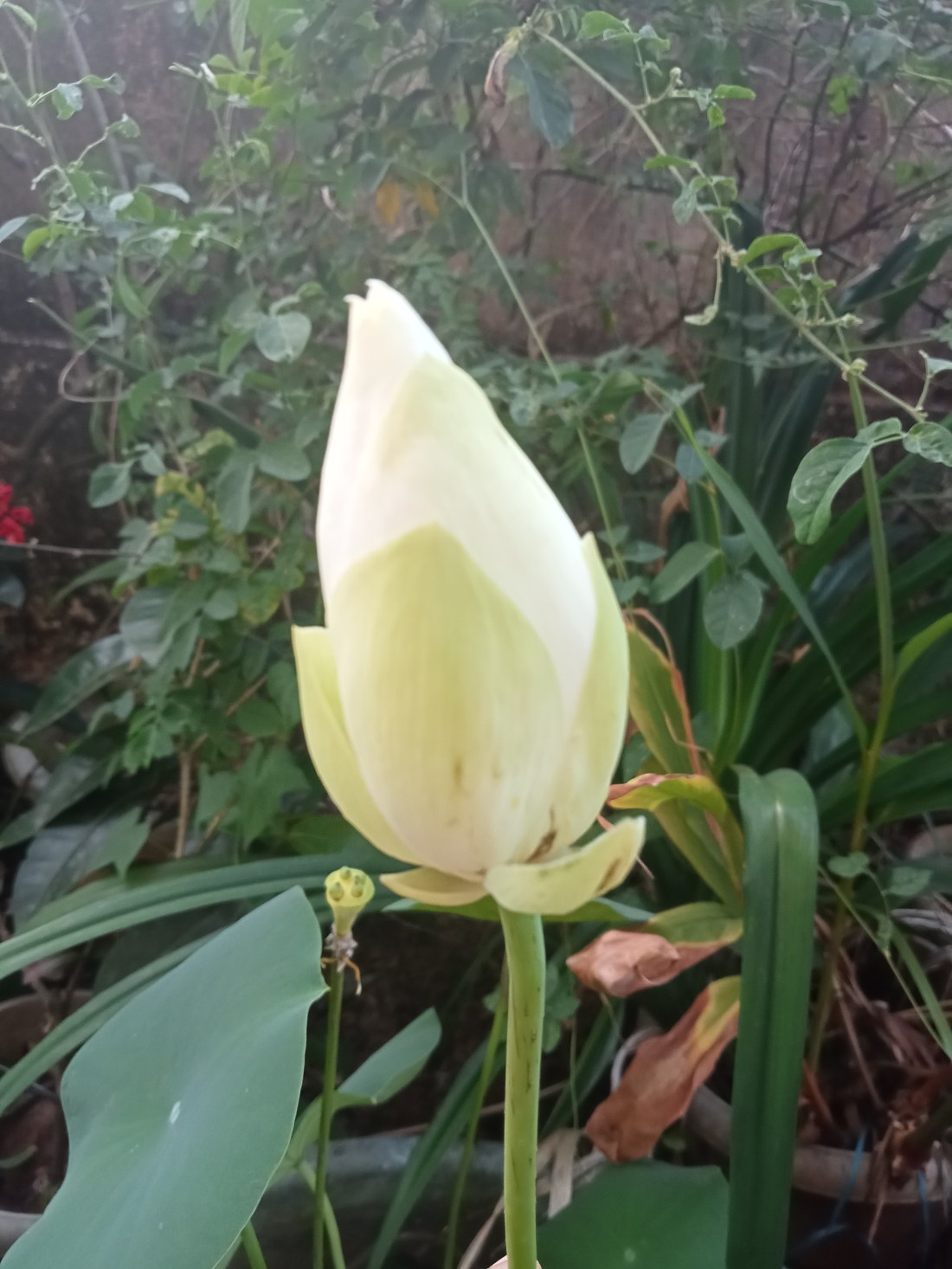
Water lilies are captivating aquatic plants that add a touch of elegance and tranquility to any garden pond. Their floating leaves and vibrant blooms create a serene ambiance, attracting not only human admirers but also a variety of insects and wildlife. While some insects are beneficial, others can become pests that disrupt the balance of your pond ecosystem. In this comprehensive guide, we’ll explore the essential tips for keeping your water lily pond clean and insect-free, ensuring it remains a beautiful and harmonious garden oasis.

Understanding the Importance of Pond Maintenance

Before diving into the tips, it’s crucial to understand why pond maintenance is essential. A well-maintained pond not only enhances the aesthetic appeal of your garden but also promotes a healthy ecosystem. Regular maintenance helps prevent algae overgrowth, maintains water clarity, and ensures the well-being of your water lilies and other aquatic plants.

Tips for Keeping Your Water Lily Pond Clean

1. Install a Filtration System

Do: Invest in a quality pond filtration system to help remove debris, sediment, and organic matter from the water. A good filtration system will help keep the water clean and clear, reducing the need for frequent cleaning.

2. Regularly Remove Debris

Do: Skim the surface of your pond regularly to remove leaves, twigs, and other debris that can accumulate and decay, releasing nutrients that promote algae growth. Use a pond net or skimmer to make this task easier.

3. Use Beneficial Bacteria

Do: Add beneficial bacteria to your pond regularly to help break down organic waste and reduce algae growth. Beneficial bacteria are natural and safe for fish, plants, and other pond inhabitants.

4. Monitor Water Quality

Do: Regularly test the water quality of your pond to ensure it meets the optimal conditions for your water lilies and other aquatic plants. Factors to monitor include pH levels, ammonia, nitrites, and nitrates.


Similar Posts:


Tips for Keeping Your Water Lily Pond Insect-Free

1. Attract Beneficial Insects

Do: Encourage the presence of beneficial insects like dragonflies, water beetles, and damselflies that naturally control pest populations. These insects are voracious predators of mosquito larvae and other pests.

2. Use Natural Repellents

Do: Employ natural repellents like citronella or lavender around the pond to deter mosquitoes and other nuisance insects. These plants not only repel pests but also add fragrance and beauty to your garden.

3. Install a Pond Skimmer

Do: Consider installing a pond skimmer with a fine mesh net to catch and remove insects that land on the water surface. This simple device can significantly reduce insect populations in your pond.

4. Avoid Overfeeding Fish

Don’t: Resist the urge to overfeed your fish as uneaten food can decompose and attract pests. Feed your fish sparingly and remove any uneaten food after a few minutes to maintain water quality and reduce pest attraction.

Conclusion:

Maintaining a clean and insect-free water lily pond requires regular care, attention, and a bit of knowledge about pond ecosystems. By following these tips, you can create a harmonious environment that not only showcases the beauty of your water lilies but also provides a sanctuary for aquatic life and beneficial insects.

Remember, prevention is key when it comes to pond maintenance. Regularly monitoring water quality, removing debris, and implementing natural pest control methods will help keep your water lily pond clean, clear, and thriving for years to come.

Happy Gardening!

Types of Insect Bites Gardeners Face: Treatment, Precautions, and Care!

Introduction:

Gardening is a rewarding and therapeutic activity that brings joy and beauty to our surroundings. However, spending time outdoors also means encountering various insects, some of which can leave you with unpleasant bites. While most insect bites are harmless and only cause minor discomfort, others can lead to more severe reactions. In this article, we’ll explore the types of insect bites gardeners commonly face, along with their treatments, precautions, and care.

Common Insect Bites in the Garden

1. Mosquito Bites

Mosquitoes are perhaps one of the most common pests gardeners encounter. Itching, redness, and swelling can be caused by their bites. In some cases, mosquito bites can transmit diseases like West Nile virus or Zika virus.

Treatment:

Apply an over-the-counter anti-itch cream or calamine lotion to reduce itching. For more severe reactions or signs of infection, consult a healthcare provider.

Precautions:

Wear long-sleeved shirts, long pants, and use insect repellent containing DEET or picaridin to prevent mosquito bites.

2. Bee and Wasp Stings

Bees and wasps are beneficial insects that help pollinate plants but can also deliver painful stings. Bee and wasp stings can cause pain, redness, swelling, and in some cases, allergic reactions.

Treatment:

Remove the stinger by scraping it off with a credit card or your fingernail. Apply a cold compress and take an antihistamine to reduce swelling and itching. Seek medical attention immediately if you experience difficulty breathing, swelling of the face or throat, or other signs of a severe allergic reaction.

Precautions:

Avoid wearing brightly colored clothing or floral patterns that can attract bees and wasps. Be cautious when working near beehives or wasp nests and consider wearing protective clothing like gloves and closed-toe shoes.

3. Ant Bites

Ants are common garden pests that can deliver painful bites. In particular, fire ants are famous for their nasty behavior and painful stings.

Treatment:

Clean the bite area with soap and water and apply an over-the-counter hydrocortisone cream or antihistamine to reduce itching and swelling.

Precautions:

Be vigilant for ant mounds and nests while gardening. Wear gloves and protective clothing to minimize exposure to ants.


Similar Posts:


4. Tick Bites

Ticks are small arachnids that can transmit diseases like Lyme disease and Rocky Mountain spotted fever through their bites.

Treatment:

Remove the tick promptly using fine-tipped tweezers by grasping the tick close to the skin and pulling straight upward with steady, even pressure. To treat the bite, it’s important to clean the affected area with either rubbing alcohol or soap and water.

Precautions:

Wear long-sleeved shirts, long pants, and use insect repellent containing DEET or picaridin. Perform regular tick checks after spending time outdoors and consider using tick repellent products for your pets.

5. Spider Bites

Although most spiders are harmless, certain species such as the black widow or brown recluse can inflict venomous bites that require medical attention.

Treatment:

Clean the affected area with soap and water, and apply a cold compress to reduce swelling. Seek medical attention immediately if you suspect a venomous spider bite.

Precautions:

Wear gloves when working in areas where spiders may be present, such as woodpiles or dark corners of the garden. Exercise caution, while handling debris or firewood.

Preventing Insect Bites in the Garden

Use Insect Repellent: On exposed skin and clothing, use insect repellent that contains DEET, picaridin, or oil of lemon eucalyptus.

Wear Protective Clothing: Opt for long-sleeved shirts, long pants, gloves, and closed-toe shoes to minimize exposure to insects.

Avoid Peak Mosquito Hours: Try to avoid outdoor activities during dawn and dusk as these are the times when mosquitoes are most active.

Inspect Your Garden: Regularly inspect your garden for ant mounds, bee hives, wasp nests, and other potential insect habitats.

Keep Your Garden Clean: Remove standing water, fallen leaves, and other debris that can attract mosquitoes, ants, and other pests.

Conclusion

While insect bites are an inevitable part of gardening, taking preventive measures and knowing how to treat different types of bites can help you enjoy your gardening experience without the discomfort and potential health risks. By staying informed and prepared, you can create a safer and more enjoyable environment for yourself and your garden.

Remember, if you experience severe reactions or have concerns about insect bites, consult a healthcare provider for proper diagnosis and treatment.

Happy gardening!