Caring for Fish in Your Water Lily Pond: A Comprehensive Guide!

Introduction:

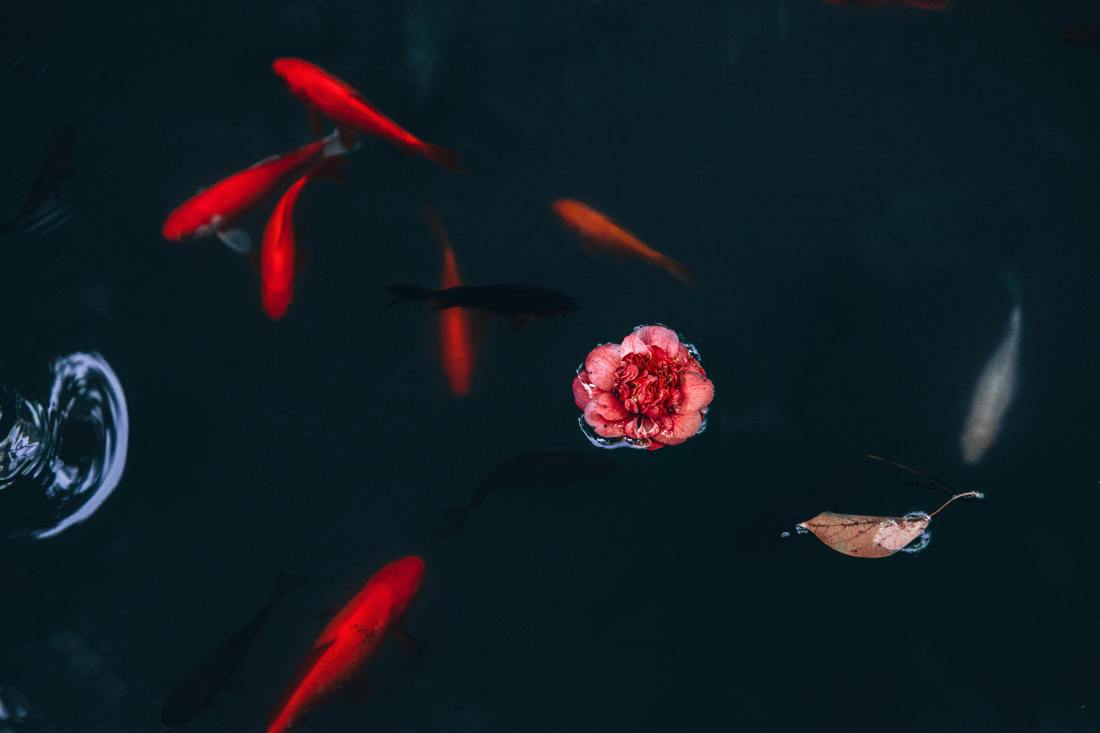
Water lilies and fish make for a harmonious combination in a garden pond, creating a serene and captivating aquatic environment. While water lilies beautify the surface with their elegant blooms, fish add movement and life below, creating a dynamic ecosystem. However, caring for fish in a water lily pond requires specific knowledge and attention to ensure their health and well-being. In this article, we’ll delve into the essential tips and best practices for caring for fish in your water lily pond, ensuring a thriving aquatic community.

Understanding the Importance of Fish Care in a Pond

Fish play a vital role in maintaining the ecological balance of a pond. They help control mosquito larvae, algae growth, and other pests while contributing to nutrient cycling. Proper fish care ensures a healthy pond environment where fish can thrive and coexist with water lilies and other aquatic plants.

Choosing the Right Fish for Your Water Lily Pond

1. Consider the Pond Size

Do: Choose fish species that are suitable for the size of your pond. Large ponds can accommodate a variety of fish species, including koi and goldfish, while smaller ponds may be better suited for smaller fish like guppies or minnows.

2. Research Fish Compatibility

Do: Research the compatibility of different fish species to ensure they can coexist peacefully in your pond. Avoid mixing aggressive and passive fish species to prevent conflicts and stress.

3. Opt for Hardy Fish Varieties

Do: Opt for hardy fish varieties that can withstand fluctuating water temperatures and water quality changes. Commonly used pond fish like goldfish and koi are known for their resilience and adaptability.

Maintaining Water Quality for Fish Health

1. Monitor Water Parameters

Do: Regularly test the water quality of your pond to ensure it meets the optimal conditions for fish health. Key parameters to monitor include pH levels, ammonia, nitrites, and nitrates.

2. Install a Pond Filtration System

Do: Install a quality pond filtration system to help remove debris, organic matter, and harmful substances from the water. A good filtration system promotes water clarity and ensures a healthy environment for fish and aquatic plants.

3. Perform Regular Water Changes

Do: Perform regular water changes to dilute harmful substances and replenish essential minerals. Aim to replace 10-20% of the pond water every week or as needed to maintain water quality.


Similar Posts:


Feeding Your Pond Fish

1. Feed a Balanced Diet

Do: Feed your pond fish a balanced diet that meets their nutritional needs. Commercial fish pellets, flakes, and live or frozen foods like bloodworms and brine shrimp are excellent options.

2. Feed Sparingly

Don’t: Avoid overfeeding your pond fish as it can lead to poor water quality and health problems. Feed your fish small amounts 2-3 times a day and remove any uneaten food to prevent water contamination.

3. Monitor Fish Health

Do: Monitor your fish regularly for signs of illness or distress. Look out for abnormal swimming behavior, loss of appetite, or visible signs of disease like lesions or discoloration. Consult a veterinarian or fish expert if you notice any health issues.

Protecting Fish from Predators

1. Provide Shelter

Do: Create shelters and hiding spots for your pond fish using rocks, plants, or artificial structures. These shelters provide refuge from predators like birds and frogs.

2. Use Netting

Do: Install a pond netting or mesh cover to deter predators from accessing your pond. Ensure the netting is securely fastened to prevent animals from getting trapped.

Conclusion

Caring for fish in a water lily pond requires a combination of knowledge, attention, and regular maintenance. By choosing the right fish species, maintaining water quality, providing a balanced diet, and protecting fish from predators, you can create a thriving aquatic community where fish and water lilies coexist harmoniously.

Remember, each pond is unique, and it may take time to establish a balanced ecosystem. With proper care and patience, your water lily pond will become a vibrant and captivating feature of your garden, providing endless enjoyment for years to come.

Happy Gardening!
Useful Insects and Harmful Insects in the Garden: A Gardener’s Guide!

Introduction:

Gardening is a beautiful blend of nature, hard work, and patience. However, every gardener knows that maintaining a garden isn’t just about planting and watering; it’s also about managing pests. While some insects are beneficial allies that help control pests and pollinate plants, others can wreak havoc on your beloved garden. In this guide, we’ll explore the useful insects and harmful insects you might encounter in your garden, helping you create a harmonious environment for your plants.

Useful Insects in the Garden:

1. Ladybugs (Ladybird Beetles)

Ladybugs are perhaps one of the most beloved beneficial insects. These colorful beetles feed on aphids, mites, and other soft-bodied pests, making them a gardener’s best friend. To attract ladybugs, you can plant dill, fennel, or dandelions, which are among their favorite plants.

2. Praying Mantis

The praying mantis is a fascinating predator that feeds on a variety of pests, including flies, mosquitoes, and caterpillars. These ambush predators are excellent for natural pest control and can be attracted to your garden by planting flowers like marigolds and cosmos.

3. Lacewings

Lacewings are delicate insects with lacy wings that feed on aphids, mites, and small caterpillars. They are often called the “aphid lions” due to their voracious appetite for these pests. You can lure lacewings to your garden by growing plants like dill, coriander, and angelica.

4. Ground Beetles

Ground beetles are nocturnal predators that hunt slugs, snails, and other pests that lurk on the ground. These beetles are excellent for keeping your garden free from ground-dwelling pests. Creating a habitat with leaf litter and rocks can attract ground beetles to your garden.

5. Bees

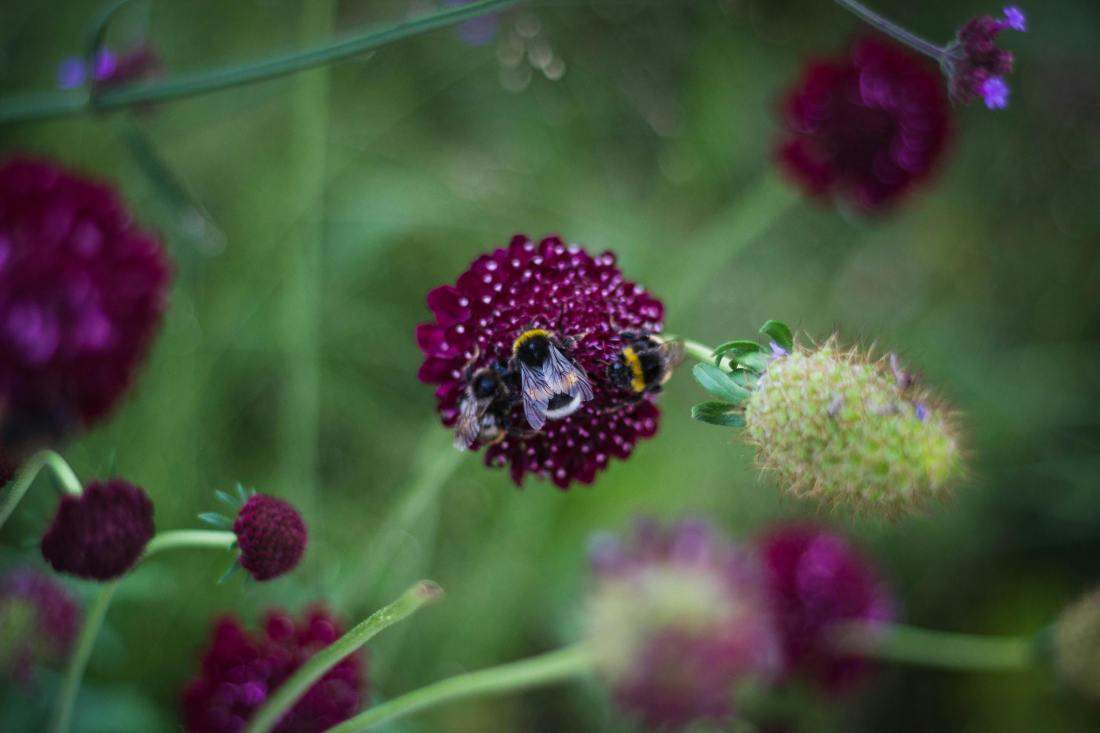
A lot of plants rely on bees as important pollinators for their reproduction. By pollinating flowers, bees help produce fruits and seeds, ensuring the health and diversity of your garden. Planting a variety of flowering plants will attract bees and other pollinators to your garden.


Similar Posts:


Harmful Insects in the Garden:

1. Aphids

Aphids are small, sap-sucking insects that can quickly multiply and infest your plants. These pests weaken plants by draining their sap and can transmit viruses between plants. To control aphids, you can use insecticidal soap or introduce ladybugs and lacewings, which feed on aphids.

2. Caterpillars

While some caterpillars, like the ones that turn into butterflies, are harmless, others can be voracious eaters that can defoliate your plants. Handpicking caterpillars or using organic insecticides can help manage these pests.

3. Whiteflies

Whiteflies are tiny, white, moth-like insects that feed on the sap of plants, causing leaves to yellow and drop prematurely. Moreover, they release honeydew, which promotes the development of sooty mold. Neem oil or insecticidal soap work well against whiteflies.

4. Spider Mites

Spider mites are small arachnids that suck plant sap, leading to leaf stippling and discoloration. Hot, dry weather is ideal for these pests to flourish. Regularly spraying plants with water and using insecticidal soap can help control spider mites.

5. Slugs and Snails

Slugs and snails are mollusks that feed on the leaves and stems of plants, leaving behind slimy trails. They are often active at night and on rainy days. To protect your plants from slugs and snails, you can create barriers using crushed eggshells or diatomaceous earth.

Conclusion:

Understanding the role of insects in your garden is essential for creating a balanced and thriving ecosystem. While some insects play a vital role in pollination and pest control, others can damage your plants and reduce yields. By identifying and managing both useful and harmful insects, you can maintain a healthy and productive garden.

Implementing integrated pest management (IPM) strategies, which combine cultural, biological, and chemical methods, can help you effectively manage pests while minimizing harm to beneficial insects. Remember, a healthy garden is a diverse garden, so encourage biodiversity by planting a variety of plants that attract beneficial insects and provide habitat for wildlife.

So, the next time you spot an insect in your garden, take a moment to identify it and understand its role in your garden ecosystem. With a little knowledge and planning, you can create a garden that thrives with the help of its tiny inhabitants.

Happy Gardening!

The Ultimate Guide to Gardening: Do’s and Don’ts for a Flourishing Garden!

Introduction

Gardening is a delightful hobby that allows you to connect with nature, beautify your surroundings, and even produce your own fruits and vegetables. However, like any other endeavor, gardening requires knowledge and care to be successful. In this article, we’ll go over the key dos and don’ts in this in-depth guide to assist you in creating a successful garden.

The Do’s of Gardening

1. Do Plan Before Planting

Do: Research the plants suitable for your climate, soil type, and sunlight conditions. Plan the layout of your garden to ensure adequate spacing between plants and easy access for maintenance.

2. Do Prepare the Soil

Do: Invest in good quality soil or amend your existing soil with compost and organic matter to improve its fertility and structure. Healthy soil is the first step and the basis of a successful garden.

3. Do Water Wisely

Do: Water your plants deeply but infrequently to encourage deep root growth. Use a soaker hose or drip irrigation system to deliver water directly to the root zone and minimize water waste.

4. Do Mulch

Do: Apply a layer of organic mulch like straw, wood chips, or compost to help retain moisture, suppress weeds, and regulate soil temperature. Mulching is an excellent way to conserve water and improve soil health.

5. Do Regular Maintenance

Do: Regularly check for weeds, pests, and diseases and take prompt action to address any issues. Prune dead or damaged branches, and fertilize your plants as needed to promote healthy growth.

6. Do Rotate Crops

Do: Practice crop rotation to prevent soil depletion and reduce the risk of pests and diseases. Rotate plants from different families to maintain soil fertility and overall garden health.

7. Do Compost

Do: Start a compost pile or bin to recycle kitchen scraps, yard waste, and other organic materials into nutrient-rich compost for your garden. Composting is an eco-friendly way to improve soil fertility and reduce waste.


Similar Posts:


The Don’ts of Gardening

1. Don’t Overwater

Don’t: Avoid overwatering your plants as it can lead to root rot and other moisture-related problems. To determine when to water, use a moisture meter or feel the soil with your finger.

2. Don’t Plant Invasive Species

Don’t: Avoid planting invasive species that can outcompete native plants and harm local ecosystems. Research the plants you choose to ensure they are not considered invasive in your area.

3. Don’t Use Chemical Pesticides

Don’t: Resist the temptation to use chemical pesticides and herbicides as they can harm beneficial insects, pollinators, and even your plants. Whenever possible choose natural and organic pest control techniques.

4. Don’t Neglect Pest Control

Don’t: Ignoring pest and disease issues can quickly escalate and cause widespread damage to your garden. Keep a close eye on your plants and take preventative action to keep pests and diseases under control.

5. Don’t Plant Too Deep

Don’t: Avoid planting your seeds or seedlings too deep as it can hinder germination and root development. Follow the planting instructions provided for each plant to ensure proper depth.

6. Don’t Overfertilize

Don’t: Overfertilizing can lead to nutrient imbalances, burn your plants’ roots, and harm beneficial soil organisms. Use fertilizers sparingly and follow the manufacturer’s instructions for application rates.

7. Don’t Ignore Sunlight Requirements

Don’t: Ignoring the sunlight requirements of your plants can result in poor growth and reduced yields. Plant sun-loving plants in sunny spots and shade-loving plants in shaded areas to ensure they thrive.

Conclusion

Gardening is a fulfilling and rewarding activity that offers numerous benefits for your physical and mental well-being. By following these do’s and don’ts, you can create a flourishing garden that brings joy and beauty to your outdoor space while respecting nature and the environment.

Remember, gardening is a learning process, and it’s okay to make mistakes along the way. The key is to observe, adapt, and enjoy the journey as you nurture your garden to its fullest potential.

Happy Gardening!