Repotting Orchids: A Comprehensive Guide!

Introduction

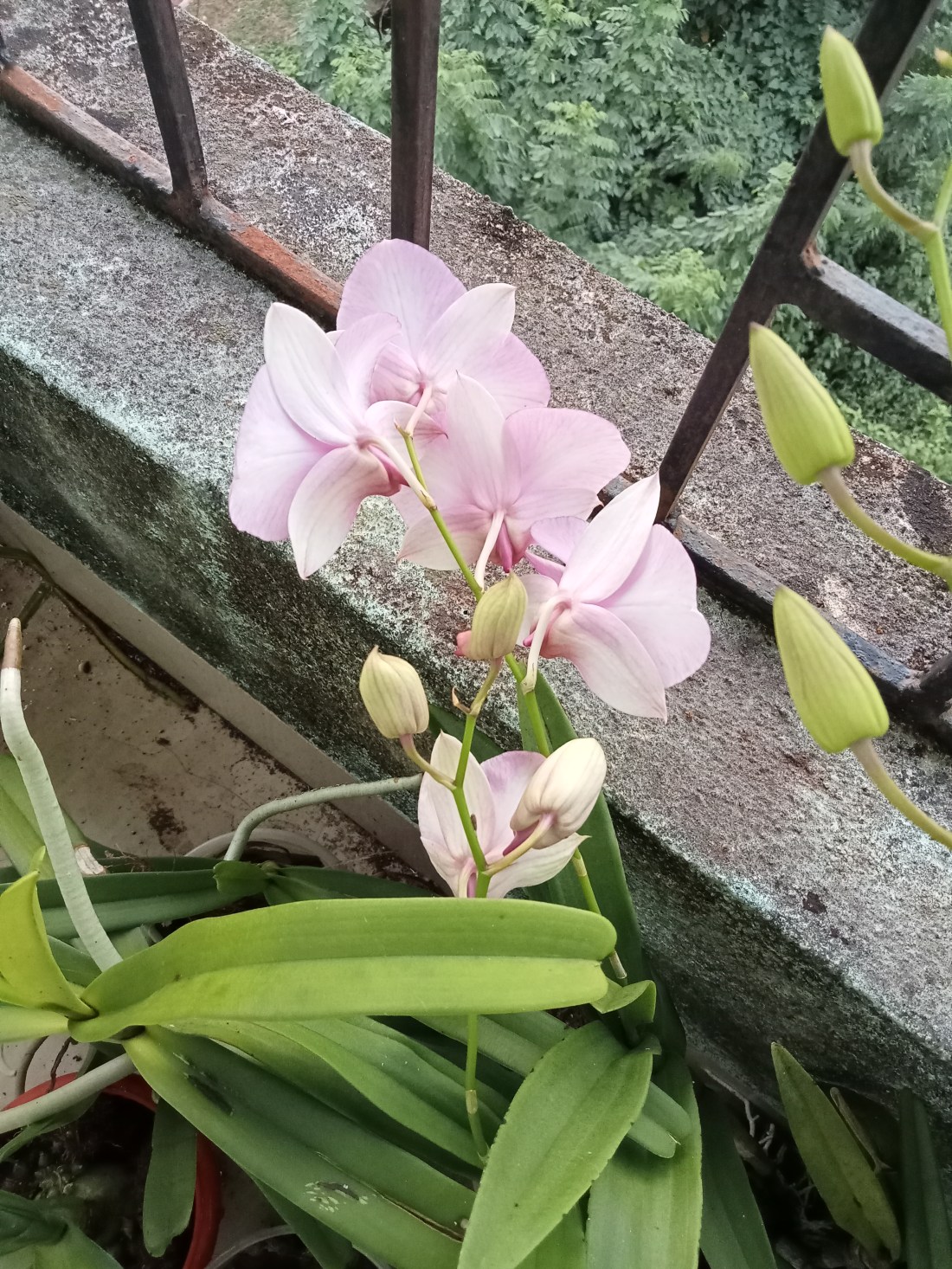
Repotting orchids is a crucial aspect of their care, ensuring that they continue to grow healthily and bloom beautifully. Orchids typically need repotting every two to three years, though the frequency can depend on several factors, such as the type of orchid and the condition of the potting medium. Here’s a detailed guide on when and how to repot your orchids effectively.

When to Repot Orchids?

There are several key indicators that it’s time to repot your orchid:

Overgrown Plant: When the orchid outgrows its container and roots start spilling over the edges, it’s time to give it more space.

Deteriorating Potting Material: Over time, the potting medium can break down, losing its structure and ability to provide adequate support and aeration to the roots.

Division Necessity: When the plant becomes too large or if you want to propagate it, division may be necessary, which requires repotting.

It’s generally recommended to repot epiphytic orchids (which grow on other plants) every year to maintain their health. However, Cattleyas, a type of epiphyte, prefer to be left undisturbed and should only be repotted when absolutely necessary.

Best Time for Repotting

The ideal time for repotting orchids is when fresh roots begin to emerge at the base of the previous year’s growth. This indicates that the plant is entering a growth phase, and repotting at this time will minimize stress and promote healthy new root development.

For monopodial climbers (orchids that grow upward from a single stem), repotting or division should be done when new leaf growth appears at the top and new root growth is visible. This ensures that the plant can quickly reestablish itself in its new container.


Similar Posts:


Step-by-Step Repotting Process

Preparation:

Gather all necessary materials: new pot, fresh potting medium (such as bark, moss, or a specialized orchid mix), sterilized cutting tools, and gloves.

Choose a pot that allows for good drainage. Orchids doesn’t survive in waterlogged conditions.

Removing the Orchid from Its Current Pot:

Gently loosen the orchid from its pot. If it is stuck, you can carefully break the pot or cut away the old medium to free the roots.

Check  the orchids for any signs of root rot or disease. Healthy roots are white or green. Trim away any dry, dead, unhealthy  or rotten roots with sterilized scissors.

Preparing the New Pot:

Place a layer of the new potting medium in the bottom of the pot. Position the orchid in the pot, spreading the roots out gently.

Adding Potting Medium:

Fill in around the roots with the fresh potting medium, ensuring that the plant is stable and the roots are well-supported.

Do not pack the medium too tightly, as orchids need good air circulation around their roots.

Aftercare:

After repotting, place the orchid in a location with indirect light for about two weeks to allow it to acclimate to its new environment.

Water the plant gently to avoid disturbing the new setup. Use room-temperature water and ensure it is not applied with force.

Maintaining Repotted Orchids

Proper care after repotting is crucial for the orchid’s recovery and continued growth:

Light: Keep the plant in a less intense light area initially. Gradually move it back to its normal light conditions after two weeks.

Watering: Water the orchid thoroughly but ensure that excess water drains away. Never let the orchid remain in the water.

Humidity and Air Circulation: Orchids thrive in humid environments with good air circulation. Use a humidity tray or a room humidifier if necessary.

Repotting orchids can seem daunting, but with the right approach, it can be a straightforward process that ensures your plants remain healthy and vibrant. By recognizing the signs that your orchid needs repotting and following these steps, you’ll be able to provide the best care for your beautiful blooms. Remember, orchids are resilient and with a little attention to their unique needs, they can thrive and bring joy to your space for years to come.

Happy Gardening!
From Bud to Bloom: Exploring the Wonders of Floriculture!

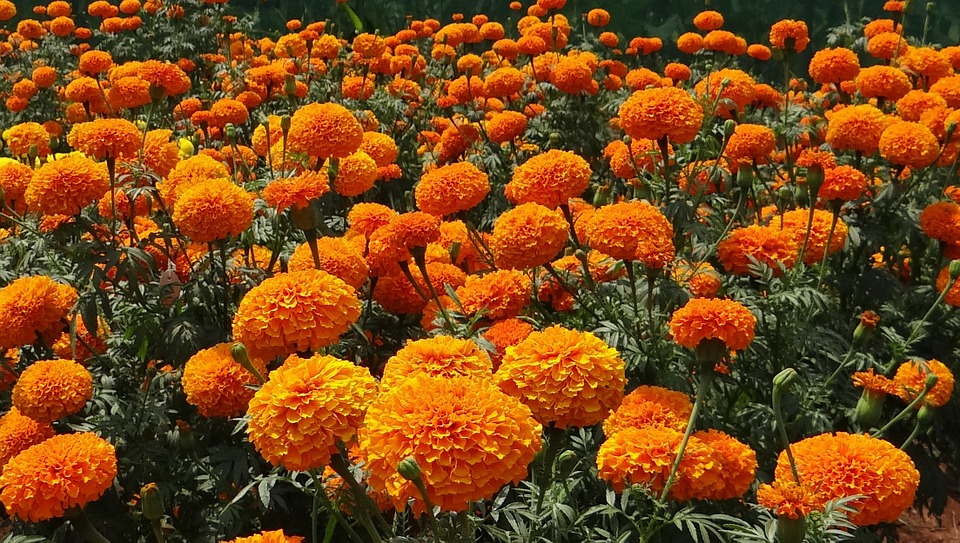
Marigold

Introduction

Floriculture, a branch of horticulture, is the art and science of growing, cultivating, and arranging flowers and ornamental plants. It is a field that combines beauty with practicality, playing a significant role in the global economy, the environment, and our well-being. This article delves into the fascinating world of floriculture, exploring its history, techniques, economic importance, and environmental benefits.

A Historical Perspective

The practice of cultivating flowers dates back thousands of years. Ancient civilizations like the Egyptians, Greeks, and Romans grew flowers not only for their beauty but also for their symbolic and medicinal properties. The Egyptians, for example, cultivated lotus flowers and lilies, which were considered sacred. The Greeks and Romans, on the other hand, used flowers in religious ceremonies, celebrations, and as medicines.

During the Renaissance, floriculture flourished in Europe, with the establishment of botanical gardens that focused on studying and classifying plants. The Victorian era saw the rise of ornamental gardening, with elaborate flower beds and intricate garden designs becoming a symbol of status and wealth.

Branches of Floriculture

Floriculture encompasses various branches, each focusing on different aspects of flower cultivation and use:

1. Flower Production

This branch involves the large-scale cultivation of flowering plants for commercial purposes. It includes the production of cut flowers, potted plants, bedding plants, and foliage plants. Floriculturists use advanced techniques to ensure high yield, quality, and disease resistance.

2. Floristry

Floristry is the art of arranging flowers and creating floral designs. Florists use cut flowers and foliage to craft bouquets, wreaths, centerpieces, and other decorative items for various occasions such as weddings, funerals, and celebrations. Floristry requires creativity, an eye for detail, and knowledge of flower care and handling.

3. Landscape Floriculture

Landscape floriculture focuses on using flowering plants in landscape design. It involves selecting and arranging plants to enhance the aesthetic appeal of gardens, parks, and public spaces. This field creates aesthetically beautiful and sustainable landscapes by combining aspects of environmental science, horticulture, and design.

4. Greenhouse Floriculture

Greenhouse floriculture involves growing flowers and ornamental plants in controlled environments. Greenhouses provide optimal conditions for plant growth, such as temperature, humidity, and light. This branch is essential for producing flowers out of season or in regions with unsuitable climates.

Techniques in Floriculture

Floriculture involves a variety of techniques aimed at optimizing plant growth and ensuring the quality of flowers. Some of the key techniques include:

1. Propagation

Propagation is an important process where we create new plants from existing ones. In floriculture, this is often done through methods such as seed sowing, cuttings, grafting, and tissue culture. Propagation ensures the reproduction of desirable traits and allows for the mass production of flowering plants.

2. Soil Management

Healthy soil is crucial for the successful cultivation of flowers. Floriculturists use various soil management practices, including soil testing, fertilization, and amendment with organic matter, to improve soil fertility and structure. Proper soil management ensures optimal growth and flowering.

3. Irrigation

Proper irrigation is essential for maintaining adequate moisture levels for flower growth. Floriculturists use various irrigation methods, such as drip irrigation, sprinkler systems, and hand watering, to deliver water efficiently and evenly to plants. Effective irrigation practices help conserve water and prevent issues such as root rot and nutrient leaching.

4. Pest and Disease Management

Integrated Pest Management (IPM) is a holistic approach to controlling pests and diseases in floriculture. It involves monitoring pest populations, using biological controls, and applying chemical treatments only when necessary. IPM aims to minimize the impact of pests and diseases on flowers while reducing the use of harmful chemicals.

5. Pruning and Training

Pruning and training are essential techniques for maintaining the shape, size, and health of flowering plants. Pruning involves the removal of dead, diseased, or excess branches to encourage healthy growth and improve air circulation. Training techniques, such as staking and trellising, help support plants and direct their growth in a desired manner.


Similar Posts:


The Economic Importance of Floriculture

Floriculture is a significant contributor to the global economy. The flower industry encompasses a wide range of activities, from growing and harvesting flowers to their distribution and sale. Some key economic aspects of floriculture include:

1. Employment

The floriculture industry provides employment to millions of people worldwide. This includes flower growers, greenhouse workers, florists, landscape designers, and many others. The industry offers diverse job opportunities, from manual labor to specialized technical roles.

2. Trade

Flowers and ornamental plants are major commodities in international trade. Countries like the Netherlands, Colombia, Kenya, and Ecuador are leading exporters of cut flowers, supplying markets in Europe, North America, and Asia. The trade of flowers contributes to the economic growth of these countries and supports local communities.

3. Retail and Services

The retail sector of the floriculture industry includes flower shops, garden centers, and online retailers. These businesses provide consumers with a wide range of floral products and services, from bouquets and arrangements to gardening supplies and plants. The demand for flowers for events, holidays, and personal use drives sales and supports local economies.

Environmental Benefits of Floriculture

Floriculture also offers several environmental benefits, contributing to the health and sustainability of our ecosystems:

1. Biodiversity

The cultivation of a wide variety of flowers and ornamental plants promotes biodiversity. Gardens and landscapes rich in diverse plant species provide habitats for pollinators, birds, and other wildlife. This contributes to the overall health of ecosystems and helps in the conservation of endangered species.

2. Air Quality

Flowers and ornamental plants improve air quality by absorbing carbon dioxide and releasing oxygen. They also help filter pollutants and particulate matter from the air, creating healthier environments in urban areas. Green spaces with flowering plants contribute to the well-being of city dwellers.

3. Climate Mitigation

Floriculture practices such as greenhouse cultivation and landscape design can contribute to climate change mitigation. Greenhouses can capture and utilize carbon dioxide, while well-designed landscapes with diverse plantings can sequester carbon and reduce the urban heat island effect.

Conclusion

Floriculture is a vibrant and dynamic field that blends creativity, science, and sustainability. From the ancient gardens of Egypt to modern greenhouse operations, the cultivation of flowers has evolved to meet the needs of society and the environment. By embracing the art and science of floriculture, we can enhance our surroundings, support economic growth, and contribute to a healthier planet.

Happy Gardening! 🌸🌿

Understanding Rose Dieback Disease: Causes, Treatment, and Prevention!

Introduction

Rose plants are cherished for their beauty but can be susceptible to various diseases, one of the most common being rose dieback disease. This condition causes the plant’s branches to turn black and wilt, primarily due to a fungal attack. In this article, we’ll explore the causes of rose dieback disease and provide a step-by-step guide on how to treat and prevent it to ensure your roses remain healthy and vibrant.

What is Rose Dieback Disease?

Rose dieback disease is a prevalent issue affecting rose plants. It manifests as a blackening of branches, which eventually causes the plant to wilt and die. This disease is triggered by several factors, most commonly fungal infections. Other contributing factors include improper soil conditions, seasonal stress, nutrient deficiencies, and more. By identifying and addressing these issues, you can restore your rose plant’s health.

The disease is essentially a signal from the plant, indicating that something is wrong with its growing conditions. Whether it’s an issue with the soil, lack of nutrients, or too much moisture, the plant is trying to communicate that it needs help.

Common Causes of Rose Dieback Disease

1. Excess Humidity

One of the primary causes of rose dieback disease is high humidity. Roses thrive in environments with good air circulation, but when humidity levels rise and moisture lingers around the plant, it becomes stressed. This stress makes the plant more vulnerable to fungal attacks. The fungus responsible for dieback disease thrives in such moist conditions, making it easier for the infection to spread.

To reduce the risk of dieback, ensure your roses are planted in areas with good air circulation. Avoid overcrowding the plants, and regularly prune them to promote airflow.

2. Overly Moist Soil

Waterlogged soil is another major cause of rose dieback disease. When the soil surrounding your rose plant remains constantly wet, it can encourage fungal growth. A rose plant suffering from overly moist soil will begin to wilt, and its branches will turn black as the infection sets in.

To prevent this, use well-draining, fertile soil for your rose plants. To enhance soil drainage, you can add organic matter such as compost or sand. A homemade potting mix designed specifically for roses can also be beneficial.

3. Sudden Seasonal Changes

Seasonal changes can also trigger rose dieback disease. A sudden drop or increase in temperature can shock the plant, making it more susceptible to infections. The plant becomes stressed, and the conditions become favourable for fungal diseases like dieback. Fortunately, this type of dieback is usually temporary, and the plant will adapt to the new environment given enough time.

During periods of sudden weather changes, it’s essential to monitor your plants closely. Providing extra protection, such as mulch or shade during extreme conditions, can help the plant adjust.

4. Contaminated Pruning Tools

Using contaminated pruning tools is another common way that rose dieback disease spreads. If you use the same pruning shears on multiple plants without cleaning them, you risk transferring the infection from one plant to another. Fungal spores can easily stick to the blades and spread the disease.

To prevent this, always clean your pruning tools before and after use. Disinfect them with a solution like hydrogen peroxide or alcohol to kill any lingering fungi.

5. Nutrient Imbalances

Roses are heavy feeders and need a consistent supply of nutrients to grow well. If your soil lacks essential nutrients, or if you overuse chemical fertilizers, it can weaken the plant, making it more prone to dieback disease. Nutrient deficiencies, particularly in nitrogen, phosphorus, and potassium, can stunt growth and encourage fungal infections.

To avoid this, regularly fertilize your rose plants with organic fertilizers. Compost, well-rotted manure, or a balanced rose fertilizer can help provide the necessary nutrients. Avoid over-fertilizing, as excess nutrients can also contribute to dieback disease.

6. Pest Infestations

Pest infestations can further weaken rose plants and make them more vulnerable to dieback disease. Aphids, spider mites, and other pests can damage the plant’s tissues, providing an entry point for fungal infections. The weakened state of the plant allows the dieback fungus to take over more easily.

Using neem oil or other organic pest control methods can help keep pests at bay and protect your plants from further damage.


Similar Posts:


How to Treat Rose Dieback Disease

If your rose plant is already showing signs of dieback disease, don’t worry—there are steps you can take to reverse the damage and restore its health.

1. Identify and Fix the Root Cause

The first step in treating rose dieback disease is to identify the underlying cause. Is your soil too wet? Are there pests attacking your plant? Is there a sudden shift in the weather? Once you determine the cause, take immediate action to fix it. If you skip this step, the disease will continue to reappear, no matter how many treatments you try.

2. Apply Neem Cake Powder

Using a fungicide is an essential step in treating rose dieback disease. Neem cake powder, a natural antifungal agent, can help eliminate the fungus from the soil. Apply up to a tablespoon of neem cake powder to a 6-8 inch pot. For larger containers, increase the dosage accordingly. After applying the neem cake powder, water the plant only if the soil is dry.

Repeat this treatment after 10 days. In most cases, your plant should begin to recover within this timeframe.

3. Prune the Infected Branches

To prevent the spread of dieback disease, it’s crucial to prune the infected branches. Use clean, disinfected shears to cut 1 inch below the blackened area of the branch. Be sure to remove all the diseased parts of the plant to halt the infection.

After pruning, remember to disinfect your tools again to avoid spreading the infection to other plants.

4. Use Neem Oil Spray

In addition to neem cake powder, applying a neem oil spray can help control pests and fungi. Neem oil is a natural pesticide and fungicide that can help the plant recover faster. Spray the neem oil solution on the entire plant, making sure to cover the leaves, stems, and soil surface. This will repel pests and prevent further fungal growth.

Aftercare for Your Rose Plant

Once you’ve treated the plant for dieback disease, the key to a full recovery lies in aftercare. Ensure that the root cause of the problem has been resolved, whether it was overly moist soil, a pest infestation, or a nutrient deficiency. Continue to monitor the plant closely, and adjust its care as needed.

If you follow the steps above, your rose plant should recover within 1-2 weeks. In addition to addressing dieback, stay proactive in maintaining your plant’s health by regularly feeding it with organic fertilizer, pruning it properly, and keeping pests in check.

Conclusion:

Rose dieback disease can be a frustrating problem for gardeners, but it is manageable with the right care. By understanding the causes and taking preventive steps, you can protect your rose plants from future infections. If your plant does fall victim to dieback, following the treatment steps outlined above will help restore it to its former beauty. Stay vigilant, and your roses will thrive for years to come.

Happy Gardening!
How to Hydrate Your Vandas and Rhynchostylis: Tips for Thriving Orchids!

Introduction

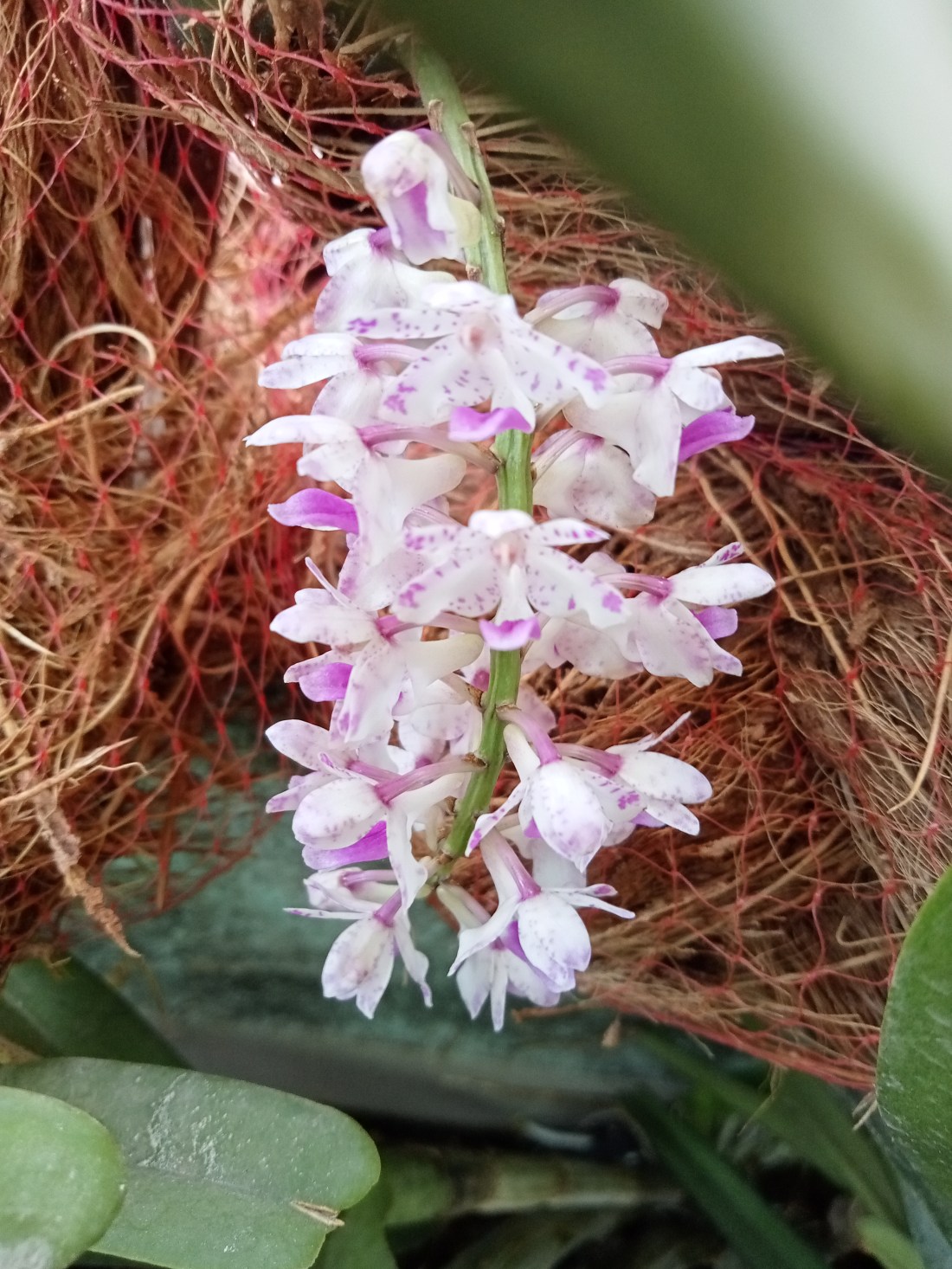
Vandas and Rhynchostylis are two stunning orchid genera that, when properly cared for, can be the showstoppers of any plant collection. One of the key aspects of their care is maintaining proper hydration. These epiphytic orchids thrive in high humidity and require specific watering techniques to stay healthy and vibrant. This guide will cover everything you need to know about hydrating your Vandas and Rhynchostylis to ensure they flourish.

Understanding Vandas and Rhynchostylis

Vandas and Rhynchostylis orchids are known for their striking flowers and robust growth habits. They typically grow in medium light and require frequent watering, especially when in bloom. Unlike many other orchids, they can be grown in open baskets without any potting medium, relying on frequent watering and high humidity to meet their hydration needs.

Essential Hydration Tips

1. Watering Frequency

For Vandas and Rhynchostylis, it’s crucial to maintain a consistent watering schedule. Since these orchids are often grown without any potting medium, their roots are exposed and can dry out quickly. Here’s how to manage their watering needs effectively:

Daily Watering: During the warmer months or active growth periods, water your orchids daily. This frequent watering ensures the roots remain hydrated without becoming waterlogged.

Increased Watering During Blooming: When your orchids are in bloom, they require slightly more moisture. Ensure the roots and leaves are kept slightly more moist than usual to support the flowers’ development and longevity.

2. Humidity Maintenance

Maintaining adequate humidity is vital for the health of Vandas and Rhynchostylis. These orchids thrive in environments with high humidity levels, which helps prevent their exposed roots from drying out too quickly.

Ideal Humidity Levels: Aim for 80% humidity for most of the year. During winter and early spring, you can reduce humidity slightly to 70-75%.

Humidity Trays: Place your orchids on a tray filled with gravel and partially filled with water. As the water evaporates, the humidity around the plants increases.

3. Light and Placement

Light is another critical factor for the health of your orchids. Vandas and Rhynchostylis need medium light to thrive but should be protected from direct sunlight, which can scorch their leaves.

Indirect Sunlight: Hang your orchids in an area where they receive bright, indirect light. An east or west-facing window is ideal, or you can place them under a shade cloth outdoors.

Air Circulation: Ensure there is good air circulation around your plants. This helps prevent fungal infections and keeps the roots healthy.


Similar Posts


4. Watering Techniques

Proper watering techniques can make a significant difference in the health of your orchids. Here are some simple steps to keep your orchids moist:

Soaking Method: When watering, ensure that water thoroughly soaks the roots. You can submerge the entire root system in water for a few minutes and then let it drain completely.

Spraying Method: Use a spray bottle to mist the roots and leaves daily. This method is particularly effective for orchids grown in open baskets or mounted on slabs.

Avoid Standing Water: Ensure that the roots dry quickly after watering to prevent rot. Orchids should not sit in standing water for extended periods.

5. Fertilization

Regular fertilization supports healthy growth and blooming. Use a balanced orchid fertilizer to provide the necessary nutrients.

Year-Round Fertilization: Fertilize your Vandas and Rhynchostylis year-round. During the active growth period, use a higher nitrogen fertilizer. Switch to a balanced or bloom-boosting fertilizer when the plants are in bloom.

Diluted Solutions: Always use diluted fertilizer solutions to avoid burning the roots. A weak weekly solution or a more concentrated monthly application works well.

Simple Self Tips for Orchid Care

To summarize, here are some simple self-care tips to keep your Vandas and Rhynchostylis healthy and blooming:

Daily Watering: Ensure daily watering, especially in the absence of a potting medium. This keeps the roots hydrated and healthy.

Indirect Sunlight:Hang your orchids in an area with indirect sunlight to prevent leaf burn and promote healthy growth.

Humidity Control: Maintain high humidity levels around your plants. Use humidity trays or place them above water containers to provide the necessary moisture.

Proper Air Circulation: Good air circulation is crucial to prevent fungal diseases and support overall plant health.

Regular Fertilization: Fertilize consistently to provide the nutrients needed for robust growth and beautiful blooms.

Conclusion

Hydrating your Vandas and Rhynchostylis properly is essential for their health and vitality. By maintaining a consistent watering schedule, ensuring high humidity levels, providing adequate light, and using proper fertilization techniques, you can enjoy these stunning orchids’ lush growth and vibrant blooms. Remember to adapt your care routine based on the season and your specific growing conditions to keep your orchids thriving year-round. Happy growing!

Happy Gardening!

Unveiling the Splendor: A Guide to Growing Summer Flower Bulbs!

Introduction:

Summer is a time of vibrant colors and blooming beauty, and what better way to adorn your garden than with a dazzling array of summer flower bulbs? From the elegant lilies to the cheerful dahlias, there’s a summer bulb for every garden style and preference. In this comprehensive guide, we’ll explore the fascinating world of summer flower bulbs and discover how to grow and care for these enchanting blooms in your garden.

Understanding Summer Flower Bulbs

Summer flower bulbs are underground storage structures that contain the embryonic plants and nutrients needed for growth. Unlike seeds, bulbs produce new shoots and roots from within themselves, giving them a head start on the growing season. Many popular summer flowers, such as Asiatic lilies, calla lilies, and dahlias, grow from bulbs and tubers.

Choosing the Right Bulbs

When selecting summer flower bulbs for your garden, consider factors such as bloom time, color, size, and growing conditions. Some popular types of summer flower bulbs to consider include:

Lilies: Known for their elegant, trumpet-shaped flowers and intoxicating fragrance, lilies are a classic addition to any summer garden. Choose from a variety of colors and sizes, including Asiatic, Oriental, and hybrid lilies.

Dahlias: With their showy, dinner-plate-sized blooms and vibrant colors, dahlias add drama and flair to summer gardens. From pompon to cactus varieties, there’s a dahlia to suit every taste and garden style.

Calla Lilies: Elegant and graceful, calla lilies are prized for their sculptural blooms and glossy, arrow-shaped foliage. Available in a range of colors, including white, pink, yellow, and purple, calla lilies add a touch of sophistication to summer gardens. Plant them in borders or containers for a stunning focal point that will dazzle throughout the season.

Cannas: Loved for their tropical foliage and bold, exotic flowers, cannas are a popular choice for summer gardens. Plant them in containers or along borders for a striking burst of color and texture.


Similar Posts:


Planting Summer Flower Bulbs

Plant summer flower bulbs in spring after the danger of frost has passed and the soil has warmed up. Follow these steps for successful bulb planting:

Choose a Location: Select a sunny spot with well-draining soil for planting summer flower bulbs. Avoid regions susceptible to waterlogging or inadequate drainage.

Prepare the Soil: Loosen the soil to a depth of 8-10 inches and incorporate organic matter such as compost or aged manure to improve soil structure and fertility. Add cocopeat to retain moisture in the soil.

Planting Depth: Follow the planting depth recommendations for each type of bulb, as planting depths can vary depending on the species. It is generally recommended to plant bulbs at a depth that is three times their diameter.

Spacing: Space bulbs according to the recommended spacing guidelines for each species, ensuring adequate room for growth and air circulation.

Watering: Water newly planted bulbs thoroughly to settle the soil and provide moisture for root establishment. Continue watering throughout the growing season for optimal growth and good blooms.

Caring for Summer Flower Bulbs

Once planted, summer flower bulbs require minimal maintenance to thrive. Here are some tips for caring for your summer bulb garden:

Mulching: Apply a layer of organic mulch such as shredded bark or straw around newly planted bulbs to conserve moisture, suppress weeds, and regulate soil temperature.

Fertilizing: Feed summer flower bulbs with a balanced fertilizer or bulb-specific fertilizer in spring as new growth emerges. Repeat applications every 4-6 weeks during the growing season to promote healthy foliage and abundant blooms.

Deadheading: Regularly removing spent flowers promotes continuous blooming and prevents seed pod formation. Deadheading also helps redirect energy back into bulb storage for the following year’s growth.

Staking: Stake tall or top-heavy varieties such as gladioli and dahlias to prevent them from flopping over in strong winds or heavy rain.

Conclusion:

With their stunning colors, diverse forms, and delightful fragrances, summer flower bulbs are a must-have addition to any garden. By selecting the right bulbs, providing optimal growing conditions, and practicing proper care and maintenance, you can enjoy a spectacular display of blooms all summer long. Follow the tips outlined in this guide, and let your garden come alive with the beauty of summer flower bulbs!

Happy Gardening!

Amaryllis Growing Guide: Cultivating Elegance Indoors!

Introduction:

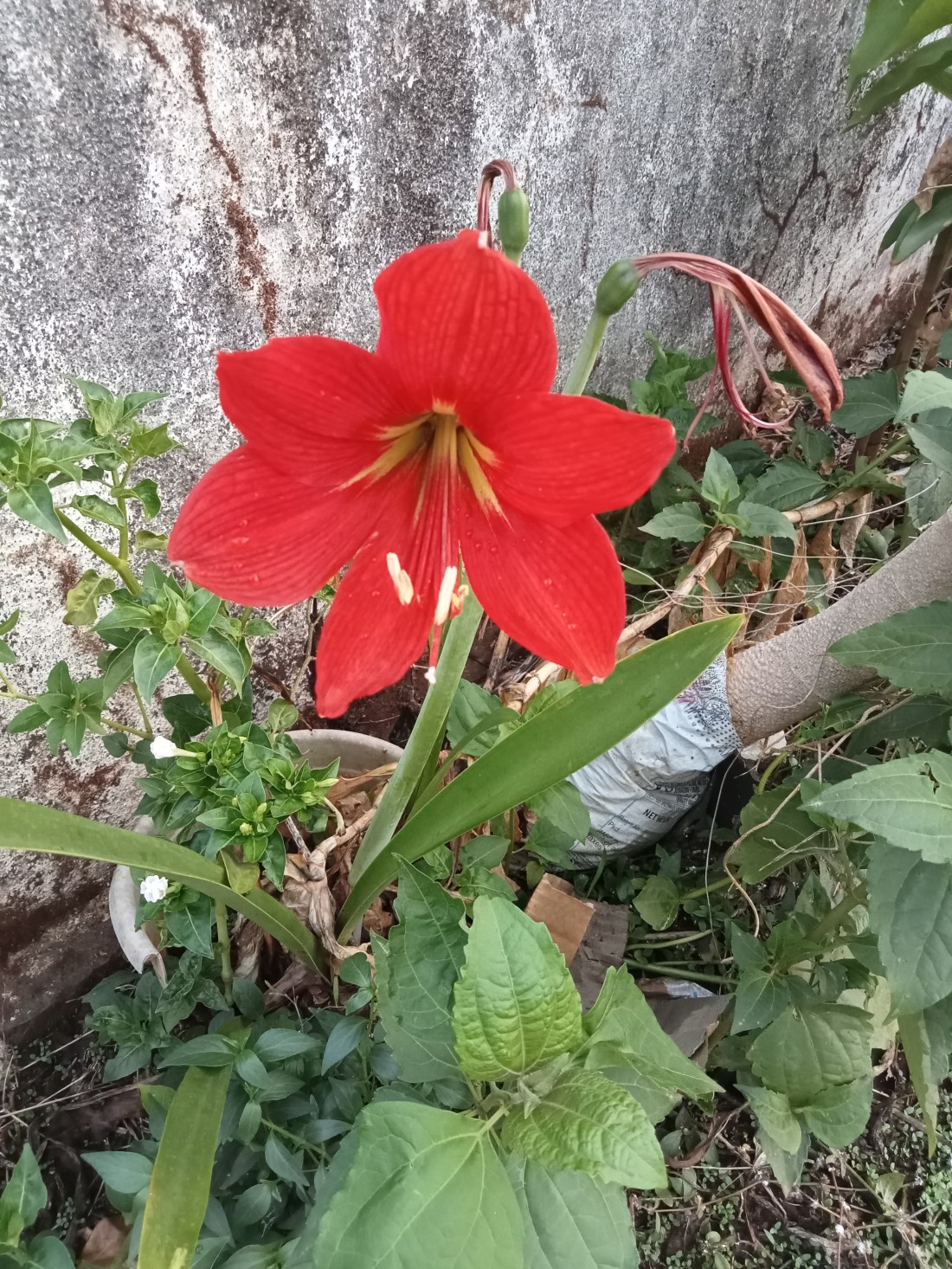
Amaryllis, with its striking blooms and effortless elegance, is a favorite among indoor plant enthusiasts. Known for its vibrant colors and easy care, this beautiful plant can brighten up any room, especially during the winter months when outdoor gardening is limited. Whether you’re a seasoned gardener or a beginner, growing Amaryllis can be a rewarding experience. In this guide, we’ll walk you through the steps to successfully grow and care for this stunning plant.

Choosing the Right Bulb

The journey to growing a beautiful Amaryllis starts with selecting the right bulb. When buying bulbs, look for ones that are firm, plump, and free from mold or blemishes. Larger bulbs often produce more flowers, so opt for bulbs that are at least 2-3 inches in diameter.

Planting Your Amaryllis

Choosing a Container: Amaryllis bulbs don’t require deep pots. Choose a pot that’s about 1-2 inches wider than the bulb to allow for growth.

Soil: Use a well-draining potting mix.A blend of peat moss, perlite, and compost proves to be effective. Avoid using soil from your garden, as it may not provide the right balance of nutrients and drainage.

Planting: Place the bulb in the pot with the pointed end facing up. Leave the top third of the bulb exposed above the soil. Firmly pack the soil around the bulb to provide support.

Watering and Care

Initial Watering: After planting, give your Amaryllis a thorough watering. Irrigate the plant until the surplus water flows out from the bottom of the pot.

Watering Frequency: Amaryllis prefers to dry out between waterings. Water sparingly until you see new growth, then increase the frequency. Overwatering can lead to bulb rot, so it’s essential to find the right balance.

Light: Place your Amaryllis in a bright location with indirect sunlight. Occasionally rotating the pot ensures even growth. Too little light can result in leggy growth, while too much direct sunlight can scorch the leaves.

Temperature: Amaryllis prefers temperatures between 60-75°F (15-24°C). Avoid placing it near drafts or heaters, as extreme temperature fluctuations can stress the plant.

Fertilizing

To encourage healthy growth and abundant blooms, fertilize your Amaryllis regularly during the growing season. Apply a balanced fertilizer containing equal parts of nitrogen, phosphorus, and potassium. Start fertilizing when new growth appears and continue every 2-4 weeks.

Supporting Blooms

As your Amaryllis grows, it may require some support to prevent the flowers from drooping. Use bamboo stakes or decorative supports to gently prop up the stems.

Post-Blooming Care

After your Amaryllis has finished blooming, it will enter a dormant period. Here are the steps for its care during this period:

Stop Fertilizing: Once the flowers fade, stop fertilizing your Amaryllis.

Watering: Reduce watering gradually as the leaves turn yellow and die back. Eventually, the plant will go into dormancy.

Dormancy: During dormancy, it’s essential to keep the bulb dry. You can either leave it in the pot or remove it, clean off any remaining soil, and store it in a cool, dark place until it’s time to replant.

Reblooming Your Amaryllis

With proper care, your Amaryllis can rebloom year after year. To encourage reblooming:

Repotting: Every 2-3 years, repot your Amaryllis bulb in fresh soil.

Forcing Dormancy: If you want your Amaryllis to bloom again around the holidays, you can force it into dormancy by cutting back on watering and placing it in a cool, dark place for 8-10 weeks.

Restarting Growth: After the dormant period, bring your Amaryllis back into a bright, warm location, resume watering, and watch as new growth appears.

Conclusion

Growing Amaryllis is a delightful and rewarding experience. With its vibrant blooms and minimal care requirements, it’s a perfect choice for both novice and experienced gardeners alike. By following these tips and guidelines, you’ll be well on your way to enjoying the beauty of Amaryllis in your home year after year.

Happy Gardening!

Growing Bleeding Heart Plant: A Guide to Heartwarming Beauty!

Introduction:

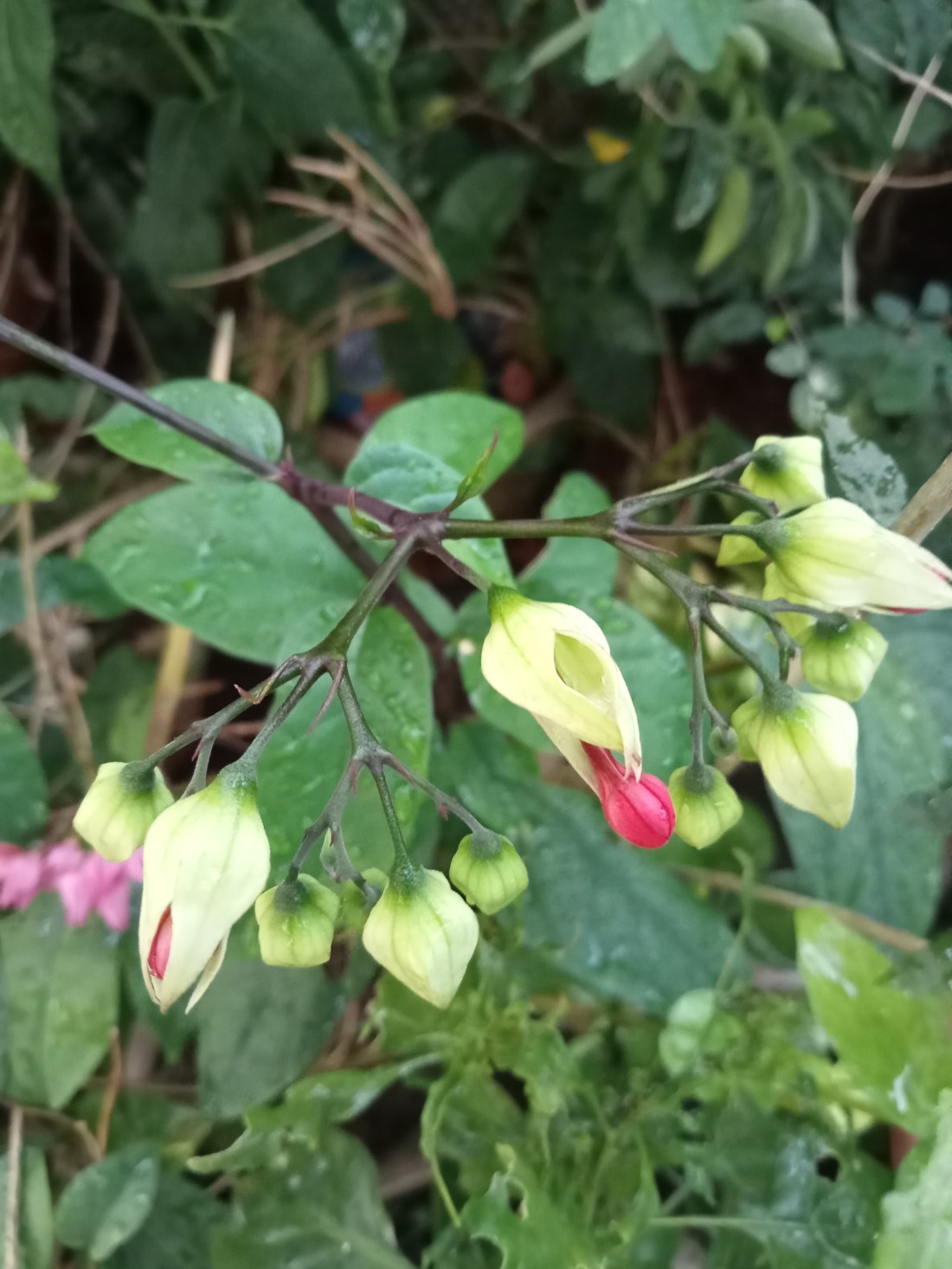
The Bleeding Heart plant, known for its heart-shaped flowers that dangle gracefully from arching stems, is a romantic and nostalgic addition to any garden. This enchanting perennial, scientifically known as Dicentra spectabilis, captures the hearts of gardeners with its unique blooms and fern-like foliage. If you’re looking to add a touch of whimsy and elegance to your garden, read on to discover our comprehensive guide on growing and caring for the Bleeding Heart plant.

1. Understanding the Bleeding Heart Plant

Botanical Background

The Bleeding Heart plant is native to Siberia, Northern China, Korea, and Japan. It belongs to the Fumariaceae family and is renowned for its distinctive heart-shaped flowers, which come in shades of pink, red, and white. The flowers typically appear in spring, adding a burst of color to the garden landscape.

Ideal Growing Conditions

Bleeding Hearts thrive in cool, moist conditions and prefer partial shade to full shade. They are typically grown as perennials in USDA hardiness zones 3-9, depending on the variety. While they can tolerate some sunlight, too much direct sun can scorch their delicate foliage, making them more suitable for shaded areas or dappled sunlight.

2. Planting the Bleeding Heart Plant

Soil Requirements

Well-draining soil rich in organic matter is essential for the Bleeding Heart’s health. An ideal soil pH level ranges from 6.0 to 7.0. Incorporating compost or well-rotted manure into the planting area can help improve soil structure and fertility.

Planting Depth and Spacing

Plant Bleeding Hearts at the same depth as they were in their nursery pots, typically around 1-2 inches deep. Space them approximately 18-24 inches apart to allow room for mature growth and optimal air circulation.


Similar Posts:


3. Watering and Feeding

Watering

Consistent moisture is key to the Bleeding Heart’s success. Ensure regular watering, particularly during periods of drought, to maintain even soil moisture without causing waterlogging. Applying mulch around the plant’s base aids in preserving soil moisture and controlling weed growth.

Fertilization

In the early spring, apply a balanced fertilizer following the manufacturer’s guidelines. Avoid over-fertilizing, as excessive nutrients can lead to lush foliage at the expense of flower production.

4. Maintenance and Care

Pruning and Deadheading

Deadheading spent flowers promotes ongoing blooms and helps keep a neat appearance. After the plant has finished blooming for the season, you can cut it back to ground level to promote fresh growth and rejuvenate the plant.

Winter Care

Apply mulch around the plant’s base in late fall to insulate the roots against freezing temperatures. In colder climates, additional winter protection such as covering with burlap or a layer of straw may be necessary.

5. Pests and Diseases

Common Pests

Aphids, slugs, and snails can occasionally be a problem for Bleeding Heart plants. Monitor your plants regularly and treat any infestations promptly using insecticidal soap or other organic pest control methods.

Disease Prevention

Powdery mildew and root rot are potential concerns for Bleeding Hearts. Ensuring proper spacing, facilitating adequate air flow, and refraining from overhead watering are effective strategies to prevent these problems. If signs of disease appear, treat the plant with fungicides or other appropriate treatments as recommended.

Conclusion:

The Bleeding Heart plant, with its heartwarming beauty and easy-care nature, is a delightful addition to any garden. By providing the right growing conditions, regular watering, and minimal maintenance, you can enjoy the charm of these romantic blooms year after year. Whether planted in borders, woodland gardens, or containers, the Bleeding Heart’s unique flowers and elegant foliage are sure to captivate and enchant all who behold them.

Happy Gardening!

Enchanting Night-Blooming Plants: Adding Magic to Twilight Gardens!

Night-blooming plants have an enchanting allure, adding a touch of mystique and beauty to gardens. These fascinating floras unfold their petals and release captivating scents as dusk settles, creating an ethereal experience under the moonlit sky.

The Enigmatic Charm

Night-blooming plants, as the name suggests, unveil their blooms after sundown, making evenings a magical time in the garden. These plants often have vibrant, fragrant flowers that open during the night, offering a sensory treat to those fortunate enough to witness their beauty.

Mystical Traditions and Symbolism

Throughout history, night-blooming plants have been linked to mystical beliefs and cultural significance. Some cultures view them as symbols of secrets, mystery, or transformation due to their tendency to bloom under the cover of darkness.

A Symphony for the Senses

Night-blooming plants aren’t just a visual spectacle; they engage multiple senses. Many emit enticing fragrances that attract night-flying pollinators like moths and bats, adding an auditory dimension to the garden’s nocturnal orchestra.

Encouraging Biodiversity

Night-blooming plants aren’t just captivating for humans; they attract an array of nighttime pollinators, contributing to biodiversity. By fostering these plants, gardeners indirectly support the ecosystem by providing sustenance for nocturnal insects and animals.

The Timeless Magic

Night-blooming plants offer an intimate connection with nature, revealing their beauty under the cover of darkness. Their brief yet captivating display reminds us of the fleeting yet profound moments that nature gifts us.

Some Examples Of Night Blooming Plants

1. Moonflower (Ipomoea alba):

These large, white blossoms unfurl their petals in the evening, emitting a sweet fragrance that entices nocturnal pollinators like moths.

2. Night-Blooming Jasmine (Cestrum nocturnum):

Tiny, greenish-white flowers that release an intoxicating fragrance after sunset, filling the air with a sweet aroma.

3. Evening Primrose (Oenothera biennis):

Bright yellow flowers that bloom in the late afternoon and remain open until morning, attracting night-flying insects with their mild scent.

4. Night-Blooming Cereus (Epiphyllum oxypetalum):

Known as the ‘Queen of the Night,’ this orchid cactus produces large, fragrant white flowers that bloom exclusively at night, usually lasting just one night.


Similar Posts


5. Night Phlox (Zaluzianskya ovata):

Delicate, white flowers that release a sweet, jasmine-like fragrance at night, attracting moths and other nighttime pollinators.

6. Night Gladiolus (Gladiolus tristis):

Pale yellow blossoms that exude a rich fragrance in the evening, offering a delightful olfactory experience after dark.

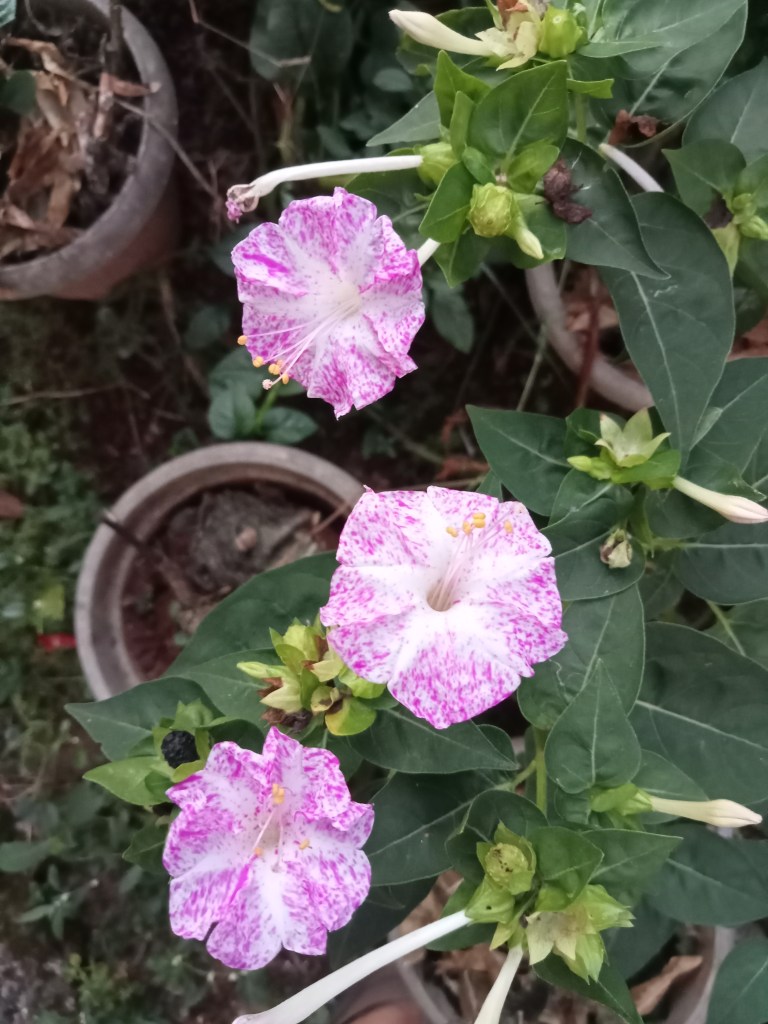
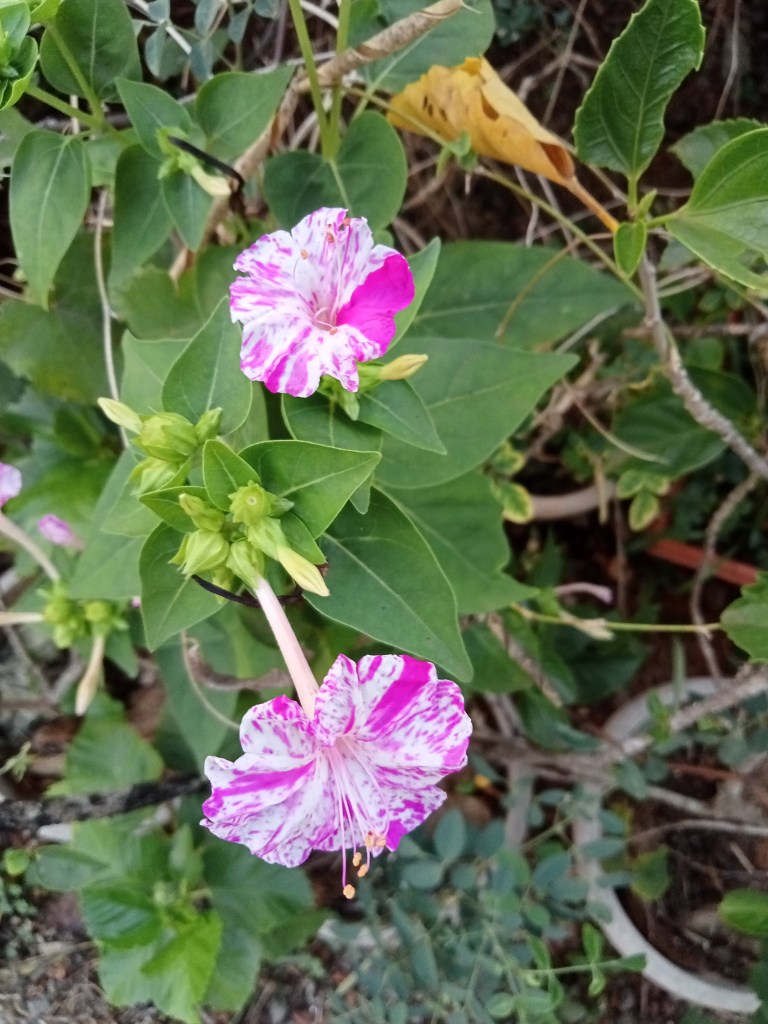
7. Four O’Clocks (Mirabilis jalapa):

Colorful flowers that open in the late afternoon and emit a delightful, sweet fragrance in the evening hours.

8. Brahma Kamal (Saussurea obvallata):

A Himalayan flower that blooms only at night, emitting an exquisite fragrance, often considered divine.

9. Night-Blooming Water Lily (Nymphaea odorata):

Elegant white and pink flowers that bloom at night, perfuming the air around ponds and water gardens.

10. Nicotiana (Nicotiana alata):

Tubular, trumpet-shaped flowers that release a sweet, pleasant fragrance in the evening, attracting night-pollinating moths.

11. Angel’s Trumpet (Brugmansia suaveolens):

Large, pendulous flowers with an intoxicating fragrance that intensifies in the evening, attracting night pollinators.

12. Night-Scented Stock (Matthiola longipetala):

Tiny, delicate flowers that emit a rich, spicy fragrance in the evening, making them ideal for fragrant borders or containers.

13. Night-Blooming Orchid (Brassavola nodosa):

Fragrant white flowers that bloom exclusively at night, offer a captivating aroma.

14. Dragon Fruit (Hylocereus spp.):

These cactus flowers bloom at night, showcasing large, stunning blossoms that give way to delicious, edible fruits.

15. Night-Blooming Cactus (Selenicereus grandiflorus):

Large, showy flowers that bloom spectacularly at night, often filling the garden with their sweet fragrance.

Conclusion

As the sun sets and the night garden awakens, it’s a time of wonder and discovery. Night-blooming plants, with their mysterious allure, beckon us to slow down, appreciate nature’s secrets, and revel in the ephemeral beauty that adorns the darkness.

Night-blooming plants offer a symphony of colors, shapes, and fragrances, creating a magical ambiance in gardens after twilight. Whether for their captivating scents or captivating blooms, they truly shine when the sun sets, making them a delightful addition to nocturnal landscapes. Their delicate blossoms, intoxicating scents, and elusive beauty create an ethereal experience, inviting us to appreciate nature’s magic under the moonlit sky.

Happy Gardening!

Marvel-of-Peru: Unveiling the Beauty and Allure of the 4 O’Clock Flower Plant!

Introduction

The Marvel-of-Peru, famously known as the 4 O’Clock Flower, stands as a remarkable addition to any garden, captivating enthusiasts with its vibrant blooms and intriguing characteristics. This perennial beauty, scientifically known as Mirabilis jalapa, offers not just a visual spectacle but also a fascinating history and versatile gardening benefits.

Aesthetic Appeal and Blooming Schedule

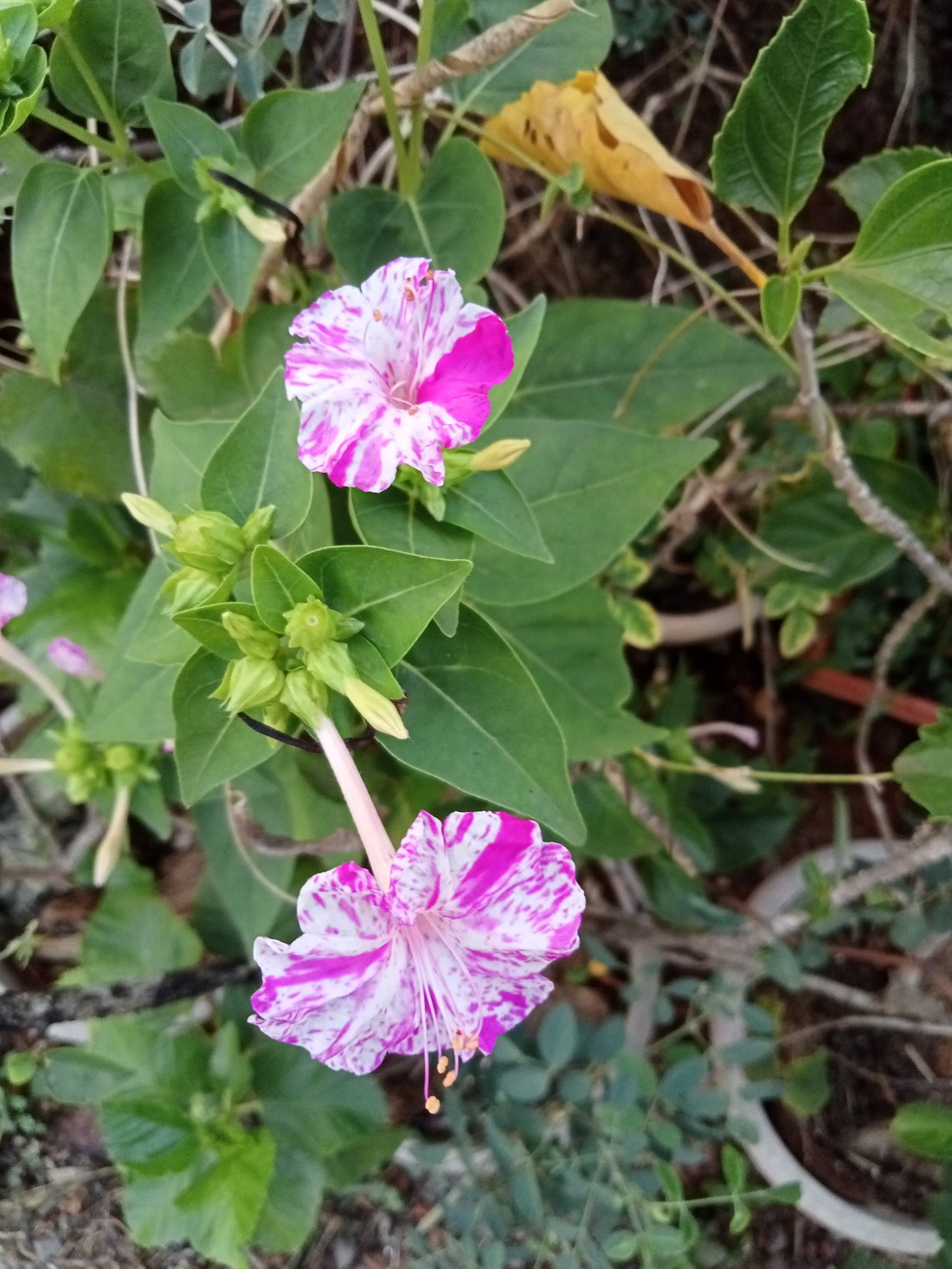
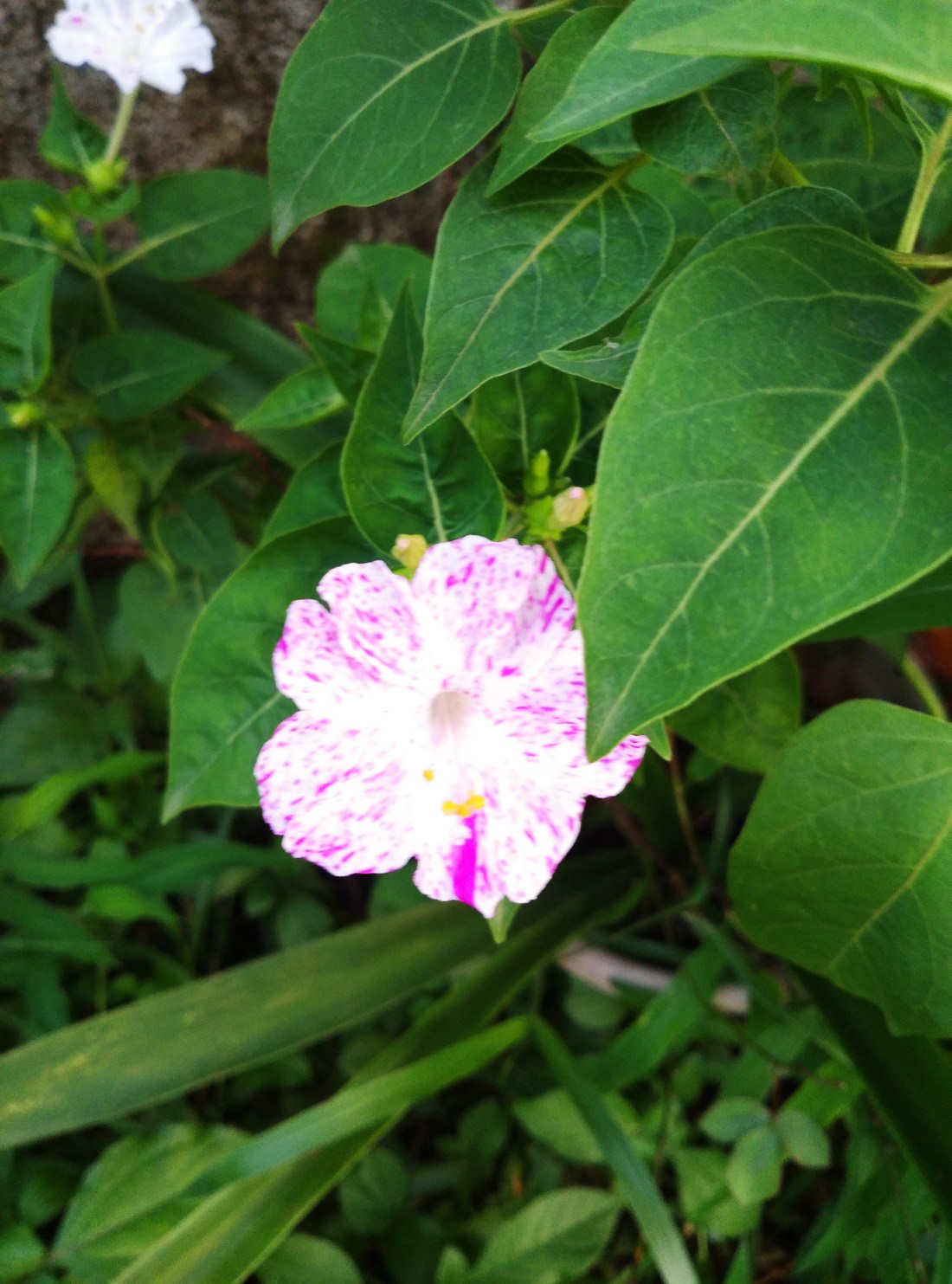
The Four-o’clock, also known as Mirabilis jalapa, is a type of ornamental perennial plant that belongs to the family Nyctaginaceae and is originally from tropical America. This plant is known for its quick growth and can reach up to one meter (three feet) in height. It has oval leaves on short leafstalks and its stems are swollen at the joints. The Mirabilis genus of herbs contains 45 species in total. The 4 O’Clock Flower earns its name due to its fascinating blooming habit, typically starting to unfurl its trumpet-shaped flowers around 4 o’clock in the afternoon, emanating a delightful fragrance. These blossoms showcase a kaleidoscope of colors, including shades of pink, red, yellow, white, and bi-color variations, adding a mesmerizing palette to garden landscapes.

Versatile Growing Conditions

One of the plant’s standout features is its adaptability to diverse environments. The 4 O’Clock Flower thrives in both sun and partial shade, making it a versatile choice for various garden settings. It flourishes in well-draining soil and exhibits remarkable resilience, tolerating both dry spells and moderate watering regimes.

Historical Significance and Folklore

Originating from South America, the 4 O’Clock Flower carries historical significance. Marvel of Peru was introduced to Spain and then England from Peru in the 16th century. It earned its name because of how people marvel when the plant blooms at exactly 4 PM.

Cultural Significance

It has been cultivated for centuries, admired for its ornamental value and revered for its medicinal properties. In traditional medicine, its roots were used to treat various ailments, like hallucinogen, and as a purported aphrodisiac, while the flowers produce an edible red dye for coloring food, although caution is advised due to the plant’s toxic properties.


Similar Posts


Attracting Pollinators and Garden Benefits

Beyond its visual allure, the 4 O’Clock Flower serves as a magnet for pollinators like butterflies, bees, and hummingbirds, contributing to garden biodiversity. Its ability to attract these beneficial insects makes it a valuable addition to eco-friendly and pollinator-friendly garden initiatives.

Gardening Tips

For gardening enthusiasts, the 4 O’Clock Flower is an easy-to-grow plant, suitable for borders, containers, or as a standalone specimen. Regular deadheading encourages continuous blooming, while its tuberous roots allow it to self-seed, providing effortless propagation for successive growth.

It is important to prevent these plants from drying out, so water them whenever the top 1 to 2 inches of soil becomes dry. However, be cautious not to overwater them as it can cause root rot due to soggy soil. Mulching around the plants can help keep the soil moist enough. Plants grown in containers will generally require more frequent watering than those planted directly in the ground.

Cautionary Notes

Despite its beauty, it’s essential to note that all parts of the 4 O’Clock Flower are toxic if ingested. Therefore, caution should be exercised, especially around children and pets.

Conclusion

In conclusion, the Marvel-of-Peru or the 4 O’Clock Flower stands as a testament to nature’s beauty and adaptability. With its dazzling blooms, historical significance, and garden-friendly attributes, this versatile plant remains a cherished favorite among gardening enthusiasts seeking both aesthetics and ecological benefits.

Happy gardening!

Things I should have known before growing Orchids!

Introduction:

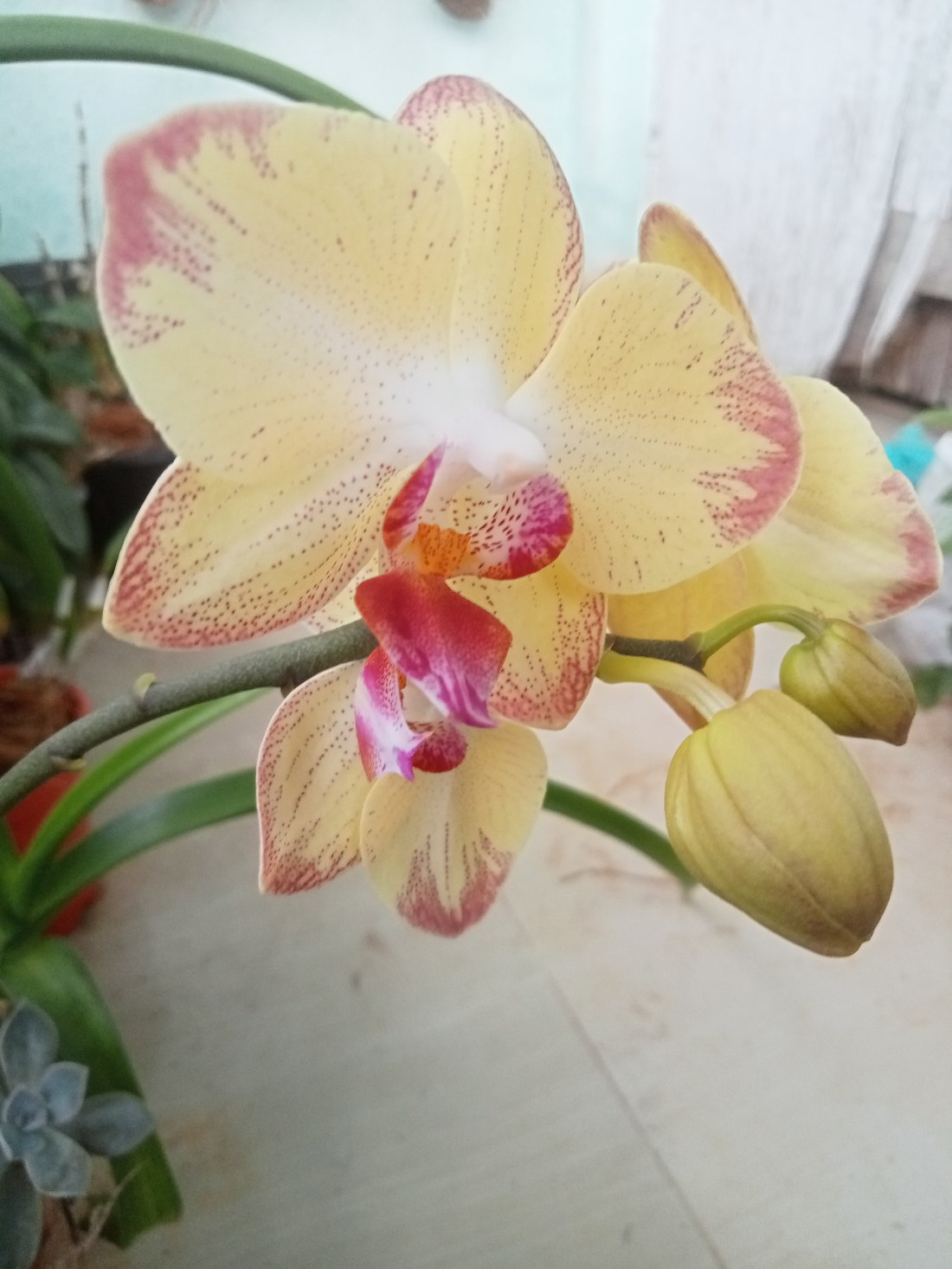
Orchids, often revered for their timeless beauty and versatility, have captured the hearts of plant enthusiasts and decorators alike. These exquisite flowers can serve as stunning decorations for various occasions or be a thoughtful gift for loved ones. With over two hundred distinct varieties, including Dendrobium, Phalaenopsis, Vanda, and Cattleya, orchids offer a wide range of choices. What sets orchids apart is their remarkable longevity, as they can thrive for many months even when separated from their parent plants.

For those eager to try their hand at growing orchids, it’s a rewarding endeavor that requires patience and attention to specific factors. Here are some essential considerations to ensure your orchid cultivation journey begins on the right foot:

Choosing the Right Orchid:

If you’re new to orchid cultivation, it’s best to start with varieties that are easier to grow and require less maintenance, such as Dendrobium and Phalaenopsis.

Climate Considerations:

It’s crucial to remember that growing conditions vary based on your geographical location. Advice and guidance found online or in videos may not be applicable to your local climate. Ensure you follow instructions that are relevant to your region’s weather patterns.

Timing Matters:

Orchid cultivation is affected by seasonal changes. Typically, it’s best to start during the winter season so you can expect blooms in the summer. However, Dendrobium and Phalaenopsis can bloom outside of these traditional seasons.

Ideal Placement:

The location where you place your orchids is pivotal for their growth and flowering. Provide indirect sunlight and ensure sufficient air circulation for healthy development. Place it near the window or in Balcony which gets indirect sunlight.


Similar Posts


Acquiring Orchids:

Once you’ve taken these factors into consideration, the next step is to embark on the journey of acquiring orchids. Orchids have always held a special place in my heart, but their price often deterred me from making a purchase. Being an avid gardener, I frequently visited a local nursery where I stumbled upon these exquisite blooms. However, their price tag was often seven to eight times higher than the plants I typically acquired.

One day, while browsing a local market, I chanced upon a lady selling a delicate orchid seedling for just 100 rupees. Though it appeared frail, I couldn’t resist the temptation and made it my very first orchid, one that has yet to bloom even after a year and a half. I patiently awaited signs of growth, only to witness its leaves falling off without any indication of new branches. It was then that I decided to invest in another orchid, this time from the nursery, purchasing a bushy plant without flowers for 250 rupees. Unfortunately, this orchid too refused to bloom.

Determined to unlock the secret of successful orchid care, I eventually acquired an orchid in full bloom, and from that point on, I was hooked. Today, my collection boasts an impressive array of 19 orchids, including 13 dendrobiums, 2 phalaenopsis, 2 catellya, 1 vanda, and 1 Rhyncolysis. As my passion for orchids grew, I delved into research online and stumbled upon websites that offered these captivating plants at more affordable rates.

During my online exploration, I discovered that one of the best places to buy orchids, or any other plants for that matter, is through Facebook Marketplace. There are numerous dedicated groups on Facebook, such as ” Indian Orchid Growers Association & Sellers,” ” Orchid Growing TIPS & TRICKS, India,” ” Kolkata Orchid Growers Association,” “Buy Sale Plants”, “Sale Point”and many more, each catering to specific interests and regions. These groups provide a diverse selection of orchids and other plants at reasonable prices, offering enthusiasts the opportunity to explore a wide variety of options for their collections.

Pro Tips:

Purchasing orchids can sometimes be a daunting task due to their perceived high cost. However, there are budget-friendly ways to start your orchid collection. Consider these tips:

a. Start Small: Begin with affordable orchid seedlings or less expensive options like dendrobium to gain experience.

b. Online Marketplaces: Explore online platforms like Facebook Marketplace or specialized groups dedicated to orchid enthusiasts, where you can find a variety of orchids at reasonable prices. Here is a list of Facebook Groups and websites selling orchids at affordable prices.

Facebook Groups:

Indian Orchid Growers Association & Sellers

Orchid Growing TIPS & TRICKS, India

Kolkata Orchid Growers Association

Kerala Orchids & All Orchid Species

Orchid Addiction— Exchange and sale

Websites:

Pots And Petals

OrchidZone

Guide To Orchid Care

Now that you’ve selected your orchids, here’s a basic guide to their care:

Potting Your Orchids:

Use a potting mix comprising tree bark (or coconut husk), charcoal, and brick pieces. Opt for orchid pots with ample drainage holes, available in clay or plastic options.

Sunlight Requirements:

As mentioned earlier orchids thrive with indirect sunlight, which is vital for blooming. Avoid overexposure to direct sunlight, as it can harm the leaves.

Proper Watering:

Water your orchids once a week in winter and twice a week in summer by immersing the pot in a tub of water or using the ice cube method. This ensures even moisture without overwatering. The ice cube method was recommended by the seller from whom I purchased my Phalaenopsis orchid, and I have found it to be highly effective and convenient in maintaining proper hydration for my orchids.

Fertilizing:

While numerous orchid fertilizers are readily accessible online, I personally abstain from using them due to the precise dosage requirement; an excess can potentially harm the plants. If you do opt for chemical fertilizers, ensure that you apply them on the same day as watering your orchids. My preferred and reliable alternative is rice water, a natural and effective fertilizer that not only supports overall growth but also enhances flowering.

Conclusion:

Embarking on the journey of growing orchids can be a deeply satisfying experience for any gardening enthusiast. By following these tips and considerations, you’ll be well on your way to nurturing these exquisite flowers and enjoying their timeless beauty. So, start cultivating orchids and embrace the joys of gardening.

Happy gardening!