Repotting Orchids: A Comprehensive Guide!

Introduction

Repotting orchids is a crucial aspect of their care, ensuring that they continue to grow healthily and bloom beautifully. Orchids typically need repotting every two to three years, though the frequency can depend on several factors, such as the type of orchid and the condition of the potting medium. Here’s a detailed guide on when and how to repot your orchids effectively.

When to Repot Orchids?

There are several key indicators that it’s time to repot your orchid:

Overgrown Plant: When the orchid outgrows its container and roots start spilling over the edges, it’s time to give it more space.

Deteriorating Potting Material: Over time, the potting medium can break down, losing its structure and ability to provide adequate support and aeration to the roots.

Division Necessity: When the plant becomes too large or if you want to propagate it, division may be necessary, which requires repotting.

It’s generally recommended to repot epiphytic orchids (which grow on other plants) every year to maintain their health. However, Cattleyas, a type of epiphyte, prefer to be left undisturbed and should only be repotted when absolutely necessary.

Best Time for Repotting

The ideal time for repotting orchids is when fresh roots begin to emerge at the base of the previous year’s growth. This indicates that the plant is entering a growth phase, and repotting at this time will minimize stress and promote healthy new root development.

For monopodial climbers (orchids that grow upward from a single stem), repotting or division should be done when new leaf growth appears at the top and new root growth is visible. This ensures that the plant can quickly reestablish itself in its new container.


Similar Posts:


Step-by-Step Repotting Process

Preparation:

Gather all necessary materials: new pot, fresh potting medium (such as bark, moss, or a specialized orchid mix), sterilized cutting tools, and gloves.

Choose a pot that allows for good drainage. Orchids doesn’t survive in waterlogged conditions.

Removing the Orchid from Its Current Pot:

Gently loosen the orchid from its pot. If it is stuck, you can carefully break the pot or cut away the old medium to free the roots.

Check  the orchids for any signs of root rot or disease. Healthy roots are white or green. Trim away any dry, dead, unhealthy  or rotten roots with sterilized scissors.

Preparing the New Pot:

Place a layer of the new potting medium in the bottom of the pot. Position the orchid in the pot, spreading the roots out gently.

Adding Potting Medium:

Fill in around the roots with the fresh potting medium, ensuring that the plant is stable and the roots are well-supported.

Do not pack the medium too tightly, as orchids need good air circulation around their roots.

Aftercare:

After repotting, place the orchid in a location with indirect light for about two weeks to allow it to acclimate to its new environment.

Water the plant gently to avoid disturbing the new setup. Use room-temperature water and ensure it is not applied with force.

Maintaining Repotted Orchids

Proper care after repotting is crucial for the orchid’s recovery and continued growth:

Light: Keep the plant in a less intense light area initially. Gradually move it back to its normal light conditions after two weeks.

Watering: Water the orchid thoroughly but ensure that excess water drains away. Never let the orchid remain in the water.

Humidity and Air Circulation: Orchids thrive in humid environments with good air circulation. Use a humidity tray or a room humidifier if necessary.

Repotting orchids can seem daunting, but with the right approach, it can be a straightforward process that ensures your plants remain healthy and vibrant. By recognizing the signs that your orchid needs repotting and following these steps, you’ll be able to provide the best care for your beautiful blooms. Remember, orchids are resilient and with a little attention to their unique needs, they can thrive and bring joy to your space for years to come.

Happy Gardening!
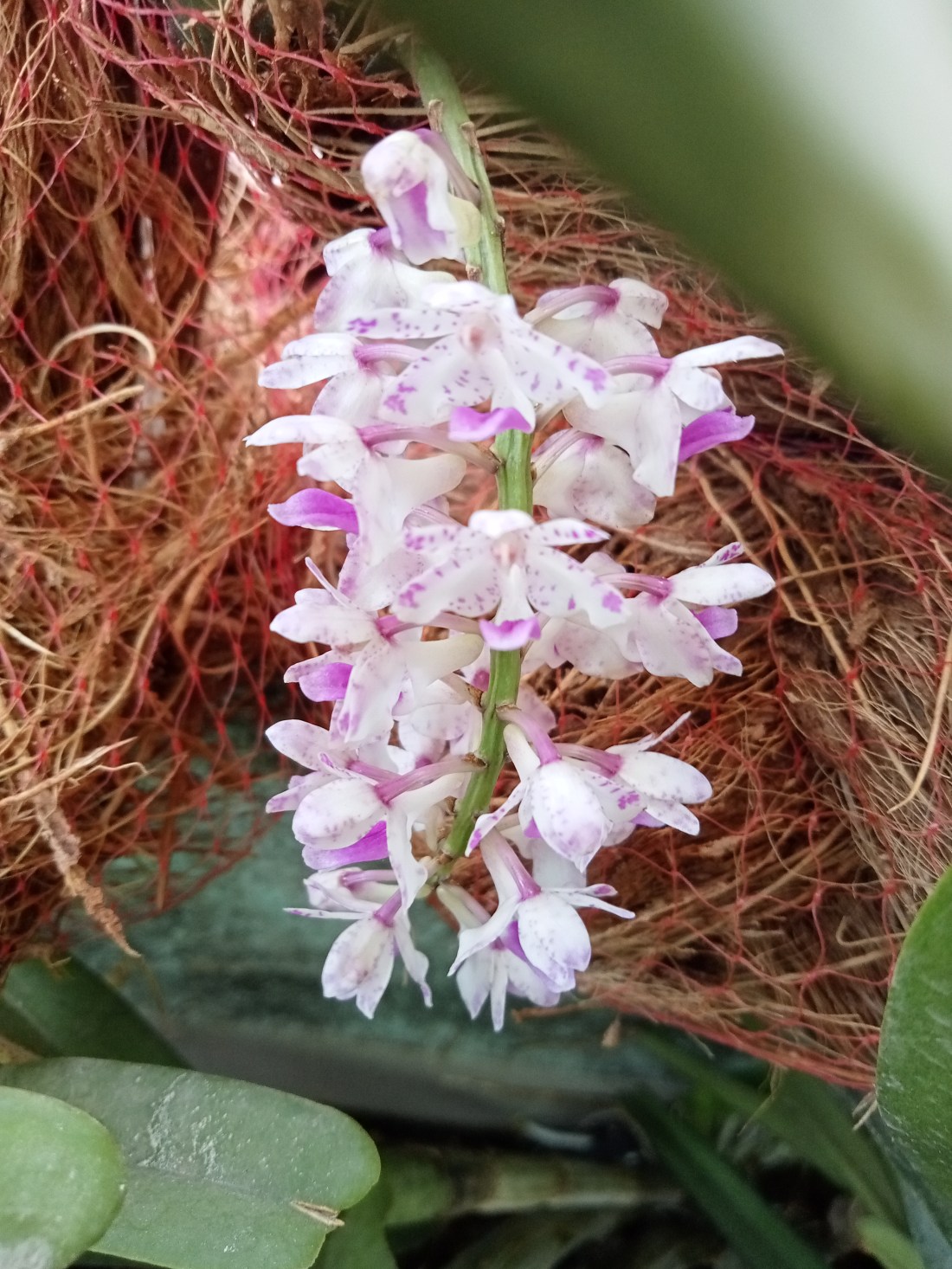
How to Hydrate Your Vandas and Rhynchostylis: Tips for Thriving Orchids!

Introduction

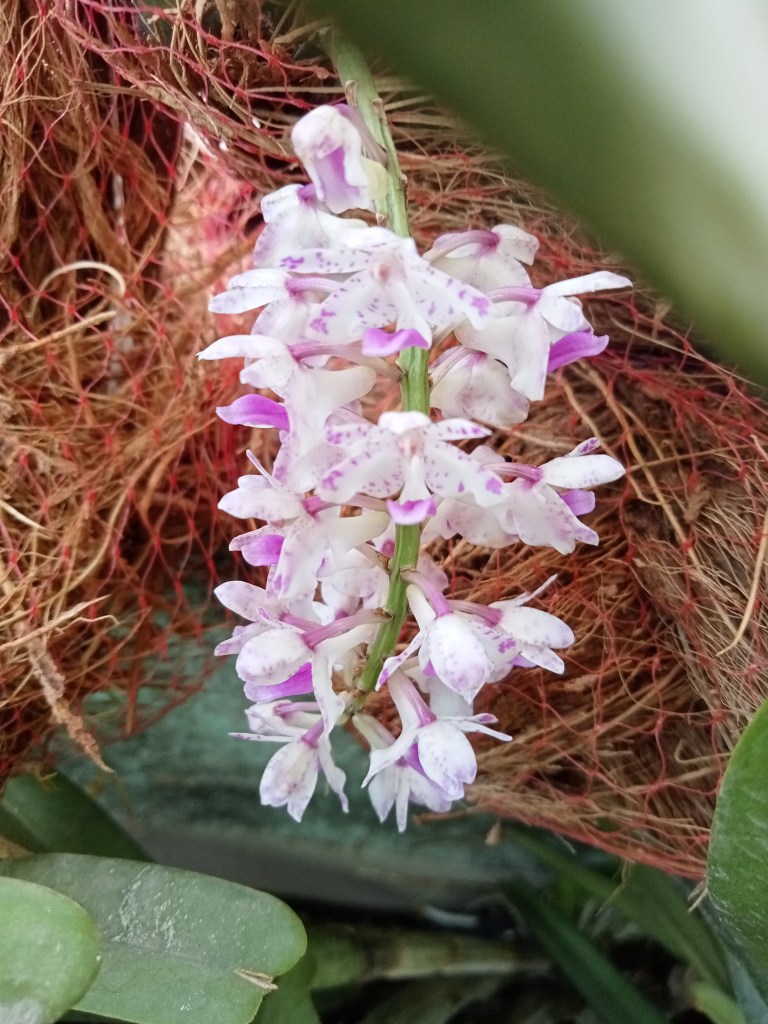
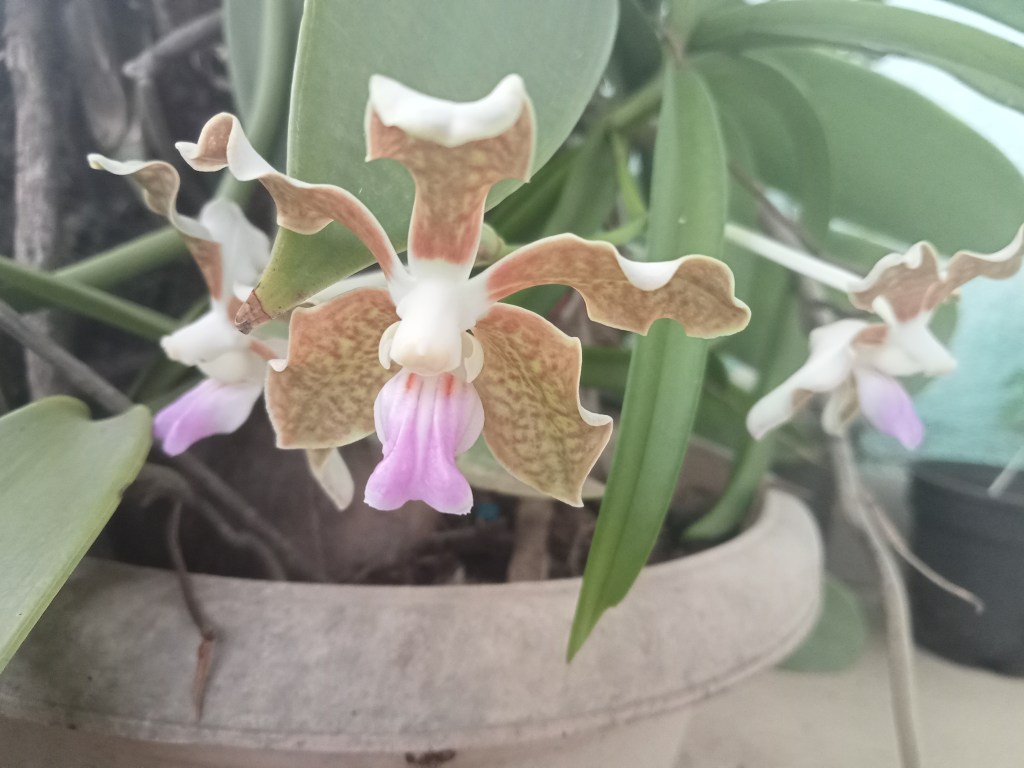
Vandas and Rhynchostylis are two stunning orchid genera that, when properly cared for, can be the showstoppers of any plant collection. One of the key aspects of their care is maintaining proper hydration. These epiphytic orchids thrive in high humidity and require specific watering techniques to stay healthy and vibrant. This guide will cover everything you need to know about hydrating your Vandas and Rhynchostylis to ensure they flourish.

Understanding Vandas and Rhynchostylis

Vandas and Rhynchostylis orchids are known for their striking flowers and robust growth habits. They typically grow in medium light and require frequent watering, especially when in bloom. Unlike many other orchids, they can be grown in open baskets without any potting medium, relying on frequent watering and high humidity to meet their hydration needs.

Essential Hydration Tips

1. Watering Frequency

For Vandas and Rhynchostylis, it’s crucial to maintain a consistent watering schedule. Since these orchids are often grown without any potting medium, their roots are exposed and can dry out quickly. Here’s how to manage their watering needs effectively:

Daily Watering: During the warmer months or active growth periods, water your orchids daily. This frequent watering ensures the roots remain hydrated without becoming waterlogged.

Increased Watering During Blooming: When your orchids are in bloom, they require slightly more moisture. Ensure the roots and leaves are kept slightly more moist than usual to support the flowers’ development and longevity.

2. Humidity Maintenance

Maintaining adequate humidity is vital for the health of Vandas and Rhynchostylis. These orchids thrive in environments with high humidity levels, which helps prevent their exposed roots from drying out too quickly.

Ideal Humidity Levels: Aim for 80% humidity for most of the year. During winter and early spring, you can reduce humidity slightly to 70-75%.

Humidity Trays: Place your orchids on a tray filled with gravel and partially filled with water. As the water evaporates, the humidity around the plants increases.

3. Light and Placement

Light is another critical factor for the health of your orchids. Vandas and Rhynchostylis need medium light to thrive but should be protected from direct sunlight, which can scorch their leaves.

Indirect Sunlight: Hang your orchids in an area where they receive bright, indirect light. An east or west-facing window is ideal, or you can place them under a shade cloth outdoors.

Air Circulation: Ensure there is good air circulation around your plants. This helps prevent fungal infections and keeps the roots healthy.


Similar Posts


4. Watering Techniques

Proper watering techniques can make a significant difference in the health of your orchids. Here are some simple steps to keep your orchids moist:

Soaking Method: When watering, ensure that water thoroughly soaks the roots. You can submerge the entire root system in water for a few minutes and then let it drain completely.

Spraying Method: Use a spray bottle to mist the roots and leaves daily. This method is particularly effective for orchids grown in open baskets or mounted on slabs.

Avoid Standing Water: Ensure that the roots dry quickly after watering to prevent rot. Orchids should not sit in standing water for extended periods.

5. Fertilization

Regular fertilization supports healthy growth and blooming. Use a balanced orchid fertilizer to provide the necessary nutrients.

Year-Round Fertilization: Fertilize your Vandas and Rhynchostylis year-round. During the active growth period, use a higher nitrogen fertilizer. Switch to a balanced or bloom-boosting fertilizer when the plants are in bloom.

Diluted Solutions: Always use diluted fertilizer solutions to avoid burning the roots. A weak weekly solution or a more concentrated monthly application works well.

Simple Self Tips for Orchid Care

To summarize, here are some simple self-care tips to keep your Vandas and Rhynchostylis healthy and blooming:

Daily Watering: Ensure daily watering, especially in the absence of a potting medium. This keeps the roots hydrated and healthy.

Indirect Sunlight:Hang your orchids in an area with indirect sunlight to prevent leaf burn and promote healthy growth.

Humidity Control: Maintain high humidity levels around your plants. Use humidity trays or place them above water containers to provide the necessary moisture.

Proper Air Circulation: Good air circulation is crucial to prevent fungal diseases and support overall plant health.

Regular Fertilization: Fertilize consistently to provide the nutrients needed for robust growth and beautiful blooms.

Conclusion

Hydrating your Vandas and Rhynchostylis properly is essential for their health and vitality. By maintaining a consistent watering schedule, ensuring high humidity levels, providing adequate light, and using proper fertilization techniques, you can enjoy these stunning orchids’ lush growth and vibrant blooms. Remember to adapt your care routine based on the season and your specific growing conditions to keep your orchids thriving year-round. Happy growing!

Happy Gardening!

Things I should have known before growing Orchids!

Introduction:

Orchids, often revered for their timeless beauty and versatility, have captured the hearts of plant enthusiasts and decorators alike. These exquisite flowers can serve as stunning decorations for various occasions or be a thoughtful gift for loved ones. With over two hundred distinct varieties, including Dendrobium, Phalaenopsis, Vanda, and Cattleya, orchids offer a wide range of choices. What sets orchids apart is their remarkable longevity, as they can thrive for many months even when separated from their parent plants.

For those eager to try their hand at growing orchids, it’s a rewarding endeavor that requires patience and attention to specific factors. Here are some essential considerations to ensure your orchid cultivation journey begins on the right foot:

Choosing the Right Orchid:

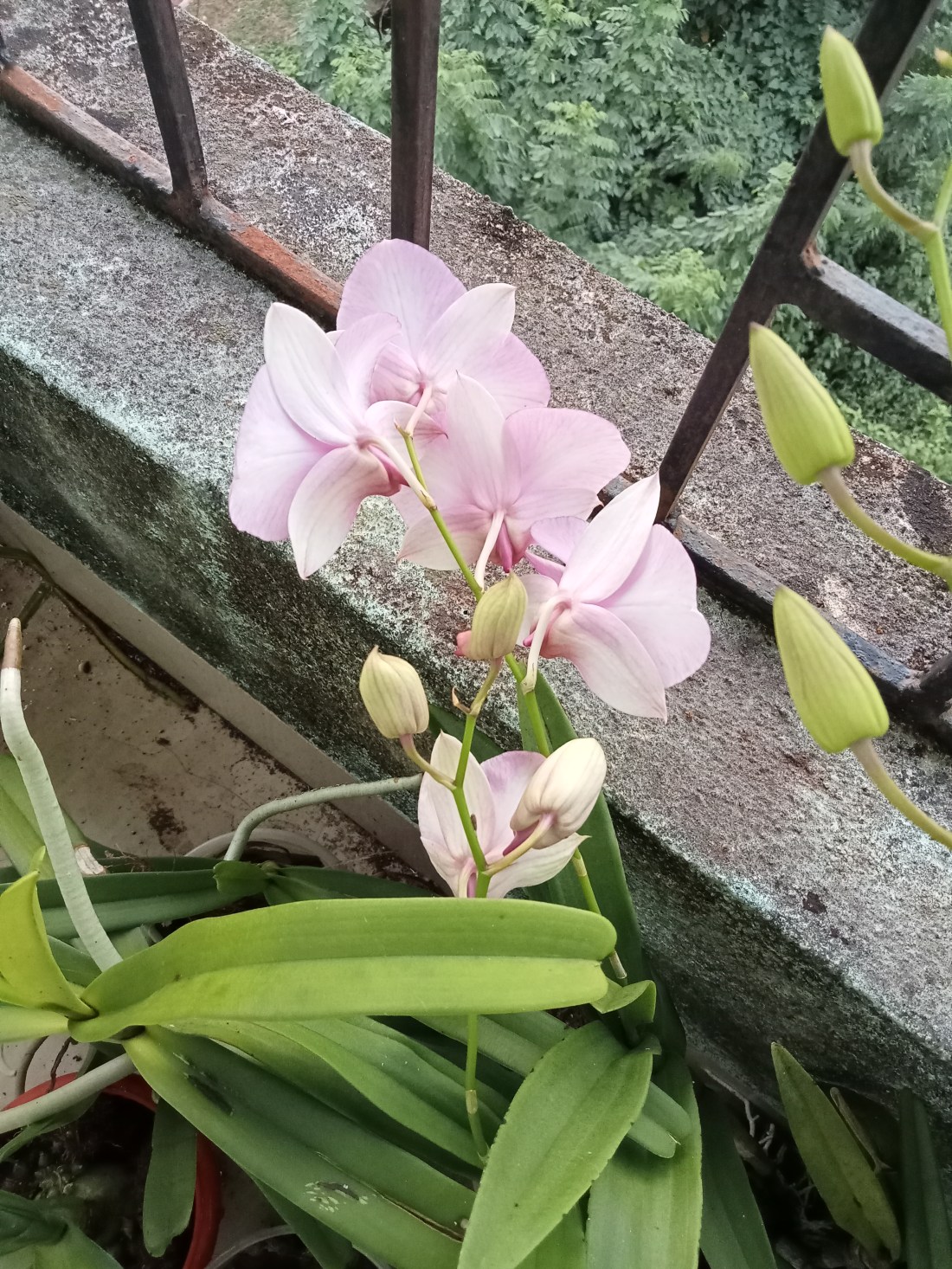
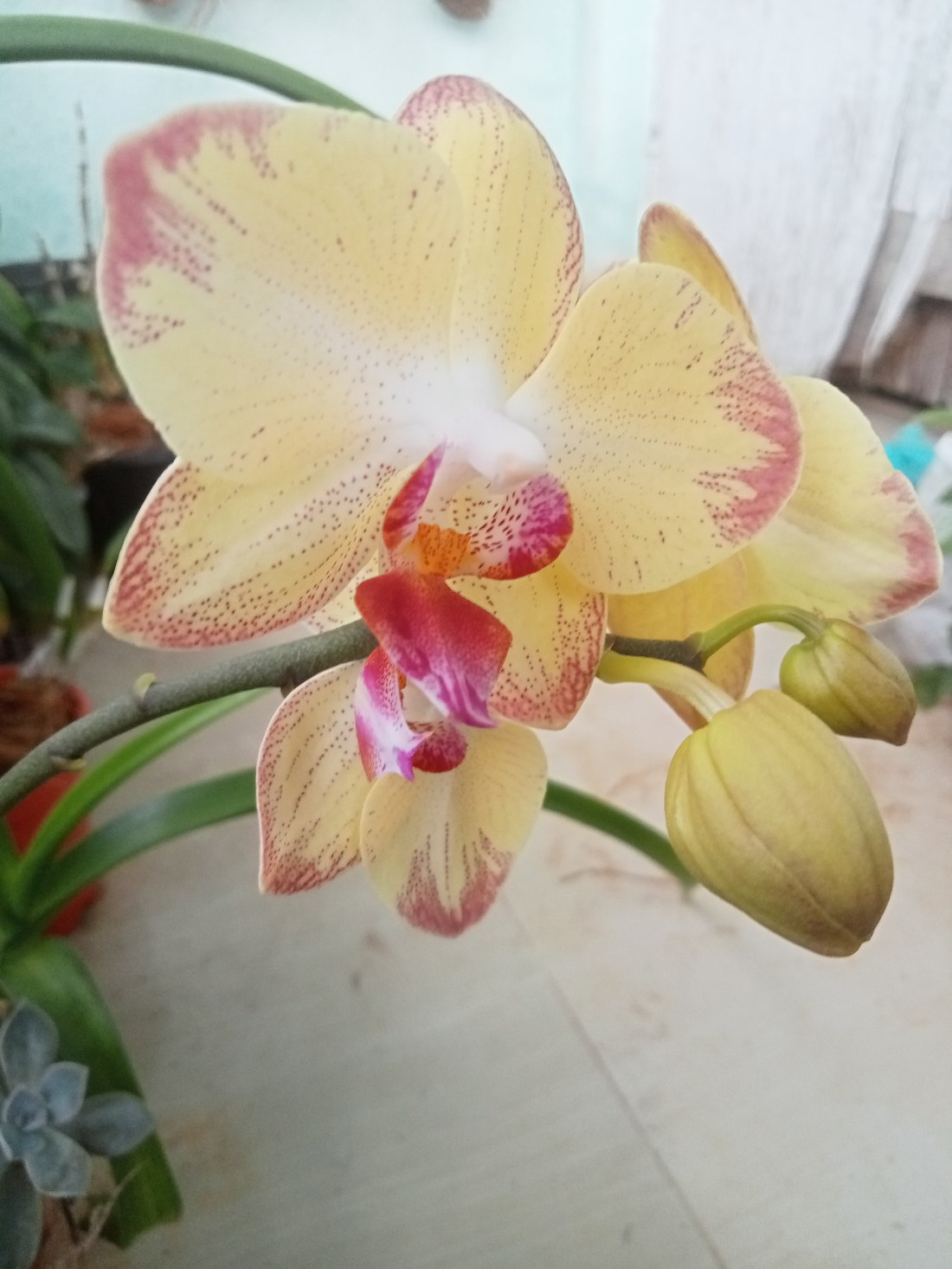
If you’re new to orchid cultivation, it’s best to start with varieties that are easier to grow and require less maintenance, such as Dendrobium and Phalaenopsis.

Climate Considerations:

It’s crucial to remember that growing conditions vary based on your geographical location. Advice and guidance found online or in videos may not be applicable to your local climate. Ensure you follow instructions that are relevant to your region’s weather patterns.

Timing Matters:

Orchid cultivation is affected by seasonal changes. Typically, it’s best to start during the winter season so you can expect blooms in the summer. However, Dendrobium and Phalaenopsis can bloom outside of these traditional seasons.

Ideal Placement:

The location where you place your orchids is pivotal for their growth and flowering. Provide indirect sunlight and ensure sufficient air circulation for healthy development. Place it near the window or in Balcony which gets indirect sunlight.


Similar Posts


Acquiring Orchids:

Once you’ve taken these factors into consideration, the next step is to embark on the journey of acquiring orchids. Orchids have always held a special place in my heart, but their price often deterred me from making a purchase. Being an avid gardener, I frequently visited a local nursery where I stumbled upon these exquisite blooms. However, their price tag was often seven to eight times higher than the plants I typically acquired.

One day, while browsing a local market, I chanced upon a lady selling a delicate orchid seedling for just 100 rupees. Though it appeared frail, I couldn’t resist the temptation and made it my very first orchid, one that has yet to bloom even after a year and a half. I patiently awaited signs of growth, only to witness its leaves falling off without any indication of new branches. It was then that I decided to invest in another orchid, this time from the nursery, purchasing a bushy plant without flowers for 250 rupees. Unfortunately, this orchid too refused to bloom.

Determined to unlock the secret of successful orchid care, I eventually acquired an orchid in full bloom, and from that point on, I was hooked. Today, my collection boasts an impressive array of 19 orchids, including 13 dendrobiums, 2 phalaenopsis, 2 catellya, 1 vanda, and 1 Rhyncolysis. As my passion for orchids grew, I delved into research online and stumbled upon websites that offered these captivating plants at more affordable rates.

During my online exploration, I discovered that one of the best places to buy orchids, or any other plants for that matter, is through Facebook Marketplace. There are numerous dedicated groups on Facebook, such as ” Indian Orchid Growers Association & Sellers,” ” Orchid Growing TIPS & TRICKS, India,” ” Kolkata Orchid Growers Association,” “Buy Sale Plants”, “Sale Point”and many more, each catering to specific interests and regions. These groups provide a diverse selection of orchids and other plants at reasonable prices, offering enthusiasts the opportunity to explore a wide variety of options for their collections.

Pro Tips:

Purchasing orchids can sometimes be a daunting task due to their perceived high cost. However, there are budget-friendly ways to start your orchid collection. Consider these tips:

a. Start Small: Begin with affordable orchid seedlings or less expensive options like dendrobium to gain experience.

b. Online Marketplaces: Explore online platforms like Facebook Marketplace or specialized groups dedicated to orchid enthusiasts, where you can find a variety of orchids at reasonable prices. Here is a list of Facebook Groups and websites selling orchids at affordable prices.

Facebook Groups:

Indian Orchid Growers Association & Sellers

Orchid Growing TIPS & TRICKS, India

Kolkata Orchid Growers Association

Kerala Orchids & All Orchid Species

Orchid Addiction— Exchange and sale

Websites:

Pots And Petals

OrchidZone

Guide To Orchid Care

Now that you’ve selected your orchids, here’s a basic guide to their care:

Potting Your Orchids:

Use a potting mix comprising tree bark (or coconut husk), charcoal, and brick pieces. Opt for orchid pots with ample drainage holes, available in clay or plastic options.

Sunlight Requirements:

As mentioned earlier orchids thrive with indirect sunlight, which is vital for blooming. Avoid overexposure to direct sunlight, as it can harm the leaves.

Proper Watering:

Water your orchids once a week in winter and twice a week in summer by immersing the pot in a tub of water or using the ice cube method. This ensures even moisture without overwatering. The ice cube method was recommended by the seller from whom I purchased my Phalaenopsis orchid, and I have found it to be highly effective and convenient in maintaining proper hydration for my orchids.

Fertilizing:

While numerous orchid fertilizers are readily accessible online, I personally abstain from using them due to the precise dosage requirement; an excess can potentially harm the plants. If you do opt for chemical fertilizers, ensure that you apply them on the same day as watering your orchids. My preferred and reliable alternative is rice water, a natural and effective fertilizer that not only supports overall growth but also enhances flowering.

Conclusion:

Embarking on the journey of growing orchids can be a deeply satisfying experience for any gardening enthusiast. By following these tips and considerations, you’ll be well on your way to nurturing these exquisite flowers and enjoying their timeless beauty. So, start cultivating orchids and embrace the joys of gardening.

Happy gardening!