
Introduction
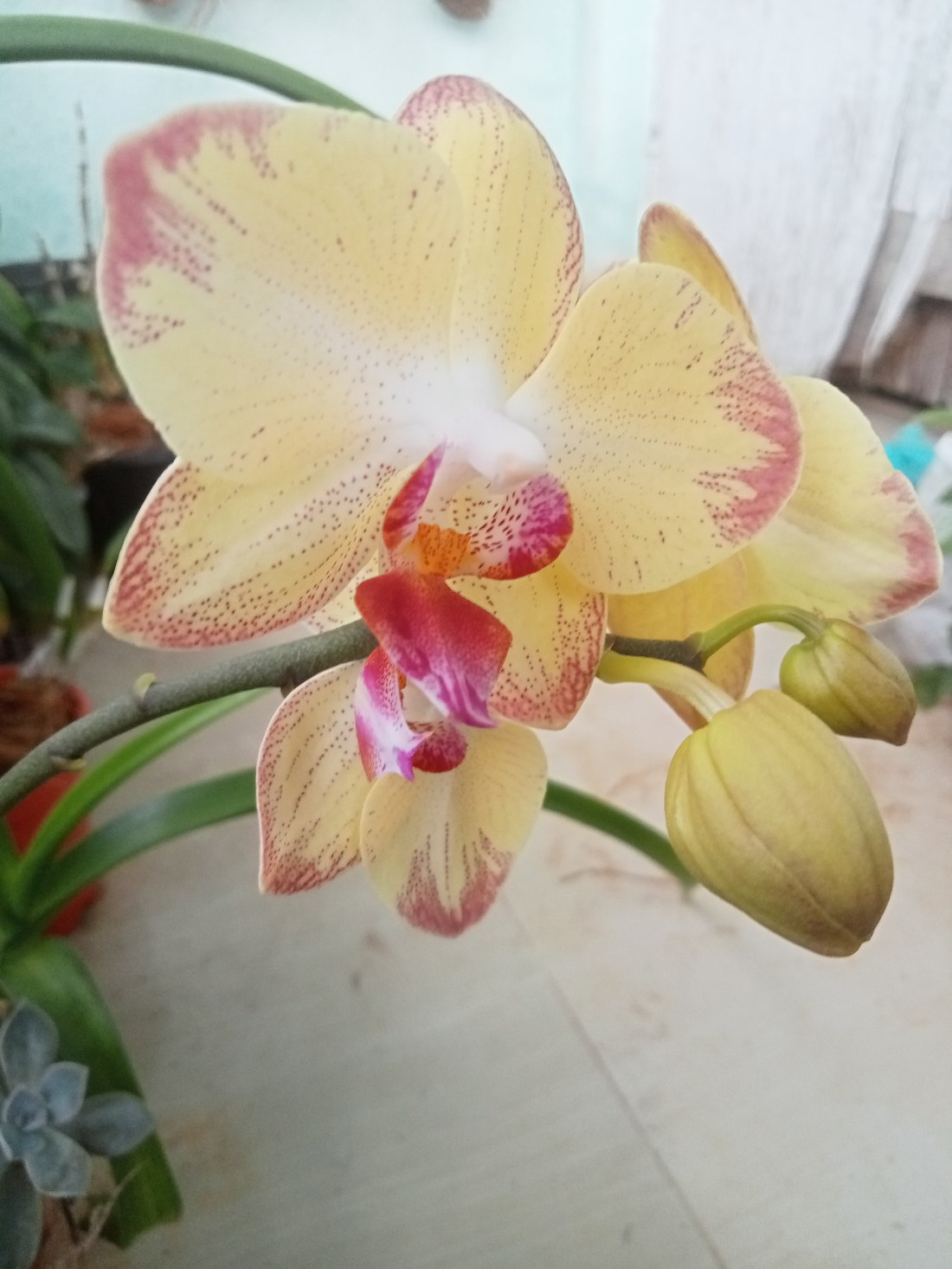
Repotting orchids is a crucial aspect of their care, ensuring that they continue to grow healthily and bloom beautifully. Orchids typically need repotting every two to three years, though the frequency can depend on several factors, such as the type of orchid and the condition of the potting medium. Here’s a detailed guide on when and how to repot your orchids effectively.
When to Repot Orchids?
There are several key indicators that it’s time to repot your orchid:
Overgrown Plant: When the orchid outgrows its container and roots start spilling over the edges, it’s time to give it more space.
Deteriorating Potting Material: Over time, the potting medium can break down, losing its structure and ability to provide adequate support and aeration to the roots.
Division Necessity: When the plant becomes too large or if you want to propagate it, division may be necessary, which requires repotting.
It’s generally recommended to repot epiphytic orchids (which grow on other plants) every year to maintain their health. However, Cattleyas, a type of epiphyte, prefer to be left undisturbed and should only be repotted when absolutely necessary.
Best Time for Repotting
The ideal time for repotting orchids is when fresh roots begin to emerge at the base of the previous year’s growth. This indicates that the plant is entering a growth phase, and repotting at this time will minimize stress and promote healthy new root development.
For monopodial climbers (orchids that grow upward from a single stem), repotting or division should be done when new leaf growth appears at the top and new root growth is visible. This ensures that the plant can quickly reestablish itself in its new container.
Similar Posts:
Step-by-Step Repotting Process
Preparation:
Gather all necessary materials: new pot, fresh potting medium (such as bark, moss, or a specialized orchid mix), sterilized cutting tools, and gloves.
Choose a pot that allows for good drainage. Orchids doesn’t survive in waterlogged conditions.
Removing the Orchid from Its Current Pot:
Gently loosen the orchid from its pot. If it is stuck, you can carefully break the pot or cut away the old medium to free the roots.
Check the orchids for any signs of root rot or disease. Healthy roots are white or green. Trim away any dry, dead, unhealthy or rotten roots with sterilized scissors.
Preparing the New Pot:
Place a layer of the new potting medium in the bottom of the pot. Position the orchid in the pot, spreading the roots out gently.
Adding Potting Medium:
Fill in around the roots with the fresh potting medium, ensuring that the plant is stable and the roots are well-supported.
Do not pack the medium too tightly, as orchids need good air circulation around their roots.
Aftercare:
After repotting, place the orchid in a location with indirect light for about two weeks to allow it to acclimate to its new environment.
Water the plant gently to avoid disturbing the new setup. Use room-temperature water and ensure it is not applied with force.
Maintaining Repotted Orchids
Proper care after repotting is crucial for the orchid’s recovery and continued growth:
Light: Keep the plant in a less intense light area initially. Gradually move it back to its normal light conditions after two weeks.
Watering: Water the orchid thoroughly but ensure that excess water drains away. Never let the orchid remain in the water.
Humidity and Air Circulation: Orchids thrive in humid environments with good air circulation. Use a humidity tray or a room humidifier if necessary.
Repotting orchids can seem daunting, but with the right approach, it can be a straightforward process that ensures your plants remain healthy and vibrant. By recognizing the signs that your orchid needs repotting and following these steps, you’ll be able to provide the best care for your beautiful blooms. Remember, orchids are resilient and with a little attention to their unique needs, they can thrive and bring joy to your space for years to come.
Happy Gardening!
 ILoveGardening