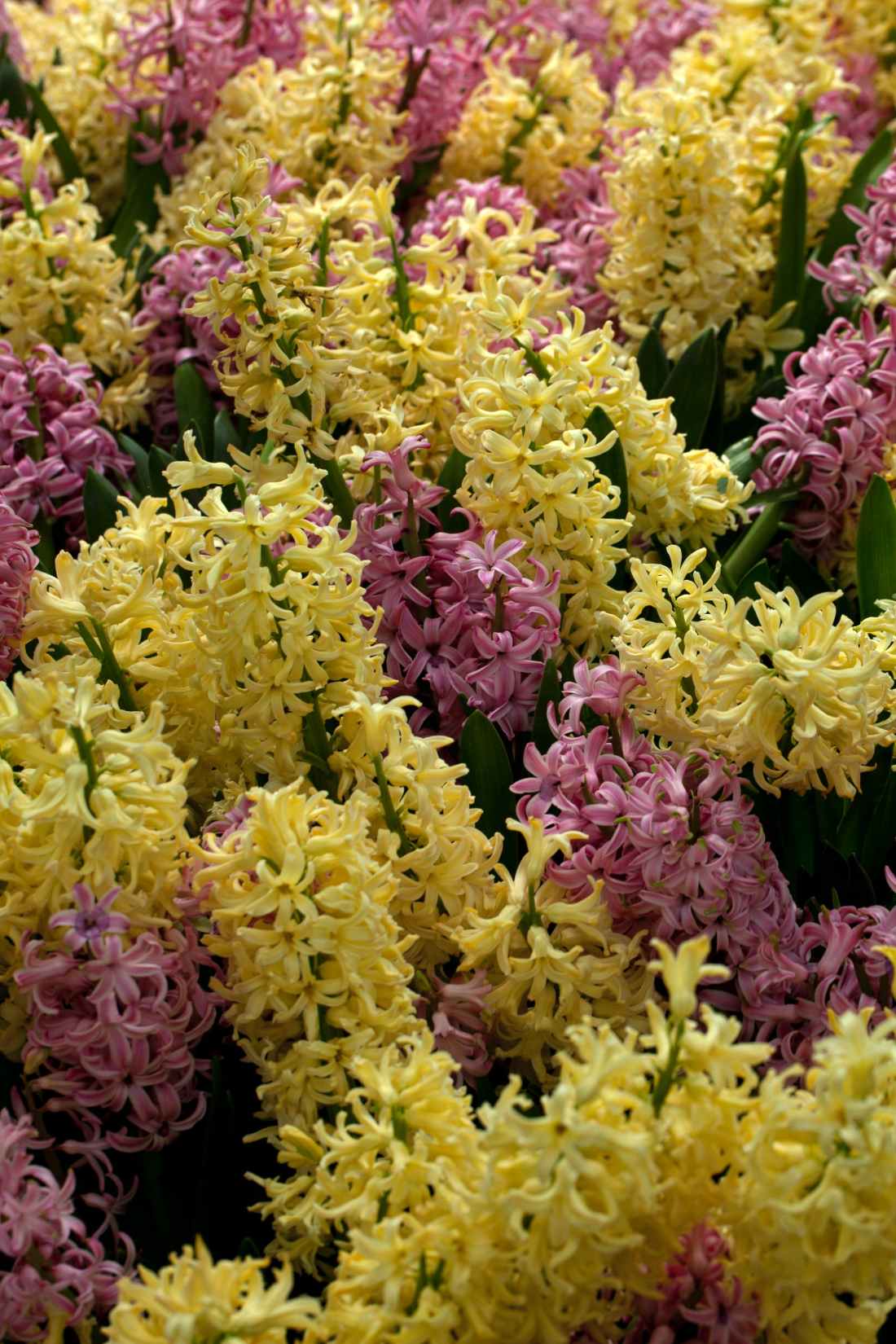
Cultivating Hyacinths: Your Comprehensive Growing Guide!

Introduction

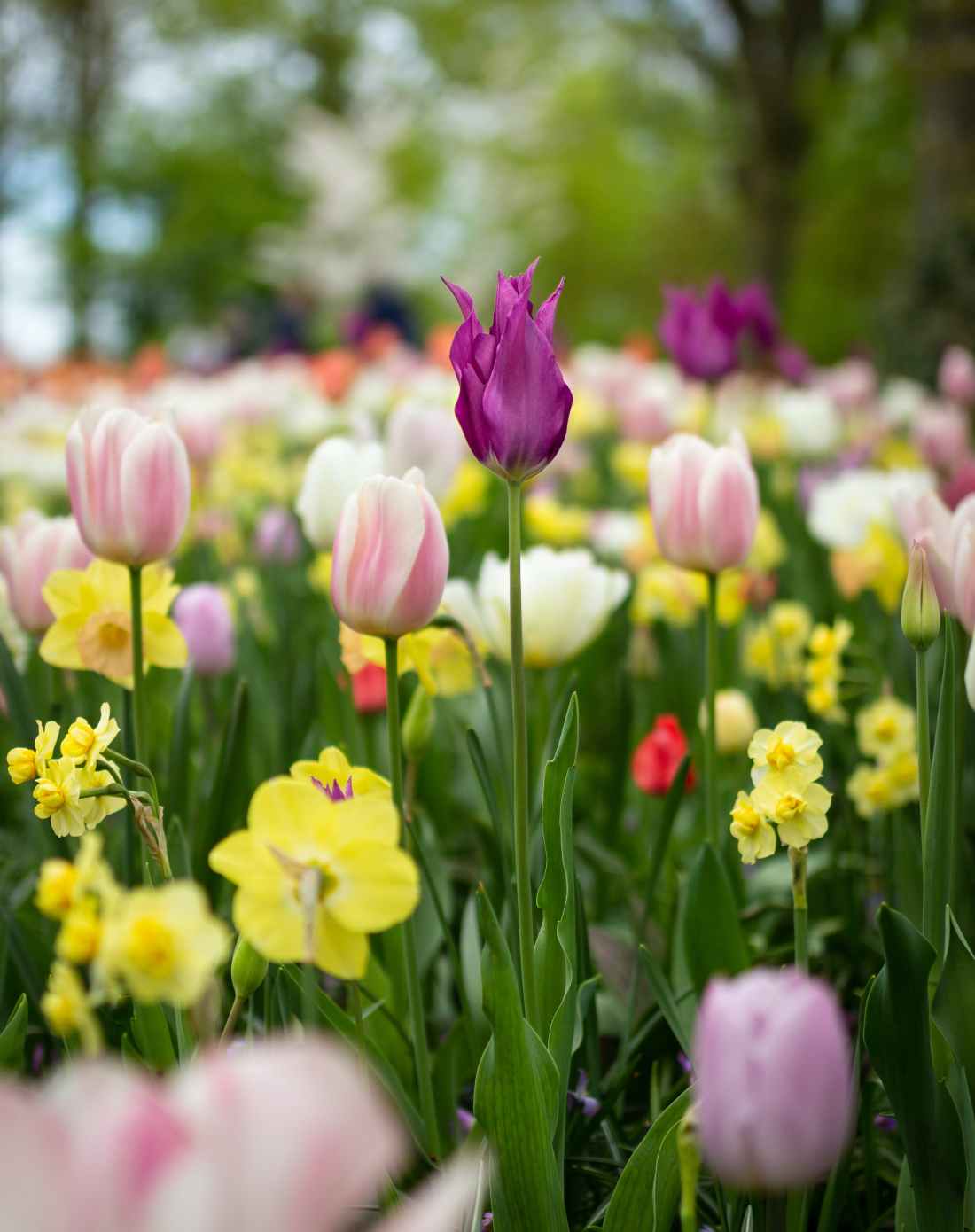
Hyacinths, renowned spring blooms akin to tulips and daffodils, emerge with striking spikes of vivid colors—blues, purples, whites, pinks, apricots, and reds, precisely when winter wanes and you yearn for blossoms. Unlike their counterparts, these fragrant beauties sustain their captivating blooms for an impressive two weeks or more, adding allure to the onset of spring.

For those seeking versatility, hyacinths shine not only in garden beds but also as cut flowers, adorning indoor vases and spaces with their captivating allure. Their long-lasting blooms and fragrant presence make them a perfect choice for stunning floral arrangements that infuse homes with a touch of elegance and natural beauty.

Origins and Popularity of Hyacinths

Originating from Turkey, Syria, and Lebanon, hyacinths found their way to Europe during the 16th century and swiftly rose to prominence. The Dutch, revered for their love of bulbous flowers, had developed over 2,000 cultivars by the 18th century, emphasizing the popularity and significance of these enchanting flowers.

Planting Hyacinths: The Right Start Matters

The ideal time for planting hyacinth bulbs is late summer to early fall, ensuring they establish themselves before frost sets in. Select a spot basking in at least four hours of sunlight daily, favoring locations with full to partial sun exposure.

Ensuring loose and loamy soil is crucial, as hyacinths tend to suffer in heavy, moisture-retentive soils. Enhance soil drainage by incorporating compost, shredded pine bark, or aged manure. For heavy clay soil, raised beds offer an effective solution to improve drainage.

Mass planting hyacinth bulbs, at least 4 inches deep and 3 inches apart, intensifies their sweet fragrance and visual impact. Grape hyacinth bulbs, however, should be planted shallower, at 2 to 3 inches deep.


Similar Posts


Essential Care Tips for Thriving Hyacinths

Adequate moisture without overwatering is vital. During dry spells, ensure they receive about an inch of water weekly. Fertilize with bulb food during the spring emergence and again in early fall for optimal growth.

Post-bloom, supplement the soil with compost to provide essential nutrients for the next season’s blossoms. For enhanced vitality, allow the foliage to persist for six weeks after flowering, as these leaves serve as nutrient factories for future blooms.

For areas lacking cold winters, a special regimen involving digging up bulbs after spring foliage dies, storing them in a cool, dry place, and refrigerating for a couple of months before replanting in fall ensures their continued bloom.

Forcing Hyacinths: Indoor Bloom Marvels

To usher in a fragrant indoor bloom during winter, forcing hyacinth bulbs can work wonders. With or without soil, these methods yield delightful indoor blooms:

With Soil: Plant bulbs slightly exposed in pots, then refrigerate for at least 10 weeks. Gradually introduce them to sunlight for a stunning indoor display.

Without Soil: Employ a bulb-forcing vase, suspending pre-chilled bulbs above water. Place in a well-lit spot, changing water every two weeks, and watch them grow into charming blooms.

Dealing with Pests and Diseases

Hyacinths might face challenges like gray mold caused by excess moisture and bulb rot from overwatering. Identifying and addressing these issues promptly through appropriate measures like fungicide application or improved drainage is essential for their health.

Recommended Hyacinth Varieties

Explore an array of mesmerizing hyacinth varieties like ‘Carnegie,’ ‘China Pink,’ ‘Hollyhock,’ ‘City of Haarlem,’ ‘Peter Stuyvesant,’ ‘Gypsy Queen,’ ‘Viper Bow,’ ‘Woodstock,’ and more, each boasting unique colors and characteristics to grace your garden with splendid blooms.

Hyacinths, with their captivating hues and enduring fragrance, offer an extraordinary springtime spectacle. Their resilience and enchanting charm make them a garden favorite, enriching landscapes with vibrant colors and delightful scents. Embrace the allure of hyacinths and witness the beauty they bring to your garden.

Happy Gardening!
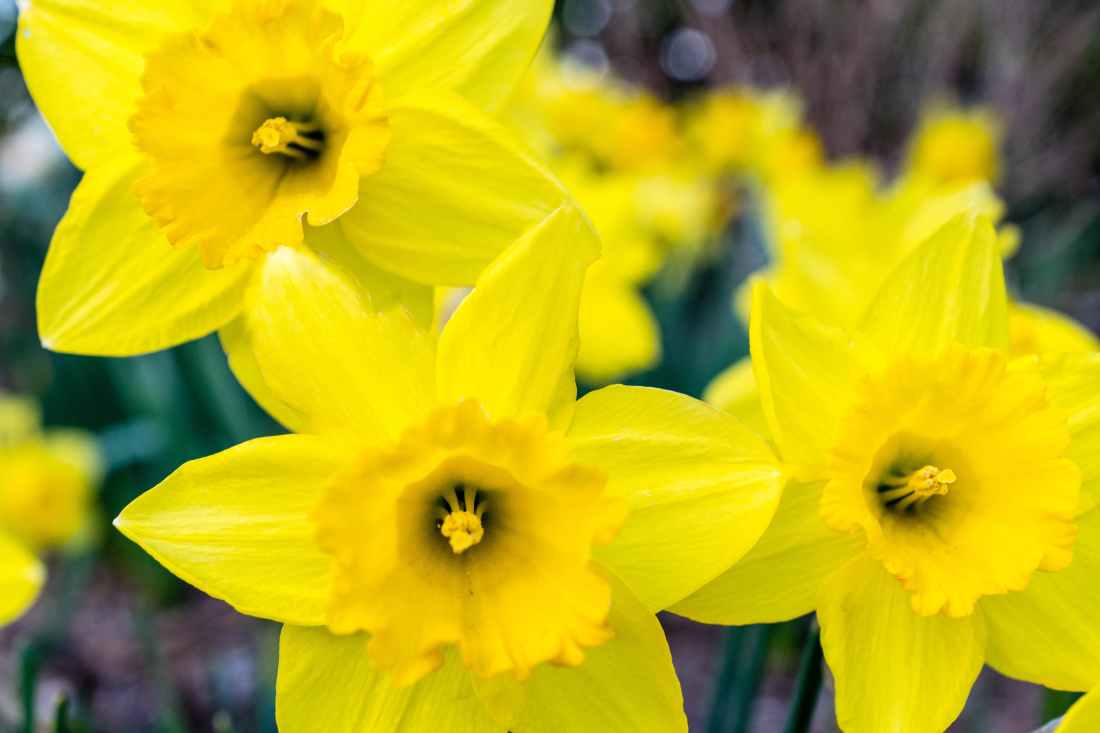
Your Complete Handbook to Cultivating Daffodils!

Introduction

Daffodils, also referred to as Narcissus, are resilient flowering plants that grace gardens with their captivating blooms. These stunning flowers, primarily yellow but also available in white or blends, brighten up the spring landscape, offering a vibrant array of colors ranging from bright yellow to soft pinks and salmons. Their unique characteristics, delightful fragrance, and adaptability make them ideal for container gardening, balconies, and traditional garden beds.

Understanding Daffodils

Daffodils showcase six flower leaves, with sepals on the exterior and actual petals within. These blossoms can appear solitary or double, growing individually or in clusters on a stalk, varying in height from 6 to 20 inches. The sweet aroma emitted by daffodil blooms contributes to their widespread popularity among gardeners.

Selecting the Right Daffodil Varieties

Before embarking on your daffodil journey, consider the variety that suits your preferences. Compact types like ‘Tete-a-Tete’ thrive exceptionally well in containers, providing an enchanting touch to smaller gardening spaces.


Similar Posts


Steps for Planting and Nurturing Daffodils

Planting:

Planting daffodils is a straightforward process. These hardy plants thrive in a wide range of light conditions, from full sun to full shade, adapting well to various soil types, particularly loose and well-drained soil. Enhance the soil’s drainage in denser soils by incorporating ample organic matter before planting.

Care:

Post-planting, ensure adequate moisture until foliage turns yellow, especially in dry weather. During summer, daffodils typically do not require additional watering. After flowering, maintain foliage for at least 6 weeks for healthier bulbs and a tidier appearance in the garden.

Container Planting:

Opting for containers? Choose those with adequate drainage and sufficient depth for bulb growth. Leave a gap between the bulb and pot rim, using a well-draining potting mix enriched with fertilizer. Monitor the bulbs for top growth, usually visible after six to eight weeks, while providing them with cool temperatures they prefer.

Maintaining Daffodils:

In case of underperforming bulbs, consider using low-nitrogen, high-potash fertilizers post-flowering. Ensure watering for late-flowering daffodils in dry spring weather to prevent flower abortion. Additionally, lifting and dividing congested clumps can stimulate healthier growth.

Positioning Containers:

Proper container placement is crucial for daffodil health. Balancing light and temperature to prevent rapid development resulting in floppy shoots is key. ‘Daffodil blindness,’ where leaves grow without flowering, can be addressed by relocating bulbs to a more prominent location once they begin blooming.

Extending the Beauty of Daffodils

As daffodils fade after their blooming period, consider deadheading spent flowers to promote energy conservation within the bulb for the following season’s growth. Allow the foliage to wither naturally, aiding the bulb’s nutrient replenishment process. To support next year’s blooms, consider adding bone meal to the soil after the daffodils have fully faded, ensuring a spectacular floral display year after year.

Embracing Daffodil Magic

Incorporating daffodils into your gardening repertoire brings forth not just vibrant colors but also an enduring sense of joy and natural beauty. Their resilience, coupled with their effortless charm, makes them a perennial favorite among gardeners worldwide. As you delve into the art of daffodil cultivation, revel in the magic they bring to your garden and the promise of spring they herald.

By adhering to these comprehensive steps and care instructions, you’ll ensure the continuity of daffodil cheer in your garden. So, embrace the joy of gardening and witness the beauty of daffodils as they bloom!

Happy Gardening!

Winter Blooming Bulbs: Infusing Your Garden with Springtime Colors!

Introduction

As winter wraps the world in its chilly embrace, your garden need not succumb to the season’s sleepy spell. With thoughtful planning and strategic planting, you can transform your outdoor haven into a vibrant tapestry of colors come spring. Discover ten delightful flower bulbs that, when planted in winter, ensure a spectacle of beauty and fragrance, bringing life to your garden even amidst the cold days.

1) Daffodil: The Herald of Renewal

Daffodils, with their iconic yellow or white blooms, symbolize hope and rejuvenation. Plant these hardy bulbs during winter, and as spring approaches, they’ll bloom, infusing your garden with warmth and vibrant colors, a perfect promise of the coming season.

2) Iris: Elegance Personified

Embrace elegance with the winter planting of irises. These classic beauties boast sword-shaped leaves and delicate flowers, adding sophistication to any garden. Their presence elevates the aesthetic charm, whether adorning a garden bed or gracing a balcony.

3) Freesia: Fragrant Marvels

Perennial freesias enchant with their vibrant hues, long-lasting blooms, and sweet fragrance. Adorn your garden with these stunning flowers by planting them in a pot or grow bag during winter, ready to delight you with their aromatic presence in late winter or early spring.

4) Crocus: Delicate Winter Charms

Crocuses, grown from corms, captivate with their delicate, cup-shaped flowers. Thriving in well-drained soil and partial shade, these resilient bloomers spread their beauty, making them a delightful addition to a winter garden.

5) Gladiolus: Towering Elegance

Known for their trumpet-shaped blooms and tall spikes in varied hues, gladiolus bulbs bring vibrant colors to gardens. With proper care in well-drained, nutrient-rich soil, these flowers extend their display well into summer, a testament to their lasting allure.


Similar Posts


6) Ixia: Diversity in Bloom

Ixias, also called African corn lilies, present an array of star-shaped flowers in different colors and patterns. Their unique varieties thrive when planted in winter, requiring the cool climate to flourish and grace your garden with their diverse beauty.

7) Hyacinth: Intense Fragrance, Vibrant Colors

Renowned for their intense fragrance and vivid spikes of color, hyacinths bloom from early to mid-spring. Plant these bulbs in well-drained soil during winter, ensuring their best display when the new season dawns.

8) Ranunculus: Soft Elegance

Ranunculus, resembling soft rose blooms, add a touch of grace to gardens with their diverse color palette. Plant them in winter, allowing these bulbs to experience the cool period required for their spectacular spring blossoms.

9) Tulip: Iconic Brilliance

Tulips, iconic for their vivid hues and beautiful shapes, thrive when planted in winter. Requiring well-drained soil and abundant sunlight, these bulbs set the stage for a breathtaking spring display.

10) Allium: Dramatic Spheres

Allium bulbs, often known as ornamental onions, adorn gardens with their spherical clusters of small, star-shaped flowers. With proper sunlight and watering, these plants flourish, adding a dramatic and structured appeal to your garden.

Conclusion

As winter settles in, seize the opportunity to infuse your garden with a burst of colors and fragrances. With these ten flower bulbs planted during winter, you’re poised to witness nature’s artistry unfold, transforming your outdoor sanctuary into a captivating display of springtime beauty.

Happy Gardening!

Enchanting Night-Blooming Plants: Adding Magic to Twilight Gardens!

Night-blooming plants have an enchanting allure, adding a touch of mystique and beauty to gardens. These fascinating floras unfold their petals and release captivating scents as dusk settles, creating an ethereal experience under the moonlit sky.

The Enigmatic Charm

Night-blooming plants, as the name suggests, unveil their blooms after sundown, making evenings a magical time in the garden. These plants often have vibrant, fragrant flowers that open during the night, offering a sensory treat to those fortunate enough to witness their beauty.

Mystical Traditions and Symbolism

Throughout history, night-blooming plants have been linked to mystical beliefs and cultural significance. Some cultures view them as symbols of secrets, mystery, or transformation due to their tendency to bloom under the cover of darkness.

A Symphony for the Senses

Night-blooming plants aren’t just a visual spectacle; they engage multiple senses. Many emit enticing fragrances that attract night-flying pollinators like moths and bats, adding an auditory dimension to the garden’s nocturnal orchestra.

Encouraging Biodiversity

Night-blooming plants aren’t just captivating for humans; they attract an array of nighttime pollinators, contributing to biodiversity. By fostering these plants, gardeners indirectly support the ecosystem by providing sustenance for nocturnal insects and animals.

The Timeless Magic

Night-blooming plants offer an intimate connection with nature, revealing their beauty under the cover of darkness. Their brief yet captivating display reminds us of the fleeting yet profound moments that nature gifts us.

Some Examples Of Night Blooming Plants

1. Moonflower (Ipomoea alba):

These large, white blossoms unfurl their petals in the evening, emitting a sweet fragrance that entices nocturnal pollinators like moths.

2. Night-Blooming Jasmine (Cestrum nocturnum):

Tiny, greenish-white flowers that release an intoxicating fragrance after sunset, filling the air with a sweet aroma.

3. Evening Primrose (Oenothera biennis):

Bright yellow flowers that bloom in the late afternoon and remain open until morning, attracting night-flying insects with their mild scent.

4. Night-Blooming Cereus (Epiphyllum oxypetalum):

Known as the ‘Queen of the Night,’ this orchid cactus produces large, fragrant white flowers that bloom exclusively at night, usually lasting just one night.


Similar Posts


5. Night Phlox (Zaluzianskya ovata):

Delicate, white flowers that release a sweet, jasmine-like fragrance at night, attracting moths and other nighttime pollinators.

6. Night Gladiolus (Gladiolus tristis):

Pale yellow blossoms that exude a rich fragrance in the evening, offering a delightful olfactory experience after dark.

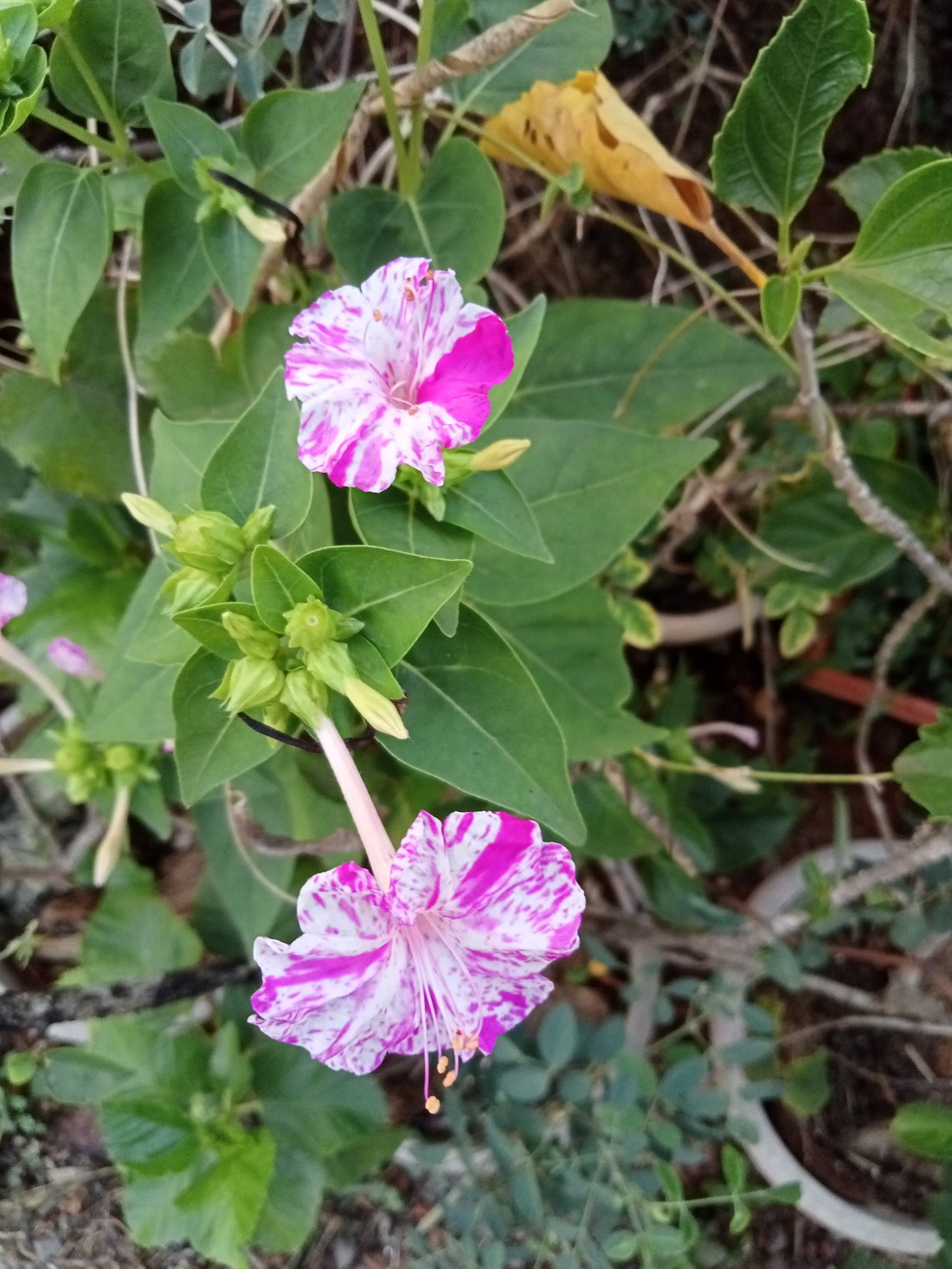
7. Four O’Clocks (Mirabilis jalapa):

Colorful flowers that open in the late afternoon and emit a delightful, sweet fragrance in the evening hours.

8. Brahma Kamal (Saussurea obvallata):

A Himalayan flower that blooms only at night, emitting an exquisite fragrance, often considered divine.

9. Night-Blooming Water Lily (Nymphaea odorata):

Elegant white and pink flowers that bloom at night, perfuming the air around ponds and water gardens.

10. Nicotiana (Nicotiana alata):

Tubular, trumpet-shaped flowers that release a sweet, pleasant fragrance in the evening, attracting night-pollinating moths.

11. Angel’s Trumpet (Brugmansia suaveolens):

Large, pendulous flowers with an intoxicating fragrance that intensifies in the evening, attracting night pollinators.

12. Night-Scented Stock (Matthiola longipetala):

Tiny, delicate flowers that emit a rich, spicy fragrance in the evening, making them ideal for fragrant borders or containers.

13. Night-Blooming Orchid (Brassavola nodosa):

Fragrant white flowers that bloom exclusively at night, offer a captivating aroma.

14. Dragon Fruit (Hylocereus spp.):

These cactus flowers bloom at night, showcasing large, stunning blossoms that give way to delicious, edible fruits.

15. Night-Blooming Cactus (Selenicereus grandiflorus):

Large, showy flowers that bloom spectacularly at night, often filling the garden with their sweet fragrance.

Conclusion

As the sun sets and the night garden awakens, it’s a time of wonder and discovery. Night-blooming plants, with their mysterious allure, beckon us to slow down, appreciate nature’s secrets, and revel in the ephemeral beauty that adorns the darkness.

Night-blooming plants offer a symphony of colors, shapes, and fragrances, creating a magical ambiance in gardens after twilight. Whether for their captivating scents or captivating blooms, they truly shine when the sun sets, making them a delightful addition to nocturnal landscapes. Their delicate blossoms, intoxicating scents, and elusive beauty create an ethereal experience, inviting us to appreciate nature’s magic under the moonlit sky.

Happy Gardening!

Blooming Wonders: Winter Flowering Bulbs to Brighten Your Garden!

Introduction

As the temperatures drop and frost decorates your windows, don’t let your garden fade into the gloom of winter. Instead, embrace the charm of winter flowering bulbs! In this article, we’ll explore the different types of winter flowering bulbs that can brighten your garden during the cold season. From cheerful daffodils to fragrant hyacinths, we’ll take you on a journey of discovery. So, let’s unwrap the world of winter flowering bulbs and make your garden burst into colors, transforming the cold season into a spectacle of blooms.

1. Daffodils (Narcissus):

Daffodils, also known as Narcissus, herald the arrival of spring with their sunny disposition. These resilient and cheerful flowers boast vibrant hues of yellow, orange, and white, painting the landscape with their trumpet-shaped blooms. Symbolizing new beginnings, daffodils bring an air of joy and optimism to gardens, showcasing their beauty as they dance in the early spring breeze. Their delicate fragrance and timeless elegance make them a beloved emblem of renewal and hope.

2. Iris:

Iris stands as a symbol of sophistication and grace in the floral world. With its distinctive sword-like foliage and captivating blooms in an array of colors, from royal purples to vibrant blues and sunny yellows, the iris exudes elegance. Delighting the senses with its subtle fragrance, this perennial beauty adds an aura of refinement to gardens, captivating admirers with its intricate, ruffled petals. As a harbinger of winter, the iris remains an enduring emblem of beauty and admiration.

3. Freesia:

Freesias enchant with their delicate, funnel-shaped blossoms and a fragrance that captivates the senses. These blooms, available in a spectrum of hues spanning from soft pastels to vibrant reds and yellows, exude elegance. Often gracing gardens with their sweet perfume, freesias bring a touch of romance and charm to floral arrangements. Their slender stems and graceful appearance make them a beloved choice for adding both beauty and fragrance to gardens and bouquets alike.

4. Crocus:

Crocuses, the heralds of winter, emerge as a delightful burst of color in the winter chill. These hardy blooms, appearing in shades of purple, yellow, and white, blanket gardens with their slender petals. Symbolizing renewal and youthful joy, crocuses peek through the thawing ground, offering a vibrant display that signals the changing seasons. Their early arrival and cheerful demeanor make them a cherished sight, bringing hope and warmth to the awakening garden.

5. Gladiolus:

Standing tall and stately, the gladiolus commands attention with its impressive spikes of blossoms. With a diverse color palette ranging from fiery reds to gentle pinks, warm orange to joyous yellow, serene whites to double colors these blooms capture the essence of elegance. Often associated with strength and sincerity, the gladiolus stands as a symbol of remembrance and infatuation. These striking flowers, adored for their graceful form and vibrant hues, create stunning floral arrangements and add a touch of grandeur to gardens.


Similar Posts


6. Ixia:

Ixia, known for its star-shaped flowers, graces gardens with its dainty and captivating presence. Displaying a range of colors from soft pastels to bold hues, these charming blooms add a touch of whimsy to floral landscapes. Ixias thrive in winter, creating a charming display in gardens or containers. Their slender stems and intricate petals create a delicate yet enchanting sight, charming onlookers with their elegance. Ixias, with their delightful appearance and effortless grace, contribute a touch of ethereal beauty to gardens and bouquets alike.

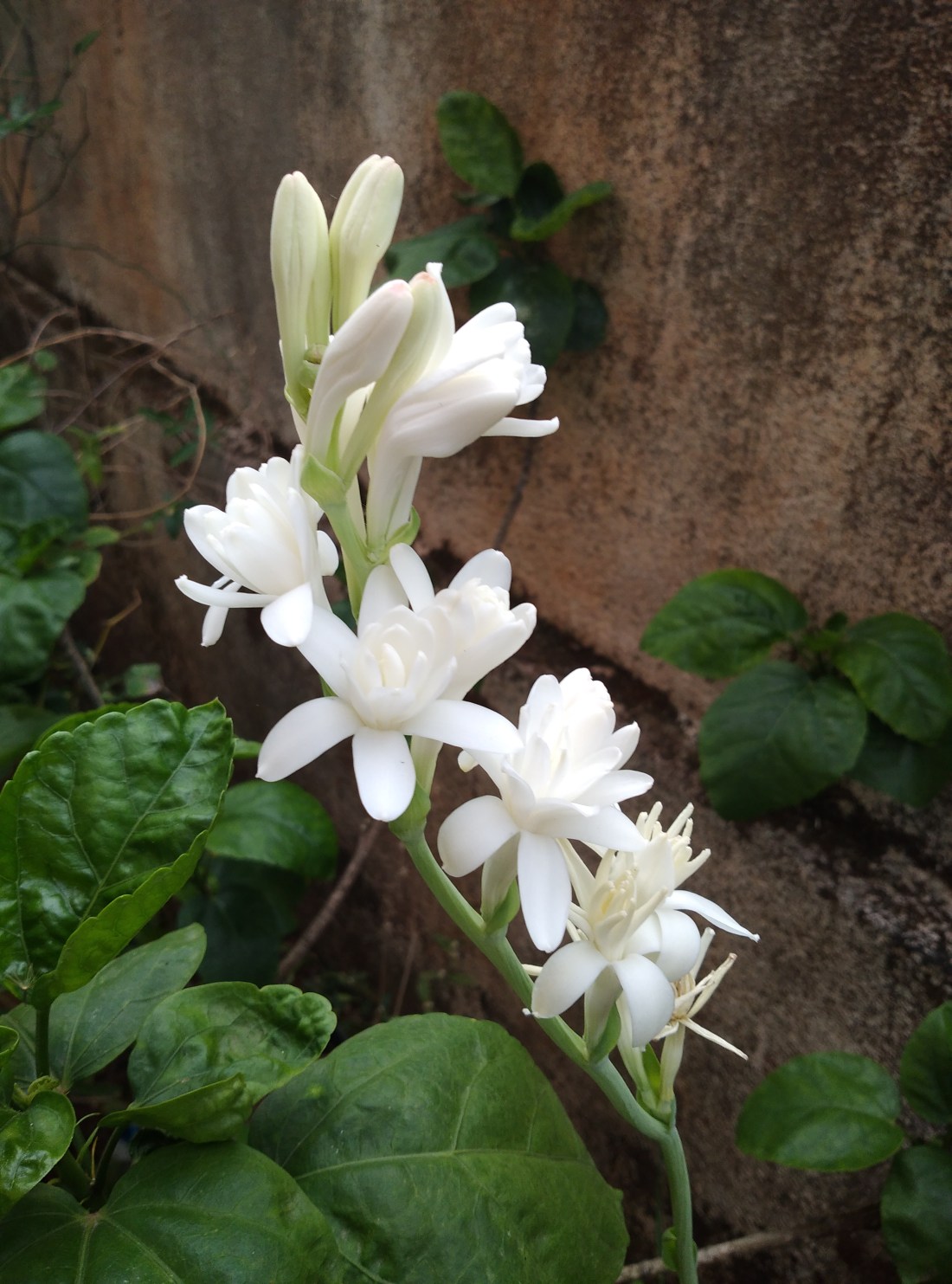
7. Rajanigandha (Tuberose):

Rajanigandha, or the tuberose, enthralls with its intense and intoxicating fragrance. Its slender, ivory-white blooms evoke an aura of purity and grace. Often sought after for their captivating scent, these flowers bring a sense of serenity and allure to gardens and floral arrangements. With their elegant appearance and powerful fragrance, rajanigandha remains a beloved choice for adding a touch of exotic charm to the surroundings.

8. Hyacinth:

Hyacinths captivate with their clusters of fragrant, bell-shaped flowers that herald the arrival of spring. These blooms, available in an array of colors like deep purples, soft pinks, and vibrant blues, infuse the air with their sweet aroma. Symbolizing sincerity and playfulness, hyacinths adorn gardens with their vibrant hues and rich fragrance. Their compact clusters and delightful scent make them a cherished choice for adding charm and fragrance to winter gardens.

9. Ranunculus:

Ranunculus, resembling delicate roses, dazzle with their layers of paper-thin petals and vibrant hues. Available in a spectrum of colors like velvety reds, creamy whites, and cheerful yellows, these blooms radiate elegance. Symbolizing charm and attractiveness, ranunculus graces gardens with their exquisite, intricate blooms. Their striking appearance and abundance of petals make them a sought-after choice for adding a touch of romance to floral displays and gardens alike.

10.Tulip:

Tulips, queen of winter, paint landscapes with their vivid and diverse array of colors. From bold reds to delicate pastels, these blooms captivate with their simple yet enchanting petals. Symbolizing perfect love and elegance, tulips grace gardens with their graceful stems and charming blossoms. Their iconic presence and breathtaking variety make them a timeless favorite, adding a dash of elegance to spring gardens and floral arrangements.

11. Allium:

Alliums, with their spherical clusters of flowers atop slender stems, bring whimsy and charm to gardens. These blooms, available in various sizes and shades, from soft purples to dazzling whites, create an eye-catching display. Symbolizing unity and harmony, alliums add a unique architectural element to landscapes with their globe-like inflorescences. Their striking appearance and versatility make them a beloved choice for adding a touch of modern elegance to garden designs.

Conclusion

These winter flowering bulbs not only defy the cold but also provide an array of colors, scents, and textures, transforming the winter garden into a breathtaking paradise. From the regal blooms of daffodils and irises to the delicate fragrance of freesias and the early cheer of crocuses, these winter flowering bulbs collectively create a vibrant tapestry of colors, scents, and symbolism. Each bulb, from the majestic gladiolus to the charming ixia and beyond, brings its unique allure to gardens, enhancing the atmosphere with elegance and grace. Embracing the essence of renewal and charm, these bulbs not only transform landscapes but also evoke sentiments of hope, love, and joy. Planting these diverse bulbs doesn’t just infuse beauty into gardens; it celebrates nature’s resilience and invites the spirit of winter into our lives, renewing our appreciation for the wonder of the seasons.

Happy Gardening!

Blooming Brilliance: A Comprehensive Guide to Growing Crossandra Flowers in Your Garden!

Introduction

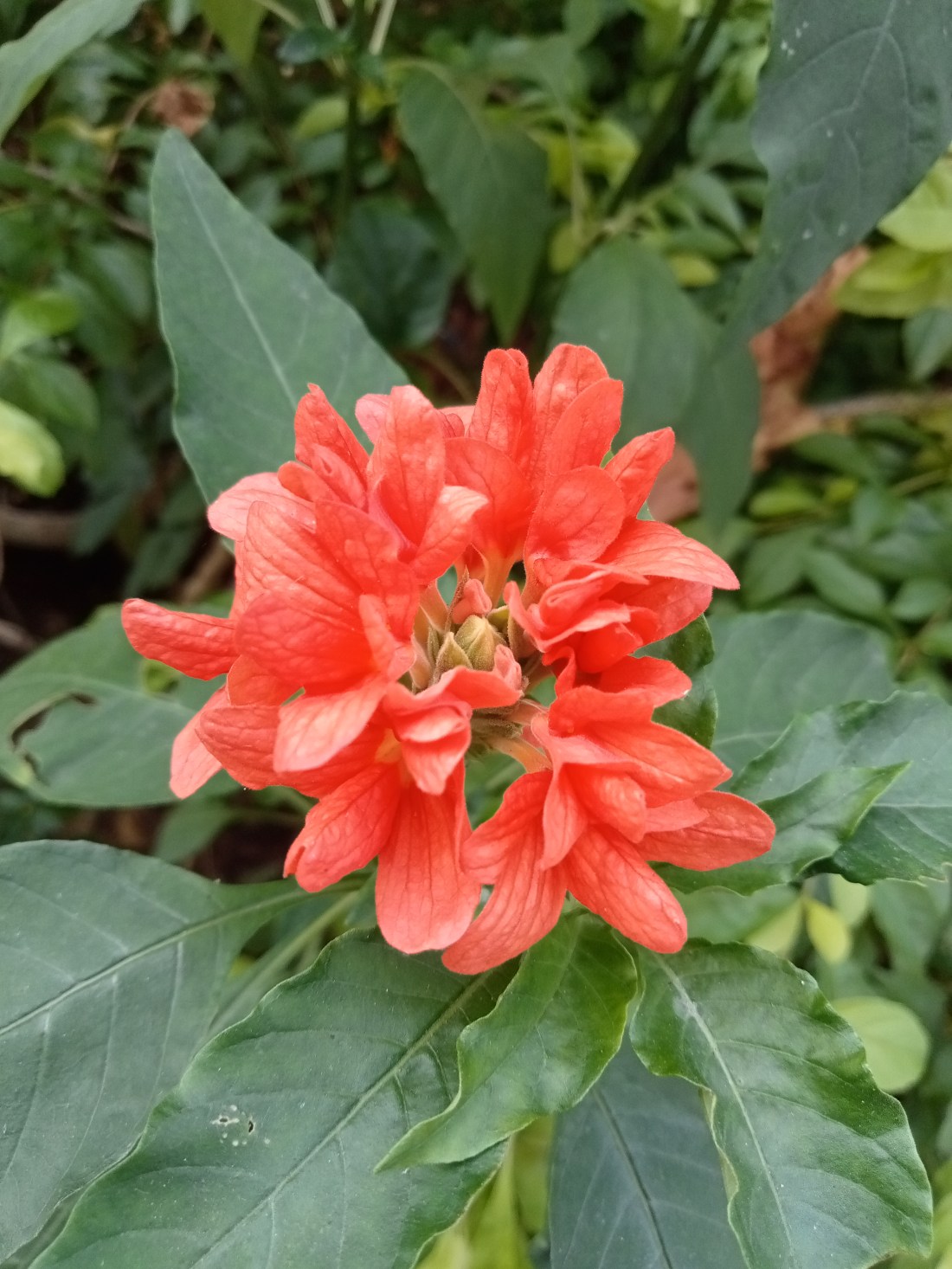
Crossandra flowers, also known as firecracker flowers or Crossandra infundibuliformis, are tropical delights that can bring vibrant splashes of color to your garden. Known for their striking blooms and easy maintenance, cultivating Crossandras can add an exotic touch to your outdoor space. Here’s a detailed guide to growing these stunning flowers in your garden.

1. Choosing the Right Location:

Select a spot in your garden that receives partial shade to full sun, providing adequate warmth and sunlight for Crossandra growth. Ensure the area has well-draining soil, as these flowers thrive in moist but not waterlogged conditions.

2. Planting Crossandra Flowers:

Crossandras can be grown from cuttings or from seeds or you can buy a rooted plant from nursery. When planting Crossandras, space them out accordingly, allowing enough room for growth. Dig a hole slightly larger than the root ball, gently place the plant, and cover the roots with soil. After planting, it is important to water the area thoroughly to help the roots establish properly.

3. Soil and Watering Needs:

Crossandra plants prefer slightly acidic to neutral soil. Regular watering is essential, especially during dry spells, but be cautious not to overwater as it can lead to root rot. Mulching is an effective way to trap moisture in soil and keep soil temperature stable.

4. Fertilization and Maintenance:

Use a balanced fertilizer or one specifically formulated for flowering plants during the growing season to encourage robust blooms. Prune the plants after flowering to maintain their shape and remove any dead or damaged growth.

5. Protecting from Pests and Diseases:

Monitor for common pests like aphids or whiteflies and treat them promptly to prevent infestations. Crossandras are generally resilient but keeping an eye out for signs of diseases such as root rot or fungal infections is crucial for their health.

6. Propagation and Division:

You can propagate Crossandras by taking stem cuttings or dividing mature plants. Root the cuttings in a well-draining potting mix and keep them in a warm, humid environment until they develop roots. While planting cuttings, ensure that at least two nodes of the plants are properly covered with soil, as the roots develop from these nodes. You can also keep the mature cuttings in water for a few days to allow the roots to grow before planting them in soil.

7. Enjoying the Blooms:

With proper care, Crossandra plants will reward you with stunning clusters of fiery-colored flowers throughout the growing season. These blooms not only add visual appeal but also attract pollinators like butterflies and bees to your garden.

8. Winter Care:

In colder climates, consider bringing potted Crossandras indoors during winter or providing a protective covering for outdoor plants to shield them from frost damage.


Similar Posts


Benefits Of Growing Crossandra

Crossandra are tropical wonders with multifaceted importance. Their significance transcends horticulture, culture, and traditional medicine, making them intriguing plants worth exploring.Here are some benefits of growing crossandra.

1. Ornamental Marvels:

Renowned for their vibrant hues of red, orange, and yellow, Crossandras are prized for their striking flowers. They’re coveted additions to landscapes and potted arrangements, elevating gardens and indoor spaces with their vivid beauty.

2. Cultural and Religious Ties:

In various cultures, Crossandras are entwined with rituals and ceremonies. For instance, they hold significance in Hindu religious practices and are offered in worship to deities.

3. Medicinal Properties:

Certain parts of the Crossandra plant, notably the leaves, have been historically used in traditional medicine. They’re believed to possess medicinal properties, aiding in treating skin disorders and digestive issues.

4. Pollinator Magnets:

These flowers act as nectar sources, drawing in vital pollinators like butterflies and bees. Their role in plant pollination supports the health of ecosystems.

5. Landscape Versatility:

Valued for their resilience in diverse climates, Crossandras are favored in landscape design. They’re utilized to craft vibrant, low-maintenance garden beds and borders.

6. Symbolic Significance:

Crossandras are often associated with traits like warmth, vibrancy, and passion due to their fiery blooms. This symbolism makes them ideal for expressing specific emotions in floral arrangements.

7. Botanical Intrigue:

Of botanical interest, Crossandras captivate scientists for their unique flower structure and classification within the Acanthaceae family. Their genetic diversity and adaptability to different environments make them subjects of scientific study.

Crossandra flowers are a tapestry of cultural, medicinal, and horticultural significance. Their diverse roles in various contexts showcase their multifaceted nature, making them fascinating subjects that weave through the realms of art, tradition, and science.

Conclusion

Growing Crossandra flowers can be a rewarding experience, adding tropical allure and vibrant colors to your garden. With the right care and attention, these resilient plants can thrive, bringing joy and beauty to your outdoor space throughout the year.

Happy Gardening!