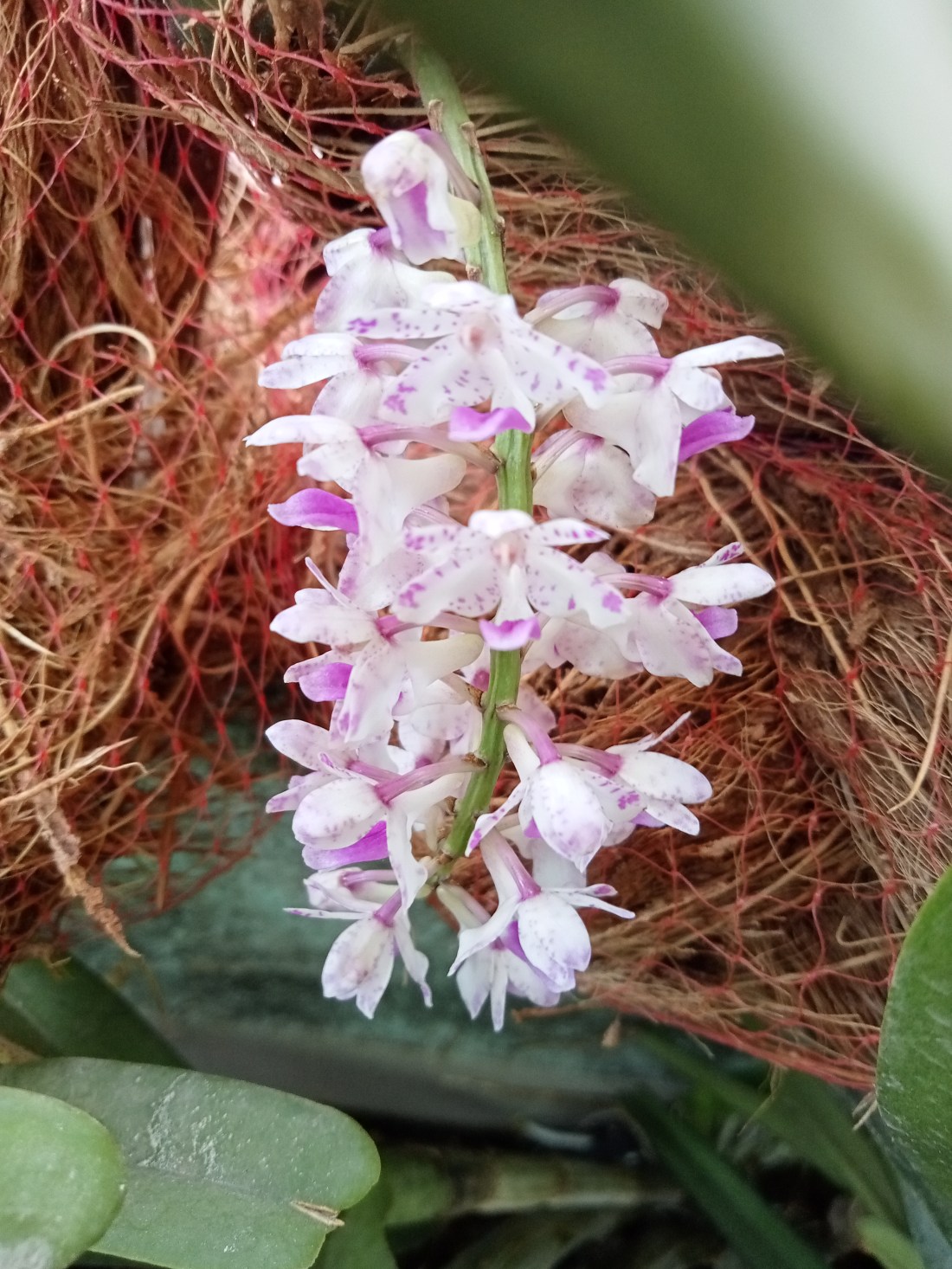
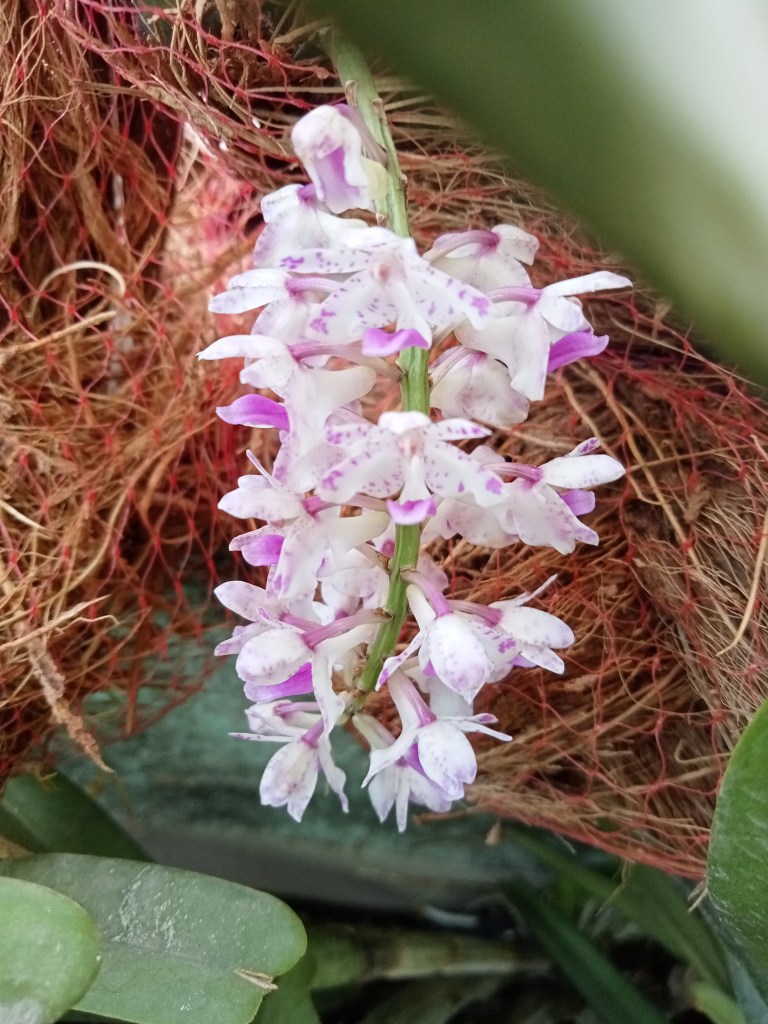
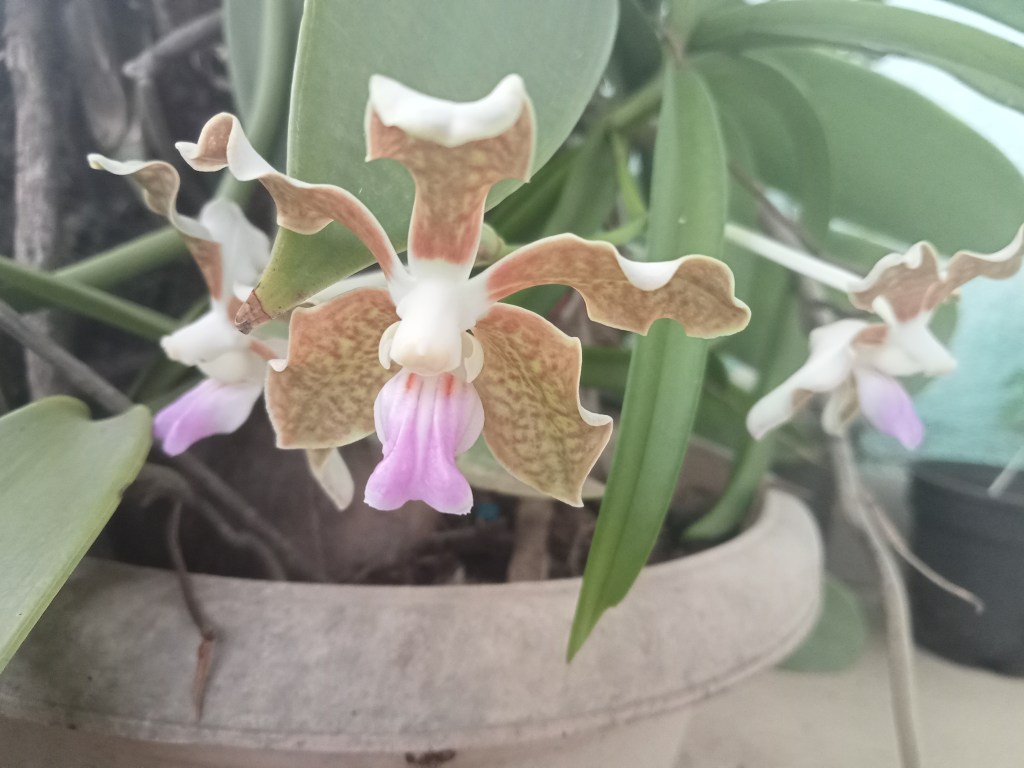
How to Hydrate Your Vandas and Rhynchostylis: Tips for Thriving Orchids!

Introduction

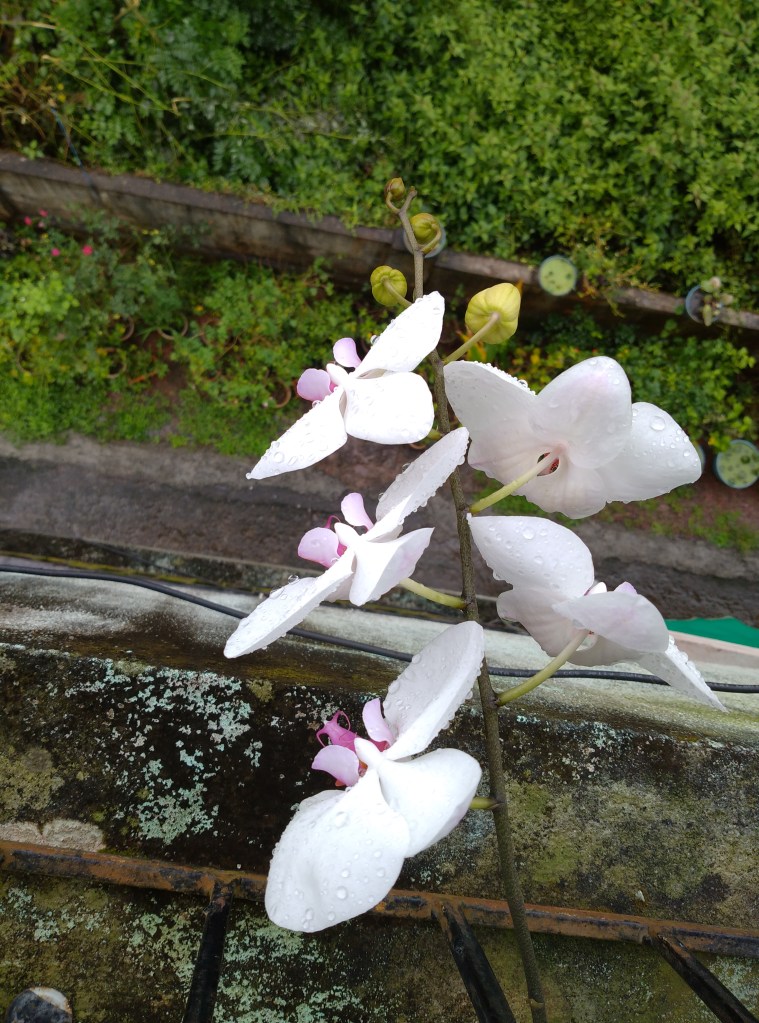
Vandas and Rhynchostylis are two stunning orchid genera that, when properly cared for, can be the showstoppers of any plant collection. One of the key aspects of their care is maintaining proper hydration. These epiphytic orchids thrive in high humidity and require specific watering techniques to stay healthy and vibrant. This guide will cover everything you need to know about hydrating your Vandas and Rhynchostylis to ensure they flourish.

Understanding Vandas and Rhynchostylis

Vandas and Rhynchostylis orchids are known for their striking flowers and robust growth habits. They typically grow in medium light and require frequent watering, especially when in bloom. Unlike many other orchids, they can be grown in open baskets without any potting medium, relying on frequent watering and high humidity to meet their hydration needs.

Essential Hydration Tips

1. Watering Frequency

For Vandas and Rhynchostylis, it’s crucial to maintain a consistent watering schedule. Since these orchids are often grown without any potting medium, their roots are exposed and can dry out quickly. Here’s how to manage their watering needs effectively:

Daily Watering: During the warmer months or active growth periods, water your orchids daily. This frequent watering ensures the roots remain hydrated without becoming waterlogged.

Increased Watering During Blooming: When your orchids are in bloom, they require slightly more moisture. Ensure the roots and leaves are kept slightly more moist than usual to support the flowers’ development and longevity.

2. Humidity Maintenance

Maintaining adequate humidity is vital for the health of Vandas and Rhynchostylis. These orchids thrive in environments with high humidity levels, which helps prevent their exposed roots from drying out too quickly.

Ideal Humidity Levels: Aim for 80% humidity for most of the year. During winter and early spring, you can reduce humidity slightly to 70-75%.

Humidity Trays: Place your orchids on a tray filled with gravel and partially filled with water. As the water evaporates, the humidity around the plants increases.

3. Light and Placement

Light is another critical factor for the health of your orchids. Vandas and Rhynchostylis need medium light to thrive but should be protected from direct sunlight, which can scorch their leaves.

Indirect Sunlight: Hang your orchids in an area where they receive bright, indirect light. An east or west-facing window is ideal, or you can place them under a shade cloth outdoors.

Air Circulation: Ensure there is good air circulation around your plants. This helps prevent fungal infections and keeps the roots healthy.


Similar Posts


4. Watering Techniques

Proper watering techniques can make a significant difference in the health of your orchids. Here are some simple steps to keep your orchids moist:

Soaking Method: When watering, ensure that water thoroughly soaks the roots. You can submerge the entire root system in water for a few minutes and then let it drain completely.

Spraying Method: Use a spray bottle to mist the roots and leaves daily. This method is particularly effective for orchids grown in open baskets or mounted on slabs.

Avoid Standing Water: Ensure that the roots dry quickly after watering to prevent rot. Orchids should not sit in standing water for extended periods.

5. Fertilization

Regular fertilization supports healthy growth and blooming. Use a balanced orchid fertilizer to provide the necessary nutrients.

Year-Round Fertilization: Fertilize your Vandas and Rhynchostylis year-round. During the active growth period, use a higher nitrogen fertilizer. Switch to a balanced or bloom-boosting fertilizer when the plants are in bloom.

Diluted Solutions: Always use diluted fertilizer solutions to avoid burning the roots. A weak weekly solution or a more concentrated monthly application works well.

Simple Self Tips for Orchid Care

To summarize, here are some simple self-care tips to keep your Vandas and Rhynchostylis healthy and blooming:

Daily Watering: Ensure daily watering, especially in the absence of a potting medium. This keeps the roots hydrated and healthy.

Indirect Sunlight:Hang your orchids in an area with indirect sunlight to prevent leaf burn and promote healthy growth.

Humidity Control: Maintain high humidity levels around your plants. Use humidity trays or place them above water containers to provide the necessary moisture.

Proper Air Circulation: Good air circulation is crucial to prevent fungal diseases and support overall plant health.

Regular Fertilization: Fertilize consistently to provide the nutrients needed for robust growth and beautiful blooms.

Conclusion

Hydrating your Vandas and Rhynchostylis properly is essential for their health and vitality. By maintaining a consistent watering schedule, ensuring high humidity levels, providing adequate light, and using proper fertilization techniques, you can enjoy these stunning orchids’ lush growth and vibrant blooms. Remember to adapt your care routine based on the season and your specific growing conditions to keep your orchids thriving year-round. Happy growing!

Happy Gardening!
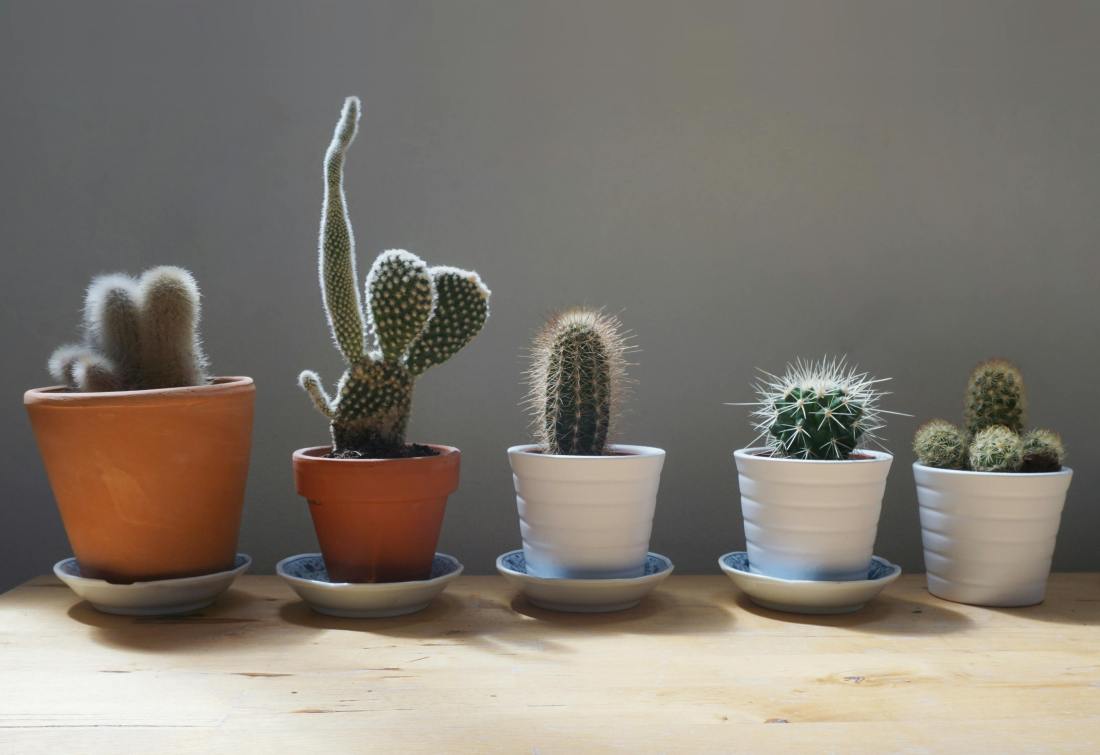
A Beginner’s Guide to Growing Cacti!

Introduction:

Cacti are iconic symbols of arid landscapes, renowned for their unique appearance, low maintenance requirements, and resilience in challenging environments. Whether you’re a seasoned gardener or new to gardening, cultivating cacti can be a fulfilling experience. In this comprehensive guide, we’ll explore everything you need to know about growing and caring for cacti, from selecting the right species to providing optimal growing conditions and essential maintenance tips.

Understanding Cacti:

Before diving into the care and cultivation of cacti, it’s essential to understand the characteristics and requirements of these succulent plants. Cacti belong to the family Cactaceae and are known for their fleshy stems, spines, and unique growth habits. These plants have evolved to thrive in dry, desert-like conditions, storing water in their tissues to survive periods of drought.

Selecting the Right Species:

With thousands of cactus species to choose from, selecting the right plants for your garden or indoor space can seem daunting. Consider factors such as growth habit, size, and appearance when choosing cacti for your collection. Some popular species for beginners include the Golden Barrel Cactus (Echinocactus grusonii), Bunny Ear Cactus (Opuntia microdasys), and Christmas Cactus (Schlumbergera truncata).

Providing Optimal Growing Conditions:

Cacti thrive in bright, indirect light and well-draining soil. Choose a location with plenty of sunlight, such as a south-facing window or a sunny outdoor spot. Avoid placing cacti in direct sunlight for extended periods, as this can cause sunburn and damage the plant tissue. Use a specialized cactus or succulent potting mix that provides excellent drainage to prevent waterlogging and root rot.

Watering Wisely:

One of the most critical aspects of caring for cacti is proper watering. While these plants are adapted to dry conditions, they still require periodic watering to thrive “It is crucial to ensure that the soil dries out completely before watering. Water the plant thoroughly until excess water drains from the bottom of the pot. During the dormant season, reduce watering frequency to mimic the plant’s natural growth cycle.


Similar Posts:


Fertilizing Sparingly:

Cacti have relatively low nutritional requirements and can thrive in nutrient-poor soils. Fertilize your plants with a balanced water-soluble fertilizer diluted to half strength, sparingly during the growing season. Apply fertilizer once every 4-6 weeks to provide essential nutrients without risking overfertilization. Avoid fertilizing during the dormant season, as this can stimulate unwanted growth.

Avoiding Common Pitfalls:

While cacti are relatively low maintenance, they are susceptible to a few common issues that can impact their health and appearance. Overwatering is the most common cause of cactus problems, leading to root rot and fungal diseases. Ensure that your cacti are planted in well-draining soil and water them only when necessary. Additionally, watch for signs of pests such as mealybugs, spider mites, and scale insects, and treat infestations promptly with insecticidal soap or neem oil.

Practicing Proper Maintenance:

Regular maintenance is essential for keeping your cacti healthy and vibrant. Remove dead or damaged growth with clean, sharp pruning shears to promote new growth and maintain the plant’s shape. Inspect your cacti regularly for signs of stress, disease, or pest infestations, and take appropriate action to address any issues that arise.

Conclusion:

Caring for cacti can be a rewarding and enjoyable experience, allowing you to cultivate beautiful and resilient plants with minimal effort. By understanding the unique characteristics and requirements of cacti, selecting the right species, providing optimal growing conditions, and practicing proper maintenance, you can create a stunning cactus collection that thrives for years to come. With a little knowledge and care, you’ll be well on your way to becoming a successful cactus gardener.

Happy Gardening!

Exploring Different Types of Money Plants and Their Benefits!

Introduction

Money plants, also known as Epipremnum aureum or Pothos, are popular houseplants cherished for their attractive appearance and reputed positive effects on the environment and well-being. These plants are not only easy to care for but also come in various types, each with its unique characteristics and benefits. In this article, we will delve into the different types of money plants and explore the advantages they offer.

Golden Pothos (Epipremnum aureum)

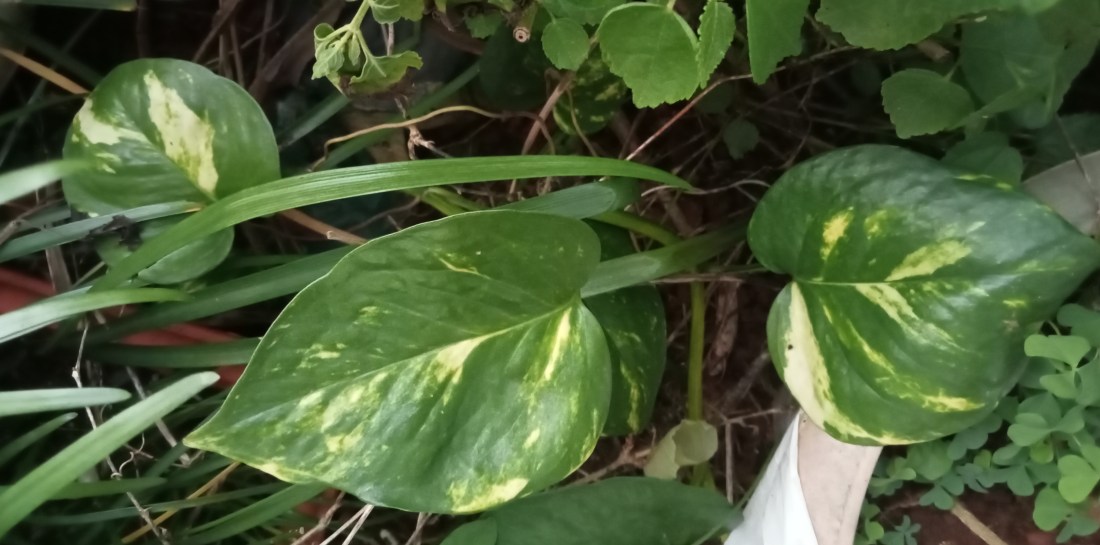
Golden Pothos, often referred to as Devil’s Ivy, is one of the most recognizable and widely cultivated money plant varieties. This plant features heart-shaped, green and golden variegated leaves that are not only visually appealing but also help purify indoor air.

Some of the benefits of having Golden Pothos include:

Air Purification: Golden Pothos is an excellent air purifier, removing toxins like formaldehyde and benzene from the air, thus improving indoor air quality.

Low Maintenance: This variety is easy to care for, making it an ideal choice for beginners or busy individuals.

Feng Shui: Golden Pothos is believed to attract positive energy and financial prosperity according to Feng Shui principles.

Easy Propagation: Golden Pothos is easy to propagate through cuttings in water or soil, making it a great plant for beginners.

Marble Queen Pothos

Marble Queen Pothos is another stunning money plant variant known for its distinctive marbled white and green leaves. It shares many benefits with Golden Pothos, such as air purification and low maintenance. However, its elegant appearance adds a touch of sophistication to any space.

Here are some key features and care tips for Marble Queen Pothos:

Light Requirements: Marble Queen Pothos thrives in bright, indirect light but can tolerate lower light conditions.

Variegation: Its marbled leaves make it a visually appealing choice for home decor.

Low Maintenance: Like other Pothos varieties, it’s easy to care for.

Neon Pothos

Neon Pothos is a vibrant and eye-catching money plant variety. Its bright, fluorescent green leaves are sure to be a focal point in any room. Besides its striking appearance, Neon Pothos offers similar benefits to other Pothos varieties, including air purification and ease of care.

Jade Pothos

Jade Pothos is recognized by its rich, deep green leaves with creamy white or yellow streaks. This type of money plant is not only aesthetically pleasing but also contributes to a healthier living environment.

The benefits of having a Jade Pothos include:

Improved Air Quality: Jade Pothos helps eliminate indoor air pollutants, making it an excellent addition to homes and offices.

Prosperity Symbol: In Chinese culture, the Jade Pothos is considered a symbol of wealth and good fortune.


Similar Posts


Silver Pothos

Silver Pothos stands out due to its striking silver or gray-green leaves. Like its counterparts, it offers advantages such as air purification and minimal care requirements. Its unique coloration adds a touch of elegance and sophistication to any interior.

Key features and benefits of Silver Pothos

Light: Thrives in moderate to bright indirect light.

Foliage: The silver variegation sets it apart from other Pothos types.

Low Maintenance: Perfect for beginners.

Manjula Pothos

Manjula Pothos is characterized by its variegated leaves featuring creamy-white, green, and silvery-gray hues. This money plant variety combines the beauty of its foliage with air-purifying qualities and easy maintenance. Having Manjula Pothos in your living space not only enhances its visual appeal but also contributes to a healthier atmosphere.

Air Quality: Contributes to better indoor air quality by filtering out toxins.

Care: Maintain moderate humidity and water when the topsoil dries out.

Benefits of Money Plants

Now that we’ve explored various types of money plants, let’s dive deeper into the common benefits they offer:

Air Purification:

Money plants are renowned for their ability to filter indoor air by removing harmful pollutants such as formaldehyde, benzene, and xylene. This purification process leads to improved air quality, making them excellent choices for homes and offices.

Low Maintenance:

Money plants are extremely forgiving when it comes to care. They can thrive in a variety of lighting conditions, tolerate irregular watering, and are generally pest-resistant. This makes them ideal for individuals with busy lifestyles or those new to plant care.

Positive Energy:

In Feng Shui and some other belief systems, money plants are considered to attract positive energy and financial prosperity. Placing these plants in specific areas of your home or workspace may enhance your overall well-being and luck.

Aesthetic Appeal:

With their diverse leaf shapes and colors, money plants are not only beneficial but also visually pleasing. They can complement various interior design styles and add a touch of nature’s beauty to your surroundings.

Conclusion

Money plants, in their various forms, offer a multitude of benefits ranging from air purification to aesthetic enhancement and positive energy attraction. Whether you choose the classic Golden Pothos, the elegant Marble Queen, the vibrant Neon Pothos, or any other variant, incorporating these plants into your living or working space can greatly improve your environment and well-being. Their low maintenance requirements make them accessible to everyone, regardless of their gardening experience. So, why not bring a touch of greenery and prosperity into your life by welcoming a money plant into your home or office?

Happy Gardening!

Terrarium Gardening: A Miniature Oasis of Greenery for Your Home!

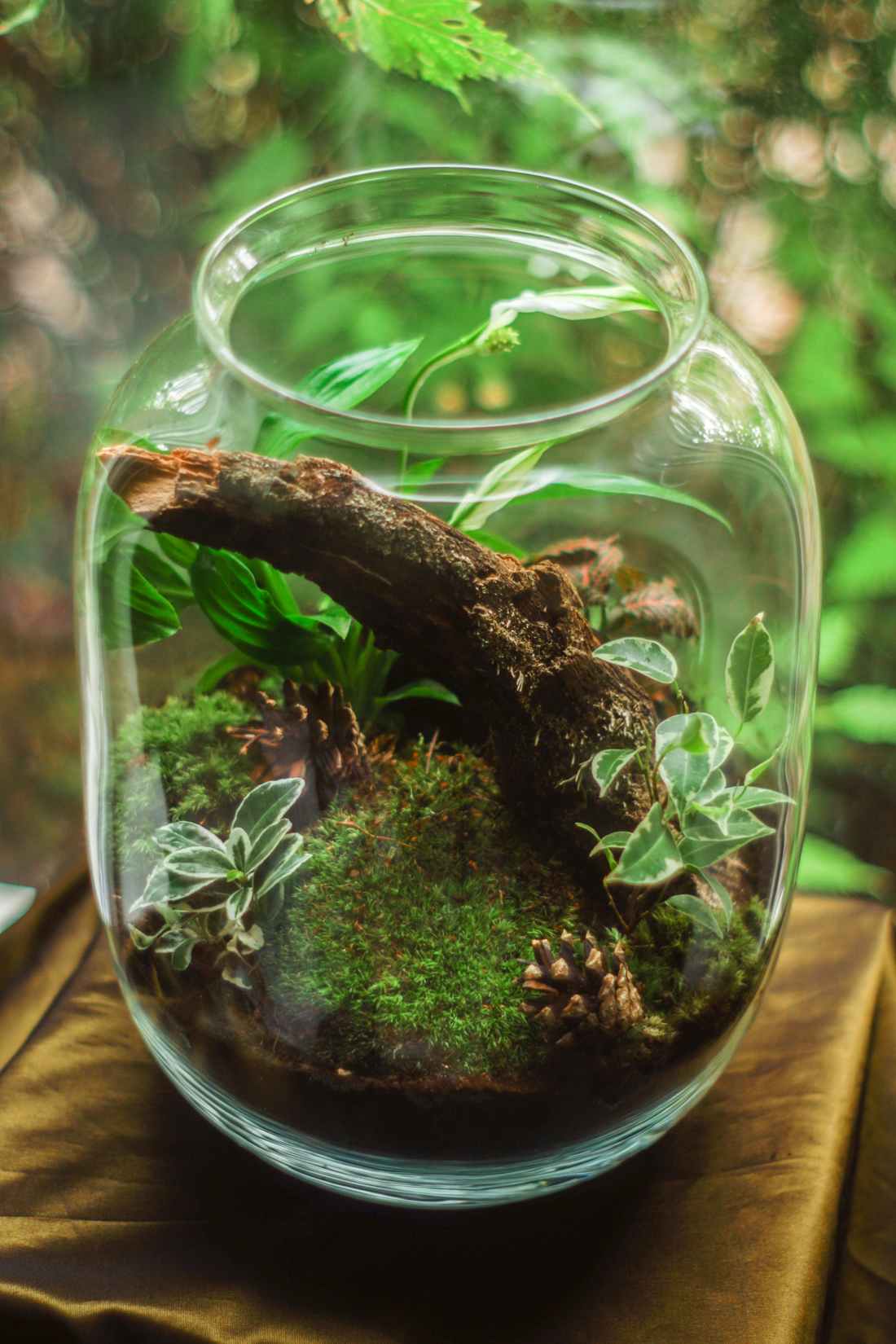
In today’s fast-paced world, people are constantly seeking ways to bring nature closer to their lives, even when space and time are limited. Terrarium gardening has emerged as a charming solution, allowing you to create a captivating, miniature ecosystem right in your own home. In this article, we’ll explore the art of terrarium gardening, its benefits, and how to create your own stunning terrarium.

The Enchantment of Terrariums

Terrariums are like small, self-contained worlds enclosed within glass containers. These enchanting miniature gardens are captivating not only for their beauty but also for the sense of tranquility they bring. Whether you’re a seasoned green thumb or a novice gardener, terrariums are the perfect way to indulge your love for plants in a compact and manageable space.

Benefits of Terrarium Gardening

1. Low Maintenance

Terrariums are exceptionally low-maintenance compared to traditional outdoor gardens. With their enclosed environment, they require minimal attention and watering. In fact, many terrariums can thrive with just a monthly watering, making them ideal for individuals with busy lifestyles.

2. Year-Round Greenery

Terrariums allow you to enjoy lush greenery year-round, regardless of the season or climate. This is especially appealing to those living in regions with harsh winters or dry summers.

3. Stress Reduction

Studies have shown that indoor plants, including those in terrariums, can reduce stress and promote relaxation. The act of caring for your tiny ecosystem can provide a soothing and rewarding escape from the stresses of daily life.

4. Space-Saving

Terrariums are perfect for those with limited living space. They can be placed on tabletops, windowsills, or even hung from the ceiling, adding a touch of nature to any room without taking up much space.

5. Creativity Unleashed

Creating a terrarium allows you to unleash your creativity. You can personalize your mini garden with various plants, decorative elements, and themes, making each terrarium a unique work of art.


Similar Posts


Building Your Terrarium

Now that you’re excited about the prospect of having your own mini garden, let’s get into the steps of building your terrarium:

Materials You’ll Need:

  • A glass container or jar with a lid or cork stopper.
  • Small pebbles or gravel for drainage.
  • Activated charcoal (available at garden centers) to prevent mold and odors.
  • Potting soil appropriate for your chosen plants.
  • Various small plants are suitable for terrariums (succulents, air plants, ferns, and moss are popular choices).
  • Decorative elements like small figurines, stones, or miniature furniture (optional).
  • Long-handled tweezers or chopsticks for arranging and planting.

Step-by-Step Guide:

  1. Start by placing a layer of small pebbles or gravel at the bottom of your glass container to create a drainage layer. This helps prevent root rot by allowing excess water to collect at the bottom.
  2. Add a thin layer of activated charcoal over the pebbles. This acts as a natural filter, purifying the air inside the terrarium and preventing unpleasant odors.
  3. On top of the charcoal, spread a layer of potting soil. The depth will depend on the size of your container and the types of plants you’re using. Generally, you want enough soil to accommodate the root systems of your chosen plants.
  4. Plant your chosen plants in the soil with caution. Use the long-handled tweezers or chopsticks to position them as desired. Be mindful of the size of your container; overcrowding can lead to plant competition for resources.
  5. Add any decorative elements you like. This is where your creativity can shine. Miniature figurines, small stones, or tiny furniture pieces can enhance the visual appeal of your terrarium.
  6. Water your terrarium sparingly. Overwatering can be a common mistake. Use a spray bottle to mist the soil and plants, or pour a small amount of water into the soil, being careful not to flood the container.
  7. Place the lid or cork stopper on your terrarium to create a closed environment. This will help maintain the humidity levels inside, ensuring that your plants thrive.

Maintaining Your Terrarium

To keep your terrarium healthy and thriving, follow these maintenance tips:

  • Monitor Moisture: Keep an eye on the moisture levels inside the terrarium. If you notice excessive condensation, remove the lid for a few hours to allow excess moisture to evaporate.
  • Trim and Prune: As your plants grow, you may need to trim and prune them to maintain the desired appearance and prevent overcrowding.
  • Rotate: Rotate your terrarium occasionally to ensure all sides receive adequate light and your plants grow evenly.
  • Fertilize Sparingly: Fertilize your terrarium sparingly, as the enclosed environment doesn’t require as much nutrients as outdoor gardens.

Conclusion

Terrarium gardening is a delightful hobby that brings nature’s beauty into your home while providing a sense of tranquility and creativity. Whether you’re a busy urbanite or a seasoned gardener, creating your own mini ecosystem is a rewarding and therapeutic experience. So, why not embark on this green journey and discover the enchanting world of terrariums today? Your miniature oasis of greenery awaits!

Happy Gardening!

A Comprehensive Guide to Successfully Growing Mushrooms at Home!

Introduction

Mushroom cultivation has gained immense popularity in recent years, as people have realized the nutritional and culinary benefits of these fungi. Whether you’re an aspiring home gardener or a seasoned horticulture enthusiast, growing mushrooms at home can be a rewarding and eco-friendly hobby. In this guide, we will delve into the step-by-step process of cultivating mushrooms, from selecting the right type to harvesting your own bountiful crop.

Choosing the Right Mushroom Variety

Before you embark on your mushroom cultivation journey, it’s crucial to select the right variety that suits your preferences and growing conditions. Popular options for home cultivation include Oyster, Shiitake, and White Button mushrooms. Research each type’s growth requirements, flavors, and uses to find the one that resonates with you.

Gathering Essential Supplies

Gathering the necessary supplies is the next step in your mushroom-growing venture. You’ll need items such as mushroom spawn (mycelium), a growing medium (substrate), containers, a misting spray bottle, and a clean, well-ventilated growing area. Remember, maintaining a sterile environment is crucial to preventing contamination.

Preparing the Substrate

The substrate serves as the nutrient-rich foundation for your mushrooms to grow. Common substrate materials include straw, sawdust, and various agricultural byproducts. Depending on the mushroom variety you’ve chosen, you might need to mix and sterilize the substrate before introducing the mycelium.

Inoculation and Colonization

Inoculation is the process of introducing mushroom mycelium to the prepared substrate. This can be done using spores or pre-colonized spawn. Once inoculated, the mycelium begins to colonize the substrate, spreading its network of fine threads. Maintain proper humidity and temperature during this phase to encourage healthy growth.

Creating the Right Environment

Different mushroom varieties require specific environmental conditions to thrive. Generally, mushrooms prefer a humid environment with consistent temperature levels. Providing indirect light can also stimulate growth. Regular misting helps maintain moisture levels, aiding in the development of fruiting bodies (mushroom caps).

Fruiting and Harvesting

As the mycelium colonizes the substrate, you’ll notice the formation of pin-like structures, which will develop into mature mushrooms. This is the fruiting stage. Maintain humidity and proper airflow to encourage the growth of these fruiting bodies. Once they reach the desired size, carefully pluck or cut them from the substrate. The best flavor and texture are ensured by timing the harvest correctly.

Post-Harvest Care

After harvesting, the substrate might have enough nutrients for subsequent flushes (additional rounds of mushroom growth). Some mushroom varieties can produce multiple flushes, increasing your yield. Between flushes, maintain the growing environment, adjust humidity, and check for any signs of contamination.


Similar Posts


Types Of Mushrooms

There are several types of mushrooms that can be grown at home, and they are typically cultivated using special mushroom growing kits or substrates. Some popular varieties that are suitable for home cultivation include:

1.         White Button Mushrooms (Agaricus bisporus):

These are the most commonly cultivated mushrooms worldwide and are great for beginners. They have a mild flavor and are versatile in cooking.

2.         Oyster Mushrooms (Pleurotus ostreatus):

Oyster mushrooms are known for their delicate taste and come in various colors, including white, gray, and pink. They’re relatively easy to grow and can produce multiple flushes.

3.         Shiitake Mushrooms (Lentinula edodes):

Shiitakes have a robust, earthy flavor and are popular in many cuisines. They require a bit more attention to growing conditions but are worth the effort.

4.         Lion’s Mane Mushrooms (Hericium erinaceus):

Lion’s Mane has a unique appearance, resembling white cascading icicles. It has a mild, seafood-like flavor and is believed to have potential health benefits.

5.         Maitake Mushrooms (Grifola frondosa):

Also known as “Hen of the Woods,” Maitake mushrooms have a distinctive layered appearance and a rich, earthy flavor.

6.         Enoki Mushrooms (Flammulina velutipes):

Enoki mushrooms have long, thin stems and a delicate taste. They are commonly used in Asian dishes.

7.         Morel Mushrooms (Morchella spp.):

Morels are highly prized for their nutty, earthy flavor. They can be more challenging to cultivate and are often found in the wild, but some efforts have been made to develop cultivation methods.

When growing mushrooms at home, it’s essential to follow proper sterilization techniques, maintain the right environmental conditions (humidity, temperature, light), and use the appropriate substrate (such as sawdust, straw, or grain) for the specific mushroom type you’re growing. Each mushroom variety has its preferences in terms of growing conditions, so it’s essential to do some research before starting your home mushroom cultivation project.

Conclusion

Growing mushrooms at home is an engaging and sustainable way to enjoy fresh, flavorful fungi in your culinary creations. With the right knowledge, supplies, and care, you can successfully cultivate various mushroom varieties year-round. Remember to choose the appropriate mushroom type, create a sterile environment, provide the right conditions for growth, and enjoy the fruits of your labor. Whether you’re a novice or an experienced cultivator, the journey of nurturing mushrooms from mycelium to harvest is a fulfilling experience that connects you with the wonders of nature.

Happy Gardening!

Discover 15 Low-Light Plants for Your Indoor Garden Oasis!

Indoor gardening is a rewarding and therapeutic hobby that allows you to bring a touch of nature into your living spaces. However, not every home has abundant natural light, which can make plant selection a bit challenging. But fear not! There is a diverse range of low-light plants perfectly suited for those dimmer corners of your home. In this article, we’ll introduce you to 15 low-light plants that thrive in indoor settings, adding beauty and tranquility to your living space.

1. Snake Plant (Sansevieria trifasciata)

The Snake Plant, also known as Mother-in-Law’s Tongue, is a hardy, low-maintenance plant that can tolerate low light conditions. Its striking upright leaves make it an attractive addition to any room.

2. Peace Lily (Spathiphyllum)

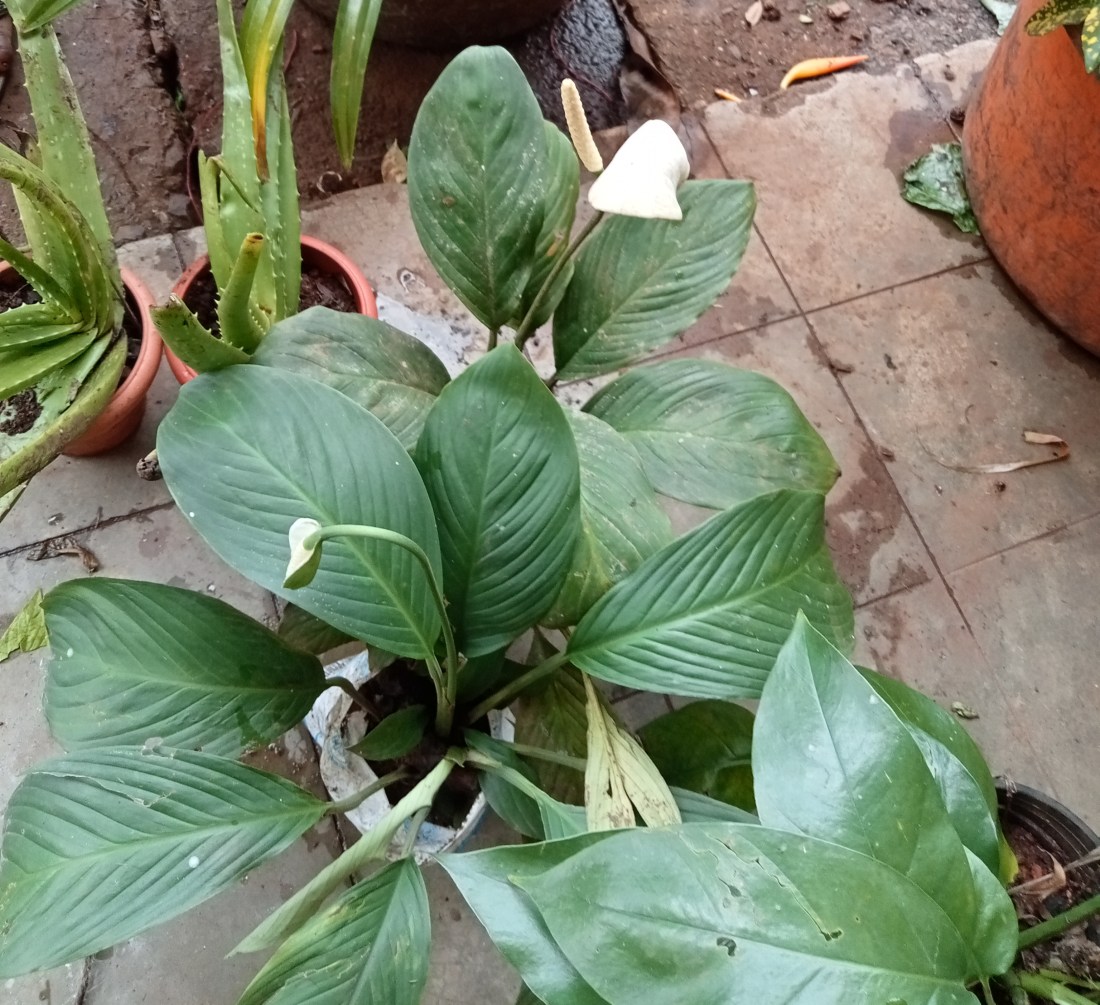
The Peace Lily is famous for its elegant white blooms and air-purifying properties. It’s well-suited for low light areas and can thrive in humid environments.

3. ZZ Plant (Zamioculcas zamiifolia)

The ZZ Plant is a robust plant with glossy, dark green leaves. It’s virtually indestructible and can thrive in very low light, making it a perfect choice for beginners.

4. Pothos (Epipremnum aureum)

Pothos is a popular trailing plant that can thrive in low to moderate light. Its variegated leaves add a pop of color to your indoor garden.

5. Cast Iron Plant (Aspidistra elatior)

As the name suggests, the Cast Iron Plant is incredibly resilient and can tolerate low light, neglect, and fluctuations in temperature. It’s an excellent choice for low-maintenance indoor gardening.

6. Chinese Evergreen (Aglaonema)

Chinese Evergreens come in various striking varieties, all of which are known for their adaptability to low-light conditions. They add a touch of elegance to your indoor garden.

7. Boston Fern (Nephrolepis exaltata)

Boston Ferns are classic indoor plants that can thrive in low to moderate light. Their lush, feathery fronds add a soft and refreshing ambiance to your space.

8. Spider Plant (Chlorophytum comosum)

The Spider Plant is renowned for its air-purifying qualities and can thrive in indirect light. It produces arching green and white striped leaves, making it an attractive choice.

9. Dracaena (Dracaena spp.)

Dracaenas are a diverse group of plants with various leaf colors and shapes. Many dracaena varieties, such as the Dragon Tree, can adapt to low light conditions.


Similar Posts


10. Parlor Palm (Chamaedorea elegans)

Parlor Palms are compact and elegant plants that can tolerate low light and dry indoor air. They’re perfect for adding a tropical touch to your space.

11. Peperomia (Peperomia spp.)

Peperomias are small, easy-to-care-for plants that do well in low to moderate light. They come in various textures and colors, making them a lovely addition to any indoor garden.

12. Philodendron (Philodendron spp.)

Philodendrons are low-maintenance plants that can adapt to a range of light conditions, including low light. Their heart-shaped leaves add a touch of charm to your home.

13. Lucky Bamboo (Dracaena sanderiana)

Lucky Bamboo is a symbol of good fortune and is well-suited for low light conditions. It’s often grown in water, making it an interesting and low-maintenance choice.

14. Maranta (Maranta leuconeura)

Maranta, also known as the Prayer Plant, features beautiful, patterned leaves that fold upward in the evening. It’s a delightful low-light plant option.

15. Dieffenbachia (Dieffenbachia spp.)

Dieffenbachias are known for their striking variegated leaves. They can adapt to low light areas but keep them away from direct sunlight.

Conclusion

With these 15 low-light indoor plants, you can transform even the dimmest corners of your home into a thriving garden oasis. Whether you’re a seasoned indoor gardener or just starting out, these plants offer beauty, air-purifying benefits, and a sense of tranquility to your indoor spaces.

Happy gardening!

The Ultimate Guide to Succulents: Care, Types, and Aesthetic Appeal!

Introduction:

Succulents have taken the gardening and interior decor world by storm with their unique charm, low maintenance requirements, and stunning visual appeal. These resilient plants have captured the hearts of both seasoned gardeners and newcomers alike. In this comprehensive guide, we will delve into everything you need to know about succulents – from their care tips to the various types available, and how to incorporate them into your space for an Instagram-worthy aesthetic.

1.What Are Succulents?

Succulents are a diverse group of plants with parts that are thickened, and fleshy, as they store water in their leaves, stems, or roots. This water storage adaptation makes them particularly well-suited for arid climates and environments with infrequent rainfall.

2.Popular Types of Succulents:

These charming and low-maintenance plants come in a wide variety of shapes, sizes, and colors, making them a favorite among both experienced gardeners and beginners. But with so many succulent varieties to choose from, where should you start? Here we’ll explore some of the most popular types of succulents, each with its unique charm and care requirements.

1.Echeveria:

 These rosette-shaped succulents come in a range of colors, from pastel blues to vibrant pinks. Echeverias are easy to care for and thrive in well-draining soil with plenty of sunlight. They are perfect for adding a pop of color to your garden or indoor space.

2.Sedum:

Sedums are versatile succulents that can adapt to various conditions. With their diverse growth habits and hardy nature, sedums are a popular choice for both beginners and experienced gardeners. They are available in creeping varieties as well as taller, upright forms. They are often used in ground cover plantings and rock gardens due to their low profile and spreading growth habit. Some sedums produce lovely star-shaped flowers in the summer, adding even more beauty to your garden.

3.Aloe Vera:

This well-known succulent not only adds visual interest but also offers numerous health benefits. Its thick, fleshy leaves contain a soothing gel that’s used to treat various skin conditions, including sunburn. It is believed that the aloe vera plant is associated with good fortune. Aloe vera is easy to grow indoors and requires minimal care, making it an ideal choice for beginners.

4.Haworthia:

Haworthias are small succulents with a distinctive appearance. They have thick, fleshy leaves arranged in a rosette-like fashion. Known for their striking geometric patterns and compact size, haworthias are perfect for small spaces and make excellent choices for terrariums or as desk decor. They prefer indirect sunlight and occasional watering.

5.Agave:

Agave plants are known for their dramatic and architectural appearance. These succulents have sharp, pointed leaves that form a striking rosette shape. While some agave species can grow quite large, there are smaller varieties suitable for container gardening. These plants flourish in areas with ample sunlight and soil that drains well.

6.Jade Plant (Crassula ovata)

Jade plants are often associated with good luck and prosperity. These succulents have thick, glossy leaves that resemble small, green coins, making them a symbol of wealth in many cultures. Jade plants are easy to care for and can thrive for years with minimal attention.

7.String of Pearls (Senecio rowleyanus)

String of Pearls is a unique succulent with trailing stems adorned with small, bead-like leaves. This succulent looks stunning in hanging baskets or cascading from shelves. It prefers bright, indirect light and infrequent watering, making it an excellent choice for those with busy lifestyles.

8.Snake Plant (Sansevieria)

Snake plants, also known as Mother-in-Law’s Tongue, are renowned for their air-purifying qualities. They have tall, upright leaves with variegated patterns that add interest to any space. Snake plants are incredibly low-maintenance and can tolerate low light conditions, making them a top choice for indoor gardens.

9.Sempervivum (Hens and Chicks)

Sempervivum, commonly referred to as Hens and Chicks, are small, rosette-forming succulents that reproduce by producing offsets (the “chicks”) around the parent plant (the “hen”). These hardy succulents come in a variety of colors and are perfect for rock gardens and container arrangements.

10.Kalanchoe

Kalanchoe is a genus of succulents that includes species with vibrant, long-lasting flowers. They are often grown as houseplants and can brighten up your indoor space with their colorful blooms. Kalanchoes require bright light and well-draining soil.


Similar Posts


3.Care and Maintenance:

Succulents are cherished for their minimal care requirements, but a little attention can go a long way in ensuring their longevity and vitality.

  • Light: Most succulents thrive in bright, indirect sunlight. A sunny windowsill or a well-lit spot in your garden is ideal.
  • Watering: Allow the soil to dry out completely between waterings. Overwatering can lead to root rot, so err on the side of underwatering.
  • Soil: Use a well-draining succulent or cactus mix to prevent waterlogged roots.
  • Container: If growing succulents in containers ensure they have drainage holes to prevent excess water accumulation.
  • Temperature: Succulents generally prefer warm temperatures but can withstand a range of climates.

4.Incorporating Succulents into Your Decor:

Succulents not only thrive in gardens but also add a touch of greenery to your indoor spaces.

  • Terrariums: Create mini landscapes using glass containers, layering different types of succulents and decorative stones.
  • Hanging Gardens: Hang succulents in decorative planters to elevate your interior design.
  • Wreaths and Wall Art: Craft wreaths or living wall art by arranging succulents in a creative pattern.
  • Centerpieces: Succulents can serve as unique and long-lasting centerpieces for your dining table or special occasions.

5. Benefits of Growing Succulents:

  • Low Maintenance: Perfect for busy individuals or those new to gardening.
  • Air Purification: Succulents can help improve indoor air quality by absorbing toxins.
  • Stress Relief: Caring for plants has been shown to reduce stress and improve mental well-being.

Conclusion:

Succulents are not just plants; they’re living sculptures that add character and beauty to any setting. Incorporating succulents into your garden or indoor space is not only aesthetically pleasing but also rewarding due to their low-maintenance nature. Whether you’re a seasoned gardener or a newbie, there’s a succulent variety for everyone. With the right care and attention, these popular succulents can thrive and bring beauty to your home or garden for years to come. So go ahead, pick out your favorite succulents, and embark on a journey of green-thumb satisfaction!

Happy Gardening!

Embrace Green Living Indoors: A Comprehensive Guide to Indoor Gardening!

Indoor Gardening refers to growing plants indoors it may be your home, office, or any other enclosed area. Urban regions are now seeing a surge in indoor gardening. It has also become a part of interior design. Plants not only beautify your home but will also improve the quality of the air. It is considered good from Vastu’s point of view also. There are different types of gardening like container gardening, vertical gardening, terrariums, hydroponics, etc. The most common type among them is container gardening which we will be discussing in this article.

Before beginning indoor gardening, there are a few things you need to keep in mind:

Selecting Plants

The selection of indoor plants depends mainly on your house structure. How much space is available, availability of sunlight, movement of people in the house, and purpose of gardening. If you want to grow vegetables, then you can grow plants such as tomatoes, eggplant, onion, and cabbage. These plants require sunlight so you need to keep them in south facing corner of the house or you can keep them in the gallery. If you want to grow herbs, then you can grow basil, ginger, and aloe vera. If you want to grow decorative plants, then you can grow money plants, spider plants, snake plants, English ivy orchids, and bamboo plants.

Placement

The placement of the plant depends on the types of plants and also the convenience of the people in the house. Don’t keep plants in a place where there is regular movement. Also, keep plants away from pets or toddlers. keep a plate below the container so that the excess water want flows over the floor. And empty it frequently to avoid mosquito larvae.

Light Source

Sunlight is very important for the growth of plants. With the help of sunlight, plants prepare their food through a process known as photosynthesis. The requirement for sunlight may be different for different varieties of plants. Plants that require more sunlight should always be placed in south facing direction as I have mentioned earlier. Plants like orchids require indirect sunlight for flowering. These should be kept near the window which gets partial or indirect sunlight.

You can also use an artificial light source such as led light for growing your indoor plants.

Growing Medium

The growing medium is very important in growing any plant. Since you are growing your plants indoors it’s better to use a well-drained potting mix. Avoid using cocopeat as it keeps the soil moist. If you are using it then don’t overwater your plants. The growing medium should be composed of garden soil, vermicompost, and sand(2:2:1). Again the potting ratio and the medium may differ depending on the plants.

Fertilizer

The requirement for indoor plants is less as compared to garden plants, especially for pothos(money plants), spider plants, snake plants, and English ivy. If you are growing vegetables or herbs or flowering plants then you need to fertilize them regularly. Fertilize these plants once in 15 days. Avoid using organic fertilizer. You can use vermicompost. You can also prepare your fertilizer from your kitchen waste.

Pest control

As I mentioned earlier foliage plants like pothos spider plants and snake plants are hardy, they don’t require much care. Only vegetables, herbs, and flowering plants are prone to diseases and get affected by pests. Common types of bugs are aphids, mealy bugs, and caterpillars. As it said precaution is better than cure. It’s better to make your plants resistant to diseases rather than treating infected plants. For these spray dilutes neem oil on leaves twice a month.

Water requirement

This is another factor you need to consider while gardening. As indoor plants require very less sunlight the water requirement will also be less. You can water them once in two days. Aloe vera and orchids require very less water. You can water these plants once a week. For orchids, you can put ice cubes.

Repotting

Repotting is required if the plant becomes weak or it grows too big. If your plants suddenly start shedding leaves or the leaves become yellow or the plant doesn’t grow or flower then it’s better to report the plants. after removing the plants from the container check their roots. If the roots are rotted then cut those roots and dip them in water containing fungicide or you can simply clean them by rubbing them with cotton dipped in neem oil. Keep it in a shade for a day then report it.

Types Of Indoor Plants

You can grow anything indoors if you provide proper light, potting mix, and fertilizer. But it is difficult and a little costly to do so. Therefore I am listing some indoor plants which you can grow easily in your house or office.

Foliage Plants

  • Money Plant
  • Peace Lily
  • Spider Plant
  • Rubber Plant
  • Ficus Plant

Flowering Plants

  • Orchid
  • Hoya carnosa
  • Anthurium
  • Christmas Cactus
  • Kalanchoe

These plants require a sufficient amount of sunlight for flowering. So keep these plants in a south-facing window or on your balcony

Herbs or Medicinal Plants

  • Tulsi/Basil
  • Alovera
  • Mint
  • Ginger
  • Garlic

Vegetables

  • Pepper
  • Tomato
  • Potato
  • Brinjal
  • Beans
  • Lady’s Finger
  • Onion

These plants also require a good amount of sunlight, so it’s better to keep them on a balcony that gets good sunlight.

The first two categories of plants are good for beginners. After getting some experience start growing the last two categories of plants.

Benefits Of Indoor Gardening

1. The first benefit is you can grow any Grow Anything At any time irrespective of the weather.

2. Indoor plants improve air quality by taking carbon dioxide and giving out oxygen. Plants like peace lilies, pothos, and spider plants also absorb toxins.

3. The temperature of the house is lowered by indoor plants.

4.Plants are theraupatic.They help in reducing stress levels.

5. Plants increase productivity by sharpening our focus.

Now you must have come to know the vast benefits of indoor gardening. So start your indoor garden by buying your first plant. All The Best.

Happy Gardening!!!