A Comprehensive Guide to Successfully Growing Mushrooms at Home!

Introduction

Mushroom cultivation has gained immense popularity in recent years, as people have realized the nutritional and culinary benefits of these fungi. Whether you’re an aspiring home gardener or a seasoned horticulture enthusiast, growing mushrooms at home can be a rewarding and eco-friendly hobby. In this guide, we will delve into the step-by-step process of cultivating mushrooms, from selecting the right type to harvesting your own bountiful crop.

Choosing the Right Mushroom Variety

Before you embark on your mushroom cultivation journey, it’s crucial to select the right variety that suits your preferences and growing conditions. Popular options for home cultivation include Oyster, Shiitake, and White Button mushrooms. Research each type’s growth requirements, flavors, and uses to find the one that resonates with you.

Gathering Essential Supplies

Gathering the necessary supplies is the next step in your mushroom-growing venture. You’ll need items such as mushroom spawn (mycelium), a growing medium (substrate), containers, a misting spray bottle, and a clean, well-ventilated growing area. Remember, maintaining a sterile environment is crucial to preventing contamination.

Preparing the Substrate

The substrate serves as the nutrient-rich foundation for your mushrooms to grow. Common substrate materials include straw, sawdust, and various agricultural byproducts. Depending on the mushroom variety you’ve chosen, you might need to mix and sterilize the substrate before introducing the mycelium.

Inoculation and Colonization

Inoculation is the process of introducing mushroom mycelium to the prepared substrate. This can be done using spores or pre-colonized spawn. Once inoculated, the mycelium begins to colonize the substrate, spreading its network of fine threads. Maintain proper humidity and temperature during this phase to encourage healthy growth.

Creating the Right Environment

Different mushroom varieties require specific environmental conditions to thrive. Generally, mushrooms prefer a humid environment with consistent temperature levels. Providing indirect light can also stimulate growth. Regular misting helps maintain moisture levels, aiding in the development of fruiting bodies (mushroom caps).

Fruiting and Harvesting

As the mycelium colonizes the substrate, you’ll notice the formation of pin-like structures, which will develop into mature mushrooms. This is the fruiting stage. Maintain humidity and proper airflow to encourage the growth of these fruiting bodies. Once they reach the desired size, carefully pluck or cut them from the substrate. The best flavor and texture are ensured by timing the harvest correctly.

Post-Harvest Care

After harvesting, the substrate might have enough nutrients for subsequent flushes (additional rounds of mushroom growth). Some mushroom varieties can produce multiple flushes, increasing your yield. Between flushes, maintain the growing environment, adjust humidity, and check for any signs of contamination.


Similar Posts


Types Of Mushrooms

There are several types of mushrooms that can be grown at home, and they are typically cultivated using special mushroom growing kits or substrates. Some popular varieties that are suitable for home cultivation include:

1.         White Button Mushrooms (Agaricus bisporus):

These are the most commonly cultivated mushrooms worldwide and are great for beginners. They have a mild flavor and are versatile in cooking.

2.         Oyster Mushrooms (Pleurotus ostreatus):

Oyster mushrooms are known for their delicate taste and come in various colors, including white, gray, and pink. They’re relatively easy to grow and can produce multiple flushes.

3.         Shiitake Mushrooms (Lentinula edodes):

Shiitakes have a robust, earthy flavor and are popular in many cuisines. They require a bit more attention to growing conditions but are worth the effort.

4.         Lion’s Mane Mushrooms (Hericium erinaceus):

Lion’s Mane has a unique appearance, resembling white cascading icicles. It has a mild, seafood-like flavor and is believed to have potential health benefits.

5.         Maitake Mushrooms (Grifola frondosa):

Also known as “Hen of the Woods,” Maitake mushrooms have a distinctive layered appearance and a rich, earthy flavor.

6.         Enoki Mushrooms (Flammulina velutipes):

Enoki mushrooms have long, thin stems and a delicate taste. They are commonly used in Asian dishes.

7.         Morel Mushrooms (Morchella spp.):

Morels are highly prized for their nutty, earthy flavor. They can be more challenging to cultivate and are often found in the wild, but some efforts have been made to develop cultivation methods.

When growing mushrooms at home, it’s essential to follow proper sterilization techniques, maintain the right environmental conditions (humidity, temperature, light), and use the appropriate substrate (such as sawdust, straw, or grain) for the specific mushroom type you’re growing. Each mushroom variety has its preferences in terms of growing conditions, so it’s essential to do some research before starting your home mushroom cultivation project.

Conclusion

Growing mushrooms at home is an engaging and sustainable way to enjoy fresh, flavorful fungi in your culinary creations. With the right knowledge, supplies, and care, you can successfully cultivate various mushroom varieties year-round. Remember to choose the appropriate mushroom type, create a sterile environment, provide the right conditions for growth, and enjoy the fruits of your labor. Whether you’re a novice or an experienced cultivator, the journey of nurturing mushrooms from mycelium to harvest is a fulfilling experience that connects you with the wonders of nature.

Happy Gardening!
Unveiling the Fascinating World of Insectivorous Plants: Nature’s Carnivorous Wonders!

In the world of botany, there exists a group of plants that have a truly captivating secret: they devour insects for sustenance. These unique and awe-inspiring organisms are known as insectivorous or carnivorous plants. In this article, we’ll dive into the intriguing world of insectivorous plants, exploring their various types, mechanisms, and care tips.

What Are Insectivorous Plants?

Insectivorous plants are a group of flora that have evolved to thrive in nutrient-deficient environments. To make up for the lack of essential nutrients like nitrogen and phosphorus, these plants have developed extraordinary adaptations to capture, digest, and absorb insects and other small prey. Let’s take a closer look at some of the most renowned insectivorous plants.

Types of Insectivorous Plants

1. Venus Flytrap (Dionaea muscipula)

The Venus Flytrap is perhaps the most famous of all carnivorous plants. Native to the wetlands of North and South Carolina, this plant entices insects with its striking red, toothed leaves. When an unsuspecting insect triggers the sensitive hairs on the leaf surface, the trap snaps shut, imprisoning the prey. The plant then secretes digestive enzymes to break down the insect and absorb its nutrients.

2. Pitcher Plants (Sarracenia spp.)

Pitcher plants, also known as trumpet or pitfall plants, have specialized leaves that form elongated, pitcher-shaped structures. These pitchers are filled with a liquid that attracts insects. Once inside, the prey becomes trapped and drowns in the digestive fluid. Pitcher plants are known for their unique and varied appearances, making them popular additions to both indoor and outdoor gardens.

3. Sundews (Drosera spp.)

Sundews are characterized by their hair-like structures covered in sticky, glandular droplets. These glistening drops attract insects, which become stuck upon landing. The sundew’s tentacle-like leaves then slowly curl around the prey, enveloping it in a deadly embrace. Enzymes are subsequently released to digest the insect, providing essential nutrients to the plant.

4. Nepenthes (Monkey Cups)

Nepenthes, or monkey cups, are carnivorous plants with unique, cup-shaped structures filled with a digestive liquid. Insects are drawn to the sweet nectar produced by the plant but soon find themselves slipping into the trap. Some larger Nepenthes species can even capture small rodents and birds.

5. Butterworts (Pinguicula spp.)

Butterworts have smooth, succulent leaves covered in glandular hairs that secrete a sticky substance. When an insect lands on the leaf, it becomes ensnared in the gluey secretion. The leaf then folds over, and the plant begins the digestion process.


Similar Posts


Caring for Insectivorous Plants

Insectivorous plants are fascinating additions to any garden or indoor space, but they do require some specialized care to thrive. Here is some crucial maintenance advice:

Light: Most insectivorous plants require plenty of bright, indirect sunlight. Place them near a sunny window or provide artificial light sources if growing indoors.

Water: Use distilled or rainwater to keep the soil consistently moist but not waterlogged. Avoid tap water, as it may contain minerals that can harm the plants.

Soil: Use a well-draining, acidic soil mix specifically designed for carnivorous plants.

Feeding: While these plants can catch insects on their own, you can occasionally supplement their diet with small insects like fruit flies or crickets. Do not overfeed them, as they can become overwhelmed.

Dormancy: Some insectivorous plants, like Venus Flytraps, require a period of dormancy during the winter months. During this time, they should receive less light and be kept cooler.

Conclusion

Insectivorous plants are not only remarkable examples of nature’s adaptations but also captivating additions to any plant collection. They serve as both a testament to the beauty of the natural world and a fascinating hobby for plant enthusiasts. If you’re ready to explore the world of carnivorous plants, follow these care guidelines and prepare to be entranced by their unique and predatory ways.

Happy Gardening!

Creating a Wildlife-Friendly Garden: Attracting Birds, Bees, and Butterflies!

Do you ever feel like your garden is missing a little something? Imagine stepping outside and being greeted by the cheerful songs of birds, the gentle flutter of butterflies, and the diligent buzzing of bees going about their important work. Making a garden that is friendly to wildlife is not only a wonderful way to get closer to nature, but it is also an essential step in preserving our planet’s biodiversity. Let’s dive into the wonderful world of wildlife gardening and learn how to attract birds, bees, and butterflies to your green oasis.

1. Choose Native Plants

The foundation of a wildlife-friendly garden is native plants. These plants have evolved alongside local wildlife and provide essential food and shelter. They are perfectly suited to your climate, soil, and the insects that birds and pollinators feed on. Research which native plants are suitable for your region and include them in your garden. This will ensure a year-round food source and shelter for your newfound friends. Native plants also require less maintenance, making them a win-win for you and the environment.

2. Provide Shelter and Nesting Spots

Just like us, animals need a safe and cozy place to call home. Incorporate a variety of habitats into your garden. Install birdhouses, create brush piles, and leave dead trees (if it’s safe to do so) to offer shelter for different critters. Plant dense shrubs and trees where birds can nest and find protection from predators. Birds will thank you for the convenient nesting spots, while butterflies will find refuge during rain showers.

3. Offer a Water Source

A reliable water source is a magnet for wildlife. A shallow birdbath or a small pond can attract birds, butterflies, and even frogs. Make sure to keep the water clean and fresh, and consider adding rocks or shallow areas for insects to perch on while taking a sip. You can also create an aquatic garden by planting some aquatic plants like water lilies and lotuses. Consider adding guppies to help control mosquitoes.

4. Plant Flowers for Pollinators

The buzz of bees is music to a garden’s ears. Attract these vital pollinators by planting a variety of flowers that bloom throughout the seasons. Bees and butterflies are particularly fond of colorful blooms such as lavender, sunflowers, marigold, hibiscus, coneflowers, and wildflowers. Not only will your garden flourish, but you’ll also be supporting the essential work of these pollinators.

5. Say No to Pesticides

Say no to harmful pesticides and herbicides. Pesticides might seem like a quick fix for pesky insects, but they harm the good guys too. These chemicals can disrupt the delicate ecosystems of your garden and harm the very creatures you’re trying to attract. Bees, butterflies, and birds can suffer from the effects of pesticides. Embrace natural pest control methods, like attracting beneficial insects, companion planting, or tolerate a little munching here and there. It’s all part of the ecosystem.


Similar Posts


6. Provide Food Sources

Different wildlife species have different dietary preferences. To cater to a variety of birds, bees, and butterflies, offer a mix of food sources. Consider hanging bird feeders, planting fruit-bearing trees, and letting some of your herbs flower to provide an ongoing food supply.

7. Cultivate Diversity

Just like any thriving ecosystem, a diverse garden is a healthy one. Plant a variety of flowers that bloom at different times of the year. This ensures a consistent food source for your winged visitors and keeps your garden vibrant throughout the seasons.

8. Be Patient

Creating a wildlife-friendly garden is a gradual process. It takes time for birds, bees, and butterflies to discover and utilize your garden as a haven. Be patient, and watch as your garden transforms into a thriving ecosystem, filled with the beautiful sights and sounds of nature.

9. Keep Learning

Gardening is a journey of learning and adapting.As you embark on this journey, keep learning about the specific needs and behaviors of the wildlife in your area. Pay attention to the types of wildlife that frequent your garden. Are certain flowers attracting more bees? Are specific plants drawing in particular bird species? Use this information to fine-tune your garden and make it even more inviting. Join local gardening clubs or online forums to share experiences and gain valuable insights. Your garden will evolve, and so will your knowledge.

By following these simple steps, you’ll not only create a wildlife-friendly haven but also contribute to the conservation of our planet’s precious biodiversity. Remember, every little effort counts, and your garden can become a vibrant and harmonious space for birds, bees, butterflies, and, of course, for you to enjoy. So, grab your gardening gloves and get ready to welcome a wonderful array of visitors to your garden!

Conclusion

In conclusion, turning your garden into a welcoming space for birds, bees, and butterflies is a beautiful endeavor that benefits both you and the local ecosystem. By planting thoughtfully, providing sustenance, and embracing nature-friendly practices, you’ll be well on your way to creating a wildlife haven right outside your door. So, roll up your sleeves, dig in the soil, and let nature’s magic unfold in your very own backyard.

Happy gardening!

Discover 15 Low-Light Plants for Your Indoor Garden Oasis!

Indoor gardening is a rewarding and therapeutic hobby that allows you to bring a touch of nature into your living spaces. However, not every home has abundant natural light, which can make plant selection a bit challenging. But fear not! There is a diverse range of low-light plants perfectly suited for those dimmer corners of your home. In this article, we’ll introduce you to 15 low-light plants that thrive in indoor settings, adding beauty and tranquility to your living space.

1. Snake Plant (Sansevieria trifasciata)

The Snake Plant, also known as Mother-in-Law’s Tongue, is a hardy, low-maintenance plant that can tolerate low light conditions. Its striking upright leaves make it an attractive addition to any room.

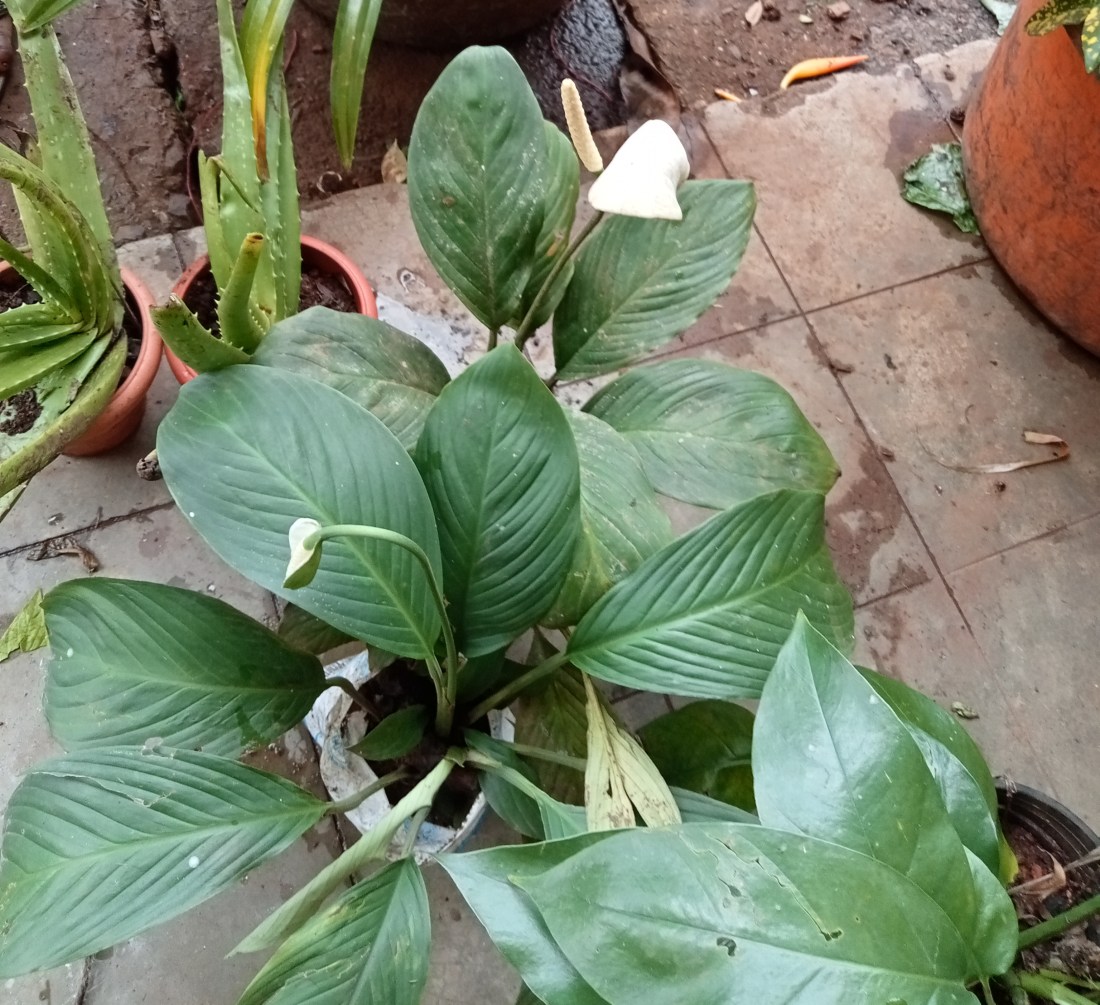
2. Peace Lily (Spathiphyllum)

The Peace Lily is famous for its elegant white blooms and air-purifying properties. It’s well-suited for low light areas and can thrive in humid environments.

3. ZZ Plant (Zamioculcas zamiifolia)

The ZZ Plant is a robust plant with glossy, dark green leaves. It’s virtually indestructible and can thrive in very low light, making it a perfect choice for beginners.

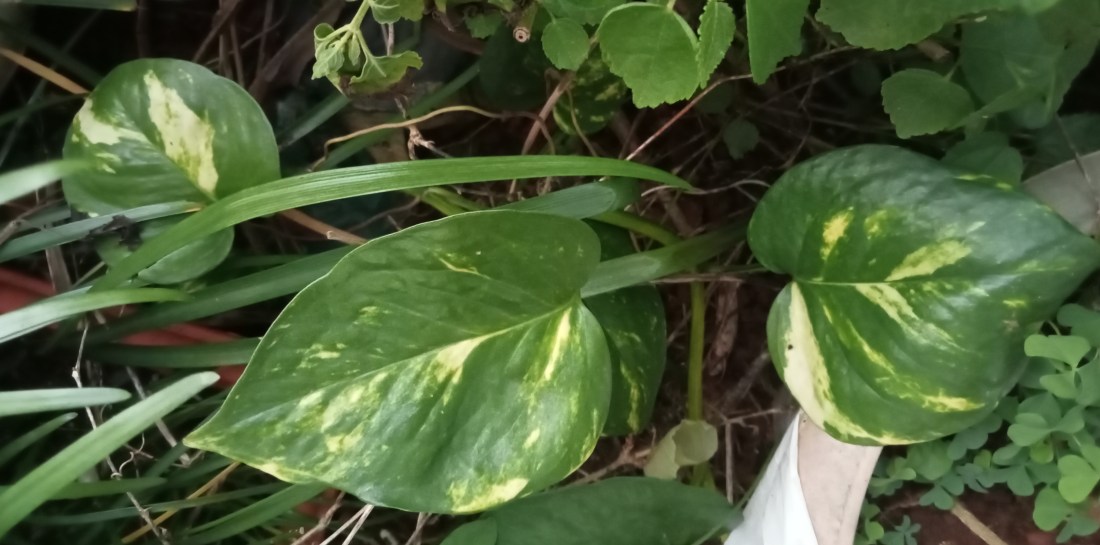
4. Pothos (Epipremnum aureum)

Pothos is a popular trailing plant that can thrive in low to moderate light. Its variegated leaves add a pop of color to your indoor garden.

5. Cast Iron Plant (Aspidistra elatior)

As the name suggests, the Cast Iron Plant is incredibly resilient and can tolerate low light, neglect, and fluctuations in temperature. It’s an excellent choice for low-maintenance indoor gardening.

6. Chinese Evergreen (Aglaonema)

Chinese Evergreens come in various striking varieties, all of which are known for their adaptability to low-light conditions. They add a touch of elegance to your indoor garden.

7. Boston Fern (Nephrolepis exaltata)

Boston Ferns are classic indoor plants that can thrive in low to moderate light. Their lush, feathery fronds add a soft and refreshing ambiance to your space.

8. Spider Plant (Chlorophytum comosum)

The Spider Plant is renowned for its air-purifying qualities and can thrive in indirect light. It produces arching green and white striped leaves, making it an attractive choice.

9. Dracaena (Dracaena spp.)

Dracaenas are a diverse group of plants with various leaf colors and shapes. Many dracaena varieties, such as the Dragon Tree, can adapt to low light conditions.


Similar Posts


10. Parlor Palm (Chamaedorea elegans)

Parlor Palms are compact and elegant plants that can tolerate low light and dry indoor air. They’re perfect for adding a tropical touch to your space.

11. Peperomia (Peperomia spp.)

Peperomias are small, easy-to-care-for plants that do well in low to moderate light. They come in various textures and colors, making them a lovely addition to any indoor garden.

12. Philodendron (Philodendron spp.)

Philodendrons are low-maintenance plants that can adapt to a range of light conditions, including low light. Their heart-shaped leaves add a touch of charm to your home.

13. Lucky Bamboo (Dracaena sanderiana)

Lucky Bamboo is a symbol of good fortune and is well-suited for low light conditions. It’s often grown in water, making it an interesting and low-maintenance choice.

14. Maranta (Maranta leuconeura)

Maranta, also known as the Prayer Plant, features beautiful, patterned leaves that fold upward in the evening. It’s a delightful low-light plant option.

15. Dieffenbachia (Dieffenbachia spp.)

Dieffenbachias are known for their striking variegated leaves. They can adapt to low light areas but keep them away from direct sunlight.

Conclusion

With these 15 low-light indoor plants, you can transform even the dimmest corners of your home into a thriving garden oasis. Whether you’re a seasoned indoor gardener or just starting out, these plants offer beauty, air-purifying benefits, and a sense of tranquility to your indoor spaces.

Happy gardening!

Elevate Your Greenery: A Guide to Hanging Plants for Indoor and Outdoor Beauty!

Hanging plants are more than just a trend in home and garden decor—they’re a stunning way to breathe life into your living spaces and outdoor areas. These versatile plants bring a touch of nature to otherwise unused spaces, creating a calming and aesthetic atmosphere. In this article, we’ll explore the world of hanging plants, their benefits, and the best varieties to elevate your space.

Why Choose Hanging Plants?

Hanging plants offer numerous advantages, making them a must-have addition to your home or garden:

1. Space-Saving Solution: Hanging plants maximize your living space, utilizing vertical areas and freeing up precious floor space.

2. Enhanced Aesthetics: They add a dynamic and visually pleasing dimension to your decor, creating a lush and inviting environment.

3. Air Purification: Many hanging plants are excellent air purifiers, improving indoor air quality by removing toxins and adding oxygen.

4. Stress Reduction: The presence of greenery has been proven to reduce stress and boost mental well-being, making your space more relaxing.

5. Versatility: Hanging plants are suitable for both indoor and outdoor settings, allowing you to incorporate them into various design schemes.

Popular Varieties of Hanging Plants

Let’s delve into some of the most beloved and low-maintenance hanging plants that you can introduce to your living spaces:

1. Spider Plant (Chlorophytum comosum)

The Spider Plant (Chlorophytum comosum) is a classic and easy-to-grow houseplant known for its air-purifying qualities and striking appearance. Its long, arching leaves are typically green with white stripes, creating a visually appealing contrast, and adding an elegant touch to any room. Spider Plants thrive in indirect light but can tolerate low-light conditions, making them perfect for various indoor settings. They produce small offsets or “spiderettes” that dangle from the parent plant, making them a favorite for hanging baskets. Low-maintenance and adaptable, Spider Plants are an excellent choice for both novice and experienced plant enthusiasts.

2. Pothos (Epipremnum aureum)

Pothos, also known as Devil’s Ivy, is a popular, versatile, and easy-to-care-for hanging plant. It’s loved for its heart-shaped leaves and easygoing nature. This trailing plant comes in various leaf colors, including classic green, variegated, and neon yellow, adding a pop of color to indoor spaces. Pothos is an excellent choice for beginners due to its low-maintenance requirements and adaptability to various light conditions, including low light. It’s known for its air-purifying qualities, removing toxins from the air, making it a healthy addition to any room. Regular pruning helps maintain its lush and vibrant appearance, making it a timeless favorite among plant enthusiasts.

3. String of Pearls (Senecio rowleyanus)

The String of Pearls (Senecio rowleyanus) is a captivating and distinctive succulent characterized by its cascading stems adorned with small, bead-like leaves, resembling a string of pearls. This plant is a favorite choice for hanging baskets or trailing from shelves, adding a unique and eye-catching element to indoor spaces. String of Pearls prefers bright, indirect light and well-draining soil, making it relatively easy to care for. It’s best to water sparingly, allowing the soil to dry out between waterings, as overwatering can lead to root rot. With its quirky appearance, this succulent is a conversation starter and a stylish addition to any plant collection.

4. Boston Fern (Nephrolepis exaltata)

The Boston Fern (Nephrolepis exaltata) is a popular choice for indoor hanging baskets and outdoor garden accents, known for its lush, feathery fronds. This classic fern variety thrives in high humidity and filtered, indirect light, making it an ideal plant for bathrooms or shady outdoor areas. Boston Ferns are excellent air purifiers, enhancing indoor air quality by removing pollutants and adding oxygen. They require consistently moist soil, but it’s crucial not to overwater them, as they are sensitive to waterlogging. With their vibrant green foliage and graceful arching fronds, Boston Ferns bring a refreshing and tropical feel to any space.


Similar Posts


5. Burro’s Tail (Sedum morganianum)

Burro’s Tail (Sedum morganianum) is a distinctive and charming succulent known for its trailing stems covered in plump, blue-green leaves that resemble hanging beads. This plant is often referred to as the “Donkey Tail” due to its unique appearance. It’s relatively easy to care for and thrives in bright, indirect light, making it an excellent choice for hanging baskets or decorative containers. Burro’s Tail is drought-tolerant and prefers to dry out between waterings. It’s an excellent choice for sunny spots.With its unusual beauty, it adds a touch of whimsy and elegance to any indoor or outdoor space.

6. Air Plants (Tillandsia spp.)

Air Plants, scientifically known as Tillandsia spp., are remarkable and unique in the plant world because they don’t require soil to grow. These epiphytic plants absorb nutrients and moisture through their specialized trichomes, making them perfect for creative displays in decorative holders or hanging arrangements. Air Plants come in various sizes and shapes, from small and delicate to larger, statement-making specimens. They thrive in bright, indirect light and require occasional misting or soaking to maintain their health and vibrancy. With their quirky, otherworldly appearance, Air Plants are a favorite among plant enthusiasts and a versatile addition to any indoor garden.

7. Lipstick Plant (Aeschynanthus radicans)

The Lipstick Plant (Aeschynanthus radicans) is a captivating tropical houseplant known for its striking red, tubular flowers that resemble lipstick tubes, hence its name. It’s a beautiful and exotic hanging plant that blooms intermittently. This charming plant also boasts glossy, dark green foliage that contrasts beautifully with its vibrant blooms. It’s a relatively low-maintenance indoor plant that can thrive in moderate to bright indirect light. Lipstick Plants are excellent choices for hanging baskets, as their trailing vines create an eye-catching display. Regular pruning can help promote more vigorous growth and enhance the appearance of this unique and delightful plant.

8. English Ivy (Hedera helix)

English Ivy (Hedera helix) is a classic and versatile trailing plant known for its lush, dark green leaves that create a charming, cascading effect. It’s a popular choice for both indoor and outdoor gardens, often used to cover walls, trellises, and fences. This evergreen vine is hardy and can adapt to a variety of conditions, making it a reliable addition to any landscape. English Ivy is not only aesthetically pleasing but also a natural air purifier, helping to improve indoor air quality. Careful pruning can maintain its elegant appearance and prevent it from becoming overly invasive in outdoor settings.

9. Tangled heart (Plectranthus prostratus)

The Tangled Heart plant, also known as Ceropegia woodii, is a captivating trailing succulent that’s beloved for its unique heart-shaped leaves and charming vining habit. Its delicate, variegated foliage features shades of green and silver, adding an elegant touch to any space. This plant is known for its resilience and ability to thrive in indirect light, making it an ideal choice for indoor gardening. The Tangled Heart plant’s trailing vines can gracefully cascade from hanging baskets or cascade down shelves, creating a visually stunning and low-maintenance green display. Whether you’re a beginner or a seasoned plant enthusiast, the Tangled Heart plant is sure to steal your heart with its enchanting appearance.

Hanging Plant Care Tips

To ensure your hanging plants thrive and remain vibrant, consider the following care guidelines:

Light: Determine the light requirements of your specific plant variety and place your hanging plants accordingly. Some prefer bright, indirect light, while others thrive in low-light conditions.

Watering: Avoid overwatering; let the top inch of soil dry out before watering again. Be mindful of the moisture needs of your particular plant.

Potting Soil: Use well-draining potting soil to prevent waterlogging, which can lead to root rot.

Humidity: Some hanging plants, like Boston Ferns, thrive in higher humidity. Mist your plants or place them in a humidity tray if needed.

Fertilizing: Feed your hanging plants with a balanced liquid fertilizer during the growing season, typically spring and summer.

Pruning: Regularly trim dead or yellowing leaves and spent blooms to encourage healthy growth and maintain a tidy appearance.

Conclusion

Hanging plants are not just decorations; they are living, breathing elements that can transform your indoor and outdoor spaces into lush, inviting retreats. Whether you’re a seasoned gardener or a novice, there’s a hanging plant variety perfect for your needs. So, elevate your greenery game and let nature hang around in style!

Happy Gardening!

Greening Your Space: Creative and Recycled Pots for Eco-Friendly Gardening!

In an era where sustainability and creativity go hand in hand, gardening enthusiasts are finding innovative ways to make their green spaces more eco-friendly. One such trend gaining momentum is the use of creative and recycled pots. These ingenious containers not only add a touch of uniqueness to your garden but also contribute to a more sustainable planet. In this article, we’ll explore the world of creative and recycled pots and discover how they can elevate your gardening game while helping the environment.

The Art of Creative Gardening

Gardening is often regarded as an art form, and creative pots are the artist’s palette. The possibilities are endless when it comes to adding flair to your garden with inventive containers. Here are some amazing tips to spark your imagination:

Repurposed Containers

Old wooden crates, vintage suitcases, and even discarded kitchenware can be transformed into charming planters. These containers not only save you money but also breathe new life into items that might have otherwise ended up in a landfill.

Vertical Gardens

Vertical gardening is an excellent solution for those with limited space. Use old pallets, shoe organizers, or gutters to create vertical planters that are not only space-efficient but also visually appealing.

Sculptural Planters

Unconventional materials like tires, concrete blocks, coconut shell, and driftwood can be fashioned into sculptural planters, adding a touch of modern artistry to your garden.

Mosaic Madness

Transform plain terracotta pots into works of art by covering them in colorful mosaic tiles. This DIY project can be a fun and creative way to involve the whole family in your gardening endeavors.


Similar Posts


Recycling to Create a Greener Future

The concept of recycling extends beyond just materials; it also applies to repurposing items that have outlived their original purpose. Recycling pots not only diverts waste from landfills but also reduces the need for new manufacturing, which can be resource-intensive. Here’s how you can join the recycling movement in gardening:

Tire Planters

Old tires can find new life as garden planters. With a bit of paint, these sturdy containers can add a pop of color and a touch of sustainability to your garden.

Fairy Garden in a Teacup and Tea Pots

Create a whimsical fairy garden in a teacup and tea pots by planting miniature plants and adding fairy figurines for charm.

Herb Garden in Mason Jars

Ideal for small plants like herbs and succulents due to their affordability, availability, and various sizes. Label small mason jars with herb names and cultivate a kitchen windowsill herb garden.

Bottle Planters

Glass bottles, when cut and polished, can become unique and elegant plant containers. Their translucent beauty can make your garden truly stand out.

Flower Display in Wine Bottles: Empty wine bottles can be transformed into plant pots by removing the top and filling them with soil and your chosen plant.

Use empty wine bottles to arrange long-stemmed flowers like sunflowers or dahlias for a unique centerpiece.

Broken Pot Gardens

Instead of discarding chipped or broken clay pots, use them creatively to build miniature gardens with different levels. This not only recycles the pots but also adds depth and dimension to your garden.

Succulent Garden in Tea Tins

These are another great choice for small plants; you can easily personalize them to match your decor. If you enjoy tea, repurpose tea tins for small plants, adding a touch of vintage flair to your space. Group various succulents in repurposed tea tins for an adorable windowsill display.

Hanging Garden in Tin Cans: Decorate and hang painted tin cans from wood or metal rods to create a hanging garden.

Hollowed Logs

Fallen tree logs can be hollowed out and turned into rustic planters. Their natural charm blends seamlessly with any garden style, making them a timeless choice.

Upcycled Furniture

Old chairs and tables can be repurposed as plant stands, offering both functionality and a touch of vintage charm to your garden.

Boots and Shoes

Old, unwearable footwear can be turned into unique planters; just remember to create drainage holes before adding soil.

Shoe Planter Wall: Hang old shoes on a wall or fence, filling them with trailing plants like ivy or petunias for an unconventional planter wall.

Vertical Garden in a Laundry Baskets

When you need to fill a large space, repurpose a laundry basket by lining it with a garbage bag, adding soil, and planting your desired greenery.

Plant cascading plants like ferns or sweet potato vines in a laundry basket and hang it on a wall or fence for a vertical garden.

Herb Garden in a Wooden Crate

Utilize a wooden crate to organize different herbs with labels for easy identification.

Succulent Wreath: Design a unique succulent wreath by planting succulents in a wreath form and hanging it on a door or wall.

Hanging Basket in a Colander

Transform a colander into a hanging basket by drilling drainage holes, filling it with soil, and adding your chosen plants. Hang it with a hook or rope.

Benefits Beyond Aesthetics

Apart from the visual appeal, using creative and recycled pots in your garden offers several benefits:

Environmental Impact

By repurposing or recycling materials, you reduce the demand for new resources and minimize waste, contributing to a more sustainable planet.

Cost-Efficiency

Creative and recycled pots are often budget-friendly options, allowing you to beautify your garden without breaking the bank.

Unique Garden Aesthetics:

These pots add a personal touch to your garden, making it a reflection of your creativity and eco-consciousness.

Conversation Starters

Your garden can become a topic of conversation as visitors admire your innovative and sustainable gardening solutions.

Conclusion

In conclusion, creative and recycled pots are not just a trend but a sustainable way to infuse your garden with personality and purpose. As you embrace these eco-friendly gardening practices, you contribute to a greener future while enjoying the artistry and charm of your own green space. So, roll up your sleeves, get creative, and watch your garden flourish in the most delightful way possible.

Happy gardening!

Terrace Garden Triumph: Mastering the Art of Greenery with Diverse Plant Selection!

Introduction

Hey there, urban garden enthusiasts! If you’ve got a sunny terrace and a green thumb itching for action, you’re in for a treat. Terrace gardening has taken the urban landscape by storm, bringing a burst of life to concrete jungles. But the real magic lies in the variety of plants you can grow in these cozy, elevated spaces. In this article, we’ll explore the delightful world of terrace gardening, highlighting different types of plants that thrive in this environment. From vibrant flowers to fresh herbs and even small fruit trees, we’ve got your terrace covered with the ultimate plant palette.

1. Blooms of Joy: Ornamental Plants

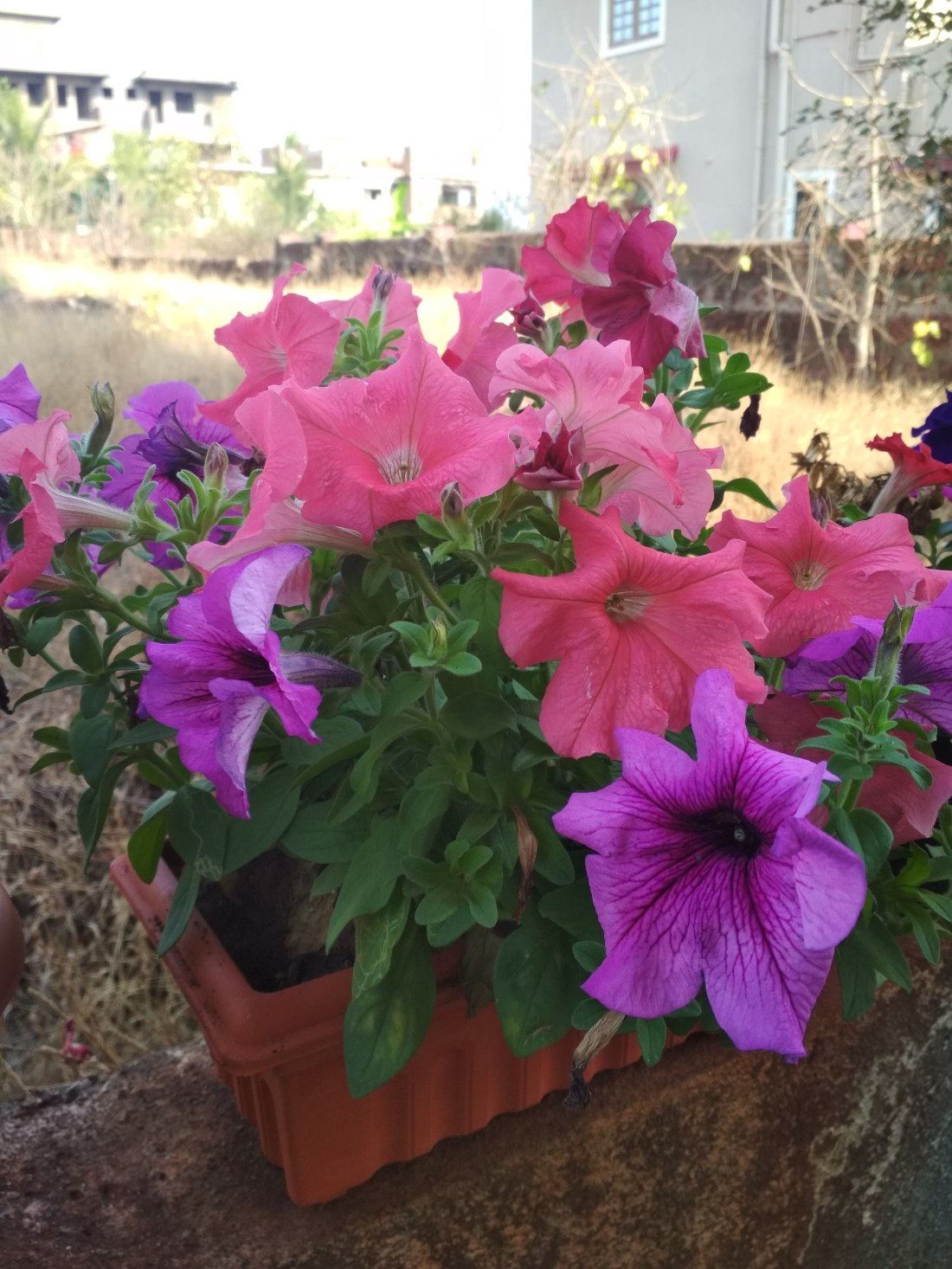
First up, let’s talk aesthetics. If you want to transform your terrace into a picturesque oasis, ornamental plants are your best friends. Think marigolds, petunias, pensy, dahlia, zinnia, and begonias, which add a pop of color and charm to your outdoor space. These beauties thrive in pots or containers, making them ideal for compact terraces. Furthermore, they require minimal maintenance, so even those with limited gardening experience can enjoy their vibrant blooms throughout the seasons.

2. Green Freshness: Herbs

Who doesn’t love the idea of plucking fresh basil for a caprese salad or mint for a mojito right from your terrace? Herbs like basil, mint, rosemary, and thyme flourish in pots or hanging baskets. They’re not only practical but also add a delightful fragrance to your space. Moreover, growing herbs on your terrace can promote sustainable living by reducing the need for store-bought herbs that often come in plastic packaging, making it an eco-friendly choice. Additionally, having these herbs readily available can inspire your culinary adventures, elevating your cooking and giving your dishes that special, homegrown touch.

3. Leafy Delights: Leafy Greens

If you’re into salads or simply want to enjoy the satisfaction of growing your own food, leafy greens are the way to go. Spinach, lettuce, and kale are space-efficient and perfect for terrace gardening. Plus, they’re packed with nutrients and freshness. To make the most of your terrace space, consider using vertical planters or tiered containers to maximize your leafy green yield. Additionally, growing your own greens allows you to have a constant supply of organic, pesticide-free produce at your fingertips, promoting a healthier lifestyle while reducing your carbon footprint. Experiment with different varieties and enjoy the versatility of these greens in your daily meals.

4. Sweet Rewards: Small Fruit Trees

Dreaming of picking your own fruits without needing a sprawling orchard? Well, dwarf varieties of fruit trees like apple, lemon, and fig are terrace-friendly and produce a modest yield of scrumptious fruits. They’re a bit of a long-term investment, but the taste is oh-so-worth-it. Additionally, small fruit trees can serve as both decorative and functional elements on your terrace, providing shade, privacy, and beauty as they blossom and bear fruit. Moreover, they offer a unique opportunity to connect with nature and experience the joy of harvesting your very own tree-ripened fruits, making your terrace truly special.


Similar Posts


5. Tropical Vibes: Palms and Succulents

If you want to infuse a bit of tropical paradise into your city life, consider palm trees and succulents. These low-maintenance wonders thrive in the warm, sunny conditions often found on terraces, and their unique aesthetics can transport you to a beachy haven. Furthermore, palms like the majesty palm or areca palm not only provide an exotic flair but also act as natural air purifiers, enhancing the overall air quality on your terrace. Additionally, the diversity of succulent species available allows you to create stunning arrangements that require minimal watering, making them an excellent choice for busy urban dwellers seeking a touch of natural beauty in their daily lives.

6. Aromatic Bliss: Lavender and Jasmine

Want your terrace to be a fragrant escape? Lavender and jasmine are perfect choices. Their soothing scents can turn your small outdoor space into a mini spa retreat. Additionally, these aromatic plants have been known for their relaxation-inducing properties, making them ideal for creating a tranquil ambiance for meditation or simply unwinding after a long day. Incorporate them into your terrace design, and you’ll have a sensory oasis that enhances your well-being and offers a refreshing break from the hustle and bustle of daily life.

7. Vertical Greenery: Climbing Plants

Don’t forget the vertical space! Climbing plants like ivy, morning glory, nasturtium, english ivy, and money plants can transform your terrace into a lush, green haven. They also provide a natural privacy screen and shade. Moreover, vertical greenery can help reduce ambient temperatures on your terrace, making it a more comfortable place to spend time during the hot summer months. These climbing plants not only beautify your space but also contribute to a healthier microenvironment, promoting biodiversity by attracting beneficial insects and birds, thus adding to the overall vibrancy of your outdoor oasis.

Conclusion:

Remember, successful terrace gardening is all about understanding your space, its microclimate, and the specific needs of your chosen plants. Make sure you provide the right containers, well-draining soil, and ample sunlight. Regular watering and occasional fertilization are the keys to keeping your green buddies happy.

So, there you have it, fellow terrace gardeners! Whether you’re aiming for a picturesque paradise or a bountiful harvest, there’s a wide range of plants waiting to thrive on your terrace. Start planting, and watch your urban oasis grow and flourish.

Happy gardening!

Be Creative with Your Pots: Innovative Gardening Hacks!

Gardening is not just about nurturing plants; it’s about letting your creativity bloom alongside your green companions. When gardening, thinking outside the traditional pot can lead to ingenious solutions and beautiful results. In this article, we’ll explore ten creative gardening hacks that will transform your gardening experience.

1. Creative and Recycled Pots

Running low on pots for your seedlings? Get resourceful by using citrus peels! Halve lemons or oranges, scoop out the pulp, pierce a drainage hole at the bottom, and use it as a seedling tray. Pomelo peels work wonders for smaller plants. You can also use coconut shells (best for orchids), plastic bottles, egg shells, and oil cans. This eco-friendly hack not only recycles waste but also adds a delightful aroma to your garden.

2. Tool TLC

Don’t let your gardening tools rust away. Store them in a clay or terracotta pot filled with sand mixed with mineral oil. This simple trick keeps your tools in top shape, ready to tackle any gardening task.

3. Automated Plant Care

Heading out but worried about your potted plants drying out? Create a DIY watering system using paper towels. Place one end in the pot’s soil and the other in a glass of water. The paper towel will gradually transfer moisture to your plant, ensuring it stays hydrated while you’re away.

4. Propagation Magic

Multiply your plant collection for free! Basil, mint, rosemary, and more can be propagated by snipping branches, allowing them to grow roots in water, and then planting them. A budget-friendly way to expand your green oasis.

5. Natural Pest Repellents

Banish mosquitos and house flies with aromatic plants like basil, lavender, and citronella. These natural bug repellents not only keep your garden pest-free but also add a pleasant fragrance to your outdoor space.


Similar Posts


6. Root Control with Pots

Some plants have aggressive root systems that can disrupt neighboring flora. To contain them, bury a plastic pot with the bottom removed from the ground, planting your unruly species inside. This ingenious solution keeps your garden harmonious.

7. Milk as a Fertilizer

Boost your plant’s growth with a milk-based fertilizer. Mix water and milk in equal parts, then spray your plants. Milk’s proteins, vitamins, and calcium provide essential nutrients, but be cautious not to overdo it.

8. Mold Prevention with Eggshells and Coffee

Keep mold at bay by sprinkling crushed eggshells and coffee grounds around your plants. This natural and cost-effective method safeguards your garden’s health. Eggshells also help in getting rid of snails.

9. Homemade Fertilizer Powerhouse

Create a potent homemade fertilizer with banana peels, eggshells, and Epsom salt. This nutrient-rich blend promotes healthy plant growth. Dry and crush banana peels and eggshells, then add Epsom salt, mix with water, and fertilize your plants’ soil. For more blooms, consider using onion or banana peels as fertilizer. Rice water spray works wonders for orchids.

10. Coffee Filter Barrier

Stop the soil from escaping through drainage holes by placing a coffee filter at the bottom of your pots. It maintains proper drainage while keeping the soil inside the pot where it belongs.

In the world of gardening, creativity knows no bounds. With these ten inventive gardening hacks, you can nurture your plants and let your imagination thrive. Embrace the joy of gardening while discovering resourceful ways to care for your green companions. Your garden will thank you with lush, thriving beauty.

Happy Gardening!

The Ultimate Guide to Succulents: Care, Types, and Aesthetic Appeal!

Introduction:

Succulents have taken the gardening and interior decor world by storm with their unique charm, low maintenance requirements, and stunning visual appeal. These resilient plants have captured the hearts of both seasoned gardeners and newcomers alike. In this comprehensive guide, we will delve into everything you need to know about succulents – from their care tips to the various types available, and how to incorporate them into your space for an Instagram-worthy aesthetic.

1.What Are Succulents?

Succulents are a diverse group of plants with parts that are thickened, and fleshy, as they store water in their leaves, stems, or roots. This water storage adaptation makes them particularly well-suited for arid climates and environments with infrequent rainfall.

2.Popular Types of Succulents:

These charming and low-maintenance plants come in a wide variety of shapes, sizes, and colors, making them a favorite among both experienced gardeners and beginners. But with so many succulent varieties to choose from, where should you start? Here we’ll explore some of the most popular types of succulents, each with its unique charm and care requirements.

1.Echeveria:

 These rosette-shaped succulents come in a range of colors, from pastel blues to vibrant pinks. Echeverias are easy to care for and thrive in well-draining soil with plenty of sunlight. They are perfect for adding a pop of color to your garden or indoor space.

2.Sedum:

Sedums are versatile succulents that can adapt to various conditions. With their diverse growth habits and hardy nature, sedums are a popular choice for both beginners and experienced gardeners. They are available in creeping varieties as well as taller, upright forms. They are often used in ground cover plantings and rock gardens due to their low profile and spreading growth habit. Some sedums produce lovely star-shaped flowers in the summer, adding even more beauty to your garden.

3.Aloe Vera:

This well-known succulent not only adds visual interest but also offers numerous health benefits. Its thick, fleshy leaves contain a soothing gel that’s used to treat various skin conditions, including sunburn. It is believed that the aloe vera plant is associated with good fortune. Aloe vera is easy to grow indoors and requires minimal care, making it an ideal choice for beginners.

4.Haworthia:

Haworthias are small succulents with a distinctive appearance. They have thick, fleshy leaves arranged in a rosette-like fashion. Known for their striking geometric patterns and compact size, haworthias are perfect for small spaces and make excellent choices for terrariums or as desk decor. They prefer indirect sunlight and occasional watering.

5.Agave:

Agave plants are known for their dramatic and architectural appearance. These succulents have sharp, pointed leaves that form a striking rosette shape. While some agave species can grow quite large, there are smaller varieties suitable for container gardening. These plants flourish in areas with ample sunlight and soil that drains well.

6.Jade Plant (Crassula ovata)

Jade plants are often associated with good luck and prosperity. These succulents have thick, glossy leaves that resemble small, green coins, making them a symbol of wealth in many cultures. Jade plants are easy to care for and can thrive for years with minimal attention.

7.String of Pearls (Senecio rowleyanus)

String of Pearls is a unique succulent with trailing stems adorned with small, bead-like leaves. This succulent looks stunning in hanging baskets or cascading from shelves. It prefers bright, indirect light and infrequent watering, making it an excellent choice for those with busy lifestyles.

8.Snake Plant (Sansevieria)

Snake plants, also known as Mother-in-Law’s Tongue, are renowned for their air-purifying qualities. They have tall, upright leaves with variegated patterns that add interest to any space. Snake plants are incredibly low-maintenance and can tolerate low light conditions, making them a top choice for indoor gardens.

9.Sempervivum (Hens and Chicks)

Sempervivum, commonly referred to as Hens and Chicks, are small, rosette-forming succulents that reproduce by producing offsets (the “chicks”) around the parent plant (the “hen”). These hardy succulents come in a variety of colors and are perfect for rock gardens and container arrangements.

10.Kalanchoe

Kalanchoe is a genus of succulents that includes species with vibrant, long-lasting flowers. They are often grown as houseplants and can brighten up your indoor space with their colorful blooms. Kalanchoes require bright light and well-draining soil.


Similar Posts


3.Care and Maintenance:

Succulents are cherished for their minimal care requirements, but a little attention can go a long way in ensuring their longevity and vitality.

  • Light: Most succulents thrive in bright, indirect sunlight. A sunny windowsill or a well-lit spot in your garden is ideal.
  • Watering: Allow the soil to dry out completely between waterings. Overwatering can lead to root rot, so err on the side of underwatering.
  • Soil: Use a well-draining succulent or cactus mix to prevent waterlogged roots.
  • Container: If growing succulents in containers ensure they have drainage holes to prevent excess water accumulation.
  • Temperature: Succulents generally prefer warm temperatures but can withstand a range of climates.

4.Incorporating Succulents into Your Decor:

Succulents not only thrive in gardens but also add a touch of greenery to your indoor spaces.

  • Terrariums: Create mini landscapes using glass containers, layering different types of succulents and decorative stones.
  • Hanging Gardens: Hang succulents in decorative planters to elevate your interior design.
  • Wreaths and Wall Art: Craft wreaths or living wall art by arranging succulents in a creative pattern.
  • Centerpieces: Succulents can serve as unique and long-lasting centerpieces for your dining table or special occasions.

5. Benefits of Growing Succulents:

  • Low Maintenance: Perfect for busy individuals or those new to gardening.
  • Air Purification: Succulents can help improve indoor air quality by absorbing toxins.
  • Stress Relief: Caring for plants has been shown to reduce stress and improve mental well-being.

Conclusion:

Succulents are not just plants; they’re living sculptures that add character and beauty to any setting. Incorporating succulents into your garden or indoor space is not only aesthetically pleasing but also rewarding due to their low-maintenance nature. Whether you’re a seasoned gardener or a newbie, there’s a succulent variety for everyone. With the right care and attention, these popular succulents can thrive and bring beauty to your home or garden for years to come. So go ahead, pick out your favorite succulents, and embark on a journey of green-thumb satisfaction!

Happy Gardening!

Exploring the Depths of Hydroponics Revolutionizing Agriculture!

Introduction

In the ever-evolving world of agriculture, innovative techniques and technologies are constantly emerging to meet the growing demand for sustainable and efficient food production. Hydroponics, a cutting-edge method of soilless cultivation, is gaining momentum as a game-changer in modern farming practices. In this article, we will delve into the world of hydroponics, its benefits, and its potential to reshape the future of agriculture.

Understanding Hydroponics

Hydroponics, often confused with hydroponics, is a soilless farming technique that uses water to cultivate plants. Unlike hydroponics, which relies on nutrient-rich water solutions, hydroponics utilizes sound waves to foster plant growth. These sound waves stimulate plant cell expansion and division, resulting in healthier and faster-growing crops.

The Advantages of Hydroponics

Water Efficiency

The water efficiency of hydroponics is one of its most important benefits. With traditional soil-based agriculture, a substantial amount of water is wasted through evaporation and runoff. In contrast, hydroponics recirculates water, reducing water consumption by up to 90%. This not only conserves a precious resource but also makes farming in arid regions more sustainable.

Space Optimization

Hydroponics allows for vertical farming and compact growth systems, making it ideal for urban and limited-space environments. By stacking layers of hydroponic systems, farmers can maximize the use of available space and produce more food per square meter.

Reduced Pesticide Usage

Hydroponic systems are typically closed environments, which means fewer pests and diseases can infiltrate the crops. This reduces the need for chemical pesticides, making hydroponic farming more eco-friendly and producing healthier, pesticide-free produce.

Year-round Cultivation

Hydroponics provides precise control over environmental conditions such as temperature, humidity, and light. This enables year-round cultivation, eliminating seasonal restrictions and ensuring a constant supply of fresh produce.

Key Elements of Hydroponic Systems

To understand how hydroponics works, let’s look at its key components

Transducers

These devices generate sound waves that promote plant growth by stimulating nutrient uptake and photosynthesis.

Water Reservoir

 The water in a hydroponic system acts as both a growing medium and a carrier for essential nutrients.

Nutrient Solution

 Hydroponics systems deliver a carefully balanced nutrient solution directly to the plant roots, ensuring optimal growth.

Control Systems

These systems monitor and adjust environmental conditions such as light, temperature, and humidity to create the ideal growing environment.

How To Start a Hydroponics System?

Starting a hydroponics system requires careful planning, knowledge, and the right materials. Here is a step-by-step instruction sheet to get you started:

1. Research and Education:

Before diving into hydroponics, it’s crucial to understand the principles and techniques involved. Read books, watch tutorials, take online courses, and join hydroponics forums or communities to gain knowledge.

2. Choose the Type of Hydroponics System:

There are various hydroponics systems to choose from, such as Nutrient Film Technique (NFT), Deep Water Culture (DWC), and media-based systems. Select the one that suits your space, budget, and crop choices. Beginners often find media-based systems like the drip system or flood and drain system easier to start with.

3. Select a Suitable Location:

Find an appropriate location for your hydroponics setup. It should have access to electricity, water, and adequate ventilation. Consider using a dedicated indoor space, a greenhouse, or even a controlled outdoor area depending on your climate.

4. Gather Necessary Equipment:

The equipment you need will vary depending on the type of hydroponics system you choose, but here’s a general list of essentials:

  • Grow trays or containers
  • Growing media (e.g., hydroton, perlite, coconut coir)
  • Reservoir tank
  • Submersible pump
  • Air pump and air stones (for oxygenation)
  • pH and EC (electrical conductivity) meters
  • Nutrient solution
  • pH adjusters (pH up and pH down)
  • Grow lights (if growing indoors)
  • Timer or controller for lighting and nutrient delivery
  • Support structures for plants (trellis, netting, etc.)

Similar Posts


5. Set Up the Hydrophonics System:

Follow these general steps to set up your hydrophonics system:

  1. Place your grow trays or containers in the designated area.
  2. Fill the trays with your chosen growing media.
  3. Install the submersible pump in the reservoir tank and connect it to the irrigation system.
  4. Set up the air pump and air stones to provide oxygen to the nutrient solution.
  5. Mix the nutrient solution according to the manufacturer’s instructions and fill the reservoir tank.
  6. Adjust the pH of the nutrient solution to the desired range (usually around 5.5 to 6.5).
  7. Install grow lights if you’re growing indoors and set up a timer for the light cycle.
  8. Start your hydroponics system and monitor it closely to ensure everything is functioning correctly.

6. Planting and Maintenance:

  1. Plant your chosen crops in the growing media. Ensure proper spacing and support for the plants.
  2. Regularly check and maintain the nutrient solution levels, pH, and EC.
  3. Keep an eye on plant health, watch for signs of nutrient deficiencies, pests, or diseases, and take appropriate action.
  4. Prune and train your plants as they grow to optimize space and yield.
  5. Harvest your crops when they reach maturity.

7. Continual Learning and Improvement:

Hydroponics is a dynamic field, and there’s always room for improvement. Continually educate yourself, experiment with different techniques, and adapt your system based on your experiences and the specific needs of your plants.

Conclusion

Hydroponics, with its remarkable advantages and innovative approach to plant cultivation, is poised to revolutionize agriculture as we know it. By promoting water efficiency, space optimization, reduced pesticide usage, and year-round cultivation, hydroponics addresses some of the most pressing challenges facing modern agriculture.

Starting a hydroponics system may seem daunting at first, but with dedication, research, and hands-on experience, you can develop a thriving soilless garden that produces healthy, nutrient-rich crops year-round.

As the world’s population continues to grow, sustainable and efficient farming methods like hydroponics will play an increasingly crucial role in ensuring food security and environmental conservation. Farmers, researchers, and entrepreneurs are harnessing the power of sound waves to propel us into a future where abundant, healthy, and locally-grown produce is within reach for everyone.

Happy gardening!