Things I should have known before growing Orchids!

Introduction:

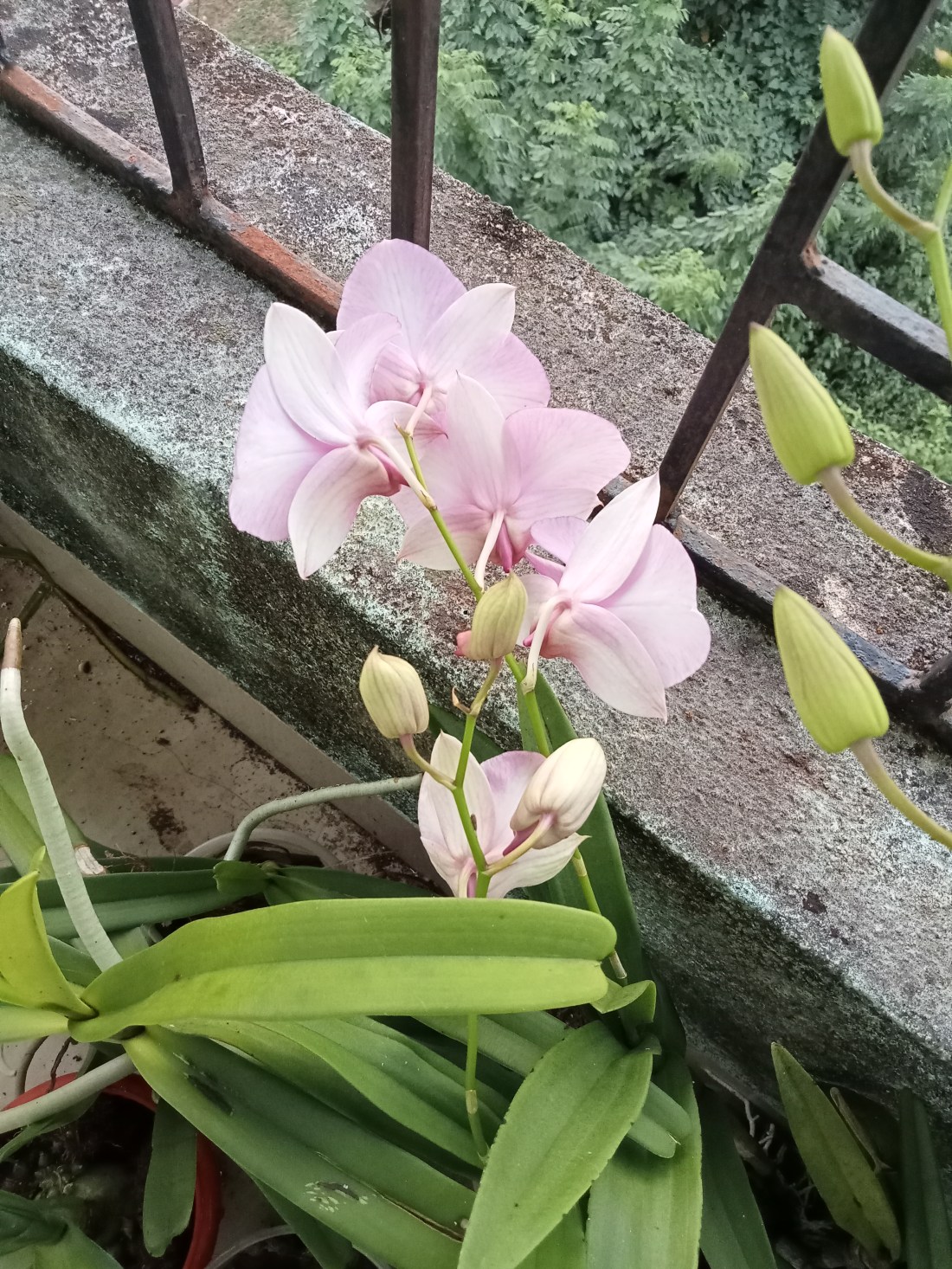
Orchids, often revered for their timeless beauty and versatility, have captured the hearts of plant enthusiasts and decorators alike. These exquisite flowers can serve as stunning decorations for various occasions or be a thoughtful gift for loved ones. With over two hundred distinct varieties, including Dendrobium, Phalaenopsis, Vanda, and Cattleya, orchids offer a wide range of choices. What sets orchids apart is their remarkable longevity, as they can thrive for many months even when separated from their parent plants.

For those eager to try their hand at growing orchids, it’s a rewarding endeavor that requires patience and attention to specific factors. Here are some essential considerations to ensure your orchid cultivation journey begins on the right foot:

Choosing the Right Orchid:

If you’re new to orchid cultivation, it’s best to start with varieties that are easier to grow and require less maintenance, such as Dendrobium and Phalaenopsis.

Climate Considerations:

It’s crucial to remember that growing conditions vary based on your geographical location. Advice and guidance found online or in videos may not be applicable to your local climate. Ensure you follow instructions that are relevant to your region’s weather patterns.

Timing Matters:

Orchid cultivation is affected by seasonal changes. Typically, it’s best to start during the winter season so you can expect blooms in the summer. However, Dendrobium and Phalaenopsis can bloom outside of these traditional seasons.

Ideal Placement:

The location where you place your orchids is pivotal for their growth and flowering. Provide indirect sunlight and ensure sufficient air circulation for healthy development. Place it near the window or in Balcony which gets indirect sunlight.


Similar Posts


Acquiring Orchids:

Once you’ve taken these factors into consideration, the next step is to embark on the journey of acquiring orchids. Orchids have always held a special place in my heart, but their price often deterred me from making a purchase. Being an avid gardener, I frequently visited a local nursery where I stumbled upon these exquisite blooms. However, their price tag was often seven to eight times higher than the plants I typically acquired.

One day, while browsing a local market, I chanced upon a lady selling a delicate orchid seedling for just 100 rupees. Though it appeared frail, I couldn’t resist the temptation and made it my very first orchid, one that has yet to bloom even after a year and a half. I patiently awaited signs of growth, only to witness its leaves falling off without any indication of new branches. It was then that I decided to invest in another orchid, this time from the nursery, purchasing a bushy plant without flowers for 250 rupees. Unfortunately, this orchid too refused to bloom.

Determined to unlock the secret of successful orchid care, I eventually acquired an orchid in full bloom, and from that point on, I was hooked. Today, my collection boasts an impressive array of 19 orchids, including 13 dendrobiums, 2 phalaenopsis, 2 catellya, 1 vanda, and 1 Rhyncolysis. As my passion for orchids grew, I delved into research online and stumbled upon websites that offered these captivating plants at more affordable rates.

During my online exploration, I discovered that one of the best places to buy orchids, or any other plants for that matter, is through Facebook Marketplace. There are numerous dedicated groups on Facebook, such as ” Indian Orchid Growers Association & Sellers,” ” Orchid Growing TIPS & TRICKS, India,” ” Kolkata Orchid Growers Association,” “Buy Sale Plants”, “Sale Point”and many more, each catering to specific interests and regions. These groups provide a diverse selection of orchids and other plants at reasonable prices, offering enthusiasts the opportunity to explore a wide variety of options for their collections.

Pro Tips:

Purchasing orchids can sometimes be a daunting task due to their perceived high cost. However, there are budget-friendly ways to start your orchid collection. Consider these tips:

a. Start Small: Begin with affordable orchid seedlings or less expensive options like dendrobium to gain experience.

b. Online Marketplaces: Explore online platforms like Facebook Marketplace or specialized groups dedicated to orchid enthusiasts, where you can find a variety of orchids at reasonable prices. Here is a list of Facebook Groups and websites selling orchids at affordable prices.

Facebook Groups:

Indian Orchid Growers Association & Sellers

Orchid Growing TIPS & TRICKS, India

Kolkata Orchid Growers Association

Kerala Orchids & All Orchid Species

Orchid Addiction— Exchange and sale

Websites:

Pots And Petals

OrchidZone

Guide To Orchid Care

Now that you’ve selected your orchids, here’s a basic guide to their care:

Potting Your Orchids:

Use a potting mix comprising tree bark (or coconut husk), charcoal, and brick pieces. Opt for orchid pots with ample drainage holes, available in clay or plastic options.

Sunlight Requirements:

As mentioned earlier orchids thrive with indirect sunlight, which is vital for blooming. Avoid overexposure to direct sunlight, as it can harm the leaves.

Proper Watering:

Water your orchids once a week in winter and twice a week in summer by immersing the pot in a tub of water or using the ice cube method. This ensures even moisture without overwatering. The ice cube method was recommended by the seller from whom I purchased my Phalaenopsis orchid, and I have found it to be highly effective and convenient in maintaining proper hydration for my orchids.

Fertilizing:

While numerous orchid fertilizers are readily accessible online, I personally abstain from using them due to the precise dosage requirement; an excess can potentially harm the plants. If you do opt for chemical fertilizers, ensure that you apply them on the same day as watering your orchids. My preferred and reliable alternative is rice water, a natural and effective fertilizer that not only supports overall growth but also enhances flowering.

Conclusion:

Embarking on the journey of growing orchids can be a deeply satisfying experience for any gardening enthusiast. By following these tips and considerations, you’ll be well on your way to nurturing these exquisite flowers and enjoying their timeless beauty. So, start cultivating orchids and embrace the joys of gardening.

Happy gardening!
A Blooming Guide: Caring for Rose Plants!

Introduction

Roses, often referred to as the “queen of flowers,” are cherished for their beauty, fragrance, and symbolic significance. Caring for rose plants can be a rewarding and enjoyable experience, whether you’re a seasoned gardener or a beginner. In this article, we’ll explore essential tips and techniques to help you nurture your rose plants and ensure they thrive in your garden.

The Best Rose Varieties to Choose

Before diving into care instructions, it’s crucial to choose the right rose varieties for your garden. There are three main types to consider:

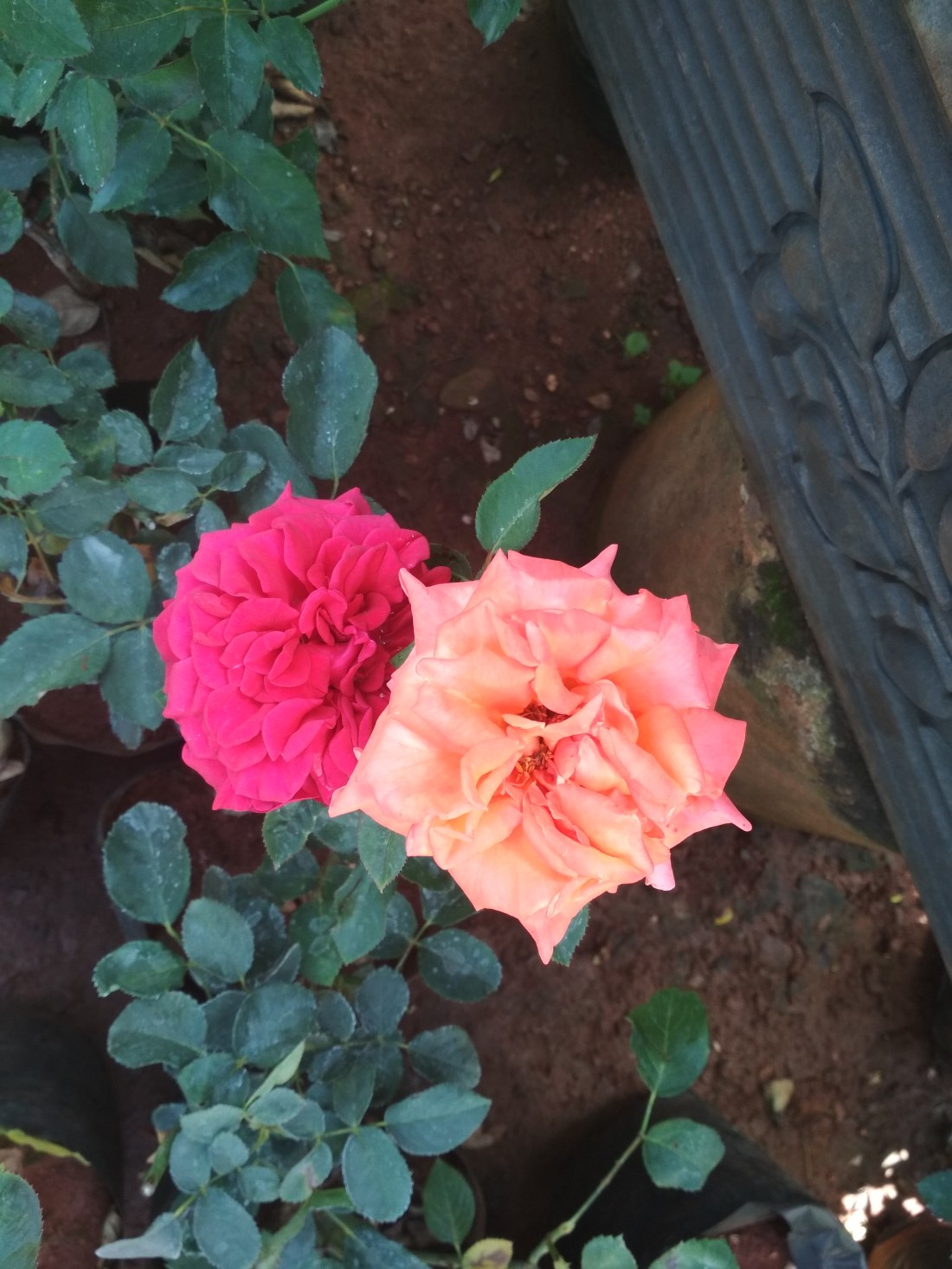
  • Hybrid Tea Roses: Known for their large, classic-shaped blooms, hybrid tea roses are perfect for cut flowers and often have a strong fragrance.
  • Floribunda Roses: These roses produce clusters of smaller flowers, making them ideal for colorful garden displays.
  • Shrub Roses: Shrub roses are hardy and versatile, requiring less maintenance and offering a more natural appearance.

Selecting the Right Location

Roses require a sunny spot to thrive. They need at least six hours of direct sunlight daily. Ensure your chosen location has good air circulation to prevent diseases. Well-drained soil with organic matter is essential for healthy rose growth.

Planting Your Roses

  • Timing: Plant bare-root roses in late winter or early spring when they are dormant. Container-grown roses can be planted during the growing season.
  • Spacing: Ensure proper spacing to allow air circulation and prevent overcrowding.
  • Digging the Hole: Make a hole large enough to accommodate the root system, keeping the bud union (the swollen area where the canes meet the roots) an inch or two below the soil surface.
  • Watering: After planting, it is important to water thoroughly to help the soil settle.

Watering

Roses need consistent moisture, but they don’t like to sit in waterlogged soil. Here are some suggestions for watering:

  • Deep Watering: Water deeply at the base of the plant to encourage deep root growth.
  • Morning Watering: Water in the morning to allow the leaves to dry before evening, reducing the risk of fungal diseases.
  • Mulching: Apply a layer of mulch to retain soil moisture and regulate temperature.

Fertilizing

Roses benefit from regular feeding. For optimal results, it is recommended to use a balanced fertilizer with a ratio of either 10-10-10 or 14-14-14. Start fertilizing in early spring and repeat every 4-6 weeks during the growing season. Water your roses before and after applying fertilizer to prevent root burn.

Pruning

Pruning is essential for maintaining the health and shape of your rose plants. Here are some important tips on pruning:

  • Deadheading: To promote consistent blooming, it’s recommended to remove any spent flowers.
  • Annual Pruning: Prune in late winter or early spring to remove dead or diseased wood and shape the plant.
  • Cutting Back: For hybrid tea roses, cut back one-third of the plant’s height to encourage new growth.

Similar Posts


Pest and Disease Management

Roses can be susceptible to pests and diseases, but with proper care, you can minimize these issues:

Inspect Regularly: Check your roses regularly for signs of pests or diseases.

Organic Pest Control: Consider using organic methods like neem oil or insecticidal soap to control pests.

Disease Prevention: Apply fungicides as a preventive measure, especially in humid climates.

Winter Care

Winter care is essential to protect your roses from harsh conditions:

  • Mulching: Apply a layer of mulch around the base of the plant to insulate the roots.
  • Pruning: Prune back long canes to prevent wind damage.
  • Wrap Stems: In colder regions, wrap the lower stems with burlap to protect against freezing.

Support and Training

Some rose varieties may need support or training:

  • Staking: Tall or heavy rose varieties may require stakes to keep them upright.
  • Training: Train climbing roses onto trellises or supports to encourage their growth in the desired direction.

Regular Inspection and Care

Lastly, maintaining healthy roses requires consistent attention. Regularly inspect your plants for any issues, such as yellowing leaves or signs of stress, and take appropriate action promptly.

Conclusion

Caring for rose plants can be a deeply satisfying endeavor, resulting in a garden adorned with beautiful, fragrant blossoms. By choosing the right varieties, providing the correct growing conditions, and following essential care practices such as watering, fertilizing, pruning, and pest management, you can enjoy vibrant, healthy roses in your garden year after year. Remember that each rose variety may have specific care requirements, so always consult the specific care guidelines for the roses you choose to cultivate. With dedication and care, your roses will flourish, bringing joy and beauty to your outdoor space.

Happy Gardening!

Elevate Your Greenery: A Guide to Hanging Plants for Indoor and Outdoor Beauty!

Hanging plants are more than just a trend in home and garden decor—they’re a stunning way to breathe life into your living spaces and outdoor areas. These versatile plants bring a touch of nature to otherwise unused spaces, creating a calming and aesthetic atmosphere. In this article, we’ll explore the world of hanging plants, their benefits, and the best varieties to elevate your space.

Why Choose Hanging Plants?

Hanging plants offer numerous advantages, making them a must-have addition to your home or garden:

1. Space-Saving Solution: Hanging plants maximize your living space, utilizing vertical areas and freeing up precious floor space.

2. Enhanced Aesthetics: They add a dynamic and visually pleasing dimension to your decor, creating a lush and inviting environment.

3. Air Purification: Many hanging plants are excellent air purifiers, improving indoor air quality by removing toxins and adding oxygen.

4. Stress Reduction: The presence of greenery has been proven to reduce stress and boost mental well-being, making your space more relaxing.

5. Versatility: Hanging plants are suitable for both indoor and outdoor settings, allowing you to incorporate them into various design schemes.

Popular Varieties of Hanging Plants

Let’s delve into some of the most beloved and low-maintenance hanging plants that you can introduce to your living spaces:

1. Spider Plant (Chlorophytum comosum)

The Spider Plant (Chlorophytum comosum) is a classic and easy-to-grow houseplant known for its air-purifying qualities and striking appearance. Its long, arching leaves are typically green with white stripes, creating a visually appealing contrast, and adding an elegant touch to any room. Spider Plants thrive in indirect light but can tolerate low-light conditions, making them perfect for various indoor settings. They produce small offsets or “spiderettes” that dangle from the parent plant, making them a favorite for hanging baskets. Low-maintenance and adaptable, Spider Plants are an excellent choice for both novice and experienced plant enthusiasts.

2. Pothos (Epipremnum aureum)

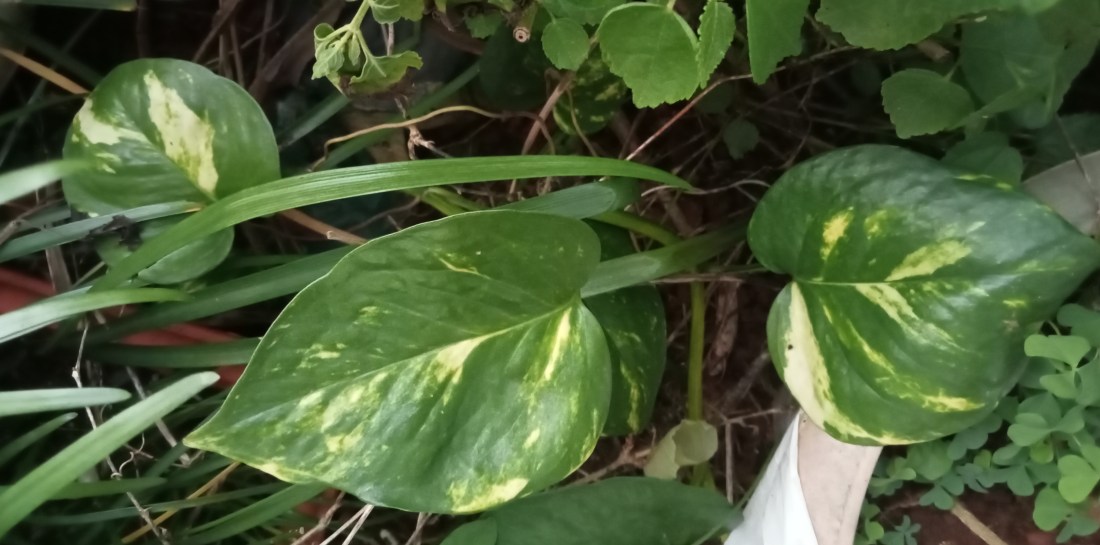
Pothos, also known as Devil’s Ivy, is a popular, versatile, and easy-to-care-for hanging plant. It’s loved for its heart-shaped leaves and easygoing nature. This trailing plant comes in various leaf colors, including classic green, variegated, and neon yellow, adding a pop of color to indoor spaces. Pothos is an excellent choice for beginners due to its low-maintenance requirements and adaptability to various light conditions, including low light. It’s known for its air-purifying qualities, removing toxins from the air, making it a healthy addition to any room. Regular pruning helps maintain its lush and vibrant appearance, making it a timeless favorite among plant enthusiasts.

3. String of Pearls (Senecio rowleyanus)

The String of Pearls (Senecio rowleyanus) is a captivating and distinctive succulent characterized by its cascading stems adorned with small, bead-like leaves, resembling a string of pearls. This plant is a favorite choice for hanging baskets or trailing from shelves, adding a unique and eye-catching element to indoor spaces. String of Pearls prefers bright, indirect light and well-draining soil, making it relatively easy to care for. It’s best to water sparingly, allowing the soil to dry out between waterings, as overwatering can lead to root rot. With its quirky appearance, this succulent is a conversation starter and a stylish addition to any plant collection.

4. Boston Fern (Nephrolepis exaltata)

The Boston Fern (Nephrolepis exaltata) is a popular choice for indoor hanging baskets and outdoor garden accents, known for its lush, feathery fronds. This classic fern variety thrives in high humidity and filtered, indirect light, making it an ideal plant for bathrooms or shady outdoor areas. Boston Ferns are excellent air purifiers, enhancing indoor air quality by removing pollutants and adding oxygen. They require consistently moist soil, but it’s crucial not to overwater them, as they are sensitive to waterlogging. With their vibrant green foliage and graceful arching fronds, Boston Ferns bring a refreshing and tropical feel to any space.


Similar Posts


5. Burro’s Tail (Sedum morganianum)

Burro’s Tail (Sedum morganianum) is a distinctive and charming succulent known for its trailing stems covered in plump, blue-green leaves that resemble hanging beads. This plant is often referred to as the “Donkey Tail” due to its unique appearance. It’s relatively easy to care for and thrives in bright, indirect light, making it an excellent choice for hanging baskets or decorative containers. Burro’s Tail is drought-tolerant and prefers to dry out between waterings. It’s an excellent choice for sunny spots.With its unusual beauty, it adds a touch of whimsy and elegance to any indoor or outdoor space.

6. Air Plants (Tillandsia spp.)

Air Plants, scientifically known as Tillandsia spp., are remarkable and unique in the plant world because they don’t require soil to grow. These epiphytic plants absorb nutrients and moisture through their specialized trichomes, making them perfect for creative displays in decorative holders or hanging arrangements. Air Plants come in various sizes and shapes, from small and delicate to larger, statement-making specimens. They thrive in bright, indirect light and require occasional misting or soaking to maintain their health and vibrancy. With their quirky, otherworldly appearance, Air Plants are a favorite among plant enthusiasts and a versatile addition to any indoor garden.

7. Lipstick Plant (Aeschynanthus radicans)

The Lipstick Plant (Aeschynanthus radicans) is a captivating tropical houseplant known for its striking red, tubular flowers that resemble lipstick tubes, hence its name. It’s a beautiful and exotic hanging plant that blooms intermittently. This charming plant also boasts glossy, dark green foliage that contrasts beautifully with its vibrant blooms. It’s a relatively low-maintenance indoor plant that can thrive in moderate to bright indirect light. Lipstick Plants are excellent choices for hanging baskets, as their trailing vines create an eye-catching display. Regular pruning can help promote more vigorous growth and enhance the appearance of this unique and delightful plant.

8. English Ivy (Hedera helix)

English Ivy (Hedera helix) is a classic and versatile trailing plant known for its lush, dark green leaves that create a charming, cascading effect. It’s a popular choice for both indoor and outdoor gardens, often used to cover walls, trellises, and fences. This evergreen vine is hardy and can adapt to a variety of conditions, making it a reliable addition to any landscape. English Ivy is not only aesthetically pleasing but also a natural air purifier, helping to improve indoor air quality. Careful pruning can maintain its elegant appearance and prevent it from becoming overly invasive in outdoor settings.

9. Tangled heart (Plectranthus prostratus)

The Tangled Heart plant, also known as Ceropegia woodii, is a captivating trailing succulent that’s beloved for its unique heart-shaped leaves and charming vining habit. Its delicate, variegated foliage features shades of green and silver, adding an elegant touch to any space. This plant is known for its resilience and ability to thrive in indirect light, making it an ideal choice for indoor gardening. The Tangled Heart plant’s trailing vines can gracefully cascade from hanging baskets or cascade down shelves, creating a visually stunning and low-maintenance green display. Whether you’re a beginner or a seasoned plant enthusiast, the Tangled Heart plant is sure to steal your heart with its enchanting appearance.

Hanging Plant Care Tips

To ensure your hanging plants thrive and remain vibrant, consider the following care guidelines:

Light: Determine the light requirements of your specific plant variety and place your hanging plants accordingly. Some prefer bright, indirect light, while others thrive in low-light conditions.

Watering: Avoid overwatering; let the top inch of soil dry out before watering again. Be mindful of the moisture needs of your particular plant.

Potting Soil: Use well-draining potting soil to prevent waterlogging, which can lead to root rot.

Humidity: Some hanging plants, like Boston Ferns, thrive in higher humidity. Mist your plants or place them in a humidity tray if needed.

Fertilizing: Feed your hanging plants with a balanced liquid fertilizer during the growing season, typically spring and summer.

Pruning: Regularly trim dead or yellowing leaves and spent blooms to encourage healthy growth and maintain a tidy appearance.

Conclusion

Hanging plants are not just decorations; they are living, breathing elements that can transform your indoor and outdoor spaces into lush, inviting retreats. Whether you’re a seasoned gardener or a novice, there’s a hanging plant variety perfect for your needs. So, elevate your greenery game and let nature hang around in style!

Happy Gardening!

Terrace Garden Triumph: Mastering the Art of Greenery with Diverse Plant Selection!

Introduction

Hey there, urban garden enthusiasts! If you’ve got a sunny terrace and a green thumb itching for action, you’re in for a treat. Terrace gardening has taken the urban landscape by storm, bringing a burst of life to concrete jungles. But the real magic lies in the variety of plants you can grow in these cozy, elevated spaces. In this article, we’ll explore the delightful world of terrace gardening, highlighting different types of plants that thrive in this environment. From vibrant flowers to fresh herbs and even small fruit trees, we’ve got your terrace covered with the ultimate plant palette.

1. Blooms of Joy: Ornamental Plants

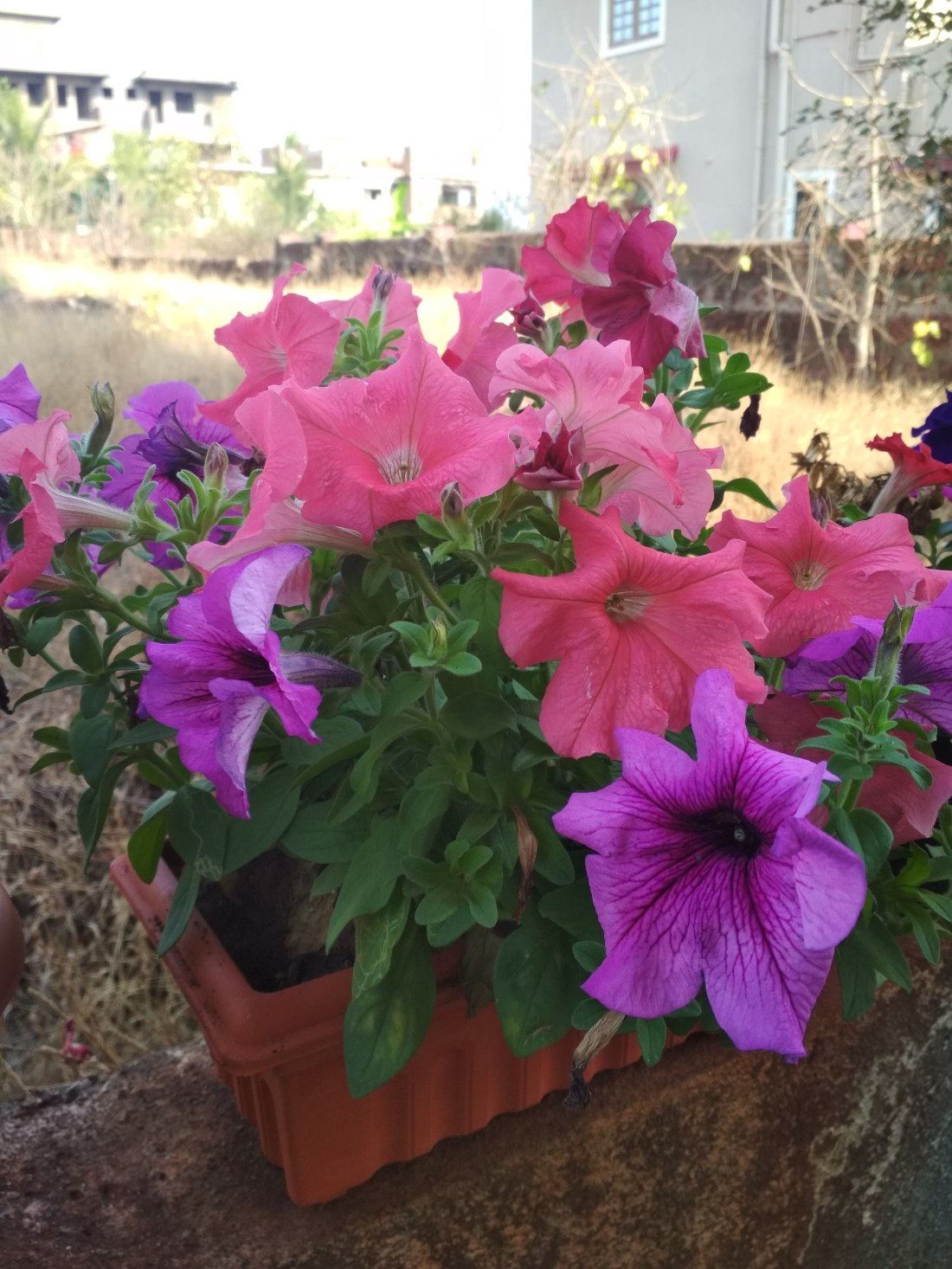
First up, let’s talk aesthetics. If you want to transform your terrace into a picturesque oasis, ornamental plants are your best friends. Think marigolds, petunias, pensy, dahlia, zinnia, and begonias, which add a pop of color and charm to your outdoor space. These beauties thrive in pots or containers, making them ideal for compact terraces. Furthermore, they require minimal maintenance, so even those with limited gardening experience can enjoy their vibrant blooms throughout the seasons.

2. Green Freshness: Herbs

Who doesn’t love the idea of plucking fresh basil for a caprese salad or mint for a mojito right from your terrace? Herbs like basil, mint, rosemary, and thyme flourish in pots or hanging baskets. They’re not only practical but also add a delightful fragrance to your space. Moreover, growing herbs on your terrace can promote sustainable living by reducing the need for store-bought herbs that often come in plastic packaging, making it an eco-friendly choice. Additionally, having these herbs readily available can inspire your culinary adventures, elevating your cooking and giving your dishes that special, homegrown touch.

3. Leafy Delights: Leafy Greens

If you’re into salads or simply want to enjoy the satisfaction of growing your own food, leafy greens are the way to go. Spinach, lettuce, and kale are space-efficient and perfect for terrace gardening. Plus, they’re packed with nutrients and freshness. To make the most of your terrace space, consider using vertical planters or tiered containers to maximize your leafy green yield. Additionally, growing your own greens allows you to have a constant supply of organic, pesticide-free produce at your fingertips, promoting a healthier lifestyle while reducing your carbon footprint. Experiment with different varieties and enjoy the versatility of these greens in your daily meals.

4. Sweet Rewards: Small Fruit Trees

Dreaming of picking your own fruits without needing a sprawling orchard? Well, dwarf varieties of fruit trees like apple, lemon, and fig are terrace-friendly and produce a modest yield of scrumptious fruits. They’re a bit of a long-term investment, but the taste is oh-so-worth-it. Additionally, small fruit trees can serve as both decorative and functional elements on your terrace, providing shade, privacy, and beauty as they blossom and bear fruit. Moreover, they offer a unique opportunity to connect with nature and experience the joy of harvesting your very own tree-ripened fruits, making your terrace truly special.


Similar Posts


5. Tropical Vibes: Palms and Succulents

If you want to infuse a bit of tropical paradise into your city life, consider palm trees and succulents. These low-maintenance wonders thrive in the warm, sunny conditions often found on terraces, and their unique aesthetics can transport you to a beachy haven. Furthermore, palms like the majesty palm or areca palm not only provide an exotic flair but also act as natural air purifiers, enhancing the overall air quality on your terrace. Additionally, the diversity of succulent species available allows you to create stunning arrangements that require minimal watering, making them an excellent choice for busy urban dwellers seeking a touch of natural beauty in their daily lives.

6. Aromatic Bliss: Lavender and Jasmine

Want your terrace to be a fragrant escape? Lavender and jasmine are perfect choices. Their soothing scents can turn your small outdoor space into a mini spa retreat. Additionally, these aromatic plants have been known for their relaxation-inducing properties, making them ideal for creating a tranquil ambiance for meditation or simply unwinding after a long day. Incorporate them into your terrace design, and you’ll have a sensory oasis that enhances your well-being and offers a refreshing break from the hustle and bustle of daily life.

7. Vertical Greenery: Climbing Plants

Don’t forget the vertical space! Climbing plants like ivy, morning glory, nasturtium, english ivy, and money plants can transform your terrace into a lush, green haven. They also provide a natural privacy screen and shade. Moreover, vertical greenery can help reduce ambient temperatures on your terrace, making it a more comfortable place to spend time during the hot summer months. These climbing plants not only beautify your space but also contribute to a healthier microenvironment, promoting biodiversity by attracting beneficial insects and birds, thus adding to the overall vibrancy of your outdoor oasis.

Conclusion:

Remember, successful terrace gardening is all about understanding your space, its microclimate, and the specific needs of your chosen plants. Make sure you provide the right containers, well-draining soil, and ample sunlight. Regular watering and occasional fertilization are the keys to keeping your green buddies happy.

So, there you have it, fellow terrace gardeners! Whether you’re aiming for a picturesque paradise or a bountiful harvest, there’s a wide range of plants waiting to thrive on your terrace. Start planting, and watch your urban oasis grow and flourish.

Happy gardening!