
Introduction
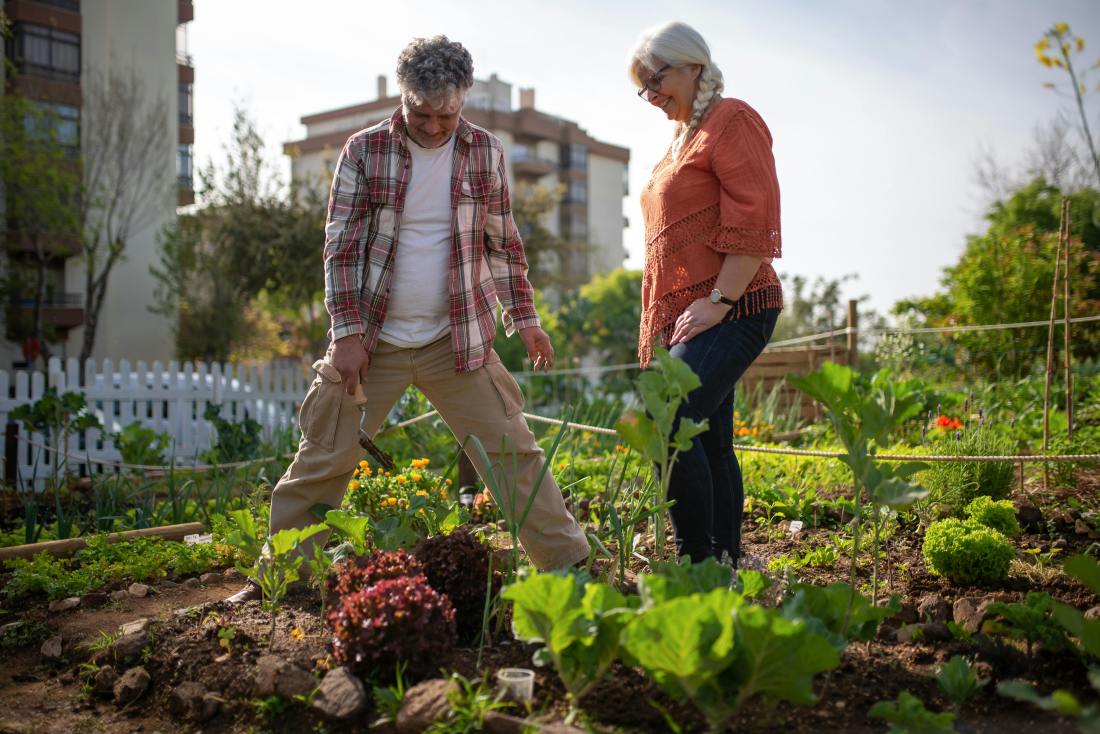
In urban landscapes and suburban neighborhoods alike, community gardens have sprouted up as vibrant oases of green amid the concrete jungle. These shared spaces are more than just plots of land for growing plants—they are vital hubs for social interaction, environmental education, and local food production. Community gardens offer a myriad of benefits, fostering a sense of community and promoting sustainable living. Let’s dive into the world of community gardening, exploring its advantages, challenges, and ways to get involved.
What is a Community Garden?
A community garden is a piece of land collectively maintained by a group of people. These gardens can vary in size, from small plots in urban areas to larger spaces in suburban or rural locales. The land may be owned by a local government, a nonprofit organization, or even a group of private citizens. Participants usually rent plots within the garden to grow vegetables, fruits, flowers, and herbs.
Benefits of Community Gardens
Social Interaction and Community Building Community gardens provide a unique platform for social interaction. They bring together people from diverse backgrounds, fostering friendships and a sense of belonging. Gardeners can share tips, seeds, and stories, building a supportive network that extends beyond the garden gates.
Access to Fresh and Healthy Food
One of the primary benefits of community gardens is the provision of fresh, locally-grown produce. Gardeners can cultivate a variety of fruits and vegetables, which contributes to a healthier diet and reduces the reliance on processed foods. This access to fresh produce is particularly beneficial in food deserts, where grocery stores and fresh food options are limited.
Environmental Benefits
Community gardens contribute significantly to environmental sustainability. They promote biodiversity by providing habitats for various plants, insects, and birds. Gardens also improve air quality, reduce the urban heat island effect, and help manage stormwater runoff. By practicing composting and using organic gardening methods, community gardeners can reduce waste and avoid harmful pesticides.
Educational Opportunities
Community gardens serve as living classrooms for people of all ages. They offer hands-on learning experiences about plant biology, ecology, and sustainable agricultural practices. Schools often partner with community gardens to provide students with practical lessons in science, nutrition, and environmental stewardship.
Mental and Physical Health
Many beneficial effects on mental and physical health have been shown by gardening. The physical activity involved in planting, weeding, and harvesting helps improve cardiovascular health and muscle strength. Additionally, spending time outdoors and engaging with nature can reduce stress, improve mood, and enhance overall well-being.
Economic Benefits
Community gardens can also have economic benefits. They can increase property values and attract new residents to neighborhoods. Additionally, gardeners can save money on groceries by growing their own produce. Some community gardens even operate farmers’ markets, providing an additional source of income for gardeners and access to fresh produce for the community.
Similar Posts:
Challenges of Community Gardens
Despite their many benefits, community gardens face several challenges:
Access to Land
Securing a suitable piece of land for a community garden can be difficult, especially in densely populated urban areas. Land ownership issues, zoning regulations, and potential redevelopment can all pose obstacles.
Funding and Resources
Community gardens often rely on grants, donations, and volunteer labor to operate. Finding consistent funding and resources for tools, seeds, water, and maintenance can be challenging. Many gardens also need support for infrastructure improvements like fencing, raised beds, and irrigation systems.
Maintenance and Management
Successful community gardens require ongoing maintenance and effective management. This includes organizing volunteers, coordinating planting schedules, and ensuring equitable access to plots. Gardens may face issues with vandalism, theft, or pests, which require a collective effort to address.
Community Engagement
Attracting and retaining participants can be challenging, especially in transient urban areas. Community gardens need active engagement and a sense of ownership among gardeners to thrive. Outreach efforts and inclusive practices are essential to involve diverse community members.
How Can One Participate in a Community Garden?
Interested in joining a community garden? The following steps let you get started:
Find a Local Garden
Search online or check with local community centers, schools, or gardening organizations to find a community garden near you. Websites like the American Community Gardening Association (ACGA) offer directories of gardens across the country.
Attend a Meeting or Open House
Most community gardens hold regular meetings or open houses where prospective members can learn more about the garden, its rules, and how to get involved. It’s an excellent opportunity to ask questions and meet current members.
Sign Up for a Plot
If space is available, sign up for a plot. Some gardens have waitlists due to high demand, so be patient and persistent. Once you have a plot, you’ll need to follow the garden’s guidelines and contribute to its upkeep.
Volunteer
Even if you don’t have a plot, many gardens welcome volunteers to help with maintenance, events, and educational programs. Volunteering is a great way to get involved and learn more about gardening.
Start Your Own Garden
If there isn’t a community garden in your area, consider starting one. Gather a group of interested community members, secure a piece of land, and develop a plan for the garden. Seek assistance and resources from nearby organizations.
Conclusion
Community gardens are vital assets to neighborhoods, providing numerous social, environmental, and health benefits. They offer a place for people to come together, grow fresh food, and learn about sustainable practices. While challenges exist, the rewards of community gardening are immense. By getting involved, you can help cultivate a greener, healthier, and more connected community.
Happy Gardening! 🌱



 ILoveGardening