Exploring Different Types of Money Plants and Their Benefits!

Introduction

Money plants, also known as Epipremnum aureum or Pothos, are popular houseplants cherished for their attractive appearance and reputed positive effects on the environment and well-being. These plants are not only easy to care for but also come in various types, each with its unique characteristics and benefits. In this article, we will delve into the different types of money plants and explore the advantages they offer.

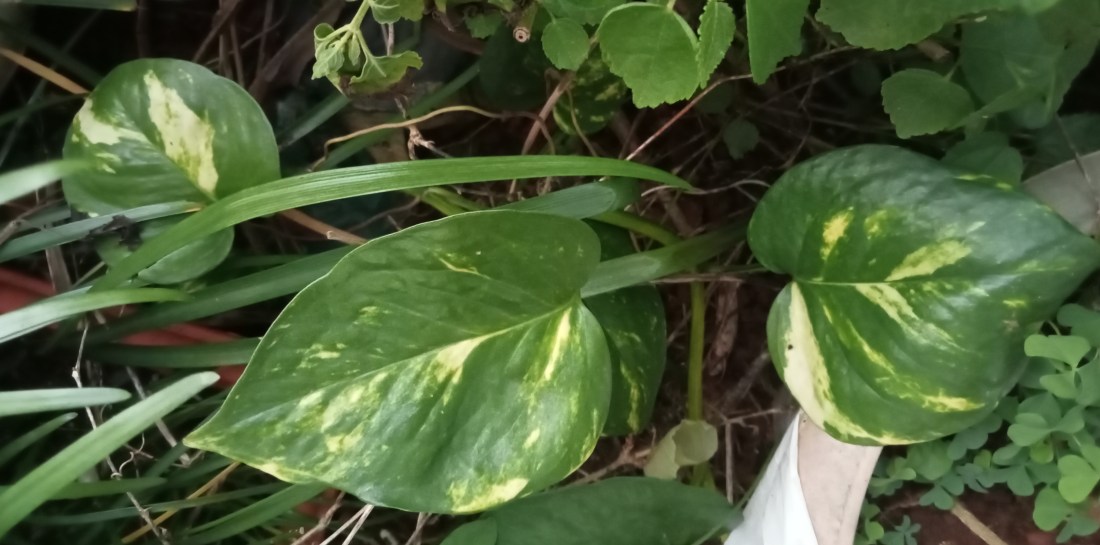
Golden Pothos (Epipremnum aureum)

Golden Pothos, often referred to as Devil’s Ivy, is one of the most recognizable and widely cultivated money plant varieties. This plant features heart-shaped, green and golden variegated leaves that are not only visually appealing but also help purify indoor air.

Some of the benefits of having Golden Pothos include:

Air Purification: Golden Pothos is an excellent air purifier, removing toxins like formaldehyde and benzene from the air, thus improving indoor air quality.

Low Maintenance: This variety is easy to care for, making it an ideal choice for beginners or busy individuals.

Feng Shui: Golden Pothos is believed to attract positive energy and financial prosperity according to Feng Shui principles.

Easy Propagation: Golden Pothos is easy to propagate through cuttings in water or soil, making it a great plant for beginners.

Marble Queen Pothos

Marble Queen Pothos is another stunning money plant variant known for its distinctive marbled white and green leaves. It shares many benefits with Golden Pothos, such as air purification and low maintenance. However, its elegant appearance adds a touch of sophistication to any space.

Here are some key features and care tips for Marble Queen Pothos:

Light Requirements: Marble Queen Pothos thrives in bright, indirect light but can tolerate lower light conditions.

Variegation: Its marbled leaves make it a visually appealing choice for home decor.

Low Maintenance: Like other Pothos varieties, it’s easy to care for.

Neon Pothos

Neon Pothos is a vibrant and eye-catching money plant variety. Its bright, fluorescent green leaves are sure to be a focal point in any room. Besides its striking appearance, Neon Pothos offers similar benefits to other Pothos varieties, including air purification and ease of care.

Jade Pothos

Jade Pothos is recognized by its rich, deep green leaves with creamy white or yellow streaks. This type of money plant is not only aesthetically pleasing but also contributes to a healthier living environment.

The benefits of having a Jade Pothos include:

Improved Air Quality: Jade Pothos helps eliminate indoor air pollutants, making it an excellent addition to homes and offices.

Prosperity Symbol: In Chinese culture, the Jade Pothos is considered a symbol of wealth and good fortune.


Similar Posts


Silver Pothos

Silver Pothos stands out due to its striking silver or gray-green leaves. Like its counterparts, it offers advantages such as air purification and minimal care requirements. Its unique coloration adds a touch of elegance and sophistication to any interior.

Key features and benefits of Silver Pothos

Light: Thrives in moderate to bright indirect light.

Foliage: The silver variegation sets it apart from other Pothos types.

Low Maintenance: Perfect for beginners.

Manjula Pothos

Manjula Pothos is characterized by its variegated leaves featuring creamy-white, green, and silvery-gray hues. This money plant variety combines the beauty of its foliage with air-purifying qualities and easy maintenance. Having Manjula Pothos in your living space not only enhances its visual appeal but also contributes to a healthier atmosphere.

Air Quality: Contributes to better indoor air quality by filtering out toxins.

Care: Maintain moderate humidity and water when the topsoil dries out.

Benefits of Money Plants

Now that we’ve explored various types of money plants, let’s dive deeper into the common benefits they offer:

Air Purification:

Money plants are renowned for their ability to filter indoor air by removing harmful pollutants such as formaldehyde, benzene, and xylene. This purification process leads to improved air quality, making them excellent choices for homes and offices.

Low Maintenance:

Money plants are extremely forgiving when it comes to care. They can thrive in a variety of lighting conditions, tolerate irregular watering, and are generally pest-resistant. This makes them ideal for individuals with busy lifestyles or those new to plant care.

Positive Energy:

In Feng Shui and some other belief systems, money plants are considered to attract positive energy and financial prosperity. Placing these plants in specific areas of your home or workspace may enhance your overall well-being and luck.

Aesthetic Appeal:

With their diverse leaf shapes and colors, money plants are not only beneficial but also visually pleasing. They can complement various interior design styles and add a touch of nature’s beauty to your surroundings.

Conclusion

Money plants, in their various forms, offer a multitude of benefits ranging from air purification to aesthetic enhancement and positive energy attraction. Whether you choose the classic Golden Pothos, the elegant Marble Queen, the vibrant Neon Pothos, or any other variant, incorporating these plants into your living or working space can greatly improve your environment and well-being. Their low maintenance requirements make them accessible to everyone, regardless of their gardening experience. So, why not bring a touch of greenery and prosperity into your life by welcoming a money plant into your home or office?

Happy Gardening!
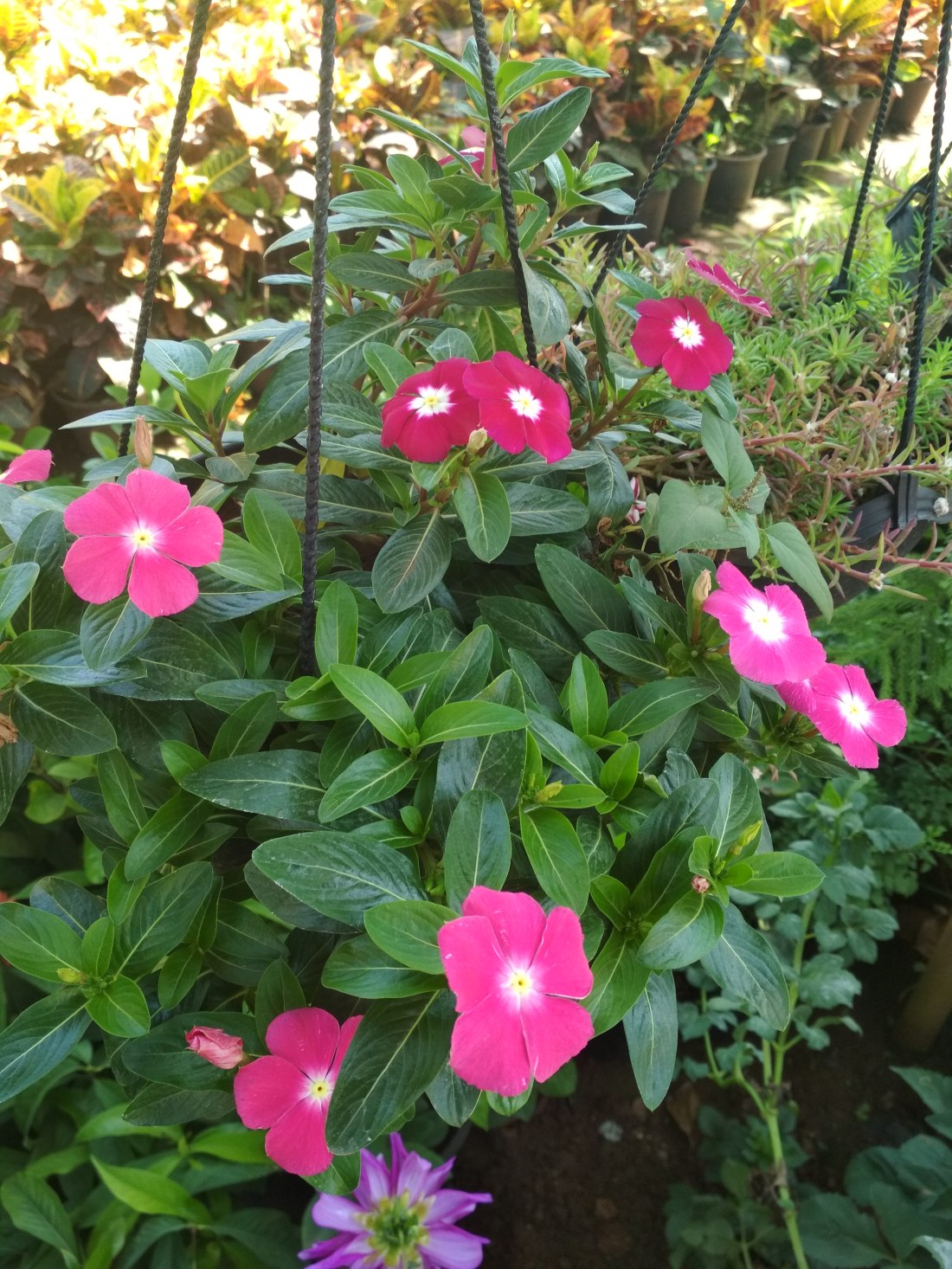
Greening Your Space: Creative and Recycled Pots for Eco-Friendly Gardening!

In an era where sustainability and creativity go hand in hand, gardening enthusiasts are finding innovative ways to make their green spaces more eco-friendly. One such trend gaining momentum is the use of creative and recycled pots. These ingenious containers not only add a touch of uniqueness to your garden but also contribute to a more sustainable planet. In this article, we’ll explore the world of creative and recycled pots and discover how they can elevate your gardening game while helping the environment.

The Art of Creative Gardening

Gardening is often regarded as an art form, and creative pots are the artist’s palette. The possibilities are endless when it comes to adding flair to your garden with inventive containers. Here are some amazing tips to spark your imagination:

Repurposed Containers

Old wooden crates, vintage suitcases, and even discarded kitchenware can be transformed into charming planters. These containers not only save you money but also breathe new life into items that might have otherwise ended up in a landfill.

Vertical Gardens

Vertical gardening is an excellent solution for those with limited space. Use old pallets, shoe organizers, or gutters to create vertical planters that are not only space-efficient but also visually appealing.

Sculptural Planters

Unconventional materials like tires, concrete blocks, coconut shell, and driftwood can be fashioned into sculptural planters, adding a touch of modern artistry to your garden.

Mosaic Madness

Transform plain terracotta pots into works of art by covering them in colorful mosaic tiles. This DIY project can be a fun and creative way to involve the whole family in your gardening endeavors.


Similar Posts


Recycling to Create a Greener Future

The concept of recycling extends beyond just materials; it also applies to repurposing items that have outlived their original purpose. Recycling pots not only diverts waste from landfills but also reduces the need for new manufacturing, which can be resource-intensive. Here’s how you can join the recycling movement in gardening:

Tire Planters

Old tires can find new life as garden planters. With a bit of paint, these sturdy containers can add a pop of color and a touch of sustainability to your garden.

Fairy Garden in a Teacup and Tea Pots

Create a whimsical fairy garden in a teacup and tea pots by planting miniature plants and adding fairy figurines for charm.

Herb Garden in Mason Jars

Ideal for small plants like herbs and succulents due to their affordability, availability, and various sizes. Label small mason jars with herb names and cultivate a kitchen windowsill herb garden.

Bottle Planters

Glass bottles, when cut and polished, can become unique and elegant plant containers. Their translucent beauty can make your garden truly stand out.

Flower Display in Wine Bottles: Empty wine bottles can be transformed into plant pots by removing the top and filling them with soil and your chosen plant.

Use empty wine bottles to arrange long-stemmed flowers like sunflowers or dahlias for a unique centerpiece.

Broken Pot Gardens

Instead of discarding chipped or broken clay pots, use them creatively to build miniature gardens with different levels. This not only recycles the pots but also adds depth and dimension to your garden.

Succulent Garden in Tea Tins

These are another great choice for small plants; you can easily personalize them to match your decor. If you enjoy tea, repurpose tea tins for small plants, adding a touch of vintage flair to your space. Group various succulents in repurposed tea tins for an adorable windowsill display.

Hanging Garden in Tin Cans: Decorate and hang painted tin cans from wood or metal rods to create a hanging garden.

Hollowed Logs

Fallen tree logs can be hollowed out and turned into rustic planters. Their natural charm blends seamlessly with any garden style, making them a timeless choice.

Upcycled Furniture

Old chairs and tables can be repurposed as plant stands, offering both functionality and a touch of vintage charm to your garden.

Boots and Shoes

Old, unwearable footwear can be turned into unique planters; just remember to create drainage holes before adding soil.

Shoe Planter Wall: Hang old shoes on a wall or fence, filling them with trailing plants like ivy or petunias for an unconventional planter wall.

Vertical Garden in a Laundry Baskets

When you need to fill a large space, repurpose a laundry basket by lining it with a garbage bag, adding soil, and planting your desired greenery.

Plant cascading plants like ferns or sweet potato vines in a laundry basket and hang it on a wall or fence for a vertical garden.

Herb Garden in a Wooden Crate

Utilize a wooden crate to organize different herbs with labels for easy identification.

Succulent Wreath: Design a unique succulent wreath by planting succulents in a wreath form and hanging it on a door or wall.

Hanging Basket in a Colander

Transform a colander into a hanging basket by drilling drainage holes, filling it with soil, and adding your chosen plants. Hang it with a hook or rope.

Benefits Beyond Aesthetics

Apart from the visual appeal, using creative and recycled pots in your garden offers several benefits:

Environmental Impact

By repurposing or recycling materials, you reduce the demand for new resources and minimize waste, contributing to a more sustainable planet.

Cost-Efficiency

Creative and recycled pots are often budget-friendly options, allowing you to beautify your garden without breaking the bank.

Unique Garden Aesthetics:

These pots add a personal touch to your garden, making it a reflection of your creativity and eco-consciousness.

Conversation Starters

Your garden can become a topic of conversation as visitors admire your innovative and sustainable gardening solutions.

Conclusion

In conclusion, creative and recycled pots are not just a trend but a sustainable way to infuse your garden with personality and purpose. As you embrace these eco-friendly gardening practices, you contribute to a greener future while enjoying the artistry and charm of your own green space. So, roll up your sleeves, get creative, and watch your garden flourish in the most delightful way possible.

Happy gardening!

Exploring Vertical Gardening: Growing Up for More Space and Beauty

Hey there, green thumbs and plant enthusiasts! If you’re looking to maximize your gardening space without compromising on beauty, it’s time to set your sights skyward with vertical gardening. This innovative technique has been taking root all across the world, offering a fantastic solution for urban dwellers and anyone seeking to transform walls, balconies, and even tiny corners into lush and vibrant green spaces. Let’s delve into the world of vertical gardening and discover how to create your own captivating vertical oasis.

Why Go Vertical?

In a country as diverse as India, where space is often at a premium, vertical gardening is a game-changer. It allows you to utilize both indoor and outdoor vertical surfaces, turning them into living, breathing pieces of art. From apartments to bungalows, vertical gardens offer a creative way to add personality and greenery to your surroundings.

Choosing the Right Plants

Before you dive into vertical gardening, consider the types of plants that thrive in your local climate. As a gardener, you’re spoiled for choice – from vibrant flowers like bougainvillea and morning glories to culinary herbs like basil and mint. Opt for plants with lightweight growth habits that won’t weigh down the structure and enjoy the freedom of experimenting with a variety of species.

Creating the Framework

A successful vertical garden begins with a sturdy framework. You can choose from various options like trellises, grids, hanging planters, and even repurposed materials like pallets. Make sure your chosen framework can support the weight of the plants and the soil they’ll be growing in. As you set up your framework, ensure that it’s securely attached to the wall or surface for stability.

Choosing the Right Soil and Planters

Using the right soil and planters is crucial for your vertical garden’s success. Opt for lightweight potting mixtures that provide proper drainage and aeration. Additionally, consider using planters with built-in reservoirs to ensure consistent moisture levels, especially in India’s varying weather conditions.


Similar Posts


Planting Techniques

Planting in vertical gardens requires a bit of finesse. For potted plants, make sure to pack the soil firmly to prevent it from settling and leaving gaps. Plant smaller plants near the top and larger ones toward the bottom to create a balanced and visually appealing composition. Regularly water your garden, keeping in mind that vertical gardens may dry out more quickly than traditional beds.

Vertical Gardens Indoors

Vertical gardening isn’t limited to outdoor spaces – it can also breathe life into your indoor environment. Choose indoor-friendly plants like pothos, spider plants, and air plants. Hanging planters or wall-mounted pockets can add a touch of nature to your living room, kitchen, or even your office space.

Maintenance and Care

Vertical gardens require consistent care to thrive. Regularly check for signs of pests, disease, and nutrient deficiencies. Prune plants as needed to maintain their shape and encourage healthy growth. Keep in mind that plants may need more frequent watering in warmer months, so be attentive to their moisture needs.

Benefits Beyond Beauty

Vertical gardening isn’t just about aesthetics – it offers various other benefits. It can improve air quality, insulate buildings, and even provide food in the form of fresh herbs and vegetables. Plus, nurturing your vertical garden can be a therapeutic and rewarding experience.

Conclusion

Vertical gardening is a fantastic way to add greenery and charm to your living spaces, whether you’re in a bustling city or a cozy town in India. With careful planning, the right plant choices, and a touch of creativity, you can transform any vertical surface into a captivating garden that’s a testament to the power of nature’s beauty. So, reach for the sky and embark on your vertical gardening journey today – your walls are waiting to be adorned with the splendor of lush foliage!

Happy Gardening!