
Introduction
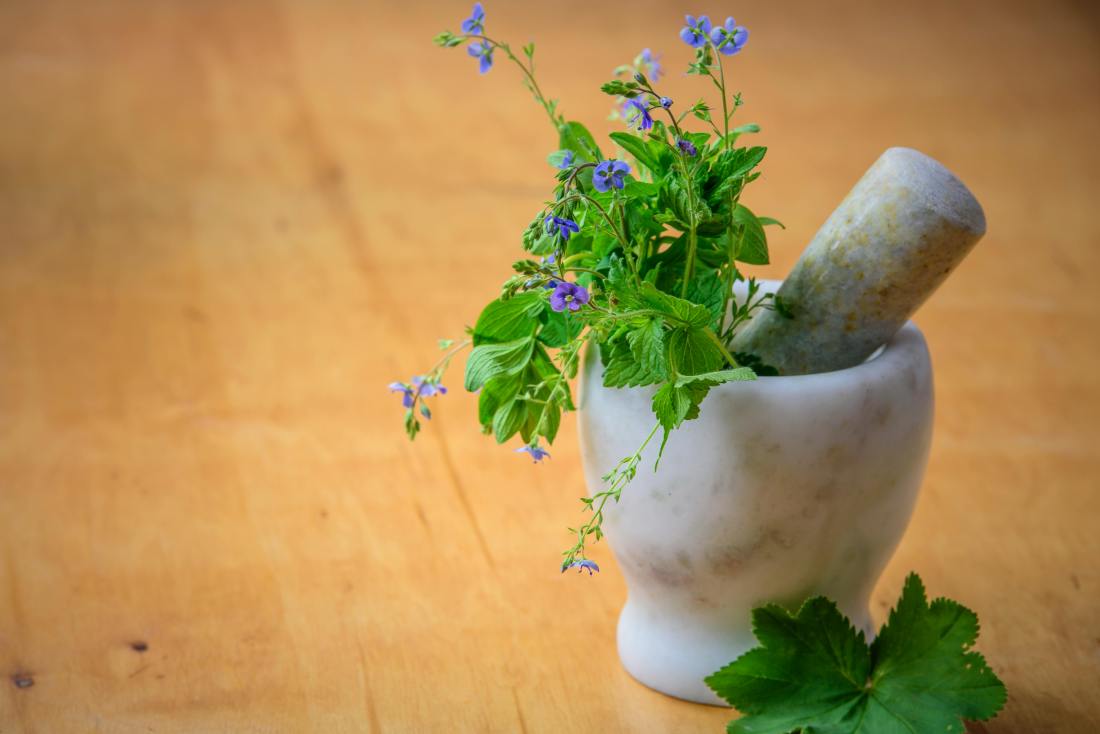
Ancient Indian herbal medicine, also known as Ayurveda, is a holistic healing system that dates back thousands of years. It is based on the principle of achieving balance and harmony within the body, mind, and spirit to promote overall health and well-being. Ayurveda utilizes a wide range of medicinal plants, herbs, minerals, and other natural substances to prevent and treat various ailments. Here are some key aspects of ancient Indian herbal medicine:
Herbal Remedies: Ayurveda emphasizes the use of herbs and plants to restore and maintain health. There are hundreds of medicinal plants used in Ayurvedic medicine, each with specific therapeutic properties. Some commonly used herbs include turmeric, neem, ashwagandha, tulsi (holy basil), ginger, and triphala.
Holistic Approach: According to Ayurveda, the concept of health is based on the balance between an individual’s mind, body and spirit. It recognizes the interconnectedness of all aspects of life and aims to address the root cause of illness rather than just treating symptoms. Ayurvedic practitioners consider an individual’s unique constitution (dosha), lifestyle, diet, and environment when prescribing herbal remedies.
Doshas: According to Ayurveda, there are three primary doshas or biological energies—Vata, Pitta, and Kapha—that govern various functions in the body. It is believed that imbalances in these doshas play a role in illness. Herbal medicine is used to restore equilibrium and harmonize the doshas, promoting optimal health.
Treatment Modalities: Ayurvedic herbal medicine is administered in various forms, including powders, capsules, tablets, decoctions, teas, oils, and pastes. These formulations may be taken orally, applied topically, or used in therapeutic procedures such as oil massage (abhyanga), herbal steam therapy (swedana), and detoxification (panchakarma).
Prevention and Wellness: Ayurveda places a strong emphasis on preventive healthcare and lifestyle practices to maintain health and prevent disease. Herbal medicines are used not only to treat existing ailments but also to strengthen the body’s natural defenses and promote longevity.
Traditional Knowledge: Ancient Indian herbal medicine is rooted in centuries-old traditional knowledge passed down through generations. Ayurvedic texts, such as the Charaka Samhita and Sushruta Samhita, contain detailed descriptions of medicinal plants, their properties, and therapeutic uses. This traditional wisdom continues to inform Ayurvedic practice today.
Global Influence: Ayurveda has gained popularity worldwide for its holistic approach to health and wellness. It has influenced complementary and alternative medicine practices in many countries and is increasingly integrated into mainstream healthcare systems.
Similar Posts
Types of Plants Used in Ayurveda
Ayurveda, the traditional system of medicine in India, utilizes a wide variety of plants for therapeutic purposes. These plants are valued for their medicinal properties and have been used for centuries to prevent and treat various ailments. Here are some of the most commonly used types of plants in Ayurvedic medicine:
Tulsi (Holy Basil):
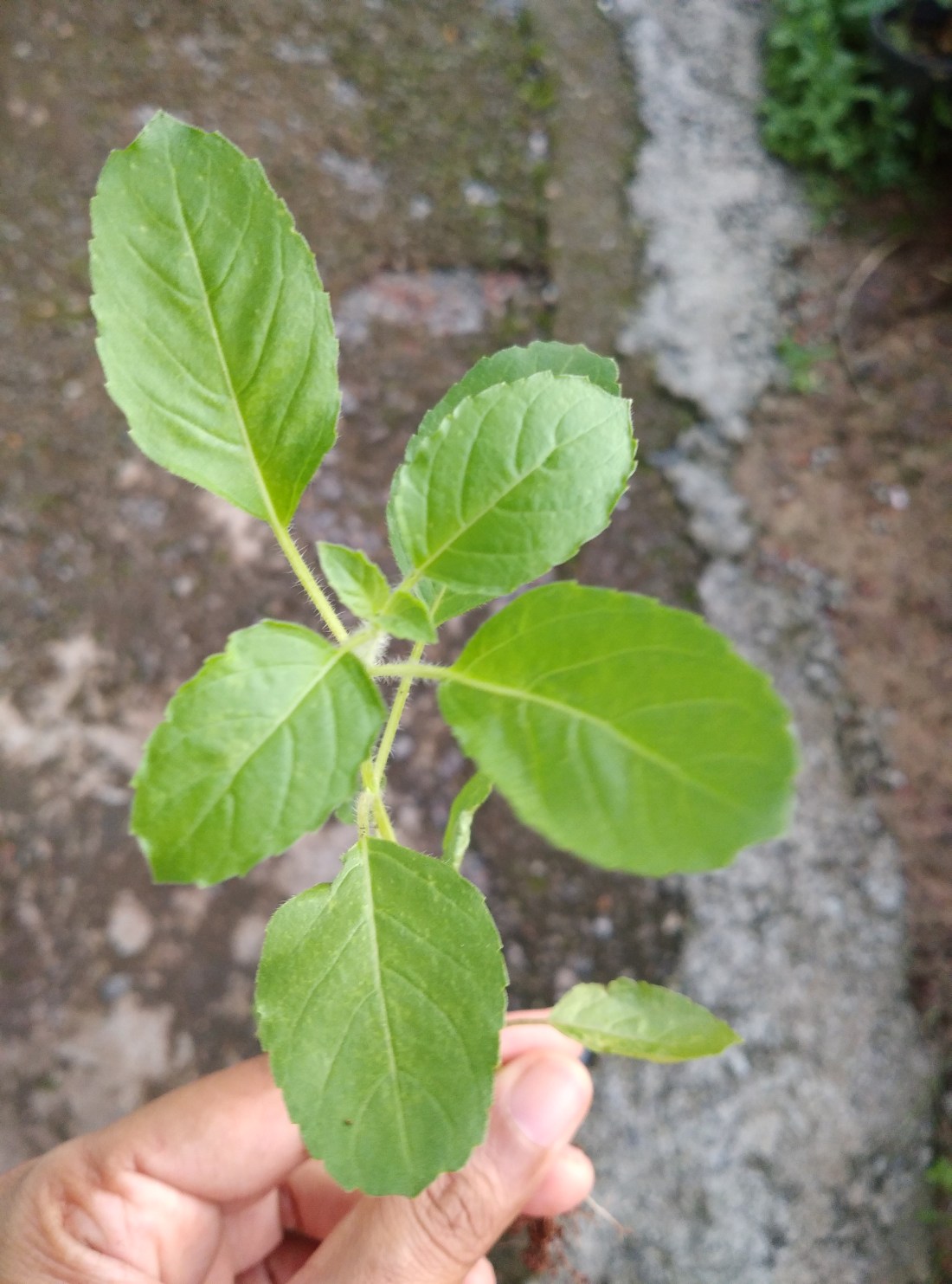
Known as the “Queen of Herbs,” tulsi is revered for its medicinal properties in Ayurveda. It is considered sacred and is used to treat respiratory disorders, fever, inflammation, and digestive issues. Tulsi is also believed to have adaptogenic properties, helping the body adapt to stress.
Ashwagandha:
Ashwagandha is an adaptogenic herb used to promote vitality, energy, and longevity in Ayurvedic medicine. It is prized for its ability to reduce stress, improve cognitive function, boost immunity, and enhance overall health and well-being.
Turmeric:
Turmeric is highly valued for its strong anti-inflammatory and antioxidant properties. It is used in Ayurveda to treat a wide range of conditions, including arthritis, digestive disorders, skin problems, and respiratory issues. Turmeric’s key ingredient, curcumin, is what gives it many of its medicinal benefits.
Neem:
Neem is a versatile medicinal plant with antibacterial, antiviral, antifungal, and antiseptic properties. It is used to treat skin disorders, infections, diabetes, and digestive issues. Neem leaves, oil, and bark are commonly used in Ayurvedic preparations.
Amla (Indian Gooseberry):
Amla which is also known as Indian Gooseberry is very rich in vitamin C and antioxidants. It is used in Ayurveda to boost immunity, improve digestion, promote hair growth, and rejuvenate the body. Amla is also believed to have anti-aging and anti-inflammatory properties.
Brahmi (Bacopa monnieri):
Brahmi is a renowned brain tonic used to enhance cognitive function, memory, and concentration. It is also used to reduce stress, anxiety, and insomnia. Brahmi is consumed in the form of a tea or taken in supplement form.
Ginger:
Ginger is a common kitchen herb with powerful medicinal properties. It is used in Ayurveda to improve digestion, relieve nausea, reduce inflammation, and boost immunity. Ginger tea is a popular remedy for colds, flu, and digestive discomfort.
Triphala:
Triphala is a combination of three fruits which are amalaki (Indian gooseberry), bibhitaki, and haritaki. It is used in Ayurveda as a gentle laxative and detoxifier to promote digestive health, eliminate toxins, and support overall well-being.
Guduchi (Tinospora cordifolia):
Guduchi is a potent immune-modulator and rejuvenating herb in Ayurveda. It is used to boost immunity, promote longevity, and treat various chronic conditions, including arthritis, diabetes, and skin disorders.
Guggul:
Guggul is a resin that is extracted from the Commiphora Mukul tree. It is used in Ayurveda to lower cholesterol, reduce inflammation, promote weight loss, and treat arthritis. Guggul is also believed to have anti-cancer properties.
These are just a few examples of the many plants used in Ayurvedic medicine. Ayurveda recognizes the healing potential of numerous plants and herbs, each with its unique therapeutic properties and applications.
In conclusion, ancient Indian herbal medicine, or Ayurveda, is a comprehensive system of healing that utilizes the therapeutic properties of medicinal plants to promote health and well-being. With its holistic approach, emphasis on individualized care, and rich tradition of knowledge, Ayurveda continues to play a significant role in healthcare today.
Happy Gardening!
 ILoveGardening