
Introduction
Gardening is more than just planting flowers and shrubs; it’s an art form that allows you to express your creativity and personality. Themed gardening takes this concept to the next level by creating a cohesive and immersive experience in your outdoor space. Whether you’re a seasoned gardener or a beginner, themed gardening can add a unique touch to your garden. In this article, we’ll explore various garden themes, how to plan and implement them, and tips for maintaining your themed garden.
What is Themed Gardening?
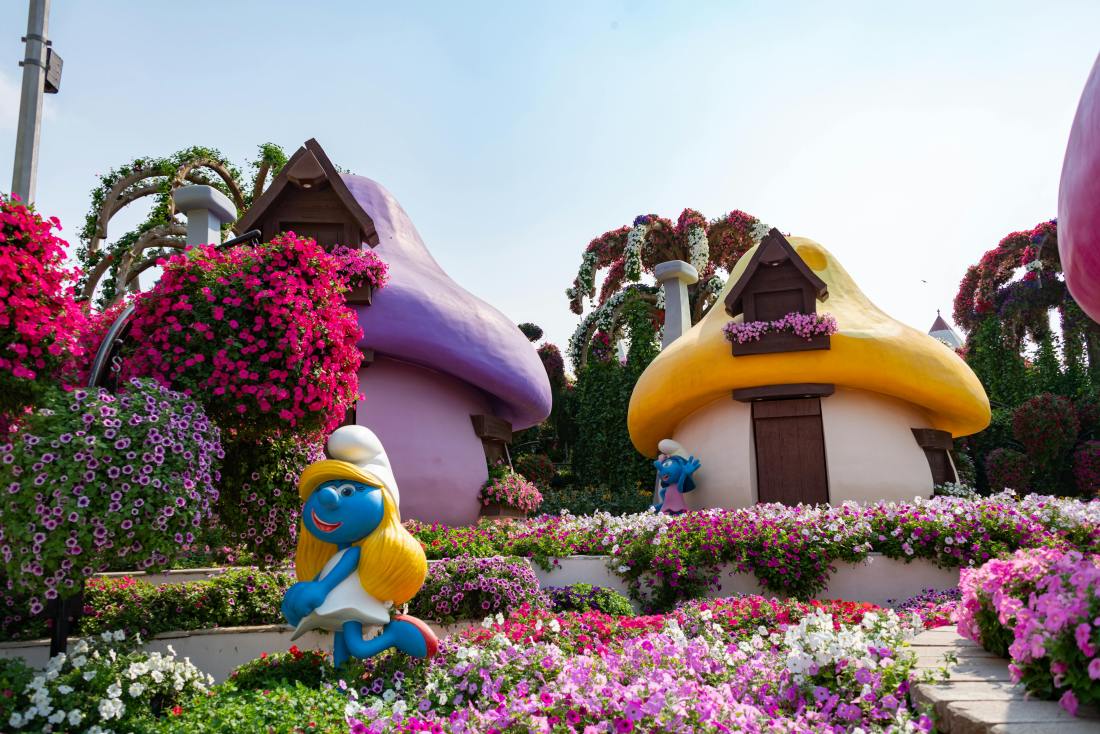
Themed gardening involves designing your garden around a specific concept or style. This could be inspired by a particular culture, historical period, or even a favorite book or movie. The goal is to create a harmonious and visually appealing space that tells a story or evokes a particular feeling.
Popular Garden Themes
1. Japanese Zen Gardens
Elements: Zen gardens are known for their simplicity and tranquility. Key elements include rocks, gravel, water features, and carefully pruned plants.
Plants: Bamboo, Japanese maple, and moss are popular choices.
Tips: Focus on creating a sense of balance and harmony. Use natural materials and avoid clutter.
2. Cottage Gardens
Elements: Cottage gardens are characterized by their informal, romantic style. They frequently include a combination of flowers, herbs, and vegetables.
Plants: Roses, lavender, and hollyhocks are common.
Tips: Plant densely to create a lush, overflowing look. Use winding paths and rustic garden furniture to enhance the charm.
3. Mediterranean Gardens
Elements: These gardens are designed to thrive in hot, dry climates. They often include terracotta pots, gravel paths, and drought-tolerant plants.
Plants: Olive trees, lavender, and rosemary are ideal.
Tips: Incorporate water-saving techniques like drip irrigation. Use bright, sun-soaked colors in your plant choices and decor.
4. Wildlife Gardens
Elements: Wildlife gardens aim to attract and support local wildlife, including birds, bees, and butterflies.
Plants: Native plants, wildflowers, and berry-producing shrubs.
Tips: Provide water sources and shelter. Please remember to avoid the use of pesticides and instead opt for organic gardening methods.
5. Herb Gardens
Elements: Herb gardens are both functional and beautiful. They can be designed in formal patterns or more casual arrangements.
Plants: Basil, thyme, mint, and parsley.
Tips: Plant herbs in well-drained soil and ensure they receive plenty of sunlight. Consider creating a dedicated herb spiral or raised beds.
Similar Posts:
Planning Your Themed Garden
Assess Your Space and Climate
Examine the dimensions, layout, and condition of your garden area. Think about elements like climate, soil type, and sunlight.
Choose a Theme
Select a theme that resonates with you and suits your environment. Research different themes and gather inspiration from books, magazines, and online resources.
Create a Design Plan
Sketch a layout of your garden, including the placement of plants, paths, and features. Think about how different elements will complement one another to produce a unified style.
Select Plants and Materials
Choose plants that fit your theme and are suitable for your climate. Select materials for paths, borders, and garden structures that complement your theme.
Implementing Your Garden Theme
Prepare the Soil
Ensure your soil is healthy and well-drained. Add vermicompost or other organic manure to improve soil quality.
Planting
Follow your design plan and start planting. Always group plants which have similar water and sunlight needs together.
Incorporate Hardscape Elements
Add paths, benches, water features, and other hardscape elements. These features can enhance the theme and provide structure to your garden.
Use Garden Art and Accessories
Decorate your garden with themed accessories like statues, lanterns, or decorative pots. These will add personality and charm to your garden space.
Maintaining Your Themed Garden
Regular Upkeep
Maintain your garden on a regular basis to keep it looking its best. This covers fertilization, pruning, weeding, and watering.
Seasonal Tasks
Adjust your care routine based on the season. For example, protect delicate plants in winter and ensure adequate watering in summer.
Pest Control
Use organic methods to manage pests. Encourage beneficial insects and use natural remedies to keep harmful pests at bay.
Adapt and Evolve
Gardens are dynamic and ever-changing. Be open to making adjustments and improvements as your garden matures.
Conclusion
Themed gardening is a wonderful way to personalize your outdoor space and create a unique, immersive experience. By choosing a theme that resonates with you and carefully planning and maintaining your garden, you can transform your yard into a beautiful and harmonious retreat. Whether you opt for the tranquility of a Japanese Zen garden or the vibrant charm of a cottage garden, themed gardening offers endless possibilities for creativity and enjoyment.
Happy Gardening!

 ILoveGardening