Save Your Orchids: Natural Cures for Common Pests and Diseases!

Introduction

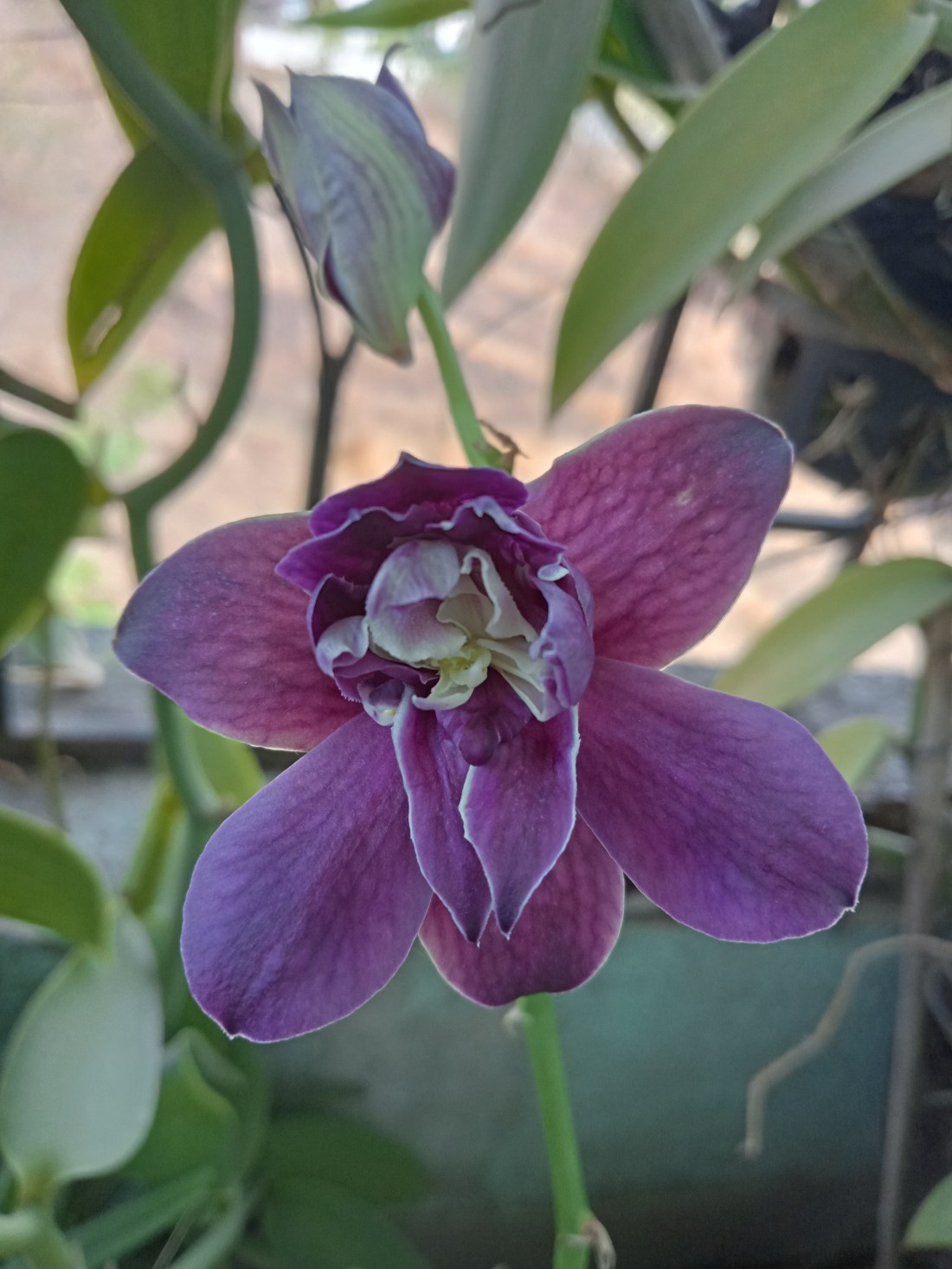
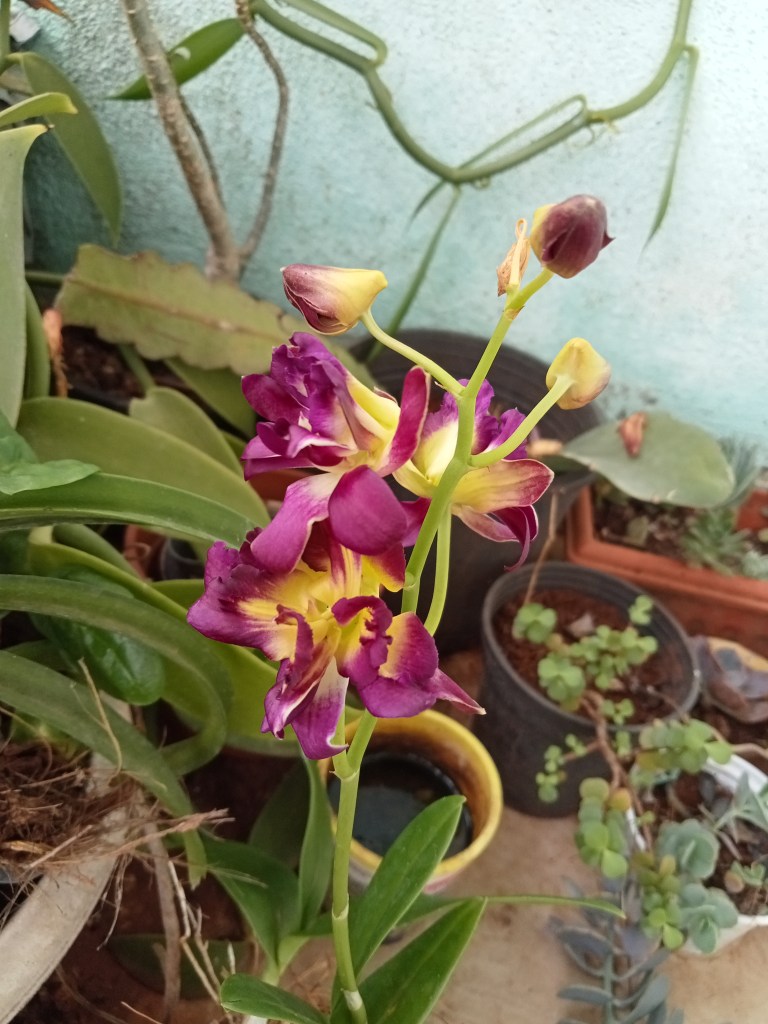
Dendrobium orchid

Orchids are among the most exotic and enchanting flowers, known for their stunning beauty and diversity. Like all plants, they can be affected by a variety of pests and diseases. These issues can damage or even kill orchids if not addressed promptly. Fortunately, there are natural and organic remedies that can help manage these problems effectively. This article explores some common pests and diseases affecting orchids and provides natural solutions to keep your orchids healthy and thriving.

Common Pests Affecting Orchids

1. Aphids

Aphids are small, soft-bodied insects that feed on the sap of orchids, causing yellowing and distortion of leaves and flowers. They also produce a sticky substance known as honeydew, which can result in the growth of sooty mold.

Natural Cure:

Neem Oil: Neem oil is a very good and effective organic pesticide. Mix one teaspoon of neem oil with one liter of water and a few drops of mild dish soap. Spray the solution on the affected areas of the orchid.

Ladybugs: Introduce ladybugs to your garden because they are natural predators of aphids.

2. Mealybugs

Mealybugs are small, white, cottony insects that cluster on the leaves, stems, and roots of orchids. They feed on the sap of the plant, which results in stunted growth and yellowing leaves.

Natural Cure:

Rubbing Alcohol: Rub alcohol-dipped cotton swabs to the mealybugs. This will kill them on contact.

Garlic Spray: Blend the garlic cloves with water, then strain the mixture. Spray the solution on the affected areas to repel mealybugs.

3. Spider Mites

Spider mites are tiny, red or yellowish pests that cause fine webbing on the undersides of orchid leaves. They suck the sap, leading to speckled leaves and overall plant weakness.

Natural Cure:

Water Spray: Use a strong spray of water to remove spider mites from the plant. Repeat this process regularly.

Essential Oils: Mix a few drops of rosemary or peppermint oil with water and spray on the affected areas. These oils deter spider mites.

4. Scale Insects

Scale insects appear as small, immobile bumps on orchid stems and leaves. They consume sap of the leaves, which leads to yellowing and wilting of the plant.

Natural Cure:

Insecticidal Soap: Use a mild insecticidal soap solution to wash off scale insects from the plant. Repeat the application as needed.

Horticultural Oil: Use horticultural oil to suffocate and eliminate scale insects.


Similar Posts:


Common Diseases Affecting Orchids

1. Root Rot

Root rot is a fungal disease that occurs due to overwatering and inadequate drainage. It leads to mushy, blackened roots and eventually leads to the death of the plant.

Natural Cure:

Cinnamon: Cinnamon is a natural fungicide. Dust cinnamon powder on the affected roots after trimming off the rotten parts.

Hydrogen Peroxide: Soak the roots in a hydrogen peroxide solution (one part hydrogen peroxide to four parts water) to disinfect and promote healthy root growth.

2. Leaf Spot

Leaf spot is a fungal or bacterial disease that causes black or brown spots on orchid leaves. In humid environments, it can spread rapidly.

Natural Cure:

Baking Soda Spray: Mix one teaspoon of baking soda with one liter of water and a few drops of mild dish soap. Spray the solution on the affected leaves to inhibit fungal growth.

Garlic Extract: Blend garlic cloves with water, strain, and spray on the affected areas to prevent the spread of leaf spot.

3. Powdery Mildew

Powdery mildew appears as a white, powdery coating on orchid leaves and stems. It thrives in warm, dry conditions and has the potential to weaken the plant.

Natural Cure:

Milk Spray: Combine one part milk with two parts water, then spray the mixture onto the affected areas. The proteins in milk help combat powdery mildew.

Neem Oil: Neem oil can also be used to control powdery mildew. Spray a neem oil solution on the affected parts of the plant.

4. Black Rot

Black rot is a serious fungal disease that affects the leaves and pseudobulbs of orchids. It causes black, mushy lesions and can quickly spread if not treated.

Natural Cure:

Lemon Juice: Apply diluted lemon juice to the affected areas to inhibit fungal growth.

Fungicidal Soap: Use a fungicidal soap solution to clean the plant and prevent the spread of black rot.

Preventive Measures

Prevention is always better than cure. Here are some tips to prevent pests and diseases in orchids:

1. Proper Watering

Overwatering is a common cause of many orchid diseases. Only when the top inch of the potting material is dry you should water the orchids. Make sure to provide proper drainage to avoid waterlogged conditions.

2. Good Air Circulation

Ensure good air circulation around your orchids to reduce humidity and prevent fungal and bacterial growth. Use fans or place your orchids in a well-ventilated area.

3. Sterilize Tools

Always sterilize your gardening tools before and after use to prevent the spread of diseases. To disinfect tools, use either rubbing alcohol or a bleach solution.

4. Monitor Plants Regularly

Make sure to regularly check your orchids for any signs of pests or diseases. Detecting and treating issues early can protect your plants from serious damage.

5. Use Clean Potting Medium

Use a clean, sterile potting medium to repot your orchids. Avoid reusing potting mix, which can harbor pests and diseases.

Conclusion

Orchids are delicate and require proper care to thrive. By understanding the common pests and diseases that affect orchids and using natural and organic remedies, you can keep your orchids healthy and beautiful. With preventive measures and timely treatments, you can enjoy the stunning beauty of your orchids for years to come.

Happy Gardening! 🌸🌿
Mastering Scale Bug Control: A Comprehensive Guide for Gardeners!

Introduction:

Scale bugs, with their small size and cryptic appearance, can wreak havoc on your garden plants if left unchecked. These pesky pests feed on plant sap, causing yellowing leaves, stunted growth, and overall decline in plant health. However, with the right strategies and diligent monitoring, you can effectively combat scale infestations and restore your garden to its former glory. In this comprehensive guide, we’ll explore everything you need to know about identifying, preventing, and eradicating scale bugs from your garden.

Identifying Scale Bugs

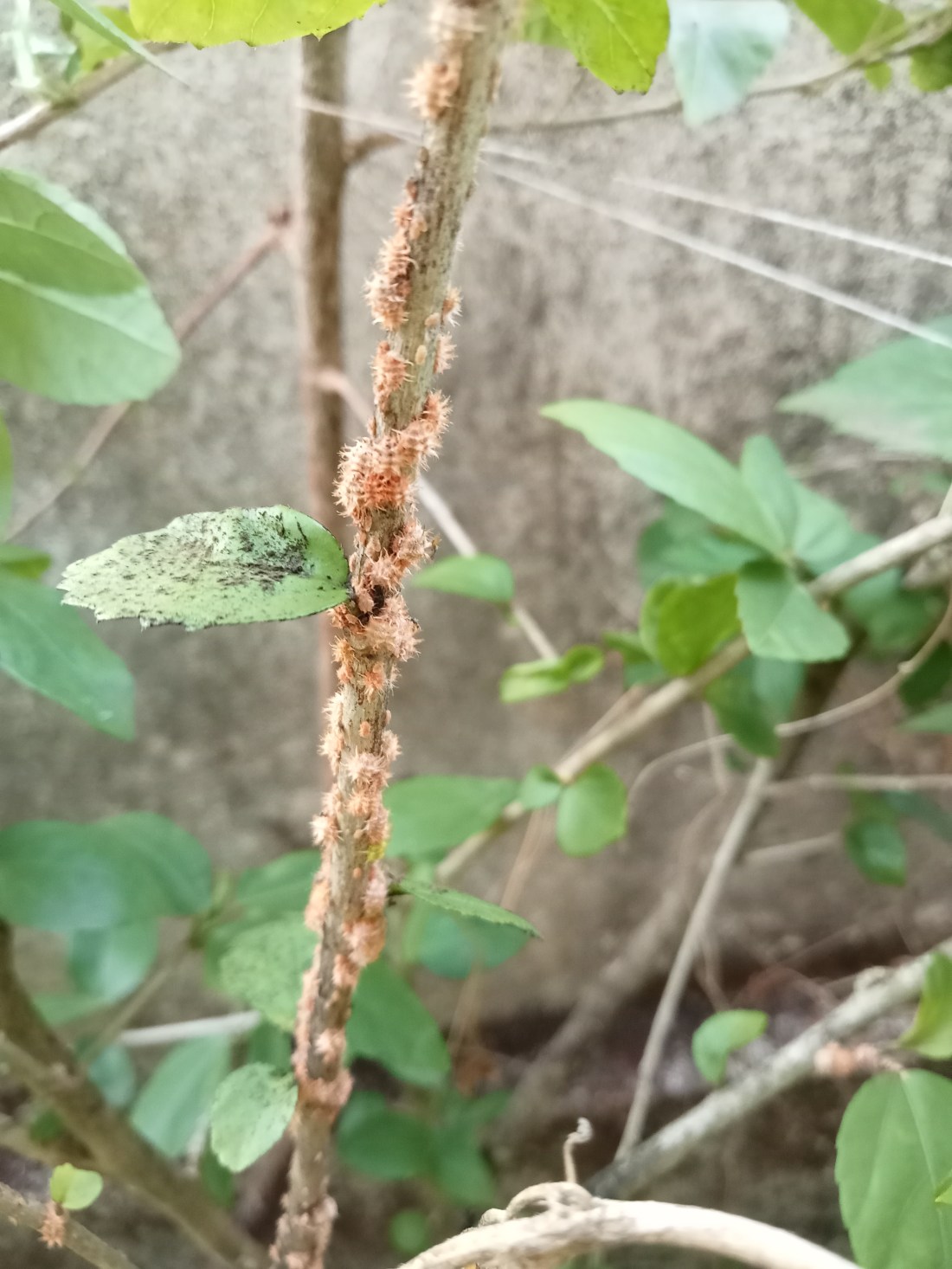
Before you can tackle a scale bug infestation, it’s essential to accurately identify these sneaky pests. Scale bugs are small, oval-shaped insects that attach themselves to plant stems and leaves. They often resemble tiny bumps or scales, hence their name. Scale bugs come in various colors, including white, brown, black, and even pink, depending on the species and life stage.

Signs of Scale Infestation

Keep a close eye on your garden plants for signs of scale infestation, including:

Sticky Residue: Scale insects secrete honeydew, a sugary substance that attracts ants and promotes sooty mold growth.

Yellowing Leaves: Plants infested with scale bugs may exhibit yellowing or wilting leaves, as the pests drain the plant’s sap and nutrients.

Stunted Growth: Severe scale infestations can cause stunted growth and overall decline in plant vigor.

Visible Insects: Look for clusters of scale bugs on the undersides of leaves, along stems, or in the crevices of plant joints.


Similar Posts:


Preventing Scale Infestations

Prevention is key when it comes to managing scale bugs in your garden. Here are some proactive measures you can take to minimize the risk of infestation:

Inspect New Plants: Before introducing new plants to your garden, thoroughly inspect them for signs of scale bugs or other pests. Quarantine new additions for a few weeks to monitor for any potential infestations.

Prune Infested Branches: Promptly prune and dispose of any plant branches or leaves infested with scale bugs to prevent the spread of the infestation to healthy plants.

Maintain Plant Health: Healthy, vigorously growing plants are less susceptible to scale infestations. Provide your plants with proper care, including adequate water, sunlight, and nutrients, to boost their natural defenses against pests.

Encourage Natural Predators: Introduce beneficial insects, such as ladybugs, lacewings, and parasitic wasps, to your garden to help control scale bug populations naturally.

Eradicating Scale Bugs

If you discover scale bugs in your garden, it’s essential to take swift action to prevent the infestation from spreading. Here are some effective methods for eradicating scale bugs:

Manual Removal: Use a soft brush or cloth dipped in rubbing alcohol to gently scrub scale bugs off plant surfaces. Be sure to target both adult insects and their eggs for thorough removal.

Horticultural Oils: Apply horticultural oils, such as neem oil or insecticidal soap, to affected plant parts to suffocate and kill scale bugs. For safe and effective application, it is important to carefully follow the instructions on the product label.

Systemic Insecticides: For severe infestations, consider using systemic insecticides that are absorbed by the plant and ingested by feeding scale bugs. Be sure to choose a product labeled for scale bug control and follow the manufacturer’s recommendations for application.

Monitoring and Maintenance

After treating your plants for scale bugs, continue to monitor them regularly for signs of reinfestation. Inspect plant surfaces for any lingering pests or new infestations, and take immediate action to address them. Additionally, maintain good garden hygiene by removing fallen leaves, weeds, and debris that can harbor scale bugs and other pests.

Conclusion:

By staying vigilant and implementing proactive pest management strategies, you can effectively control scale bugs and protect your garden plants from harm. Remember to regularly inspect your plants, practice good gardening practices, and take swift action at the first sign of infestation. With these tips and techniques, you’ll be well-equipped to keep your garden healthy, thriving, and free from scale bugs.

Happy Gardening!

Useful Insects and Harmful Insects in the Garden: A Gardener’s Guide!

Introduction:

Gardening is a beautiful blend of nature, hard work, and patience. However, every gardener knows that maintaining a garden isn’t just about planting and watering; it’s also about managing pests. While some insects are beneficial allies that help control pests and pollinate plants, others can wreak havoc on your beloved garden. In this guide, we’ll explore the useful insects and harmful insects you might encounter in your garden, helping you create a harmonious environment for your plants.

Useful Insects in the Garden:

1. Ladybugs (Ladybird Beetles)

Ladybugs are perhaps one of the most beloved beneficial insects. These colorful beetles feed on aphids, mites, and other soft-bodied pests, making them a gardener’s best friend. To attract ladybugs, you can plant dill, fennel, or dandelions, which are among their favorite plants.

2. Praying Mantis

The praying mantis is a fascinating predator that feeds on a variety of pests, including flies, mosquitoes, and caterpillars. These ambush predators are excellent for natural pest control and can be attracted to your garden by planting flowers like marigolds and cosmos.

3. Lacewings

Lacewings are delicate insects with lacy wings that feed on aphids, mites, and small caterpillars. They are often called the “aphid lions” due to their voracious appetite for these pests. You can lure lacewings to your garden by growing plants like dill, coriander, and angelica.

4. Ground Beetles

Ground beetles are nocturnal predators that hunt slugs, snails, and other pests that lurk on the ground. These beetles are excellent for keeping your garden free from ground-dwelling pests. Creating a habitat with leaf litter and rocks can attract ground beetles to your garden.

5. Bees

A lot of plants rely on bees as important pollinators for their reproduction. By pollinating flowers, bees help produce fruits and seeds, ensuring the health and diversity of your garden. Planting a variety of flowering plants will attract bees and other pollinators to your garden.


Similar Posts:


Harmful Insects in the Garden:

1. Aphids

Aphids are small, sap-sucking insects that can quickly multiply and infest your plants. These pests weaken plants by draining their sap and can transmit viruses between plants. To control aphids, you can use insecticidal soap or introduce ladybugs and lacewings, which feed on aphids.

2. Caterpillars

While some caterpillars, like the ones that turn into butterflies, are harmless, others can be voracious eaters that can defoliate your plants. Handpicking caterpillars or using organic insecticides can help manage these pests.

3. Whiteflies

Whiteflies are tiny, white, moth-like insects that feed on the sap of plants, causing leaves to yellow and drop prematurely. Moreover, they release honeydew, which promotes the development of sooty mold. Neem oil or insecticidal soap work well against whiteflies.

4. Spider Mites

Spider mites are small arachnids that suck plant sap, leading to leaf stippling and discoloration. Hot, dry weather is ideal for these pests to flourish. Regularly spraying plants with water and using insecticidal soap can help control spider mites.

5. Slugs and Snails

Slugs and snails are mollusks that feed on the leaves and stems of plants, leaving behind slimy trails. They are often active at night and on rainy days. To protect your plants from slugs and snails, you can create barriers using crushed eggshells or diatomaceous earth.

Conclusion:

Understanding the role of insects in your garden is essential for creating a balanced and thriving ecosystem. While some insects play a vital role in pollination and pest control, others can damage your plants and reduce yields. By identifying and managing both useful and harmful insects, you can maintain a healthy and productive garden.

Implementing integrated pest management (IPM) strategies, which combine cultural, biological, and chemical methods, can help you effectively manage pests while minimizing harm to beneficial insects. Remember, a healthy garden is a diverse garden, so encourage biodiversity by planting a variety of plants that attract beneficial insects and provide habitat for wildlife.

So, the next time you spot an insect in your garden, take a moment to identify it and understand its role in your garden ecosystem. With a little knowledge and planning, you can create a garden that thrives with the help of its tiny inhabitants.

Happy Gardening!

Banishing Mealy Bugs: A Comprehensive Guide to Eliminating the Garden Pest!

Introduction:

Mealy bugs, those tiny, soft-bodied insects that cluster on your beloved plants, can quickly become a gardener’s nightmare. Their voracious appetite for sap weakens plants and leads to unsightly damage. However, with the right strategies, you can effectively get rid of mealy bugs and protect your garden. In this comprehensive guide, we’ll explore various methods to banish mealy bugs, ensuring a thriving and healthy garden.

Identification and Early Detection:

Before launching into eradication efforts, it’s crucial to correctly identify mealy bugs. These pests are small, cottony, and often found in clusters on the undersides of leaves, stems, or in leaf joints. Early detection is vital for effective control. Regularly inspect your plants, especially the new growth, for any signs of these pests.

Isolation of Infected Plants:

Upon detecting mealy bugs, isolate the affected plants immediately. This prevents the pests from spreading to nearby healthy plants. Place the infested plant away from the rest of your garden until the mealy bug infestation is under control.

Manual Removal:

For a small infestation, manually removing mealy bugs can be surprisingly effective. Use a cotton swab or a soft brush dipped in a mixture of water and mild soap to gently wipe away the bugs. Focus on the undersides of leaves and the joints where they tend to congregate.

Stop Proliferators:

Ants, seemingly innocuous garden visitors, can play a significant role in the spread of mealy bugs, notorious pests that can wreak havoc on your plants. Mealy bugs, known for their sap-sucking tendencies, often find a willing accomplice in ants. These industrious insects act as vectors, transporting mealy bugs from plant to plant, facilitating their infestation. To safeguard your green companions, it’s crucial to be vigilant about the presence of ants in your pots. Regularly inspect and ensure that your plants’ containers are ant-free, creating a first line of defense against the unwelcome collaboration between ants and mealy bugs. By breaking this cycle, you take a proactive step in maintaining a thriving and pest-free garden environment.

Natural Predators:

Introducing natural predators into your garden is an eco-friendly and effective way to control mealy bug populations. Ladybugs, lacewings, and predatory beetles are known to feed on mealy bugs. Create a welcoming environment for these beneficial insects by planting nectar-rich flowers or installing insect houses.

Neem Oil:

Neem oil, derived from the neem tree, is a potent natural insecticide that disrupts the life cycle of mealy bugs. Dilute neem oil according to the instructions and spray it directly on the affected plants. This not only kills existing mealy bugs but also acts as a deterrent for future infestations.


Similar Posts


Insecticidal Soap:

Insecticidal soaps are another effective and safe option for controlling mealy bugs. These soaps work by suffocating the pests without harming the plants. Apply the soap directly to the affected areas, making sure to cover the mealy bugs thoroughly. Repeat the application as needed.

Alcohol Spray:

A simple and readily available solution is a mixture of rubbing alcohol and water. Mix equal parts of rubbing alcohol and water in a spray bottle and apply it directly to the mealy bugs. The alcohol dissolves the waxy coating on their bodies, dehydrating and ultimately killing them.

Organic Pesticides:

Several organic pesticides, such as insecticidal oils and diatomaceous earth, can be effective against mealy bugs. These products are plant-friendly and can be applied according to the package instructions. Always opt for organic solutions to minimize harm to beneficial insects and the environment.

Pruning Infested Parts:

If mealy bugs have infested specific parts of a plant, consider pruning those areas. Remove heavily infested leaves or stems, ensuring that you dispose of them away from the garden. Pruning helps reduce the overall mealy bug population and encourages new, healthy growth.

Maintaining Garden Hygiene:

Preventing mealy bug infestations requires maintaining good garden hygiene. Regularly clean your garden tools, pots, and surrounding areas to eliminate potential hiding spots for mealy bugs. Properly dispose of any debris or dead plant material to deter these pests from taking residence.

Conclusion:

Dealing with mealy bugs in your garden may seem daunting, but with a strategic and proactive approach, you can successfully banish these pests. Whether you opt for natural predators, organic solutions, or manual removal, consistent monitoring and early intervention are key. Remember to stay vigilant, practice good garden hygiene, and create an environment that fosters the well-being of your plants while deterring mealy bugs. By implementing these methods, you’ll reclaim your garden and enjoy a flourishing, pest-free oasis.

 Happy gardening!