Useful Insects and Harmful Insects in the Garden: A Gardener’s Guide!

Introduction:

Gardening is a beautiful blend of nature, hard work, and patience. However, every gardener knows that maintaining a garden isn’t just about planting and watering; it’s also about managing pests. While some insects are beneficial allies that help control pests and pollinate plants, others can wreak havoc on your beloved garden. In this guide, we’ll explore the useful insects and harmful insects you might encounter in your garden, helping you create a harmonious environment for your plants.

Useful Insects in the Garden:

1. Ladybugs (Ladybird Beetles)

Ladybugs are perhaps one of the most beloved beneficial insects. These colorful beetles feed on aphids, mites, and other soft-bodied pests, making them a gardener’s best friend. To attract ladybugs, you can plant dill, fennel, or dandelions, which are among their favorite plants.

2. Praying Mantis

The praying mantis is a fascinating predator that feeds on a variety of pests, including flies, mosquitoes, and caterpillars. These ambush predators are excellent for natural pest control and can be attracted to your garden by planting flowers like marigolds and cosmos.

3. Lacewings

Lacewings are delicate insects with lacy wings that feed on aphids, mites, and small caterpillars. They are often called the “aphid lions” due to their voracious appetite for these pests. You can lure lacewings to your garden by growing plants like dill, coriander, and angelica.

4. Ground Beetles

Ground beetles are nocturnal predators that hunt slugs, snails, and other pests that lurk on the ground. These beetles are excellent for keeping your garden free from ground-dwelling pests. Creating a habitat with leaf litter and rocks can attract ground beetles to your garden.

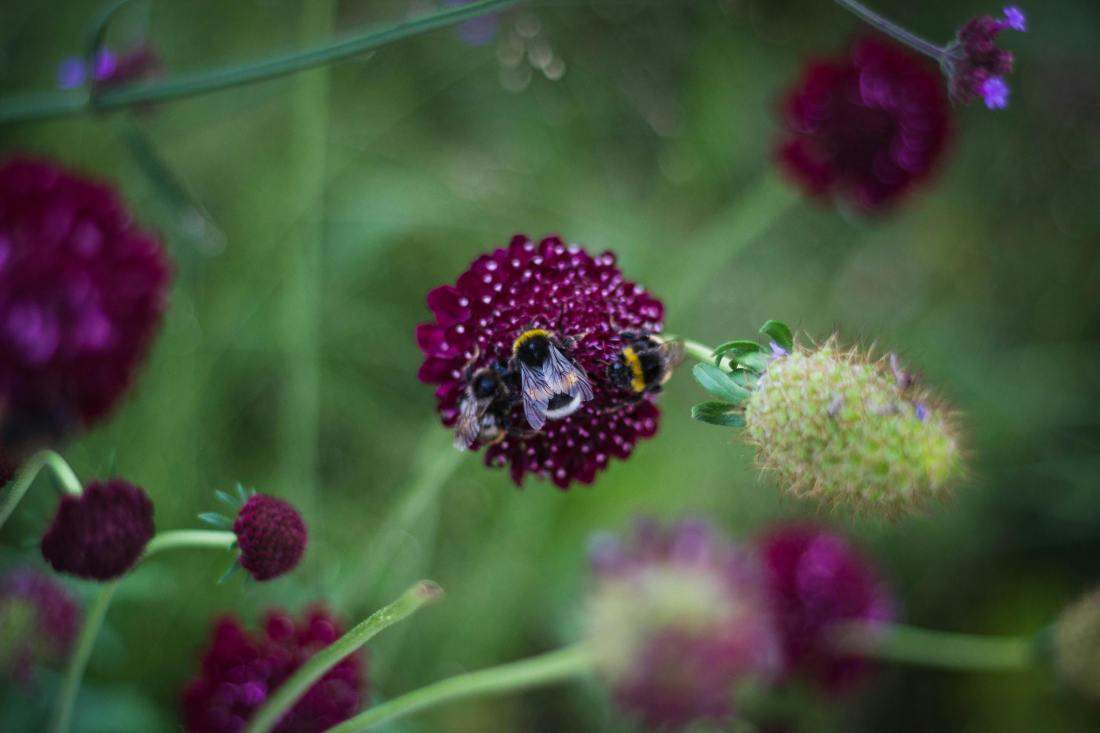
5. Bees

A lot of plants rely on bees as important pollinators for their reproduction. By pollinating flowers, bees help produce fruits and seeds, ensuring the health and diversity of your garden. Planting a variety of flowering plants will attract bees and other pollinators to your garden.


Similar Posts:


Harmful Insects in the Garden:

1. Aphids

Aphids are small, sap-sucking insects that can quickly multiply and infest your plants. These pests weaken plants by draining their sap and can transmit viruses between plants. To control aphids, you can use insecticidal soap or introduce ladybugs and lacewings, which feed on aphids.

2. Caterpillars

While some caterpillars, like the ones that turn into butterflies, are harmless, others can be voracious eaters that can defoliate your plants. Handpicking caterpillars or using organic insecticides can help manage these pests.

3. Whiteflies

Whiteflies are tiny, white, moth-like insects that feed on the sap of plants, causing leaves to yellow and drop prematurely. Moreover, they release honeydew, which promotes the development of sooty mold. Neem oil or insecticidal soap work well against whiteflies.

4. Spider Mites

Spider mites are small arachnids that suck plant sap, leading to leaf stippling and discoloration. Hot, dry weather is ideal for these pests to flourish. Regularly spraying plants with water and using insecticidal soap can help control spider mites.

5. Slugs and Snails

Slugs and snails are mollusks that feed on the leaves and stems of plants, leaving behind slimy trails. They are often active at night and on rainy days. To protect your plants from slugs and snails, you can create barriers using crushed eggshells or diatomaceous earth.

Conclusion:

Understanding the role of insects in your garden is essential for creating a balanced and thriving ecosystem. While some insects play a vital role in pollination and pest control, others can damage your plants and reduce yields. By identifying and managing both useful and harmful insects, you can maintain a healthy and productive garden.

Implementing integrated pest management (IPM) strategies, which combine cultural, biological, and chemical methods, can help you effectively manage pests while minimizing harm to beneficial insects. Remember, a healthy garden is a diverse garden, so encourage biodiversity by planting a variety of plants that attract beneficial insects and provide habitat for wildlife.

So, the next time you spot an insect in your garden, take a moment to identify it and understand its role in your garden ecosystem. With a little knowledge and planning, you can create a garden that thrives with the help of its tiny inhabitants.

Happy Gardening!

Effective Strategies for Eliminating Whiteflies from Your Garden!

Introduction

Whiteflies, those tiny, pesky insects, can wreak havoc on the health and vibrancy of your garden. These minuscule pests feed on plant juices, causing yellowing, wilting, and stunted growth in various garden plants. However, fret not! Here’s a comprehensive guide on how to banish whiteflies from your garden using both natural and effective methods.

Identifying Whiteflies

Before diving into eradication methods, recognizing these pests is crucial. Whiteflies are tiny, moth-like insects, often found in clusters on the underside of leaves. They leave behind a sticky residue called honeydew, promoting the growth of sooty mold.

Detrimental Effects on Plant Health

Whiteflies might seem innocuous due to their small size, but their impact on garden plants can be quite devastating. Here’s how these tiny insects cause damage:

Feeding Habits: Whiteflies feed on plant sap by piercing the phloem vessels, depriving plants of essential nutrients. This continuous feeding weakens plants, leading to yellowing, wilting, and stunted growth.

Toxin Secretion: As whiteflies feed, they excrete a sticky substance called honeydew. This honeydew serves as a breeding ground for sooty mold, a dark fungus that covers leaves, hindering photosynthesis and further weakening plants.

Transmission of Diseases: Whiteflies act as vectors for various plant viruses. When they feed on infected plants, they pick up the virus and transmit it to healthy plants, causing diseases that can lead to severe damage or death of the plant.

Mass Infestation: These pests reproduce rapidly, forming dense colonies on the underside of leaves. Their sheer numbers can overwhelm plants, causing stress and ultimately impacting their ability to thrive.

Reduction in Crop Yield: In agricultural settings, whiteflies can significantly reduce crop yields. Infestations can lead to economic losses due to diminished productivity and compromised plant health.

Natural Remedies to Combat Whiteflies

Spraying with Neem Oil: Neem oil, a natural insecticide, disrupts the life cycle of whiteflies. Dilute it with water and apply it to the affected plants, focusing on the undersides of leaves.

Introduce Beneficial Insects: Predatory insects like ladybugs, lacewings, and certain species of parasitic wasps feed on whiteflies, helping to control their population naturally.

Homemade Insecticidal Soap: Mix liquid soap with water and spray it on the infested plants. This solution suffocates whiteflies, effectively reducing their numbers.


Similar Posts


Cultural Practices for Prevention

Pruning Infested Leaves: Regularly inspect your plants and remove heavily infested leaves to prevent the spread of whiteflies.

Hosing Down Plants: Use a strong jet of water to dislodge whiteflies from plants. To interrupt their lifecycle, it is recommended to repeat this process every few days. Please make sure to follow this procedure regularly.

Yellow Sticky Traps: Hang yellow sticky traps around affected plants. Whiteflies are attracted to the color yellow and get trapped on these sticky surfaces.

Chemical Control Methods

When natural remedies prove insufficient, resort to chemical solutions:

Insecticidal Sprays: Chemical insecticides, labeled specifically for whiteflies, can be used as a last resort. Follow instructions meticulously and avoid harming beneficial insects.

Systemic Insecticides: These are absorbed by the plant, making it toxic to whiteflies. Exercise caution and follow directions closely when using systemic treatments.

Note: Avoid using these chemicals for edible plants such as vegetables and herbs; they should only be considered as a last resort.

Preventive Measures for Long-Term Control

Regular Monitoring: Maintain vigilance over your garden to catch whitefly infestations early, preventing widespread damage.

Diverse Plantings: Promote biodiversity in your garden to minimize the risk of severe infestations. Companion planting can deter whiteflies from targeting specific plants.

Conclusion

In conclusion, battling whiteflies demands a multi-faceted approach. Combining natural remedies, cultural practices, and, if necessary, targeted chemical control methods, can effectively rid your garden of these persistent pests. Remember, consistency and early intervention are key to maintaining a healthy and thriving garden ecosystem.

Whether it’s organic solutions, cultural practices, or targeted interventions, reclaiming your garden from whiteflies is achievable with persistence and the right strategies in place.

Happy Gardening!