
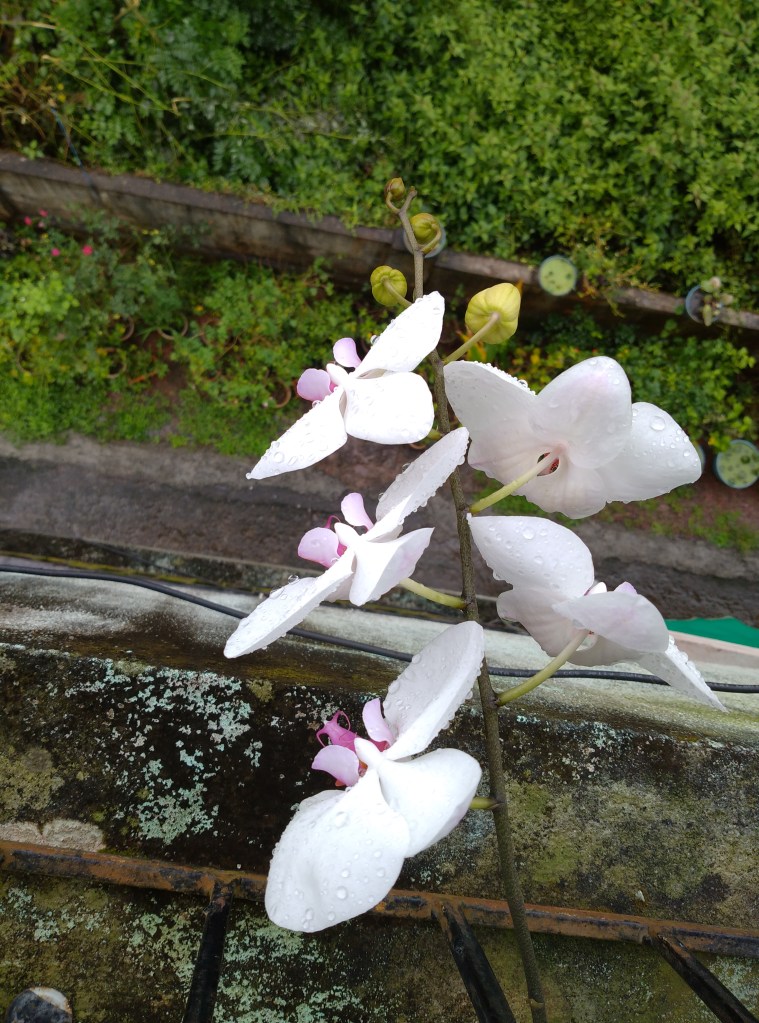
Indoor Gardening refers to growing plants indoors it may be your home, office, or any other enclosed area. Urban regions are now seeing a surge in indoor gardening. It has also become a part of interior design. Plants not only beautify your home but will also improve the quality of the air. It is considered good from Vastu’s point of view also. There are different types of gardening like container gardening, vertical gardening, terrariums, hydroponics, etc. The most common type among them is container gardening which we will be discussing in this article.
Before beginning indoor gardening, there are a few things you need to keep in mind:
Selecting Plants
The selection of indoor plants depends mainly on your house structure. How much space is available, availability of sunlight, movement of people in the house, and purpose of gardening. If you want to grow vegetables, then you can grow plants such as tomatoes, eggplant, onion, and cabbage. These plants require sunlight so you need to keep them in south facing corner of the house or you can keep them in the gallery. If you want to grow herbs, then you can grow basil, ginger, and aloe vera. If you want to grow decorative plants, then you can grow money plants, spider plants, snake plants, English ivy orchids, and bamboo plants.
Placement
The placement of the plant depends on the types of plants and also the convenience of the people in the house. Don’t keep plants in a place where there is regular movement. Also, keep plants away from pets or toddlers. keep a plate below the container so that the excess water want flows over the floor. And empty it frequently to avoid mosquito larvae.
Light Source
Sunlight is very important for the growth of plants. With the help of sunlight, plants prepare their food through a process known as photosynthesis. The requirement for sunlight may be different for different varieties of plants. Plants that require more sunlight should always be placed in south facing direction as I have mentioned earlier. Plants like orchids require indirect sunlight for flowering. These should be kept near the window which gets partial or indirect sunlight.
You can also use an artificial light source such as led light for growing your indoor plants.
Growing Medium
The growing medium is very important in growing any plant. Since you are growing your plants indoors it’s better to use a well-drained potting mix. Avoid using cocopeat as it keeps the soil moist. If you are using it then don’t overwater your plants. The growing medium should be composed of garden soil, vermicompost, and sand(2:2:1). Again the potting ratio and the medium may differ depending on the plants.
Fertilizer
The requirement for indoor plants is less as compared to garden plants, especially for pothos(money plants), spider plants, snake plants, and English ivy. If you are growing vegetables or herbs or flowering plants then you need to fertilize them regularly. Fertilize these plants once in 15 days. Avoid using organic fertilizer. You can use vermicompost. You can also prepare your fertilizer from your kitchen waste.
Pest control
As I mentioned earlier foliage plants like pothos spider plants and snake plants are hardy, they don’t require much care. Only vegetables, herbs, and flowering plants are prone to diseases and get affected by pests. Common types of bugs are aphids, mealy bugs, and caterpillars. As it said precaution is better than cure. It’s better to make your plants resistant to diseases rather than treating infected plants. For these spray dilutes neem oil on leaves twice a month.
Water requirement
This is another factor you need to consider while gardening. As indoor plants require very less sunlight the water requirement will also be less. You can water them once in two days. Aloe vera and orchids require very less water. You can water these plants once a week. For orchids, you can put ice cubes.
Repotting
Repotting is required if the plant becomes weak or it grows too big. If your plants suddenly start shedding leaves or the leaves become yellow or the plant doesn’t grow or flower then it’s better to report the plants. after removing the plants from the container check their roots. If the roots are rotted then cut those roots and dip them in water containing fungicide or you can simply clean them by rubbing them with cotton dipped in neem oil. Keep it in a shade for a day then report it.
Types Of Indoor Plants
You can grow anything indoors if you provide proper light, potting mix, and fertilizer. But it is difficult and a little costly to do so. Therefore I am listing some indoor plants which you can grow easily in your house or office.
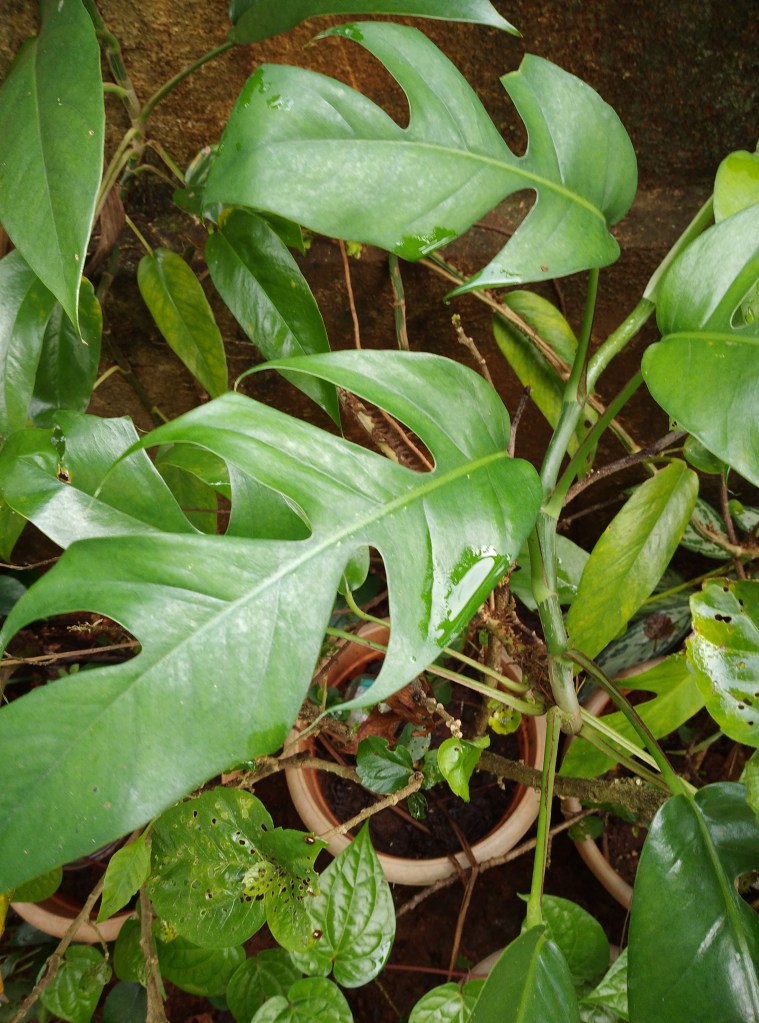
Foliage Plants
- Money Plant
- Peace Lily
- Spider Plant
- Rubber Plant
- Ficus Plant
Flowering Plants
- Orchid
- Hoya carnosa
- Anthurium
- Christmas Cactus
- Kalanchoe
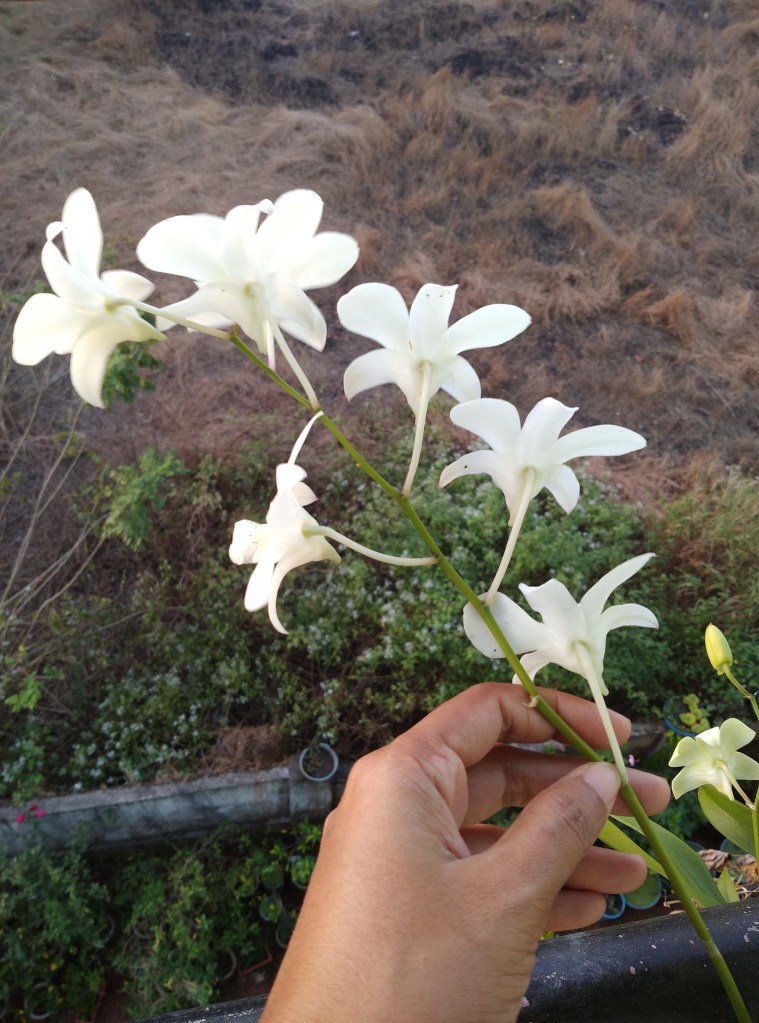
These plants require a sufficient amount of sunlight for flowering. So keep these plants in a south-facing window or on your balcony
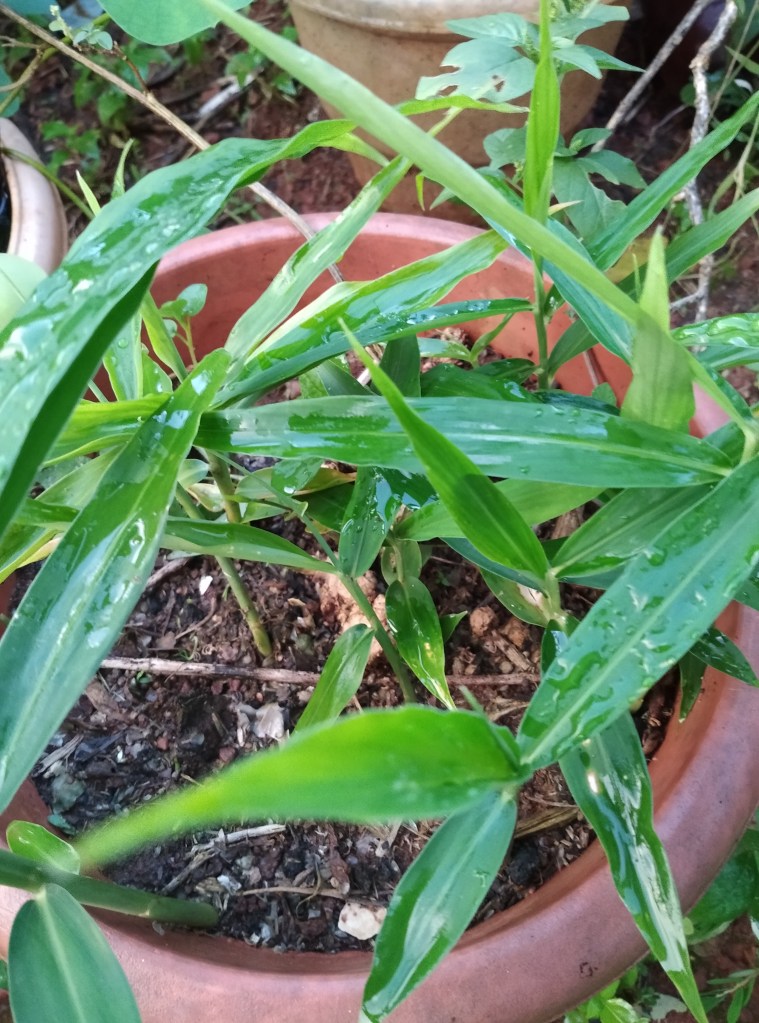
Herbs or Medicinal Plants
- Tulsi/Basil
- Alovera
- Mint
- Ginger
- Garlic
Vegetables
- Pepper
- Tomato
- Potato
- Brinjal
- Beans
- Lady’s Finger
- Onion
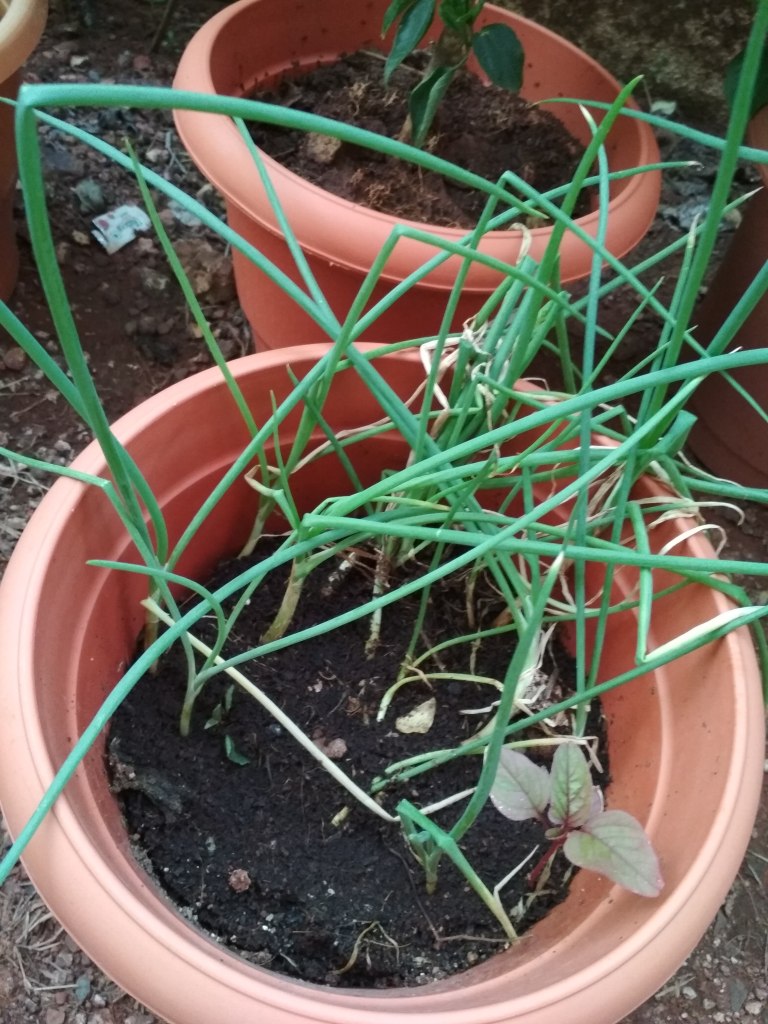
These plants also require a good amount of sunlight, so it’s better to keep them on a balcony that gets good sunlight.
The first two categories of plants are good for beginners. After getting some experience start growing the last two categories of plants.
Benefits Of Indoor Gardening
1. The first benefit is you can grow any Grow Anything At any time irrespective of the weather.
2. Indoor plants improve air quality by taking carbon dioxide and giving out oxygen. Plants like peace lilies, pothos, and spider plants also absorb toxins.
3. The temperature of the house is lowered by indoor plants.
4.Plants are theraupatic.They help in reducing stress levels.
5. Plants increase productivity by sharpening our focus.
Now you must have come to know the vast benefits of indoor gardening. So start your indoor garden by buying your first plant. All The Best.
Happy Gardening!!!
 ILoveGardening