
Introduction
Horticulture, the practice of garden cultivation and management, is both an art and a science. It encompasses a wide range of activities aimed at growing and improving plants for food, medicine, aesthetics, and environmental benefits. Unlike agriculture, which focuses on large-scale crop production, horticulture is often more intimate and diverse, involving everything from home gardens to urban parks. This article delves into the various aspects of horticulture, its history, techniques, and its significance in our lives today.
A Brief History of Horticulture
Horticulture has ancient roots, dating back to the earliest human civilizations. Archaeological evidence suggests that as early as 10,000 BCE, humans began cultivating plants in the Fertile Crescent region. The Egyptians, Greeks, and Romans made significant contributions to horticultural practices, particularly in the cultivation of medicinal and ornamental plants.
In medieval Europe, monastic gardens became centers of horticultural knowledge, preserving ancient techniques and introducing new plant species. The Renaissance period saw a surge in botanical gardens and the classification of plants, laying the foundation for modern horticulture.
Branches of Horticulture
Horticulture can be broadly divided into several branches, each focusing on different types of plants and purposes:
1. Pomology
Pomology is the science of fruit cultivation. It involves the study and cultivation of fruit trees and shrubs, including apples, oranges, grapes, and berries. Pomologists work to improve fruit quality, yield, and resistance to pests and diseases through breeding and cultural practices.
2. Olericulture
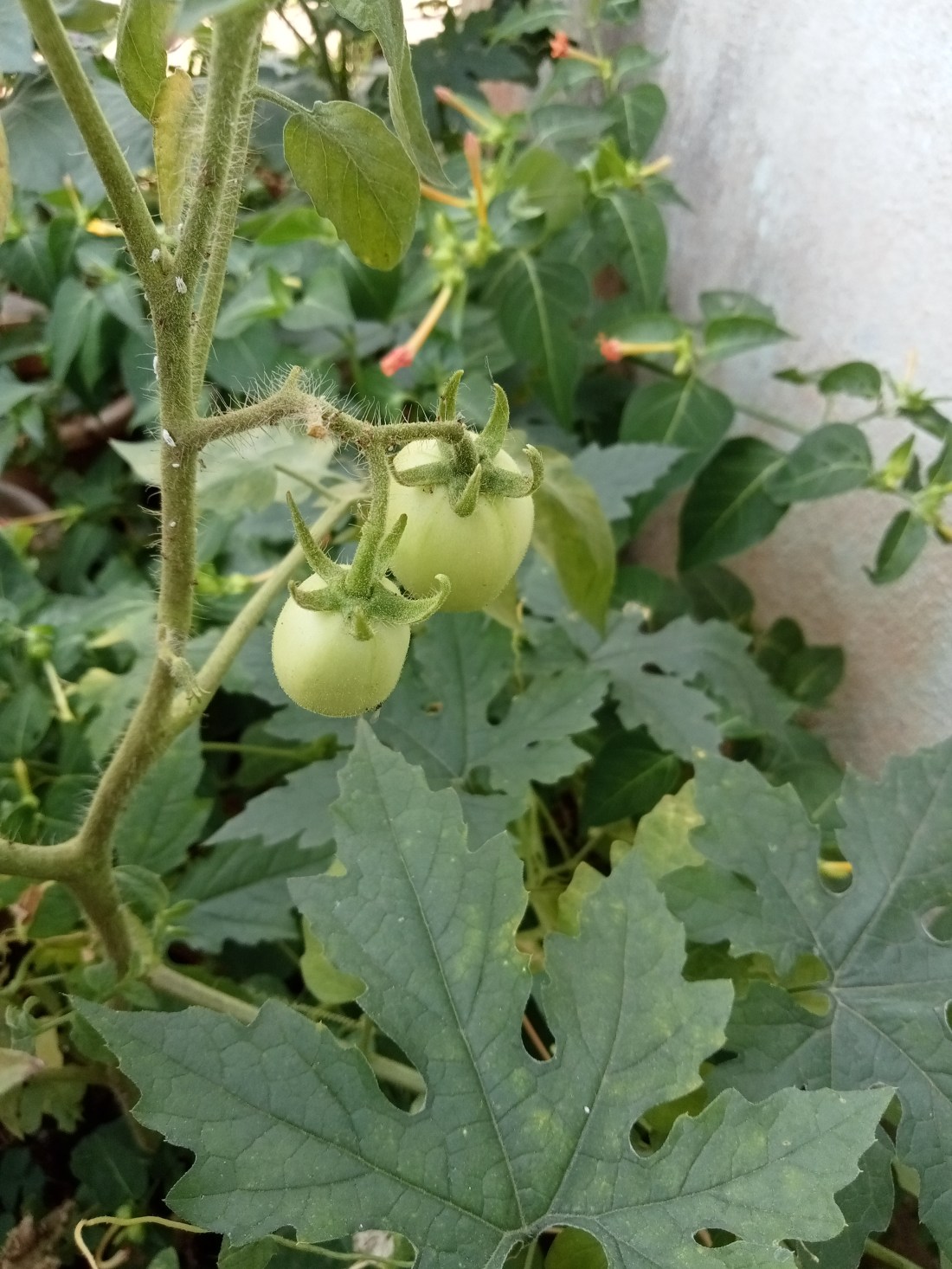
The branch of horticulture that focuses on vegetable production is called olericulture. This includes everything from leafy greens and root crops to tomatoes and peppers. Olericulturists focus on optimizing growing conditions, pest control, and harvesting techniques to ensure high-quality produce.
3. Floriculture
Floriculture is the cultivation of flowering plants for gardens, floral arrangements, and the floral industry. It encompasses the breeding, growing, and marketing of flowers such as roses, lilies, and tulips. Floriculturists also work on creating new flower varieties through hybridization and genetic modification.
4. Landscape Horticulture
Landscape horticulture involves the design, installation, and maintenance of landscapes, including parks, gardens, and urban green spaces. Landscape horticulturists plan and manage plantings to create aesthetically pleasing and functional outdoor environments. They consider factors such as plant selection, soil preparation, and irrigation to ensure healthy, sustainable landscapes.
5. Arboriculture
Arboriculture is the cultivation and management of trees and shrubs, particularly in urban environments. Arborists focus on the health and safety of individual trees, providing services such as pruning, disease diagnosis, and tree removal. Their work helps maintain the ecological and aesthetic value of trees in our communities.
Techniques and Practices in Horticulture
Horticulture involves a variety of techniques and practices aimed at promoting healthy plant growth and maximizing yields. Some of the key techniques include:
1. Propagation
The practice of growing new plants from existing ones is called plant propagation. It can be done through sexual methods, such as seed sowing, or asexual methods, such as cuttings, grafting, and tissue culture. Propagation ensures the reproduction of desirable plant traits and allows for the mass production of plants.
2. Soil Management
Healthy soil is the foundation of successful horticulture. Soil management practices include soil testing, amendment with organic matter, and proper drainage. These practices improve soil structure, fertility, and water-holding capacity, providing an optimal growing environment for plants.
3. Irrigation
Irrigation is critical for maintaining adequate moisture levels for plant growth. Horticulturists use various irrigation methods, such as drip irrigation, sprinkler systems, and hand watering, to deliver water efficiently and evenly to plants. Proper irrigation practices help conserve water and prevent issues like root rot and nutrient leaching.
4. Pest and Disease Management
Integrated Pest Management (IPM) is a holistic approach to controlling pests and diseases in horticulture. It involves monitoring pest populations, using biological controls, and applying chemical treatments only when necessary. IPM aims to minimize the impact of pests and diseases on plants while reducing the use of harmful chemicals.
5. Pruning and Training
Pruning and training are essential for maintaining the shape, size, and health of plants. Pruning involves the removal of dead, diseased, or excess branches to encourage healthy growth and improve air circulation. Training techniques, such as trellising and staking, help support plants and direct their growth in a desired manner.
Similar Posts:
The Importance of Horticulture
Horticulture plays a vital role in our lives and the environment in several ways:
1. Food Security
Horticulture contributes significantly to food production, providing a diverse range of fruits, vegetables, and nuts that are essential for a balanced diet. By improving crop yields and quality, horticulture helps ensure a steady and nutritious food supply for growing populations.
2. Economic Impact
The horticulture industry is a major economic driver, generating employment and income through the production and sale of plants and related products. From nurseries and greenhouses to farmers’ markets and floral shops, horticulture supports a wide range of businesses and livelihoods.
3. Environmental Benefits
Horticulture enhances biodiversity and promotes environmental sustainability. Green spaces, such as parks and gardens, provide habitats for wildlife, improve air quality, and mitigate the effects of urbanization. Sustainable horticultural practices, such as organic farming and water conservation, contribute to the health of our ecosystems.
4. Mental and Physical Well-being
Gardening and interacting with plants have been shown to have numerous physical and mental health benefits. Horticultural therapy, which uses gardening activities to improve well-being, is used in various healthcare settings to reduce stress, enhance mood, and promote physical activity.
Conclusion
Horticulture is a multifaceted field that combines scientific knowledge with practical skills to cultivate plants for various purposes. From providing food and beauty to enhancing our environment and well-being, horticulture is an essential and enriching part of human life. By embracing and advancing horticultural practices, we can continue to enjoy the many benefits that come from cultivating nature’s bounty.
Happy Gardening! 🌿🌼
 ILoveGardening