Unveiling the Secrets of Tomato Plant Cultivation: A Comprehensive Guide!

Introduction:

Tomatoes, with their juicy texture and vibrant colors, are a staple in gardens and kitchens worldwide. Whether you’re a seasoned gardener or a novice enthusiast, growing tomatoes can be a rewarding and enjoyable experience. From selecting the right varieties to providing optimal growing conditions, there are several key factors to consider when cultivating these versatile fruits. In this comprehensive guide, we’ll delve into everything you need to know to successfully grow and care for tomato plants in your garden.

Choosing the Right Tomato Varieties

Before embarking on your tomato-growing journey, it’s crucial to select the right varieties suited to your preferences and growing conditions. With countless cultivars available, ranging from heirlooms to hybrids, there’s a tomato variety to suit every taste and skill level. Consider factors such as flavor, size, color, and growth habit when choosing tomato seeds or seedlings for your garden.

Providing Optimal Growing Conditions

Tomato plants thrive in warm, sunny environments with well-draining soil and consistent moisture. Here are some tips for providing optimal growing conditions for your tomatoes:

Sunlight: Plant tomatoes in a location that receives at least 6-8 hours of direct sunlight each day to promote healthy growth and fruit production. Ensure adequate spacing between plants to prevent overcrowding and maximize sunlight exposure.

Soil: Choose well-draining soil with a pH level between 6.0 and 7.0 for optimal tomato growth. Incorporate organic matter such as compost or aged manure into the soil to improve fertility and moisture retention.

Watering: Keep the soil consistently moist but not waterlogged, especially during the hot summer months. Water tomato plants deeply and evenly, avoiding overhead irrigation to minimize fungal diseases. Mulch around the base of plants to retain soil moisture and suppress weeds.

Temperature: Tomatoes thrive in temperatures between 70°F to 85°F (21°C to 29°C) during the day and above 50°F (10°C) at night. Protect plants from frost and cold temperatures, as they are sensitive to cold damage.

Planting and Transplanting

When planting tomato seeds or seedlings, follow these guidelines for successful establishment:

Seed Starting: Start tomato seeds indoors 6-8 weeks before the last frost date in your area. Sow seeds in seed trays or small pots filled with seed-starting mix, keeping them warm and moist until germination occurs.

Transplanting: Transplant tomato seedlings into larger containers or into the garden once they have developed 3-4 true leaves and the threat of frost has passed. Space plants 18-24 inches apart in rows or clusters to allow for adequate air circulation and sunlight penetration.

Fertilizing and Feeding

Tomato plants are heavy feeders and benefit from regular fertilization throughout the growing season. Here are some tips for feeding your tomatoes:

Organic Fertilizers: Use organic fertilizers such as compost, fish emulsion, or seaweed extract to provide a balanced supply of nutrients to your tomato plants. Apply fertilizers according to package instructions, taking care not to over-fertilize, which can lead to excessive foliage growth at the expense of fruit production.

Top-Dressing: Apply a layer of compost or well-aged manure around the base of tomato plants every 4-6 weeks to replenish soil nutrients and improve soil structure.

Foliar Feeding: Spray tomato plants with a dilute solution of liquid seaweed or fish emulsion every 2-4 weeks to provide a quick boost of nutrients and promote healthy growth.

Pest and Disease Management

Tomato plants are susceptible to a variety of pests and diseases, including aphids, whiteflies, hornworms, and fungal infections. Here are some tips for managing common tomato plant pests and diseases:

Companion Planting: Plant insect-repellent herbs such as basil, marigolds, and borage near tomato plants to deter pests and attract beneficial insects that prey on garden pests.

Natural Predators: Introduce beneficial insects such as ladybugs, lacewings, and predatory mites to your garden to help control pest populations organically.

Cultural Practices: Practice good garden hygiene by removing weeds, fallen leaves, and debris that can harbor pests and diseases. Rotate tomato plantings annually to reduce the buildup of soil-borne pathogens.

Harvesting and Storage

Harvest tomatoes when they reach their mature size and color, typically 60-80 days after transplanting. Use clean, sharp scissors or pruning shears to snip tomatoes from the plant, taking care not to damage the stems or surrounding foliage. Store harvested tomatoes at room temperature away from direct sunlight, or refrigerate them for longer shelf life.

Conclusion:

With the right knowledge and care, growing tomatoes can be a rewarding and enjoyable experience for gardeners of all skill levels. By selecting the right varieties, providing optimal growing conditions, and implementing effective pest and disease management strategies, you can enjoy a bountiful harvest of flavorful tomatoes to enhance your culinary creations. Follow the tips outlined in this guide, and embark on your journey to becoming a successful tomato gardener!

Happy Gardening!
Growing Night Queen (Epiphyllum) – A Guide to Enchanting Blooms!

Introduction:

The Night Queen, scientifically known as Epiphyllum, is a captivating plant known for its stunning nocturnal blooms and easy-care nature. Originating from the tropical regions of Central and South America, this epiphytic cactus has gained popularity among plant enthusiasts for its enchanting beauty and unique flowering habits. In this article, we’ll delve into the world of growing and caring for the Night Queen, unlocking the secrets to cultivating these mesmerizing plants in your own garden or indoor space.

1. Understanding the Night Queen (Epiphyllum)

Botanical Background

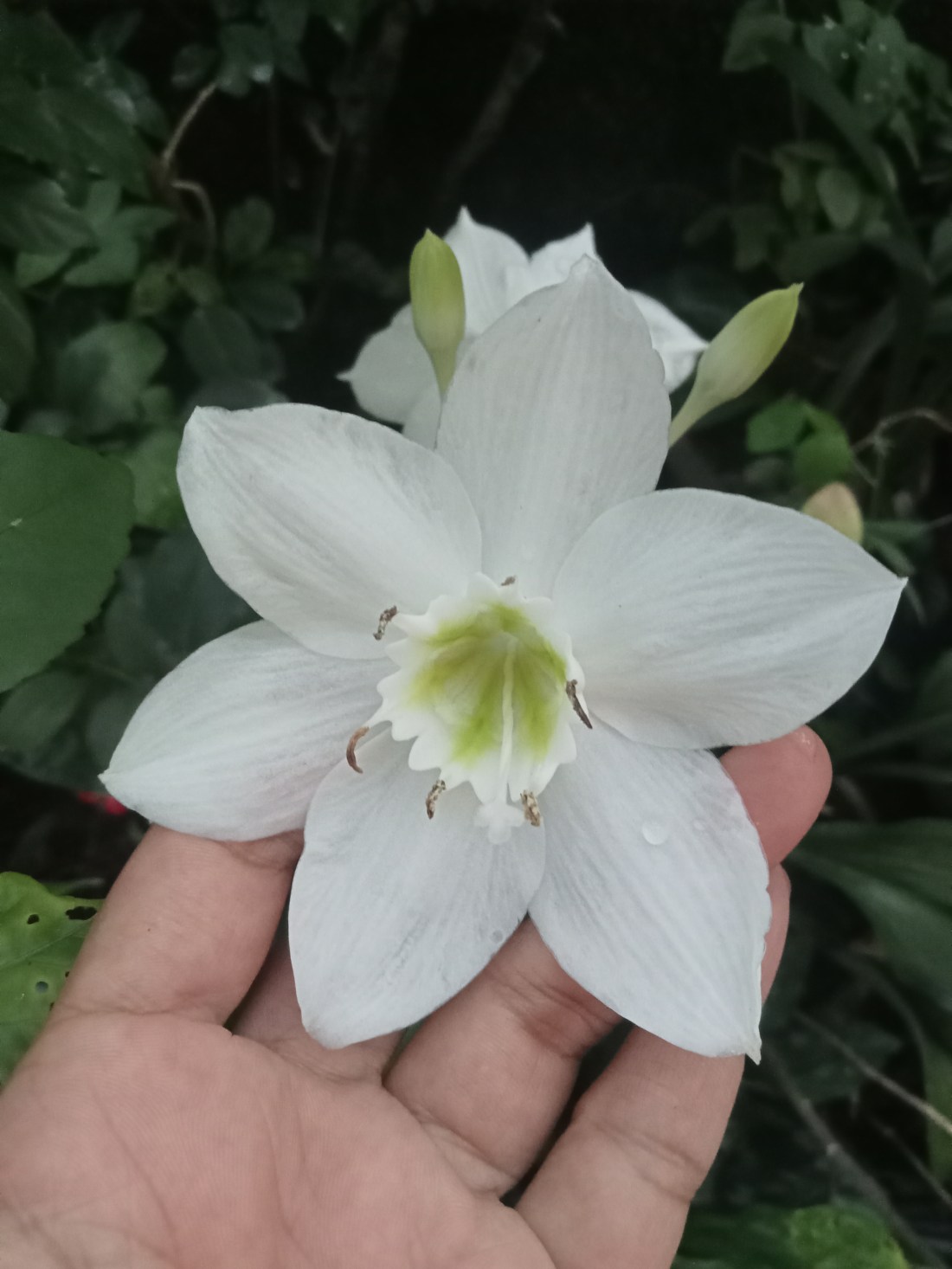
Epiphyllum, commonly known as the Night Queen or Orchid Cactus, belongs to the cactus family but lacks the typical spines associated with cacti. Instead, it features flat, leaf-like stems that provide a striking backdrop for its magnificent blooms. These blooms, which appear primarily at night, are often fragrant and come in a range of colors, including white, pink, red, and orange.

Light Requirements

Being a tropical plant, the Night Queen thrives in bright, indirect light. Place it near a window where it can receive ample sunlight but avoid direct exposure to intense midday sun, which can scorch its leaves. If grown indoors, artificial grow lights can also be used to supplement natural light.

2. Planting the Night Queen

Soil Mix

A well-draining soil mix is essential for the Night Queen’s health. A combination of peat moss, perlite, and orchid bark works well, providing the plant with the moisture retention it needs while ensuring excess water drains away efficiently.

Potting

Choose a pot with proper drainage holes to prevent waterlogging, which can cause root rot. Repotting is generally recommended every two to three years or when a plant has outgrown its existing pot. Use a pot that allows room for the plant to grow and expand its root system.

3. Watering and Feeding

Watering

Moderate watering is key to the Night Queen’s well-being. Water the plant thoroughly once the top inch of soil is dry to the touch, ensuring any excess water can drain off. In the winter, decrease the frequency of watering to reflect its natural period of dormancy.

Fertilization

Fertilize monthly during the growing season, which includes spring and summer,using a balanced liquid fertilizer at half strength. This will provide the Night Queen with the nutrients it needs to produce healthy foliage and vibrant blooms.

4. Temperature and Humidity

Temperature

Maintain a consistent temperature between 65-85°F (18-29°C) for optimal growth. The Night Queen is sensitive to cold temperatures, so avoid exposing it to drafts or sudden temperature drops, which can cause leaf damage.

Humidity

Being a tropical plant, the Night Queen appreciates higher humidity levels. If grown indoors, consider placing the plant on a humidity tray filled with pebbles and water or use a room humidifier to increase moisture levels around the plant.

5. Pruning and Propagation

Pruning

Regular pruning helps maintain the Night Queen’s shape and promotes new growth. Remove any dead, damaged, or overgrown stems using sharp, sterile pruning shears. While pruning can be performed as necessary throughout the year, it is generally best to prune plants during their dormant season to promote healthy growth and blooming.

Propagation

Propagating the Night Queen is relatively straightforward and can be done using stem cuttings. Choose a healthy stem and cut a section that is at least 6 inches long. Allow the cut end to dry and callous for a few days before planting it in a well-draining soil mix. Maintain moist soil and ensure exposure to bright, indirect sunlight until signs of new growth are evident.

Conclusion

The Night Queen, with its mesmerizing blooms and easy-care nature, is a delightful addition to any garden or indoor space. By understanding its light, water, and temperature requirements, as well as proper planting, feeding, and care techniques, you can enjoy the beauty of this enchanting plant year-round. Whether you’re a seasoned gardener or a beginner, growing the Night Queen is a rewarding experience that will captivate your senses and bring joy with its stunning displays.

Cultivating Connections: Exploring Online Gardening Communities and Social Media!

Introduction:

In today’s digital age, gardening enthusiasts no longer need to rely solely on local gardening clubs or neighborhood exchanges to connect with fellow plant lovers. The rise of online gardening communities and social media platforms has transformed the way people engage with their passion for plants. From sharing gardening tips to swapping seeds and plants, these virtual spaces offer a wealth of resources and opportunities for gardeners of all levels. Let’s delve into the vibrant world of online gardening communities and explore how they foster connections, knowledge sharing, and inspiration.

The Growth of Online Gardening Communities:

Online gardening communities have flourished in recent years, catering to the diverse interests and needs of plant enthusiasts worldwide. These communities can be found on various platforms, including social media networks, forums, blogs, and dedicated gardening websites. They bring together individuals with a shared love for gardening, providing a platform to exchange ideas, seek advice, and showcase their gardening endeavors.

Benefits of Online Gardening Communities:

Knowledge Sharing: One of the most significant advantages of online gardening communities is the opportunity to learn from experienced gardeners and experts. Members can access a vast pool of gardening knowledge, tips, and techniques shared through forums, discussion groups, and educational resources.

Inspiration and Creativity: Online gardening communities serve as a source of inspiration for gardeners looking to explore new plants, designs, and techniques. Members share photos of their gardens, DIY projects, and creative ideas, sparking inspiration and igniting creativity among fellow enthusiasts.

Plant Swapping and Trading: Many online gardening communities facilitate plant swapping and trading among members. Gardeners can exchange seeds, cuttings, and plants, expanding their collections and diversifying their gardens without breaking the bank.

Support and Encouragement: Gardening can be a rewarding yet challenging endeavor, especially for beginners. Online gardening communities offer a supportive environment where members can seek advice, share their successes and setbacks, and receive encouragement from fellow gardeners.

Global Connection: Unlike traditional gardening clubs limited to local communities, online gardening communities transcend geographical boundaries, allowing members to connect with like-minded individuals from around the world. This global connection enriches the gardening experience by exposing members to diverse perspectives, plant species, and gardening practices.


Similar Posts


Types of Online Gardening Communities:

Social Media Groups and Pages: Platforms like Facebook, Instagram, and Pinterest host numerous gardening groups and pages where members share photos, tips, and stories about their gardening experiences.

Gardening Forums and Discussion Boards: Dedicated gardening forums like Quora and discussion boards provide a space for in-depth conversations, Q&A sessions, and knowledge exchange on various gardening topics.

Gardening Blogs and Websites: Gardeners can access a wealth of gardening resources, articles, and tutorials through gardening blogs and websites run by enthusiasts, horticulturists, and gardening organizations.

Online Plant Swapping Platforms: Websites and apps dedicated to plant swapping and trading enable gardeners to connect with others interested in exchanging seeds, cuttings, and plants.

YouTube Channels and Podcasts: Gardening enthusiasts share their expertise through YouTube channels and podcasts, offering tutorials, garden tours, and insightful discussions on gardening-related subjects.

Tips for Engaging in Online Gardening Communities:

Be Respectful and Courteous: Treat fellow members with respect, kindness, and courtesy, even if you disagree with their opinions or practices.

Contribute Meaningfully: Share your gardening experiences, tips, and insights to enrich the community and foster constructive discussions.

Ask Questions and Seek Advice: Don’t hesitate to ask questions or seek advice from more experienced gardeners. Most members are happy to offer guidance and support to fellow enthusiasts.

Follow Community Guidelines: Adhere to the rules and guidelines set forth by the online gardening community to ensure a positive and harmonious environment for all members.

Share Your Garden: Share photos, videos, and stories about your garden to inspire and connect with fellow gardeners. Don’t be afraid to showcase both your successes and failures—it’s all part of the gardening journey!

Conclusion

In conclusion, online gardening communities and social media platforms have revolutionized the way gardeners connect, learn, and share their passion for plants. Whether you’re a novice gardener seeking advice or a seasoned enthusiast looking to connect with like-minded individuals, these virtual spaces offer a wealth of opportunities for growth, inspiration, and camaraderie. So, why not join an online gardening community today and cultivate connections that will enrich your gardening journey?

Happy gardening!

Orchids Unveiled: A Closer Look at the Diverse World of Exquisite Blooms!

Introduction

Orchids, with their enchanting beauty and intricate flowers, constitute a vast and diverse family of flowering plants. Boasting over 25,000 species and an impressive 100,000 hybrids and cultivars, these captivating blooms have found their way into homes, gardens, and hearts worldwide. In this blog post, we explore some of the broad categories of orchids, shedding light on their unique characteristics and the wide array of species that make them truly extraordinary.

Phalaenopsis Orchids: Moth’s Grace in Your Living Room

Commonly known as moth orchids, Phalaenopsis orchids captivate enthusiasts with their large, flat flowers and enduring blooms. These graceful beauties have become a staple in households, known not only for their mesmerizing appearance but also for their ease of cultivation.

Cattleya Orchids: Corsage Elegance in Every Hue

Referred to as corsage orchids, Cattleyas steal the spotlight with their impressive, showy flowers that come in a kaleidoscope of colors. Prized for their use in cut flower arrangements and corsages, Cattleya orchids exude an air of elegance and sophistication.

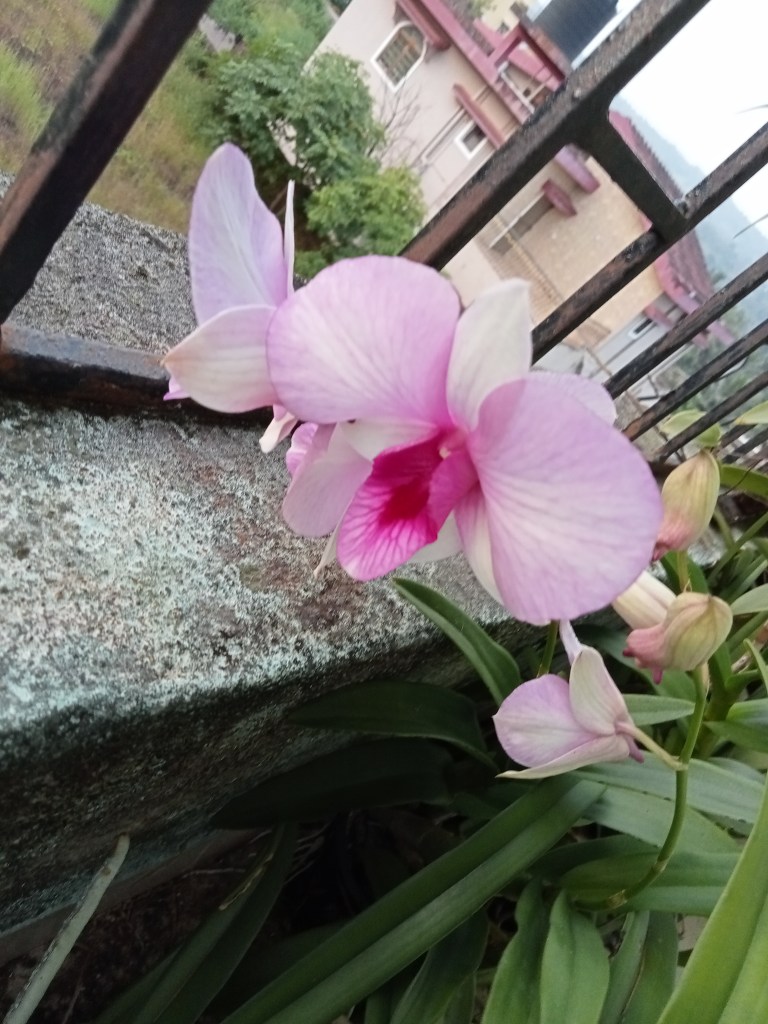
Dendrobium Orchids: Adaptable Wonders of Nature

Dendrobium orchids, boasting a diverse range of species, showcase a splendid variety in size, shape, and color. Their adaptability allows them to thrive in various environments, making them a favorite among orchid enthusiasts. Dendrobium orchids are the most commonly grown type of orchids because they are easy to maintain.

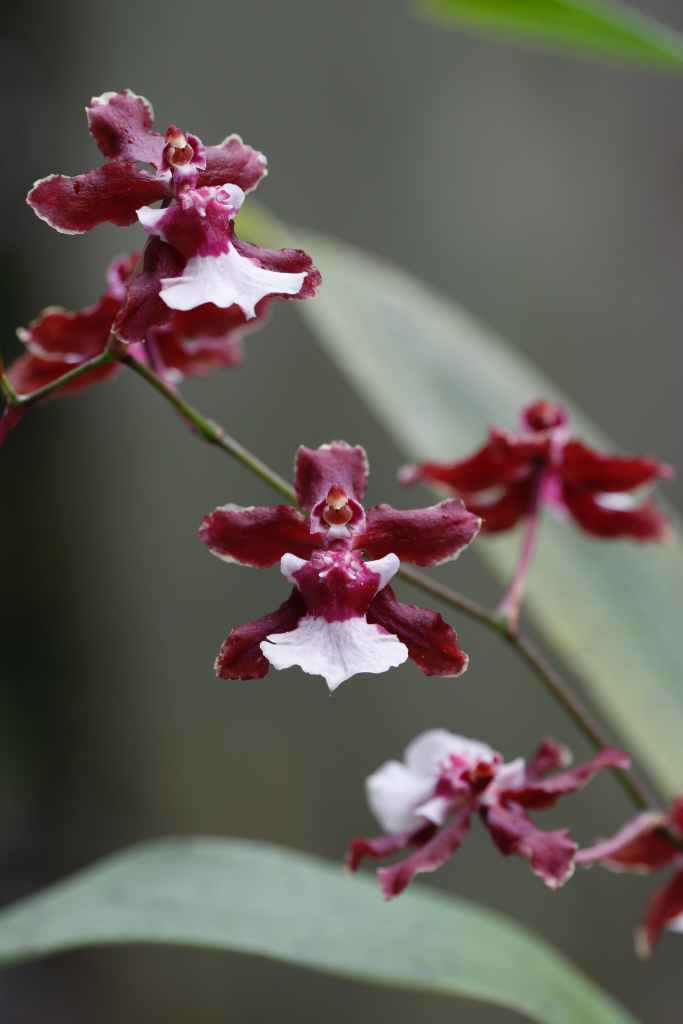
Oncidium Orchids: A Ballet of Colors and Shapes

Dancing lady or dancing doll orchids, commonly known as Oncidiums, take center stage with their vibrant and uniquely shaped flowers. Popular as both potted plants and garden additions, Oncidiums offer a visual spectacle that delights orchid lovers.

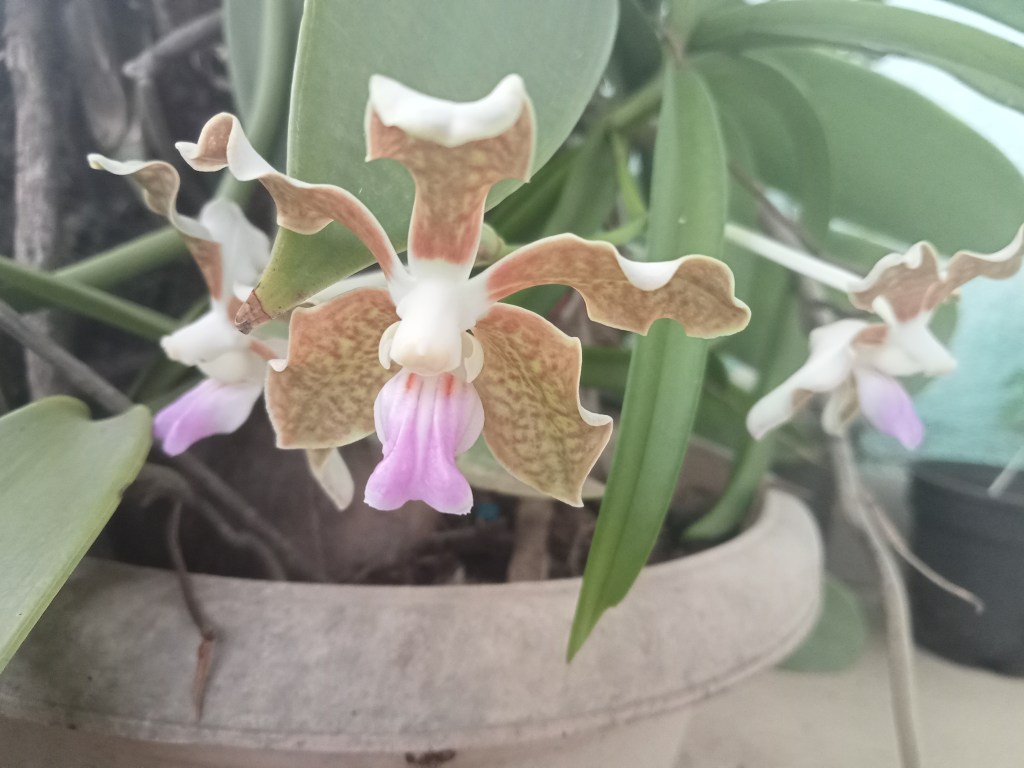
Vanda Orchids: Airy Elegance in Vibrant Hues

Characterized by large, flat, and vividly colored flowers, Vanda orchids present a breathtaking display of elegance. Often grown without potting media, with roots exposed to air, Vandas require a lot of bright light and regular watering. Compared to other orchids, they require a bit more care.


Similar Posts


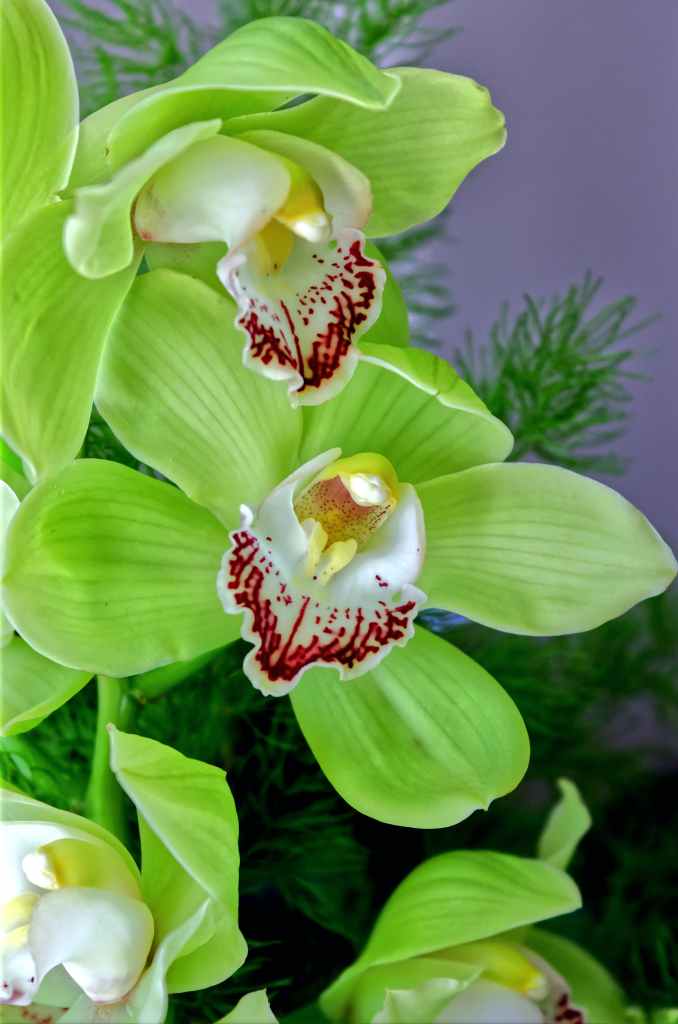
Cymbidium Orchids: Sprays of Beauty for Every Occasion

Cymbidium orchids, renowned for producing large sprays of flowers, have secured a place in the hearts of floral enthusiasts. Often featured in corsages and arrangements, these hardy orchids can tolerate cooler temperatures, adding versatility to their appeal.

Lady’s Slipper Orchids (Paphiopedilum): Nature’s Quirky Elegance

Paphiopedilum, or Lady’s Slipper Orchids, stand out with their distinctive pouch-like lip, resembling a slipper. Available in various sizes and colors, these quirky yet elegant orchids intrigue enthusiasts with their unique form.

Masdevallia Orchids: Small Marvels in Vivid Hues

Masdevallia orchids, known for their small yet brightly colored flowers, captivate enthusiasts with their cool-growing nature. Popular among orchid aficionados, these unique blooms offer a diverse range of forms that add a touch of marvel to any collection.

Miltonia Orchids: Fragrant Pansies in Every Shade

Also known as pansy orchids, Miltonias enchant with their pansy-like appearance and often fragrant blooms. Available in a range of colors, these orchids bring a delightful fragrance to any orchid collection

Brassia Orchids: Spiders in Bloom

Often called spider orchids, Brassia orchids boast long, slender petals that resemble spider legs, creating a truly unique and intriguing flower shape. Dive into the world of Brassia as we unravel the captivating characteristics that define these orchids

Conclusion

These examples merely scratch the surface of the vast orchid family, with each genus and species possessing its own distinct charm. Orchids, found in nearly every corner of the world, showcase nature’s ability to adapt to various climates and ecosystems. Whether you’re a seasoned orchid enthusiast or a novice admirer, the diverse world of orchids offers a treasure trove of beauty waiting to be explored. Embrace the enchantment of orchids and let their unique allure add a touch of nature’s elegance to your life.

Happy Gardening!

Aeroponics Unveiled: Cultivating a Sustainable Future Without Soil!

Introduction

Aeroponics, a revolutionary approach to gardening, redefines how plants thrive without soil. This innovative method involves suspending plant roots in a nutrient-rich mist, fostering rapid growth and robust yields. Let’s delve into the world of aeroponics gardening, exploring its principles, benefits, setup, and its promising role in shaping the future of agriculture.

Understanding Aeroponics Gardening

Aeroponics stands out as a soilless cultivation technique, where plant roots receive a continuous, oxygenated mist rich in nutrients and water. Unlike traditional hydroponics, which submerges roots in water, aeroponics suspends them in the air, allowing maximum exposure to oxygen and nutrients. This method offers an optimal growing environment, promoting faster growth rates, increased nutrient absorption, and minimal resource consumption.

Advantages and Benefits

The benefits of aeroponics gardening are manifold. Firstly, it maximizes space utilization, allowing vertical stacking of plants, making it an ideal choice for urban or indoor gardening setups. Secondly, it significantly conserves water, using up to 90% less water than traditional soil farming methods. Furthermore, this approach minimizes the risk of diseases caused by soil-borne pathogens, ensuring healthier plants. Lastly, aeroponics facilitates year-round cultivation, enabling consistent harvests regardless of seasonal changes.

Setting Up an Aeroponics System

Creating an aeroponics system involves a few key components. A reservoir holds the nutrient solution, which is then pumped through fine misting nozzles or sprayers. These nozzles disperse the nutrient solution directly onto the exposed roots of the suspended plants. An enclosed space or a specialized aeroponics chamber provides a controlled environment for optimal growth. While commercial systems are available, DIY setups using readily available materials are also popular among enthusiasts.

Key Considerations for Success

Maintaining an aeroponics system requires attention to key factors. Ensuring a balanced nutrient solution is crucial, as it directly influences plant health and growth. Regular monitoring of pH levels, nutrient concentrations, and water quality is essential for optimal plant development. Additionally, proper ventilation and lighting play pivotal roles in providing an ideal environment for plant growth, facilitating photosynthesis and overall health.

Plant Selection and Growth

A wide array of plants thrives in aeroponic systems, ranging from leafy greens and herbs to flowering plants and vegetables. Leafy greens like lettuce, spinach, and kale, alongside herbs such as basil and cilantro, exhibit remarkable growth in aeroponic setups. Additionally, tomatoes, cucumbers, peppers, and strawberries also flourish, showcasing the versatility of this cultivation method across various plant types.


Similar Posts


Setting up an aeroponics system

Setting up an aeroponics system involves a few key steps:

Selecting a System: Choose between DIY setups or commercial kits. DIY options might involve creating a reservoir, a spray manifold, and a support structure for the plants. Commercial kits often come pre-designed and are easier to set up.

Choose a Location: Find a suitable location with access to power, water, and enough space for your system. It’s important to take into account various factors such as temperature, humidity, and lighting.

Assemble Components: Gather the necessary components like a reservoir, pump, tubing, spray nozzles, growing chambers (where plants will be suspended), and a timer (for the pump).

Install the Reservoir: Set up the reservoir at a height to allow for gravity-fed watering. Connect the pump to the reservoir.

Setup Growing Chambers: Mount the plants or plant holders in the growing chamber. Ensure that the roots will be suspended and exposed to the mist generated by the system.

Connect Tubing and Nozzles: Connect the tubing to the pump and position the spray nozzles within the growing chamber. Ensure they’re evenly spaced and angled to cover the root area.

Test the System: Fill the reservoir with water and nutrient solution. Turn on the pump and verify that the misting system is working correctly.

Observation and Maintenance: It is important to regularly monitor and maintain the water level, pH, and nutrient concentration in the reservoir. Clean the nozzles periodically to prevent clogging. Additionally, monitor plant health and adjust the system as needed.

Harvest and Enjoy: Once your plants start growing, monitor their progress and harvest when ready!

Remember, aeroponics systems can vary based on scale and complexity. Always follow manufacturer instructions and consider seeking advice from experienced aeroponics growers for specific guidance.

The Future of Agriculture

Aeroponics gardening represents a glimpse into the future of agriculture, offering sustainable solutions to food production challenges. Its ability to maximize resources, reduce water usage, and cultivate plants in diverse environments positions it as a viable option for addressing global food security concerns. With ongoing advancements in technology and increased adoption, aeroponics has the potential to revolutionize farming practices worldwide.

Conclusion: Embracing a Sustainable Future

In conclusion, aeroponics gardening represents a transformative shift in how we cultivate plants, promising efficient resource utilization and sustainable yields. Its ability to overcome space limitations, conserve water, and foster healthier plant growth signifies a promising future for agriculture. As technology evolves and awareness grows, aeroponics stands as a beacon of hope, offering a path towards a greener, more resilient agricultural landscape.

From urban gardening enthusiasts to commercial growers, embracing aeroponics signifies a step towards sustainable, innovative farming practices that redefine our relationship with food production and the environment.

Happy Gardening!

Growing Green: New Year’s Resolutions for Your Flourishing Garden!

Introduction:

A new year brings opportunities for growth and renewal, not just for us but also for our gardens. As you step into the fresh canvas of a brand-new year, consider setting gardening resolutions that will nurture and elevate your green spaces. Here are some resolutions to inspire a thriving garden in the coming year.

Plan with Purpose:

Begin the year by mapping out a gardening plan. Assess your garden’s strengths and weaknesses, identify spaces for improvement, and set clear goals. Whether it’s expanding the variety of plants, creating dedicated zones, or enhancing sustainability, a well-thought-out plan sets the stage for a successful garden.

Embrace Sustainability:

Pledge to adopt eco-friendly practices in your garden. Explore composting, rainwater harvesting, and organic pest control methods. Incorporate native plants that thrive in your climate, reducing the need for excessive water and chemical interventions. Commit to reducing waste and recycling materials within your garden projects.

Learn and Experiment:

Cultivate a thirst for knowledge and experimentation. Dedicate time to learn about new plants, gardening techniques, or landscaping methods. Experiment with companion planting, vertical gardening, or different soil compositions. Expand your gardening horizons by trying new varieties or introducing a different style of gardening.

Prioritize Soil Health:

Make a resolution to care for your soil. To have a healthy garden, it is crucial to have good quality soil as it serves as the foundation. Commit to enriching the soil with organic matter, regularly testing its pH levels, and ensuring proper drainage. Focus on soil amendments and mulching to improve fertility and structure, fostering a nurturing environment for plant growth.

Create Biodiversity:

Aim to foster biodiversity within your garden. Encourage a variety of flora to attract pollinators, beneficial insects, and birds. Designate spaces for native plants, herb gardens, or wildlife habitats. Create a harmonious balance that supports the ecosystem and increases resilience against pests and diseases.


Similar Posts


Regular Maintenance:

Dedicate time for consistent garden care. Develop a routine for watering, weeding, pruning, and pest control. Regular maintenance not only keeps your garden aesthetically pleasing but also promotes plant health and productivity.

Grow Your Own Food:

Resolve to cultivate a more sustainable lifestyle by growing your own produce. Set a goal to grow a specific percentage of your food supply. Start small if you’re a beginner, with easy-to-grow herbs or salad greens in containers. Gradually expand to include vegetables and fruits that suit your climate and gardening space.

Share the Bounty:

Share the joy of gardening by involving friends, family, or the community. Consider starting a community garden project or sharing your surplus produce with neighbors. Engage in gardening forums or social media groups to exchange ideas, tips, and seeds.

Embrace Garden Therapy:

Recognize the mental and physical benefits of spending time in the garden. Make a resolution to dedicate moments in the garden for mindfulness, relaxation, and rejuvenation. Incorporate garden elements that foster a peaceful ambiance, such as a meditation corner or a tranquil water feature.

Celebrate Progress:

Lastly, celebrate every success and learn from setbacks. Keep a garden journal to document milestones, observations, and ideas. Embrace the journey of nurturing your garden, knowing that each season offers new lessons and growth opportunities.

As you step into the New Year, let your garden be a canvas for growth, learning, and joy. With these resolutions, embark on a gardening journey that nurtures not just your plants but also your soul.

Happy Gardening!

The Art of Selection: Choosing the Right Plants for Your Garden!

Introduction

Your garden is a canvas waiting to be painted with the vibrant colors of nature. Selecting the right plants is akin to choosing the perfect palette, setting the tone for a picturesque landscape. Whether you’re a seasoned gardener or a novice with a green thumb yearning for inspiration, understanding the fundamentals of plant selection is pivotal in creating a flourishing outdoor sanctuary.

Tailoring Choices to Your Residence

When choosing plants for your garden, your residence plays a crucial role in dictating the available options. Whether you reside in a flat or an independent house, and whether it’s owned or rented, significantly impacts your plant choices. For independent homeowners, the selection is more diverse, with possibilities ranging from fruit-bearing trees to expansive flowering plants. However, for those in flats or rented spaces, the options might be more restricted. Opting for easily transportable, smaller plants that bloom quickly becomes essential to accommodate potential moves. Consider foliage plants, herbs, or compact vegetables that align with the specific environmental conditions while ensuring mobility for future relocations.

Understanding Your Garden’s Environment

Before diving into the world of flora, acquaint yourself with your garden’s unique microclimate. Assess factors such as sunlight exposure, soil type, drainage, and available space. Different areas in your garden may experience varying sun exposure throughout the day, influencing plant growth. Understanding these conditions helps in choosing plants that thrive in your garden’s specific environment.

Assessing Plant Hardiness Zones

Refer to the USDA Plant Hardiness Zone Map or its regional equivalents to determine the plants best suited for your geographical location. These zones provide essential information about temperature ranges, assisting in selecting plants that withstand local climate conditions. Choosing plants within your hardiness zone ensures better chances of successful growth and resilience against adverse weather.

Matching Plants to Garden Goals

Consider your gardening objectives when selecting plants. Are you aiming for a vibrant flower garden, a productive vegetable patch, or a serene, foliage-filled landscape? Understanding your goals helps in curating a plant selection that aligns with your vision. Research plants’ growth habits, potential size, flowering seasons, and maintenance requirements to harmonize with your garden’s purpose.


Similar Posts


Selecting Plants for Visual Appeal

Texture, color, and form play significant roles in garden aesthetics. Blend various plant shapes and sizes to create a visually stimulating landscape. Contrast large-leaved plants with delicate foliage or incorporate a mix of vibrant flowers amidst evergreen shrubs for an eye-catching display. Strategic plant placement enhances the garden’s allure, creating focal points and seamless transitions.

Considering Maintenance and Care

Factor in the time and effort required for plant maintenance. Some plants demand meticulous care, frequent pruning, or specific soil conditions. Determine your availability for gardening tasks to select plants that align with your schedule and maintenance preferences. Opting for low-maintenance plants or native species often eases the gardening workload.

Exploring Diversity and Native Species

Introduce biodiversity by incorporating native plants into your garden. Native species are adapted to local conditions, requiring less water and maintenance while providing crucial support to local wildlife. Experiment with a diverse range of plants to attract pollinators and beneficial insects, contributing to a balanced ecosystem.

Final Considerations and Conclusion

Choosing the right plants for your garden involves a blend of scientific understanding, personal preference, and artistic vision. Understanding your garden’s environment, climate, and the characteristics of each plant species is also essential. By aligning your choices with your gardening goals, visual preferences, and maintenance capacity, you can craft a vibrant, thriving garden that mirrors your unique vision and connection to nature.

Embrace the journey of experimentation and discovery as you navigate the myriad options available. Each plant holds the promise of adding beauty, character, and life to your garden, transforming it into a personalized oasis of tranquility and natural splendor. May your garden flourish with a tapestry of colors, textures, and scents, becoming a testament to your love for nature’s artistry and the joy of cultivating a living, breathing masterpiece in your backyard.

Happy Gardening and may every plant you choose add a touch of wonder and delight to your outdoor haven!

Blooming Brilliance: A Comprehensive Guide to Growing Crossandra Flowers in Your Garden!

Introduction

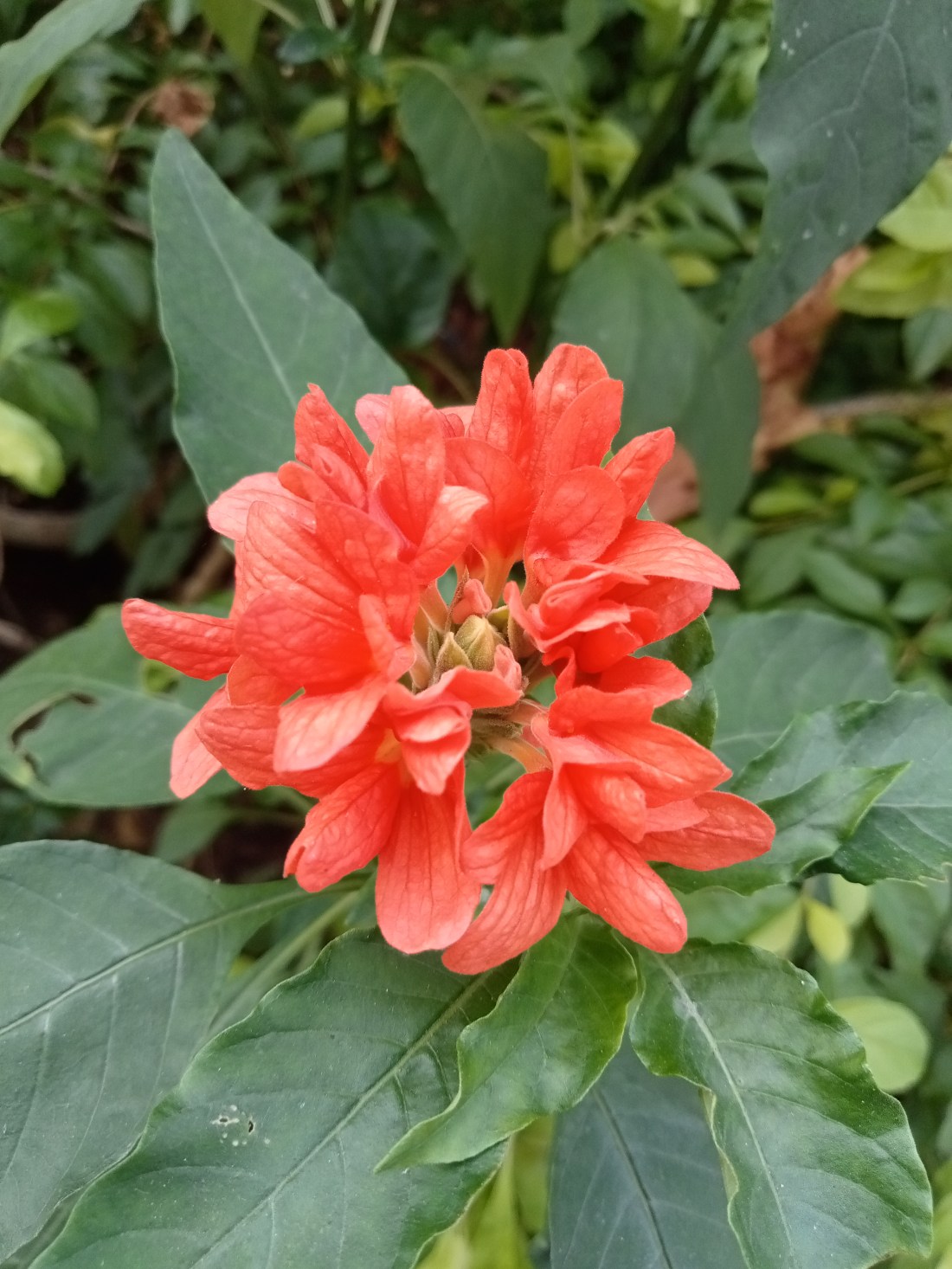
Crossandra flowers, also known as firecracker flowers or Crossandra infundibuliformis, are tropical delights that can bring vibrant splashes of color to your garden. Known for their striking blooms and easy maintenance, cultivating Crossandras can add an exotic touch to your outdoor space. Here’s a detailed guide to growing these stunning flowers in your garden.

1. Choosing the Right Location:

Select a spot in your garden that receives partial shade to full sun, providing adequate warmth and sunlight for Crossandra growth. Ensure the area has well-draining soil, as these flowers thrive in moist but not waterlogged conditions.

2. Planting Crossandra Flowers:

Crossandras can be grown from cuttings or from seeds or you can buy a rooted plant from nursery. When planting Crossandras, space them out accordingly, allowing enough room for growth. Dig a hole slightly larger than the root ball, gently place the plant, and cover the roots with soil. After planting, it is important to water the area thoroughly to help the roots establish properly.

3. Soil and Watering Needs:

Crossandra plants prefer slightly acidic to neutral soil. Regular watering is essential, especially during dry spells, but be cautious not to overwater as it can lead to root rot. Mulching is an effective way to trap moisture in soil and keep soil temperature stable.

4. Fertilization and Maintenance:

Use a balanced fertilizer or one specifically formulated for flowering plants during the growing season to encourage robust blooms. Prune the plants after flowering to maintain their shape and remove any dead or damaged growth.

5. Protecting from Pests and Diseases:

Monitor for common pests like aphids or whiteflies and treat them promptly to prevent infestations. Crossandras are generally resilient but keeping an eye out for signs of diseases such as root rot or fungal infections is crucial for their health.

6. Propagation and Division:

You can propagate Crossandras by taking stem cuttings or dividing mature plants. Root the cuttings in a well-draining potting mix and keep them in a warm, humid environment until they develop roots. While planting cuttings, ensure that at least two nodes of the plants are properly covered with soil, as the roots develop from these nodes. You can also keep the mature cuttings in water for a few days to allow the roots to grow before planting them in soil.

7. Enjoying the Blooms:

With proper care, Crossandra plants will reward you with stunning clusters of fiery-colored flowers throughout the growing season. These blooms not only add visual appeal but also attract pollinators like butterflies and bees to your garden.

8. Winter Care:

In colder climates, consider bringing potted Crossandras indoors during winter or providing a protective covering for outdoor plants to shield them from frost damage.


Similar Posts


Benefits Of Growing Crossandra

Crossandra are tropical wonders with multifaceted importance. Their significance transcends horticulture, culture, and traditional medicine, making them intriguing plants worth exploring.Here are some benefits of growing crossandra.

1. Ornamental Marvels:

Renowned for their vibrant hues of red, orange, and yellow, Crossandras are prized for their striking flowers. They’re coveted additions to landscapes and potted arrangements, elevating gardens and indoor spaces with their vivid beauty.

2. Cultural and Religious Ties:

In various cultures, Crossandras are entwined with rituals and ceremonies. For instance, they hold significance in Hindu religious practices and are offered in worship to deities.

3. Medicinal Properties:

Certain parts of the Crossandra plant, notably the leaves, have been historically used in traditional medicine. They’re believed to possess medicinal properties, aiding in treating skin disorders and digestive issues.

4. Pollinator Magnets:

These flowers act as nectar sources, drawing in vital pollinators like butterflies and bees. Their role in plant pollination supports the health of ecosystems.

5. Landscape Versatility:

Valued for their resilience in diverse climates, Crossandras are favored in landscape design. They’re utilized to craft vibrant, low-maintenance garden beds and borders.

6. Symbolic Significance:

Crossandras are often associated with traits like warmth, vibrancy, and passion due to their fiery blooms. This symbolism makes them ideal for expressing specific emotions in floral arrangements.

7. Botanical Intrigue:

Of botanical interest, Crossandras captivate scientists for their unique flower structure and classification within the Acanthaceae family. Their genetic diversity and adaptability to different environments make them subjects of scientific study.

Crossandra flowers are a tapestry of cultural, medicinal, and horticultural significance. Their diverse roles in various contexts showcase their multifaceted nature, making them fascinating subjects that weave through the realms of art, tradition, and science.

Conclusion

Growing Crossandra flowers can be a rewarding experience, adding tropical allure and vibrant colors to your garden. With the right care and attention, these resilient plants can thrive, bringing joy and beauty to your outdoor space throughout the year.

Happy Gardening!

Adenium Care Guide: Tips for Nurturing Healthy and Vibrant Desert Roses!

Introduction:

Adenium, commonly known as desert roses or mock azaleas, are fascinating and unique succulents that captivate the hearts of plant enthusiasts around the world. Originating from arid regions, these remarkable plants have adapted to thrive in harsh conditions. Whether you’re a seasoned plant lover or a beginner, this comprehensive Adenium care guide will provide you with valuable insights to help your desert rose to flourish.

1.Choosing the Right Location:

Selecting an appropriate location is the foundation of successful Adenium care. These sun-loving plants require ample sunlight to thrive. Opt for a spot where they can receive at least 6 to 8 hours of direct sunlight each day. A south or west-facing window or a well-lit balcony is ideal for providing the necessary sunlight.

2.Soil and Potting:

Well-draining soil is a must for Adeniums. A mixture of cactus or succulent potting mix combined with perlite or sand works well. Ensure the pot has proper drainage holes to prevent waterlogging, which can lead to root rot. Adeniums like to be a bit root-bound, so choose a pot that is slightly smaller than what you would typically use for a plant of its size. This encourages better flowering.

3.Watering Wisely:

Adeniums are adapted to surviving in arid conditions, so they are accustomed to infrequent but deep watering. In between watering sessions, let the soil to totally dry out completely. Root rot might result from the frequent practice of overwatering. During the active growing season (spring and summer), water once every 10-14 days, and reduce frequency during the dormant period (fall and winter).

4.Temperature and Humidity:

These desert plants thrive in warm temperatures. Aim for a range between 70°F to 90°F (21°C to 32°C) during the day and slightly cooler temperatures at night. Adeniums appreciate low humidity, so they are well-suited to dry indoor environments. Avoid placing them in areas with high humidity, as it can increase the risk of fungal issues.

5.Fertilization:

Feeding your Adenium is essential for robust growth and vibrant blooms. Use a balanced, diluted liquid fertilizer formulated for cacti and succulents. During the active growing season, fertilize every 4-6 weeks. Reduce or stop fertilizing during the dormant period to allow the plant to rest.


Similar Posts


6.Pruning and Shaping:

Pruning is crucial for maintaining an attractive shape and encouraging branching. Pinch off the tips of young stems to promote bushier growth. Remove any dead or yellowing leaves to prevent pests and diseases from taking hold.

7.Pests and Diseases:

Keeping an eye out for pests like aphids, mealybugs, and spider mites is vital. Regularly inspect your Adenium and treat any infestations promptly with insecticidal soap or neem oil. Proper care, including well-draining soil and appropriate watering, can help prevent root rot and fungal issues.

8.Propagation:

Adeniums can be propagated through seeds or stem cuttings. For stem cuttings, allow the cut end to dry and callous before planting in well-draining soil. Propagation is best done during the active growing season for higher success rates.

9.Repotting:

Adeniums generally don’t require frequent repotting. Repot only when the plant becomes severely root-bound or when you notice it’s struggling. Repotting is best done in the spring, before the active growing season. Repotting every 2-3 years or when the plant outgrows its container helps promote healthy growth.

10.Dormancy:

Adeniums naturally go through a period of dormancy, usually during the fall and winter. During this time, reduce watering and cease fertilization. Place the plant in a slightly cooler location, but protect it from frost.

Remember that adeniums might not bloom consistently throughout the year. Their blooming is influenced by factors like age, health, light, and temperature. With proper care and patience, you can encourage your adenium to produce beautiful blooms when its blooming season arrives.

Conclusion:

Adeniums are captivating and rewarding plants that can thrive with the right care and attention. By providing them with proper sunlight, well-draining soil, careful watering, and regular maintenance, you can enjoy a stunning display of their unique caudex and colorful blooms. Remember that each plant is unique, so observing your Adenium’s specific needs will ensure a thriving and beautiful desert rose in your collection.

Happy Gardening!

Companion Planting: Maximizing Growth Through Smart Plant Pairings!!

Introduction

companion gardening

In the world of gardening, there’s a clever technique that goes beyond just planting seeds and hoping for the best. It’s called companion planting, a practice that involves strategically pairing certain plants together to maximize growth, improve pest control, and enhance overall yields. This time-tested approach to gardening combines science with nature’s intricate relationships, resulting in bountiful harvests and healthier plants. Not only does it maximize space, but it also promotes healthier growth and reduces the need for harmful chemicals. In this article, we’ll explore the art and science of companion planting and how you can harness its benefits for your own garden.

The Basics of Companion Planting

Companion planting is more than just arranging plants haphazardly; it’s about understanding the synergies between different plant species. Certain plants have the ability to complement each other in various ways, such as enhancing soil fertility, deterring pests, or providing structural support. For instance, the “Three Sisters” method, practiced by Native American tribes for centuries, involves planting corn, beans, and squash together. The corn provides sturdy support for the climbing beans, while the squash’s broad leaves suppress weeds and conserve soil moisture.

Maximizing Nutrient Utilization

Companion planting can significantly improve soil health and nutrient availability. Nitrogen-fixing plants, like legumes (beans, peas), work in harmony with nitrogen-hungry crops such as leafy greens or corn. The legumes draw nitrogen from the air and convert it into a form that other plants can utilize, promoting better overall growth and reducing the need for synthetic fertilizers.

Natural Pest Management

One of the remarkable benefits of companion planting is its role in pest management. Nature has its own way of protecting plants, and companion planting taps into this wisdom. Some plant pairings can repel pests through natural mechanisms, reducing the need for chemical interventions. For instance, marigolds emit a scent that deters many garden pests, making them excellent companions for tomatoes and peppers. Its fragrance also attracts beneficial insects, creating a balanced ecosystem in your garden.

Herbs are flavorful additions to your cooking and can also be excellent companions for other plants. Intercropping aromatic herbs like basil or rosemary among vegetable crops can also confuse and repel insects that would otherwise target your main crops. Basil, for instance, enhances the growth and flavor of tomatoes. Its aromatic leaves ward off pests like aphids and mosquitoes, making it a dual-purpose companion.

Other examples include dill which eats small pests such as aphids and spider mites and also attracts ladybugs.

Sage is effective for warding off carrot flies.

The strong fragrance of garlic keeps many insects away. Plant alyssum and garlic to attract aphid-eating hoverflies between rows of potatoes, alongside lettuce and cabbage, and close to fruit trees.

Onions guard against cutworms and borers. Pests become confused by their fragrance. 

Marigolds are beneficial for onions because their aroma prevents onion maggot flies from laying eggs.

Root Buddies

Underground, unseen, yet crucial to plant health – roots play a significant role. Carrots and onions are classic examples of root buddies. Onions help deter pests that often trouble carrots, while carrots release compounds that suppress weeds around onions. It’s a win-win situation beneath the soil!

Enhancing Pollination

Companion planting isn’t just about keeping pests away; it can also attract beneficial insects like bees and butterflies. These pollinators play a crucial role in fertilizing flowers, which leads to fruit production. Plants like lavender, sunflowers, and borage can serve as attractive nectar sources for these essential garden helpers, boosting the overall productivity of your garden.

You can combine sweet peas with runner beans; calendula with summer squash; and cosmos with cucumbers to enhance pollination.

Space Optimization

In smaller garden spaces, companion planting can be a game-changer. By choosing plant pairings that grow vertically or occupy different layers of the soil, you can make the most of your limited area. For example, vining crops like cucumbers can be trained to grow up trellises, freeing up ground space for shorter plants like radishes or lettuces. Onions and carrots don’t require a lot of room below ground, and they require even less above ground. They can be placed between any variety of plants, including kale, cabbage, broccoli, and peppers.

Complementary Aromas and Growth Patterns

Another fascinating aspect of companion planting is the interaction between plants’ aromas and growth patterns. Some scents can mask the attractive smell of neighboring crops, deterring pests that rely on scent to locate their targets. Planting nasturtiums near cucumbers, for instance, provides a two-fold benefit. Nasturtiums act as a sacrificial plant, attracting aphids away from the cucumbers. Additionally, their vining nature allows them to create a living ground cover that conserves moisture and suppresses weeds.

Additionally, tall plants can provide shade for heat-sensitive crops, while low-growing plants can act as living mulches, conserving soil moisture and preventing weed growth. Imagine tall sunflowers standing sentinel over delicate lettuce – this is a prime example of a tall and low companion planting strategy. The sunflower provides shade to the lettuce, protecting it from excessive heat and maintaining soil moisture. In return, the low lettuce act as a living mulch, keeping the soil cool and conserving water.

Conclusion

Companion planting is a remarkable gardening technique that blends ecological understanding with practical benefits. It’s like orchestrating a symphony in your garden, where each plant plays a unique role in the harmony of growth. From the classic Three Sisters technique to herb heroes and pest-repelling partnerships, these examples showcase the endless possibilities of plant cooperation. By thoughtfully selecting plant combinations based on their complementary traits, you can create a harmonious and productive garden that requires fewer chemical interventions, encourages pollination, and maximizes space utilization. By embracing these techniques, you not only create a thriving garden but also nurture an environment where plants support and protect one another naturally. Whether you’re an experienced gardener or just starting out, experimenting with companion planting can lead to more abundant and vibrant yields while fostering a deeper appreciation for the intricate connections within the natural world. So, why not give it a try and let your garden thrive through the magic of smart plant pairings?

Happy Gardening!