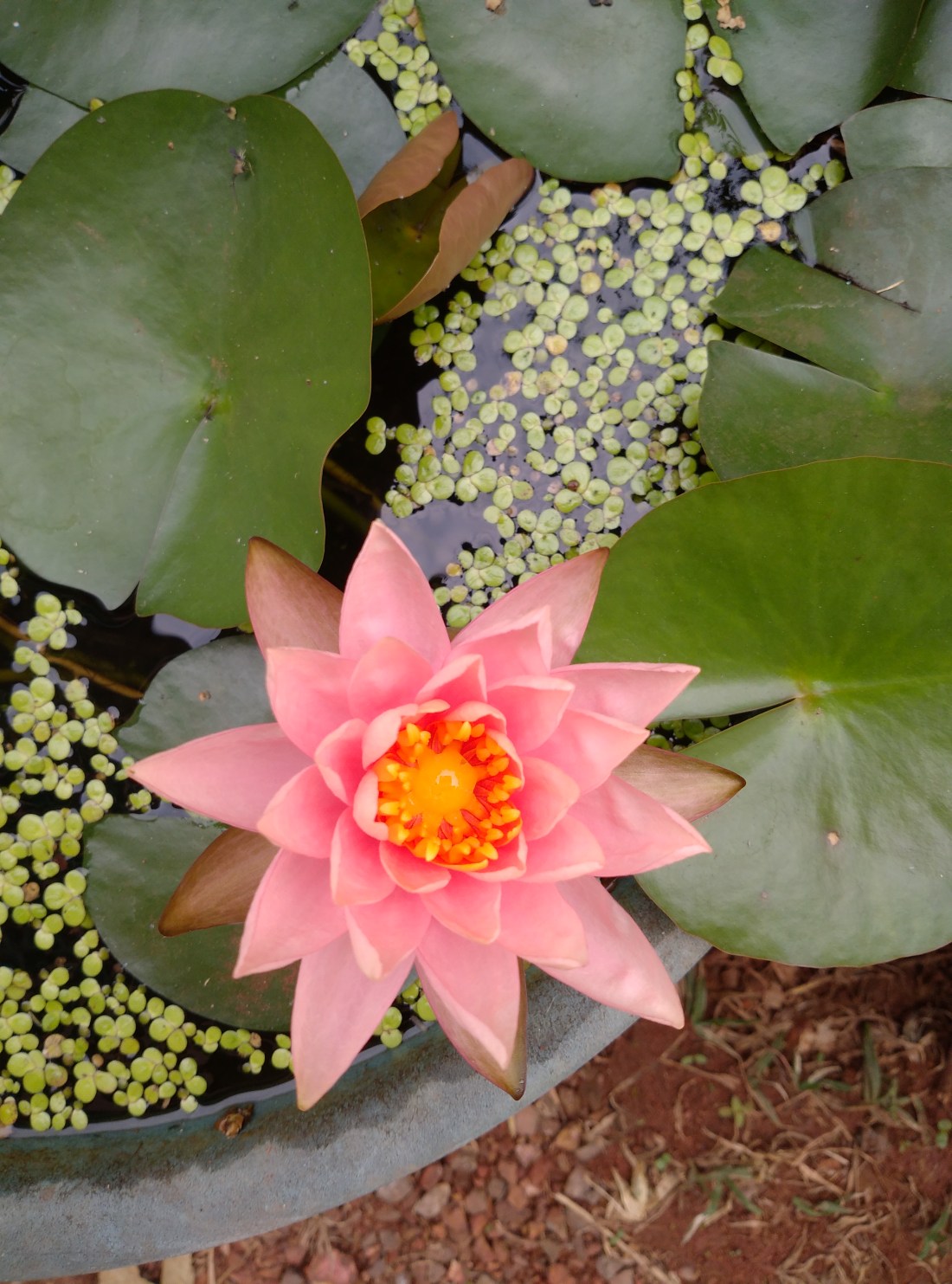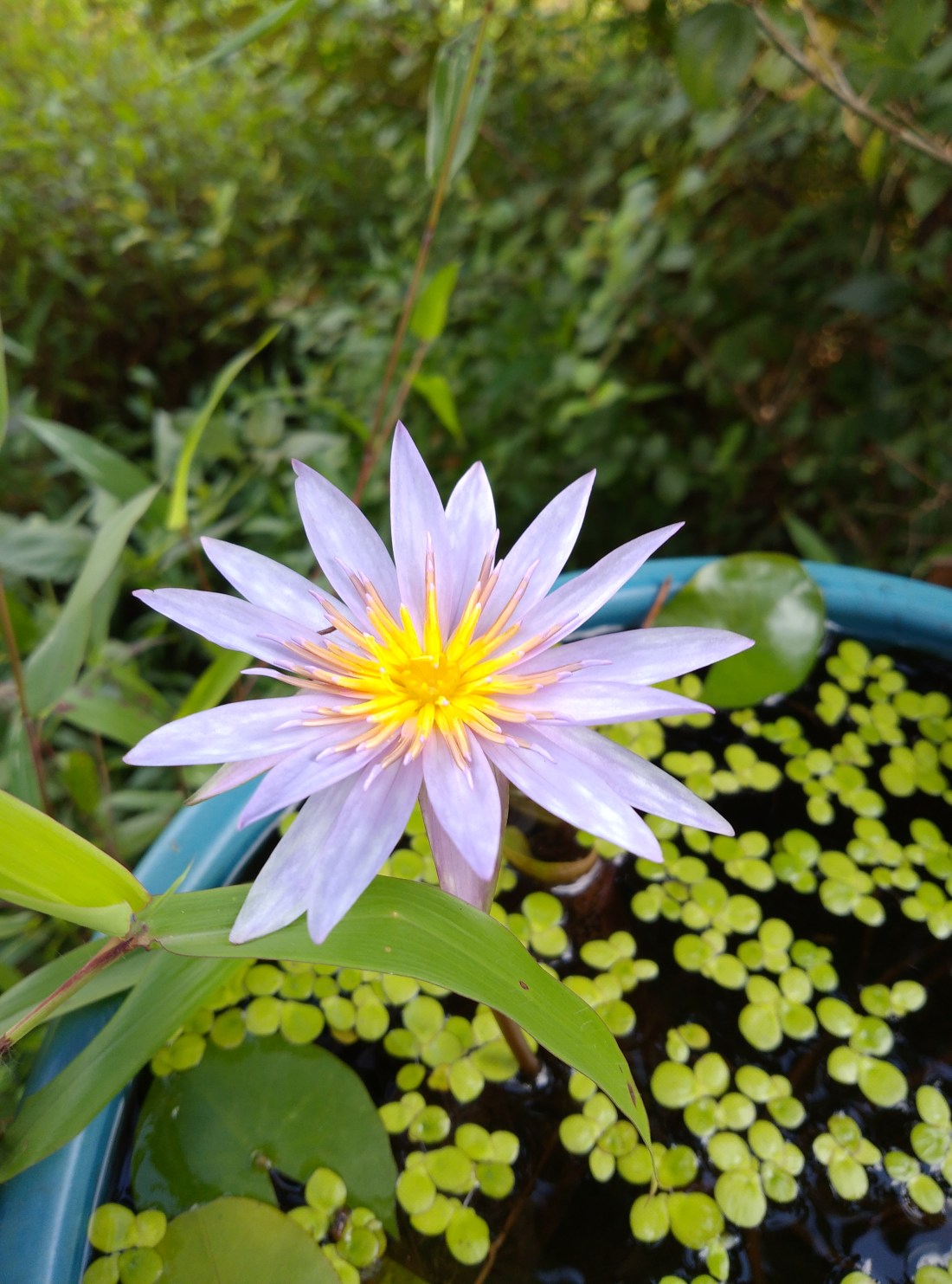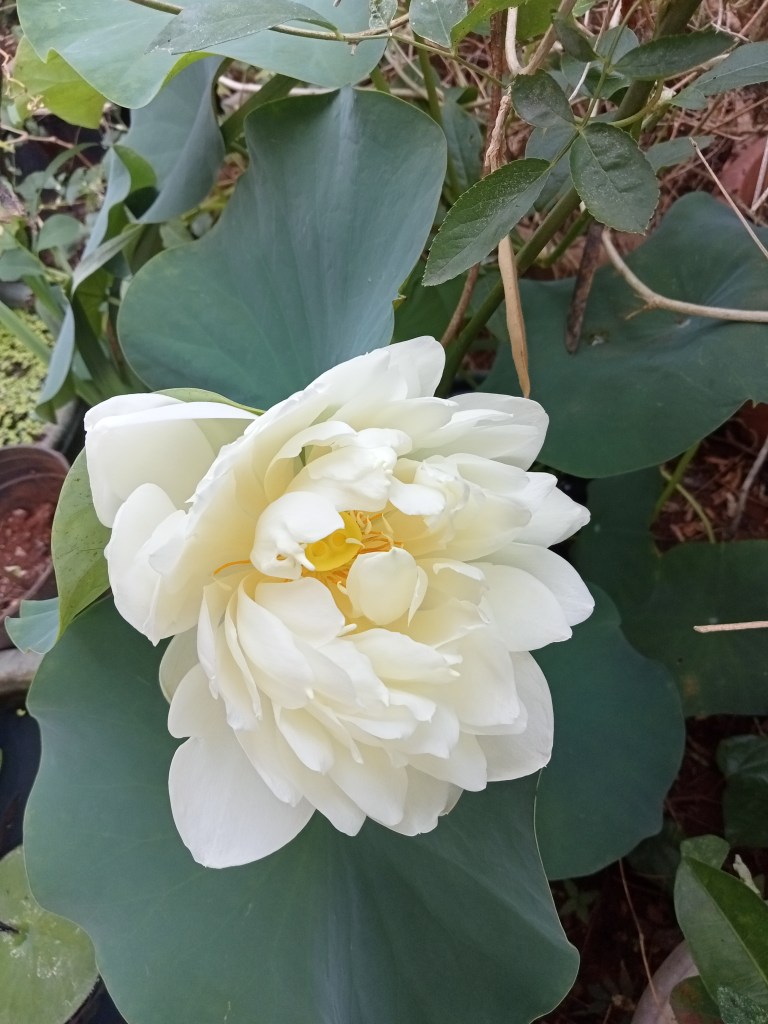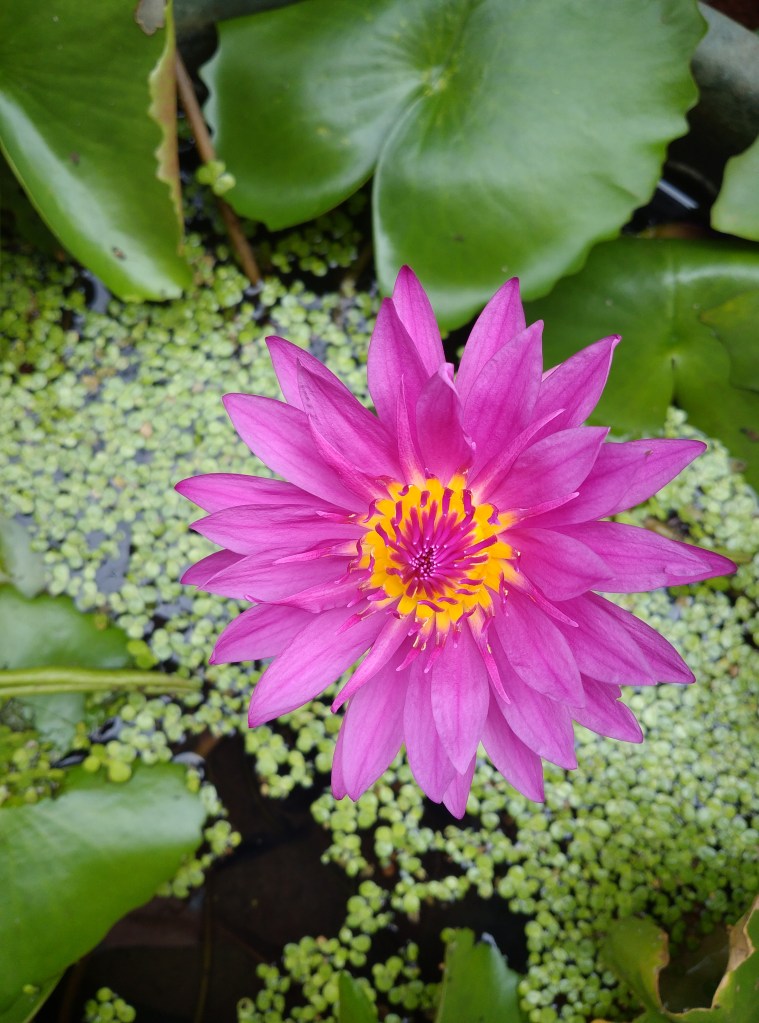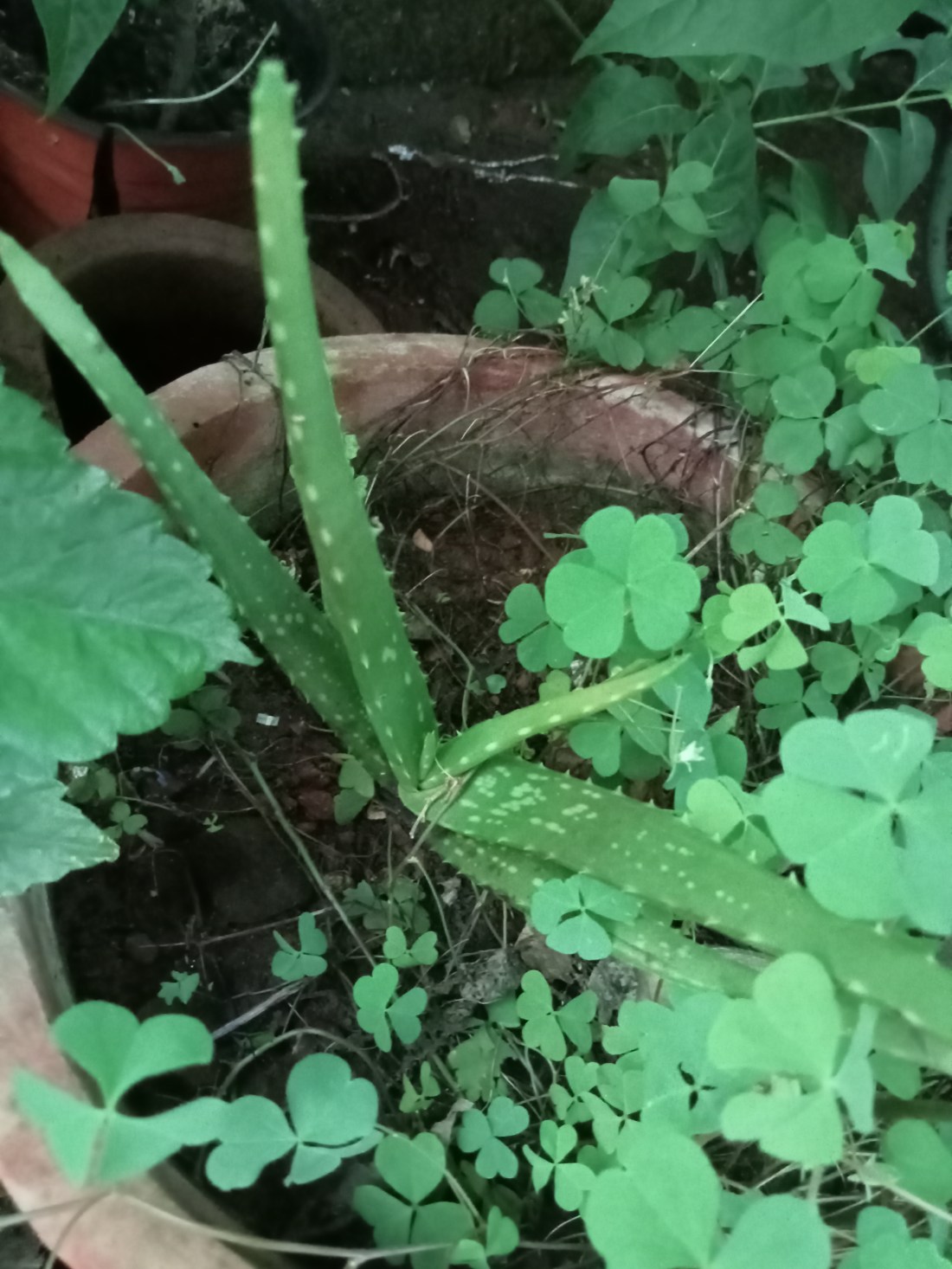
Conquer Your Lawn Weeds: A Stress-Free Guide to a Luscious Yard!

Hey there, fellow lawn enthusiast! If you’ve found yourself in a constant battle against those pesky weeds invading your green haven, fear not—help is here! We all dream of a pristine, weed-free lawn, and with a few savvy tricks up your sleeve, you’ll soon be the envy of the neighborhood.

Understanding the Weedy Invaders

First things first, let’s identify the enemy. Weeds are like those uninvited guests crashing your lawn party—they come in various shapes and sizes, from dandelions to crabgrass, but they all share one goal: to take over your beautiful turf.

The Power of Prevention

Prevention is worth a pound of cure, they say, and it’s true for weeds too. A healthy lawn is less inviting to these unwelcome intruders. Regular mowing, proper watering, and appropriate fertilization are your secret weapons. Think of it as giving your grass a power-up while making life miserable for those pesky weeds.

Weeding Out Weeds

Sometimes, prevention isn’t enough, and a few renegades break through. It’s time to get ready for some hands-on work.Pulling weeds by hand might not sound glamorous, but it’s oddly satisfying and effective, especially for smaller infestations. Make sure to grab them by the root to prevent regrowth.

The Herbicide Option

When the weed army seems overwhelming, herbicides can be your cavalry. Choose a selective herbicide that targets specific weeds without harming your precious grass. Read the labels diligently and apply with caution, following the instructions to the letter. Safety first, always!

Using Landscaping Fabric

Similar to other plants, weeds require air and sunlight to thrive. By covering your lawn with landscaping fabric, you can reduce the amount of toxic pesticides you need to apply to control weeds. Additionally, this fabric lets water seep through it, so soil hydration is not a problem.

Mulching Magic

Mulch is a terrific way to get double the protection against weeds that landscaping fabric offers. To go a more natural option, just replace the fabric with cardboard and newspaper. It is not only economical, but it is also organic. A layer of mulch isn’t just for aesthetic appeal; it’s a strategic barrier against weeds. Mulch blocks sunlight, making it harder for weed seeds to germinate. Plus, it keeps the soil moist and regulates temperature, creating an unfavorable environment for weed growth. To go a more natural option, just replace the fabric with cardboard and newspaper. It is not only economical, but it is also organic.

If you prefer an organic approach, a fantastic alternative to landscaping fabric is using newspaper and cardboard. This switch not only maintains an organic methodology but also proves to be cost-efficient, making it a win-win solution for your lawn’s health and your wallet.

Going Natural with Vinegar

In the realm of DIY weed control, vinegar emerges as a hero. Its acidic nature is lethal for many weeds. Mix vinegar with a bit of dish soap and spray directly onto the weeds. Be cautious; vinegar doesn’t discriminate between weeds and your prized plants, so aim carefully!

Nurturing Your Grass

Lastly, remember to pamper your grass. A well-fed, healthy lawn will naturally outcompete weeds for space and resources. Regular feeding with high-quality fertilizer tailored to your grass type will fortify it against weed invasion.

Final Thoughts

Taming lawn weeds might seem like a never-ending saga, but armed with these tactics, you’re well on your way to reclaiming your lawn. Combine prevention, manual removal, selective herbicides, mulching, and some natural remedies to keep those pesky intruders at bay.

With a bit of dedication and these savvy strategies, you’ll soon be kicking back on your weed-free, lush green carpet of grass, sipping lemonade, and enjoying the envy of the neighborhood!

Remember, a weed-free lawn isn’t built in a day, but with consistent effort and these tips, you’re well on your way to victory.

Happy weeding!

Happy Gardening!
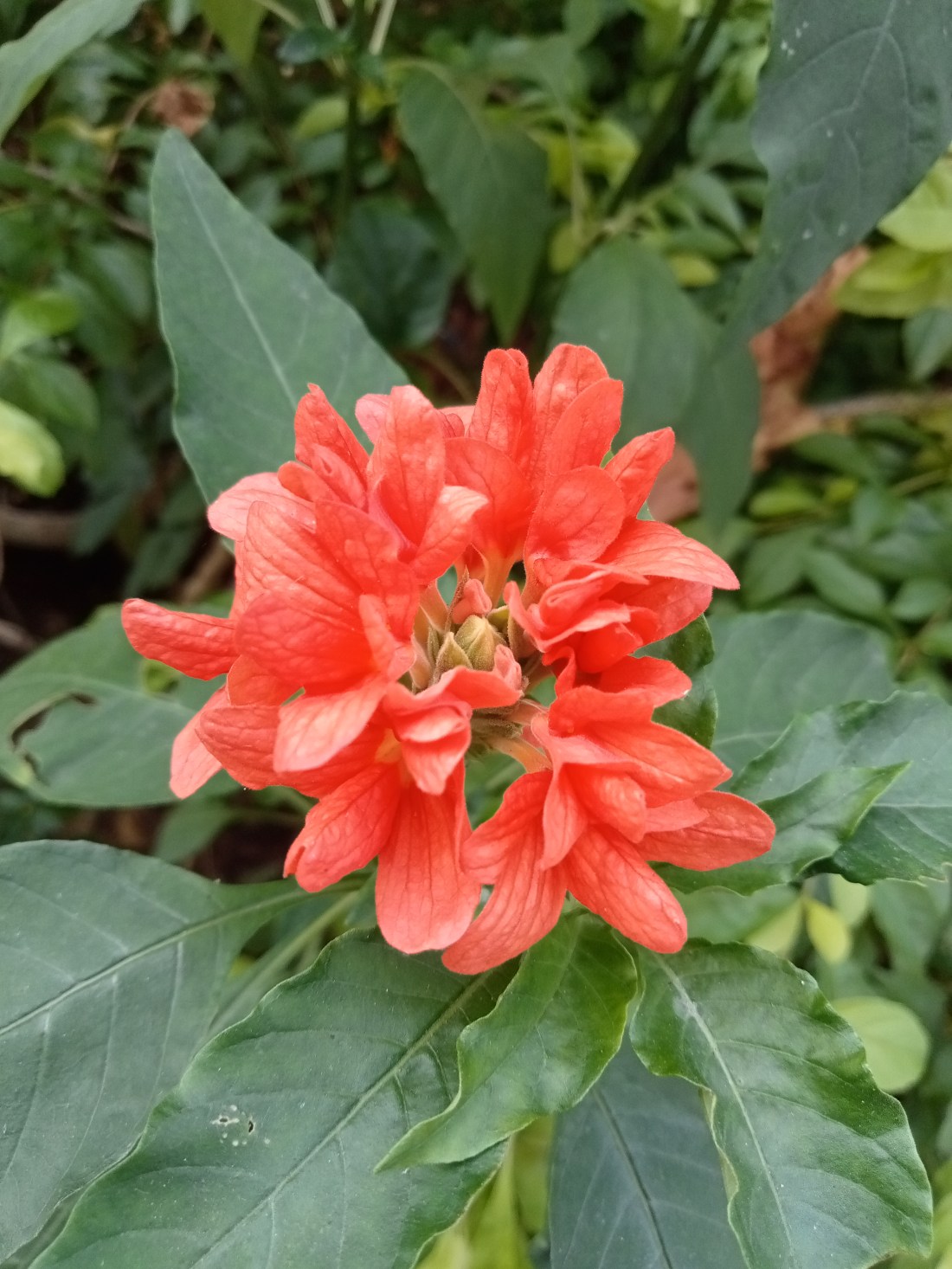
Blooming Brilliance: A Comprehensive Guide to Growing Crossandra Flowers in Your Garden!

Introduction

Crossandra flowers, also known as firecracker flowers or Crossandra infundibuliformis, are tropical delights that can bring vibrant splashes of color to your garden. Known for their striking blooms and easy maintenance, cultivating Crossandras can add an exotic touch to your outdoor space. Here’s a detailed guide to growing these stunning flowers in your garden.

1. Choosing the Right Location:

Select a spot in your garden that receives partial shade to full sun, providing adequate warmth and sunlight for Crossandra growth. Ensure the area has well-draining soil, as these flowers thrive in moist but not waterlogged conditions.

2. Planting Crossandra Flowers:

Crossandras can be grown from cuttings or from seeds or you can buy a rooted plant from nursery. When planting Crossandras, space them out accordingly, allowing enough room for growth. Dig a hole slightly larger than the root ball, gently place the plant, and cover the roots with soil. After planting, it is important to water the area thoroughly to help the roots establish properly.

3. Soil and Watering Needs:

Crossandra plants prefer slightly acidic to neutral soil. Regular watering is essential, especially during dry spells, but be cautious not to overwater as it can lead to root rot. Mulching is an effective way to trap moisture in soil and keep soil temperature stable.

4. Fertilization and Maintenance:

Use a balanced fertilizer or one specifically formulated for flowering plants during the growing season to encourage robust blooms. Prune the plants after flowering to maintain their shape and remove any dead or damaged growth.

5. Protecting from Pests and Diseases:

Monitor for common pests like aphids or whiteflies and treat them promptly to prevent infestations. Crossandras are generally resilient but keeping an eye out for signs of diseases such as root rot or fungal infections is crucial for their health.

6. Propagation and Division:

You can propagate Crossandras by taking stem cuttings or dividing mature plants. Root the cuttings in a well-draining potting mix and keep them in a warm, humid environment until they develop roots. While planting cuttings, ensure that at least two nodes of the plants are properly covered with soil, as the roots develop from these nodes. You can also keep the mature cuttings in water for a few days to allow the roots to grow before planting them in soil.

7. Enjoying the Blooms:

With proper care, Crossandra plants will reward you with stunning clusters of fiery-colored flowers throughout the growing season. These blooms not only add visual appeal but also attract pollinators like butterflies and bees to your garden.

8. Winter Care:

In colder climates, consider bringing potted Crossandras indoors during winter or providing a protective covering for outdoor plants to shield them from frost damage.


Similar Posts


Benefits Of Growing Crossandra

Crossandra are tropical wonders with multifaceted importance. Their significance transcends horticulture, culture, and traditional medicine, making them intriguing plants worth exploring.Here are some benefits of growing crossandra.

1. Ornamental Marvels:

Renowned for their vibrant hues of red, orange, and yellow, Crossandras are prized for their striking flowers. They’re coveted additions to landscapes and potted arrangements, elevating gardens and indoor spaces with their vivid beauty.

2. Cultural and Religious Ties:

In various cultures, Crossandras are entwined with rituals and ceremonies. For instance, they hold significance in Hindu religious practices and are offered in worship to deities.

3. Medicinal Properties:

Certain parts of the Crossandra plant, notably the leaves, have been historically used in traditional medicine. They’re believed to possess medicinal properties, aiding in treating skin disorders and digestive issues.

4. Pollinator Magnets:

These flowers act as nectar sources, drawing in vital pollinators like butterflies and bees. Their role in plant pollination supports the health of ecosystems.

5. Landscape Versatility:

Valued for their resilience in diverse climates, Crossandras are favored in landscape design. They’re utilized to craft vibrant, low-maintenance garden beds and borders.

6. Symbolic Significance:

Crossandras are often associated with traits like warmth, vibrancy, and passion due to their fiery blooms. This symbolism makes them ideal for expressing specific emotions in floral arrangements.

7. Botanical Intrigue:

Of botanical interest, Crossandras captivate scientists for their unique flower structure and classification within the Acanthaceae family. Their genetic diversity and adaptability to different environments make them subjects of scientific study.

Crossandra flowers are a tapestry of cultural, medicinal, and horticultural significance. Their diverse roles in various contexts showcase their multifaceted nature, making them fascinating subjects that weave through the realms of art, tradition, and science.

Conclusion

Growing Crossandra flowers can be a rewarding experience, adding tropical allure and vibrant colors to your garden. With the right care and attention, these resilient plants can thrive, bringing joy and beauty to your outdoor space throughout the year.

Happy Gardening!

Exploring Different Types of Money Plants and Their Benefits!

Introduction

Money plants, also known as Epipremnum aureum or Pothos, are popular houseplants cherished for their attractive appearance and reputed positive effects on the environment and well-being. These plants are not only easy to care for but also come in various types, each with its unique characteristics and benefits. In this article, we will delve into the different types of money plants and explore the advantages they offer.

Golden Pothos (Epipremnum aureum)

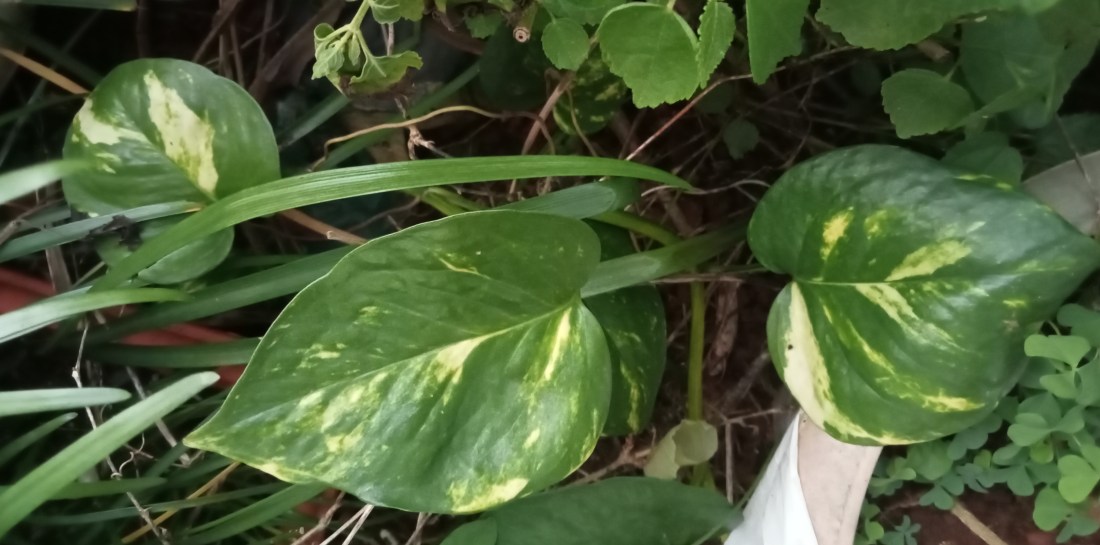
Golden Pothos, often referred to as Devil’s Ivy, is one of the most recognizable and widely cultivated money plant varieties. This plant features heart-shaped, green and golden variegated leaves that are not only visually appealing but also help purify indoor air.

Some of the benefits of having Golden Pothos include:

Air Purification: Golden Pothos is an excellent air purifier, removing toxins like formaldehyde and benzene from the air, thus improving indoor air quality.

Low Maintenance: This variety is easy to care for, making it an ideal choice for beginners or busy individuals.

Feng Shui: Golden Pothos is believed to attract positive energy and financial prosperity according to Feng Shui principles.

Easy Propagation: Golden Pothos is easy to propagate through cuttings in water or soil, making it a great plant for beginners.

Marble Queen Pothos

Marble Queen Pothos is another stunning money plant variant known for its distinctive marbled white and green leaves. It shares many benefits with Golden Pothos, such as air purification and low maintenance. However, its elegant appearance adds a touch of sophistication to any space.

Here are some key features and care tips for Marble Queen Pothos:

Light Requirements: Marble Queen Pothos thrives in bright, indirect light but can tolerate lower light conditions.

Variegation: Its marbled leaves make it a visually appealing choice for home decor.

Low Maintenance: Like other Pothos varieties, it’s easy to care for.

Neon Pothos

Neon Pothos is a vibrant and eye-catching money plant variety. Its bright, fluorescent green leaves are sure to be a focal point in any room. Besides its striking appearance, Neon Pothos offers similar benefits to other Pothos varieties, including air purification and ease of care.

Jade Pothos

Jade Pothos is recognized by its rich, deep green leaves with creamy white or yellow streaks. This type of money plant is not only aesthetically pleasing but also contributes to a healthier living environment.

The benefits of having a Jade Pothos include:

Improved Air Quality: Jade Pothos helps eliminate indoor air pollutants, making it an excellent addition to homes and offices.

Prosperity Symbol: In Chinese culture, the Jade Pothos is considered a symbol of wealth and good fortune.


Similar Posts


Silver Pothos

Silver Pothos stands out due to its striking silver or gray-green leaves. Like its counterparts, it offers advantages such as air purification and minimal care requirements. Its unique coloration adds a touch of elegance and sophistication to any interior.

Key features and benefits of Silver Pothos

Light: Thrives in moderate to bright indirect light.

Foliage: The silver variegation sets it apart from other Pothos types.

Low Maintenance: Perfect for beginners.

Manjula Pothos

Manjula Pothos is characterized by its variegated leaves featuring creamy-white, green, and silvery-gray hues. This money plant variety combines the beauty of its foliage with air-purifying qualities and easy maintenance. Having Manjula Pothos in your living space not only enhances its visual appeal but also contributes to a healthier atmosphere.

Air Quality: Contributes to better indoor air quality by filtering out toxins.

Care: Maintain moderate humidity and water when the topsoil dries out.

Benefits of Money Plants

Now that we’ve explored various types of money plants, let’s dive deeper into the common benefits they offer:

Air Purification:

Money plants are renowned for their ability to filter indoor air by removing harmful pollutants such as formaldehyde, benzene, and xylene. This purification process leads to improved air quality, making them excellent choices for homes and offices.

Low Maintenance:

Money plants are extremely forgiving when it comes to care. They can thrive in a variety of lighting conditions, tolerate irregular watering, and are generally pest-resistant. This makes them ideal for individuals with busy lifestyles or those new to plant care.

Positive Energy:

In Feng Shui and some other belief systems, money plants are considered to attract positive energy and financial prosperity. Placing these plants in specific areas of your home or workspace may enhance your overall well-being and luck.

Aesthetic Appeal:

With their diverse leaf shapes and colors, money plants are not only beneficial but also visually pleasing. They can complement various interior design styles and add a touch of nature’s beauty to your surroundings.

Conclusion

Money plants, in their various forms, offer a multitude of benefits ranging from air purification to aesthetic enhancement and positive energy attraction. Whether you choose the classic Golden Pothos, the elegant Marble Queen, the vibrant Neon Pothos, or any other variant, incorporating these plants into your living or working space can greatly improve your environment and well-being. Their low maintenance requirements make them accessible to everyone, regardless of their gardening experience. So, why not bring a touch of greenery and prosperity into your life by welcoming a money plant into your home or office?

Happy Gardening!

Things I should have known before growing Orchids!

Introduction:

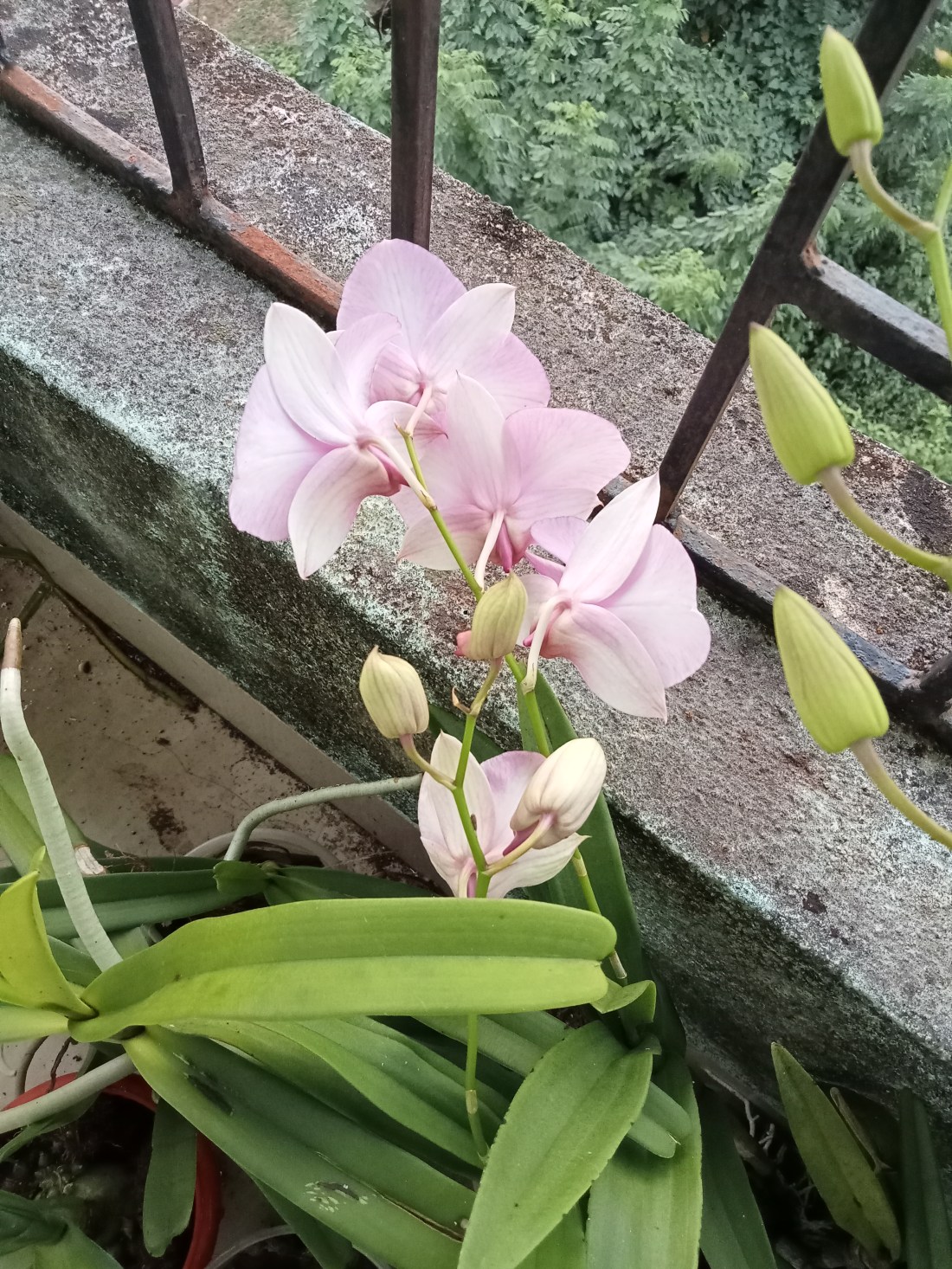
Orchids, often revered for their timeless beauty and versatility, have captured the hearts of plant enthusiasts and decorators alike. These exquisite flowers can serve as stunning decorations for various occasions or be a thoughtful gift for loved ones. With over two hundred distinct varieties, including Dendrobium, Phalaenopsis, Vanda, and Cattleya, orchids offer a wide range of choices. What sets orchids apart is their remarkable longevity, as they can thrive for many months even when separated from their parent plants.

For those eager to try their hand at growing orchids, it’s a rewarding endeavor that requires patience and attention to specific factors. Here are some essential considerations to ensure your orchid cultivation journey begins on the right foot:

Choosing the Right Orchid:

If you’re new to orchid cultivation, it’s best to start with varieties that are easier to grow and require less maintenance, such as Dendrobium and Phalaenopsis.

Climate Considerations:

It’s crucial to remember that growing conditions vary based on your geographical location. Advice and guidance found online or in videos may not be applicable to your local climate. Ensure you follow instructions that are relevant to your region’s weather patterns.

Timing Matters:

Orchid cultivation is affected by seasonal changes. Typically, it’s best to start during the winter season so you can expect blooms in the summer. However, Dendrobium and Phalaenopsis can bloom outside of these traditional seasons.

Ideal Placement:

The location where you place your orchids is pivotal for their growth and flowering. Provide indirect sunlight and ensure sufficient air circulation for healthy development. Place it near the window or in Balcony which gets indirect sunlight.


Similar Posts


Acquiring Orchids:

Once you’ve taken these factors into consideration, the next step is to embark on the journey of acquiring orchids. Orchids have always held a special place in my heart, but their price often deterred me from making a purchase. Being an avid gardener, I frequently visited a local nursery where I stumbled upon these exquisite blooms. However, their price tag was often seven to eight times higher than the plants I typically acquired.

One day, while browsing a local market, I chanced upon a lady selling a delicate orchid seedling for just 100 rupees. Though it appeared frail, I couldn’t resist the temptation and made it my very first orchid, one that has yet to bloom even after a year and a half. I patiently awaited signs of growth, only to witness its leaves falling off without any indication of new branches. It was then that I decided to invest in another orchid, this time from the nursery, purchasing a bushy plant without flowers for 250 rupees. Unfortunately, this orchid too refused to bloom.

Determined to unlock the secret of successful orchid care, I eventually acquired an orchid in full bloom, and from that point on, I was hooked. Today, my collection boasts an impressive array of 19 orchids, including 13 dendrobiums, 2 phalaenopsis, 2 catellya, 1 vanda, and 1 Rhyncolysis. As my passion for orchids grew, I delved into research online and stumbled upon websites that offered these captivating plants at more affordable rates.

During my online exploration, I discovered that one of the best places to buy orchids, or any other plants for that matter, is through Facebook Marketplace. There are numerous dedicated groups on Facebook, such as ” Indian Orchid Growers Association & Sellers,” ” Orchid Growing TIPS & TRICKS, India,” ” Kolkata Orchid Growers Association,” “Buy Sale Plants”, “Sale Point”and many more, each catering to specific interests and regions. These groups provide a diverse selection of orchids and other plants at reasonable prices, offering enthusiasts the opportunity to explore a wide variety of options for their collections.

Pro Tips:

Purchasing orchids can sometimes be a daunting task due to their perceived high cost. However, there are budget-friendly ways to start your orchid collection. Consider these tips:

a. Start Small: Begin with affordable orchid seedlings or less expensive options like dendrobium to gain experience.

b. Online Marketplaces: Explore online platforms like Facebook Marketplace or specialized groups dedicated to orchid enthusiasts, where you can find a variety of orchids at reasonable prices. Here is a list of Facebook Groups and websites selling orchids at affordable prices.

Facebook Groups:

Indian Orchid Growers Association & Sellers

Orchid Growing TIPS & TRICKS, India

Kolkata Orchid Growers Association

Kerala Orchids & All Orchid Species

Orchid Addiction— Exchange and sale

Websites:

Pots And Petals

OrchidZone

Guide To Orchid Care

Now that you’ve selected your orchids, here’s a basic guide to their care:

Potting Your Orchids:

Use a potting mix comprising tree bark (or coconut husk), charcoal, and brick pieces. Opt for orchid pots with ample drainage holes, available in clay or plastic options.

Sunlight Requirements:

As mentioned earlier orchids thrive with indirect sunlight, which is vital for blooming. Avoid overexposure to direct sunlight, as it can harm the leaves.

Proper Watering:

Water your orchids once a week in winter and twice a week in summer by immersing the pot in a tub of water or using the ice cube method. This ensures even moisture without overwatering. The ice cube method was recommended by the seller from whom I purchased my Phalaenopsis orchid, and I have found it to be highly effective and convenient in maintaining proper hydration for my orchids.

Fertilizing:

While numerous orchid fertilizers are readily accessible online, I personally abstain from using them due to the precise dosage requirement; an excess can potentially harm the plants. If you do opt for chemical fertilizers, ensure that you apply them on the same day as watering your orchids. My preferred and reliable alternative is rice water, a natural and effective fertilizer that not only supports overall growth but also enhances flowering.

Conclusion:

Embarking on the journey of growing orchids can be a deeply satisfying experience for any gardening enthusiast. By following these tips and considerations, you’ll be well on your way to nurturing these exquisite flowers and enjoying their timeless beauty. So, start cultivating orchids and embrace the joys of gardening.

Happy gardening!

A Blooming Guide: Caring for Rose Plants!

Introduction

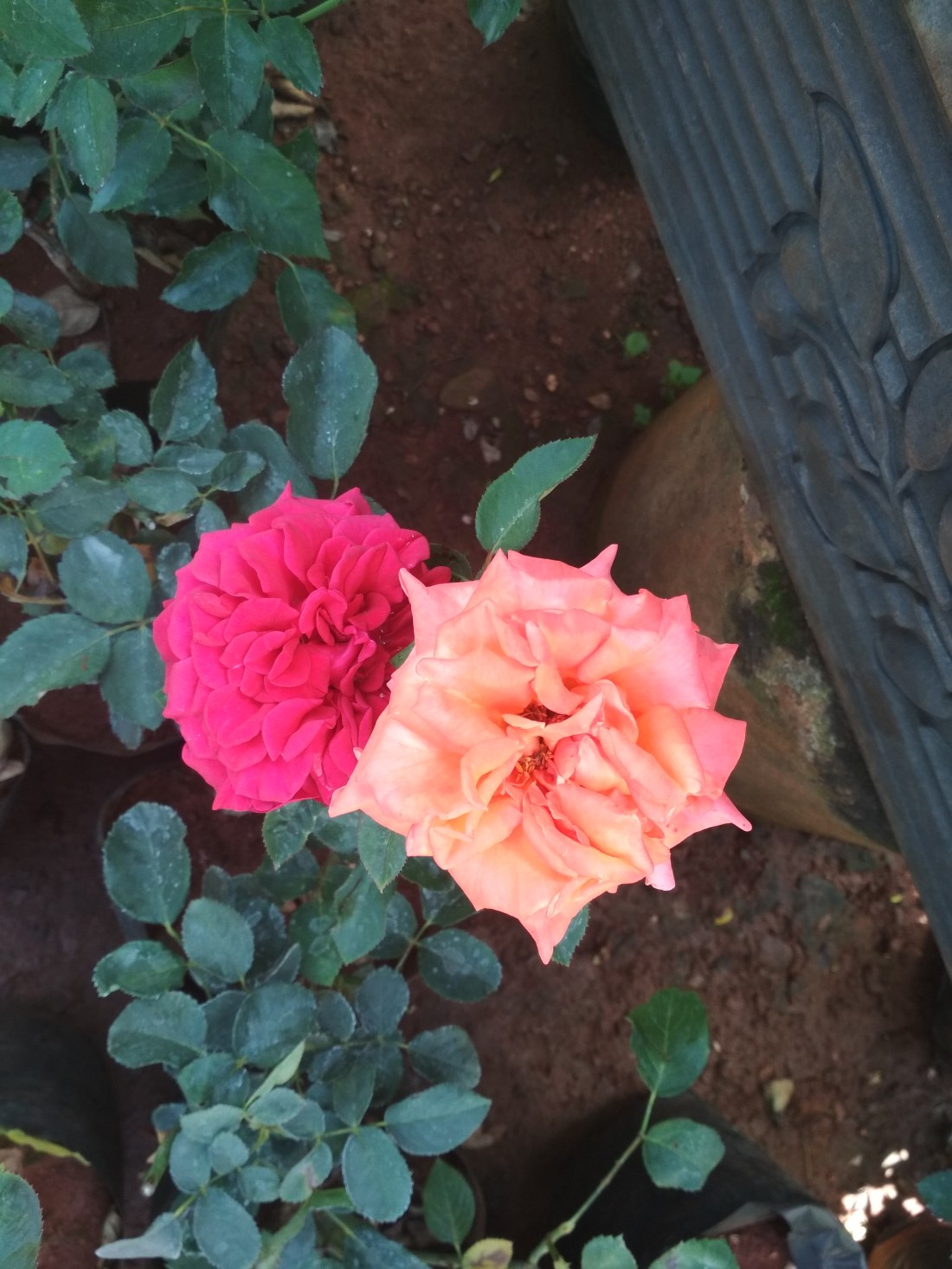
Roses, often referred to as the “queen of flowers,” are cherished for their beauty, fragrance, and symbolic significance. Caring for rose plants can be a rewarding and enjoyable experience, whether you’re a seasoned gardener or a beginner. In this article, we’ll explore essential tips and techniques to help you nurture your rose plants and ensure they thrive in your garden.

The Best Rose Varieties to Choose

Before diving into care instructions, it’s crucial to choose the right rose varieties for your garden. There are three main types to consider:

  • Hybrid Tea Roses: Known for their large, classic-shaped blooms, hybrid tea roses are perfect for cut flowers and often have a strong fragrance.
  • Floribunda Roses: These roses produce clusters of smaller flowers, making them ideal for colorful garden displays.
  • Shrub Roses: Shrub roses are hardy and versatile, requiring less maintenance and offering a more natural appearance.

Selecting the Right Location

Roses require a sunny spot to thrive. They need at least six hours of direct sunlight daily. Ensure your chosen location has good air circulation to prevent diseases. Well-drained soil with organic matter is essential for healthy rose growth.

Planting Your Roses

  • Timing: Plant bare-root roses in late winter or early spring when they are dormant. Container-grown roses can be planted during the growing season.
  • Spacing: Ensure proper spacing to allow air circulation and prevent overcrowding.
  • Digging the Hole: Make a hole large enough to accommodate the root system, keeping the bud union (the swollen area where the canes meet the roots) an inch or two below the soil surface.
  • Watering: After planting, it is important to water thoroughly to help the soil settle.

Watering

Roses need consistent moisture, but they don’t like to sit in waterlogged soil. Here are some suggestions for watering:

  • Deep Watering: Water deeply at the base of the plant to encourage deep root growth.
  • Morning Watering: Water in the morning to allow the leaves to dry before evening, reducing the risk of fungal diseases.
  • Mulching: Apply a layer of mulch to retain soil moisture and regulate temperature.

Fertilizing

Roses benefit from regular feeding. For optimal results, it is recommended to use a balanced fertilizer with a ratio of either 10-10-10 or 14-14-14. Start fertilizing in early spring and repeat every 4-6 weeks during the growing season. Water your roses before and after applying fertilizer to prevent root burn.

Pruning

Pruning is essential for maintaining the health and shape of your rose plants. Here are some important tips on pruning:

  • Deadheading: To promote consistent blooming, it’s recommended to remove any spent flowers.
  • Annual Pruning: Prune in late winter or early spring to remove dead or diseased wood and shape the plant.
  • Cutting Back: For hybrid tea roses, cut back one-third of the plant’s height to encourage new growth.

Similar Posts


Pest and Disease Management

Roses can be susceptible to pests and diseases, but with proper care, you can minimize these issues:

Inspect Regularly: Check your roses regularly for signs of pests or diseases.

Organic Pest Control: Consider using organic methods like neem oil or insecticidal soap to control pests.

Disease Prevention: Apply fungicides as a preventive measure, especially in humid climates.

Winter Care

Winter care is essential to protect your roses from harsh conditions:

  • Mulching: Apply a layer of mulch around the base of the plant to insulate the roots.
  • Pruning: Prune back long canes to prevent wind damage.
  • Wrap Stems: In colder regions, wrap the lower stems with burlap to protect against freezing.

Support and Training

Some rose varieties may need support or training:

  • Staking: Tall or heavy rose varieties may require stakes to keep them upright.
  • Training: Train climbing roses onto trellises or supports to encourage their growth in the desired direction.

Regular Inspection and Care

Lastly, maintaining healthy roses requires consistent attention. Regularly inspect your plants for any issues, such as yellowing leaves or signs of stress, and take appropriate action promptly.

Conclusion

Caring for rose plants can be a deeply satisfying endeavor, resulting in a garden adorned with beautiful, fragrant blossoms. By choosing the right varieties, providing the correct growing conditions, and following essential care practices such as watering, fertilizing, pruning, and pest management, you can enjoy vibrant, healthy roses in your garden year after year. Remember that each rose variety may have specific care requirements, so always consult the specific care guidelines for the roses you choose to cultivate. With dedication and care, your roses will flourish, bringing joy and beauty to your outdoor space.

Happy Gardening!

Unlocking the Green Power: Growing Microgreens and Its Abundant Benefits!

Introduction

In today’s fast-paced world, where health consciousness and sustainability go hand in hand, microgreens have emerged as a rising star on the culinary scene. These tiny, vibrant, and nutrient-packed greens have garnered immense popularity not only for their culinary appeal but also for their ease of cultivation. In this article, we will delve into the art of growing microgreens and explore the myriad benefits they bring to our plates and our planet.

What Are Microgreens?

Microgreens are edible plants that are harvested at an early stage of growth, typically after the first true leaves have developed. They are a diverse group of tiny greens, including varieties like kale, arugula, radishes, and mustard greens, among others. Microgreens burst with flavor and color, making them a favorite among chefs and home cooks alike.

Cultivation: Simple and Accessible

One of the most significant advantages of microgreens is their accessibility to virtually anyone, regardless of their gardening experience or space constraints. Here’s a step-by-step guide to growing microgreens:

  1. Choose the Right Container

 You can grow microgreens in various containers like trays, shallow pots, or even repurposed plastic containers with drainage holes.

2. Select Your Seeds

 Opt for high-quality, untreated seeds of your preferred microgreen varieties. Organic seeds are always a good choice.

Commonly grown microgreen vegetable species include beet, Swiss chard, spinach, lettuce, mustard, fenugreek, chicory, endive, cabbage, carrot, celery, fennel, leek, onion, and cucumber.

3. Prepare the Growing Medium

Fill your chosen container with a soilless growing medium, such as peat moss, coconut coir or hemp mats. Ensure it’s well-moistened but not waterlogged.

4. Sow the Seeds

Sprinkle the seeds evenly over the growing medium, pressing them gently into the soil. You don’t need to bury them.

5. Provide Adequate Light

Microgreens thrive in bright, indirect sunlight. If natural light is insufficient, you can use fluorescent or LED grow lights. The optimal soil temperature range for germinating microgreens is between 60 and 75°F, while air temperatures should be kept between 60 and 70°F.

6. Maintain Proper Moisture

 Keep the growing medium consistently moist, but avoid overwatering, as this can lead to mold and rot. Microgreens can easily germinate with the proper humidity level of 90%.

7. Harvest at the Right Time

Most microgreens are ready to harvest within 7-14 days, depending on the variety. Use scissors to cut them just above the soil line.


Similar Posts


Benefits of Microgreens

The decision to grow microgreens goes beyond their delightful taste and visual appeal. Let’s explore some of the benefits they offer:

  • Exceptional Nutrient Density

Despite their diminutive size, microgreens are nutritional powerhouses. Studies have shown that they can contain up to 40 times more vitamins, minerals, and antioxidants than their mature counterparts.

  • Culinary Versatility

Microgreens add a burst of flavor and texture to dishes, making them a versatile ingredient for salads, sandwiches, soups, and garnishes. Their diverse flavors range from peppery to nutty, catering to a wide range of taste preferences.

  • Rapid Growth

Microgreens are one of the fastest-growing crops, making them an ideal choice for impatient gardeners. You can enjoy a fresh harvest in just a matter of days or weeks.

  • Sustainable Farming

Cultivating microgreens at home reduces the need for transportation and packaging, contributing to a smaller carbon footprint. Plus, you can grow them year-round, regardless of the weather.

  • Cost-Effective

Buying microgreens from the store can be pricey. By growing your own, you save money while enjoying a continuous supply of fresh greens.

  • Health Benefits

Incorporating microgreens into your diet can boost your immune system, support digestion, and help manage weight due to their high fiber content.

  • Educational Experience

 Growing microgreens is an excellent way to introduce children to gardening and healthy eating habits. It’s a hands-on, educational experience that can foster a lifelong love for plants and nutrition.

Conclusion

Microgreens are proof that great things come in small packages. With their ease of cultivation, remarkable nutrient density, and versatility in the kitchen, they offer a plethora of benefits to both seasoned gardeners and newcomers to the world of green thumbs. Moreover, growing microgreens is an eco-conscious choice that aligns with the growing demand for sustainability and fresh, locally sourced produce.

So, whether you have a green thumb or are just starting your gardening journey, consider adding microgreens to your repertoire. Not only will you enjoy a continuous supply of flavorful, nutritious greens, but you’ll also be contributing to a healthier, more sustainable future for all.

Happy Gardening!

Terrarium Gardening: A Miniature Oasis of Greenery for Your Home!

In today’s fast-paced world, people are constantly seeking ways to bring nature closer to their lives, even when space and time are limited. Terrarium gardening has emerged as a charming solution, allowing you to create a captivating, miniature ecosystem right in your own home. In this article, we’ll explore the art of terrarium gardening, its benefits, and how to create your own stunning terrarium.

The Enchantment of Terrariums

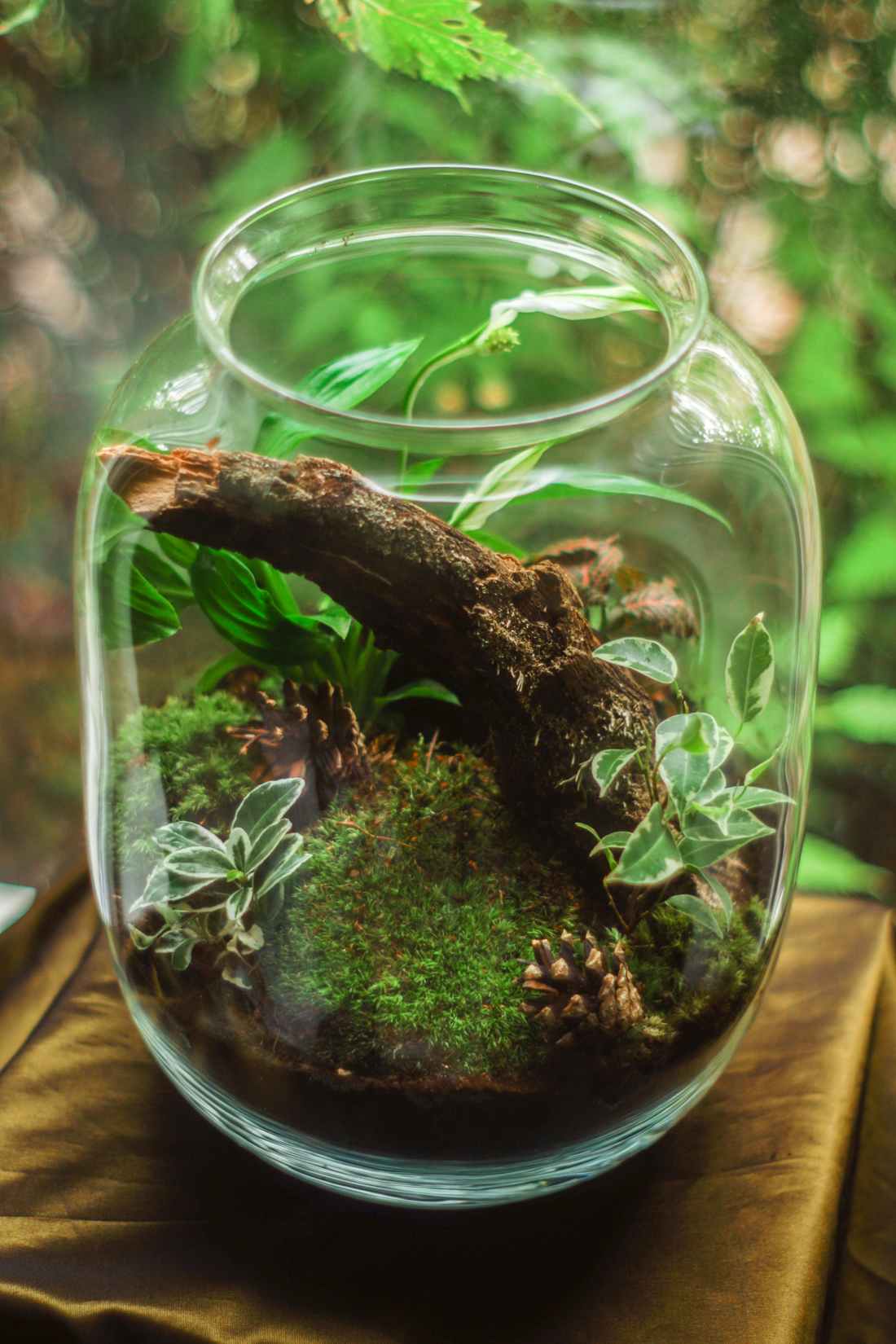
Terrariums are like small, self-contained worlds enclosed within glass containers. These enchanting miniature gardens are captivating not only for their beauty but also for the sense of tranquility they bring. Whether you’re a seasoned green thumb or a novice gardener, terrariums are the perfect way to indulge your love for plants in a compact and manageable space.

Benefits of Terrarium Gardening

1. Low Maintenance

Terrariums are exceptionally low-maintenance compared to traditional outdoor gardens. With their enclosed environment, they require minimal attention and watering. In fact, many terrariums can thrive with just a monthly watering, making them ideal for individuals with busy lifestyles.

2. Year-Round Greenery

Terrariums allow you to enjoy lush greenery year-round, regardless of the season or climate. This is especially appealing to those living in regions with harsh winters or dry summers.

3. Stress Reduction

Studies have shown that indoor plants, including those in terrariums, can reduce stress and promote relaxation. The act of caring for your tiny ecosystem can provide a soothing and rewarding escape from the stresses of daily life.

4. Space-Saving

Terrariums are perfect for those with limited living space. They can be placed on tabletops, windowsills, or even hung from the ceiling, adding a touch of nature to any room without taking up much space.

5. Creativity Unleashed

Creating a terrarium allows you to unleash your creativity. You can personalize your mini garden with various plants, decorative elements, and themes, making each terrarium a unique work of art.


Similar Posts


Building Your Terrarium

Now that you’re excited about the prospect of having your own mini garden, let’s get into the steps of building your terrarium:

Materials You’ll Need:

  • A glass container or jar with a lid or cork stopper.
  • Small pebbles or gravel for drainage.
  • Activated charcoal (available at garden centers) to prevent mold and odors.
  • Potting soil appropriate for your chosen plants.
  • Various small plants are suitable for terrariums (succulents, air plants, ferns, and moss are popular choices).
  • Decorative elements like small figurines, stones, or miniature furniture (optional).
  • Long-handled tweezers or chopsticks for arranging and planting.

Step-by-Step Guide:

  1. Start by placing a layer of small pebbles or gravel at the bottom of your glass container to create a drainage layer. This helps prevent root rot by allowing excess water to collect at the bottom.
  2. Add a thin layer of activated charcoal over the pebbles. This acts as a natural filter, purifying the air inside the terrarium and preventing unpleasant odors.
  3. On top of the charcoal, spread a layer of potting soil. The depth will depend on the size of your container and the types of plants you’re using. Generally, you want enough soil to accommodate the root systems of your chosen plants.
  4. Plant your chosen plants in the soil with caution. Use the long-handled tweezers or chopsticks to position them as desired. Be mindful of the size of your container; overcrowding can lead to plant competition for resources.
  5. Add any decorative elements you like. This is where your creativity can shine. Miniature figurines, small stones, or tiny furniture pieces can enhance the visual appeal of your terrarium.
  6. Water your terrarium sparingly. Overwatering can be a common mistake. Use a spray bottle to mist the soil and plants, or pour a small amount of water into the soil, being careful not to flood the container.
  7. Place the lid or cork stopper on your terrarium to create a closed environment. This will help maintain the humidity levels inside, ensuring that your plants thrive.

Maintaining Your Terrarium

To keep your terrarium healthy and thriving, follow these maintenance tips:

  • Monitor Moisture: Keep an eye on the moisture levels inside the terrarium. If you notice excessive condensation, remove the lid for a few hours to allow excess moisture to evaporate.
  • Trim and Prune: As your plants grow, you may need to trim and prune them to maintain the desired appearance and prevent overcrowding.
  • Rotate: Rotate your terrarium occasionally to ensure all sides receive adequate light and your plants grow evenly.
  • Fertilize Sparingly: Fertilize your terrarium sparingly, as the enclosed environment doesn’t require as much nutrients as outdoor gardens.

Conclusion

Terrarium gardening is a delightful hobby that brings nature’s beauty into your home while providing a sense of tranquility and creativity. Whether you’re a busy urbanite or a seasoned gardener, creating your own mini ecosystem is a rewarding and therapeutic experience. So, why not embark on this green journey and discover the enchanting world of terrariums today? Your miniature oasis of greenery awaits!

Happy Gardening!

A Comprehensive Guide to Successfully Growing Mushrooms at Home!

Introduction

Mushroom cultivation has gained immense popularity in recent years, as people have realized the nutritional and culinary benefits of these fungi. Whether you’re an aspiring home gardener or a seasoned horticulture enthusiast, growing mushrooms at home can be a rewarding and eco-friendly hobby. In this guide, we will delve into the step-by-step process of cultivating mushrooms, from selecting the right type to harvesting your own bountiful crop.

Choosing the Right Mushroom Variety

Before you embark on your mushroom cultivation journey, it’s crucial to select the right variety that suits your preferences and growing conditions. Popular options for home cultivation include Oyster, Shiitake, and White Button mushrooms. Research each type’s growth requirements, flavors, and uses to find the one that resonates with you.

Gathering Essential Supplies

Gathering the necessary supplies is the next step in your mushroom-growing venture. You’ll need items such as mushroom spawn (mycelium), a growing medium (substrate), containers, a misting spray bottle, and a clean, well-ventilated growing area. Remember, maintaining a sterile environment is crucial to preventing contamination.

Preparing the Substrate

The substrate serves as the nutrient-rich foundation for your mushrooms to grow. Common substrate materials include straw, sawdust, and various agricultural byproducts. Depending on the mushroom variety you’ve chosen, you might need to mix and sterilize the substrate before introducing the mycelium.

Inoculation and Colonization

Inoculation is the process of introducing mushroom mycelium to the prepared substrate. This can be done using spores or pre-colonized spawn. Once inoculated, the mycelium begins to colonize the substrate, spreading its network of fine threads. Maintain proper humidity and temperature during this phase to encourage healthy growth.

Creating the Right Environment

Different mushroom varieties require specific environmental conditions to thrive. Generally, mushrooms prefer a humid environment with consistent temperature levels. Providing indirect light can also stimulate growth. Regular misting helps maintain moisture levels, aiding in the development of fruiting bodies (mushroom caps).

Fruiting and Harvesting

As the mycelium colonizes the substrate, you’ll notice the formation of pin-like structures, which will develop into mature mushrooms. This is the fruiting stage. Maintain humidity and proper airflow to encourage the growth of these fruiting bodies. Once they reach the desired size, carefully pluck or cut them from the substrate. The best flavor and texture are ensured by timing the harvest correctly.

Post-Harvest Care

After harvesting, the substrate might have enough nutrients for subsequent flushes (additional rounds of mushroom growth). Some mushroom varieties can produce multiple flushes, increasing your yield. Between flushes, maintain the growing environment, adjust humidity, and check for any signs of contamination.


Similar Posts


Types Of Mushrooms

There are several types of mushrooms that can be grown at home, and they are typically cultivated using special mushroom growing kits or substrates. Some popular varieties that are suitable for home cultivation include:

1.         White Button Mushrooms (Agaricus bisporus):

These are the most commonly cultivated mushrooms worldwide and are great for beginners. They have a mild flavor and are versatile in cooking.

2.         Oyster Mushrooms (Pleurotus ostreatus):

Oyster mushrooms are known for their delicate taste and come in various colors, including white, gray, and pink. They’re relatively easy to grow and can produce multiple flushes.

3.         Shiitake Mushrooms (Lentinula edodes):

Shiitakes have a robust, earthy flavor and are popular in many cuisines. They require a bit more attention to growing conditions but are worth the effort.

4.         Lion’s Mane Mushrooms (Hericium erinaceus):

Lion’s Mane has a unique appearance, resembling white cascading icicles. It has a mild, seafood-like flavor and is believed to have potential health benefits.

5.         Maitake Mushrooms (Grifola frondosa):

Also known as “Hen of the Woods,” Maitake mushrooms have a distinctive layered appearance and a rich, earthy flavor.

6.         Enoki Mushrooms (Flammulina velutipes):

Enoki mushrooms have long, thin stems and a delicate taste. They are commonly used in Asian dishes.

7.         Morel Mushrooms (Morchella spp.):

Morels are highly prized for their nutty, earthy flavor. They can be more challenging to cultivate and are often found in the wild, but some efforts have been made to develop cultivation methods.

When growing mushrooms at home, it’s essential to follow proper sterilization techniques, maintain the right environmental conditions (humidity, temperature, light), and use the appropriate substrate (such as sawdust, straw, or grain) for the specific mushroom type you’re growing. Each mushroom variety has its preferences in terms of growing conditions, so it’s essential to do some research before starting your home mushroom cultivation project.

Conclusion

Growing mushrooms at home is an engaging and sustainable way to enjoy fresh, flavorful fungi in your culinary creations. With the right knowledge, supplies, and care, you can successfully cultivate various mushroom varieties year-round. Remember to choose the appropriate mushroom type, create a sterile environment, provide the right conditions for growth, and enjoy the fruits of your labor. Whether you’re a novice or an experienced cultivator, the journey of nurturing mushrooms from mycelium to harvest is a fulfilling experience that connects you with the wonders of nature.

Happy Gardening!

Unveiling the Art of Water Lily Hybridization: Cultivating Nature’s Jewels!

Introduction:

Water lilies, those enchanting aquatic jewels, have a timeless allure that graces ponds and water gardens worldwide. Their vibrant blooms and graceful foliage add a touch of elegance to any aquatic landscape. But what if you could take this beauty to the next level by hybridizing water lilies? In this article, we’ll delve into the captivating world of water lily hybridization, offering insights and tips on how to create your very own aquatic masterpieces.

Understanding Water Lily Hybridization:

Water lily hybridization is a fascinating process that involves cross-breeding different varieties of water lilies to create new and unique cultivars. It’s a bit like nature’s own art studio, where you can blend colors, shapes, and characteristics to craft your own floral masterpiece.

Selecting Parent Plants:

The first step in water lily hybridization is selecting the parent plants. Choose two water lily varieties with traits you’d like to combine. It could be the color of the flowers, the size of the leaves, or the overall growth habit. Remember that successful hybridization often involves trial and error, so don’t be discouraged if your first attempts don’t yield the results you desire.

The Pollination Process:

Once you’ve chosen your parent plants, it’s time for the pollination process. Water lilies have both male and female reproductive organs, making them perfect candidates for hybridization.

To pollinate water lilies, first look for first-day flowers with a liquid pool covering the stigma, which is the central area of the flower. Take pollen from a second-day flower and stir it into the pool of liquid using a cotton swab or small paintbrush. It’s best to do this quickly to avoid competition from bees and other insects. However, sometimes the second-day flower may not release its pollen until later in the morning. If that happens, you can use pollen from third-day flowers, but bees may have already removed all the pollen from the anthers of these flowers. In addition, bees can also remove pollen from second-day flowers before the morning is over. To prevent this, you may need to cover second-day flowers with netting before they open in the morning. If the liquid covering the stigma dries up before the flower closes, you can still fertilize the flower by rubbing pollen onto the dry stigma.

Once you have placed pollen into the liquid covering the stigma, it is important to cover the flower with a plastic bag. Use the tie provided to securely attach the open end of the bag to the stem below the flower. This will ensure that when the seeds are released, they will not be lost from the bag. Even if there is a delay in collecting the seeds and the stem begins to rot, the majority of the seeds will still be safely contained within the bag.

Watching for Seed Pods:

After successful pollination, you’ll notice seed pods developing where the flowers once bloomed. These pods contain the seeds of your potential new water lily hybrid. Allow the seed pods to mature and turn brown before harvesting the seeds. This can take several weeks.

The seeds can be stored in plastic bags, either wet for hardy seeds or dry for tropical seeds. To prevent sprouting in the bag, store them in the refrigerator.


Similar Posts


Growing Your Hybrid Water Lilies:

To grow your harvested seeds, choose a shallow container with clean water and add a layer of aquatic soil or sand. Scatter the seeds on the soil and cover them with a thin layer of sand. Add an inch or two of water over the sand and place the container in a sunny location with consistent water temperatures. Once the seedlings have developed two or three surface leaves, you can safely transplant them into your pond or water garden.

Patience and Persistence:

Hybridizing water lilies is an art that requires patience. Not every cross will yield a stunning new variety, but each attempt brings you closer to creating something truly unique. Keep detailed records of your hybridization efforts, including parent plants, pollination dates, and seedling outcomes. This information will be invaluable as you refine your hybridization skills.

Sharing Your Creations:

Once you’ve successfully hybridized a water lily, consider sharing your creations with fellow water gardening enthusiasts. Sharing knowledge and cultivars within the community can be incredibly rewarding.

Conclusion:

Water lily hybridization is a captivating journey that allows you to become a co-creator with nature. By carefully selecting parent plants, mastering the pollination process, and nurturing your seedlings, you can unlock a world of aquatic beauty. So, dive into this enchanting endeavor, and let your water garden bloom with the unique and mesmerizing water lily hybrids you create. Happy hybridizing!

Happy Gardening!

Lotus vs. Waterlilies: Unveiling the Aquatic Garden Wonders!

Introduction

When it comes to the world of aquatic gardening, enthusiasts often find themselves in a delightful conundrum, confusing two striking water plants: the Lotus and the Waterlily. These aquatic marvels, while sharing the same watery habitat, are, in fact, distinct in numerous ways. In this article, we’ll dive deep into the fascinating realm of Lotus and Waterlilies, unraveling their unique characteristics and helping you appreciate their individual beauty.

Lotus and Waterlilies: A Taxonomic Tale

Before delving into their visual disparities, it’s crucial to understand the botanical differences between these aquatic wonders. The Lotus, scientifically known as Nelumbo species, belongs to a distinct genus, while the Waterlily, classified as Nymphaea species, has its own taxonomic identity. Now, let’s explore how these botanical distinctions manifest in their physical characteristics.

Leaves: Above vs. At Surface

One of the most apparent distinctions between Lotus and Waterlilies lies in the positioning of their leaves. Lotus leaves are “emergent,” which means they gracefully rise above the water’s surface as they mature, creating an enchanting spectacle. On the other hand, Waterlily leaves, often seen adorning the water’s surface like lush green lily pads, provide a contrasting picture.

Shapes of Leaves: Discs vs. Radial Cuts

Taking a closer look at the leaves reveals another intriguing difference. Lotus leaves maintain a smooth, unbroken disc-like appearance, whereas Waterlily pads exhibit a distinct radial cut, adding a touch of elegance to their form.

Flowers: Above, On, and Below Water Surface

Now, let’s talk about the captivating blooms of Lotus and Waterlilies. Lotus flowers, true to their unique nature, ascend several feet above the water’s surface, creating a mesmerizing display. In contrast, hardy Waterlilies choose to bloom gracefully on the water’s surface, while tropical Waterlilies add a dash of extravagance by flowering 6 to 8 inches above the water.


Similar Posts


Seed Pods: Central vs. Base, Above vs. Below

Moving on to reproduction, the seed pods of these aquatic wonders tell a distinctive tale. In Lotus, the seed pod takes center stage within the flower, resting proudly above the water’s surface. Conversely, in Waterlilies, the seed pod modestly dwells at the base of the flower, often submerged beneath the water’s surface. This juxtaposition in seed pod locations highlights their contrasting life cycles.

Seed Size: Pebbles vs. Minutiae

As we explore further, the size of their seeds sets them apart. Lotus seeds resemble small pebbles in terms of size, while Waterlily seeds are incredibly minute, adding a touch of delicacy to these aquatic botanical treasures.

Rhizomes: Tubular vs. Compact

Finally, beneath the water’s surface, the roots of these plants differ in form. Lotus boasts long, tubular rhizomes that sprawl out, while Waterlilies possess compact rhizomes or tubers, making them adapt gracefully to their aquatic environment.

Conclusion:

In the enchanting world of aquatic gardening, discerning the differences between Lotus and Waterlilies is essential for any enthusiast. Each of these aquatic wonders offers a unique and awe-inspiring display, from their leaves to their flowers, seed pods, and rhizomes. So, the next time you gaze upon these aquatic beauties, remember the distinctions that make them extraordinary in their own right. Whether you’re cultivating Lotus or Waterlilies, you’re sure to be captivated by the beauty they bring to your aquatic garden.

Happy Gardening!