
Introduction:
Gardening is a rewarding and therapeutic activity that brings joy and beauty to our surroundings. However, spending time outdoors also means encountering various insects, some of which can leave you with unpleasant bites. While most insect bites are harmless and only cause minor discomfort, others can lead to more severe reactions. In this article, we’ll explore the types of insect bites gardeners commonly face, along with their treatments, precautions, and care.
Common Insect Bites in the Garden
1. Mosquito Bites
Mosquitoes are perhaps one of the most common pests gardeners encounter. Itching, redness, and swelling can be caused by their bites. In some cases, mosquito bites can transmit diseases like West Nile virus or Zika virus.
Treatment:
Apply an over-the-counter anti-itch cream or calamine lotion to reduce itching. For more severe reactions or signs of infection, consult a healthcare provider.
Precautions:
Wear long-sleeved shirts, long pants, and use insect repellent containing DEET or picaridin to prevent mosquito bites.
2. Bee and Wasp Stings
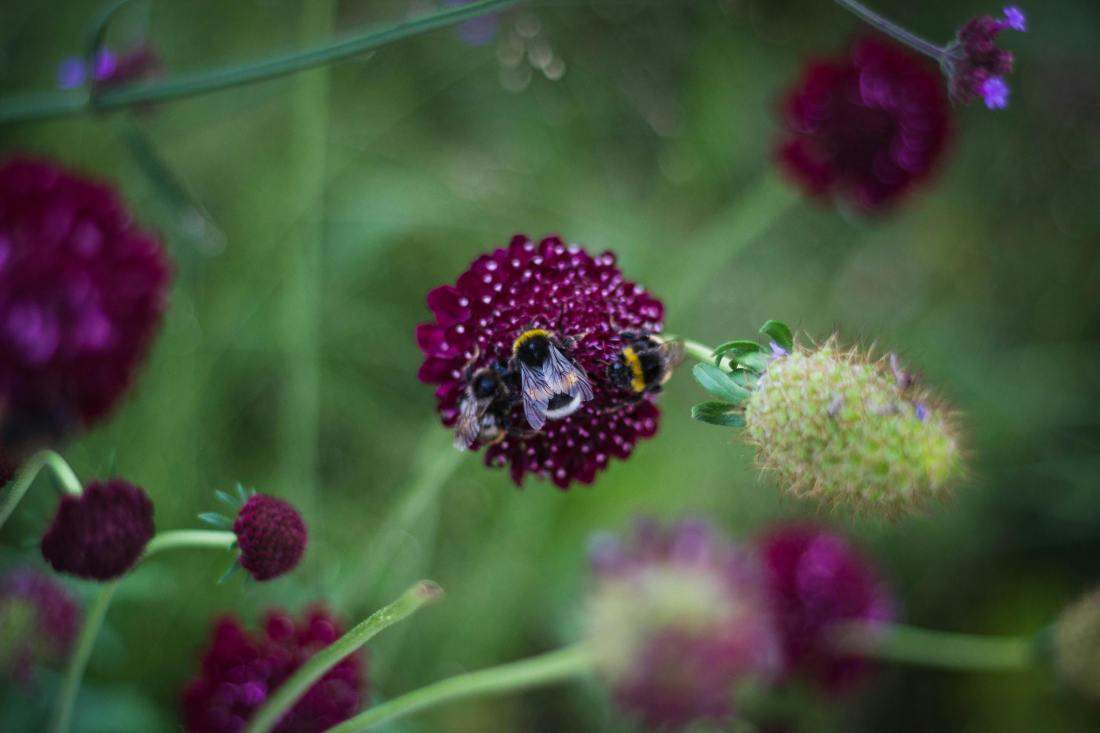
Bees and wasps are beneficial insects that help pollinate plants but can also deliver painful stings. Bee and wasp stings can cause pain, redness, swelling, and in some cases, allergic reactions.
Treatment:
Remove the stinger by scraping it off with a credit card or your fingernail. Apply a cold compress and take an antihistamine to reduce swelling and itching. Seek medical attention immediately if you experience difficulty breathing, swelling of the face or throat, or other signs of a severe allergic reaction.
Precautions:
Avoid wearing brightly colored clothing or floral patterns that can attract bees and wasps. Be cautious when working near beehives or wasp nests and consider wearing protective clothing like gloves and closed-toe shoes.
3. Ant Bites
Ants are common garden pests that can deliver painful bites. In particular, fire ants are famous for their nasty behavior and painful stings.
Treatment:
Clean the bite area with soap and water and apply an over-the-counter hydrocortisone cream or antihistamine to reduce itching and swelling.
Precautions:
Be vigilant for ant mounds and nests while gardening. Wear gloves and protective clothing to minimize exposure to ants.
Similar Posts:
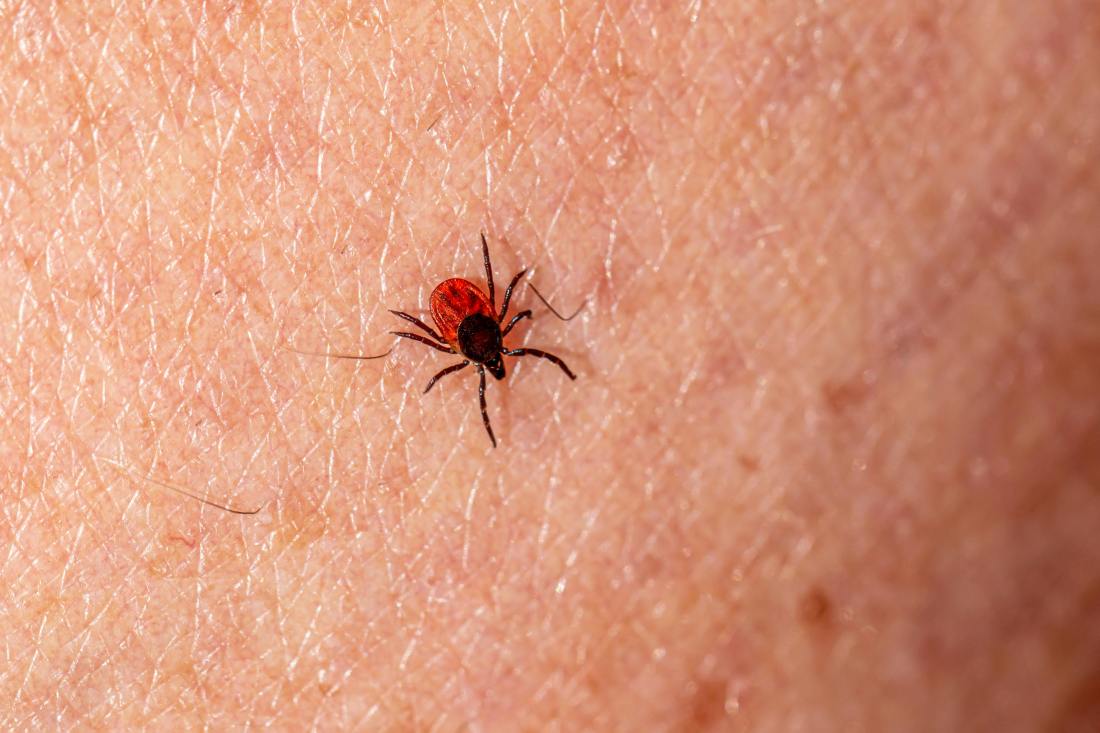
4. Tick Bites
Ticks are small arachnids that can transmit diseases like Lyme disease and Rocky Mountain spotted fever through their bites.
Treatment:
Remove the tick promptly using fine-tipped tweezers by grasping the tick close to the skin and pulling straight upward with steady, even pressure. To treat the bite, it’s important to clean the affected area with either rubbing alcohol or soap and water.
Precautions:
Wear long-sleeved shirts, long pants, and use insect repellent containing DEET or picaridin. Perform regular tick checks after spending time outdoors and consider using tick repellent products for your pets.
5. Spider Bites
Although most spiders are harmless, certain species such as the black widow or brown recluse can inflict venomous bites that require medical attention.
Treatment:
Clean the affected area with soap and water, and apply a cold compress to reduce swelling. Seek medical attention immediately if you suspect a venomous spider bite.
Precautions:
Wear gloves when working in areas where spiders may be present, such as woodpiles or dark corners of the garden. Exercise caution, while handling debris or firewood.
Preventing Insect Bites in the Garden
Use Insect Repellent: On exposed skin and clothing, use insect repellent that contains DEET, picaridin, or oil of lemon eucalyptus.
Wear Protective Clothing: Opt for long-sleeved shirts, long pants, gloves, and closed-toe shoes to minimize exposure to insects.
Avoid Peak Mosquito Hours: Try to avoid outdoor activities during dawn and dusk as these are the times when mosquitoes are most active.
Inspect Your Garden: Regularly inspect your garden for ant mounds, bee hives, wasp nests, and other potential insect habitats.
Keep Your Garden Clean: Remove standing water, fallen leaves, and other debris that can attract mosquitoes, ants, and other pests.
Conclusion
While insect bites are an inevitable part of gardening, taking preventive measures and knowing how to treat different types of bites can help you enjoy your gardening experience without the discomfort and potential health risks. By staying informed and prepared, you can create a safer and more enjoyable environment for yourself and your garden.
Remember, if you experience severe reactions or have concerns about insect bites, consult a healthcare provider for proper diagnosis and treatment.
Happy gardening!





 ILoveGardening