Flourishing Beauty: A Guide to Growing and Caring for Azalea Plants!

Introduction

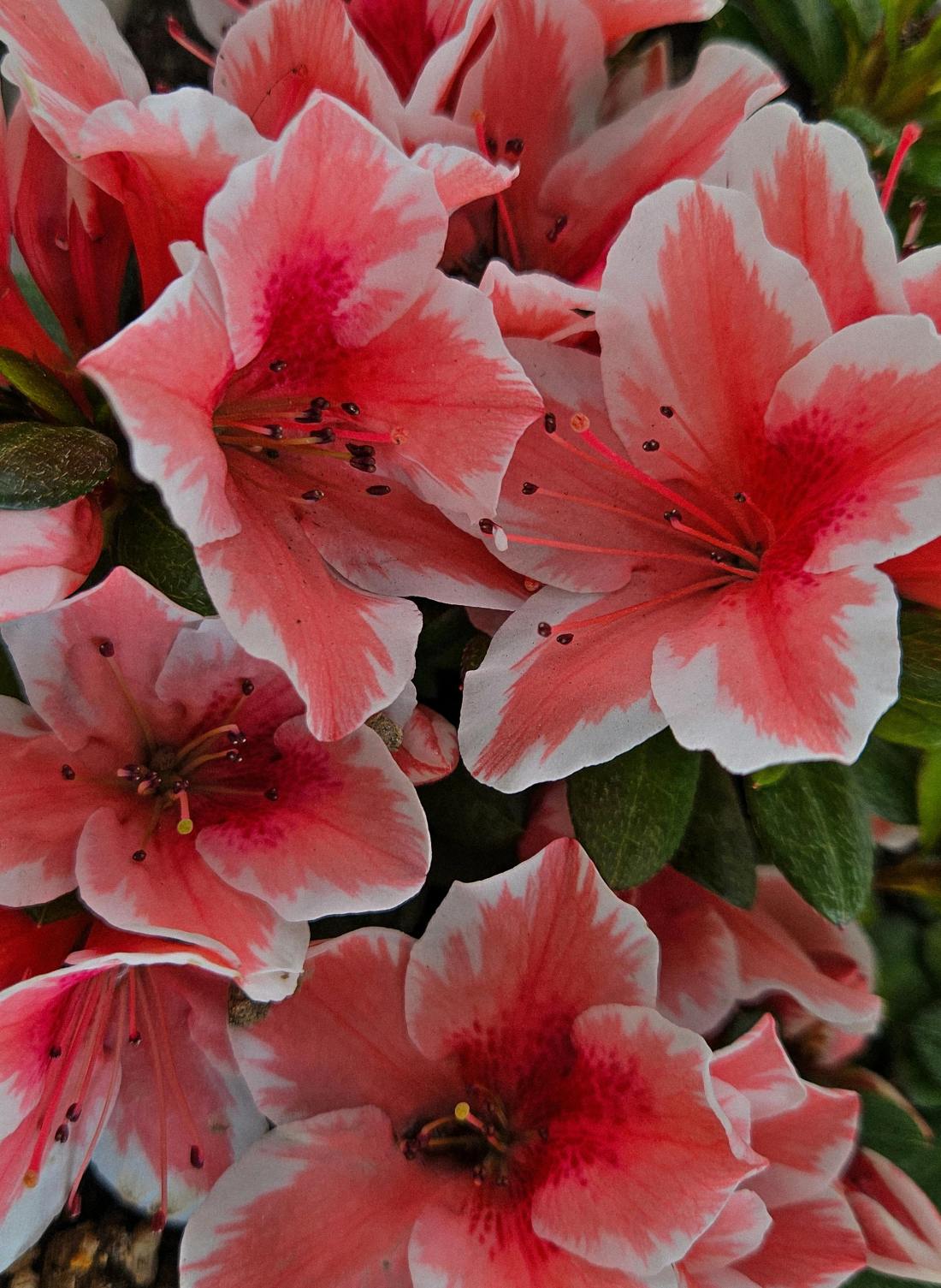
Azaleas, with their vibrant blooms and lush foliage, are beloved ornamental shrubs that can add a touch of elegance to any garden landscape. Known for their stunning flowers and relatively low maintenance, azaleas are a popular choice among gardeners looking to enhance their outdoor spaces. In this comprehensive guide, we’ll explore everything you need to know about growing and caring for azalea plants, from selecting the right variety to providing the optimal conditions for their flourishing growth.

Understanding Azalea Plants

Azaleas belong to the genus Rhododendron and are part of the Ericaceae family. These deciduous or evergreen shrubs are native to Asia, Europe, and North America, with hundreds of species and cultivars available to choose from. Azaleas are prized for their showy, funnel-shaped flowers that bloom in a wide range of colors, including shades of pink, purple, red, white, and orange. Depending on the variety, azaleas can bloom in early spring, late spring, or even summer, providing a spectacular display of color in the garden.

Selecting the Right Variety

When choosing azaleas for your garden, it’s essential to select the right variety based on your climate, soil type, and desired bloom time. Some popular types of azaleas include:

Southern Indica Azaleas: These evergreen azaleas are well-suited to warm climates and bloom profusely in the spring.

Encore Azaleas: Known for their ability to bloom multiple times throughout the year, Encore azaleas offer an extended flowering season.

Native Azaleas: Indigenous to North America, native azaleas are prized for their fragrant flowers and vibrant fall foliage.

Hybrid Azaleas: Hybrid varieties combine the best traits of different azalea species, offering a wide range of colors, sizes, and bloom times.

Before purchasing azaleas, research the specific requirements of each variety to ensure they are suitable for your garden conditions.


Similar Posts


Planting Azaleas

Azaleas thrive in well-drained, acidic soil with a pH between 4.5 and 6.0. Choose a planting location with partial shade or filtered sunlight, as azaleas prefer dappled sunlight rather than full sun exposure. When planting azaleas, follow these steps for success:

Prepare the Soil: Amend the soil with organic matter such as compost or peat moss to improve drainage and acidity.

Dig the Hole: Dig a hole twice as wide as the azalea’s root ball and slightly shallower than its depth.

Plant the Azalea: Gently remove the azalea from its container and place it in the center of the hole. After planting, add soil to fill the hole and make sure to water it sufficiently to help the roots settle in.

Mulch and Water: Apply a layer of mulch around the base of the plant to retain moisture and suppress weeds. Water the newly planted azalea regularly to keep the soil consistently moist but not waterlogged.

Caring for Azaleas

Once established, azaleas require minimal maintenance to thrive. Here are some essential care tips to ensure your azaleas remain healthy and vibrant:

Watering: Azaleas have shallow roots and are sensitive to drought, so it’s crucial to water them regularly, especially during dry periods. It’s recommended to avoid overhead watering since it can cause the foliage to become wet, which increases the risk of fungal diseases.

Fertilizing: Feed azaleas with a balanced, slow-release fertilizer formulated for acid-loving plants in early spring, just before new growth begins. Avoid using high-nitrogen fertilizers as they promote excessive foliage growth, which can negatively impact flower growth..

Pruning: Prune azaleas after they finish blooming to shape the shrub and remove dead or diseased branches. Avoid heavy pruning, as it can reduce the following year’s flower production.

Disease and Pest Control: Keep an eye out for common azalea pests and diseases, such as lace bugs, spider mites, powdery mildew, and root rot. Treat any issues promptly with organic or chemical control methods as needed.

Overwintering Azaleas

In colder climates, protecting azaleas from winter weather is essential to ensure their survival. Here are some tips for overwintering azaleas:

Mulch: Apply a thick layer of mulch around the base of the plant to insulate the roots and retain soil moisture.

Wind Protection: Shield azaleas from harsh winds by planting them in a sheltered location or using windbreaks such as fences or evergreen shrubs.

Anti-Desiccant Spray: Apply an anti-desiccant spray to azalea foliage in late fall to reduce moisture loss through transpiration.

Wrapping: For added protection, consider wrapping azaleas with burlap or frost cloth during periods of extreme cold.

Conclusion

With their stunning blooms and relatively low maintenance requirements, azaleas are a fantastic addition to any garden landscape. By selecting the right variety, providing the optimal growing conditions, and following proper care techniques, you can enjoy the beauty of azaleas in your garden for years to come.

Happy Gardening!
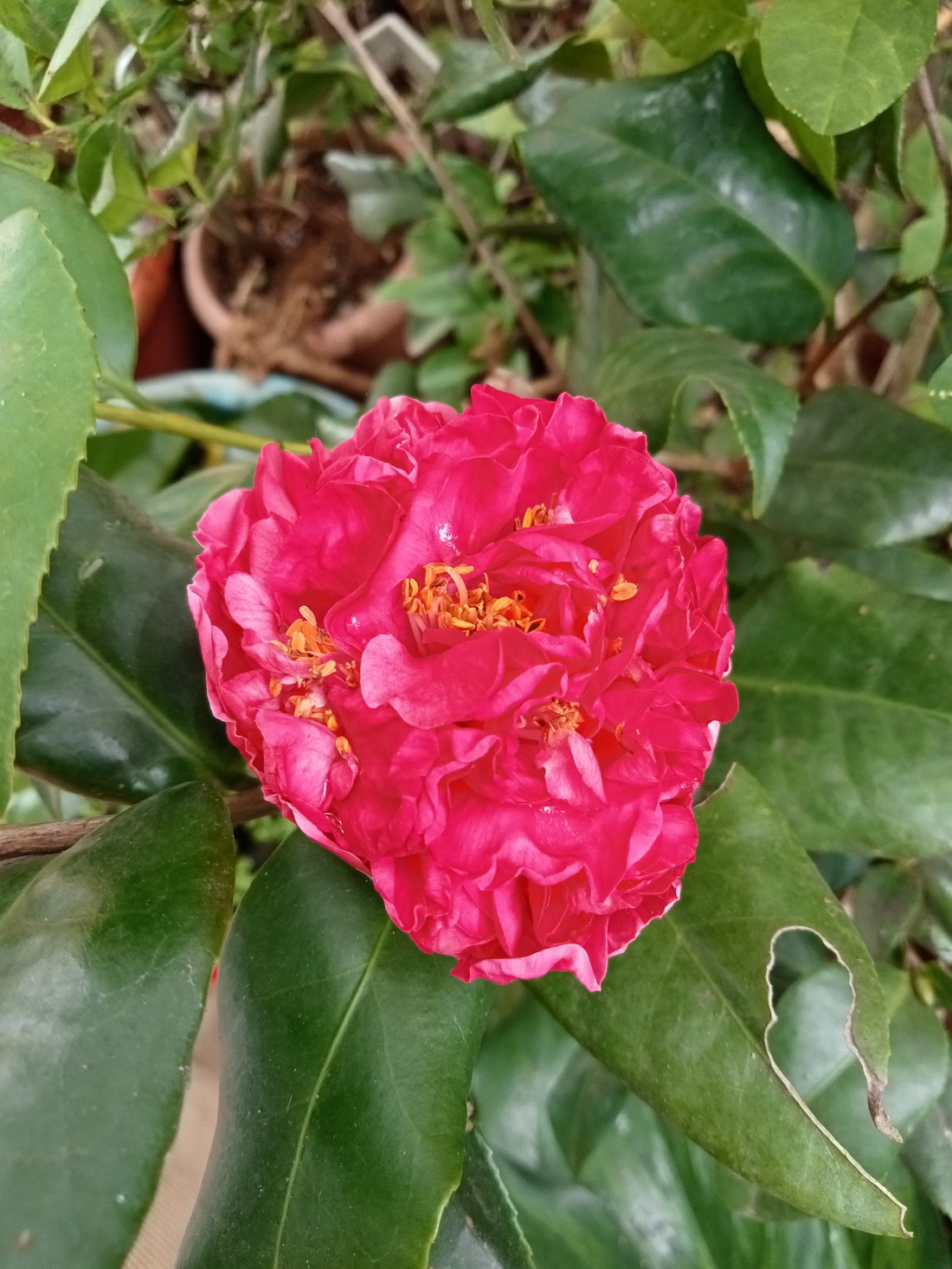
Blooms of Elegance: A Comprehensive Guide to Growing and Caring for Camellia Plants!

Camellias are cherished for their elegant blooms, glossy foliage, and evergreen charm, making them prized additions to gardens around the world. Known for their exquisite flowers that appear in various colors and forms, camellias add a touch of beauty and sophistication to landscapes. Whether you’re a novice gardener or a seasoned enthusiast, learning how to grow and care for camellia plants can elevate your gardening experience and ensure the health and vitality of these beloved ornamentals.

Introduction to Camellias:

Camellias belong to the genus Camellia, which comprises over 300 species, with Camellia japonica and Camellia sasanqua being among the most popular cultivated varieties. Originating from Asia, particularly China and Japan, camellias have been cultivated for centuries for their ornamental value and cultural significance. These evergreen shrubs or small trees are prized for their lush foliage and stunning flowers, which bloom in late fall, winter, or early spring, depending on the species and variety.

Growing Camellias:

Growing camellias begins with selecting the right location and providing optimal growing conditions for these ornamental beauties. Here’s a step-by-step guide to cultivating camellias in your garden:

Choose the Right Location: Camellias thrive in partially shaded to shaded areas with protection from the hot afternoon sun. Select a site with well-draining, acidic soil rich in organic matter.

Planting: Plant camellias in the fall or early spring when the soil is moist and temperatures are mild. Make a hole that is two times as deep and wide as the root ball. Make sure the top of the root ball of the plant is level with the soil surface when you place it in the hole. Backfill the hole entirely with water and soil.

Watering: Consistently keep the soil moist but not waterlogged, water deeply and regularly, and avoid overhead watering to prevent fungal diseases.

Fertilizing: Feed camellias with a balanced, slow-release fertilizer formulated for acid-loving plants in early spring before new growth emerges. Repeat fertilization in late spring or early summer if necessary. Avoid using high-nitrogen fertilizers as they may lead to more foliage growth and less flowering.

Mulching: Apply a layer of organic mulch, such as pine straw or shredded bark, around the base of the plant to conserve moisture, suppress weeds, and regulate soil temperature. Maintain a mulch depth of 2-3 inches, keeping it away from the trunk to prevent rot.

Pruning: Prune camellias selectively to maintain their desired shape, remove dead or diseased branches, and promote air circulation within the canopy. Pruning is best done after flowering to avoid cutting off potential buds.


Similar Posts


Caring for Camellias:

Caring for camellias involves regular maintenance practices to ensure their health, vigor, and prolific blooming. Here are some essential care tips for camellia plants:

Pest and Disease Control: Monitor camellias regularly for signs of pests, such as aphids, scale insects, and spider mites, as well as diseases like camellia leaf spot and root rot. Treat infestations promptly with horticultural oil, insecticidal soap, or neem oil, and remove infected plant parts to prevent the spread of disease.

Winter Protection: In colder climates, provide winter protection for camellias by covering them with frost cloth or burlap during freezing temperatures. Mulch around the base of the plant to insulate the roots and minimize frost damage.

Deadheading: Remove spent flowers promptly to encourage continuous blooming and prevent seed production, which can divert energy away from flower production.

Container Care: If growing camellias in containers, choose a large, well-draining pot and use a soil mix formulated for acid-loving plants. Water container-grown camellias regularly to keep the soil evenly moist, and fertilize them according to label instructions.

Hydration: During periods of drought or high temperatures, provide supplemental irrigation to ensure camellias receive adequate moisture. It is important to avoid overwatering your plants, as damp soil can cause root rot and other issues.

Monitoring pH Levels: Regularly test the soil pH around camellias to ensure it remains acidic, ideally between 5.0 and 6.5. Amend the soil with sulfur or acidic fertilizers if necessary to maintain optimal pH levels.

Conclusion:

Growing and caring for camellias can be a rewarding experience, offering gardeners a glimpse of nature’s beauty and resilience. By providing the right growing conditions, proper maintenance, and tender loving care, you can enjoy the bountiful blooms and lush foliage of these exquisite plants year after year. Whether adorning garden beds, borders, or containers, camellias are sure to captivate with their timeless elegance and charm.

Happy Gardening!

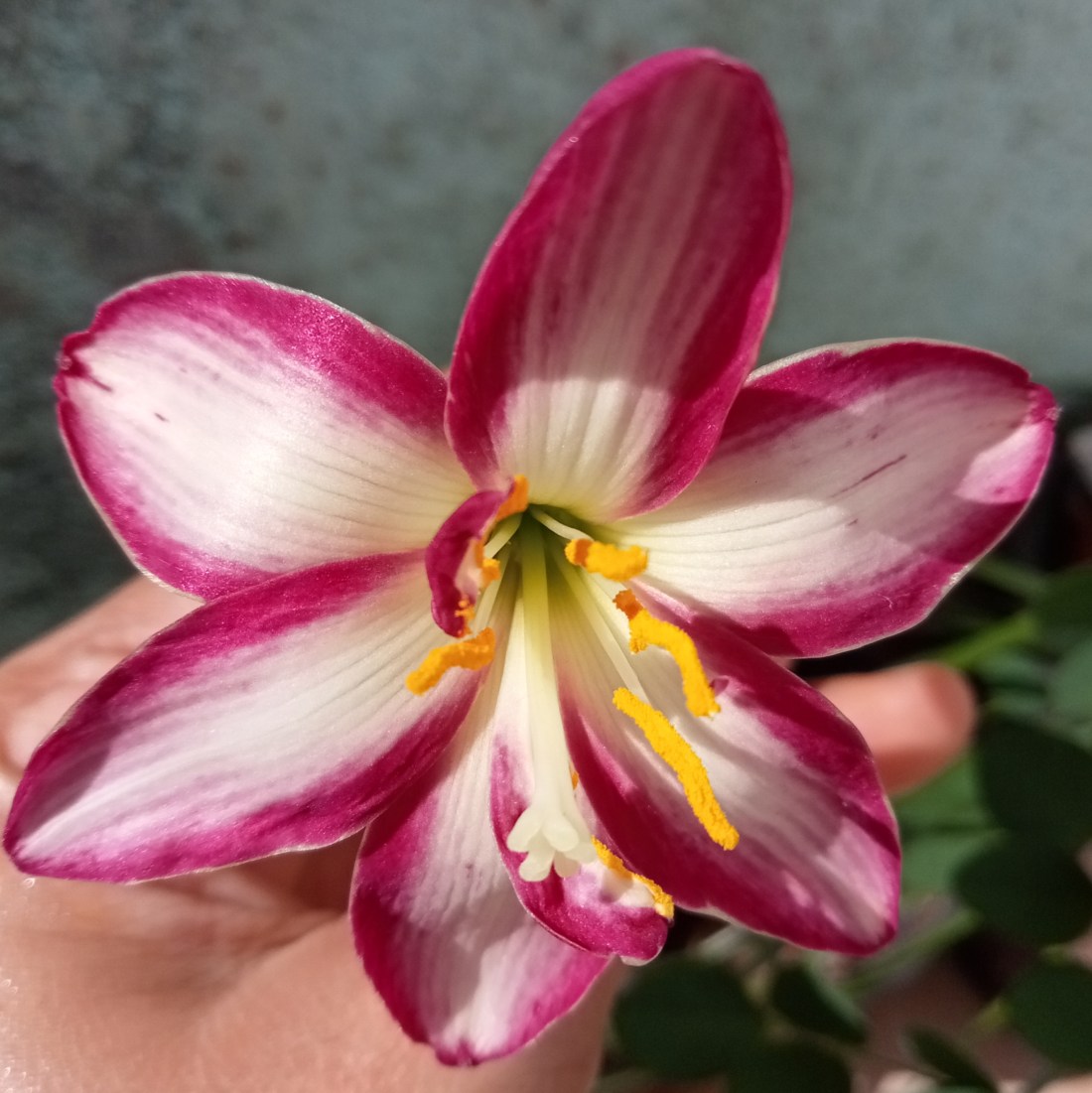
Maximizing Rain Lily Blooms: The Importance of Repotting and Care!

Introduction:

Repotting plays a crucial role in the growth and blooming of rain lilies, ensuring they receive the necessary nutrients and space to thrive. By following specific guidelines and care routines, gardeners can enhance the beauty of these delicate flowers and enjoy vibrant blooms year after year.

Importance of Repotting:

Enhancing Growth and Bloom Potential: Nitrogen is essential for plant growth, making repotting a vital task to replenish soil nutrients and provide adequate space for rain lilies to flourish. It is imperative to ensure that the soil is well-aerated and nutrient-rich to support the rain lilies’ growth and blooming cycle. To achieve optimal blooming, adhering to certain rules during the repotting process is essential.

Propagation and Expansion: Repotting presents an opportunity not only to rejuvenate existing rain lilies but also to propagate and expand your collection. As bulbs multiply over time, consider dividing them during repotting to create new plants.


Similar Posts


How to Repot Rain Lilies:

Repotting rain lilies requires attention to detail and a systematic approach to ensure the best results. Here’s a step-by-step guide to repotting rain lilies effectively:

Removing Bulbs:

Carefully turn the pot upside down to remove the bulbs. Trim any excess roots and leaves, preparing them for transplantation into fresh soil.

Soil Mix:

Prepare a suitable soil mix consisting of 50% normal soil, 30% vermicompost, and 20% cocopeat. Avoid using chemical fertilizers during planting. After preparing the soil with fertilizer, it is recommended to dip the plants in a fungicide solution before planting them.

Pot Size:

Select pots with diameters ranging from 8 to 10 inches, ensuring adequate space for 3 to 4 rain lily bulbs per pot. Proper spacing between bulbs is crucial to prevent overcrowding and promote healthy growth and blooming.

Pot Placement:

After repotting, place the pots in a shaded area for the first two days to allow the plants to acclimate. Once the leaves begin to grow, gradually shift the pots to a sunnier location to facilitate optimal blooming.

Fertilizer:

While chemical fertilizers can be introduced one month after planting, consider using organic alternatives such as vermicompost for chemical-free gardening. Additionally, Tata Raligold Spray can be applied at least once a month to promote root formation and enhance blooming potential.

Monitoring and Maintenance:

After repotting, it’s crucial to monitor the health and growth of rain lilies regularly. Keep an eye on soil moisture levels, ensuring it remains consistently moist but not waterlogged. Adjust watering frequency based on environmental conditions and plant needs, especially during periods of intense heat or rainfall. Additionally, inspect the foliage for signs of pests or diseases, addressing any issues promptly to prevent spread and damage to the plants.

Conclusion:

Repotting is a fundamental aspect of rain lily care, ensuring they receive the nutrients, space, and attention necessary for robust growth and blooming. By following proper repotting techniques and adhering to essential care guidelines, gardeners can maximize the blooming potential of rain lilies. With attention to detail and a commitment to organic gardening practices, beautiful blooms can adorn gardens year after year, bringing joy and color to outdoor spaces.

Happy Gardening!

Cultivating Connections: Exploring Online Gardening Communities and Social Media!

Introduction:

In today’s digital age, gardening enthusiasts no longer need to rely solely on local gardening clubs or neighborhood exchanges to connect with fellow plant lovers. The rise of online gardening communities and social media platforms has transformed the way people engage with their passion for plants. From sharing gardening tips to swapping seeds and plants, these virtual spaces offer a wealth of resources and opportunities for gardeners of all levels. Let’s delve into the vibrant world of online gardening communities and explore how they foster connections, knowledge sharing, and inspiration.

The Growth of Online Gardening Communities:

Online gardening communities have flourished in recent years, catering to the diverse interests and needs of plant enthusiasts worldwide. These communities can be found on various platforms, including social media networks, forums, blogs, and dedicated gardening websites. They bring together individuals with a shared love for gardening, providing a platform to exchange ideas, seek advice, and showcase their gardening endeavors.

Benefits of Online Gardening Communities:

Knowledge Sharing: One of the most significant advantages of online gardening communities is the opportunity to learn from experienced gardeners and experts. Members can access a vast pool of gardening knowledge, tips, and techniques shared through forums, discussion groups, and educational resources.

Inspiration and Creativity: Online gardening communities serve as a source of inspiration for gardeners looking to explore new plants, designs, and techniques. Members share photos of their gardens, DIY projects, and creative ideas, sparking inspiration and igniting creativity among fellow enthusiasts.

Plant Swapping and Trading: Many online gardening communities facilitate plant swapping and trading among members. Gardeners can exchange seeds, cuttings, and plants, expanding their collections and diversifying their gardens without breaking the bank.

Support and Encouragement: Gardening can be a rewarding yet challenging endeavor, especially for beginners. Online gardening communities offer a supportive environment where members can seek advice, share their successes and setbacks, and receive encouragement from fellow gardeners.

Global Connection: Unlike traditional gardening clubs limited to local communities, online gardening communities transcend geographical boundaries, allowing members to connect with like-minded individuals from around the world. This global connection enriches the gardening experience by exposing members to diverse perspectives, plant species, and gardening practices.


Similar Posts


Types of Online Gardening Communities:

Social Media Groups and Pages: Platforms like Facebook, Instagram, and Pinterest host numerous gardening groups and pages where members share photos, tips, and stories about their gardening experiences.

Gardening Forums and Discussion Boards: Dedicated gardening forums like Quora and discussion boards provide a space for in-depth conversations, Q&A sessions, and knowledge exchange on various gardening topics.

Gardening Blogs and Websites: Gardeners can access a wealth of gardening resources, articles, and tutorials through gardening blogs and websites run by enthusiasts, horticulturists, and gardening organizations.

Online Plant Swapping Platforms: Websites and apps dedicated to plant swapping and trading enable gardeners to connect with others interested in exchanging seeds, cuttings, and plants.

YouTube Channels and Podcasts: Gardening enthusiasts share their expertise through YouTube channels and podcasts, offering tutorials, garden tours, and insightful discussions on gardening-related subjects.

Tips for Engaging in Online Gardening Communities:

Be Respectful and Courteous: Treat fellow members with respect, kindness, and courtesy, even if you disagree with their opinions or practices.

Contribute Meaningfully: Share your gardening experiences, tips, and insights to enrich the community and foster constructive discussions.

Ask Questions and Seek Advice: Don’t hesitate to ask questions or seek advice from more experienced gardeners. Most members are happy to offer guidance and support to fellow enthusiasts.

Follow Community Guidelines: Adhere to the rules and guidelines set forth by the online gardening community to ensure a positive and harmonious environment for all members.

Share Your Garden: Share photos, videos, and stories about your garden to inspire and connect with fellow gardeners. Don’t be afraid to showcase both your successes and failures—it’s all part of the gardening journey!

Conclusion

In conclusion, online gardening communities and social media platforms have revolutionized the way gardeners connect, learn, and share their passion for plants. Whether you’re a novice gardener seeking advice or a seasoned enthusiast looking to connect with like-minded individuals, these virtual spaces offer a wealth of opportunities for growth, inspiration, and camaraderie. So, why not join an online gardening community today and cultivate connections that will enrich your gardening journey?

Happy gardening!

Ayurveda: A Journey Through Ancient Indian Herbal Medicine!

Introduction

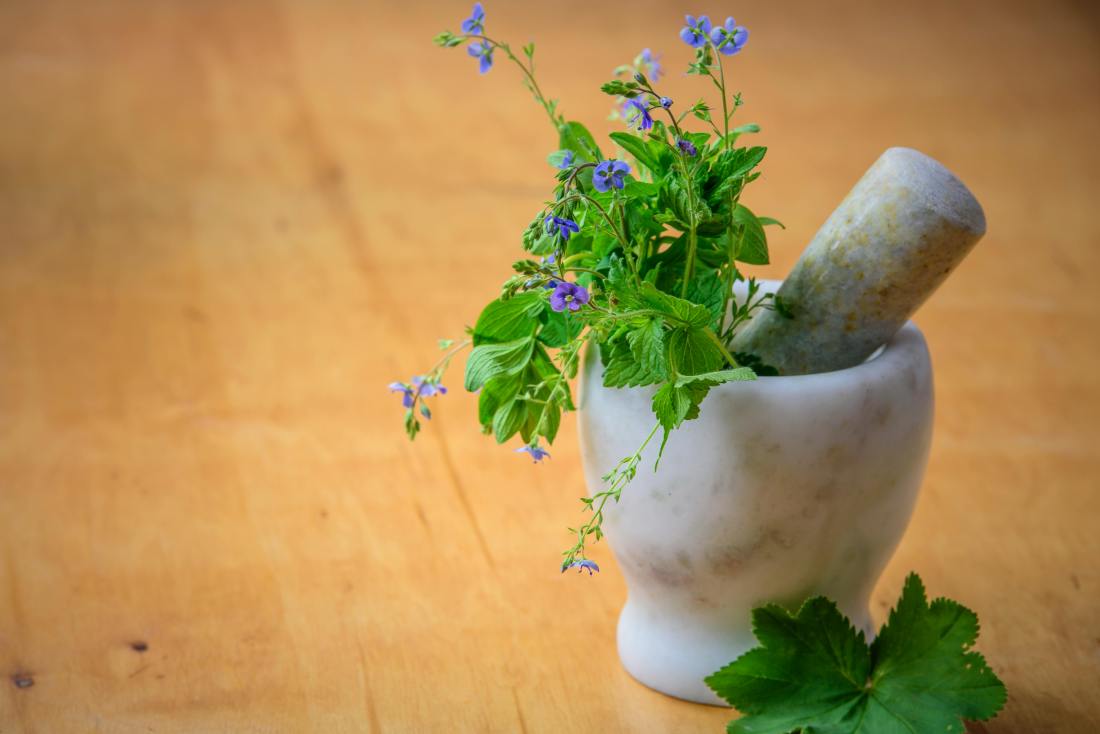
Ancient Indian herbal medicine, also known as Ayurveda, is a holistic healing system that dates back thousands of years. It is based on the principle of achieving balance and harmony within the body, mind, and spirit to promote overall health and well-being. Ayurveda utilizes a wide range of medicinal plants, herbs, minerals, and other natural substances to prevent and treat various ailments. Here are some key aspects of ancient Indian herbal medicine:

Herbal Remedies: Ayurveda emphasizes the use of herbs and plants to restore and maintain health. There are hundreds of medicinal plants used in Ayurvedic medicine, each with specific therapeutic properties. Some commonly used herbs include turmeric, neem, ashwagandha, tulsi (holy basil), ginger, and triphala.

Holistic Approach: According to Ayurveda, the concept of health is based on the balance between an individual’s mind, body and spirit. It recognizes the interconnectedness of all aspects of life and aims to address the root cause of illness rather than just treating symptoms. Ayurvedic practitioners consider an individual’s unique constitution (dosha), lifestyle, diet, and environment when prescribing herbal remedies.

Doshas: According to Ayurveda, there are three primary doshas or biological energies—Vata, Pitta, and Kapha—that govern various functions in the body. It is believed that imbalances in these doshas play a role in illness. Herbal medicine is used to restore equilibrium and harmonize the doshas, promoting optimal health.

Treatment Modalities: Ayurvedic herbal medicine is administered in various forms, including powders, capsules, tablets, decoctions, teas, oils, and pastes. These formulations may be taken orally, applied topically, or used in therapeutic procedures such as oil massage (abhyanga), herbal steam therapy (swedana), and detoxification (panchakarma).

Prevention and Wellness: Ayurveda places a strong emphasis on preventive healthcare and lifestyle practices to maintain health and prevent disease. Herbal medicines are used not only to treat existing ailments but also to strengthen the body’s natural defenses and promote longevity.

Traditional Knowledge: Ancient Indian herbal medicine is rooted in centuries-old traditional knowledge passed down through generations. Ayurvedic texts, such as the Charaka Samhita and Sushruta Samhita, contain detailed descriptions of medicinal plants, their properties, and therapeutic uses. This traditional wisdom continues to inform Ayurvedic practice today.

Global Influence: Ayurveda has gained popularity worldwide for its holistic approach to health and wellness. It has influenced complementary and alternative medicine practices in many countries and is increasingly integrated into mainstream healthcare systems.


Similar Posts


Types of Plants Used in Ayurveda

Ayurveda, the traditional system of medicine in India, utilizes a wide variety of plants for therapeutic purposes. These plants are valued for their medicinal properties and have been used for centuries to prevent and treat various ailments. Here are some of the most commonly used types of plants in Ayurvedic medicine:

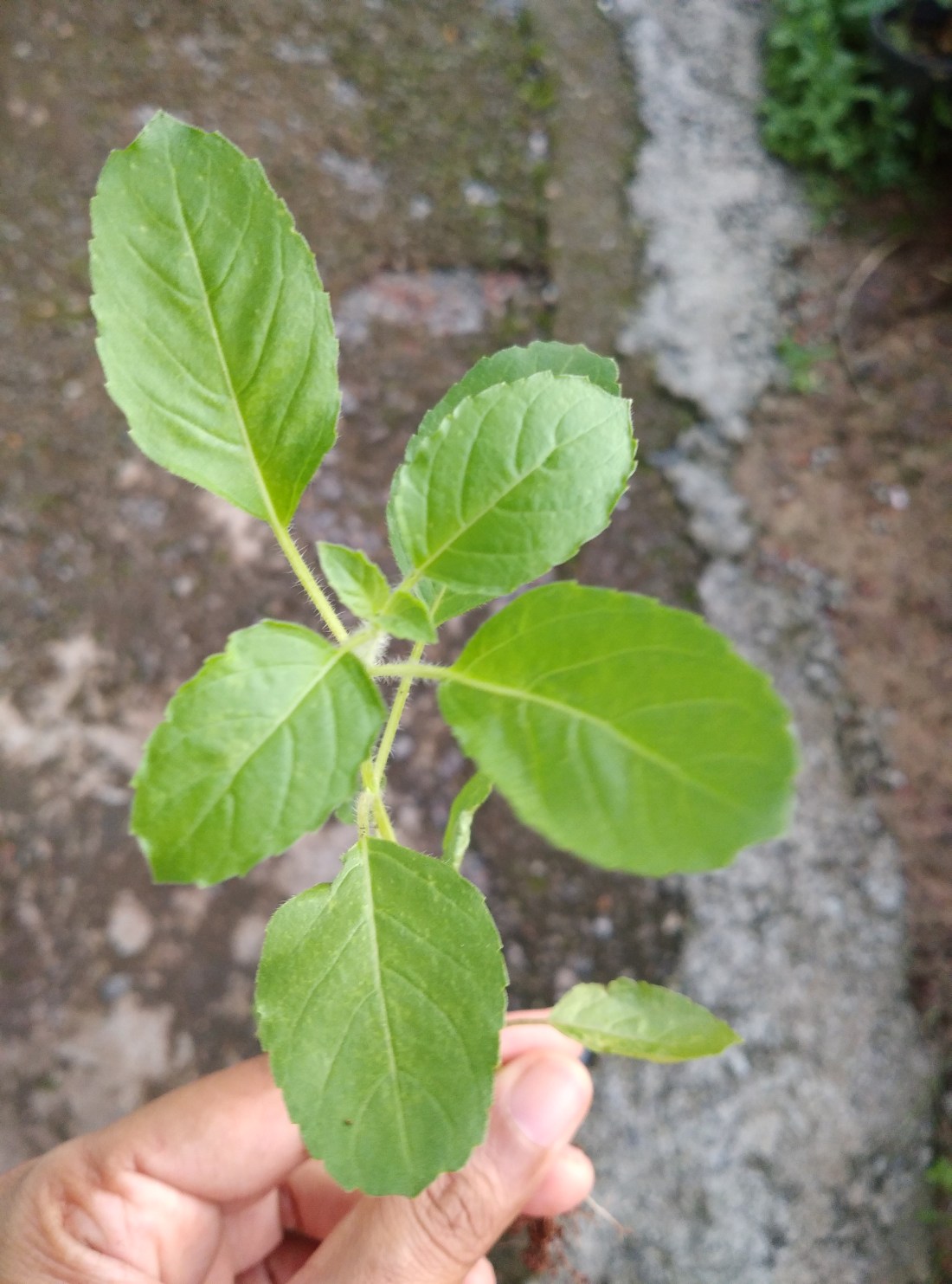
Tulsi (Holy Basil):

Known as the “Queen of Herbs,” tulsi is revered for its medicinal properties in Ayurveda. It is considered sacred and is used to treat respiratory disorders, fever, inflammation, and digestive issues. Tulsi is also believed to have adaptogenic properties, helping the body adapt to stress.

Ashwagandha:

Ashwagandha is an adaptogenic herb used to promote vitality, energy, and longevity in Ayurvedic medicine. It is prized for its ability to reduce stress, improve cognitive function, boost immunity, and enhance overall health and well-being.

Turmeric:

Turmeric is highly valued for its strong anti-inflammatory and antioxidant properties. It is used in Ayurveda to treat a wide range of conditions, including arthritis, digestive disorders, skin problems, and respiratory issues. Turmeric’s key ingredient, curcumin, is what gives it many of its medicinal benefits.

Neem:

Neem is a versatile medicinal plant with antibacterial, antiviral, antifungal, and antiseptic properties. It is used to treat skin disorders, infections, diabetes, and digestive issues. Neem leaves, oil, and bark are commonly used in Ayurvedic preparations.

Amla (Indian Gooseberry):

Amla which is also known as Indian Gooseberry is very  rich in vitamin C and antioxidants. It is used in Ayurveda to boost immunity, improve digestion, promote hair growth, and rejuvenate the body. Amla is also believed to have anti-aging and anti-inflammatory properties.

Brahmi (Bacopa monnieri):

Brahmi is a renowned brain tonic used to enhance cognitive function, memory, and concentration. It is also used to reduce stress, anxiety, and insomnia. Brahmi is consumed in the form of a tea or taken in supplement form.

Ginger:

Ginger is a common kitchen herb with powerful medicinal properties. It is used in Ayurveda to improve digestion, relieve nausea, reduce inflammation, and boost immunity. Ginger tea is a popular remedy for colds, flu, and digestive discomfort.

Triphala:

Triphala is a combination of three fruits which are amalaki (Indian gooseberry), bibhitaki, and haritaki. It is used in Ayurveda as a gentle laxative and detoxifier to promote digestive health, eliminate toxins, and support overall well-being.

Guduchi (Tinospora cordifolia):

Guduchi is a potent immune-modulator and rejuvenating herb in Ayurveda. It is used to boost immunity, promote longevity, and treat various chronic conditions, including arthritis, diabetes, and skin disorders.

Guggul:

Guggul is a resin that is extracted from the Commiphora Mukul tree. It is used in Ayurveda to lower cholesterol, reduce inflammation, promote weight loss, and treat arthritis. Guggul is also believed to have anti-cancer properties.

These are just a few examples of the many plants used in Ayurvedic medicine. Ayurveda recognizes the healing potential of numerous plants and herbs, each with its unique therapeutic properties and applications.

In conclusion, ancient Indian herbal medicine, or Ayurveda, is a comprehensive system of healing that utilizes the therapeutic properties of medicinal plants to promote health and well-being. With its holistic approach, emphasis on individualized care, and rich tradition of knowledge, Ayurveda continues to play a significant role in healthcare today.

Happy Gardening!

Exploring Ancient Herbal Remedies: Plants Used by Early Civilizations for Medicinal Purposes!

Introduction:

Since ancient times, plants have been revered for their healing properties, with civilizations around the world harnessing the power of nature to treat ailments and promote well-being. From the Egyptians and Greeks to the Chinese and Native Americans, ancient cultures relied on a vast array of medicinal plants for their therapeutic effects. In this article, we delve into the fascinating world of herbal medicine and explore the types of plants used by ancient people for medicinal purposes.

Ancient Egyptian Herbal Remedies:

The ancient Egyptians were pioneers in the field of herbal medicine, with a rich tradition of using plants for healing dating back thousands of years. They cultivated and utilized a variety of medicinal plants, including:

Aloe Vera: Known as the “plant of immortality,” aloe vera was prized by the ancient Egyptians for its healing properties. They used it to treat wounds, burns, and skin conditions, recognizing its soothing and moisturizing effects.

Frankincense: Highly valued for its aromatic resin, frankincense was used by the ancient Egyptians in religious ceremonies and as a medicinal remedy. It was believed to have anti-inflammatory and antiseptic properties, making it useful for treating wounds and respiratory ailments.

Myrrh: Like frankincense, myrrh was treasured by the ancient Egyptians for its medicinal properties. It was used as a pain reliever, antiseptic, and anti-inflammatory agent, with applications ranging from wound healing to oral hygiene.

Ancient Greek Herbal Medicine:

The ancient Greeks made significant contributions to the field of herbal medicine, with renowned scholars such as Hippocrates and Dioscorides documenting the therapeutic properties of various plants. Some of the plants commonly used in ancient Greek medicine include:

Chamomile: Chamomile was revered by the ancient Greeks for its calming and digestive properties. They used it to soothe upset stomachs, promote relaxation, and relieve anxiety.

Lavender: Lavender was prized by the ancient Greeks for its aromatic scent and medicinal properties. They used it to alleviate headaches, soothe insect bites, and promote sleep and relaxation.

Sage: Sage was esteemed by the ancient Greeks for its medicinal and culinary uses. They believed it had healing properties for the throat, mouth, and digestive system, using it as a remedy for sore throats, mouth ulcers, and indigestion.


Similar Posts


Traditional Chinese Herbal Medicine:

Traditional Chinese medicine (TCM) has a long history of using medicinal plants to restore balance and harmony within the body. Chinese herbal medicine encompasses a vast array of plants, with some of the most commonly used ones including:

Ginseng: Ginseng is one of the most prized herbs in traditional Chinese medicine, valued for its adaptogenic properties and ability to boost energy, improve cognitive function, and strengthen the immune system.

Astragalus: Astragalus is revered in TCM for its immune-stimulating and anti-inflammatory properties. It is used to support the immune system, promote vitality, and enhance overall health and well-being.

Ginkgo Biloba: Ginkgo biloba is a well-known herb in TCM, valued for its cognitive-enhancing effects and ability to improve circulation. It is used to support brain function, enhance memory, and alleviate symptoms of cognitive decline.

Native American Herbal Remedies:

Indigenous cultures across North and South America have a rich tradition of using medicinal plants for healing purposes. Native American herbal remedies often incorporate plants that are native to the Americas, including:

Echinacea: Echinacea is a popular medicinal herb used by Native American tribes for its immune-boosting properties. It was traditionally used to treat infections, fevers, and respiratory ailments.

Yarrow: Yarrow is revered by Native American cultures for its medicinal properties and was used as a remedy for wounds, fevers, and digestive issues. It was also used ceremonially for its spiritual and protective qualities.

Sagebrush: Sagebrush is a sacred plant used by many Native American tribes for its medicinal and ceremonial significance. It was burned as a ceremonial incense to purify the spirit and ward off negative energies.

Conclusion:

The use of medicinal plants by ancient civilizations is a testament to the enduring power of nature’s healing bounty. From the ancient Egyptians and Greeks to traditional Chinese medicine and Native American herbal remedies, plants have played a central role in human health and well-being throughout history. As we continue to explore the therapeutic potential of plants, we honor the wisdom of our ancestors and embrace the rich legacy of herbal medicine.

Happy Gardening!

Top 10 YouTube Channels for Gardening Enthusiasts: Your Green Thumb Guide!

Introduction:

In recent years, YouTube has blossomed into a hub of gardening expertise, offering a plethora of channels dedicated to nurturing greenery, cultivating thriving gardens, and sharing gardening wisdom. Whether you’re a seasoned horticulturist or just dipping your toes into the soil for the first time, these YouTube channels serve as invaluable resources, providing inspiration, guidance, and practical tips to help you grow your gardening skills. Let’s explore the top 10 YouTube channels in the gardening niche that are blooming with knowledge and inspiration.

1. Garden Answer:

With over 1.5 million subscribers, Garden Answer, hosted by Laura LeBoutillier, is a must-watch channel for gardening enthusiasts. Laura’s vibrant personality shines through as she shares expert advice on plant care, garden design ideas, and DIY projects. From stunning floral arrangements to creative container gardening ideas, Garden Answer offers endless inspiration for both indoor and outdoor gardeners.

2. Epic Gardening:

Kevin Espiritu’s Epic Gardening channel is a treasure trove of practical gardening tips, covering everything from urban gardening to hydroponics. With a focus on organic gardening methods and sustainable practices, Kevin shares insightful tutorials, product reviews, and gardening experiments to help viewers grow their own food and create thriving green spaces.

3. Gardening Is My Passion:

Gardening Is My Passion channel is hosted by Dr. Suraj Prakash Agarwal who is not only a dedicated college professor but also an avid gardening enthusiast. With his wealth of knowledge and passion for cultivating greenery, he provides expert guidance on nurturing various plants, including flowering plants, vegetables, and fruits. Additionally, Dr. Agarwal shares valuable insights on selecting the right planters, choosing suitable fertilizers, and implementing effective maintenance techniques to ensure thriving gardens.

4. MIgardener:

Luke Marion’s MIgardener channel is dedicated to empowering gardeners of all skill levels to grow their own food and live a healthier lifestyle. With an emphasis on organic gardening techniques and budget-friendly solutions, Luke shares practical advice on seed starting, soil building, and pest management, making gardening accessible to everyone.

5. California Gardening:

If you’re gardening in California or a similar climate, California Gardening is the channel for you. Hosted by the knowledgeable and affable Shiv, this channel offers expert advice on growing fruits, vegetables, and ornamental plants in the California climate. From citrus trees to succulents, Shiv covers a wide range of topics to help Californian gardeners thrive.


Similar Posts


6. The Rusted Garden:

Gary Pilarchik’s The Rusted Garden channel is a go-to resource for vegetable gardeners seeking practical advice and helpful tips. Gary’s down-to-earth approach and extensive gardening knowledge shine through as he covers topics such as seed starting, companion planting, and organic pest control, helping viewers grow bountiful harvests year-round.

7. HuwRichards:

Huw Richards channel is dedicated to teaching viewers how to grow their own food using organic and no-dig gardening methods. With a focus on sustainability and self-sufficiency, Huw shares valuable insights on composting, mulching, and crop rotation, making gardening both rewarding and environmentally friendly.

8. Growing Your Greens:

John Kohler’s Growing Your Greens channel is all about growing nutrient-dense fruits and vegetables using organic gardening practices. With a focus on urban gardening and small-space gardening solutions, John shares tips on vertical gardening, container gardening, and maximizing garden yields, helping viewers grow food even in limited spaces.

9. James Prigioni:

James Prigioni’s gardening channel offers a wealth of practical advice on topics such as composting, raised bed gardening, and plant propagation. With a laid-back and approachable style, James shares his passion for gardening and encourages viewers to get their hands dirty and connect with nature.

10. BBC Gardeners’ World Magazine:

The official YouTube channel of the popular BBC gardening show, Gardeners’ World offers expert advice, garden tours, and practical tips for gardeners of all skill levels. Hosted by renowned horticulturist Monty Don, this channel covers a wide range of topics, from planting techniques to seasonal garden maintenance, providing valuable insights for gardeners around the world.

Conclusion:

Whether you’re looking to grow your own food, create a vibrant flower garden, or transform your outdoor space, these top 10 YouTube channels in the gardening niche offer a wealth of knowledge, inspiration, and practical tips to help you to achieve your goal. From expert advice on plant care to creative garden design ideas, these channels cater to gardeners of all skill levels and interests, making them essential resources for anyone with a green thumb. So, roll up your sleeves, grab your gardening tools, and let these YouTube channels guide you on your gardening journey to green-thumb greatness!

Happy Gardening!

Finding Green Bliss: Buying and Swapping Plants on Facebook

Introduction

In the age of e-commerce, there’s something uniquely satisfying about sourcing your beloved plants and gardening essentials through vibrant Facebook communities. Whether you’re a seasoned gardener or just starting your green journey, these thriving online plant groups offer a treasure trove of botanical delights, cost-effective options, and expert advice. Let’s dive into the world of Facebook plant groups and discover why they’re becoming the preferred choice for plant enthusiasts.

The Green Advantage of Facebook Plant Groups

Why limit yourself to conventional online plant shopping when you can join a thriving community of fellow plant lovers? Here’s why Facebook plant groups have become the go-to platform for buying, swapping, and enriching your plant collection:

1. Budget-Friendly Finds

One of the most compelling reasons to explore Facebook plant groups is the opportunity to unearth incredible plants at wallet-friendly prices. Many sellers offer top-quality plants at a fraction of the cost you might find on commercial websites.

2. Diverse Plant Categories

Facebook plant groups cater to every botanical passion. Whether you’re obsessed with orchids, adore adeniums, fancy water lilies, or are enchanted by succulents, you’ll find specialized groups dedicated to your favorite plant varieties.

3. Comprehensive Shopping

It’s not just about buying plants; Facebook plant groups also provide access to essential gardening supplies like fertilizer and potting mix. With all your gardening needs in one place, you can nurture your green space with ease.

4. Expert Insights

Within these groups, you’re not just purchasing plants; you’re gaining valuable insights. Members willingly share their gardening wisdom, offering tips and tricks for nurturing your plants to perfection.


Similar Posts


Navigating the Green Marketplace: Tips for Safe Shopping

While Facebook plant groups offer a delightful plant-buying experience, it’s important to exercise caution to avoid potential pitfalls. Here are some essential tips for safe and satisfying plant shopping:

1. Profile Scrutiny

Before making a purchase, thoroughly research the seller’s profile. A well-established and active profile is often a reassuring sign of a reliable seller.

2. Avoid Locked Profiles

If a seller’s profile is locked, think twice before proceeding with the purchase. When it comes to online transactions, transparency is essential.

3. Check for Reviews

Review the seller’s reputation within the group. If there are negative reviews or complaints, it’s best to steer clear.

4. Seek Guidance

Don’t hesitate to seek guidance from group administrators and members. They can provide valuable advice and recommendations based on their experiences.

Facebook Groups for Your Green Quest

To kickstart your plant-buying adventure, here are some popular Facebook plant groups that you can explore:

Buying and Selling Plants Groups

Seed and Plants Swap Groups

Epiphyllum Plant Groups

Hibiscus Groups

Adenium Groups

Orchid Groups

Aquatic Plants Groups

Succulent And Cactus Groups

Rain Lily Group

Plant Care and Tips

Other Plant Groups

Joining these groups opens the door to a world of green possibilities. From rare finds to trusted advice, you’ll discover a vibrant community of plant enthusiasts eager to share their love for all things botanical.

In conclusion, Facebook plant groups offer a delightful alternative to traditional online plant shopping. They foster a sense of community, promote budget-friendly gardening, and provide a platform to explore your botanical passions. So, why wait? Dive into these green havens, and let your plant collection flourish!

Happy gardening!

Effective Strategies for Eliminating Whiteflies from Your Garden!

Introduction

Whiteflies, those tiny, pesky insects, can wreak havoc on the health and vibrancy of your garden. These minuscule pests feed on plant juices, causing yellowing, wilting, and stunted growth in various garden plants. However, fret not! Here’s a comprehensive guide on how to banish whiteflies from your garden using both natural and effective methods.

Identifying Whiteflies

Before diving into eradication methods, recognizing these pests is crucial. Whiteflies are tiny, moth-like insects, often found in clusters on the underside of leaves. They leave behind a sticky residue called honeydew, promoting the growth of sooty mold.

Detrimental Effects on Plant Health

Whiteflies might seem innocuous due to their small size, but their impact on garden plants can be quite devastating. Here’s how these tiny insects cause damage:

Feeding Habits: Whiteflies feed on plant sap by piercing the phloem vessels, depriving plants of essential nutrients. This continuous feeding weakens plants, leading to yellowing, wilting, and stunted growth.

Toxin Secretion: As whiteflies feed, they excrete a sticky substance called honeydew. This honeydew serves as a breeding ground for sooty mold, a dark fungus that covers leaves, hindering photosynthesis and further weakening plants.

Transmission of Diseases: Whiteflies act as vectors for various plant viruses. When they feed on infected plants, they pick up the virus and transmit it to healthy plants, causing diseases that can lead to severe damage or death of the plant.

Mass Infestation: These pests reproduce rapidly, forming dense colonies on the underside of leaves. Their sheer numbers can overwhelm plants, causing stress and ultimately impacting their ability to thrive.

Reduction in Crop Yield: In agricultural settings, whiteflies can significantly reduce crop yields. Infestations can lead to economic losses due to diminished productivity and compromised plant health.


Similar Posts


Natural Remedies to Combat Whiteflies

Spraying with Neem Oil: Neem oil, a natural insecticide, disrupts the life cycle of whiteflies. Dilute it with water and apply it to the affected plants, focusing on the undersides of leaves.

Introduce Beneficial Insects: Predatory insects like ladybugs, lacewings, and certain species of parasitic wasps feed on whiteflies, helping to control their population naturally.

Homemade Insecticidal Soap: Mix liquid soap with water and spray it on the infested plants. This solution suffocates whiteflies, effectively reducing their numbers.

Cultural Practices for Prevention

Pruning Infested Leaves: Regularly inspect your plants and remove heavily infested leaves to prevent the spread of whiteflies.

Hosing Down Plants: Use a strong jet of water to dislodge whiteflies from plants. To interrupt their lifecycle, it is recommended to repeat this process every few days. Please make sure to follow this procedure regularly.

Yellow Sticky Traps: Hang yellow sticky traps around affected plants. Whiteflies are attracted to the color yellow and get trapped on these sticky surfaces.

Chemical Control Methods

When natural remedies prove insufficient, resort to chemical solutions:

Insecticidal Sprays: Chemical insecticides, labeled specifically for whiteflies, can be used as a last resort. Follow instructions meticulously and avoid harming beneficial insects.

Systemic Insecticides: These are absorbed by the plant, making it toxic to whiteflies. Exercise caution and follow directions closely when using systemic treatments.

Preventive Measures for Long-Term Control

Regular Monitoring: Maintain vigilance over your garden to catch whitefly infestations early, preventing widespread damage.

Diverse Plantings: Promote biodiversity in your garden to minimize the risk of severe infestations. Companion planting can deter whiteflies from targeting specific plants.

Conclusion

In conclusion, battling whiteflies demands a multi-faceted approach. Combining natural remedies, cultural practices, and, if necessary, targeted chemical control methods, can effectively rid your garden of these persistent pests. Remember, consistency and early intervention are key to maintaining a healthy and thriving garden ecosystem.

Whether it’s organic solutions, cultural practices, or targeted interventions, reclaiming your garden from whiteflies is achievable with persistence and the right strategies in place.

Happy Gardening!

Anil Balanja’s Exotic Fruit Farming: A Bounty of 700 Varieties from 40 Nations!

In the heart of Karnataka, farmer Anil Balanja has cultivated an extraordinary legacy, nurturing over 700 diverse varieties of exotic fruits sourced from 40 countries over two decades. His visionary approach to farming has not only brought a global orchard to his doorstep but has also showcased the incredible biodiversity that enriches India’s agricultural landscape.

Photo Courtesy: http://www.deccanherald.com

Balanja’s journey began two decades ago, fueled by a genuine passion for horticulture and a desire to introduce unparalleled diversity to local farming practices. Nestled in Karnataka’s verdant embrace, his farm stands as a testament to perseverance and a profound commitment to biodiversity. Watching his father grow various jackfruit and mango varieties was a part of his childhood. He was always determined to become a farmer from the beginning and, at the age of 19, started planting areca, coconut, and rubber plants. Following that, he began cultivating a variety of exotic fruit varieties that are rarely grown in the country.

He has been farming on an area of thirty-five acres. Although his primary crops are areca and rubber, he also enjoys producing tropical fruits. On his farm, there are between 600 and 800 different varieties of foreign and Indian fruits.

With meticulous care and a keen eye for cultivation, Balanja has curated a cornucopia of fruits, each bearing a unique origin and story. From the vibrant hues of Southeast Asian durians to the tropical sweetness of South American cherimoyas, his farm boasts a kaleidoscope of flavors and textures seldom seen within one terrain.

Anil gathers various fruit saplings from throughout the world. He has gathered seeds from all over the world, including Brazil, Thailand, Indonesia, and others. After evaluating the quality of the saplings, he gives them to the farmers. He maintains a detailed record of every fruit, he also records its scientific name, ideal growing temperature, kind of soil, and even its medicinal properties. He also has his own nursery where he propagates the fruits he gathered from other countries.

Beyond the borders of Karnataka, Balanja’s orchard serves as an educational beacon, drawing horticulturists, enthusiasts, and curious minds keen to witness the rich tapestry of global fruit diversity thriving within India’s embrace. After evaluating the plant’s quality and the weather, Anil is now supplying farmers with fruit saplings. Subsequently, he transfers the samplings to distinct regions.

What sets Balanja’s initiative apart is not just the sheer variety but also his dedication to sustainable farming practices. Embracing eco-friendly methods, he nurtures these global treasures, fostering an ecosystem where nature harmonizes with innovation. Organic farming accounts for over 99% of sapling growth. In addition, he offers advice to farmers who are interested in growing various fruits.  There is a large market for growing tropical and exotic fruits.

As the years have passed, Balanja’s orchard has not only flourished but has also become a symbol of unity in diversity, reflecting the cultural amalgamation found in the fruits that grace his farm. It stands as a living tribute to the power of agricultural diversity and the boundless potential it brings to enrich local landscapes.

Amidst the challenges of changing climates and agricultural practices, Anil Balanja’s dedication remains an inspiring testament to the endless possibilities of embracing diversity and sustainability in farming. His orchard serves as a reminder that, with determination and a passion for biodiversity, the land can yield a vibrant mosaic of flavors and cultures.

The legacy of Anil Balanja’s exotic fruit farm echoes far beyond Karnataka’s borders, instilling a profound appreciation for the beauty of diversity and the bounty it brings to our tables and lives. In a world grappling with agricultural homogenization, Balanja’s farm stands as an oasis, showcasing the splendor of varied fruit cultures thriving harmoniously within Karnataka’s soil.