The Art of Selection: Choosing the Right Plants for Your Garden!

Introduction

Your garden is a canvas waiting to be painted with the vibrant colors of nature. Selecting the right plants is akin to choosing the perfect palette, setting the tone for a picturesque landscape. Whether you’re a seasoned gardener or a novice with a green thumb yearning for inspiration, understanding the fundamentals of plant selection is pivotal in creating a flourishing outdoor sanctuary.

Tailoring Choices to Your Residence

When choosing plants for your garden, your residence plays a crucial role in dictating the available options. Whether you reside in a flat or an independent house, and whether it’s owned or rented, significantly impacts your plant choices. For independent homeowners, the selection is more diverse, with possibilities ranging from fruit-bearing trees to expansive flowering plants. However, for those in flats or rented spaces, the options might be more restricted. Opting for easily transportable, smaller plants that bloom quickly becomes essential to accommodate potential moves. Consider foliage plants, herbs, or compact vegetables that align with the specific environmental conditions while ensuring mobility for future relocations.

Understanding Your Garden’s Environment

Before diving into the world of flora, acquaint yourself with your garden’s unique microclimate. Assess factors such as sunlight exposure, soil type, drainage, and available space. Different areas in your garden may experience varying sun exposure throughout the day, influencing plant growth. Understanding these conditions helps in choosing plants that thrive in your garden’s specific environment.

Assessing Plant Hardiness Zones

Refer to the USDA Plant Hardiness Zone Map or its regional equivalents to determine the plants best suited for your geographical location. These zones provide essential information about temperature ranges, assisting in selecting plants that withstand local climate conditions. Choosing plants within your hardiness zone ensures better chances of successful growth and resilience against adverse weather.

Matching Plants to Garden Goals

Consider your gardening objectives when selecting plants. Are you aiming for a vibrant flower garden, a productive vegetable patch, or a serene, foliage-filled landscape? Understanding your goals helps in curating a plant selection that aligns with your vision. Research plants’ growth habits, potential size, flowering seasons, and maintenance requirements to harmonize with your garden’s purpose.


Similar Posts


Selecting Plants for Visual Appeal

Texture, color, and form play significant roles in garden aesthetics. Blend various plant shapes and sizes to create a visually stimulating landscape. Contrast large-leaved plants with delicate foliage or incorporate a mix of vibrant flowers amidst evergreen shrubs for an eye-catching display. Strategic plant placement enhances the garden’s allure, creating focal points and seamless transitions.

Considering Maintenance and Care

Factor in the time and effort required for plant maintenance. Some plants demand meticulous care, frequent pruning, or specific soil conditions. Determine your availability for gardening tasks to select plants that align with your schedule and maintenance preferences. Opting for low-maintenance plants or native species often eases the gardening workload.

Exploring Diversity and Native Species

Introduce biodiversity by incorporating native plants into your garden. Native species are adapted to local conditions, requiring less water and maintenance while providing crucial support to local wildlife. Experiment with a diverse range of plants to attract pollinators and beneficial insects, contributing to a balanced ecosystem.

Final Considerations and Conclusion

Choosing the right plants for your garden involves a blend of scientific understanding, personal preference, and artistic vision. Understanding your garden’s environment, climate, and the characteristics of each plant species is also essential. By aligning your choices with your gardening goals, visual preferences, and maintenance capacity, you can craft a vibrant, thriving garden that mirrors your unique vision and connection to nature.

Embrace the journey of experimentation and discovery as you navigate the myriad options available. Each plant holds the promise of adding beauty, character, and life to your garden, transforming it into a personalized oasis of tranquility and natural splendor. May your garden flourish with a tapestry of colors, textures, and scents, becoming a testament to your love for nature’s artistry and the joy of cultivating a living, breathing masterpiece in your backyard.

Happy Gardening and may every plant you choose add a touch of wonder and delight to your outdoor haven!
Elevate Your Outdoor Haven: Creative Homemade Garden Décor and Art Ideas!

Introduction:

Transforming your garden into a personalized oasis doesn’t always require a trip to the store. With a dash of creativity and resourcefulness, homemade garden décor and art can add charm, character, and a touch of whimsy to your outdoor space. Here’s a guide to crafting your own stunning garden adornments:

Repurposed Treasures:

Tin Can Planters: Upcycle tin cans into colorful planters by painting them in vibrant hues or decorating them with mosaic tiles for a unique touch.

Vintage Tool Ornaments: Give old garden tools a new lease on life by turning them into hanging ornaments or garden stakes, lending a nostalgic feel to your green space.

Pallet Furniture: Construct a rustic outdoor bench or table using repurposed pallets, adding functionality and an eco-friendly vibe to your garden.

Creative Crafts:

Hand-Painted Rocks: Transform ordinary rocks into eye-catching garden markers or decorative pieces by painting them with intricate designs or inspirational quotes.

DIY Wind Chimes: Craft personalized wind chimes using recycled materials like seashells, beads, or old silverware, creating soothing melodies in the breeze.

Mosaic Stepping Stones: Create mosaic stepping stones using broken tiles or colorful glass, adding a whimsical pathway through your garden.

Nature-Inspired Art:

Twig and Branch Creations: Fashion twigs and branches into enchanting decorations, such as homemade birdhouses, fairy houses, or natural sculptures.

Leaf Imprints: Capture the intricate patterns of leaves by pressing them into clay or cement, crafting beautiful impressions to adorn garden walls or steppingstones.

Botanical Artwork: Press flowers and foliage between sheets of wax paper or create stunning botanical prints, framing and displaying them as garden wall art.

Garden Structures:

DIY Arbors and Trellises: Build simple arbors or trellises using wooden poles or repurposed materials like old ladders or bicycle frames. These structures offer support for climbing plants while adding vertical interest to your garden.

Garden Signage: Create custom signs using salvaged wood or decorative tiles, labeling different sections of your garden or displaying inspirational messages.

Hanging Planters: Fashion hanging planters from macramé, woven baskets, or repurposed containers, elevating your garden’s greenery and adding visual appeal.

Seasonal Accents:

Holiday Décor: Craft seasonal decorations like homemade wreaths, painted gourds for fall, or festive ornaments using pinecones and holly branches for winter, infusing your garden with holiday cheer.

Seasonal Mosaics: Design mosaic art pieces that change with the seasons, incorporating colors and themes representative of spring blooms, summer sunsets, autumn leaves, and winter frost.


Similar Posts


Sustainable Artistry:

Recycled Sculptures: Fashion sculptures using reclaimed materials like old metal, driftwood, or discarded glass, turning salvaged items into captivating focal points in your garden.

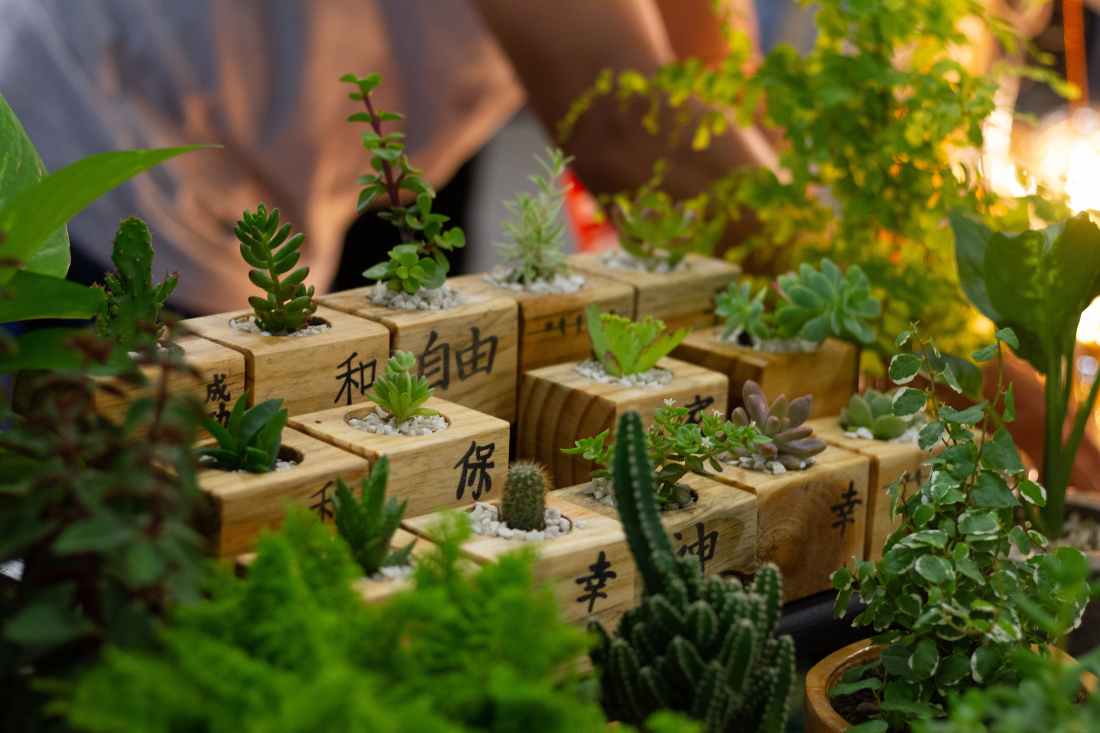
Living Art Installations: Create living walls or vertical gardens using repurposed pallets or frames filled with pockets of soil, planting succulents or herbs to form living, breathing art pieces.

Sustainable Water Features: Craft simple, eco-friendly water features using recycled containers or salvaged materials, providing a tranquil and sustainable addition to your garden.

Engaging the Senses:

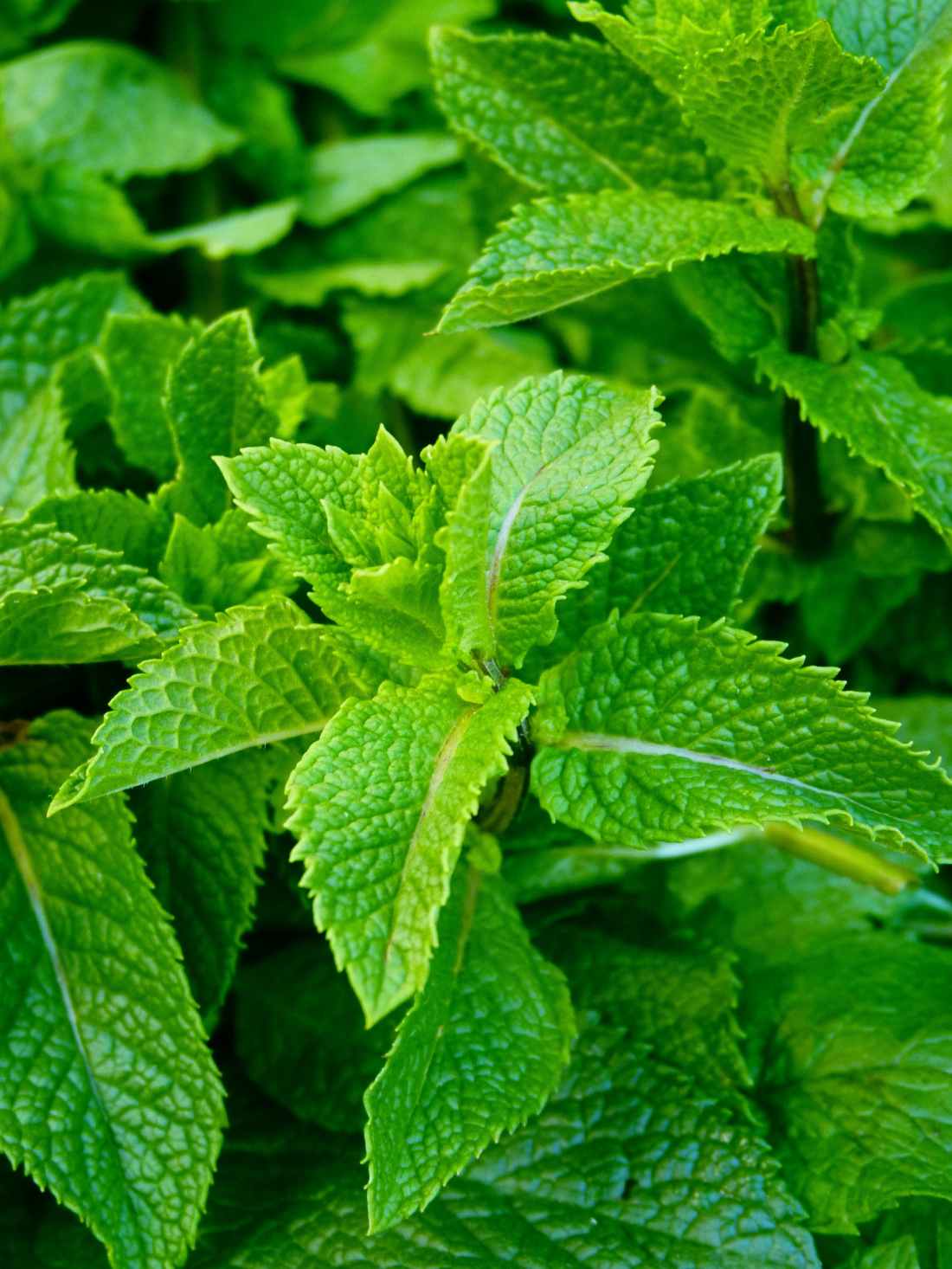
Aromatherapy Gardens: Plant fragrant herbs like lavender, mint, and rosemary in decorative containers or designated areas, creating an aromatic haven within your garden.

Musical Installations: Incorporate DIY musical instruments, such as a wooden xylophone or wind instruments made from bamboo, adding a harmonious aspect to your garden.

Personal Touches:

Customized Plant Markers: Design unique plant markers using popsicle sticks, painted rocks, or wooden spoons, adding a personal touch while organizing your garden.

DIY Bird Feeders: Construct bird feeders using recycled materials like milk cartons or pinecones covered in peanut butter and seeds, inviting feathered friends to your garden.

Fairy Garden Accents: Craft miniature accessories like tiny furniture, bridges, or signs to create an enchanting fairy garden within your larger garden space.

Conclusion:

Embrace the joy of creativity and resourcefulness by infusing your garden with homemade décor and art, making it a true reflection of your personality and love for nature. Transform your outdoor sanctuary into a canvas for self-expression, exploring DIY projects that add character and individuality. From repurposed materials to nature-inspired artistry, craft unique touches that personalize your green space and showcase your creativity.

By integrating homemade décor and art, your garden not only becomes an extension of your creative spirit but also a source of inspiration for visitors. These elements not only enhance the aesthetics but also foster a deeper connection to your garden, creating an inviting and personalized outdoor haven.

Happy Gardening!

Herb Gardening 101: How to Cultivate a Flourishing Herb Garden in Your Home!

Introduction:

Herb gardening offers a delightful way to infuse your culinary endeavors with fresh flavors and elevate the aesthetics of your home. Whether you’re a seasoned gardener or a novice, cultivating a thriving herb garden is an enriching and rewarding experience. This comprehensive guide will walk you through the essentials of starting and maintaining a successful herb garden right in your own home.

Understanding Your Herbs:

Begin by selecting herbs that align with your culinary preferences and growing conditions. Herbs like basil, rosemary, thyme, mint, and parsley are popular choices due to their versatility and ease of growth. Consider their sunlight requirements, soil preferences, and watering needs to create an optimal environment for each herb.

Choosing the Right Location:

For optimal growth, it’s recommended to choose a spot for your herb garden that receives plenty of sunlight. Most herbs tend to do well in areas that are exposed to full sunlight. Ensure adequate drainage and good air circulation to prevent issues like root rot and fungal diseases. For indoor herb gardens, windowsills or areas receiving ample natural light are ideal.

Preparing the Soil:

Well-draining soil is crucial for herb cultivation. Incorporate organic matter like compost or peat moss to enhance soil fertility and drainage. Aim for a slightly acidic to neutral pH level, typically between 6.0 and 7.0, to create an optimal growing environment for your herbs.

Planting Your Herbs:

When planting your herbs, maintain appropriate spacing between each plant to allow for proper airflow and growth. Consider using containers or raised beds for better control over soil quality and moisture levels. Follow planting guidelines specific to each herb to ensure optimal growth.


Similar Posts


Caring for Your Herb Garden:

Regular watering is essential, but be mindful not to overwater your herbs. To prevent waterlogged conditions, it’s best to let the soil dry out slightly between waterings. Pruning and harvesting your herbs regularly promote healthy growth and stimulate new foliage.

Combatting Pests and Diseases:

Keep a vigilant eye for common pests like aphids, mites, and fungal infections that can affect herb plants. Consider natural pest control methods like neem oil or companion planting to deter pests without harsh chemicals.

Harvesting and Enjoying Your Herbs:

To get the most intense flavors out of herbs, it’s best to harvest them in the morning. Use sharp scissors or shears to trim the plants, leaving sufficient foliage for regrowth. Enjoy the freshest flavors by incorporating your homegrown herbs into culinary delights or drying them for future use.

Conclusion:

Embarking on an herb gardening journey is a fulfilling endeavor that brings the joys of fresh flavors and fragrances right to your doorstep. By following these fundamental steps, you can cultivate a thriving herb garden, adding a touch of greenery and zest to your home-cooked meals.

Start your herb garden today and savor the delights of homegrown herbs in your culinary creations!

Happy Gardening!

Harvesting Nature’s Sweetness: A Guide to Growing Fruit Plants in Your Garden!

Introduction:

Growing fruit plants in your garden is a delightful and rewarding experience, offering a bounty of fresh, flavorful produce right at your doorstep. From luscious berries to succulent citrus, here’s your comprehensive guide to cultivating fruit-bearing plants in your outdoor space.

Choosing the Right Fruit Plants:

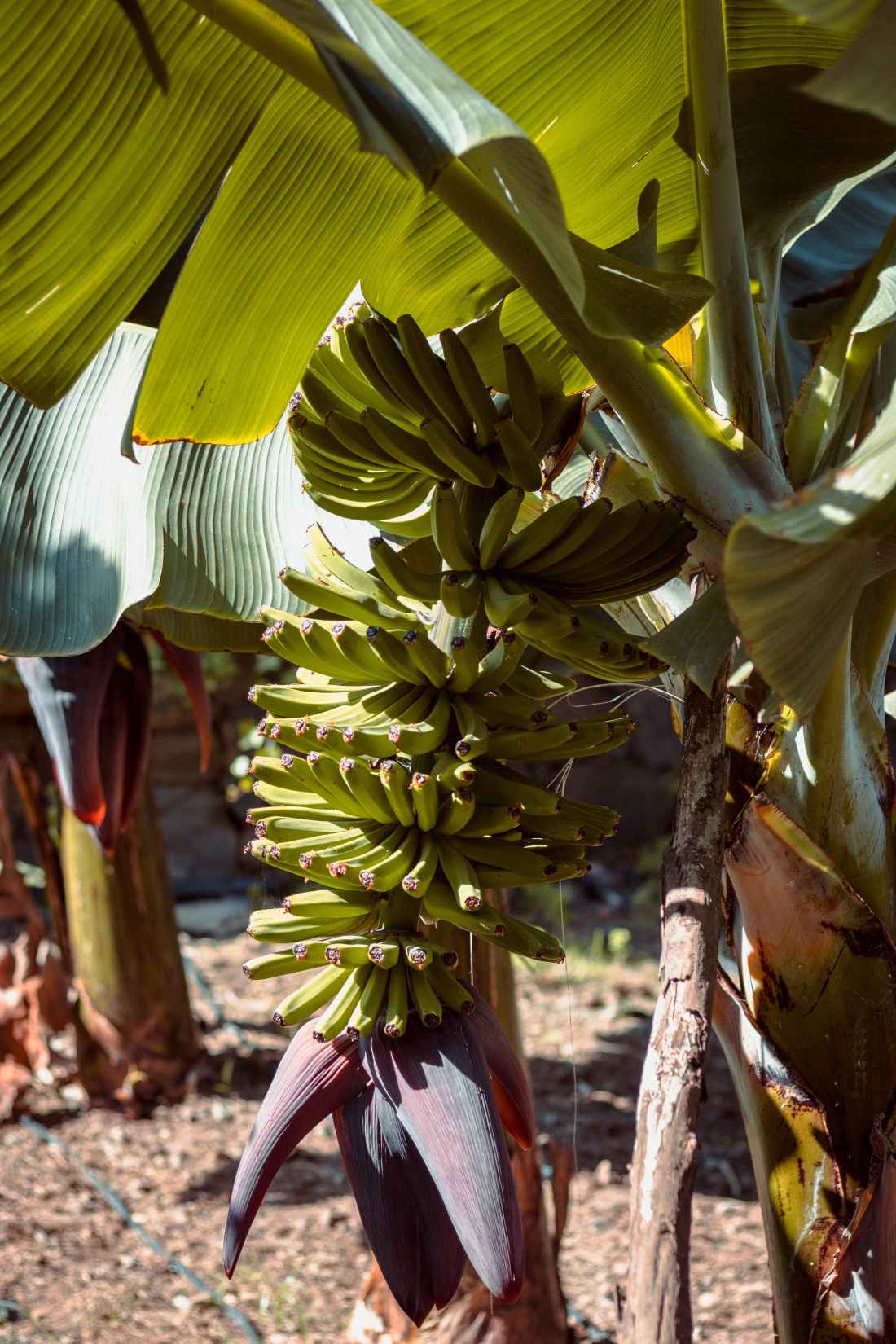
Selecting suitable fruit plants for your garden largely depends on your climate, soil conditions, and available space If you live in a cold climate, some popular options for growing your own fruit include apple trees, blueberry bushes, raspberry canes, grapes, dwarf citrus trees, and strawberry patches. On the other hand, if you live in an area with high temperatures, you might want to consider growing mangoes, bananas, jackfruits, oranges, guavas, and sapodilla. These plants also require very little water. To enjoy a bountiful harvest sooner, consider buying grafted plants. Consider the specific needs of each plant and how they align with your garden environment.

Site Selection and Preparation:

Ensure your chosen area receives adequate sunlight, as most fruit plants thrive in full sun. Proper drainage is crucial, so amend the soil if needed and consider raised beds for better drainage. Clear the site of weeds and debris before planting to create an optimal growing environment for your fruit plants. If you have limited space or are growing on a balcony or terrace, consider using grow bags to easily move your plants according to their needs.

Planting and Maintenance:

Follow planting guidelines specific to each fruit variety, considering spacing and depth requirements. Regular watering, especially during the establishment phase, is essential. Mulching helps retain moisture and suppress weeds, while fertilizing and pruning, according to plant type, encourages healthy growth and higher yields.


Similar Posts


Pollination and Care:

Understand the pollination needs of your fruit plants; some require cross-pollination for fruit set. Encourage pollinators like bees by planting pollinator-friendly flowers nearby. Protect your plants from pests and diseases by maintaining good garden hygiene and using organic pest control methods.

Harvesting and Enjoying:

Patience is a virtue in fruit gardening; wait for fruits to ripen fully before harvesting. Regularly check for ripe produce, and handle fruits delicately to prevent damage. Indulge in the joy of tasting freshly picked fruits from your garden, knowing they’re free from chemicals and bursting with natural flavors.

Preserving and Sharing:

Preserve surplus fruits by freezing, canning, or making jams and preserves. Share your bounty with friends and neighbors, spreading the joy of homegrown goodness and fostering a sense of community through your garden’s harvest.

Conclusion:

Cultivating fruit plants in your garden is a journey filled with both challenges and rewards. Whether you’re a seasoned gardener or a novice, the satisfaction of nurturing plants and reaping the fruits of your labor is unparalleled. With careful planning, proper care, and a dash of patience, your garden can transform into a thriving orchard, providing an abundance of delicious fruits for years to come. Happy gardening and savor the fruits of nature’s labor in your own backyard!

Happy Gardening!

Bountiful Gardens: The Power of Rainwater Harvesting in Gardening!

Introduction

In the realm of gardening, water stands as a precious resource. Amidst concerns of water scarcity and environmental sustainability, rainwater harvesting emerges as a sustainable practice with immense benefits for cultivating flourishing gardens. Harnessing rainwater isn’t just an eco-friendly choice; it’s a powerful technique to nourish your garden while conserving water resources.

Rainwater harvesting for gardening is a method that involves collecting and storing rainwater for later use in watering plants, enriching soil, and sustaining green spaces. This eco-conscious approach not only lessens dependence on traditional water sources but also amplifies the health and vitality of your garden in myriad ways.

Importance of Rainwater Harvesting for Gardening:

  • Eco-Friendly and Sustainable: Rainwater harvesting minimizes reliance on municipal water supplies or groundwater, thereby reducing your carbon footprint and lessening strain on natural water sources.
  • Nutrient-Rich Water Source: Rainwater is devoid of harmful chemicals and possesses natural nutrients vital for plant growth, providing a healthier alternative to chemically treated water.
  • Conservation of Resources: By capturing rainwater, this method ensures you maximize water availability and reduces water wastage, supporting a sustainable approach to gardening.

Methods of Rainwater Harvesting for Gardening:

  • Rain Barrels and Cisterns: These storage units collect rainwater from rooftops, diverting it through gutters into barrels or tanks for later use in garden irrigation.
  • Rain Gardens: Designed to capture and absorb rainwater runoff, these gardens are planted in low-lying areas and act as natural filters while recharging groundwater.
  • Permeable Surfaces: Install permeable pavements or surfaces that allow rainwater to infiltrate the soil directly, replenishing groundwater levels and supporting garden growth.

Benefits of Rainwater Harvesting in Gardening:

  • Natural Nutrient Source: Rainwater is free from chlorine or other chemicals often found in tap water, providing plants with a pure, nutrient-rich source of hydration.
  • Sustainable Irrigation: The stored rainwater can sustain your garden during dry spells or watering restrictions, ensuring continuous growth and vitality of plants.
  • Cost-Efficient: By reducing reliance on municipal water, rainwater harvesting can lower your water bills while providing an effective irrigation solution.

Similar Posts


Tips for Implementing Rainwater Harvesting:

  • Proper Storage: Ensure rain barrels or tanks are clean and covered to prevent contamination and breeding of mosquitoes or algae.
  • Regular Maintenance: Periodically clean gutters, filters, and storage units to maintain water quality and prevent blockages.
  • Use of Screen Filters: Install screen filters to prevent debris or contaminants from entering rainwater collection systems.

Step By Step Process:

Harvesting rainwater for your garden is a sustainable and eco-friendly way to ensure a steady water supply. Here are steps to harvest rainwater effectively:

  • Rain Barrel Setup: Place a rain barrel beneath a downspout or gutter to collect rainwater. Ensure the barrel has a secure lid to prevent debris, mosquitoes, and evaporation.
  • Barrel Positioning: Position the barrel on a raised platform to improve water pressure. It should be stable and situated close to the garden for easier access.
  • Filter System: Install a mesh screen or filter at the entry point to prevent leaves, twigs, and other debris from entering the barrel.
  • Gutter Diversion: Direct the downspout or gutter directly into the rain barrel using a diverter. This allows you to control when the rainwater fills the barrel.
  • Overflow Outlet: Include an overflow outlet near the top of the barrel. Attach a hose to redirect excess water away from the foundation to avoid waterlogging.
  • Regular Maintenance: Clean the barrel and filter periodically to ensure the system remains efficient. Check for leaks or damage.
  • Water Usage: Use the harvested rainwater to irrigate your garden. Connect a hose or use a watering can for easy distribution.
  • Conservation: Conserve rainwater during dry spells and use it judiciously for your plants, prioritizing when watering is most crucial.

By implementing these steps, you can effectively harvest rainwater to nurture your garden while minimizing water waste and reducing your environmental impact.

Conclusion:

Rainwater harvesting is a sustainable, eco-friendly practice that offers immense benefits for gardening enthusiasts. By harnessing the power of rain, gardeners can create thriving landscapes while actively contributing to water conservation efforts. Implementing rainwater harvesting techniques not only elevates gardening practices but also embodies a commitment to environmental stewardship.

Incorporating rainwater harvesting in gardening isn’t just a choice; it’s a conscious step toward sustainable living that fosters healthy, vibrant gardens while preserving precious water resources for future generations.

Happy Gardening!

Marvel-of-Peru: Unveiling the Beauty and Allure of the 4 O’Clock Flower Plant!

Introduction

The Marvel-of-Peru, famously known as the 4 O’Clock Flower, stands as a remarkable addition to any garden, captivating enthusiasts with its vibrant blooms and intriguing characteristics. This perennial beauty, scientifically known as Mirabilis jalapa, offers not just a visual spectacle but also a fascinating history and versatile gardening benefits.

Aesthetic Appeal and Blooming Schedule

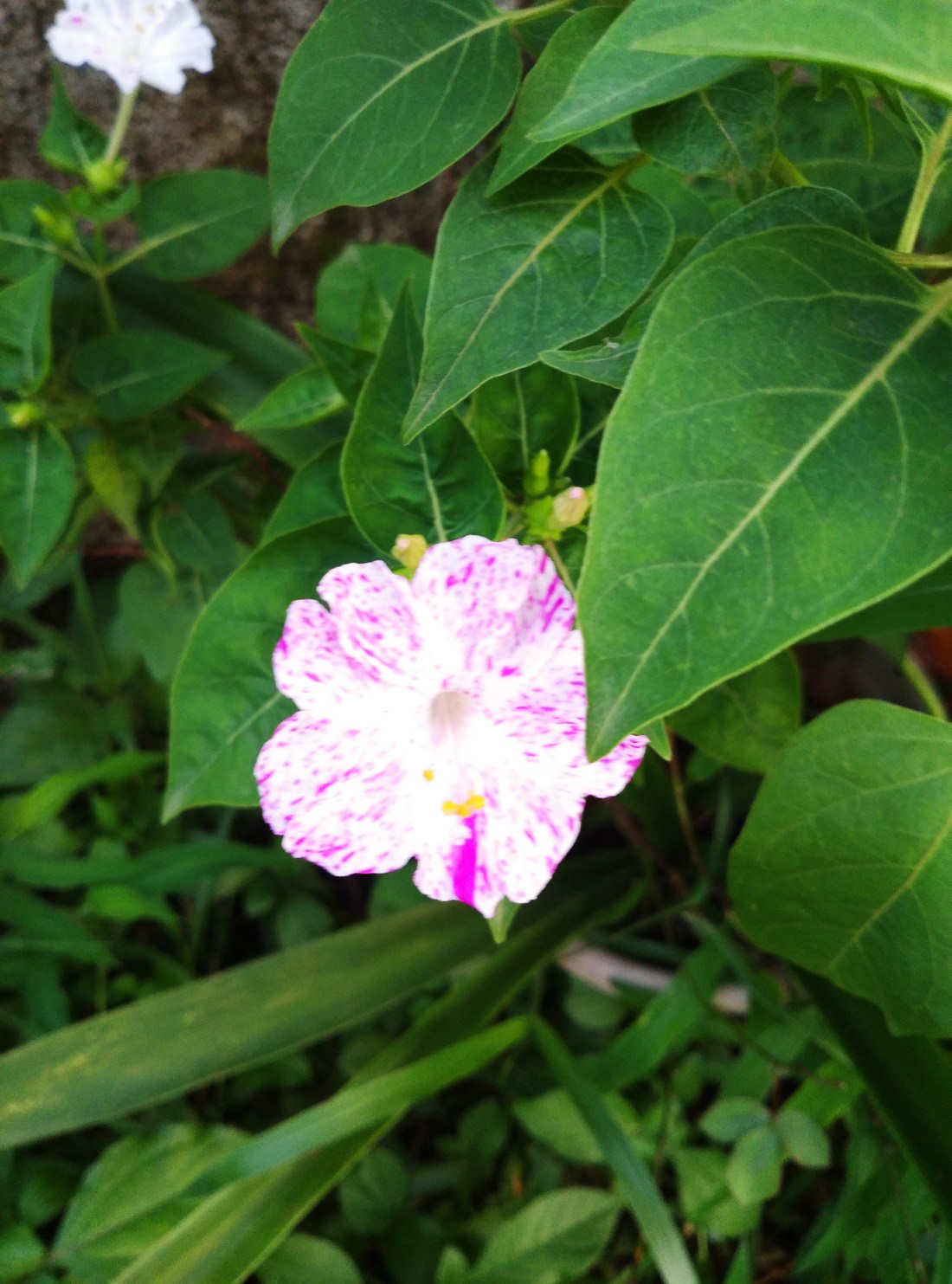
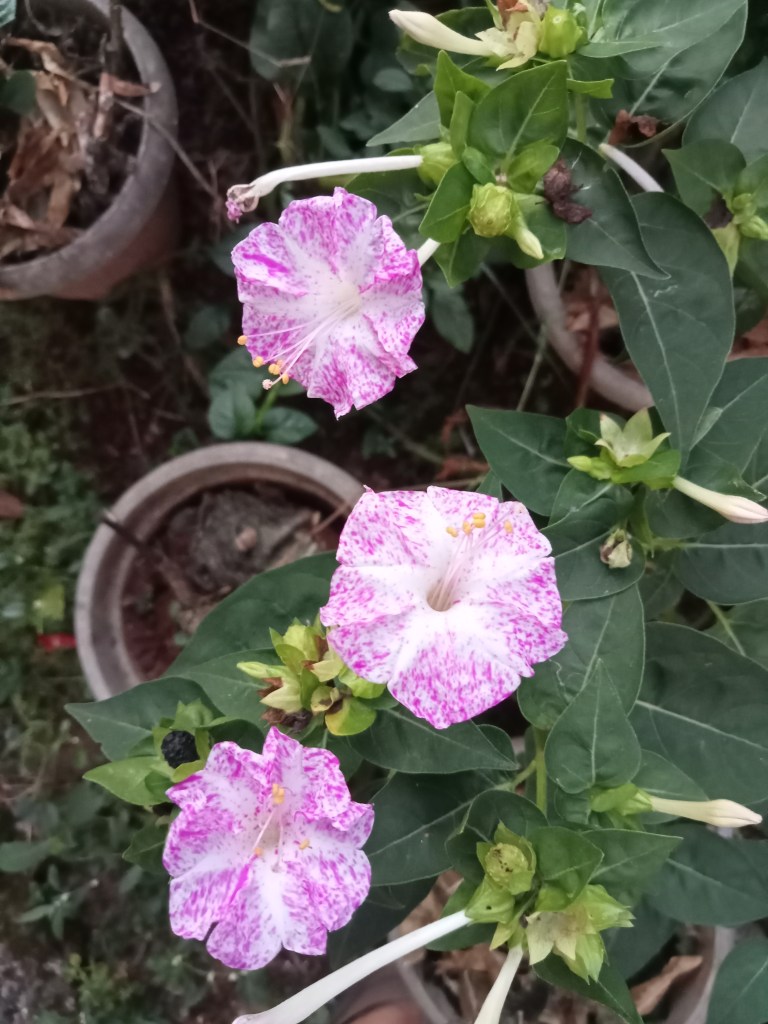
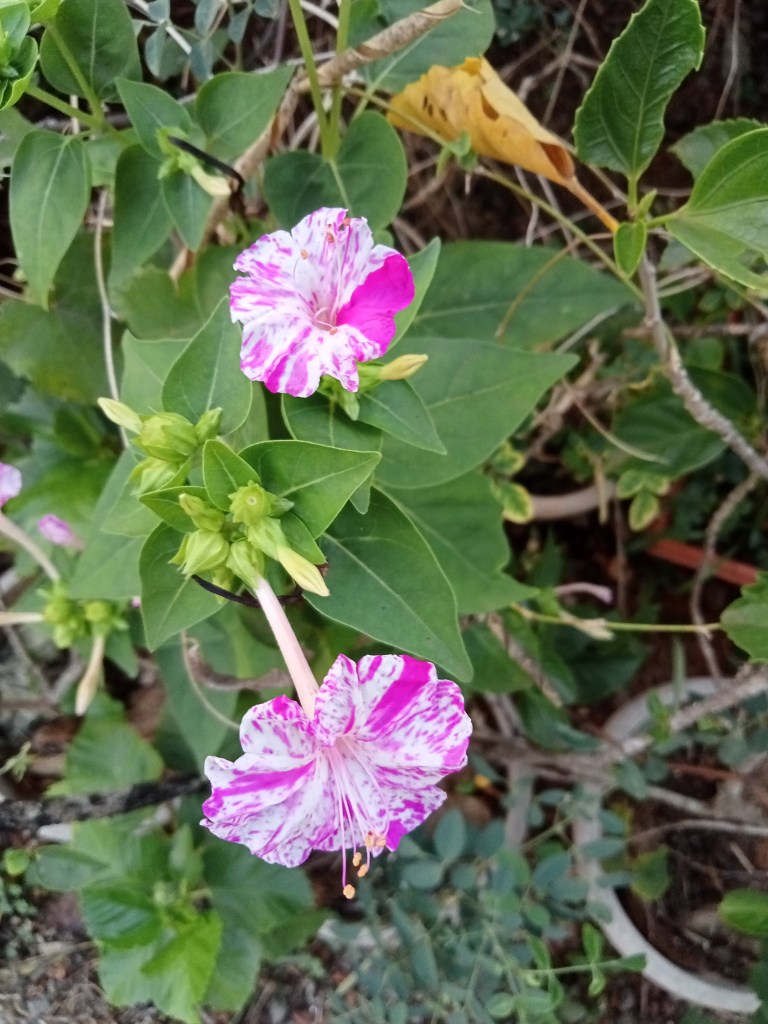
The Four-o’clock, also known as Mirabilis jalapa, is a type of ornamental perennial plant that belongs to the family Nyctaginaceae and is originally from tropical America. This plant is known for its quick growth and can reach up to one meter (three feet) in height. It has oval leaves on short leafstalks and its stems are swollen at the joints. The Mirabilis genus of herbs contains 45 species in total. The 4 O’Clock Flower earns its name due to its fascinating blooming habit, typically starting to unfurl its trumpet-shaped flowers around 4 o’clock in the afternoon, emanating a delightful fragrance. These blossoms showcase a kaleidoscope of colors, including shades of pink, red, yellow, white, and bi-color variations, adding a mesmerizing palette to garden landscapes.

Versatile Growing Conditions

One of the plant’s standout features is its adaptability to diverse environments. The 4 O’Clock Flower thrives in both sun and partial shade, making it a versatile choice for various garden settings. It flourishes in well-draining soil and exhibits remarkable resilience, tolerating both dry spells and moderate watering regimes.

Historical Significance and Folklore

Originating from South America, the 4 O’Clock Flower carries historical significance. Marvel of Peru was introduced to Spain and then England from Peru in the 16th century. It earned its name because of how people marvel when the plant blooms at exactly 4 PM.

Cultural Significance

It has been cultivated for centuries, admired for its ornamental value and revered for its medicinal properties. In traditional medicine, its roots were used to treat various ailments, like hallucinogen, and as a purported aphrodisiac, while the flowers produce an edible red dye for coloring food, although caution is advised due to the plant’s toxic properties.


Similar Posts


Attracting Pollinators and Garden Benefits

Beyond its visual allure, the 4 O’Clock Flower serves as a magnet for pollinators like butterflies, bees, and hummingbirds, contributing to garden biodiversity. Its ability to attract these beneficial insects makes it a valuable addition to eco-friendly and pollinator-friendly garden initiatives.

Gardening Tips

For gardening enthusiasts, the 4 O’Clock Flower is an easy-to-grow plant, suitable for borders, containers, or as a standalone specimen. Regular deadheading encourages continuous blooming, while its tuberous roots allow it to self-seed, providing effortless propagation for successive growth.

It is important to prevent these plants from drying out, so water them whenever the top 1 to 2 inches of soil becomes dry. However, be cautious not to overwater them as it can cause root rot due to soggy soil. Mulching around the plants can help keep the soil moist enough. Plants grown in containers will generally require more frequent watering than those planted directly in the ground.

Cautionary Notes

Despite its beauty, it’s essential to note that all parts of the 4 O’Clock Flower are toxic if ingested. Therefore, caution should be exercised, especially around children and pets.

Conclusion

In conclusion, the Marvel-of-Peru or the 4 O’Clock Flower stands as a testament to nature’s beauty and adaptability. With its dazzling blooms, historical significance, and garden-friendly attributes, this versatile plant remains a cherished favorite among gardening enthusiasts seeking both aesthetics and ecological benefits.

Happy gardening!

Guarding Your Greenery: Effective Ways to Keep Cats Out of Your Garden!

Cats are delightful companions, but their penchant for exploring can sometimes conflict with your garden’s well-being. Cats bring joy, but their love for exploring can pose challenges for your garden. Whether they see it as a playground or a litter box, their presence might lead to damaged plants or a messy garden. Fortunately, several cat-friendly methods can protect your precious green space without causing harm to your feline friends. Here are proven methods to protect your plants from your furry friends while ensuring a cat-friendly environment.

Natural Repellents:

Leverage scents cats dislike, like citrus, lavender, or citrus peels, around the garden. Using natural deterrents like citrus-scented sprays or essential oil-infused cotton balls can discourage cats from frequenting your plants.

Texture Dislike:

Cats dislike walking on certain textures. Utilize materials like pine cones, chicken wire, or gravel around your plants to make the surface uncomfortable for them to walk on.

Mulching Techniques:

Cover the soil with materials cats dislike, such as stone mulch or pinecones, to discourage them from using it as a litter box. This tactic maintains the garden’s aesthetics while preventing feline intrusion.


Similar Posts


Plant Cat-Friendly Greens:

Designate a specific area in your garden or a separate raised bed for cat-friendly greens like catnip or catmint. This not only diverts their attention but also provides a dedicated space for them to enjoy without disturbing the rest of your garden.

Motion-Activated Sprinklers:

Install motion-activated sprinklers or deterrent devices that release bursts of water or noise when cats approach. These systems startle but do not harm the cats, teaching them to stay away from the garden.

Provide Alternatives:

Allocate a cat-friendly area in your yard, like a sandbox or a cozy spot with cat grass, toys, and scratching posts. By giving them an enticing space of their own, they may be less inclined to invade the garden.

Secure Fencing:

Create barriers with humane fencing, ensuring it is high enough to discourage jumping but not to trap the cats. Use cat-proof barriers or specially designed fencing to keep them away from specific areas.

Conclusion

Remember, consistency is key when implementing these methods. Be patient, as it might take time for cats to learn new boundaries. With these strategies, you can maintain a harmonious coexistence between your greenery and your beloved feline companions.

Happy Gardening!

Harmony in Nature: Exploring the Essence of Permaculture!

Permaculture, a design approach that harmonizes human habitats with natural ecosystems, offers sustainable solutions for creating regenerative and resilient environments. Discover how this holistic approach to gardening and living transforms landscapes while nurturing the planet.

Permaculture: A Holistic Approach to Sustainable Living

Permaculture is more than just a gardening technique; it’s a philosophy that embraces sustainable living by mimicking natural patterns and processes. At its core, permaculture aims to create productive ecosystems that require minimal intervention while maximizing output.

Key Principles of Permaculture

Permaculture operates on several fundamental principles:

  • Observation and Interaction: Understanding and observing natural systems is crucial to creating sustainable designs.
  • Catch and Store Energy: Utilizing renewable energy sources, such as sunlight and rainwater, efficiently.
  • Obtain a Yield: Designing systems that produce not just one, but multiple yields, ensuring productivity.
  • Apply Self-Regulation and Feedback: Using feedback loops to adapt and improve systems over time.
  • Use and Value Renewable Resources and Services: Embracing renewable resources while minimizing waste.
  • Design from Patterns to Details: Considering the big picture first, then delving into specific elements of the design.
  • Integrate Rather Than Segregate: Creating connections between elements to create a functioning whole.
  • Use Small and Slow Solutions: Implementing gradual, manageable changes that have lasting effects.
  • Use and Value Diversity: Encouraging diversity in plants, animals, and ecosystems to increase resilience.
  • Creatively Use and Respond to Change: Embracing change as an opportunity for innovation and adaptation.

Application of Permaculture Principles

In practice, permaculture principles can be applied in various ways, such as:

  • Creating food forests that mimic natural ecosystems and provide diverse yields.
  • Designing water catchment systems to conserve and utilize rainwater effectively.
  • Incorporating companion planting and polycultures to enhance soil fertility and deter pests.
  • Building structures using sustainable materials and energy-efficient designs.
  • Establishing integrated animal systems that contribute to the ecosystem’s health.

Similar Posts


Getting Started with Permaculture: A Step-by-Step Guide to Sustainable Design and Implementation

Starting with permaculture involves understanding its principles and applying them to design sustainable and regenerative systems. Here’s a guide to help you begin:

1. Study Permaculture Principles and Ethics

Principles: Learn about permaculture principles like observing and interacting, catching and storing energy, obtaining a yield, applying self-regulation and accepting feedback, using and valuing renewable resources, producing no waste, etc.

Ethics: Understand the core ethics of permaculture—earth care, people care, and fair share.

2. Gain Knowledge

Read Books and Online Resources: There are several books, articles, and resources available online. “Permaculture: A Designer’s Manual” by Bill Mollison is a comprehensive guide.

Courses and Workshops: Consider taking permaculture courses or attending workshops to gain hands-on experience and learn from experts.

3. Start Small

Observation: Observe your surroundings—climate, soil, water sources, flora, and fauna. Understand how nature works in your area.

Small-Scale Projects: Begin with small projects like creating a vegetable garden, planting fruit trees, or setting up a composting system.

4. Design and Implementation

Zone and Sector Planning: Design your space considering zones (intensity of use) and sectors (natural forces like sun, wind, water flow).

Utilize Patterns: Apply natural patterns in your design—like using polycultures, mimicking forest layers, and using swales for water harvesting.

Implement Changes Gradually: Start making changes one step at a time.

5. Use Sustainable Techniques

Mulching: Use organic mulch to retain soil moisture and improve fertility.

Composting: Create compost from organic waste to enrich soil.

Water Harvesting: Implement rainwater harvesting techniques such as rain barrels, swales, or ponds.

Polyculture: Planting a variety of crops together to mimic natural ecosystems and increase biodiversity.

6. Community and Collaboration

Connect with Others: Join local permaculture groups, attend meetups, and engage with the permaculture community.

Collaborate: Work with neighbors, friends, or community groups to share knowledge and resources.

7. Continuous Learning and Adaptation

Observe and Learn: Continuously observe and learn from the changes you make. Adapt and refine your designs based on feedback from the environment.

8. Legal and Social Considerations

Local Regulations: Understand any local regulations or permits required for certain activities.

Sharing Excess Produce: Consider sharing surplus produce with neighbors or local communities.

9. Document and Reflect

Keep Records: Document your designs, implementations, successes, and failures. It helps in learning and improving over time.

Reflect and Improve: Regularly reflect on your practices and make adjustments accordingly.

Conclusion

Permaculture is about observing, mimicking nature, and creating sustainable systems. Starting small, observing, learning, and adapting are key elements to successfully implementing permaculture principles.

Happy Gardening!

Effective Strategies for Eliminating Whiteflies from Your Garden!

Introduction

Whiteflies, those tiny, pesky insects, can wreak havoc on the health and vibrancy of your garden. These minuscule pests feed on plant juices, causing yellowing, wilting, and stunted growth in various garden plants. However, fret not! Here’s a comprehensive guide on how to banish whiteflies from your garden using both natural and effective methods.

Identifying Whiteflies

Before diving into eradication methods, recognizing these pests is crucial. Whiteflies are tiny, moth-like insects, often found in clusters on the underside of leaves. They leave behind a sticky residue called honeydew, promoting the growth of sooty mold.

Detrimental Effects on Plant Health

Whiteflies might seem innocuous due to their small size, but their impact on garden plants can be quite devastating. Here’s how these tiny insects cause damage:

Feeding Habits: Whiteflies feed on plant sap by piercing the phloem vessels, depriving plants of essential nutrients. This continuous feeding weakens plants, leading to yellowing, wilting, and stunted growth.

Toxin Secretion: As whiteflies feed, they excrete a sticky substance called honeydew. This honeydew serves as a breeding ground for sooty mold, a dark fungus that covers leaves, hindering photosynthesis and further weakening plants.

Transmission of Diseases: Whiteflies act as vectors for various plant viruses. When they feed on infected plants, they pick up the virus and transmit it to healthy plants, causing diseases that can lead to severe damage or death of the plant.

Mass Infestation: These pests reproduce rapidly, forming dense colonies on the underside of leaves. Their sheer numbers can overwhelm plants, causing stress and ultimately impacting their ability to thrive.

Reduction in Crop Yield: In agricultural settings, whiteflies can significantly reduce crop yields. Infestations can lead to economic losses due to diminished productivity and compromised plant health.

Natural Remedies to Combat Whiteflies

Spraying with Neem Oil: Neem oil, a natural insecticide, disrupts the life cycle of whiteflies. Dilute it with water and apply it to the affected plants, focusing on the undersides of leaves.

Introduce Beneficial Insects: Predatory insects like ladybugs, lacewings, and certain species of parasitic wasps feed on whiteflies, helping to control their population naturally.

Homemade Insecticidal Soap: Mix liquid soap with water and spray it on the infested plants. This solution suffocates whiteflies, effectively reducing their numbers.


Similar Posts


Cultural Practices for Prevention

Pruning Infested Leaves: Regularly inspect your plants and remove heavily infested leaves to prevent the spread of whiteflies.

Hosing Down Plants: Use a strong jet of water to dislodge whiteflies from plants. To interrupt their lifecycle, it is recommended to repeat this process every few days. Please make sure to follow this procedure regularly.

Yellow Sticky Traps: Hang yellow sticky traps around affected plants. Whiteflies are attracted to the color yellow and get trapped on these sticky surfaces.

Chemical Control Methods

When natural remedies prove insufficient, resort to chemical solutions:

Insecticidal Sprays: Chemical insecticides, labeled specifically for whiteflies, can be used as a last resort. Follow instructions meticulously and avoid harming beneficial insects.

Systemic Insecticides: These are absorbed by the plant, making it toxic to whiteflies. Exercise caution and follow directions closely when using systemic treatments.

Note: Avoid using these chemicals for edible plants such as vegetables and herbs; they should only be considered as a last resort.

Preventive Measures for Long-Term Control

Regular Monitoring: Maintain vigilance over your garden to catch whitefly infestations early, preventing widespread damage.

Diverse Plantings: Promote biodiversity in your garden to minimize the risk of severe infestations. Companion planting can deter whiteflies from targeting specific plants.

Conclusion

In conclusion, battling whiteflies demands a multi-faceted approach. Combining natural remedies, cultural practices, and, if necessary, targeted chemical control methods, can effectively rid your garden of these persistent pests. Remember, consistency and early intervention are key to maintaining a healthy and thriving garden ecosystem.

Whether it’s organic solutions, cultural practices, or targeted interventions, reclaiming your garden from whiteflies is achievable with persistence and the right strategies in place.

Happy Gardening!

A Complete Guide to Crafting and Using Seed Balls for Gardening Success!

Introduction

In the realm of gardening, the ingenious concept of seed balls has gained remarkable popularity for its simplicity and effectiveness. These small, compact spheres encapsulate seeds within a mixture of clay, compost, and other natural materials. They offer a convenient and efficient way to sow seeds while aiding in plant germination and growth. Here’s a comprehensive guide on how to prepare and utilize seed balls to foster lush gardens.

Understanding Seed Balls

Seed balls, also known as seed bombs, serve as protective casings for seeds, shielding them from harsh environmental conditions like wind, birds, and excessive sunlight. This technique was inspired by ancient agricultural practices and has evolved into a modern-day technique for conservation and gardening.

Ingredients for Seed Balls

Creating seed balls requires a simple blend of clay, compost, and seeds. Clay acts as a protective casing, compost provides nutrients for initial growth, and seeds are, of course, the potential plants. Additional ingredients like water and soil amendments may be added for specific seed requirements.

Step-by-Step Guide to Crafting Seed Balls

Gather Materials: Acquire clay powder or finely ground natural clay, quality compost, desired seeds, and optional amendments like organic fertilizers.

Mix Ingredients: Combine clay and compost in a ratio of 3:1 or 4:1, adjusting to ensure a manageable consistency. Gradually add water while mixing until the mixture reaches a moldable, dough-like texture.

Incorporate Seeds: Integrate the seeds evenly into the clay-compost mixture, ensuring they’re well distributed throughout.

Form Balls: Pinch off small portions of the mixture and roll them into small balls, roughly 1-2 centimeters in diameter. Allow the balls to dry for 24-48 hours in a dry, cool place.


Similar Posts


Utilizing Seed Balls in Gardening

Seed balls offer a versatile approach to gardening:

Enhanced Germination: The protective coating of the seed balls provides an ideal environment for seeds to germinate.

Biodiversity Promotion: Seed balls aid in dispersing seeds and encouraging biodiversity in gardens, especially in challenging terrains or barren areas.

Easy Planting: Simply scatter the seed balls in desired locations, whether in garden beds, wildflower patches, or urban landscapes.

Tips for Successful Seed Ball Gardening

Choose Appropriate Seeds: Opt for native or adaptive seeds suited to your local climate and soil conditions. Seeds that work well for making seed balls typically include wildflowers, herbs like basil or parsley, vegetables like tomato, chilli and certain grass seeds. These seeds are great for seed balls due to their hardy nature, adaptability to various environments, and ability to grow with minimal maintenance. Wildflower seeds offer diversity and attract pollinators, while herbs like basil or parsley provide edible and aromatic benefits. Grass seeds help in stabilizing soil and preventing erosion, making them suitable for seed balls in areas needing vegetation cover.

Timing Matters: Sow seed balls during seasons conducive to seed germination, typically spring or fall.

Proper Placement: Ensure good soil contact for optimal germination by lightly pressing seed balls into the soil or scattering them in areas likely to receive rainfall or irrigation.

Conclusion

In conclusion, the art of creating and using seed balls presents an eco-friendly and efficient method for gardening enthusiasts. Whether aiming for a vibrant wildflower meadow or enhancing garden biodiversity, seed balls offer a simple yet impactful solution. Experiment, explore, and witness the transformative power of these small spheres in nurturing a flourishing garden ecosystem.

Happy Gardening!