
Introduction:
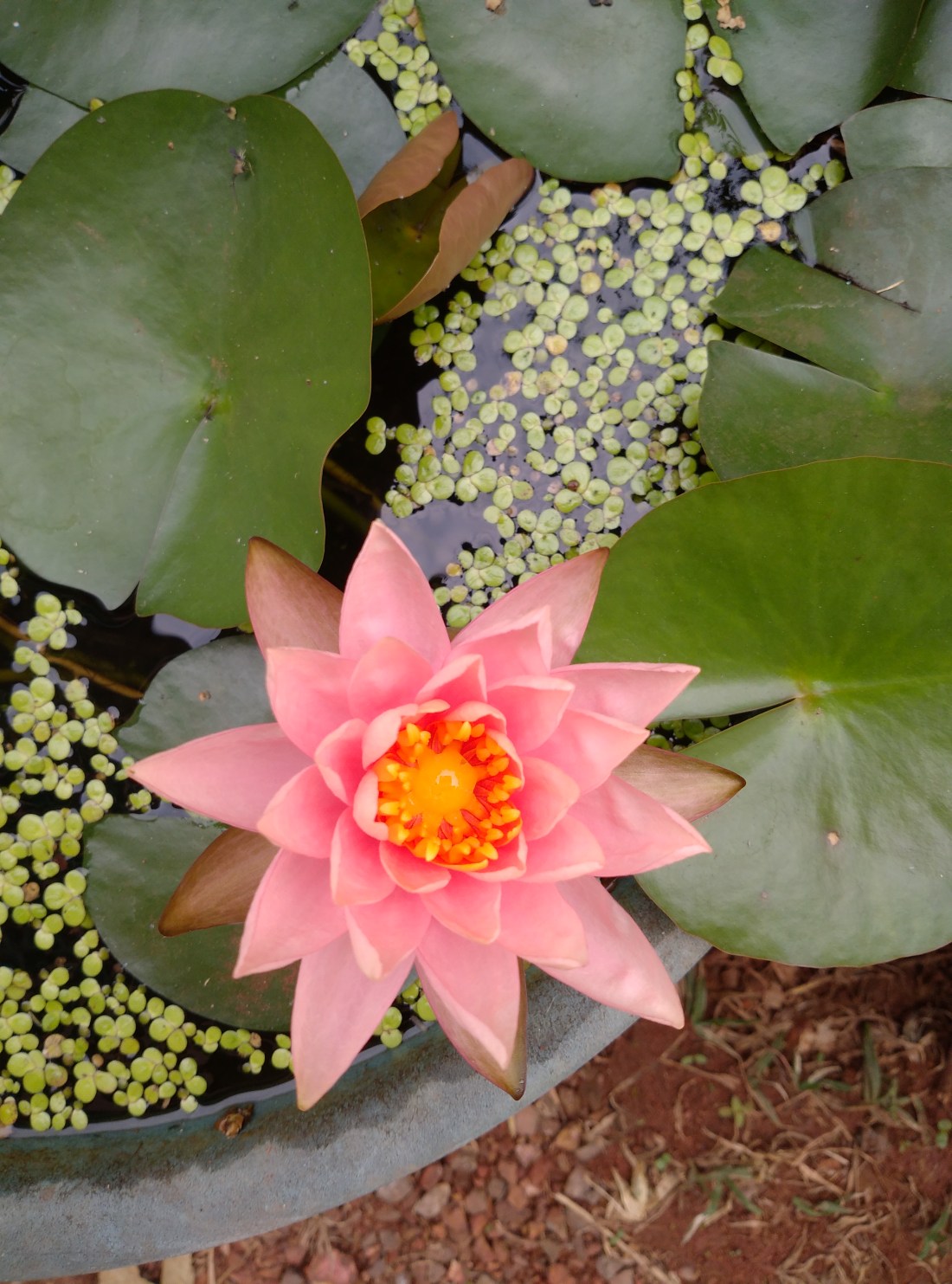
Water lilies, those enchanting aquatic jewels, have a timeless allure that graces ponds and water gardens worldwide. Their vibrant blooms and graceful foliage add a touch of elegance to any aquatic landscape. But what if you could take this beauty to the next level by hybridizing water lilies? In this article, we’ll delve into the captivating world of water lily hybridization, offering insights and tips on how to create your very own aquatic masterpieces.
Understanding Water Lily Hybridization:
Water lily hybridization is a fascinating process that involves cross-breeding different varieties of water lilies to create new and unique cultivars. It’s a bit like nature’s own art studio, where you can blend colors, shapes, and characteristics to craft your own floral masterpiece.
Selecting Parent Plants:
The first step in water lily hybridization is selecting the parent plants. Choose two water lily varieties with traits you’d like to combine. It could be the color of the flowers, the size of the leaves, or the overall growth habit. Remember that successful hybridization often involves trial and error, so don’t be discouraged if your first attempts don’t yield the results you desire.
The Pollination Process:
Once you’ve chosen your parent plants, it’s time for the pollination process. Water lilies have both male and female reproductive organs, making them perfect candidates for hybridization.
To pollinate water lilies, first look for first-day flowers with a liquid pool covering the stigma, which is the central area of the flower. Take pollen from a second-day flower and stir it into the pool of liquid using a cotton swab or small paintbrush. It’s best to do this quickly to avoid competition from bees and other insects. However, sometimes the second-day flower may not release its pollen until later in the morning. If that happens, you can use pollen from third-day flowers, but bees may have already removed all the pollen from the anthers of these flowers. In addition, bees can also remove pollen from second-day flowers before the morning is over. To prevent this, you may need to cover second-day flowers with netting before they open in the morning. If the liquid covering the stigma dries up before the flower closes, you can still fertilize the flower by rubbing pollen onto the dry stigma.
Once you have placed pollen into the liquid covering the stigma, it is important to cover the flower with a plastic bag. Use the tie provided to securely attach the open end of the bag to the stem below the flower. This will ensure that when the seeds are released, they will not be lost from the bag. Even if there is a delay in collecting the seeds and the stem begins to rot, the majority of the seeds will still be safely contained within the bag.
Watching for Seed Pods:
After successful pollination, you’ll notice seed pods developing where the flowers once bloomed. These pods contain the seeds of your potential new water lily hybrid. Allow the seed pods to mature and turn brown before harvesting the seeds. This can take several weeks.
The seeds can be stored in plastic bags, either wet for hardy seeds or dry for tropical seeds. To prevent sprouting in the bag, store them in the refrigerator.
Similar Posts
Growing Your Hybrid Water Lilies:
To grow your harvested seeds, choose a shallow container with clean water and add a layer of aquatic soil or sand. Scatter the seeds on the soil and cover them with a thin layer of sand. Add an inch or two of water over the sand and place the container in a sunny location with consistent water temperatures. Once the seedlings have developed two or three surface leaves, you can safely transplant them into your pond or water garden.
Patience and Persistence:
Hybridizing water lilies is an art that requires patience. Not every cross will yield a stunning new variety, but each attempt brings you closer to creating something truly unique. Keep detailed records of your hybridization efforts, including parent plants, pollination dates, and seedling outcomes. This information will be invaluable as you refine your hybridization skills.
Sharing Your Creations:
Once you’ve successfully hybridized a water lily, consider sharing your creations with fellow water gardening enthusiasts. Sharing knowledge and cultivars within the community can be incredibly rewarding.
Conclusion:
Water lily hybridization is a captivating journey that allows you to become a co-creator with nature. By carefully selecting parent plants, mastering the pollination process, and nurturing your seedlings, you can unlock a world of aquatic beauty. So, dive into this enchanting endeavor, and let your water garden bloom with the unique and mesmerizing water lily hybrids you create. Happy hybridizing!
Happy Gardening!
 ILoveGardening