
Introduction
Aquatic plants, often associated with ponds and water features, can bring a unique and serene beauty to your garden. These plants not only enhance the aesthetic appeal but also contribute to the ecological balance of your garden. Here, we explore various aquatic plants that you can grow in your garden, their benefits, and tips for successful cultivation.
Types of Aquatic Plants
Aquatic plants can be broadly categorized into four types: floating plants, submerged plants, marginal plants, and bog plants. Each type has particular characteristics and requirements of its own.
Floating Plants:
Water Lettuce (Pistia stratiotes): This floating plant has rosettes of light green leaves that resemble lettuce. It provides shade and helps in controlling algae growth.
Duckweed (Lemna minor): This tiny, free-floating plant forms a green carpet on the water surface. It is excellent for controlling algae and providing food for fish.
Submerged Plants:
Anacharis (Elodea canadensis): Also known as waterweed, this plant grows entirely underwater. It is great for oxygenating the water and providing habitat for aquatic life.
Hornwort (Ceratophyllum demersum): This plant has feathery, dark green foliage and grows submerged. It helps in maintaining water clarity by absorbing excess nutrients.
Marginal Plants:
Cattail (Typha latifolia): Cattails are tall, reed-like plants that grow along the edges of ponds. They provide shelter for wildlife and help in stabilizing the pond’s edge.
Pickerelweed (Pontederia cordata): This plant has heart-shaped leaves and produces spikes of blue flowers. It thrives in shallow water and attracts pollinators like bees and butterflies.
Bog Plants:
Marsh Marigold (Caltha palustris): With its bright yellow flowers, marsh marigold adds a splash of color to the garden. It prefers wet, boggy conditions and blooms in early spring.
Japanese Iris (Iris ensata): Known for its stunning flowers, Japanese iris grows well in wet soil and can tolerate shallow water.
Benefits of Aquatic Plants
Aquatic plants offer a wide range of benefits in addition to their visual appeal:
Water Quality Improvement:
Aquatic plants play a crucial role in maintaining the quality of water. They absorb excess nutrients, reducing the risk of algae blooms and keeping the water clear.
Habitat for Wildlife:
These plants provide habitat and food for various aquatic creatures, including fish, frogs, and insects. They create a balanced ecosystem in your garden pond.
Erosion Control:
Marginal and bog plants help in stabilizing the soil around the pond, preventing erosion and maintaining the pond’s structure.
Aesthetic Appeal:
The diverse shapes, colors, and textures of aquatic plants add a unique charm to your garden. They create a tranquil and serene environment, perfect for relaxation.
Similar Posts:
Tips for Growing Aquatic Plants
Choose the Right Plants:
Select plants that are suitable for your climate and the specific conditions of your garden pond. Consider factors like water depth, sunlight, and temperature.
Planting Techniques:
Use containers or planting baskets for submerged and marginal plants to control their growth and make maintenance easier.
Water Quality Management:
Regularly monitor the water quality in your pond. Maintain a balance of nutrients and avoid overfeeding fish, as excess food can lead to nutrient buildup and also promotes algae growth.
Regular Maintenance:
Trim and remove dead or decaying plant material to prevent it from decomposing in the water. This helps in maintaining water clarity and preventing the buildup of harmful substances.
Control Invasive Species:
Some aquatic plants like water hyacinths (Eichhornia crassipes) can become invasive if not managed properly. Regularly check for signs of overgrowth and take necessary measures to control their spread.
Popular Aquatic Plants for Your Garden
Water Lily (Nymphaea spp.):
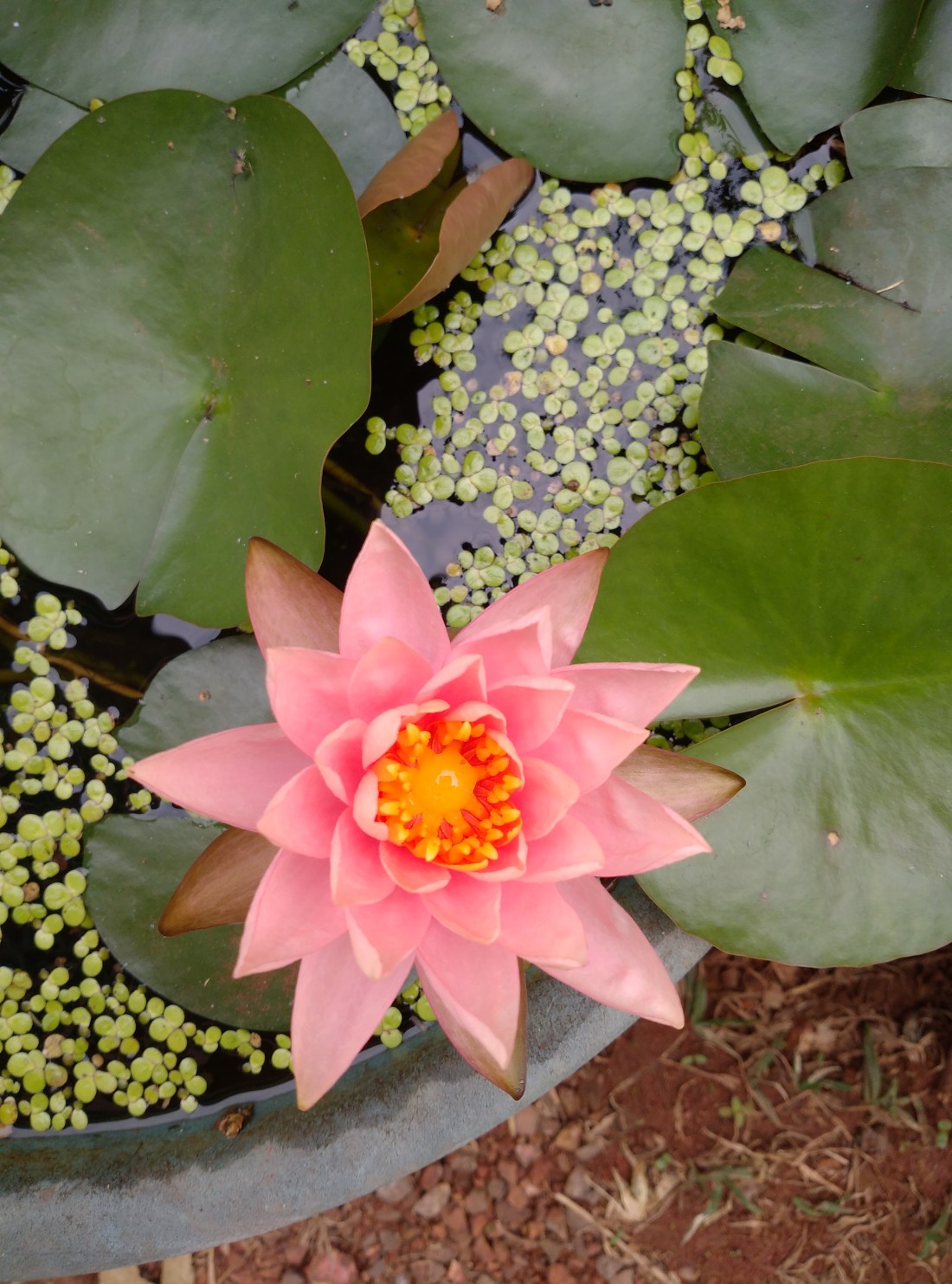
Water lilies are iconic aquatic plants known for their large, floating leaves and beautiful flowers. They give a touch of elegance to any pond and are available in a variety of colors and shapes.
Lotus (Nelumbo nucifera):
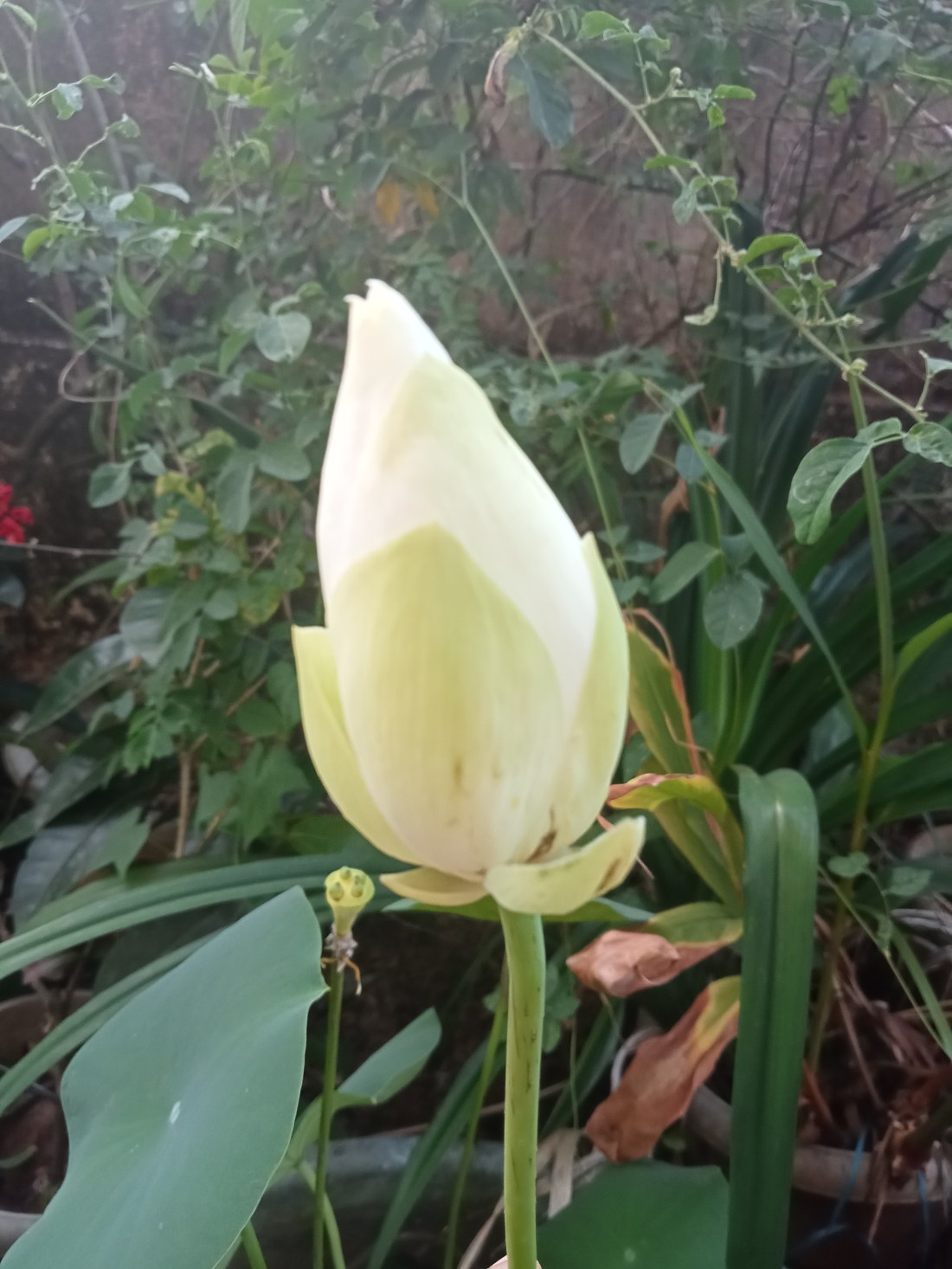
Lotus plants are revered for their large, fragrant flowers and round leaves. They require full sun and can grow in deeper water compared to water lilies.
Papyrus (Cyperus papyrus):
It is a tall plant with feathery tops that resemble grass. It grows well in shallow water, adding a tropical feel to the garden.
Taro (Colocasia esculenta):
Taro, also known as elephant ear, has large, heart-shaped leaves. It thrives in wet soil and can be grown along the edges of ponds.
Conclusion
Incorporating aquatic plants into your garden can transform it into a lush, vibrant oasis. These plants not only enhance the beauty of your garden but also contribute to the ecological balance. By choosing the right plants and following proper care techniques, you can create a thriving aquatic garden that brings joy and tranquility to your outdoor space.
Happy Gardening!
 ILoveGardening