
Do you ever feel like your garden is missing a little something? Imagine stepping outside and being greeted by the cheerful songs of birds, the gentle flutter of butterflies, and the diligent buzzing of bees going about their important work. Making a garden that is friendly to wildlife is not only a wonderful way to get closer to nature, but it is also an essential step in preserving our planet’s biodiversity. Let’s dive into the wonderful world of wildlife gardening and learn how to attract birds, bees, and butterflies to your green oasis.
1. Choose Native Plants
The foundation of a wildlife-friendly garden is native plants. These plants have evolved alongside local wildlife and provide essential food and shelter. They are perfectly suited to your climate, soil, and the insects that birds and pollinators feed on. Research which native plants are suitable for your region and include them in your garden. This will ensure a year-round food source and shelter for your newfound friends. Native plants also require less maintenance, making them a win-win for you and the environment.
2. Provide Shelter and Nesting Spots
Just like us, animals need a safe and cozy place to call home. Incorporate a variety of habitats into your garden. Install birdhouses, create brush piles, and leave dead trees (if it’s safe to do so) to offer shelter for different critters. Plant dense shrubs and trees where birds can nest and find protection from predators. Birds will thank you for the convenient nesting spots, while butterflies will find refuge during rain showers.
3. Offer a Water Source
A reliable water source is a magnet for wildlife. A shallow birdbath or a small pond can attract birds, butterflies, and even frogs. Make sure to keep the water clean and fresh, and consider adding rocks or shallow areas for insects to perch on while taking a sip. You can also create an aquatic garden by planting some aquatic plants like water lilies and lotuses. Consider adding guppies to help control mosquitoes.
4. Plant Flowers for Pollinators
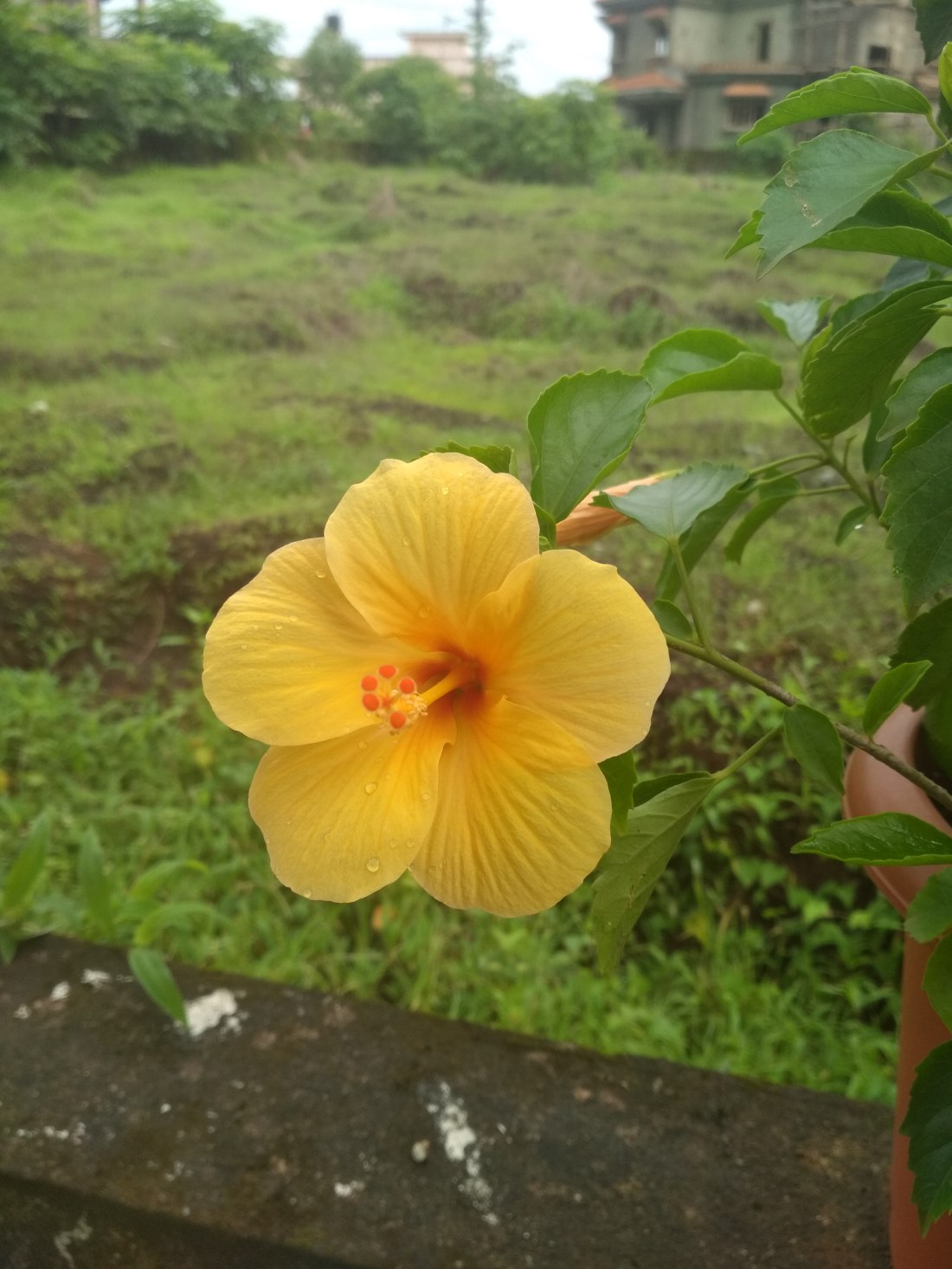
The buzz of bees is music to a garden’s ears. Attract these vital pollinators by planting a variety of flowers that bloom throughout the seasons. Bees and butterflies are particularly fond of colorful blooms such as lavender, sunflowers, marigold, hibiscus, coneflowers, and wildflowers. Not only will your garden flourish, but you’ll also be supporting the essential work of these pollinators.
5. Say No to Pesticides
Say no to harmful pesticides and herbicides. Pesticides might seem like a quick fix for pesky insects, but they harm the good guys too. These chemicals can disrupt the delicate ecosystems of your garden and harm the very creatures you’re trying to attract. Bees, butterflies, and birds can suffer from the effects of pesticides. Embrace natural pest control methods, like attracting beneficial insects, companion planting, or tolerate a little munching here and there. It’s all part of the ecosystem.
Similar Posts
6. Provide Food Sources
Different wildlife species have different dietary preferences. To cater to a variety of birds, bees, and butterflies, offer a mix of food sources. Consider hanging bird feeders, planting fruit-bearing trees, and letting some of your herbs flower to provide an ongoing food supply.
7. Cultivate Diversity
Just like any thriving ecosystem, a diverse garden is a healthy one. Plant a variety of flowers that bloom at different times of the year. This ensures a consistent food source for your winged visitors and keeps your garden vibrant throughout the seasons.
8. Be Patient
Creating a wildlife-friendly garden is a gradual process. It takes time for birds, bees, and butterflies to discover and utilize your garden as a haven. Be patient, and watch as your garden transforms into a thriving ecosystem, filled with the beautiful sights and sounds of nature.
9. Keep Learning
Gardening is a journey of learning and adapting.As you embark on this journey, keep learning about the specific needs and behaviors of the wildlife in your area. Pay attention to the types of wildlife that frequent your garden. Are certain flowers attracting more bees? Are specific plants drawing in particular bird species? Use this information to fine-tune your garden and make it even more inviting. Join local gardening clubs or online forums to share experiences and gain valuable insights. Your garden will evolve, and so will your knowledge.
By following these simple steps, you’ll not only create a wildlife-friendly haven but also contribute to the conservation of our planet’s precious biodiversity. Remember, every little effort counts, and your garden can become a vibrant and harmonious space for birds, bees, butterflies, and, of course, for you to enjoy. So, grab your gardening gloves and get ready to welcome a wonderful array of visitors to your garden!
Conclusion
In conclusion, turning your garden into a welcoming space for birds, bees, and butterflies is a beautiful endeavor that benefits both you and the local ecosystem. By planting thoughtfully, providing sustenance, and embracing nature-friendly practices, you’ll be well on your way to creating a wildlife haven right outside your door. So, roll up your sleeves, dig in the soil, and let nature’s magic unfold in your very own backyard.
Happy gardening!
 ILoveGardening