
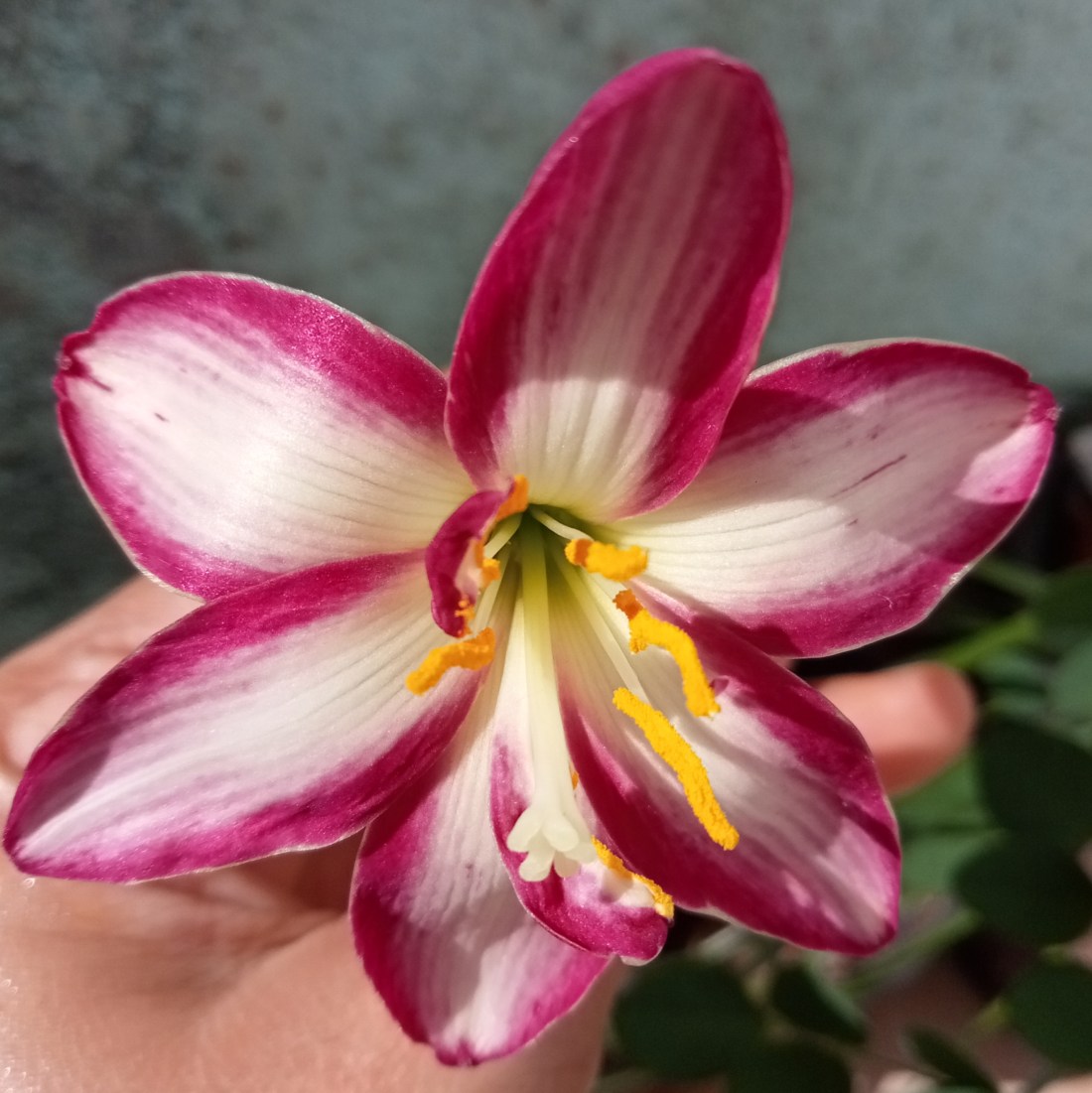
Introduction:
Repotting plays a crucial role in the growth and blooming of rain lilies, ensuring they receive the necessary nutrients and space to thrive. By following specific guidelines and care routines, gardeners can enhance the beauty of these delicate flowers and enjoy vibrant blooms year after year.
Importance of Repotting:
Enhancing Growth and Bloom Potential: Nitrogen is essential for plant growth, making repotting a vital task to replenish soil nutrients and provide adequate space for rain lilies to flourish. It is imperative to ensure that the soil is well-aerated and nutrient-rich to support the rain lilies’ growth and blooming cycle. To achieve optimal blooming, adhering to certain rules during the repotting process is essential.
Propagation and Expansion: Repotting presents an opportunity not only to rejuvenate existing rain lilies but also to propagate and expand your collection. As bulbs multiply over time, consider dividing them during repotting to create new plants.
Similar Posts
How to Repot Rain Lilies:
Repotting rain lilies requires attention to detail and a systematic approach to ensure the best results. Here’s a step-by-step guide to repotting rain lilies effectively:
Removing Bulbs:
Carefully turn the pot upside down to remove the bulbs. Trim any excess roots and leaves, preparing them for transplantation into fresh soil.
Soil Mix:
Prepare a suitable soil mix consisting of 50% normal soil, 30% vermicompost, and 20% cocopeat. Avoid using chemical fertilizers during planting. After preparing the soil with fertilizer, it is recommended to dip the plants in a fungicide solution before planting them.
Pot Size:
Select pots with diameters ranging from 8 to 10 inches, ensuring adequate space for 3 to 4 rain lily bulbs per pot. Proper spacing between bulbs is crucial to prevent overcrowding and promote healthy growth and blooming.
Pot Placement:
After repotting, place the pots in a shaded area for the first two days to allow the plants to acclimate. Once the leaves begin to grow, gradually shift the pots to a sunnier location to facilitate optimal blooming.
Fertilizer:
While chemical fertilizers can be introduced one month after planting, consider using organic alternatives such as vermicompost for chemical-free gardening. Additionally, Tata Raligold Spray can be applied at least once a month to promote root formation and enhance blooming potential.
Monitoring and Maintenance:
After repotting, it’s crucial to monitor the health and growth of rain lilies regularly. Keep an eye on soil moisture levels, ensuring it remains consistently moist but not waterlogged. Adjust watering frequency based on environmental conditions and plant needs, especially during periods of intense heat or rainfall. Additionally, inspect the foliage for signs of pests or diseases, addressing any issues promptly to prevent spread and damage to the plants.
Conclusion:
Repotting is a fundamental aspect of rain lily care, ensuring they receive the nutrients, space, and attention necessary for robust growth and blooming. By following proper repotting techniques and adhering to essential care guidelines, gardeners can maximize the blooming potential of rain lilies. With attention to detail and a commitment to organic gardening practices, beautiful blooms can adorn gardens year after year, bringing joy and color to outdoor spaces.
Happy Gardening!
 ILoveGardening