
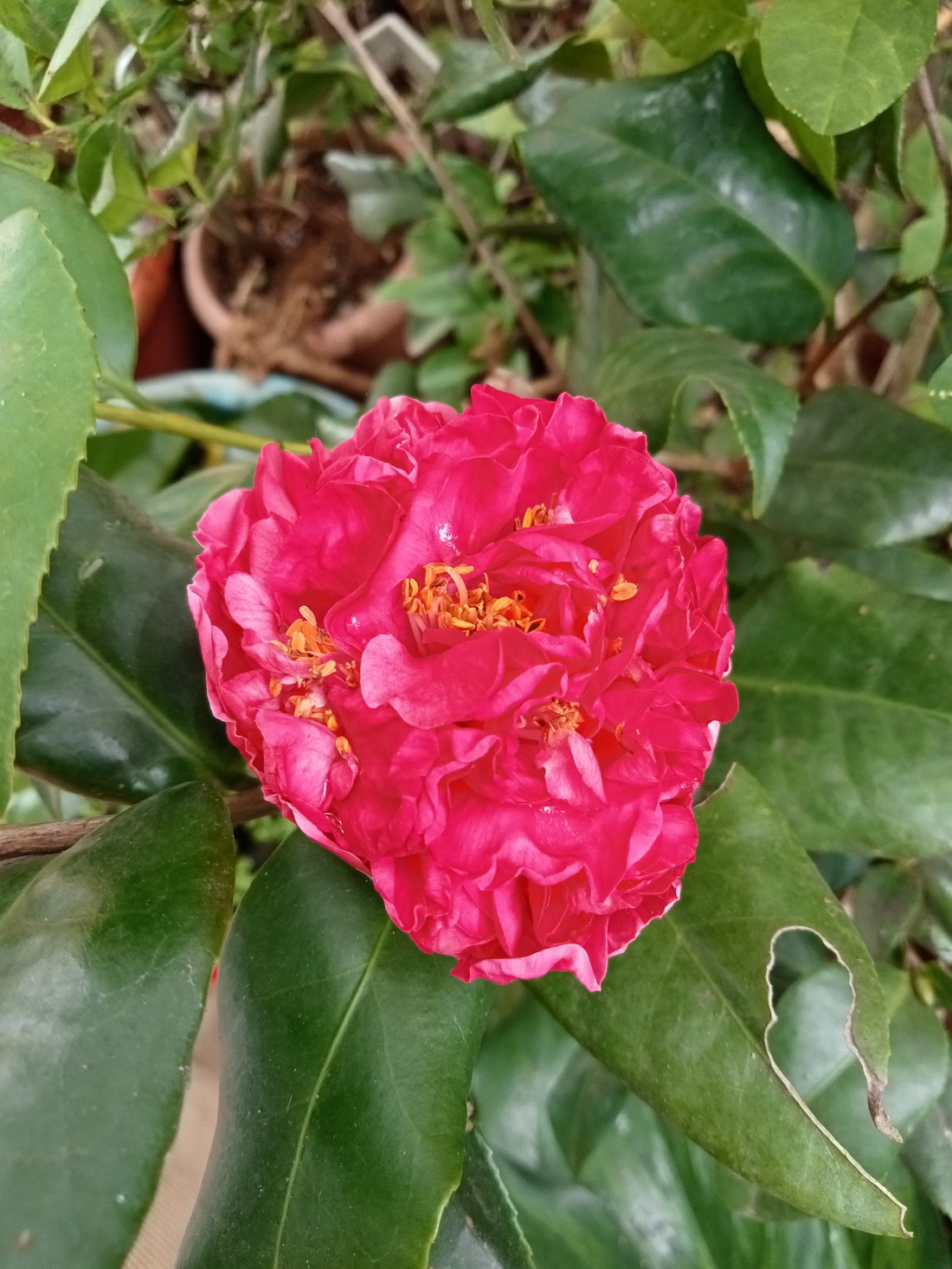
Camellias are cherished for their elegant blooms, glossy foliage, and evergreen charm, making them prized additions to gardens around the world. Known for their exquisite flowers that appear in various colors and forms, camellias add a touch of beauty and sophistication to landscapes. Whether you’re a novice gardener or a seasoned enthusiast, learning how to grow and care for camellia plants can elevate your gardening experience and ensure the health and vitality of these beloved ornamentals.
Introduction to Camellias:
Camellias belong to the genus Camellia, which comprises over 300 species, with Camellia japonica and Camellia sasanqua being among the most popular cultivated varieties. Originating from Asia, particularly China and Japan, camellias have been cultivated for centuries for their ornamental value and cultural significance. These evergreen shrubs or small trees are prized for their lush foliage and stunning flowers, which bloom in late fall, winter, or early spring, depending on the species and variety.
Growing Camellias:
Growing camellias begins with selecting the right location and providing optimal growing conditions for these ornamental beauties. Here’s a step-by-step guide to cultivating camellias in your garden:
Choose the Right Location: Camellias thrive in partially shaded to shaded areas with protection from the hot afternoon sun. Select a site with well-draining, acidic soil rich in organic matter.
Planting: Plant camellias in the fall or early spring when the soil is moist and temperatures are mild. Make a hole that is two times as deep and wide as the root ball. Make sure the top of the root ball of the plant is level with the soil surface when you place it in the hole. Backfill the hole entirely with water and soil.
Watering: Consistently keep the soil moist but not waterlogged, water deeply and regularly, and avoid overhead watering to prevent fungal diseases.
Fertilizing: Feed camellias with a balanced, slow-release fertilizer formulated for acid-loving plants in early spring before new growth emerges. Repeat fertilization in late spring or early summer if necessary. Avoid using high-nitrogen fertilizers as they may lead to more foliage growth and less flowering.
Mulching: Apply a layer of organic mulch, such as pine straw or shredded bark, around the base of the plant to conserve moisture, suppress weeds, and regulate soil temperature. Maintain a mulch depth of 2-3 inches, keeping it away from the trunk to prevent rot.
Pruning: Prune camellias selectively to maintain their desired shape, remove dead or diseased branches, and promote air circulation within the canopy. Pruning is best done after flowering to avoid cutting off potential buds.
Similar Posts
Caring for Camellias:
Caring for camellias involves regular maintenance practices to ensure their health, vigor, and prolific blooming. Here are some essential care tips for camellia plants:
Pest and Disease Control: Monitor camellias regularly for signs of pests, such as aphids, scale insects, and spider mites, as well as diseases like camellia leaf spot and root rot. Treat infestations promptly with horticultural oil, insecticidal soap, or neem oil, and remove infected plant parts to prevent the spread of disease.
Winter Protection: In colder climates, provide winter protection for camellias by covering them with frost cloth or burlap during freezing temperatures. Mulch around the base of the plant to insulate the roots and minimize frost damage.
Deadheading: Remove spent flowers promptly to encourage continuous blooming and prevent seed production, which can divert energy away from flower production.
Container Care: If growing camellias in containers, choose a large, well-draining pot and use a soil mix formulated for acid-loving plants. Water container-grown camellias regularly to keep the soil evenly moist, and fertilize them according to label instructions.
Hydration: During periods of drought or high temperatures, provide supplemental irrigation to ensure camellias receive adequate moisture. It is important to avoid overwatering your plants, as damp soil can cause root rot and other issues.
Monitoring pH Levels: Regularly test the soil pH around camellias to ensure it remains acidic, ideally between 5.0 and 6.5. Amend the soil with sulfur or acidic fertilizers if necessary to maintain optimal pH levels.
Conclusion:
Growing and caring for camellias can be a rewarding experience, offering gardeners a glimpse of nature’s beauty and resilience. By providing the right growing conditions, proper maintenance, and tender loving care, you can enjoy the bountiful blooms and lush foliage of these exquisite plants year after year. Whether adorning garden beds, borders, or containers, camellias are sure to captivate with their timeless elegance and charm.
Happy Gardening!
 ILoveGardening