
Introduction:
Lemon plants, with their glossy foliage and vibrant fruits, add a refreshing touch to any indoor garden. Beyond their ornamental value, these citrus wonders offer the allure of homegrown lemons right at your fingertips. Cultivating a lemon plant indoors is not only rewarding but also surprisingly straightforward, even for novice gardeners. In this comprehensive guide, we’ll delve into the essential steps and expert tips to help you grow a healthy and fruitful lemon plant in your home.
Choosing the Right Variety
Before you embark on your lemon-growing journey, it’s crucial to select the right variety for indoor cultivation. Dwarf lemon varieties, such as Meyer lemons or Ponderosa lemons, are ideally suited for growing indoors due to their compact size and adaptability to container life.
Selecting the Perfect Container
When it comes to containers for lemon plants, bigger is often better. Choose a container that provides ample space for root development and drainage. Opt for a pot with drainage holes to prevent waterlogging, and consider placing a saucer underneath to catch excess water.
Preparing the Potting Mix
Lemon plants thrive in well-draining, slightly acidic soil. Prepare a potting mix by combining equal parts of peat moss, perlite, and compost. This nutrient-rich blend provides the ideal growing medium for your lemon plant and ensures adequate aeration and moisture retention.
Planting Your Lemon Tree
- Preparing the Soil: Fill the bottom of the container with a layer of potting mix, then gently remove the lemon plant from its nursery container and place it in the center of the pot.
- Backfilling: Fill the remaining space around the plant with potting mix, ensuring that the top of the root ball is level with the soil surface. Firmly pat down the soil to eliminate air pockets.
- Watering: Give your newly planted lemon tree a thorough watering to settle the soil. Water until it begins to drain from the bottom of the pot, then empty the saucer to prevent water buildup.
Light and Temperature Requirements
Lemon plants require ample sunlight to thrive, so choose a sunny location for your indoor garden. Place your lemon tree near a south-facing window where it can receive at least 6-8 hours of sunlight per day. During the winter months, consider supplementing natural light with a grow light to ensure optimal growth.
Maintain a consistent temperature range of 60-70°F (15-21°C) during the day and slightly cooler temperatures at night. Avoid placing your lemon plant near drafty windows or heating vents, as extreme temperature fluctuations can stress the plant.
Watering and Fertilizing
- Watering Frequency: Lemon plants prefer evenly moist soil but are susceptible to root rot if overwatered. Allow the top inch of soil to dry out between waterings, then water thoroughly until excess moisture drains from the bottom of the pot.
- Fertilizing: Feed your lemon plant regularly during the growing season with a balanced, water-soluble fertilizer formulated for citrus plants. Apply fertilizer every 4-6 weeks from spring to early fall, following the manufacturer’s instructions for dilution and application rates.
Pruning and Maintenance
Regular pruning is essential for shaping your lemon plant and promoting healthy growth. Remove any dead, damaged, or crossing branches, as well as any suckers or shoots emerging from the base of the plant. Prune selectively to maintain an open, airy canopy that allows sunlight to penetrate the interior of the plant.
Pest and Disease Control
Keep an eye out for common pests such as aphids, scale insects, and spider mites, which can infest lemon plants indoors. If you notice any signs of pest infestation, such as yellowing leaves or sticky residue, treat the affected plant with insecticidal soap or neem oil spray.
Harvesting Your Lemons
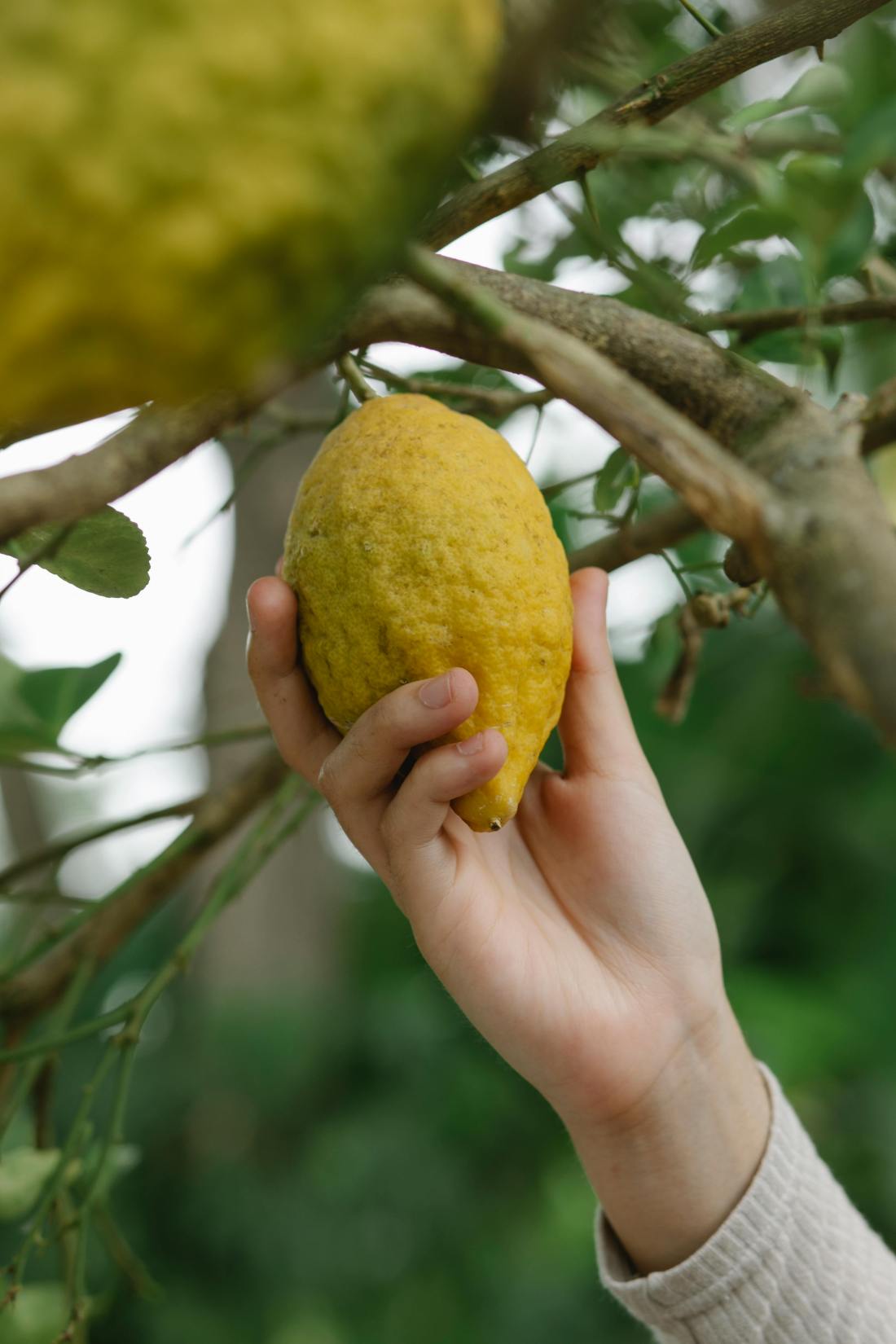
With proper care and patience, your lemon plant will reward you with a bountiful harvest of fresh, juicy fruits. Most lemon varieties take 6-12 months to ripen, depending on environmental conditions and the age of the plant. Harvest lemons when they reach full size and color, giving them a gentle twist to detach them from the branch.
Conclusion
Growing a lemon plant indoors is a fulfilling endeavor that brings the joy of citrus cultivation into your home. By following these expert tips and guidelines, you can cultivate a healthy, productive lemon tree that provides an abundant harvest of homegrown lemons year-round.
Happy Gardening!
 ILoveGardening