Unveiling the Secrets of Growing a Thriving Lemon Plant Indoors!

Introduction:

Lemon plants, with their glossy foliage and vibrant fruits, add a refreshing touch to any indoor garden. Beyond their ornamental value, these citrus wonders offer the allure of homegrown lemons right at your fingertips. Cultivating a lemon plant indoors is not only rewarding but also surprisingly straightforward, even for novice gardeners. In this comprehensive guide, we’ll delve into the essential steps and expert tips to help you grow a healthy and fruitful lemon plant in your home.

Choosing the Right Variety

Before you embark on your lemon-growing journey, it’s crucial to select the right variety for indoor cultivation. Dwarf lemon varieties, such as Meyer lemons or Ponderosa lemons, are ideally suited for growing indoors due to their compact size and adaptability to container life.

Selecting the Perfect Container

When it comes to containers for lemon plants, bigger is often better. Choose a container that provides ample space for root development and drainage. Opt for a pot with drainage holes to prevent waterlogging, and consider placing a saucer underneath to catch excess water.

Preparing the Potting Mix

Lemon plants thrive in well-draining, slightly acidic soil. Prepare a potting mix by combining equal parts of peat moss, perlite, and compost. This nutrient-rich blend provides the ideal growing medium for your lemon plant and ensures adequate aeration and moisture retention.

Planting Your Lemon Tree

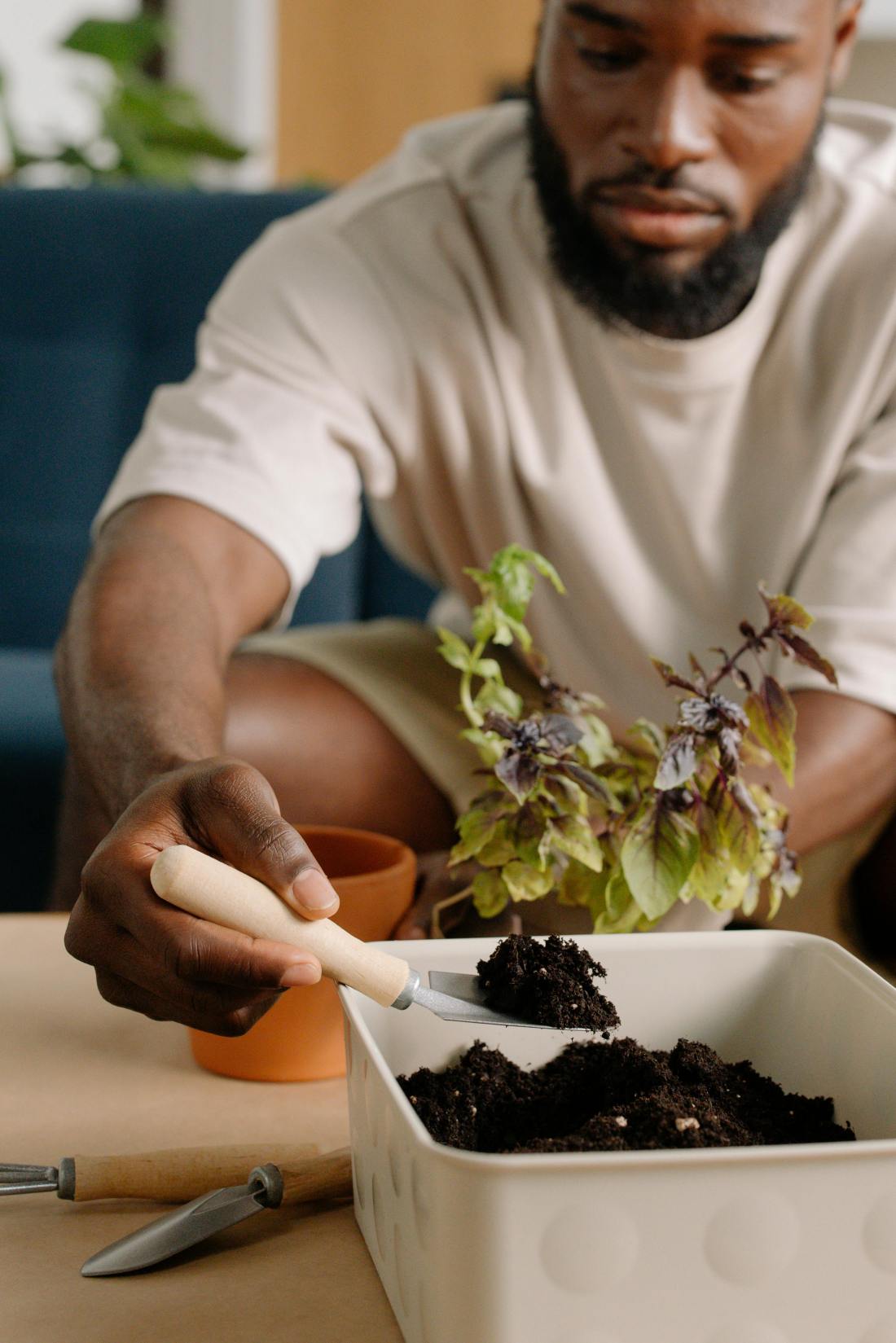
  1. Preparing the Soil: Fill the bottom of the container with a layer of potting mix, then gently remove the lemon plant from its nursery container and place it in the center of the pot.
  2. Backfilling: Fill the remaining space around the plant with potting mix, ensuring that the top of the root ball is level with the soil surface. Firmly pat down the soil to eliminate air pockets.
  3. Watering: Give your newly planted lemon tree a thorough watering to settle the soil. Water until it begins to drain from the bottom of the pot, then empty the saucer to prevent water buildup.

Light and Temperature Requirements

Lemon plants require ample sunlight to thrive, so choose a sunny location for your indoor garden. Place your lemon tree near a south-facing window where it can receive at least 6-8 hours of sunlight per day. During the winter months, consider supplementing natural light with a grow light to ensure optimal growth.

Maintain a consistent temperature range of 60-70°F (15-21°C) during the day and slightly cooler temperatures at night. Avoid placing your lemon plant near drafty windows or heating vents, as extreme temperature fluctuations can stress the plant.

Watering and Fertilizing

  1. Watering Frequency: Lemon plants prefer evenly moist soil but are susceptible to root rot if overwatered. Allow the top inch of soil to dry out between waterings, then water thoroughly until excess moisture drains from the bottom of the pot.
  2. Fertilizing: Feed your lemon plant regularly during the growing season with a balanced, water-soluble fertilizer formulated for citrus plants. Apply fertilizer every 4-6 weeks from spring to early fall, following the manufacturer’s instructions for dilution and application rates.

Pruning and Maintenance

Regular pruning is essential for shaping your lemon plant and promoting healthy growth. Remove any dead, damaged, or crossing branches, as well as any suckers or shoots emerging from the base of the plant. Prune selectively to maintain an open, airy canopy that allows sunlight to penetrate the interior of the plant.

Pest and Disease Control

Keep an eye out for common pests such as aphids, scale insects, and spider mites, which can infest lemon plants indoors. If you notice any signs of pest infestation, such as yellowing leaves or sticky residue, treat the affected plant with insecticidal soap or neem oil spray.

Harvesting Your Lemons

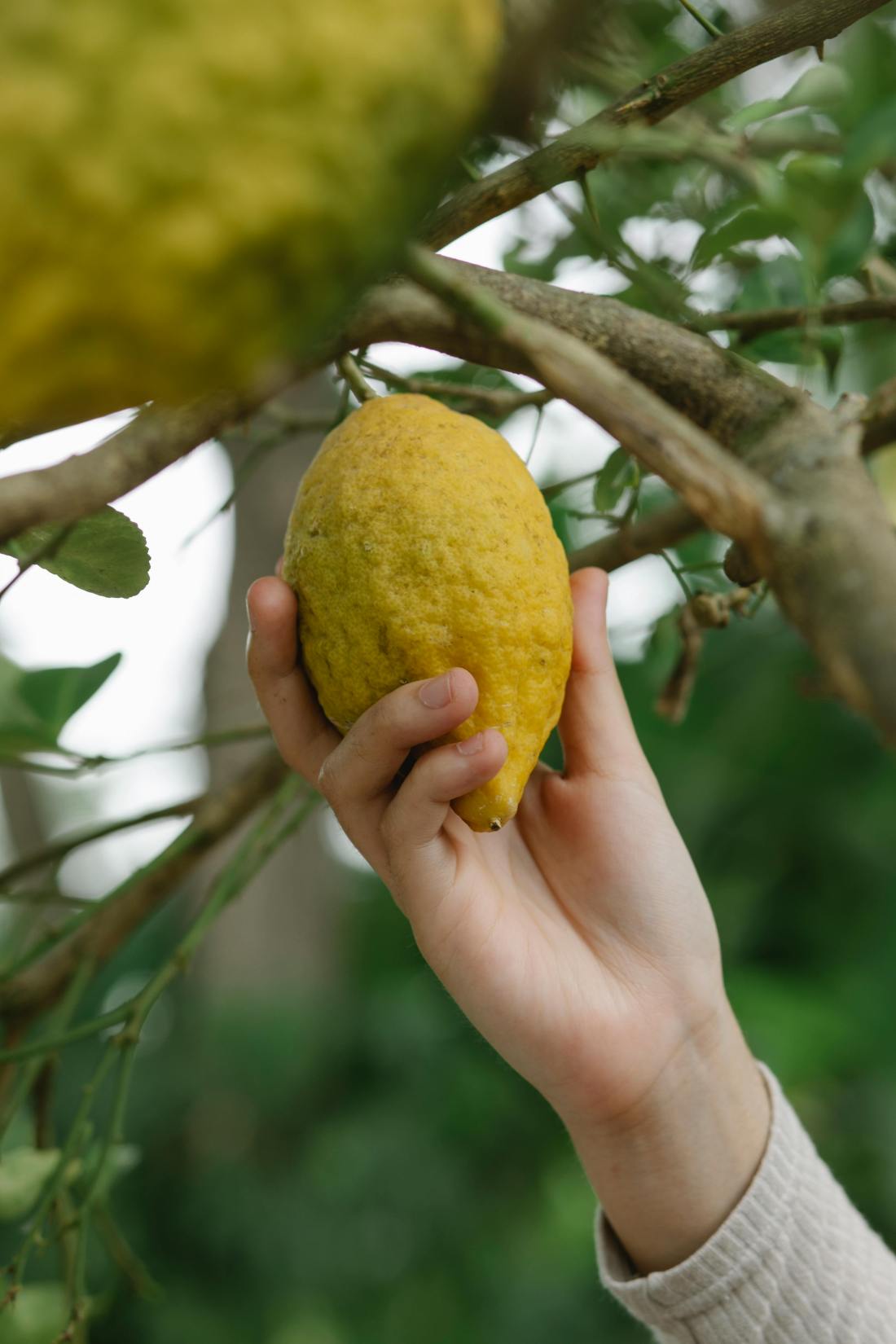
With proper care and patience, your lemon plant will reward you with a bountiful harvest of fresh, juicy fruits. Most lemon varieties take 6-12 months to ripen, depending on environmental conditions and the age of the plant. Harvest lemons when they reach full size and color, giving them a gentle twist to detach them from the branch.

Conclusion

Growing a lemon plant indoors is a fulfilling endeavor that brings the joy of citrus cultivation into your home. By following these expert tips and guidelines, you can cultivate a healthy, productive lemon tree that provides an abundant harvest of homegrown lemons year-round.

Happy Gardening!

Blooming Splendor: Mastering the Art of Growing and Caring Freesia Flowers!

Freesia is a beautiful flower native to South Africa, which blooms in bright colors and releases a delightful citrusy fragrance in late spring and early summer. Its upward-facing blossoms have a tubular shape, and each stem produces 5 to 10 flowers that grow on one side only. The double-flowered hybrids offer an even more stunning display. It’s worth mentioning that the stems turn at right angles just below the lowest flower, which causes the blossoms to face upwards and attract pollinators. This feature makes freesia an excellent choice for floral arrangements.

Table Of Contents

How to Select Freesia Bulbs

When selecting freesia bulbs, opt for firm, plump corms devoid of any soft spots or signs of mold. Look for larger corms as they tend to produce more robust blooms. Ensure they are free from blemishes or cuts, indicating potential damage or disease. Additionally, choose bulbs that feel heavy for their size, indicating good moisture content and vitality, ensuring a promising start to their growth journey.

Where to Plant Freesia

Freesia is a plant native to the hot and dry regions of South Africa and it thrives in similar environments when planted in the garden. It is best grown in hot and dry planting sites such as south-facing foundation gardens, curbside, and sidewalk gardens. Freesia needs cool nights to flower well, so it is important to ensure that it gets the required temperature.

To achieve the best visual effect, plant freesia in clusters of 6 to 10. You can plant them as groups of single colors or mix the colors to create a confetti effect.

How and When to Plant Freesia

If you live in zones 9 or 10, you can plant freesia corms in the fall and enjoy their colorful racemes of flowers in spring. Planting them after the last frost in spring will ensure they bloom in late summer or early fall in cooler zones. Make sure to plant the corms with their pointed ends up, 1 to 2 inches deep, and no more than 2 inches apart.

However, in zones 3 to 8, the tender corms won’t survive the winter. You’ll have to dig them up after they have bloomed and the foliage has shriveled up, but before the first frost. Store them in sand or coconut coir in a cool, dry place at around 55 degrees F until you’re ready to replant them in the spring.

Freesia Care Tips

Light

Freesia thrives in full sun, but can also tolerate light morning shade.

Soil and Water

Freesia thrives in soil that is well-drained, fertile and enriched with organic matter. When planting, avoid overwatering as it can cause the bulbs to rot. Once the bulbs start sprouting, water them regularly but moderately, especially in the absence of rainfall. During the hot summer months, freesia will go dormant and should not be watered until the next growing season.

Temperature and Humidity

Freesia plants are typically hardy in zones 9 and 10. However, if you are in zone 8 and below, their corms will not survive the winter chill, so they need to be grown as an annual. The best time to grow freesia is during cool springtime temperatures between 55 and 60 degrees. These plants can tolerate humid conditions, but they will stop blooming and go dormant if the temperatures rise above 70 degrees F.

Fertilizer

Once the young plants reach a height of 6 inches, start fertilizing them every two weeks with a liquid fertilizer as per the manufacturer’s instructions.

Pruning

Freesias do not require pruning. After blooming, it’s crucial to wait for the narrow, blade-like leaves to turn yellow, wilt, and shrivel completely before removing them. This is when the plant forms new bulblets.


Similar Posts


Potting and Repotting Freesia

Freesia is a beautiful flower that can be grown in containers or planted alongside other annuals and perennials that don’t need too much watering. To grow freesia in containers, start in early spring by filling a 5-inch-tall planting pot with a mixture of lightweight potting soil and compost that drains well. Plant 6 to 8 corms, with their pointed ends up, about 1 inch deep. This will give you a cluster of lush freesias in late summer or early fall. Another option for growing spring-blooming freesia in containers is to plant them in pots during the fall and keep them in a frost-free area where the temperature remains between 55 and 60 degrees Fahrenheit.

Pests and Problems

Insects such as aphids and thrips are attracted to freesia plants. Additionally, snails and slugs may also feed on them. Freesia plants are susceptible to various diseases, including root and stem rot, which develops in wet conditions, dry rot, and fusarium wilt, a type of fungus.

How to Propagate Freesia

Freesias can be best propagated from corms, which are bulb-tuberous underground stems. The size of the corms determines the energy they contain, and subsequently, the size of the flowers they produce. Therefore, when propagating freesias, it is recommended to choose only large and healthy corms.

To propagate the plant, gently remove the corm offsets from the parent plant, making sure that they are not damaged. When planting, keep the corms 2 inches apart or denser, following the instructions for planting freesias.

Note that when propagating freesia from corms, they may not bloom in the first season, unlike newly purchased corms.

Freesia Companion Plants

Freesia is a unique cutting flower that is not commonly grown in home gardens. It is quite expensive at florists, but planting your own freesia can be a great way to enjoy the beauty of a florist shop bouquet from your backyard. You can create a charming garden bouquet by pairing freesia with dahlias, gladiolus, lady’s mantle (Alchemilla mollis), larkspur, cosmos (Cosmos bipinnatus), amaranth, and pincushion flower (scabiosa). When creating a cutting garden, it is recommended to plant in rows for easy care and harvesting all season long. You can also add structure to the planting bed by surrounding it with a low fence.

Cutting and Arrangements of Freesia Flowers

Freesias are known for their elegant blooms and citrusy fragrance, making them a perfect choice for cut flowers that can enhance any floral arrangements with their charm. When harvesting, it is best to wait until the first few buds begin to open but are not fully bloomed yet. Cut the stems at an angle and preferably in the morning or late afternoon. After cutting, immediately place them in lukewarm water to prolong their vase life. To keep them fresh longer, trim the stems every few days under running water, and change the water regularly. Freesias blend beautifully with other garden favorites such as dahlias, gladiolus, and cosmos, adding depth and fragrance to bouquets. Their slender stems and captivating upward-facing flowers make them a favorite for artistic arrangements, ensuring a delightful fragrance graces your indoor spaces while displaying their aesthetic appeal.

Conclusion

Embracing vibrant hues and fragrant blooms, cultivating freesias can enrich outdoor spaces and offer delightful arrangements for indoor displays. These elegant flowers grow gracefully in containers and make stunning cut flowers that captivate with their beauty and charm. Growing, arranging, and savoring freesias can infuse any space with a touch of floral elegance and a citrusy fragrance.

Happy Gardening!

Your Complete Handbook to Cultivating Daffodils!

Introduction

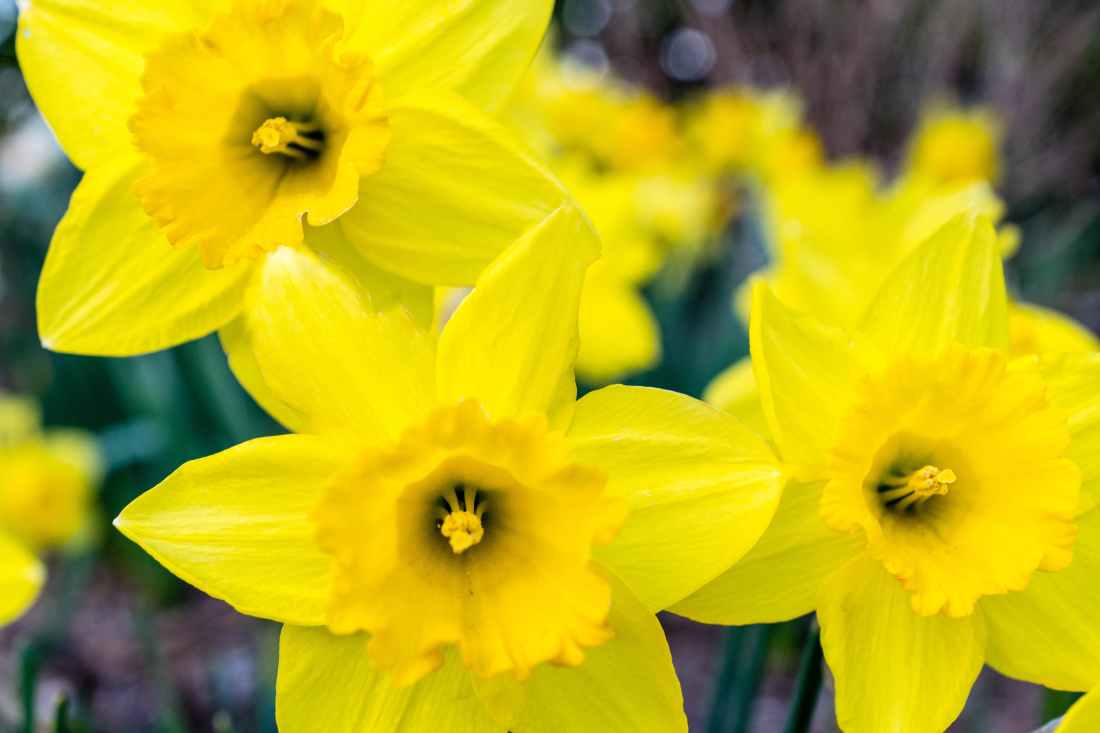
Daffodils, also referred to as Narcissus, are resilient flowering plants that grace gardens with their captivating blooms. These stunning flowers, primarily yellow but also available in white or blends, brighten up the spring landscape, offering a vibrant array of colors ranging from bright yellow to soft pinks and salmons. Their unique characteristics, delightful fragrance, and adaptability make them ideal for container gardening, balconies, and traditional garden beds.

Understanding Daffodils

Daffodils showcase six flower leaves, with sepals on the exterior and actual petals within. These blossoms can appear solitary or double, growing individually or in clusters on a stalk, varying in height from 6 to 20 inches. The sweet aroma emitted by daffodil blooms contributes to their widespread popularity among gardeners.

Selecting the Right Daffodil Varieties

Before embarking on your daffodil journey, consider the variety that suits your preferences. Compact types like ‘Tete-a-Tete’ thrive exceptionally well in containers, providing an enchanting touch to smaller gardening spaces.


Similar Posts


Steps for Planting and Nurturing Daffodils

Planting:

Planting daffodils is a straightforward process. These hardy plants thrive in a wide range of light conditions, from full sun to full shade, adapting well to various soil types, particularly loose and well-drained soil. Enhance the soil’s drainage in denser soils by incorporating ample organic matter before planting.

Care:

Post-planting, ensure adequate moisture until foliage turns yellow, especially in dry weather. During summer, daffodils typically do not require additional watering. After flowering, maintain foliage for at least 6 weeks for healthier bulbs and a tidier appearance in the garden.

Container Planting:

Opting for containers? Choose those with adequate drainage and sufficient depth for bulb growth. Leave a gap between the bulb and pot rim, using a well-draining potting mix enriched with fertilizer. Monitor the bulbs for top growth, usually visible after six to eight weeks, while providing them with cool temperatures they prefer.

Maintaining Daffodils:

In case of underperforming bulbs, consider using low-nitrogen, high-potash fertilizers post-flowering. Ensure watering for late-flowering daffodils in dry spring weather to prevent flower abortion. Additionally, lifting and dividing congested clumps can stimulate healthier growth.

Positioning Containers:

Proper container placement is crucial for daffodil health. Balancing light and temperature to prevent rapid development resulting in floppy shoots is key. ‘Daffodil blindness,’ where leaves grow without flowering, can be addressed by relocating bulbs to a more prominent location once they begin blooming.

Extending the Beauty of Daffodils

As daffodils fade after their blooming period, consider deadheading spent flowers to promote energy conservation within the bulb for the following season’s growth. Allow the foliage to wither naturally, aiding the bulb’s nutrient replenishment process. To support next year’s blooms, consider adding bone meal to the soil after the daffodils have fully faded, ensuring a spectacular floral display year after year.

Embracing Daffodil Magic

Incorporating daffodils into your gardening repertoire brings forth not just vibrant colors but also an enduring sense of joy and natural beauty. Their resilience, coupled with their effortless charm, makes them a perennial favorite among gardeners worldwide. As you delve into the art of daffodil cultivation, revel in the magic they bring to your garden and the promise of spring they herald.

By adhering to these comprehensive steps and care instructions, you’ll ensure the continuity of daffodil cheer in your garden. So, embrace the joy of gardening and witness the beauty of daffodils as they bloom!

Happy Gardening!

Crafting Green Havens: Maximizing Small Spaces for Stunning Gardens!

Introduction

In the realm of limited spaces, transforming a tiny area into a lush garden sanctuary is not only feasible but also rewarding. Small gardens present an opportunity to weave greenery and charm into compact spaces, elevating aesthetics and fostering a sense of tranquility. Here’s a comprehensive guide on creating a flourishing garden in even the smallest of areas.

Assess and Plan:

Start by assessing the available space, considering sunlight exposure, soil quality, and the area’s dimensions. Optimize vertical space with hanging planters or trellises for climbing plants. Sketch a layout, focusing on functionality and aesthetics, and select plants suited for the available light conditions.

Choose the Right Plants:

For small gardens, select plants wisely. Opt for dwarf varieties, container-friendly plants, and those suited to compact environments. Herbs, succulents, dwarf shrubs, and ornamental grasses are excellent choices. Consider planters, raised beds, or vertical gardens to maximize space.

Optimize Vertical Space:

Utilize vertical space efficiently by installing wall-mounted planters, trellises, or shelving units. Cascading plants and climbers add depth and visual appeal while maximizing space. Hanging baskets or wall pockets create a vertical oasis without compromising floor space.

Strategic Arrangement:

Arrange plants strategically, considering their growth habits and aesthetics. Layer plants by height, placing taller ones at the back and shorter ones toward the front. Group plants with similar water and sunlight needs together for efficient care and to create visually appealing clusters.


Similar Posts


Utilize Containers and Raised Beds:

Containers and raised beds are invaluable assets in small gardens. They offer mobility, enable better soil control, and add dimension. Utilize various-sized containers, including window boxes, hanging baskets, and pots, to diversify your garden’s appeal.

Maximize Natural Elements:

Incorporate natural elements such as rocks, pebbles, or driftwood to add texture and interest. Utilize mirrors strategically to create an illusion of space and amplify natural light. Create focal points with statues, birdbaths, or small water features.

Maintenance and Care:

Regular maintenance is crucial for small gardens. Water plants as needed, prune regularly, and remove dead foliage to maintain a neat appearance. Opt for slow-release fertilizers or compost to nourish plants effectively.

Conclusion:

Small spaces need not limit your gardening aspirations. With strategic planning, clever plant selection, and creative utilization of space, you can transform even the tiniest areas into thriving garden retreats.

Crafting a small garden is a delightful venture, allowing you to infuse greenery and serenity into your living space. With a dash of creativity and the right approach, your small garden can blossom into a serene and vibrant oasis. Embrace the opportunity to craft a green haven that not only enhances your surroundings but also offers a slice of natural tranquility.

Happy Gardening!

Terrarium Gardening: A Miniature Oasis of Greenery for Your Home!

In today’s fast-paced world, people are constantly seeking ways to bring nature closer to their lives, even when space and time are limited. Terrarium gardening has emerged as a charming solution, allowing you to create a captivating, miniature ecosystem right in your own home. In this article, we’ll explore the art of terrarium gardening, its benefits, and how to create your own stunning terrarium.

The Enchantment of Terrariums

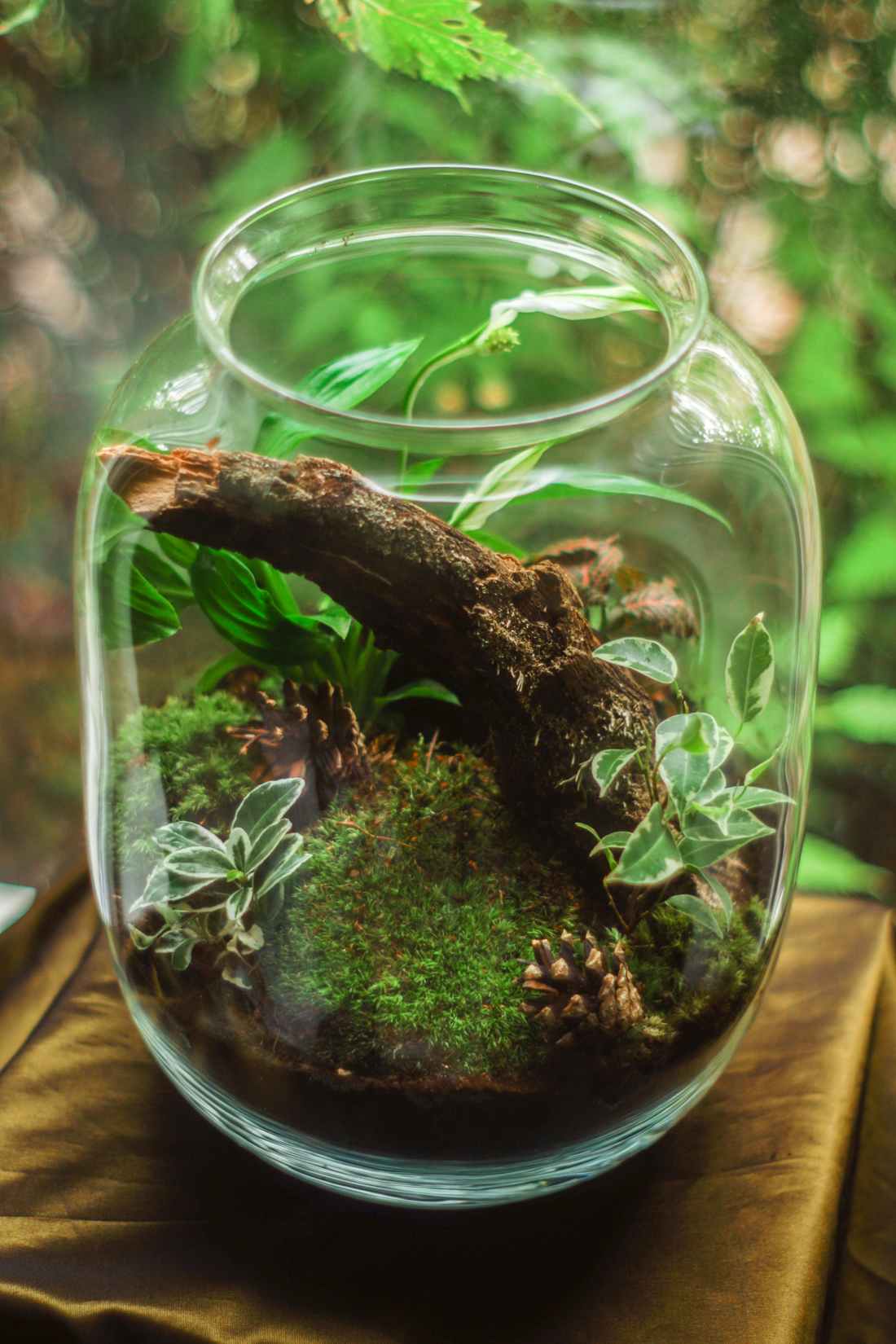
Terrariums are like small, self-contained worlds enclosed within glass containers. These enchanting miniature gardens are captivating not only for their beauty but also for the sense of tranquility they bring. Whether you’re a seasoned green thumb or a novice gardener, terrariums are the perfect way to indulge your love for plants in a compact and manageable space.

Benefits of Terrarium Gardening

1. Low Maintenance

Terrariums are exceptionally low-maintenance compared to traditional outdoor gardens. With their enclosed environment, they require minimal attention and watering. In fact, many terrariums can thrive with just a monthly watering, making them ideal for individuals with busy lifestyles.

2. Year-Round Greenery

Terrariums allow you to enjoy lush greenery year-round, regardless of the season or climate. This is especially appealing to those living in regions with harsh winters or dry summers.

3. Stress Reduction

Studies have shown that indoor plants, including those in terrariums, can reduce stress and promote relaxation. The act of caring for your tiny ecosystem can provide a soothing and rewarding escape from the stresses of daily life.

4. Space-Saving

Terrariums are perfect for those with limited living space. They can be placed on tabletops, windowsills, or even hung from the ceiling, adding a touch of nature to any room without taking up much space.

5. Creativity Unleashed

Creating a terrarium allows you to unleash your creativity. You can personalize your mini garden with various plants, decorative elements, and themes, making each terrarium a unique work of art.


Similar Posts


Building Your Terrarium

Now that you’re excited about the prospect of having your own mini garden, let’s get into the steps of building your terrarium:

Materials You’ll Need:

  • A glass container or jar with a lid or cork stopper.
  • Small pebbles or gravel for drainage.
  • Activated charcoal (available at garden centers) to prevent mold and odors.
  • Potting soil appropriate for your chosen plants.
  • Various small plants are suitable for terrariums (succulents, air plants, ferns, and moss are popular choices).
  • Decorative elements like small figurines, stones, or miniature furniture (optional).
  • Long-handled tweezers or chopsticks for arranging and planting.

Step-by-Step Guide:

  1. Start by placing a layer of small pebbles or gravel at the bottom of your glass container to create a drainage layer. This helps prevent root rot by allowing excess water to collect at the bottom.
  2. Add a thin layer of activated charcoal over the pebbles. This acts as a natural filter, purifying the air inside the terrarium and preventing unpleasant odors.
  3. On top of the charcoal, spread a layer of potting soil. The depth will depend on the size of your container and the types of plants you’re using. Generally, you want enough soil to accommodate the root systems of your chosen plants.
  4. Plant your chosen plants in the soil with caution. Use the long-handled tweezers or chopsticks to position them as desired. Be mindful of the size of your container; overcrowding can lead to plant competition for resources.
  5. Add any decorative elements you like. This is where your creativity can shine. Miniature figurines, small stones, or tiny furniture pieces can enhance the visual appeal of your terrarium.
  6. Water your terrarium sparingly. Overwatering can be a common mistake. Use a spray bottle to mist the soil and plants, or pour a small amount of water into the soil, being careful not to flood the container.
  7. Place the lid or cork stopper on your terrarium to create a closed environment. This will help maintain the humidity levels inside, ensuring that your plants thrive.

Maintaining Your Terrarium

To keep your terrarium healthy and thriving, follow these maintenance tips:

  • Monitor Moisture: Keep an eye on the moisture levels inside the terrarium. If you notice excessive condensation, remove the lid for a few hours to allow excess moisture to evaporate.
  • Trim and Prune: As your plants grow, you may need to trim and prune them to maintain the desired appearance and prevent overcrowding.
  • Rotate: Rotate your terrarium occasionally to ensure all sides receive adequate light and your plants grow evenly.
  • Fertilize Sparingly: Fertilize your terrarium sparingly, as the enclosed environment doesn’t require as much nutrients as outdoor gardens.

Conclusion

Terrarium gardening is a delightful hobby that brings nature’s beauty into your home while providing a sense of tranquility and creativity. Whether you’re a busy urbanite or a seasoned gardener, creating your own mini ecosystem is a rewarding and therapeutic experience. So, why not embark on this green journey and discover the enchanting world of terrariums today? Your miniature oasis of greenery awaits!

Happy Gardening!

Crafting Bonsai Masterpieces: A Step-by-Step Guide to Making Breathtaking Bonsai Trees!

Introduction:

Bonsai, an ancient art form from Japan, is a fascinating way to cultivate miniature trees that has been captivating gardening enthusiasts for centuries. The term “bonsai” comes from the combination of two Japanese words, “Bon” (meaning shallow pan) and “Sai” (meaning plant). By growing trees in shallow containers, their growth is controlled or stunted without starving the plant. A delicate balance between nature and human intervention creates awe-inspiring masterpieces that exude elegance and tranquility. If you’re interested in exploring the world of bonsai, this comprehensive guide will take you through every step of the process, from selecting the right tree to nurturing its growth and shaping it into a living work of art.

1. Start by learning about bonsai.

Research different tree species suitable for bonsai, their care requirements, and the techniques involved in shaping and maintaining them. There are many books, online resources, and local bonsai clubs that can provide valuable information and guidance.

2. Gather Materials:

Collect the necessary materials, including a suitable bonsai pot, bonsai soil mix (usually a mixture of Akadama, pumice, and lava rock), bonsai wire for shaping, pruning tools (sharp scissors, concave cutters, branch cutters), and potentially root rake and tweezers.

3. Choosing the Perfect Bonsai Tree:

Selecting the right tree is the key to successful bonsai making. The most crucial factor to consider when choosing a plant for bonsai is its hardiness. It should be able to withstand the challenges of shallow container growing, harsh training, and root and branch cutting without losing its vitality. A good bonsai specimen should have a natural-looking trunk that complements the container it is grown in. The branches should also have an artistic rhythm that enhances its aesthetic value. Trees with sturdy, thick trunks at ground level are particularly pleasing. Plants that display seasonal changes in growth pattern and flowering are highly prized in bonsai culture.

For instance, trees that produce fruit in one season or alter the color of their leaves in another season all contribute color to the collection.

Some examples include Ficus religiosa, Bombax malabaricum, Callistemon lanceolatus, Kigellia pinnata, Milletia ovalifolia, Punica granatum, Jacaranda mimodsifolia, and F. benghalensis.

4. Starting with Seedlings or Nursery Plants:

For beginners, starting with pre-grown seedlings or nursery plants is recommended. These plants have already undergone some initial growth, making them easier to manage and shape. As you gain experience, you can experiment with growing bonsai from seeds or cuttings.

5. Soil and Pot Selection:

Choosing the right soil mixture is crucial for the health and development of your bonsai. A well-draining soil mix with good water retention capabilities is essential. Additionally, select a pot that complements the size and style of your tree. Bonsai pots are often shallow and have drainage holes to prevent overwatering.

6. Pruning and Shaping:

Pruning is one of the most important techniques in bonsai making. Regularly trim the branches and roots to maintain the desired shape and size. Use bonsai-specific tools like concave cutters and branch cutters for precise cuts. Shaping wires can be gently wrapped around branches to guide their growth and create the desired aesthetics.


Similar Posts


7. Wiring and Styling:

Wiring is a skill that requires practice and finesse. Use aluminum or copper wires to gently bend and position branches. Be cautious not to leave wires on for too long, as they can cut into the bark. As you wire and style your bonsai, strive for natural, balanced proportions that mimic the appearance of mature trees.

8. Watering and Fertilizing:

Proper watering and fertilization are essential for the health of your bonsai. Water your tree when the top layer of soil becomes slightly dry. Fertilize during the growing season to provide the necessary nutrients for growth. Use a balanced liquid fertilizer or specialized bonsai fertilizer according to the manufacturer’s instructions.

9. Repotting:

Bonsai trees require periodic repotting to refresh the soil, trim roots, and encourage new growth. Repot every 1 to 3 years, typically during the spring. Gently remove the tree from its pot, trim the roots, and replant it in fresh soil. Repotting allows your bonsai to thrive and prevents it from becoming root-bound.

10. Patience and Dedication:

Bonsai making is an art that requires patience and dedication. Trees evolve slowly, and achieving the desired results may take years. Regularly observe your bonsai’s growth and make adjustments as necessary. Over time, you’ll develop a deeper understanding of your tree’s unique characteristics and needs.

11. Learn and Adapt:

Bonsai making is an ongoing learning process. Pay attention to how your tree responds to different techniques, environments, and care routines. Adapt your approach based on the tree’s needs and your observations.

12. Join Bonsai Communities:

Engage with local bonsai clubs or online communities. Connecting with fellow enthusiasts can provide you with valuable advice, tips, and a supportive network to share your progress and learn from others’ experiences.

Conclusion:

Crafting a bonsai is a rewarding journey that combines horticulture, artistry, and mindfulness. Through careful cultivation, shaping, and nurturing, you can transform an ordinary tree into a breathtaking work of art that captures the essence of nature’s beauty. As you embark on your bonsai-making adventure, remember that every cut, wire, and bend contributes to the creation of a living masterpiece that will inspire awe for generations to come.

Happy Gardening!

The Ultimate Guide to Container Gardening: Cultivating Greenery in Limited Spaces

Introduction

Container gardening has emerged as a popular and practical gardening solution for urban dwellers and anyone with limited outdoor space. This horticultural trend allows people to cultivate a wide array of plants and vegetables without the need for a large garden plot. Whether you have a tiny balcony, a small patio, or just a windowsill, container gardening offers a green oasis where you can experience the joys of nurturing and enjoying plants first-hand. This thorough manual will delve into the realm of container gardening, offering tips, techniques, and inspiration for creating a thriving mini garden in a confined space.

1.Choose the Right Containers

The foundation of successful container gardening lies in selecting the appropriate containers. Consider the following factors when choosing your pots or planters:

a. Size: Larger containers generally provide better growing conditions since they hold more soil and water, allowing plants to develop robust root systems.

b. Material: Containers come in various materials, including terracotta, plastic, metal, and ceramic. Each material has its pros and cons in terms of water retention, weight, and durability.

c. Drainage: Ensure that your containers have drainage holes to prevent waterlogging, which can lead to root rot.

2.Selecting the Ideal Plants

The key to a flourishing container garden is choosing plants that thrive in confined spaces. Consider the following plant categories:

a. Dwarf Varieties: Look for compact varieties of vegetables, fruits, and ornamental plants, which are bred specifically for container gardening.

b. Herbs: Culinary herbs like basil, mint, rosemary, and thyme are well-suited for containers and can add delightful flavours to your cooking.

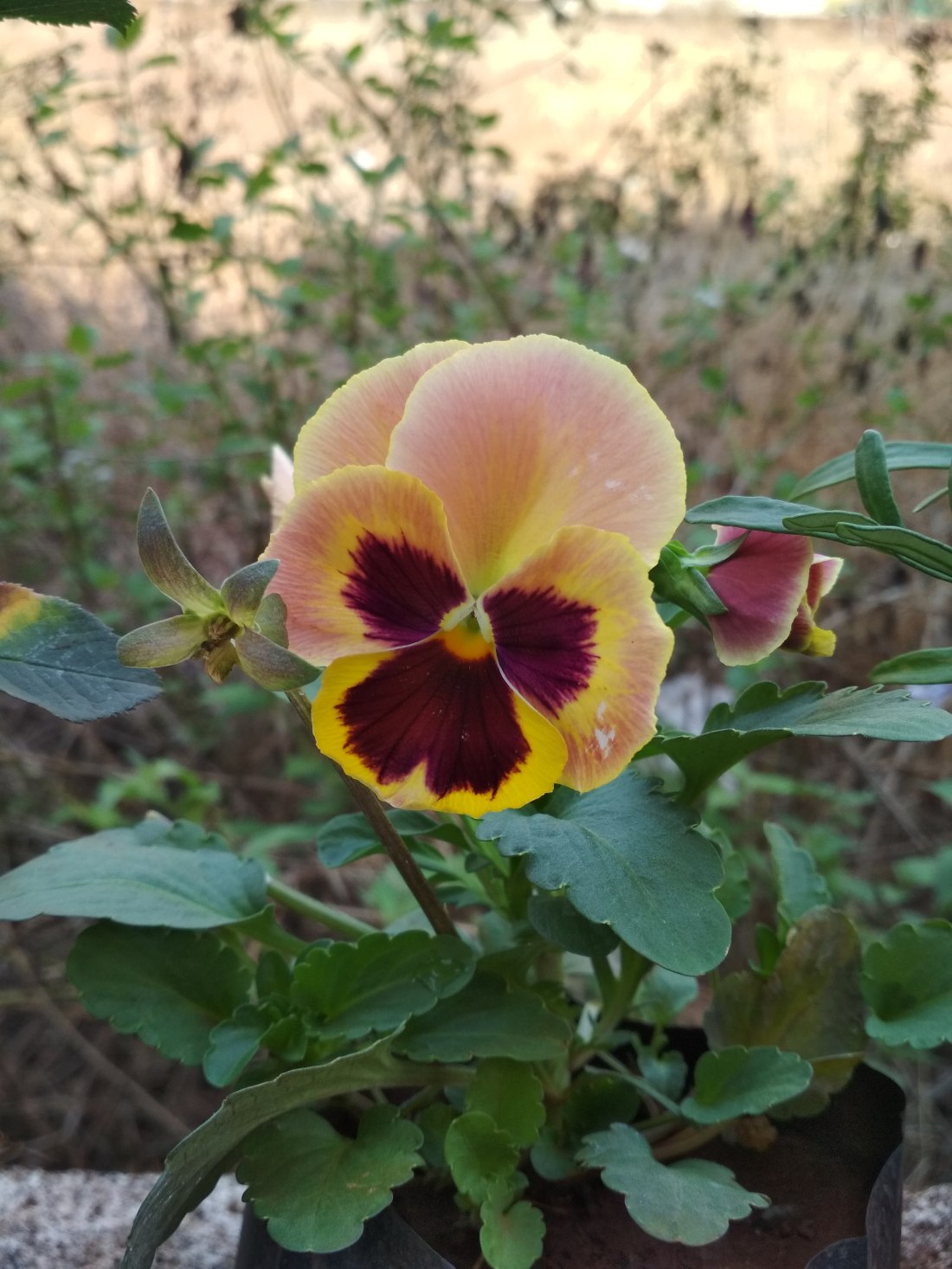
c. Flowers: Opt for colorful blooms like pansies, petunias, marigolds, and geraniums, which add a vibrant touch to your outdoor space.

3.Potting Mix and Fertilizers

Choosing the right potting mix is crucial for container gardening success. Regular garden soil is not suitable since it may compact and impede root growth. Instead, use a high-quality potting mix that provides proper aeration and drainage.

Furthermore, container plants require a consistent supply of nutrients since they quickly deplete the soil. Supplement your garden with organic fertilizers or slow-release granules to ensure steady growth and blooming.

4.Sunlight and Watering

Understanding the sunlight and watering requirements of your plants is essential. Pay close attention to the following factors:

a. Sun Exposure: Position your containers strategically to receive the optimal amount of sunlight, which varies for different plant species.

b. Watering: Container plants typically need more frequent watering than those grown in the ground. Check the soil regularly and water when the top inch becomes dry, ensuring you don’t overwater, which can lead to root issues.

5.Container Garden Design and Layout

Create an attractive and harmonious container garden by considering the layout and design:

a. Vertical Gardening: Utilize wall-mounted planters or hanging baskets to maximize space and add a vertical dimension to your garden.

b. Color Combinations: Choose plants with complementary colours to create eye-catching displays. c. Thrillers, Fillers, and Spillers: Arrange your containers with a focal point plant (thriller), surrounding filler plants, and trailing plants (spillers) to add visual interest.

6.Pest and Disease Management

Container gardens are not immune to pests and diseases. Implement preventive measures like regular inspection, cleaning, and removing debris to reduce the risk of infestations. Consider using natural pest repellents and organic fungicides to protect your plants without harmful chemicals.

7.Maintenance and Pruning

Pruning is essential for maintaining the health and shape of your container plants. Regularly remove dead flowers and leaves to encourage new growth and prolong blooming periods. Additionally, trim back overgrown plants to keep them in check.

Conclusion

Container gardening offers a delightful and rewarding way to connect with nature, regardless of your living situation. By choosing the right containers, plants, and potting mix, and understanding the basics of sunlight, watering, and maintenance, you can create a flourishing and beautiful mini-garden in even the tiniest spaces. Embrace the joy of container gardening and unlock the full potential of your limited outdoor areas, as you experience the wonders of nature first-hand, right at your doorstep. Happy gardening!

Embrace Green Living Indoors: A Comprehensive Guide to Indoor Gardening!

Indoor Gardening refers to growing plants indoors it may be your home, office, or any other enclosed area. Urban regions are now seeing a surge in indoor gardening. It has also become a part of interior design. Plants not only beautify your home but will also improve the quality of the air. It is considered good from Vastu’s point of view also. There are different types of gardening like container gardening, vertical gardening, terrariums, hydroponics, etc. The most common type among them is container gardening which we will be discussing in this article.

Before beginning indoor gardening, there are a few things you need to keep in mind:

Selecting Plants

The selection of indoor plants depends mainly on your house structure. How much space is available, availability of sunlight, movement of people in the house, and purpose of gardening. If you want to grow vegetables, then you can grow plants such as tomatoes, eggplant, onion, and cabbage. These plants require sunlight so you need to keep them in south facing corner of the house or you can keep them in the gallery. If you want to grow herbs, then you can grow basil, ginger, and aloe vera. If you want to grow decorative plants, then you can grow money plants, spider plants, snake plants, English ivy orchids, and bamboo plants.

Placement

The placement of the plant depends on the types of plants and also the convenience of the people in the house. Don’t keep plants in a place where there is regular movement. Also, keep plants away from pets or toddlers. keep a plate below the container so that the excess water want flows over the floor. And empty it frequently to avoid mosquito larvae.

Light Source

Sunlight is very important for the growth of plants. With the help of sunlight, plants prepare their food through a process known as photosynthesis. The requirement for sunlight may be different for different varieties of plants. Plants that require more sunlight should always be placed in south facing direction as I have mentioned earlier. Plants like orchids require indirect sunlight for flowering. These should be kept near the window which gets partial or indirect sunlight.

You can also use an artificial light source such as led light for growing your indoor plants.

Growing Medium

The growing medium is very important in growing any plant. Since you are growing your plants indoors it’s better to use a well-drained potting mix. Avoid using cocopeat as it keeps the soil moist. If you are using it then don’t overwater your plants. The growing medium should be composed of garden soil, vermicompost, and sand(2:2:1). Again the potting ratio and the medium may differ depending on the plants.

Fertilizer

The requirement for indoor plants is less as compared to garden plants, especially for pothos(money plants), spider plants, snake plants, and English ivy. If you are growing vegetables or herbs or flowering plants then you need to fertilize them regularly. Fertilize these plants once in 15 days. Avoid using organic fertilizer. You can use vermicompost. You can also prepare your fertilizer from your kitchen waste.

Pest control

As I mentioned earlier foliage plants like pothos spider plants and snake plants are hardy, they don’t require much care. Only vegetables, herbs, and flowering plants are prone to diseases and get affected by pests. Common types of bugs are aphids, mealy bugs, and caterpillars. As it said precaution is better than cure. It’s better to make your plants resistant to diseases rather than treating infected plants. For these spray dilutes neem oil on leaves twice a month.

Water requirement

This is another factor you need to consider while gardening. As indoor plants require very less sunlight the water requirement will also be less. You can water them once in two days. Aloe vera and orchids require very less water. You can water these plants once a week. For orchids, you can put ice cubes.

Repotting

Repotting is required if the plant becomes weak or it grows too big. If your plants suddenly start shedding leaves or the leaves become yellow or the plant doesn’t grow or flower then it’s better to report the plants. after removing the plants from the container check their roots. If the roots are rotted then cut those roots and dip them in water containing fungicide or you can simply clean them by rubbing them with cotton dipped in neem oil. Keep it in a shade for a day then report it.

Types Of Indoor Plants

You can grow anything indoors if you provide proper light, potting mix, and fertilizer. But it is difficult and a little costly to do so. Therefore I am listing some indoor plants which you can grow easily in your house or office.

Foliage Plants

  • Money Plant
  • Peace Lily
  • Spider Plant
  • Rubber Plant
  • Ficus Plant

Flowering Plants

  • Orchid
  • Hoya carnosa
  • Anthurium
  • Christmas Cactus
  • Kalanchoe

These plants require a sufficient amount of sunlight for flowering. So keep these plants in a south-facing window or on your balcony

Herbs or Medicinal Plants

  • Tulsi/Basil
  • Alovera
  • Mint
  • Ginger
  • Garlic

Vegetables

  • Pepper
  • Tomato
  • Potato
  • Brinjal
  • Beans
  • Lady’s Finger
  • Onion

These plants also require a good amount of sunlight, so it’s better to keep them on a balcony that gets good sunlight.

The first two categories of plants are good for beginners. After getting some experience start growing the last two categories of plants.

Benefits Of Indoor Gardening

1. The first benefit is you can grow any Grow Anything At any time irrespective of the weather.

2. Indoor plants improve air quality by taking carbon dioxide and giving out oxygen. Plants like peace lilies, pothos, and spider plants also absorb toxins.

3. The temperature of the house is lowered by indoor plants.

4.Plants are theraupatic.They help in reducing stress levels.

5. Plants increase productivity by sharpening our focus.

Now you must have come to know the vast benefits of indoor gardening. So start your indoor garden by buying your first plant. All The Best.

Happy Gardening!!!