Succession Planting: A Guide to Continuous Harvests in Your Garden!

Introduction:

Succession planting is a gardening strategy where crops are planted at intervals to ensure a continuous harvest throughout the growing season. This technique maximizes yield, optimizes garden space, and extends the harvest period, allowing gardeners to enjoy a bountiful supply of fresh produce over an extended period. In this article, we’ll explore the benefits of succession planting, how to implement it, and tips for success.

Benefits of Succession Planting

1. Continuous Harvest

Succession planting ensures a steady supply of fresh produce by staggering planting dates. This allows gardeners to enjoy a continuous harvest rather than a glut of produce all at once, reducing waste and maximizing enjoyment.

2. Maximizes Garden Space

By carefully planning planting dates and utilizing garden space efficiently, succession planting allows you to grow more crops in the same area. This is particularly beneficial for small gardens or limited spaces where maximizing yield is essential.

3. Improves Soil Health

Planting a variety of crops and incorporating cover crops during intervals can help improve soil health. Different plants have varying nutrient needs, and succession planting can help balance soil fertility, reduce soil erosion, and enhance microbial activity.

4. Reduces Pests and Diseases

Continuous planting disrupts the life cycle of pests and diseases, reducing their impact on your garden. By removing old plants and replacing them with new ones, you can minimize pest infestations and disease outbreaks.


Similar Posts:


How to Implement Succession Planting

1. Plan Your Garden Layout

Before you start, plan your garden layout carefully. Consider the mature size and spacing requirements of your crops, and plan succession intervals accordingly. Research companion planting to find combinations that work well together and maximize space.

2. Understand Planting Intervals

Research the growth cycle of your crops to determine the ideal planting intervals. Some crops, like lettuce and radishes, have quick growth cycles and can be planted every few weeks. Others, like tomatoes and peppers, have longer growing seasons and may only allow for one or two successions.

3. Use a Garden Calendar

Maintain a garden calendar to track planting dates, harvest times, and succession intervals. This will help you stay organized and ensure a continuous supply of fresh produce throughout the growing season.

4. Rotate Crops

Crop rotation helps minimize pest and disease issues and stops soil erosion. To ensure a balanced nutrient profile and healthier plants, plan your planting calendar such that crops are rotated annually.

Tips for Successful Succession Planting

1. Choose Complementary Crops

Select crops that complement each other in terms of growth rate and nutrient needs. For example, planting fast-growing radishes between slower-growing carrots can help maximize space and yield.

2. Plant Quick-Growing Crops

Include quick-growing crops like lettuce, radishes, and spinach in your succession planting plan. These crops can be planted multiple times throughout the season, providing a continuous harvest.

3. Optimize Soil Fertility

Incorporate cover crops or green manures during intervals to improve soil fertility and structure. This can help balance soil nutrients and enhance microbial activity, promoting healthier plants and higher yields.

4. Monitor and Maintain

Regularly monitor your garden to ensure plants are thriving and address any issues promptly. Inspect plants for nutrient deficiencies, pest or disease issues, and adjust watering and fertilization as required.

Conclusion:

Succession planting is a valuable gardening technique that allows you to enjoy a continuous harvest throughout the growing season. By carefully planning your garden layout, understanding planting intervals, and following these tips and strategies, you can create a productive and thriving garden that provides a bountiful harvest from spring to fall.

Happy Gardening!
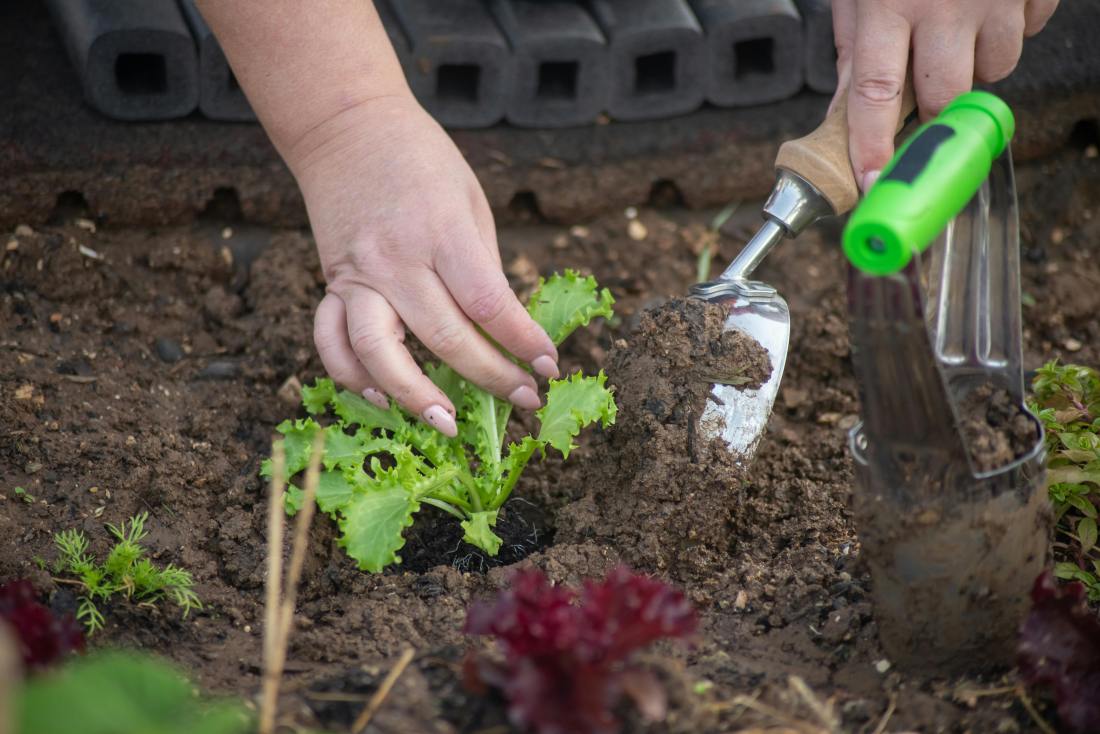
Intensive Planting: Maximizing Yield in Your Garden!

Introduction:

Intensive planting, also known as close planting or square foot gardening, is a gardening technique that focuses on planting crops more densely than in traditional gardening methods. This approach allows gardeners to make the most out of limited space, increase yields, and reduce maintenance efforts. In this article, we’ll delve into the benefits of intensive planting, how to implement it, and tips for success.

Benefits of Intensive Planting

1. Maximizes Space

Intensive planting is all about making the most of your garden’s space. By planting crops closer together, you can grow more in the same area, making it ideal for small gardens, urban spaces, or even container gardening.

2. Increases Yields

Higher planting density can lead to increased yields. When plants are grown closely together, they create a microclimate that helps retain moisture, reduce weed growth, and maximize nutrient uptake, resulting in healthier and more productive plants.

3. Reduces Weeds

The dense foliage created by intensive planting shades the soil, reducing weed growth and competition. This you will get more time enjoying your garden and less time on weeding.

4. Improves Soil Health

Intensive planting encourages strong root development, which helps aerate the soil and improve its structure. The close proximity of plants also leads to a faster canopy cover, reducing soil erosion and improving moisture retention.

How to Implement Intensive Planting

1. Plan Your Garden Layout

It’s crucial to thoroughly plan your garden’s layout before you start planting. Consider the mature size of your plants and their spacing requirements. Research companion planting to find combinations that work well together and maximize space.

2. Prepare the Soil

Healthy soil is essential for a successful garden. Increasing the number of plants in an area will result in more competition for essential resources such as water and nutrients. So before planting, amend your soil with organic matter like vermicompost or aged cow manure to improve its overall structure and fertility. Make sure there is adequate drainage to avoid waterlogging. Waterlogging can cause root rot, which can harm your plants.

3. Use Raised Beds or Containers

Raised beds and containers are excellent options for intensive planting. They allow you to control soil quality, improve drainage, and concentrate plants in specific areas. Plus, they can be placed in sunny spots, patios, or even rooftops, expanding your growing space.

4. Plant Closely, But Not Too Close

While the goal is to plant densely, it’s essential not to overcrowd plants. Follow spacing recommendations on seed packets or plant labels, adjusting based on your garden’s size and layout. Consider staggered or offset planting for rows to maximize space further. Consider planting symbiotic plants that can mutually benefit each other in growth and fruit production.


Similar Posts:


Tips for Successful Intensive Planting

1. Rotate Crops

Crop rotation is essential in intensive planting to prevent soil depletion and reduce pest and disease problems. Plan your planting schedule to rotate crops annually, ensuring a balanced nutrient profile and healthier plants.

2. Mulch

Mulching is beneficial in intensive planting as it helps retain moisture, suppress weeds, and regulate soil temperature. Use organic mulches like straw, wood chips, or leaves to create a protective layer around your plants.

3. Monitor and Maintain

Regular monitoring is crucial in intensive planting to ensure plants are thriving and address any issues promptly. Check for signs of nutrient deficiencies, pest or disease problems, and adjust watering and fertilization as needed.

4. Harvest Promptly

Harvesting promptly encourages continuous production and prevents overcrowding. Regular harvesting also ensures plants have enough space to grow and reduces competition for nutrients and sunlight.

Conclusion:

Intensive planting offers a practical and efficient approach to gardening, allowing you to make the most out of your garden’s space while increasing yields and reducing maintenance. By carefully planning your garden layout, preparing the soil, and following these tips and strategies, you can create a productive and thriving garden that provides a bountiful harvest throughout the growing season.

Happy Gardening!