Unveiling the Splendor: A Guide to Growing Summer Flower Bulbs!

Introduction:

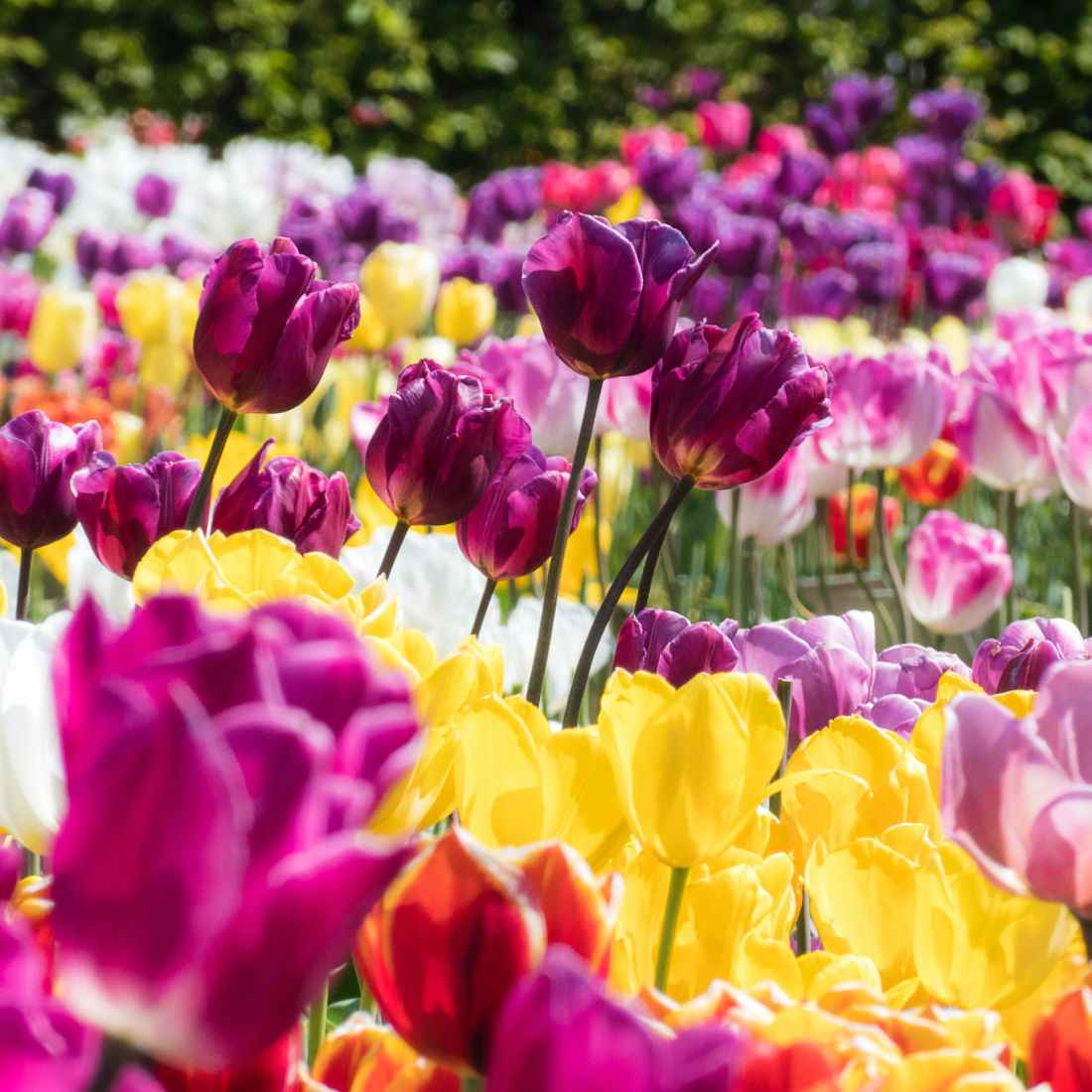
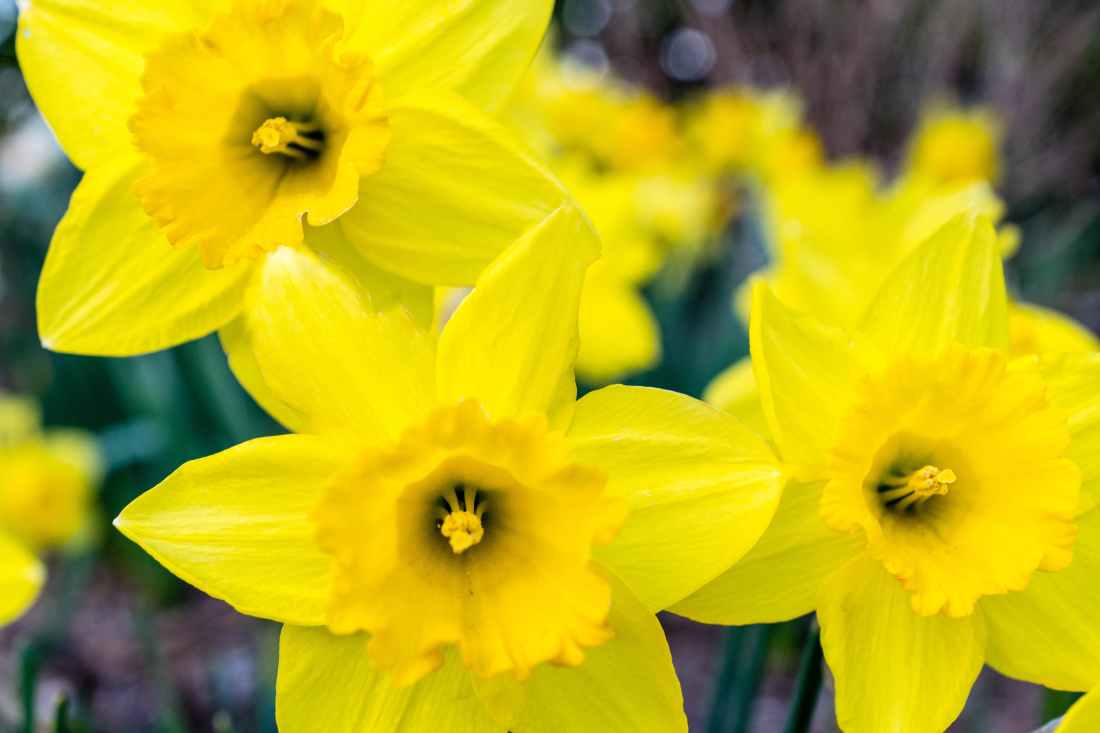
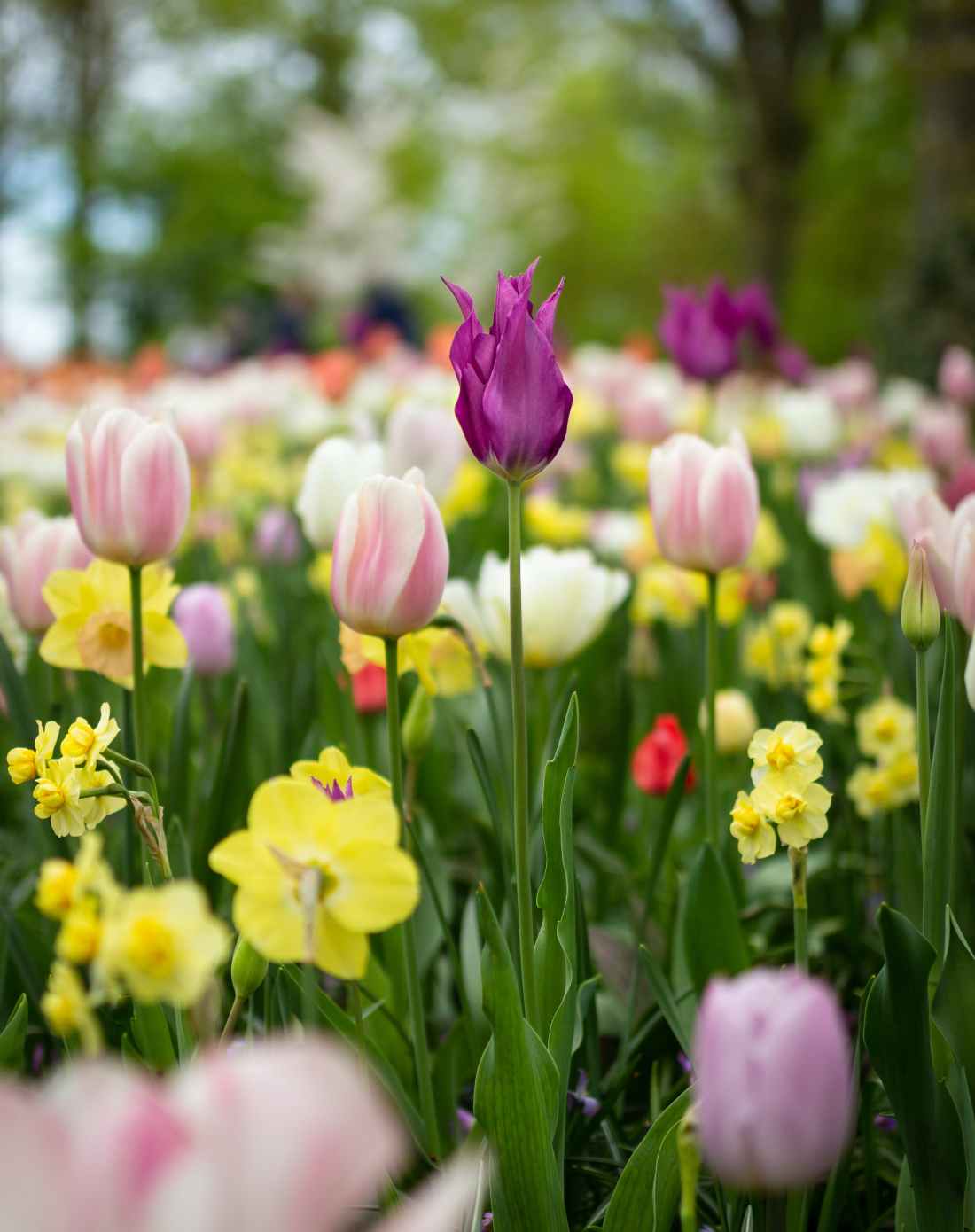
Summer is a time of vibrant colors and blooming beauty, and what better way to adorn your garden than with a dazzling array of summer flower bulbs? From the elegant lilies to the cheerful dahlias, there’s a summer bulb for every garden style and preference. In this comprehensive guide, we’ll explore the fascinating world of summer flower bulbs and discover how to grow and care for these enchanting blooms in your garden.

Understanding Summer Flower Bulbs

Summer flower bulbs are underground storage structures that contain the embryonic plants and nutrients needed for growth. Unlike seeds, bulbs produce new shoots and roots from within themselves, giving them a head start on the growing season. Many popular summer flowers, such as Asiatic lilies, calla lilies, and dahlias, grow from bulbs and tubers.

Choosing the Right Bulbs

When selecting summer flower bulbs for your garden, consider factors such as bloom time, color, size, and growing conditions. Some popular types of summer flower bulbs to consider include:

Lilies: Known for their elegant, trumpet-shaped flowers and intoxicating fragrance, lilies are a classic addition to any summer garden. Choose from a variety of colors and sizes, including Asiatic, Oriental, and hybrid lilies.

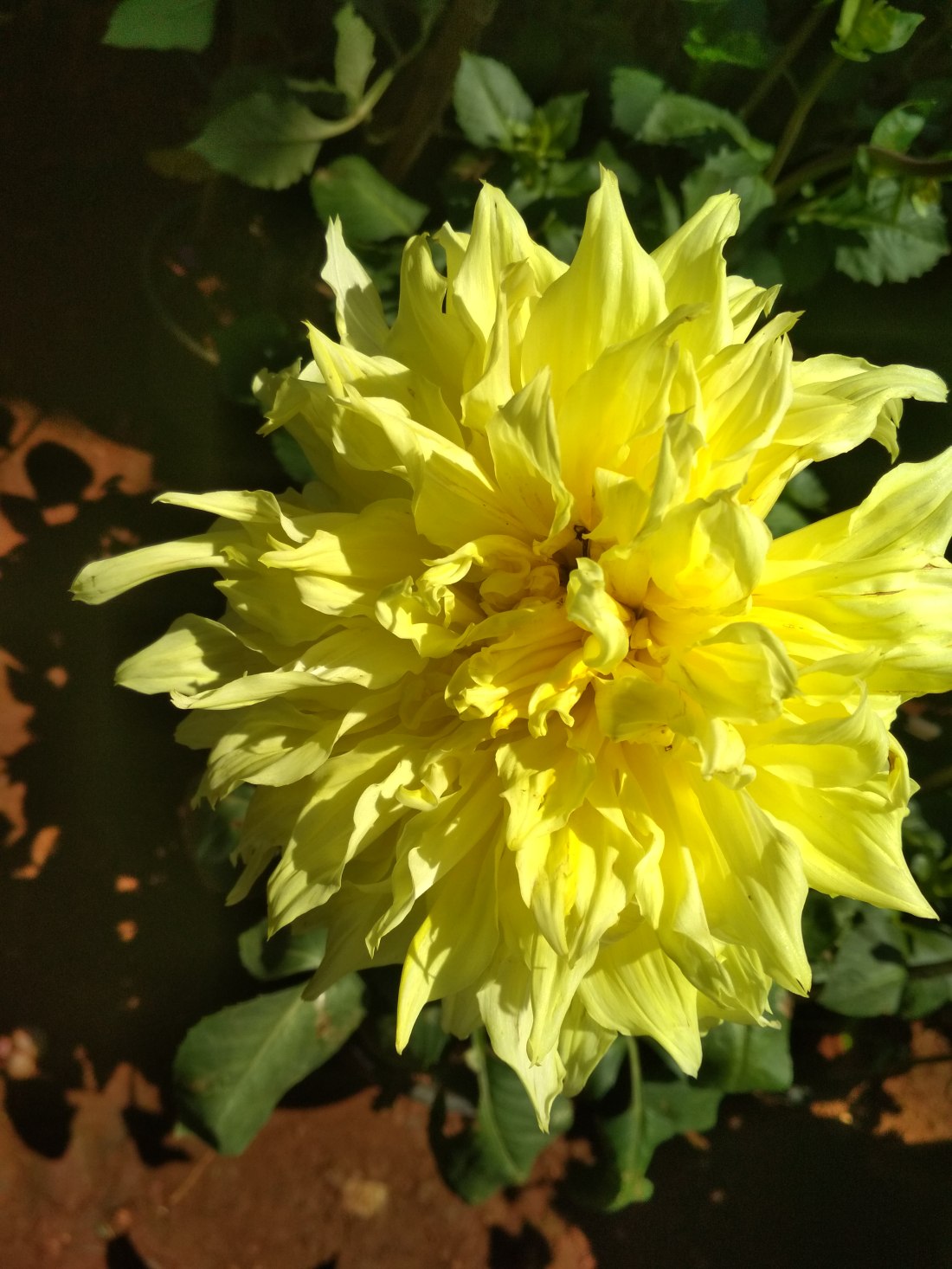
Dahlias: With their showy, dinner-plate-sized blooms and vibrant colors, dahlias add drama and flair to summer gardens. From pompon to cactus varieties, there’s a dahlia to suit every taste and garden style.

Calla Lilies: Elegant and graceful, calla lilies are prized for their sculptural blooms and glossy, arrow-shaped foliage. Available in a range of colors, including white, pink, yellow, and purple, calla lilies add a touch of sophistication to summer gardens. Plant them in borders or containers for a stunning focal point that will dazzle throughout the season.

Cannas: Loved for their tropical foliage and bold, exotic flowers, cannas are a popular choice for summer gardens. Plant them in containers or along borders for a striking burst of color and texture.


Similar Posts:


Planting Summer Flower Bulbs

Plant summer flower bulbs in spring after the danger of frost has passed and the soil has warmed up. Follow these steps for successful bulb planting:

Choose a Location: Select a sunny spot with well-draining soil for planting summer flower bulbs. Avoid regions susceptible to waterlogging or inadequate drainage.

Prepare the Soil: Loosen the soil to a depth of 8-10 inches and incorporate organic matter such as compost or aged manure to improve soil structure and fertility. Add cocopeat to retain moisture in the soil.

Planting Depth: Follow the planting depth recommendations for each type of bulb, as planting depths can vary depending on the species. It is generally recommended to plant bulbs at a depth that is three times their diameter.

Spacing: Space bulbs according to the recommended spacing guidelines for each species, ensuring adequate room for growth and air circulation.

Watering: Water newly planted bulbs thoroughly to settle the soil and provide moisture for root establishment. Continue watering throughout the growing season for optimal growth and good blooms.

Caring for Summer Flower Bulbs

Once planted, summer flower bulbs require minimal maintenance to thrive. Here are some tips for caring for your summer bulb garden:

Mulching: Apply a layer of organic mulch such as shredded bark or straw around newly planted bulbs to conserve moisture, suppress weeds, and regulate soil temperature.

Fertilizing: Feed summer flower bulbs with a balanced fertilizer or bulb-specific fertilizer in spring as new growth emerges. Repeat applications every 4-6 weeks during the growing season to promote healthy foliage and abundant blooms.

Deadheading: Regularly removing spent flowers promotes continuous blooming and prevents seed pod formation. Deadheading also helps redirect energy back into bulb storage for the following year’s growth.

Staking: Stake tall or top-heavy varieties such as gladioli and dahlias to prevent them from flopping over in strong winds or heavy rain.

Conclusion:

With their stunning colors, diverse forms, and delightful fragrances, summer flower bulbs are a must-have addition to any garden. By selecting the right bulbs, providing optimal growing conditions, and practicing proper care and maintenance, you can enjoy a spectacular display of blooms all summer long. Follow the tips outlined in this guide, and let your garden come alive with the beauty of summer flower bulbs!

Happy Gardening!
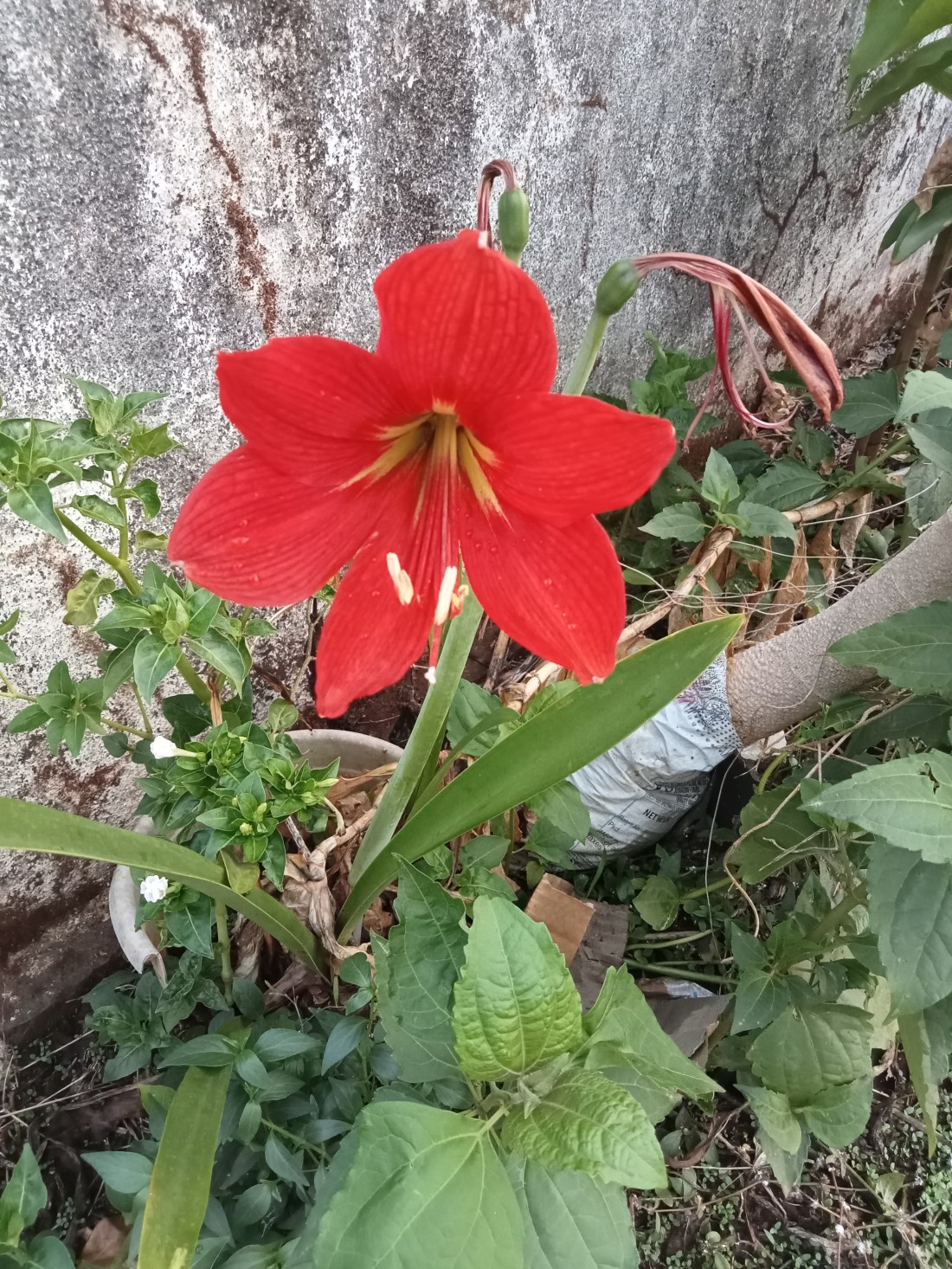
Amaryllis Growing Guide: Cultivating Elegance Indoors!

Introduction:

Amaryllis, with its striking blooms and effortless elegance, is a favorite among indoor plant enthusiasts. Known for its vibrant colors and easy care, this beautiful plant can brighten up any room, especially during the winter months when outdoor gardening is limited. Whether you’re a seasoned gardener or a beginner, growing Amaryllis can be a rewarding experience. In this guide, we’ll walk you through the steps to successfully grow and care for this stunning plant.

Choosing the Right Bulb

The journey to growing a beautiful Amaryllis starts with selecting the right bulb. When buying bulbs, look for ones that are firm, plump, and free from mold or blemishes. Larger bulbs often produce more flowers, so opt for bulbs that are at least 2-3 inches in diameter.

Planting Your Amaryllis

Choosing a Container: Amaryllis bulbs don’t require deep pots. Choose a pot that’s about 1-2 inches wider than the bulb to allow for growth.

Soil: Use a well-draining potting mix.A blend of peat moss, perlite, and compost proves to be effective. Avoid using soil from your garden, as it may not provide the right balance of nutrients and drainage.

Planting: Place the bulb in the pot with the pointed end facing up. Leave the top third of the bulb exposed above the soil. Firmly pack the soil around the bulb to provide support.

Watering and Care

Initial Watering: After planting, give your Amaryllis a thorough watering. Irrigate the plant until the surplus water flows out from the bottom of the pot.

Watering Frequency: Amaryllis prefers to dry out between waterings. Water sparingly until you see new growth, then increase the frequency. Overwatering can lead to bulb rot, so it’s essential to find the right balance.

Light: Place your Amaryllis in a bright location with indirect sunlight. Occasionally rotating the pot ensures even growth. Too little light can result in leggy growth, while too much direct sunlight can scorch the leaves.

Temperature: Amaryllis prefers temperatures between 60-75°F (15-24°C). Avoid placing it near drafts or heaters, as extreme temperature fluctuations can stress the plant.

Fertilizing

To encourage healthy growth and abundant blooms, fertilize your Amaryllis regularly during the growing season. Apply a balanced fertilizer containing equal parts of nitrogen, phosphorus, and potassium. Start fertilizing when new growth appears and continue every 2-4 weeks.

Supporting Blooms

As your Amaryllis grows, it may require some support to prevent the flowers from drooping. Use bamboo stakes or decorative supports to gently prop up the stems.

Post-Blooming Care

After your Amaryllis has finished blooming, it will enter a dormant period. Here are the steps for its care during this period:

Stop Fertilizing: Once the flowers fade, stop fertilizing your Amaryllis.

Watering: Reduce watering gradually as the leaves turn yellow and die back. Eventually, the plant will go into dormancy.

Dormancy: During dormancy, it’s essential to keep the bulb dry. You can either leave it in the pot or remove it, clean off any remaining soil, and store it in a cool, dark place until it’s time to replant.

Reblooming Your Amaryllis

With proper care, your Amaryllis can rebloom year after year. To encourage reblooming:

Repotting: Every 2-3 years, repot your Amaryllis bulb in fresh soil.

Forcing Dormancy: If you want your Amaryllis to bloom again around the holidays, you can force it into dormancy by cutting back on watering and placing it in a cool, dark place for 8-10 weeks.

Restarting Growth: After the dormant period, bring your Amaryllis back into a bright, warm location, resume watering, and watch as new growth appears.

Conclusion

Growing Amaryllis is a delightful and rewarding experience. With its vibrant blooms and minimal care requirements, it’s a perfect choice for both novice and experienced gardeners alike. By following these tips and guidelines, you’ll be well on your way to enjoying the beauty of Amaryllis in your home year after year.

Happy Gardening!

Blooming Splendor: Mastering the Art of Growing and Caring Freesia Flowers!

Freesia is a beautiful flower native to South Africa, which blooms in bright colors and releases a delightful citrusy fragrance in late spring and early summer. Its upward-facing blossoms have a tubular shape, and each stem produces 5 to 10 flowers that grow on one side only. The double-flowered hybrids offer an even more stunning display. It’s worth mentioning that the stems turn at right angles just below the lowest flower, which causes the blossoms to face upwards and attract pollinators. This feature makes freesia an excellent choice for floral arrangements.

Table Of Contents

How to Select Freesia Bulbs

When selecting freesia bulbs, opt for firm, plump corms devoid of any soft spots or signs of mold. Look for larger corms as they tend to produce more robust blooms. Ensure they are free from blemishes or cuts, indicating potential damage or disease. Additionally, choose bulbs that feel heavy for their size, indicating good moisture content and vitality, ensuring a promising start to their growth journey.

Where to Plant Freesia

Freesia is a plant native to the hot and dry regions of South Africa and it thrives in similar environments when planted in the garden. It is best grown in hot and dry planting sites such as south-facing foundation gardens, curbside, and sidewalk gardens. Freesia needs cool nights to flower well, so it is important to ensure that it gets the required temperature.

To achieve the best visual effect, plant freesia in clusters of 6 to 10. You can plant them as groups of single colors or mix the colors to create a confetti effect.

How and When to Plant Freesia

If you live in zones 9 or 10, you can plant freesia corms in the fall and enjoy their colorful racemes of flowers in spring. Planting them after the last frost in spring will ensure they bloom in late summer or early fall in cooler zones. Make sure to plant the corms with their pointed ends up, 1 to 2 inches deep, and no more than 2 inches apart.

However, in zones 3 to 8, the tender corms won’t survive the winter. You’ll have to dig them up after they have bloomed and the foliage has shriveled up, but before the first frost. Store them in sand or coconut coir in a cool, dry place at around 55 degrees F until you’re ready to replant them in the spring.

Freesia Care Tips

Light

Freesia thrives in full sun, but can also tolerate light morning shade.

Soil and Water

Freesia thrives in soil that is well-drained, fertile and enriched with organic matter. When planting, avoid overwatering as it can cause the bulbs to rot. Once the bulbs start sprouting, water them regularly but moderately, especially in the absence of rainfall. During the hot summer months, freesia will go dormant and should not be watered until the next growing season.

Temperature and Humidity

Freesia plants are typically hardy in zones 9 and 10. However, if you are in zone 8 and below, their corms will not survive the winter chill, so they need to be grown as an annual. The best time to grow freesia is during cool springtime temperatures between 55 and 60 degrees. These plants can tolerate humid conditions, but they will stop blooming and go dormant if the temperatures rise above 70 degrees F.

Fertilizer

Once the young plants reach a height of 6 inches, start fertilizing them every two weeks with a liquid fertilizer as per the manufacturer’s instructions.

Pruning

Freesias do not require pruning. After blooming, it’s crucial to wait for the narrow, blade-like leaves to turn yellow, wilt, and shrivel completely before removing them. This is when the plant forms new bulblets.


Similar Posts


Potting and Repotting Freesia

Freesia is a beautiful flower that can be grown in containers or planted alongside other annuals and perennials that don’t need too much watering. To grow freesia in containers, start in early spring by filling a 5-inch-tall planting pot with a mixture of lightweight potting soil and compost that drains well. Plant 6 to 8 corms, with their pointed ends up, about 1 inch deep. This will give you a cluster of lush freesias in late summer or early fall. Another option for growing spring-blooming freesia in containers is to plant them in pots during the fall and keep them in a frost-free area where the temperature remains between 55 and 60 degrees Fahrenheit.

Pests and Problems

Insects such as aphids and thrips are attracted to freesia plants. Additionally, snails and slugs may also feed on them. Freesia plants are susceptible to various diseases, including root and stem rot, which develops in wet conditions, dry rot, and fusarium wilt, a type of fungus.

How to Propagate Freesia

Freesias can be best propagated from corms, which are bulb-tuberous underground stems. The size of the corms determines the energy they contain, and subsequently, the size of the flowers they produce. Therefore, when propagating freesias, it is recommended to choose only large and healthy corms.

To propagate the plant, gently remove the corm offsets from the parent plant, making sure that they are not damaged. When planting, keep the corms 2 inches apart or denser, following the instructions for planting freesias.

Note that when propagating freesia from corms, they may not bloom in the first season, unlike newly purchased corms.

Freesia Companion Plants

Freesia is a unique cutting flower that is not commonly grown in home gardens. It is quite expensive at florists, but planting your own freesia can be a great way to enjoy the beauty of a florist shop bouquet from your backyard. You can create a charming garden bouquet by pairing freesia with dahlias, gladiolus, lady’s mantle (Alchemilla mollis), larkspur, cosmos (Cosmos bipinnatus), amaranth, and pincushion flower (scabiosa). When creating a cutting garden, it is recommended to plant in rows for easy care and harvesting all season long. You can also add structure to the planting bed by surrounding it with a low fence.

Cutting and Arrangements of Freesia Flowers

Freesias are known for their elegant blooms and citrusy fragrance, making them a perfect choice for cut flowers that can enhance any floral arrangements with their charm. When harvesting, it is best to wait until the first few buds begin to open but are not fully bloomed yet. Cut the stems at an angle and preferably in the morning or late afternoon. After cutting, immediately place them in lukewarm water to prolong their vase life. To keep them fresh longer, trim the stems every few days under running water, and change the water regularly. Freesias blend beautifully with other garden favorites such as dahlias, gladiolus, and cosmos, adding depth and fragrance to bouquets. Their slender stems and captivating upward-facing flowers make them a favorite for artistic arrangements, ensuring a delightful fragrance graces your indoor spaces while displaying their aesthetic appeal.

Conclusion

Embracing vibrant hues and fragrant blooms, cultivating freesias can enrich outdoor spaces and offer delightful arrangements for indoor displays. These elegant flowers grow gracefully in containers and make stunning cut flowers that captivate with their beauty and charm. Growing, arranging, and savoring freesias can infuse any space with a touch of floral elegance and a citrusy fragrance.

Happy Gardening!

Choosing the Perfect Tulips for Your Garden!

Introduction

Tulips, with their vibrant colors and elegant structure, are a delightful addition to any garden. While their beauty is undeniable, choosing the right tulips and understanding how to care for them is crucial for a flourishing display. From selecting the varieties to nurturing them through seasons, here’s a comprehensive guide to help you pick and cultivate the perfect tulips for your landscape.

Understanding Varieties: Hybrid vs. Species Tulips

The tulips you commonly encounter, often found in garden centers, are hybrid tulips. They offer stunning displays but typically need annual replacement for optimal results. On the other hand, species tulips, hardy in zones 4 to 7, possess perennial characteristics, returning year after year given the right conditions. These shorter tulips boast smaller flowers with distinct, pointed petals.

Blooming Time Matters

Tulips have varying flowering durations, with early, mid, and late-season varieties. To ensure an extended and continuous bloom, opt for a mix of tulips from each category when making your selections. This thoughtful curation guarantees a prolonged and captivating showcase in your garden.

Planting Essentials: Location, Timing, and Soil

Tulips thrive in full sun, requiring at least six hours of direct sunlight daily. They also favor well-draining soil, making them ideal for rock gardens. Planting occurs in the fall, with timing dependent on your climate zone. Ensure the soil has cooled from the summer heat before planting. If your area doesn’t experience adequate chilling temperatures, consider pre-cooled bulbs for successful growth.

Soil Preparation and Planting Technique

Prepare the planting area by incorporating nutrient-rich soil (Soil: Vermicompost: Cocopeat). Mixing this soil with the native one promotes robust root development, essential for a splendid spring bloom. When planting, group tulips in sets of ten or more, burying each bulb eight inches deep with the pointy end facing upwards. Optimal spacing allows for a captivating display. Thorough watering after planting is crucial for initial growth.


Similar Posts


Potted Tulip Care

Growing tulips in containers is effortless. Plant bulbs at a depth of eight inches, and ensure the container is moved to a cool, dry location before the first frost. When outdoor growth begins, relocate the pot to a sunny spot and maintain regular watering.

Watering and Feeding

Water tulips upon planting and then weekly for the first month. Resume watering in spring when foliage emerges. Feeding post-flowering with plant food supports nutrient storage for the next season. Apply this feed again in late fall before dormancy.

Maximizing Indoor Enjoyment

To enjoy tulips indoors, cut them when the buds are tight and place them in room-temperature water in a clean vase. Adding preservatives to the water extends their lifespan, and trimming the stems periodically maintains their elegance.

Post-Blooming Care

For species of tulips to return annually, trim the flower stalks once blooms fade. Feed the bulbs, stop watering during dormancy, and trim foliage after it browns. Hybrid varieties are not perennial; remove and compost their bulbs after flowering.

Protecting Against Pests

Deer and rodents can pose a threat to tulips. Use chicken wire to protect bulbs from being dug up, and consider interplanting with deer-resistant varieties like daffodils or Crown Imperials. Utilize deer repellents for additional protection.

Conclusion

Embark on your tulip-growing journey armed with these insights! By selecting the right varieties, providing optimal care, and safeguarding against pests, you’ll create a stunning tulip display that enchants year after year. Whether in garden beds or charming pots, these tips ensure a flourishing and vibrant floral showcase.

Happy Gardening!

Your Complete Handbook to Cultivating Daffodils!

Introduction

Daffodils, also referred to as Narcissus, are resilient flowering plants that grace gardens with their captivating blooms. These stunning flowers, primarily yellow but also available in white or blends, brighten up the spring landscape, offering a vibrant array of colors ranging from bright yellow to soft pinks and salmons. Their unique characteristics, delightful fragrance, and adaptability make them ideal for container gardening, balconies, and traditional garden beds.

Understanding Daffodils

Daffodils showcase six flower leaves, with sepals on the exterior and actual petals within. These blossoms can appear solitary or double, growing individually or in clusters on a stalk, varying in height from 6 to 20 inches. The sweet aroma emitted by daffodil blooms contributes to their widespread popularity among gardeners.

Selecting the Right Daffodil Varieties

Before embarking on your daffodil journey, consider the variety that suits your preferences. Compact types like ‘Tete-a-Tete’ thrive exceptionally well in containers, providing an enchanting touch to smaller gardening spaces.


Similar Posts


Steps for Planting and Nurturing Daffodils

Planting:

Planting daffodils is a straightforward process. These hardy plants thrive in a wide range of light conditions, from full sun to full shade, adapting well to various soil types, particularly loose and well-drained soil. Enhance the soil’s drainage in denser soils by incorporating ample organic matter before planting.

Care:

Post-planting, ensure adequate moisture until foliage turns yellow, especially in dry weather. During summer, daffodils typically do not require additional watering. After flowering, maintain foliage for at least 6 weeks for healthier bulbs and a tidier appearance in the garden.

Container Planting:

Opting for containers? Choose those with adequate drainage and sufficient depth for bulb growth. Leave a gap between the bulb and pot rim, using a well-draining potting mix enriched with fertilizer. Monitor the bulbs for top growth, usually visible after six to eight weeks, while providing them with cool temperatures they prefer.

Maintaining Daffodils:

In case of underperforming bulbs, consider using low-nitrogen, high-potash fertilizers post-flowering. Ensure watering for late-flowering daffodils in dry spring weather to prevent flower abortion. Additionally, lifting and dividing congested clumps can stimulate healthier growth.

Positioning Containers:

Proper container placement is crucial for daffodil health. Balancing light and temperature to prevent rapid development resulting in floppy shoots is key. ‘Daffodil blindness,’ where leaves grow without flowering, can be addressed by relocating bulbs to a more prominent location once they begin blooming.

Extending the Beauty of Daffodils

As daffodils fade after their blooming period, consider deadheading spent flowers to promote energy conservation within the bulb for the following season’s growth. Allow the foliage to wither naturally, aiding the bulb’s nutrient replenishment process. To support next year’s blooms, consider adding bone meal to the soil after the daffodils have fully faded, ensuring a spectacular floral display year after year.

Embracing Daffodil Magic

Incorporating daffodils into your gardening repertoire brings forth not just vibrant colors but also an enduring sense of joy and natural beauty. Their resilience, coupled with their effortless charm, makes them a perennial favorite among gardeners worldwide. As you delve into the art of daffodil cultivation, revel in the magic they bring to your garden and the promise of spring they herald.

By adhering to these comprehensive steps and care instructions, you’ll ensure the continuity of daffodil cheer in your garden. So, embrace the joy of gardening and witness the beauty of daffodils as they bloom!

Happy Gardening!

Winter Blooming Bulbs: Infusing Your Garden with Springtime Colors!

Introduction

As winter wraps the world in its chilly embrace, your garden need not succumb to the season’s sleepy spell. With thoughtful planning and strategic planting, you can transform your outdoor haven into a vibrant tapestry of colors come spring. Discover ten delightful flower bulbs that, when planted in winter, ensure a spectacle of beauty and fragrance, bringing life to your garden even amidst the cold days.

1) Daffodil: The Herald of Renewal

Daffodils, with their iconic yellow or white blooms, symbolize hope and rejuvenation. Plant these hardy bulbs during winter, and as spring approaches, they’ll bloom, infusing your garden with warmth and vibrant colors, a perfect promise of the coming season.

2) Iris: Elegance Personified

Embrace elegance with the winter planting of irises. These classic beauties boast sword-shaped leaves and delicate flowers, adding sophistication to any garden. Their presence elevates the aesthetic charm, whether adorning a garden bed or gracing a balcony.

3) Freesia: Fragrant Marvels

Perennial freesias enchant with their vibrant hues, long-lasting blooms, and sweet fragrance. Adorn your garden with these stunning flowers by planting them in a pot or grow bag during winter, ready to delight you with their aromatic presence in late winter or early spring.

4) Crocus: Delicate Winter Charms

Crocuses, grown from corms, captivate with their delicate, cup-shaped flowers. Thriving in well-drained soil and partial shade, these resilient bloomers spread their beauty, making them a delightful addition to a winter garden.

5) Gladiolus: Towering Elegance

Known for their trumpet-shaped blooms and tall spikes in varied hues, gladiolus bulbs bring vibrant colors to gardens. With proper care in well-drained, nutrient-rich soil, these flowers extend their display well into summer, a testament to their lasting allure.


Similar Posts


6) Ixia: Diversity in Bloom

Ixias, also called African corn lilies, present an array of star-shaped flowers in different colors and patterns. Their unique varieties thrive when planted in winter, requiring the cool climate to flourish and grace your garden with their diverse beauty.

7) Hyacinth: Intense Fragrance, Vibrant Colors

Renowned for their intense fragrance and vivid spikes of color, hyacinths bloom from early to mid-spring. Plant these bulbs in well-drained soil during winter, ensuring their best display when the new season dawns.

8) Ranunculus: Soft Elegance

Ranunculus, resembling soft rose blooms, add a touch of grace to gardens with their diverse color palette. Plant them in winter, allowing these bulbs to experience the cool period required for their spectacular spring blossoms.

9) Tulip: Iconic Brilliance

Tulips, iconic for their vivid hues and beautiful shapes, thrive when planted in winter. Requiring well-drained soil and abundant sunlight, these bulbs set the stage for a breathtaking spring display.

10) Allium: Dramatic Spheres

Allium bulbs, often known as ornamental onions, adorn gardens with their spherical clusters of small, star-shaped flowers. With proper sunlight and watering, these plants flourish, adding a dramatic and structured appeal to your garden.

Conclusion

As winter settles in, seize the opportunity to infuse your garden with a burst of colors and fragrances. With these ten flower bulbs planted during winter, you’re poised to witness nature’s artistry unfold, transforming your outdoor sanctuary into a captivating display of springtime beauty.

Happy Gardening!