
Introduction
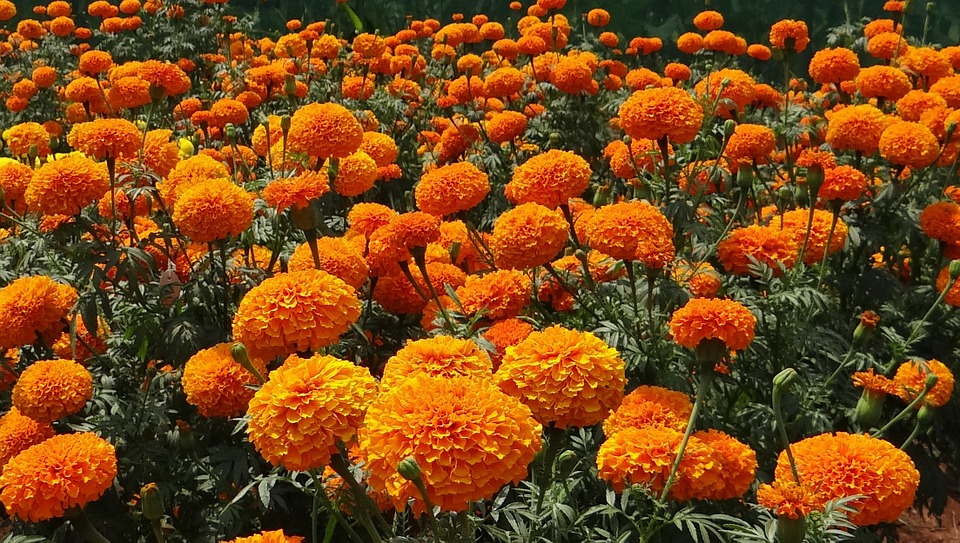
Floriculture, a branch of horticulture, is the art and science of growing, cultivating, and arranging flowers and ornamental plants. It is a field that combines beauty with practicality, playing a significant role in the global economy, the environment, and our well-being. This article delves into the fascinating world of floriculture, exploring its history, techniques, economic importance, and environmental benefits.
A Historical Perspective
The practice of cultivating flowers dates back thousands of years. Ancient civilizations like the Egyptians, Greeks, and Romans grew flowers not only for their beauty but also for their symbolic and medicinal properties. The Egyptians, for example, cultivated lotus flowers and lilies, which were considered sacred. The Greeks and Romans, on the other hand, used flowers in religious ceremonies, celebrations, and as medicines.
During the Renaissance, floriculture flourished in Europe, with the establishment of botanical gardens that focused on studying and classifying plants. The Victorian era saw the rise of ornamental gardening, with elaborate flower beds and intricate garden designs becoming a symbol of status and wealth.
Branches of Floriculture
Floriculture encompasses various branches, each focusing on different aspects of flower cultivation and use:
1. Flower Production
This branch involves the large-scale cultivation of flowering plants for commercial purposes. It includes the production of cut flowers, potted plants, bedding plants, and foliage plants. Floriculturists use advanced techniques to ensure high yield, quality, and disease resistance.
2. Floristry
Floristry is the art of arranging flowers and creating floral designs. Florists use cut flowers and foliage to craft bouquets, wreaths, centerpieces, and other decorative items for various occasions such as weddings, funerals, and celebrations. Floristry requires creativity, an eye for detail, and knowledge of flower care and handling.
3. Landscape Floriculture
Landscape floriculture focuses on using flowering plants in landscape design. It involves selecting and arranging plants to enhance the aesthetic appeal of gardens, parks, and public spaces. This field creates aesthetically beautiful and sustainable landscapes by combining aspects of environmental science, horticulture, and design.
4. Greenhouse Floriculture
Greenhouse floriculture involves growing flowers and ornamental plants in controlled environments. Greenhouses provide optimal conditions for plant growth, such as temperature, humidity, and light. This branch is essential for producing flowers out of season or in regions with unsuitable climates.
Techniques in Floriculture
Floriculture involves a variety of techniques aimed at optimizing plant growth and ensuring the quality of flowers. Some of the key techniques include:
1. Propagation
Propagation is an important process where we create new plants from existing ones. In floriculture, this is often done through methods such as seed sowing, cuttings, grafting, and tissue culture. Propagation ensures the reproduction of desirable traits and allows for the mass production of flowering plants.
2. Soil Management
Healthy soil is crucial for the successful cultivation of flowers. Floriculturists use various soil management practices, including soil testing, fertilization, and amendment with organic matter, to improve soil fertility and structure. Proper soil management ensures optimal growth and flowering.
3. Irrigation
Proper irrigation is essential for maintaining adequate moisture levels for flower growth. Floriculturists use various irrigation methods, such as drip irrigation, sprinkler systems, and hand watering, to deliver water efficiently and evenly to plants. Effective irrigation practices help conserve water and prevent issues such as root rot and nutrient leaching.
4. Pest and Disease Management
Integrated Pest Management (IPM) is a holistic approach to controlling pests and diseases in floriculture. It involves monitoring pest populations, using biological controls, and applying chemical treatments only when necessary. IPM aims to minimize the impact of pests and diseases on flowers while reducing the use of harmful chemicals.
5. Pruning and Training
Pruning and training are essential techniques for maintaining the shape, size, and health of flowering plants. Pruning involves the removal of dead, diseased, or excess branches to encourage healthy growth and improve air circulation. Training techniques, such as staking and trellising, help support plants and direct their growth in a desired manner.
Similar Posts:
The Economic Importance of Floriculture
Floriculture is a significant contributor to the global economy. The flower industry encompasses a wide range of activities, from growing and harvesting flowers to their distribution and sale. Some key economic aspects of floriculture include:
1. Employment
The floriculture industry provides employment to millions of people worldwide. This includes flower growers, greenhouse workers, florists, landscape designers, and many others. The industry offers diverse job opportunities, from manual labor to specialized technical roles.
2. Trade
Flowers and ornamental plants are major commodities in international trade. Countries like the Netherlands, Colombia, Kenya, and Ecuador are leading exporters of cut flowers, supplying markets in Europe, North America, and Asia. The trade of flowers contributes to the economic growth of these countries and supports local communities.
3. Retail and Services
The retail sector of the floriculture industry includes flower shops, garden centers, and online retailers. These businesses provide consumers with a wide range of floral products and services, from bouquets and arrangements to gardening supplies and plants. The demand for flowers for events, holidays, and personal use drives sales and supports local economies.
Environmental Benefits of Floriculture
Floriculture also offers several environmental benefits, contributing to the health and sustainability of our ecosystems:
1. Biodiversity
The cultivation of a wide variety of flowers and ornamental plants promotes biodiversity. Gardens and landscapes rich in diverse plant species provide habitats for pollinators, birds, and other wildlife. This contributes to the overall health of ecosystems and helps in the conservation of endangered species.
2. Air Quality
Flowers and ornamental plants improve air quality by absorbing carbon dioxide and releasing oxygen. They also help filter pollutants and particulate matter from the air, creating healthier environments in urban areas. Green spaces with flowering plants contribute to the well-being of city dwellers.
3. Climate Mitigation
Floriculture practices such as greenhouse cultivation and landscape design can contribute to climate change mitigation. Greenhouses can capture and utilize carbon dioxide, while well-designed landscapes with diverse plantings can sequester carbon and reduce the urban heat island effect.
Conclusion
Floriculture is a vibrant and dynamic field that blends creativity, science, and sustainability. From the ancient gardens of Egypt to modern greenhouse operations, the cultivation of flowers has evolved to meet the needs of society and the environment. By embracing the art and science of floriculture, we can enhance our surroundings, support economic growth, and contribute to a healthier planet.
Happy Gardening! 🌸🌿
 ILoveGardening