Flourishing Beauty: A Guide to Growing and Caring for Azalea Plants!

Introduction

Azaleas, with their vibrant blooms and lush foliage, are beloved ornamental shrubs that can add a touch of elegance to any garden landscape. Known for their stunning flowers and relatively low maintenance, azaleas are a popular choice among gardeners looking to enhance their outdoor spaces. In this comprehensive guide, we’ll explore everything you need to know about growing and caring for azalea plants, from selecting the right variety to providing the optimal conditions for their flourishing growth.

Understanding Azalea Plants

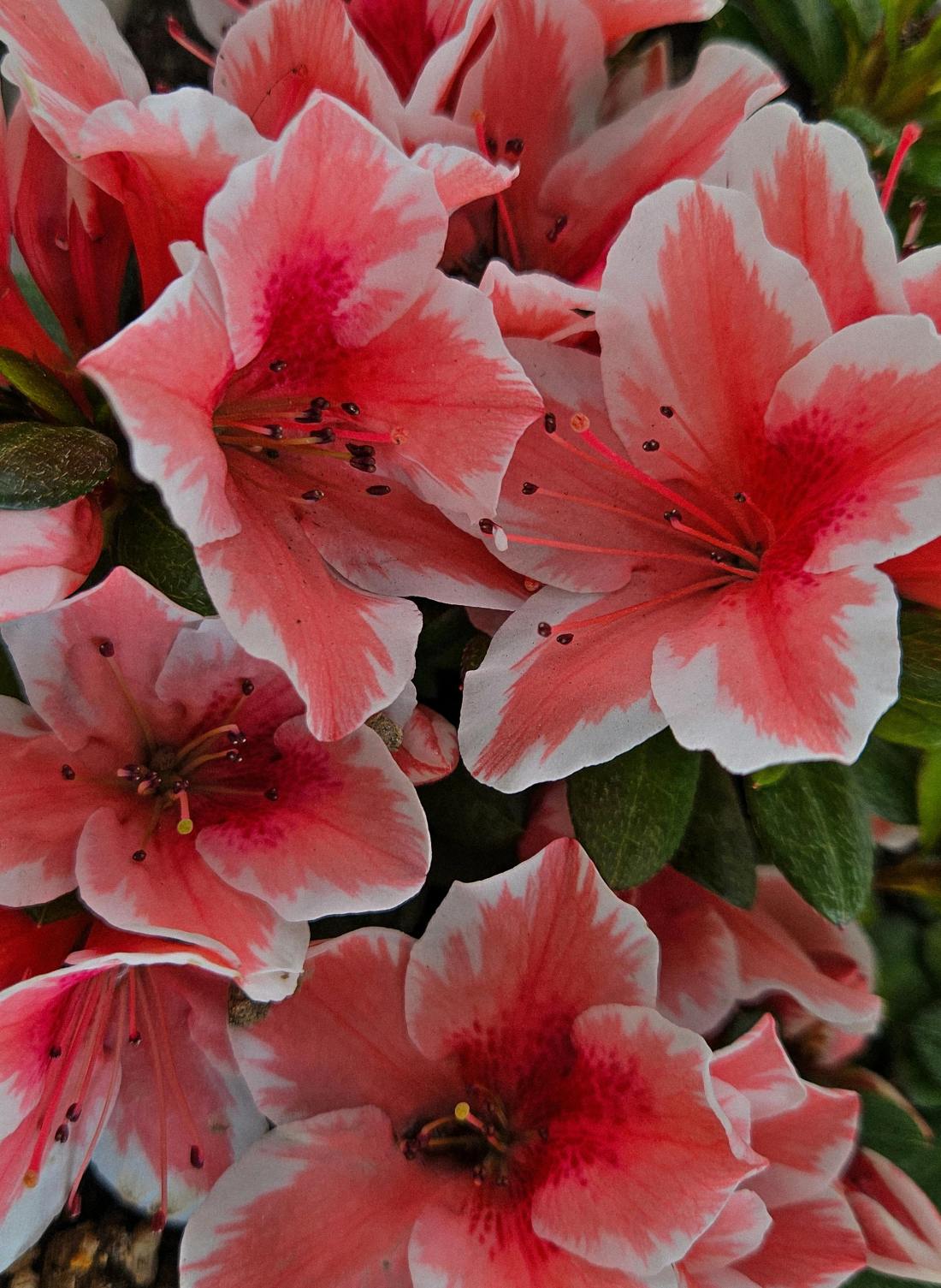
Azaleas belong to the genus Rhododendron and are part of the Ericaceae family. These deciduous or evergreen shrubs are native to Asia, Europe, and North America, with hundreds of species and cultivars available to choose from. Azaleas are prized for their showy, funnel-shaped flowers that bloom in a wide range of colors, including shades of pink, purple, red, white, and orange. Depending on the variety, azaleas can bloom in early spring, late spring, or even summer, providing a spectacular display of color in the garden.

Selecting the Right Variety

When choosing azaleas for your garden, it’s essential to select the right variety based on your climate, soil type, and desired bloom time. Some popular types of azaleas include:

Southern Indica Azaleas: These evergreen azaleas are well-suited to warm climates and bloom profusely in the spring.

Encore Azaleas: Known for their ability to bloom multiple times throughout the year, Encore azaleas offer an extended flowering season.

Native Azaleas: Indigenous to North America, native azaleas are prized for their fragrant flowers and vibrant fall foliage.

Hybrid Azaleas: Hybrid varieties combine the best traits of different azalea species, offering a wide range of colors, sizes, and bloom times.

Before purchasing azaleas, research the specific requirements of each variety to ensure they are suitable for your garden conditions.


Similar Posts


Planting Azaleas

Azaleas thrive in well-drained, acidic soil with a pH between 4.5 and 6.0. Choose a planting location with partial shade or filtered sunlight, as azaleas prefer dappled sunlight rather than full sun exposure. When planting azaleas, follow these steps for success:

Prepare the Soil: Amend the soil with organic matter such as compost or peat moss to improve drainage and acidity.

Dig the Hole: Dig a hole twice as wide as the azalea’s root ball and slightly shallower than its depth.

Plant the Azalea: Gently remove the azalea from its container and place it in the center of the hole. After planting, add soil to fill the hole and make sure to water it sufficiently to help the roots settle in.

Mulch and Water: Apply a layer of mulch around the base of the plant to retain moisture and suppress weeds. Water the newly planted azalea regularly to keep the soil consistently moist but not waterlogged.

Caring for Azaleas

Once established, azaleas require minimal maintenance to thrive. Here are some essential care tips to ensure your azaleas remain healthy and vibrant:

Watering: Azaleas have shallow roots and are sensitive to drought, so it’s crucial to water them regularly, especially during dry periods. It’s recommended to avoid overhead watering since it can cause the foliage to become wet, which increases the risk of fungal diseases.

Fertilizing: Feed azaleas with a balanced, slow-release fertilizer formulated for acid-loving plants in early spring, just before new growth begins. Avoid using high-nitrogen fertilizers as they promote excessive foliage growth, which can negatively impact flower growth..

Pruning: Prune azaleas after they finish blooming to shape the shrub and remove dead or diseased branches. Avoid heavy pruning, as it can reduce the following year’s flower production.

Disease and Pest Control: Keep an eye out for common azalea pests and diseases, such as lace bugs, spider mites, powdery mildew, and root rot. Treat any issues promptly with organic or chemical control methods as needed.

Overwintering Azaleas

In colder climates, protecting azaleas from winter weather is essential to ensure their survival. Here are some tips for overwintering azaleas:

Mulch: Apply a thick layer of mulch around the base of the plant to insulate the roots and retain soil moisture.

Wind Protection: Shield azaleas from harsh winds by planting them in a sheltered location or using windbreaks such as fences or evergreen shrubs.

Anti-Desiccant Spray: Apply an anti-desiccant spray to azalea foliage in late fall to reduce moisture loss through transpiration.

Wrapping: For added protection, consider wrapping azaleas with burlap or frost cloth during periods of extreme cold.

Conclusion

With their stunning blooms and relatively low maintenance requirements, azaleas are a fantastic addition to any garden landscape. By selecting the right variety, providing the optimal growing conditions, and following proper care techniques, you can enjoy the beauty of azaleas in your garden for years to come.

Happy Gardening!
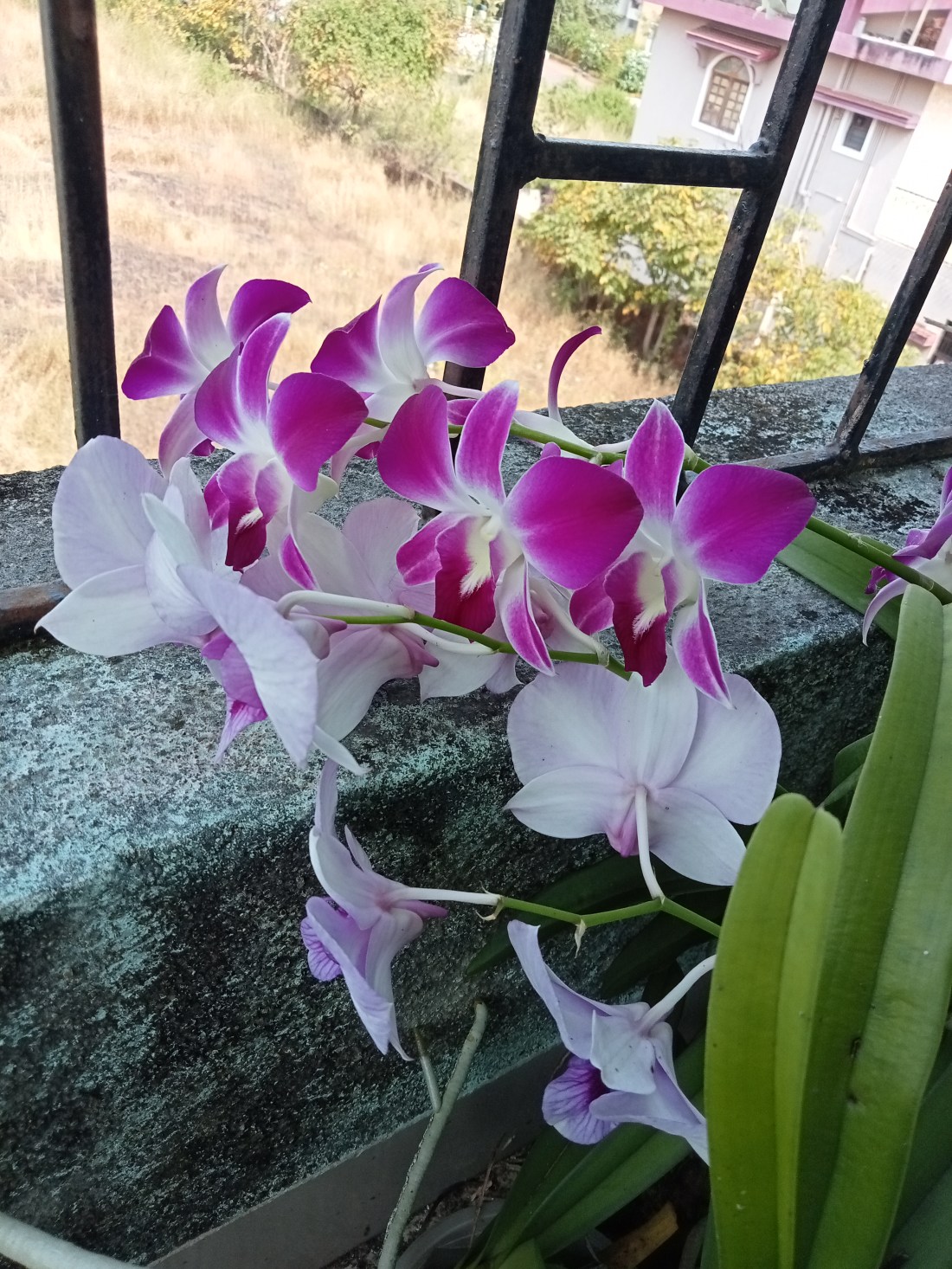
Orchids Unveiled: A Closer Look at the Diverse World of Exquisite Blooms!

Introduction

Orchids, with their enchanting beauty and intricate flowers, constitute a vast and diverse family of flowering plants. Boasting over 25,000 species and an impressive 100,000 hybrids and cultivars, these captivating blooms have found their way into homes, gardens, and hearts worldwide. In this blog post, we explore some of the broad categories of orchids, shedding light on their unique characteristics and the wide array of species that make them truly extraordinary.

Phalaenopsis Orchids: Moth’s Grace in Your Living Room

Commonly known as moth orchids, Phalaenopsis orchids captivate enthusiasts with their large, flat flowers and enduring blooms. These graceful beauties have become a staple in households, known not only for their mesmerizing appearance but also for their ease of cultivation.

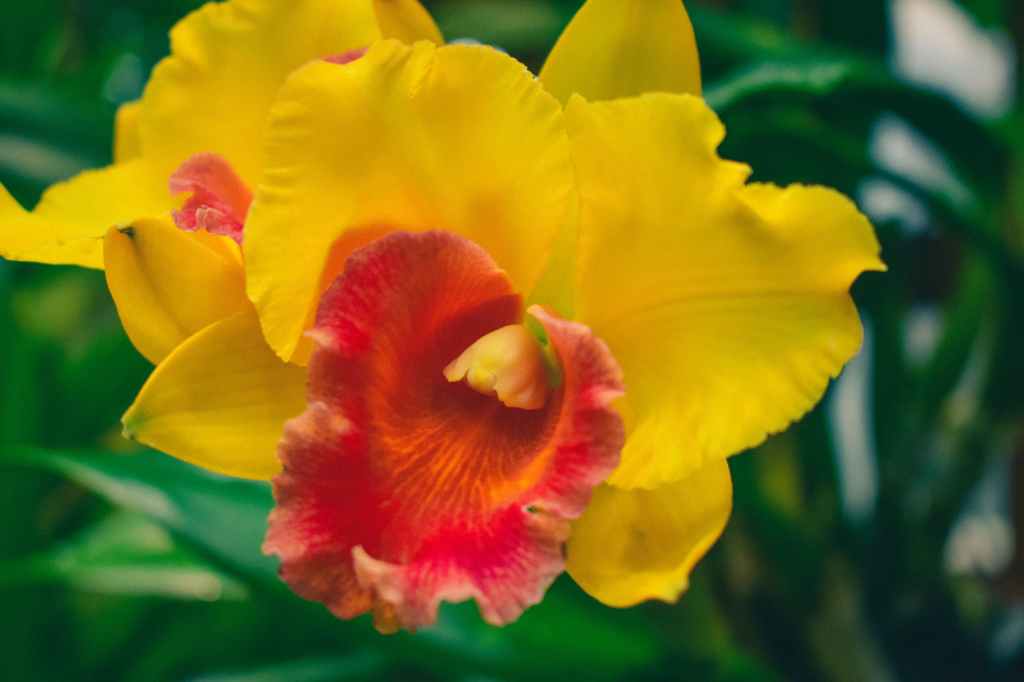
Cattleya Orchids: Corsage Elegance in Every Hue

Referred to as corsage orchids, Cattleyas steal the spotlight with their impressive, showy flowers that come in a kaleidoscope of colors. Prized for their use in cut flower arrangements and corsages, Cattleya orchids exude an air of elegance and sophistication.

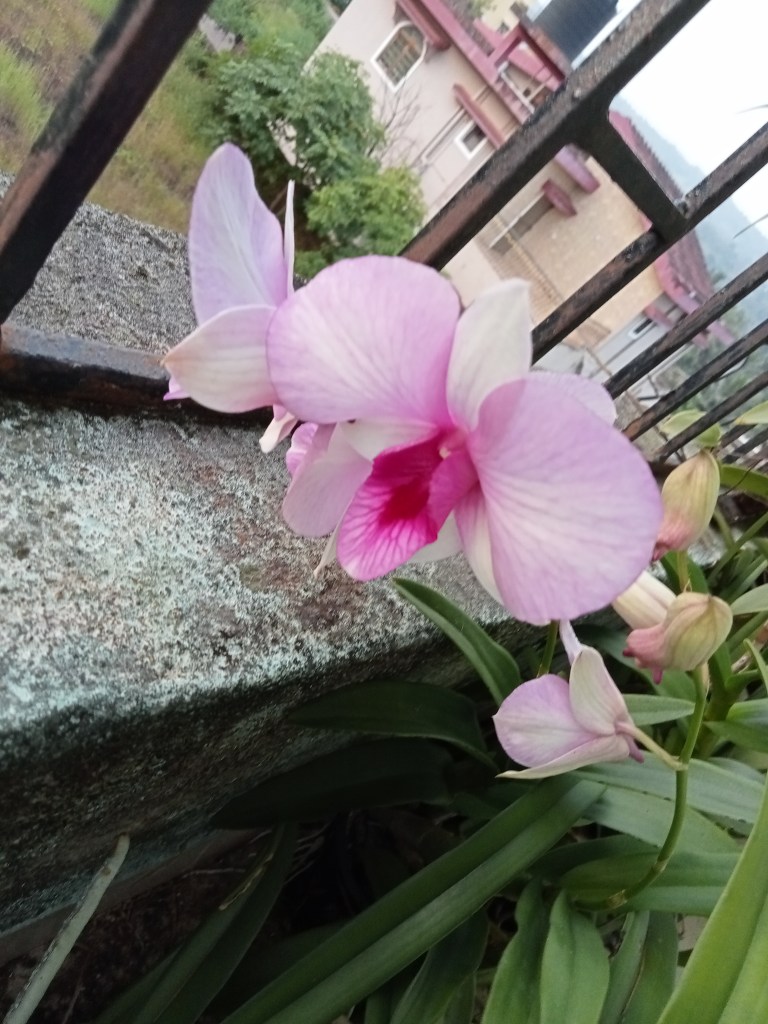
Dendrobium Orchids: Adaptable Wonders of Nature

Dendrobium orchids, boasting a diverse range of species, showcase a splendid variety in size, shape, and color. Their adaptability allows them to thrive in various environments, making them a favorite among orchid enthusiasts. Dendrobium orchids are the most commonly grown type of orchids because they are easy to maintain.

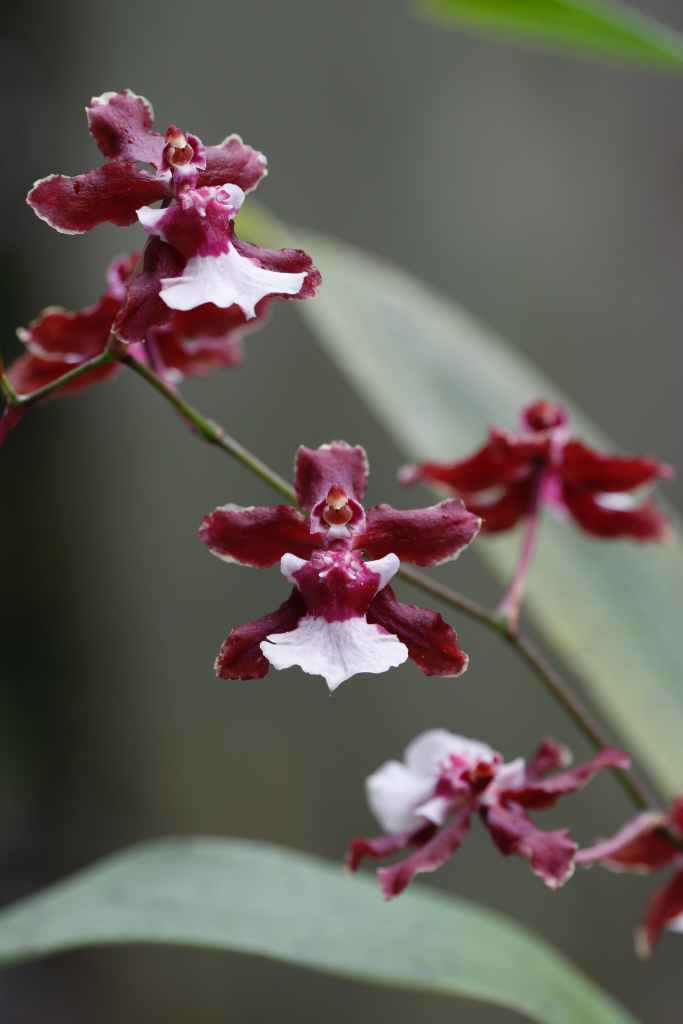
Oncidium Orchids: A Ballet of Colors and Shapes

Dancing lady or dancing doll orchids, commonly known as Oncidiums, take center stage with their vibrant and uniquely shaped flowers. Popular as both potted plants and garden additions, Oncidiums offer a visual spectacle that delights orchid lovers.

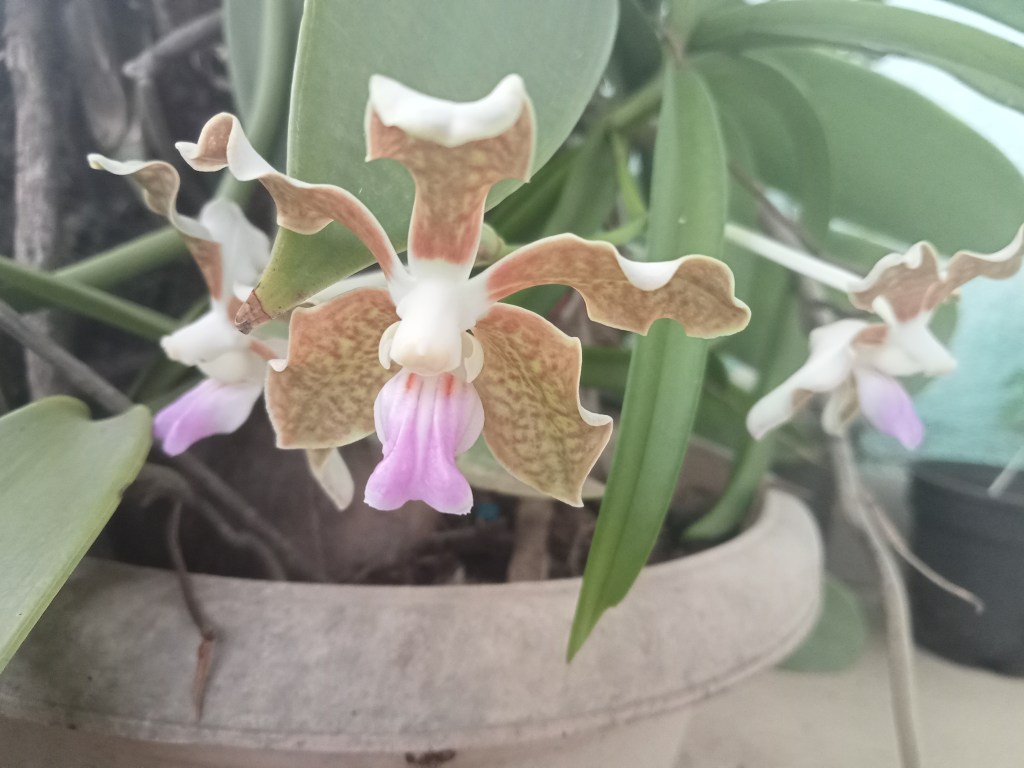
Vanda Orchids: Airy Elegance in Vibrant Hues

Characterized by large, flat, and vividly colored flowers, Vanda orchids present a breathtaking display of elegance. Often grown without potting media, with roots exposed to air, Vandas require a lot of bright light and regular watering. Compared to other orchids, they require a bit more care.


Similar Posts


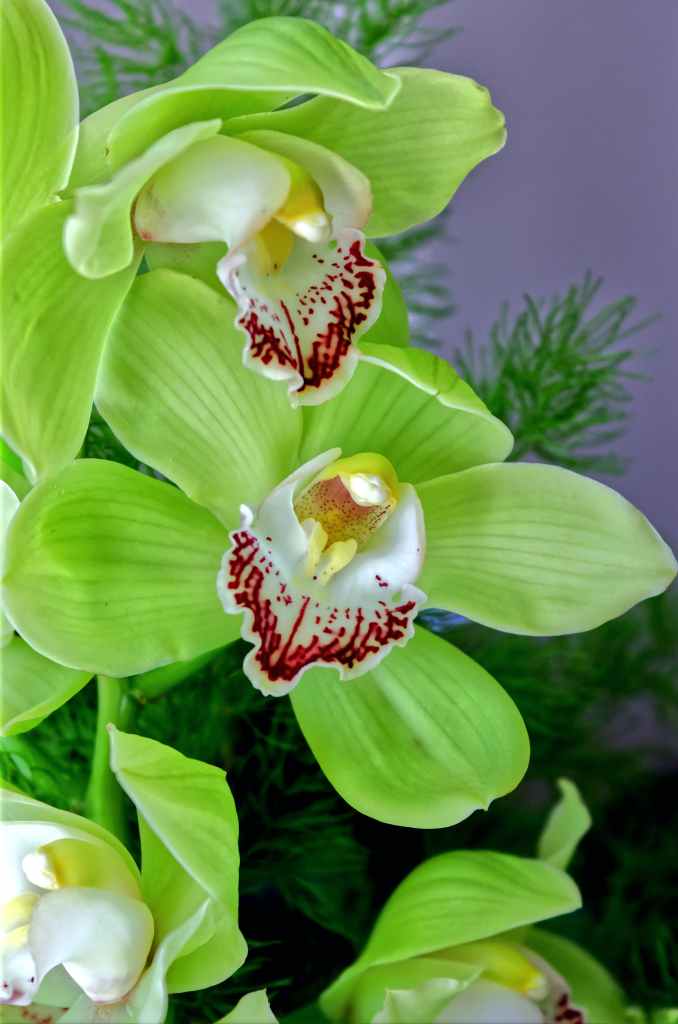
Cymbidium Orchids: Sprays of Beauty for Every Occasion

Cymbidium orchids, renowned for producing large sprays of flowers, have secured a place in the hearts of floral enthusiasts. Often featured in corsages and arrangements, these hardy orchids can tolerate cooler temperatures, adding versatility to their appeal.

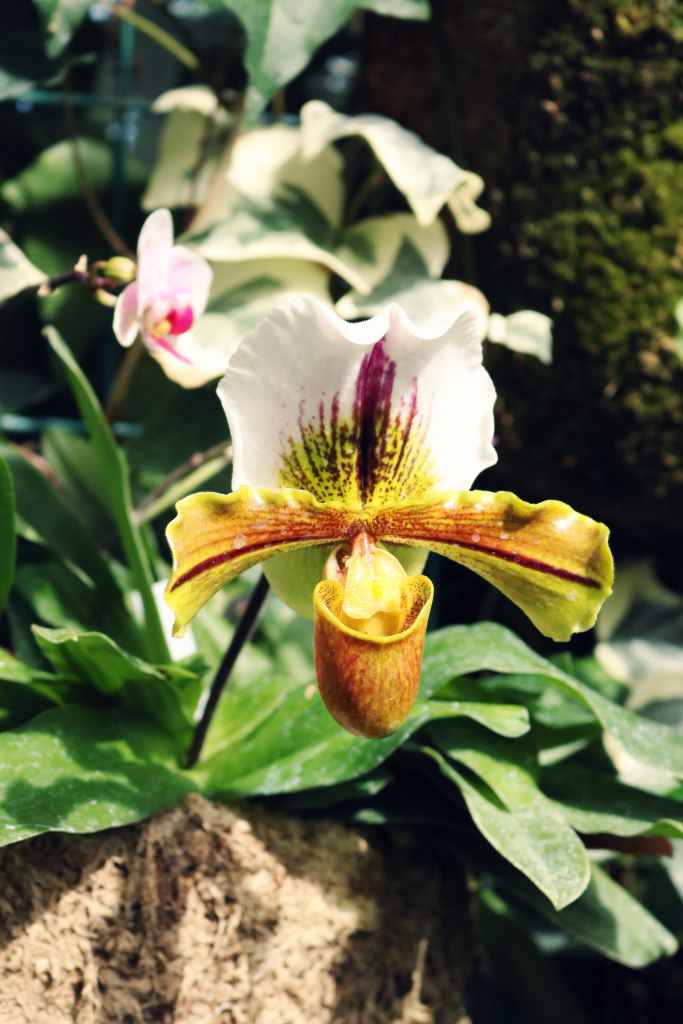
Lady’s Slipper Orchids (Paphiopedilum): Nature’s Quirky Elegance

Paphiopedilum, or Lady’s Slipper Orchids, stand out with their distinctive pouch-like lip, resembling a slipper. Available in various sizes and colors, these quirky yet elegant orchids intrigue enthusiasts with their unique form.

Masdevallia Orchids: Small Marvels in Vivid Hues

Masdevallia orchids, known for their small yet brightly colored flowers, captivate enthusiasts with their cool-growing nature. Popular among orchid aficionados, these unique blooms offer a diverse range of forms that add a touch of marvel to any collection.

Miltonia Orchids: Fragrant Pansies in Every Shade

Also known as pansy orchids, Miltonias enchant with their pansy-like appearance and often fragrant blooms. Available in a range of colors, these orchids bring a delightful fragrance to any orchid collection

Brassia Orchids: Spiders in Bloom

Often called spider orchids, Brassia orchids boast long, slender petals that resemble spider legs, creating a truly unique and intriguing flower shape. Dive into the world of Brassia as we unravel the captivating characteristics that define these orchids

Conclusion

These examples merely scratch the surface of the vast orchid family, with each genus and species possessing its own distinct charm. Orchids, found in nearly every corner of the world, showcase nature’s ability to adapt to various climates and ecosystems. Whether you’re a seasoned orchid enthusiast or a novice admirer, the diverse world of orchids offers a treasure trove of beauty waiting to be explored. Embrace the enchantment of orchids and let their unique allure add a touch of nature’s elegance to your life.

Happy Gardening!

Blooming Brilliance: A Comprehensive Guide to Growing Crossandra Flowers in Your Garden!

Introduction

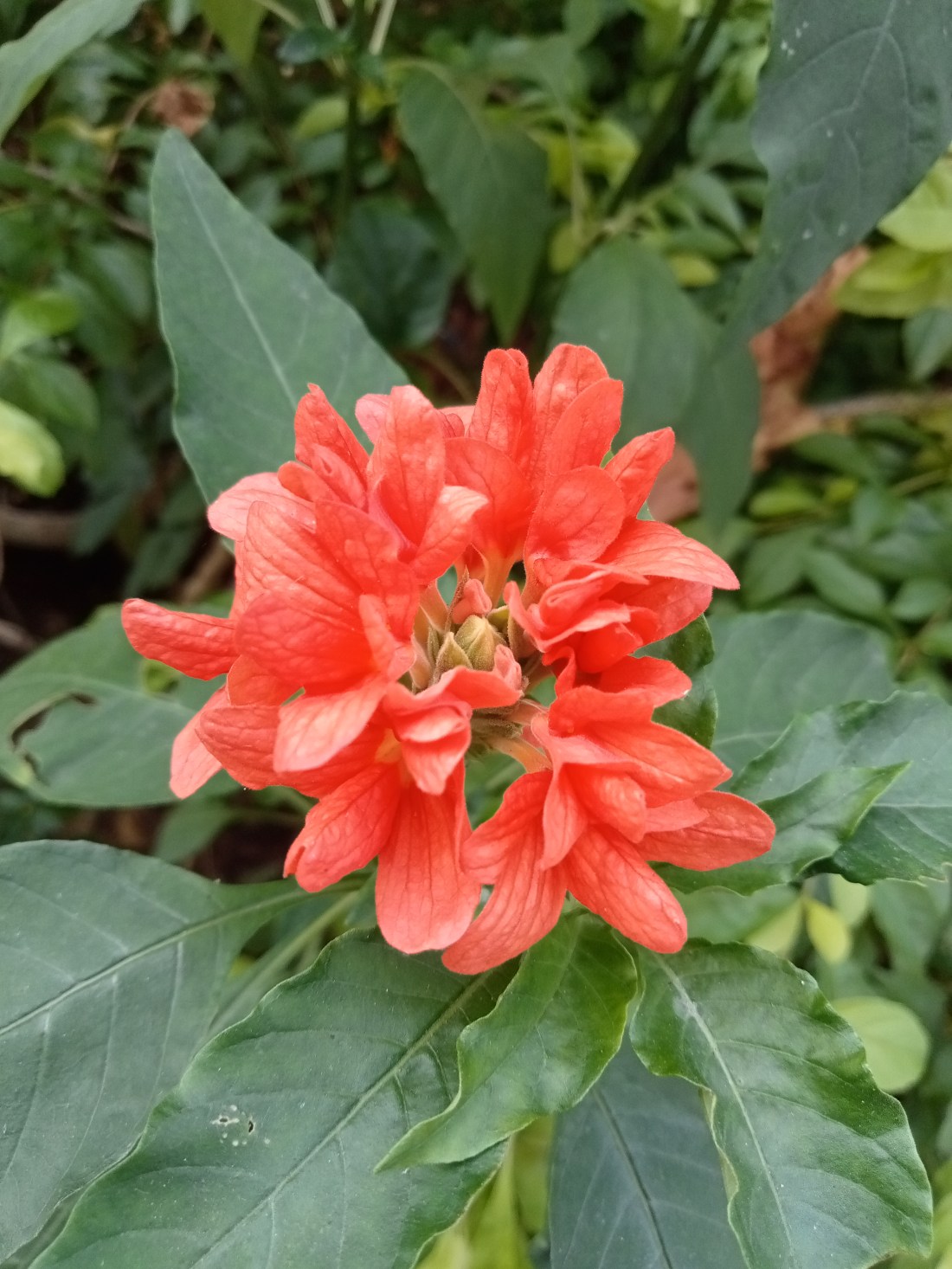
Crossandra flowers, also known as firecracker flowers or Crossandra infundibuliformis, are tropical delights that can bring vibrant splashes of color to your garden. Known for their striking blooms and easy maintenance, cultivating Crossandras can add an exotic touch to your outdoor space. Here’s a detailed guide to growing these stunning flowers in your garden.

1. Choosing the Right Location:

Select a spot in your garden that receives partial shade to full sun, providing adequate warmth and sunlight for Crossandra growth. Ensure the area has well-draining soil, as these flowers thrive in moist but not waterlogged conditions.

2. Planting Crossandra Flowers:

Crossandras can be grown from cuttings or from seeds or you can buy a rooted plant from nursery. When planting Crossandras, space them out accordingly, allowing enough room for growth. Dig a hole slightly larger than the root ball, gently place the plant, and cover the roots with soil. After planting, it is important to water the area thoroughly to help the roots establish properly.

3. Soil and Watering Needs:

Crossandra plants prefer slightly acidic to neutral soil. Regular watering is essential, especially during dry spells, but be cautious not to overwater as it can lead to root rot. Mulching is an effective way to trap moisture in soil and keep soil temperature stable.

4. Fertilization and Maintenance:

Use a balanced fertilizer or one specifically formulated for flowering plants during the growing season to encourage robust blooms. Prune the plants after flowering to maintain their shape and remove any dead or damaged growth.

5. Protecting from Pests and Diseases:

Monitor for common pests like aphids or whiteflies and treat them promptly to prevent infestations. Crossandras are generally resilient but keeping an eye out for signs of diseases such as root rot or fungal infections is crucial for their health.

6. Propagation and Division:

You can propagate Crossandras by taking stem cuttings or dividing mature plants. Root the cuttings in a well-draining potting mix and keep them in a warm, humid environment until they develop roots. While planting cuttings, ensure that at least two nodes of the plants are properly covered with soil, as the roots develop from these nodes. You can also keep the mature cuttings in water for a few days to allow the roots to grow before planting them in soil.

7. Enjoying the Blooms:

With proper care, Crossandra plants will reward you with stunning clusters of fiery-colored flowers throughout the growing season. These blooms not only add visual appeal but also attract pollinators like butterflies and bees to your garden.

8. Winter Care:

In colder climates, consider bringing potted Crossandras indoors during winter or providing a protective covering for outdoor plants to shield them from frost damage.


Similar Posts


Benefits Of Growing Crossandra

Crossandra are tropical wonders with multifaceted importance. Their significance transcends horticulture, culture, and traditional medicine, making them intriguing plants worth exploring.Here are some benefits of growing crossandra.

1. Ornamental Marvels:

Renowned for their vibrant hues of red, orange, and yellow, Crossandras are prized for their striking flowers. They’re coveted additions to landscapes and potted arrangements, elevating gardens and indoor spaces with their vivid beauty.

2. Cultural and Religious Ties:

In various cultures, Crossandras are entwined with rituals and ceremonies. For instance, they hold significance in Hindu religious practices and are offered in worship to deities.

3. Medicinal Properties:

Certain parts of the Crossandra plant, notably the leaves, have been historically used in traditional medicine. They’re believed to possess medicinal properties, aiding in treating skin disorders and digestive issues.

4. Pollinator Magnets:

These flowers act as nectar sources, drawing in vital pollinators like butterflies and bees. Their role in plant pollination supports the health of ecosystems.

5. Landscape Versatility:

Valued for their resilience in diverse climates, Crossandras are favored in landscape design. They’re utilized to craft vibrant, low-maintenance garden beds and borders.

6. Symbolic Significance:

Crossandras are often associated with traits like warmth, vibrancy, and passion due to their fiery blooms. This symbolism makes them ideal for expressing specific emotions in floral arrangements.

7. Botanical Intrigue:

Of botanical interest, Crossandras captivate scientists for their unique flower structure and classification within the Acanthaceae family. Their genetic diversity and adaptability to different environments make them subjects of scientific study.

Crossandra flowers are a tapestry of cultural, medicinal, and horticultural significance. Their diverse roles in various contexts showcase their multifaceted nature, making them fascinating subjects that weave through the realms of art, tradition, and science.

Conclusion

Growing Crossandra flowers can be a rewarding experience, adding tropical allure and vibrant colors to your garden. With the right care and attention, these resilient plants can thrive, bringing joy and beauty to your outdoor space throughout the year.

Happy Gardening!