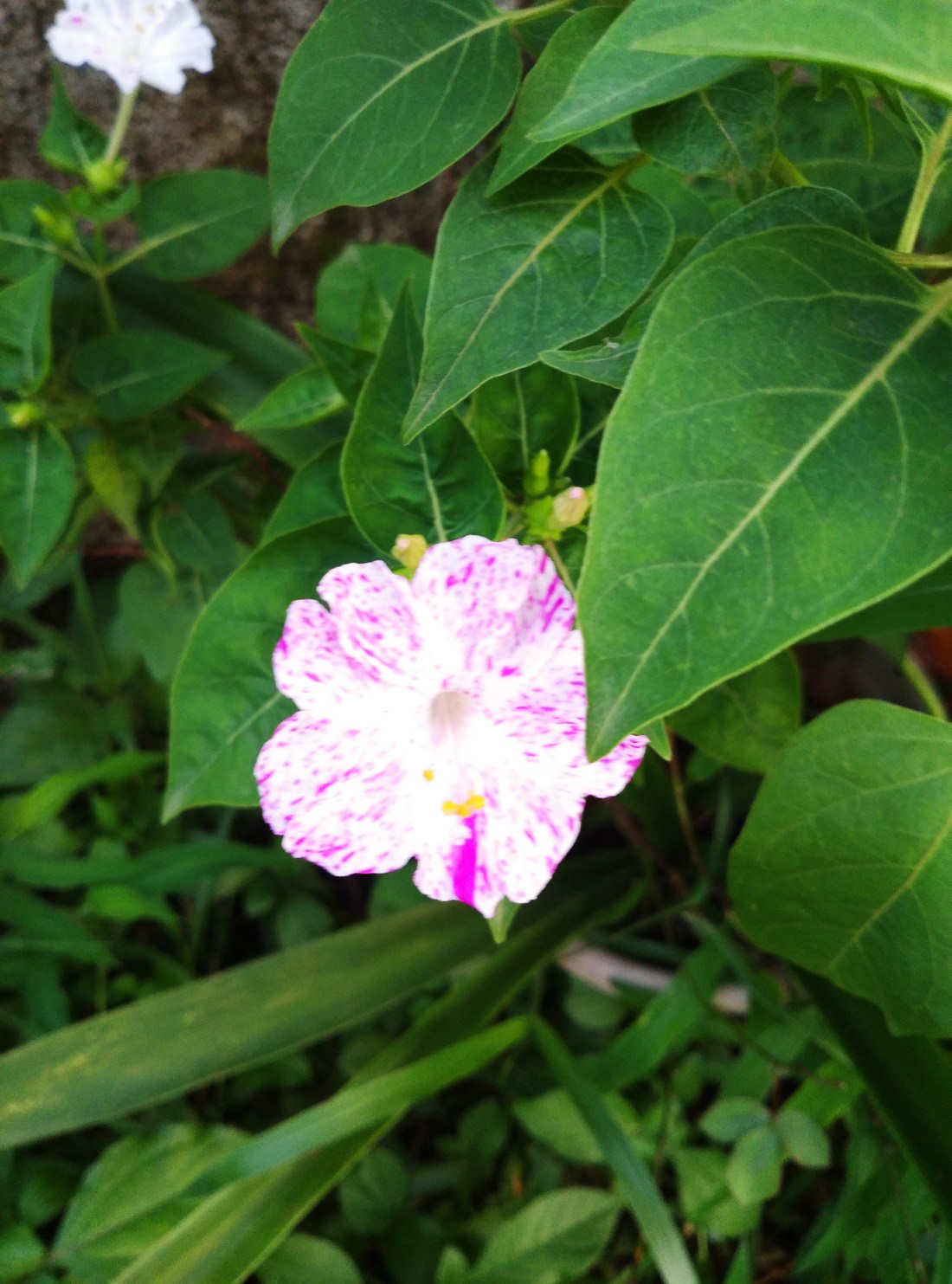
Marvel-of-Peru: Unveiling the Beauty and Allure of the 4 O’Clock Flower Plant!

Introduction

The Marvel-of-Peru, famously known as the 4 O’Clock Flower, stands as a remarkable addition to any garden, captivating enthusiasts with its vibrant blooms and intriguing characteristics. This perennial beauty, scientifically known as Mirabilis jalapa, offers not just a visual spectacle but also a fascinating history and versatile gardening benefits.

Aesthetic Appeal and Blooming Schedule

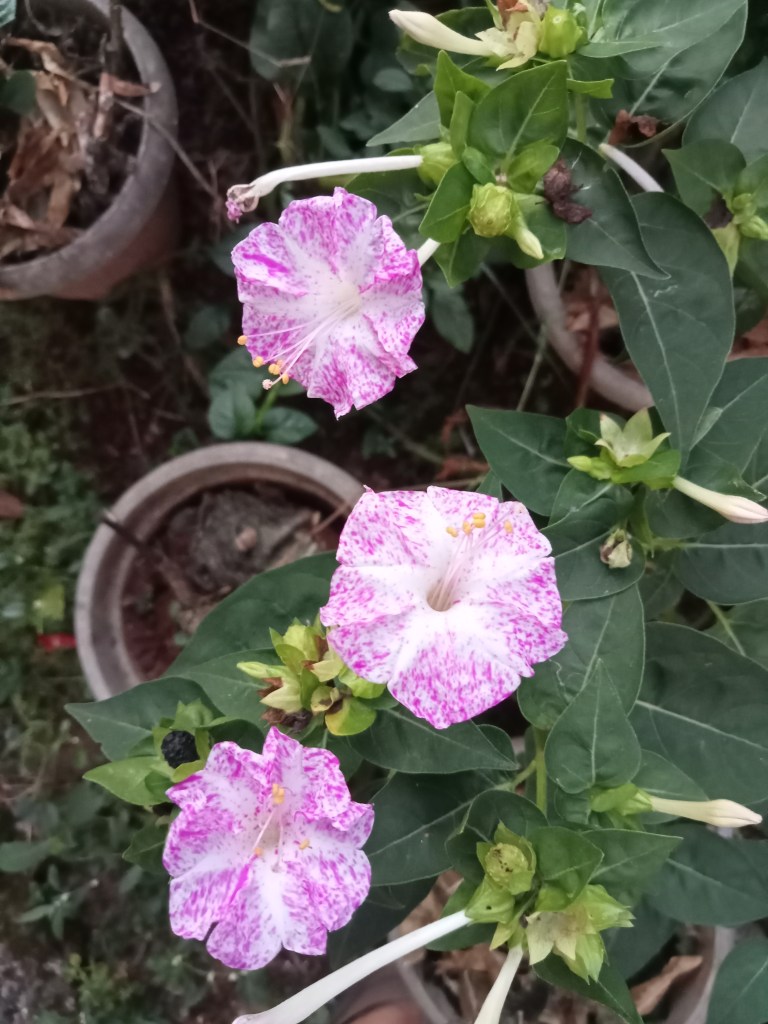
The Four-o’clock, also known as Mirabilis jalapa, is a type of ornamental perennial plant that belongs to the family Nyctaginaceae and is originally from tropical America. This plant is known for its quick growth and can reach up to one meter (three feet) in height. It has oval leaves on short leafstalks and its stems are swollen at the joints. The Mirabilis genus of herbs contains 45 species in total. The 4 O’Clock Flower earns its name due to its fascinating blooming habit, typically starting to unfurl its trumpet-shaped flowers around 4 o’clock in the afternoon, emanating a delightful fragrance. These blossoms showcase a kaleidoscope of colors, including shades of pink, red, yellow, white, and bi-color variations, adding a mesmerizing palette to garden landscapes.

Versatile Growing Conditions

One of the plant’s standout features is its adaptability to diverse environments. The 4 O’Clock Flower thrives in both sun and partial shade, making it a versatile choice for various garden settings. It flourishes in well-draining soil and exhibits remarkable resilience, tolerating both dry spells and moderate watering regimes.
Historical Significance and Folklore

Originating from South America, the 4 O’Clock Flower carries historical significance. Marvel of Peru was introduced to Spain and then England from Peru in the 16th century. It earned its name because of how people marvel when the plant blooms at exactly 4 PM.

Cultural Significance

It has been cultivated for centuries, admired for its ornamental value and revered for its medicinal properties. In traditional medicine, its roots were used to treat various ailments, like hallucinogen, and as a purported aphrodisiac, while the flowers produce an edible red dye for coloring food, although caution is advised due to the plant’s toxic properties.


Similar Posts


Attracting Pollinators and Garden Benefits

Beyond its visual allure, the 4 O’Clock Flower serves as a magnet for pollinators like butterflies, bees, and hummingbirds, contributing to garden biodiversity. Its ability to attract these beneficial insects makes it a valuable addition to eco-friendly and pollinator-friendly garden initiatives.

Gardening Tips

For gardening enthusiasts, the 4 O’Clock Flower is an easy-to-grow plant, suitable for borders, containers, or as a standalone specimen. Regular deadheading encourages continuous blooming, while its tuberous roots allow it to self-seed, providing effortless propagation for successive growth.
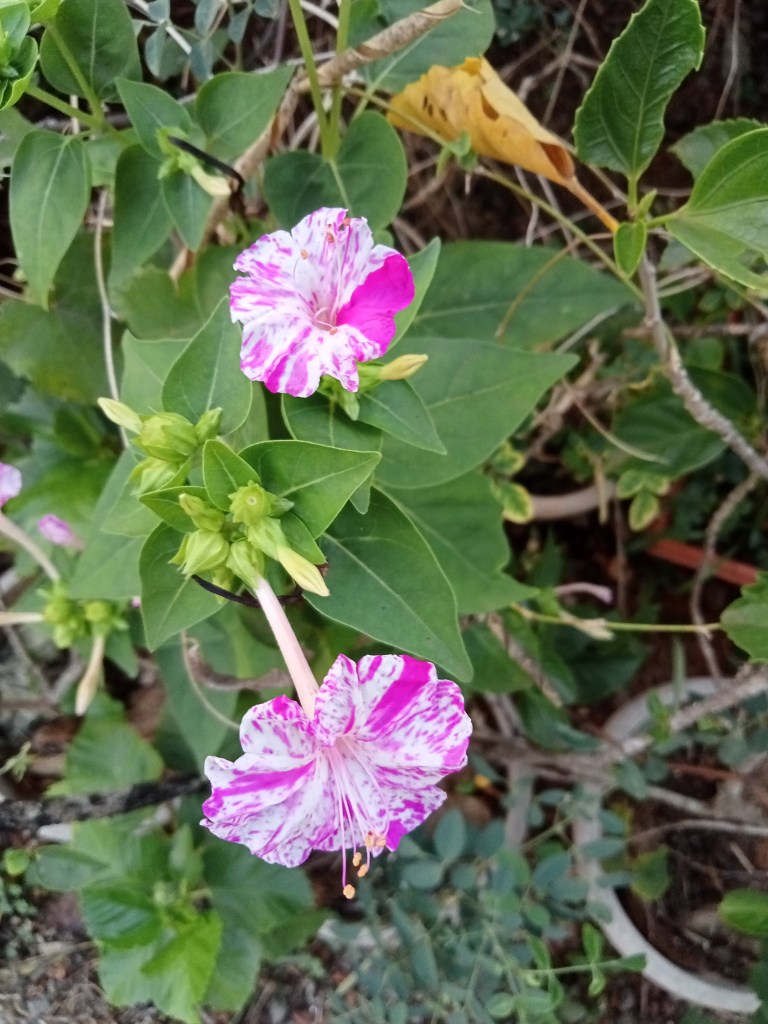
It is important to prevent these plants from drying out, so water them whenever the top 1 to 2 inches of soil becomes dry. However, be cautious not to overwater them as it can cause root rot due to soggy soil. Mulching around the plants can help keep the soil moist enough. Plants grown in containers will generally require more frequent watering than those planted directly in the ground.

Cautionary Notes

Despite its beauty, it’s essential to note that all parts of the 4 O’Clock Flower are toxic if ingested. Therefore, caution should be exercised, especially around children and pets.

Conclusion

In conclusion, the Marvel-of-Peru or the 4 O’Clock Flower stands as a testament to nature’s beauty and adaptability. With its dazzling blooms, historical significance, and garden-friendly attributes, this versatile plant remains a cherished favorite among gardening enthusiasts seeking both aesthetics and ecological benefits.

Happy gardening!
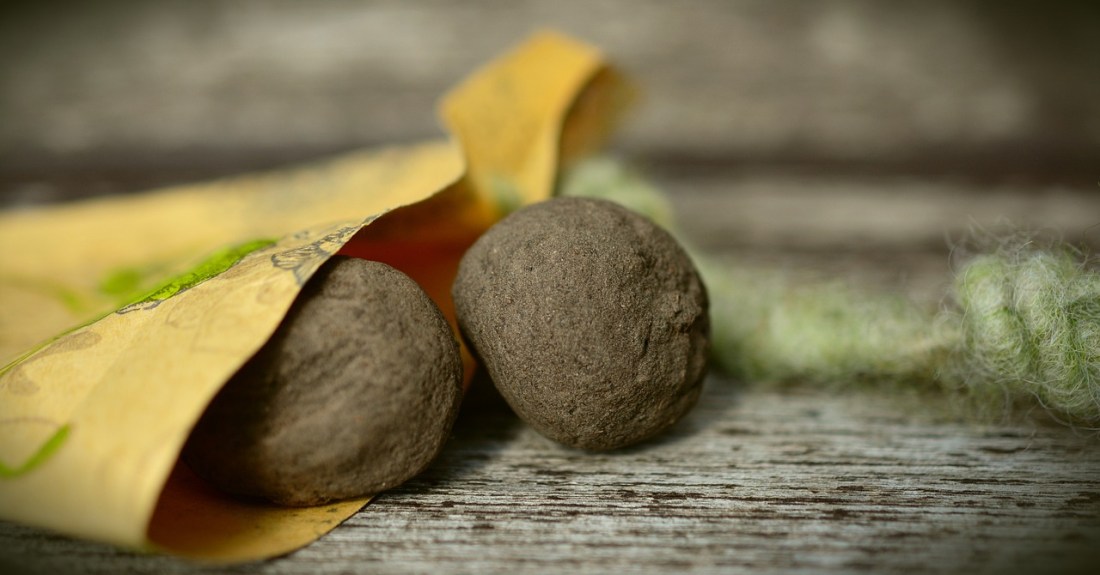
A Complete Guide to Crafting and Using Seed Balls for Gardening Success!

Introduction

In the realm of gardening, the ingenious concept of seed balls has gained remarkable popularity for its simplicity and effectiveness. These small, compact spheres encapsulate seeds within a mixture of clay, compost, and other natural materials. They offer a convenient and efficient way to sow seeds while aiding in plant germination and growth. Here’s a comprehensive guide on how to prepare and utilize seed balls to foster lush gardens.

Understanding Seed Balls

Seed balls, also known as seed bombs, serve as protective casings for seeds, shielding them from harsh environmental conditions like wind, birds, and excessive sunlight. This technique was inspired by ancient agricultural practices and has evolved into a modern-day technique for conservation and gardening.

Ingredients for Seed Balls

Creating seed balls requires a simple blend of clay, compost, and seeds. Clay acts as a protective casing, compost provides nutrients for initial growth, and seeds are, of course, the potential plants. Additional ingredients like water and soil amendments may be added for specific seed requirements.

Step-by-Step Guide to Crafting Seed Balls

Gather Materials: Acquire clay powder or finely ground natural clay, quality compost, desired seeds, and optional amendments like organic fertilizers.

Mix Ingredients: Combine clay and compost in a ratio of 3:1 or 4:1, adjusting to ensure a manageable consistency. Gradually add water while mixing until the mixture reaches a moldable, dough-like texture.

Incorporate Seeds: Integrate the seeds evenly into the clay-compost mixture, ensuring they’re well distributed throughout.

Form Balls: Pinch off small portions of the mixture and roll them into small balls, roughly 1-2 centimeters in diameter. Allow the balls to dry for 24-48 hours in a dry, cool place.


Similar Posts


Utilizing Seed Balls in Gardening

Seed balls offer a versatile approach to gardening:

Enhanced Germination: The protective coating of the seed balls provides an ideal environment for seeds to germinate.

Biodiversity Promotion: Seed balls aid in dispersing seeds and encouraging biodiversity in gardens, especially in challenging terrains or barren areas.

Easy Planting: Simply scatter the seed balls in desired locations, whether in garden beds, wildflower patches, or urban landscapes.

Tips for Successful Seed Ball Gardening

Choose Appropriate Seeds: Opt for native or adaptive seeds suited to your local climate and soil conditions. Seeds that work well for making seed balls typically include wildflowers, herbs like basil or parsley, vegetables like tomato, chilli and certain grass seeds. These seeds are great for seed balls due to their hardy nature, adaptability to various environments, and ability to grow with minimal maintenance. Wildflower seeds offer diversity and attract pollinators, while herbs like basil or parsley provide edible and aromatic benefits. Grass seeds help in stabilizing soil and preventing erosion, making them suitable for seed balls in areas needing vegetation cover.

Timing Matters: Sow seed balls during seasons conducive to seed germination, typically spring or fall.

Proper Placement: Ensure good soil contact for optimal germination by lightly pressing seed balls into the soil or scattering them in areas likely to receive rainfall or irrigation.

Conclusion

In conclusion, the art of creating and using seed balls presents an eco-friendly and efficient method for gardening enthusiasts. Whether aiming for a vibrant wildflower meadow or enhancing garden biodiversity, seed balls offer a simple yet impactful solution. Experiment, explore, and witness the transformative power of these small spheres in nurturing a flourishing garden ecosystem.

Happy Gardening!