The Ultimate Guide to Hugelkultur: Elevating Your Garden with Hugel Beds!

Introduction

Hugel Beds

Hugelkultur, also known as hugel beds, is an ancient gardening method that has been embraced by modern permaculturists for its sustainability and efficiency. Originating from Eastern Europe and Germany, this technique involves creating raised beds filled with decaying wood and organic matter. Hugel beds are celebrated for their ability to retain moisture, improve soil health, and boost plant growth. In this comprehensive guide, we’ll explore the benefits of hugel beds, how to create them, and tips for maintaining these garden powerhouses.

What is Hugelkultur?

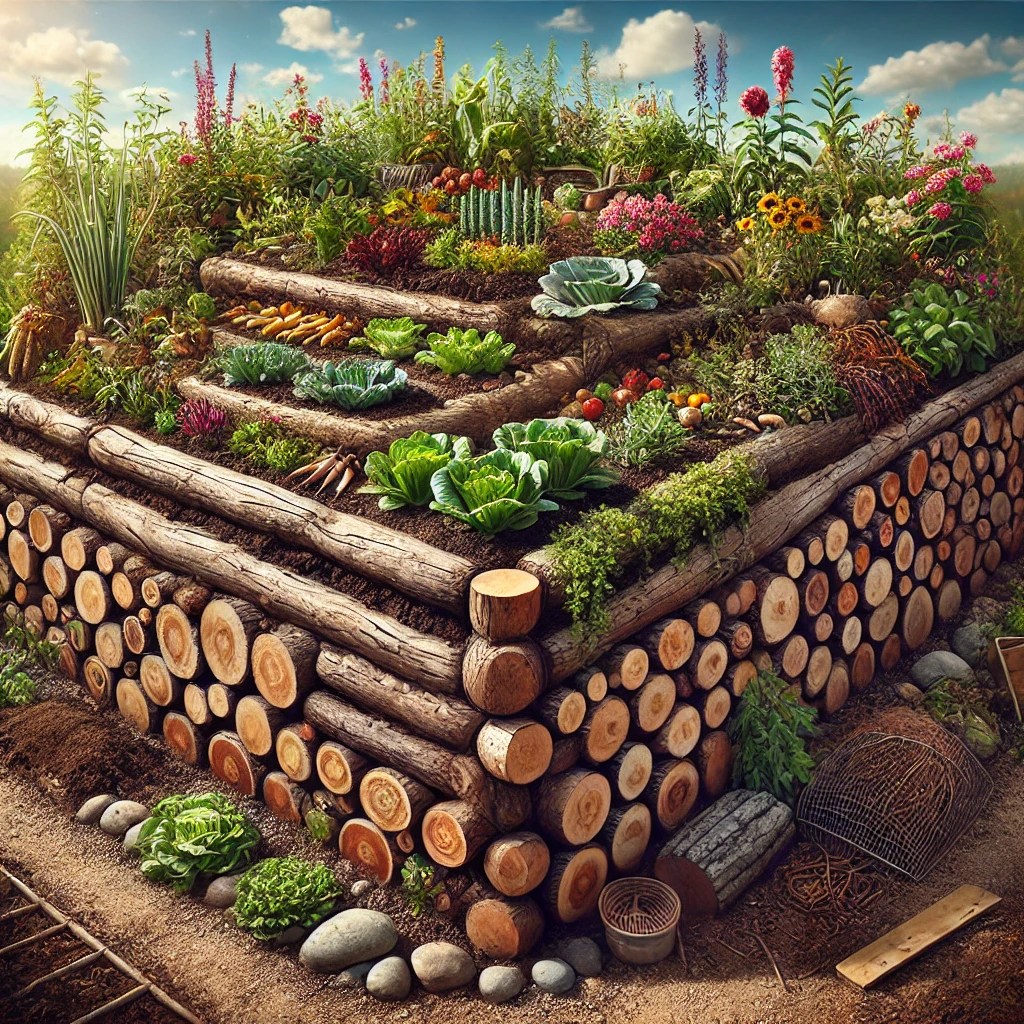
Hugelkultur, which translates to “hill culture” or “mound culture,” is a gardening method where a mound is constructed using decaying wood debris and other organic materials. The mound is then covered with soil and used as a planting bed. The decaying wood at the core of the mound acts as a sponge, absorbing and retaining water, which reduces the need for frequent watering.

Benefits of Hugel Beds

Water Retention and Conservation: One of the most significant advantages of hugel beds is their ability to retain water. The decaying wood absorbs rainwater and slowly releases it into the surrounding soil. This natural irrigation system reduces the need for frequent watering, making hugel beds ideal for areas prone to drought.

Enhanced Soil Fertility: As the wood and organic materials decompose, they enrich the soil with nutrients. This slow release of nutrients provides a long-term food source for plants, resulting in healthier and more vigorous growth. The decomposition process also encourages beneficial microbial activity, further enhancing soil fertility.

Improved Soil Structure: Hugel beds improve soil structure by increasing aeration and drainage. The mound’s layered composition prevents soil compaction and promotes root penetration. This leads to stronger root systems and healthier plants.

Pest and Weed Management: The raised nature of hugel beds can help with pest control by creating a physical barrier that deters some ground-dwelling pests. Additionally, the dense planting often associated with hugel beds can suppress weed growth, reducing the need for chemical herbicides.

Carbon Sequestration: By incorporating large amounts of woody debris into the soil, hugel beds contribute to carbon sequestration. This process helps mitigate climate change by trapping carbon in the soil and reducing greenhouse gas emissions.

Extended Growing Season: The decomposition process in hugel beds generates heat, which can create a warmer microclimate for plants. This can extend the growing season, allowing gardeners to plant earlier in the spring and harvest later in the fall.


Similar Posts:


How to Create a Hugel Bed

Creating a hugel bed involves several steps, but the process is straightforward and can be adapted to any garden size or layout.

1. Choose a Location: Select a well-drained site with good sunlight exposure. Consider the bed’s proximity to water sources and other garden features.

2. Gather Materials: You’ll need a variety of organic materials, including:

  • Large logs or branches
  • Smaller branches and twigs
  • Leaves, grass clippings, and straw
  • Compost or manure
  • Topsoil

3. Build the Base: Start by laying large logs or branches directly on the ground. These will form the core of your hugel bed. Organize them in a manner that forms a stable base.

4. Add Layers: Layer smaller branches and twigs on top of the large logs. Follow with a layer of leaves, grass clippings, or straw. These materials will fill in the gaps and add more organic matter to the bed.

5. Add Compost or Manure: Add a layer of compost or manure to provide additional nutrients. This layer will kickstart the decomposition process and enrich the soil.

6. Cover with Topsoil: Finally, cover the entire mound with a thick layer of topsoil. The soil layer should be deep enough to allow for planting.

7. Water Thoroughly: Water the hugel bed thoroughly to settle the materials and start the decomposition process.

8. Plant Your Garden: Once the hugel bed is built and settled, you can start planting. Choose a mix of shallow-rooted and deep-rooted plants to maximize space and resources.

Maintaining Your Hugel Bed

Maintaining a hugel bed is relatively easy, but there are a few key practices to keep in mind:

Watering: Initially, you may need to water the hugel bed more frequently until the wood becomes fully saturated. After this period, the bed will require less water due to its natural water retention capabilities.

Mulching Add a layer of mulch to the surface of the hugel bed to help retain moisture, suppress weeds, and add organic matter as it decomposes.

Crop Rotation: Practice crop rotation to prevent soil depletion and manage pests. Rotate different plant families through your hugel bed to maintain soil health and productivity.

Periodic Inspections: Regularly check your hugel bed for signs of pests, diseases, or nutrient deficiencies. Make sure to address any issues quickly to maintain the health and vitality of your garden.

Conclusion

Hugelkultur is a time-tested gardening technique that offers numerous benefits for gardeners looking to create sustainable and productive growing spaces. By utilizing decaying wood and organic matter, hugel beds enhance soil fertility, improve water retention, and support robust plant growth. Whether you’re an experienced gardener or a novice, incorporating hugel beds into your garden can transform your gardening experience and yield impressive results. Embrace the principles of hugelkultur and watch your garden flourish!

Happy Gardening! 🌱
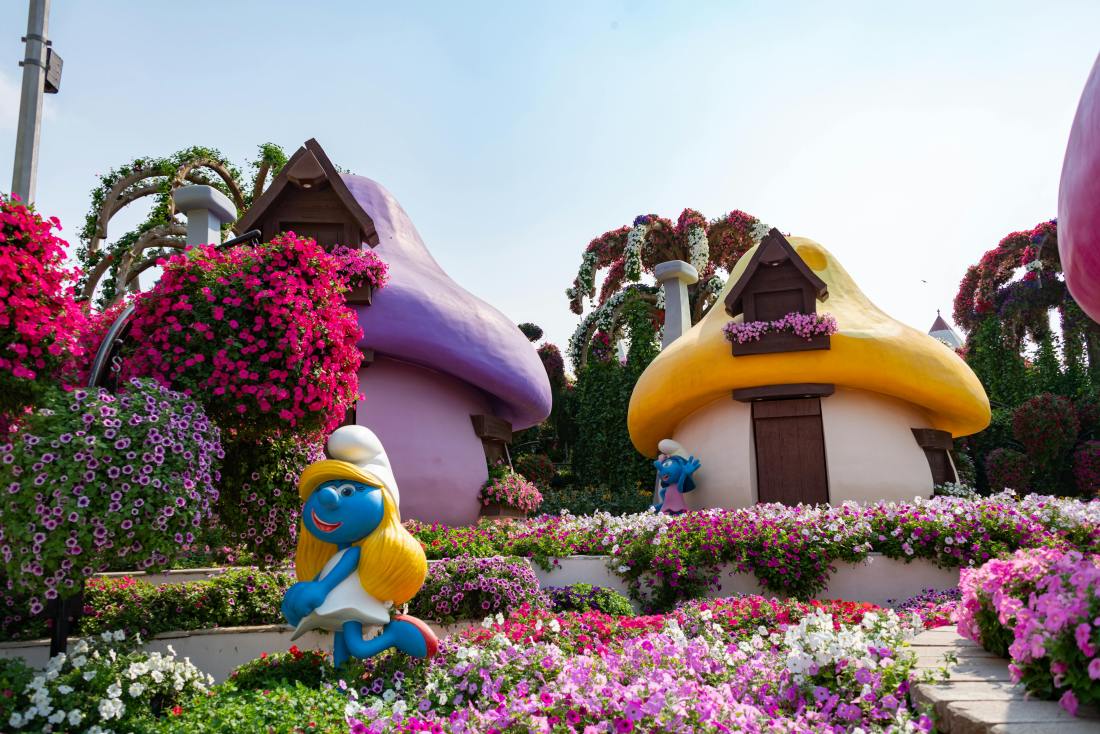
Themed Gardening: Transform Your Outdoor Space with Creativity!

Introduction

Gardening is more than just planting flowers and shrubs; it’s an art form that allows you to express your creativity and personality. Themed gardening takes this concept to the next level by creating a cohesive and immersive experience in your outdoor space. Whether you’re a seasoned gardener or a beginner, themed gardening can add a unique touch to your garden. In this article, we’ll explore various garden themes, how to plan and implement them, and tips for maintaining your themed garden.

What is Themed Gardening?

Themed gardening involves designing your garden around a specific concept or style. This could be inspired by a particular culture, historical period, or even a favorite book or movie. The goal is to create a harmonious and visually appealing space that tells a story or evokes a particular feeling.

Popular Garden Themes

1. Japanese Zen Gardens

Elements: Zen gardens are known for their simplicity and tranquility. Key elements include rocks, gravel, water features, and carefully pruned plants.

Plants: Bamboo, Japanese maple, and moss are popular choices.

Tips: Focus on creating a sense of balance and harmony. Use natural materials and avoid clutter.

2. Cottage Gardens

Elements: Cottage gardens are characterized by their informal, romantic style. They frequently include a combination of flowers, herbs, and vegetables.

Plants: Roses, lavender, and hollyhocks are common.

Tips: Plant densely to create a lush, overflowing look. Use winding paths and rustic garden furniture to enhance the charm.

3. Mediterranean Gardens

Elements: These gardens are designed to thrive in hot, dry climates. They often include terracotta pots, gravel paths, and drought-tolerant plants.

Plants: Olive trees, lavender, and rosemary are ideal.

Tips: Incorporate water-saving techniques like drip irrigation. Use bright, sun-soaked colors in your plant choices and decor.

4. Wildlife Gardens

Elements: Wildlife gardens aim to attract and support local wildlife, including birds, bees, and butterflies.

Plants: Native plants, wildflowers, and berry-producing shrubs.

Tips: Provide water sources and shelter. Please remember to avoid the use of pesticides and instead opt for organic gardening methods.

5. Herb Gardens

Elements: Herb gardens are both functional and beautiful. They can be designed in formal patterns or more casual arrangements.

Plants: Basil, thyme, mint, and parsley.

Tips: Plant herbs in well-drained soil and ensure they receive plenty of sunlight. Consider creating a dedicated herb spiral or raised beds.


Similar Posts:


Planning Your Themed Garden

Assess Your Space and Climate

Examine the dimensions, layout, and condition of your garden area. Think about elements like climate, soil type, and sunlight.

Choose a Theme

Select a theme that resonates with you and suits your environment. Research different themes and gather inspiration from books, magazines, and online resources.

Create a Design Plan

Sketch a layout of your garden, including the placement of plants, paths, and features. Think about how different elements will complement one another to produce a unified style.

Select Plants and Materials

Choose plants that fit your theme and are suitable for your climate. Select materials for paths, borders, and garden structures that complement your theme.

Implementing Your Garden Theme

Prepare the Soil

Ensure your soil is healthy and well-drained. Add vermicompost or other organic manure to improve soil quality.

Planting

Follow your design plan and start planting. Always group plants which have similar water and sunlight needs together.

Incorporate Hardscape Elements

Add paths, benches, water features, and other hardscape elements. These features can enhance the theme and provide structure to your garden.

Use Garden Art and Accessories

Decorate your garden with themed accessories like statues, lanterns, or decorative pots. These will add personality and charm to your garden space.

Maintaining Your Themed Garden

Regular Upkeep

Maintain your garden on a regular basis to keep it looking its best. This covers fertilization, pruning, weeding, and watering.

Seasonal Tasks

Adjust your care routine based on the season. For example, protect delicate plants in winter and ensure adequate watering in summer.

Pest Control

Use organic methods to manage pests. Encourage beneficial insects and use natural remedies to keep harmful pests at bay.

Adapt and Evolve

Gardens are dynamic and ever-changing. Be open to making adjustments and improvements as your garden matures.

Conclusion

Themed gardening is a wonderful way to personalize your outdoor space and create a unique, immersive experience. By choosing a theme that resonates with you and carefully planning and maintaining your garden, you can transform your yard into a beautiful and harmonious retreat. Whether you opt for the tranquility of a Japanese Zen garden or the vibrant charm of a cottage garden, themed gardening offers endless possibilities for creativity and enjoyment.

Happy Gardening!

Aquatic Plants: Transform Your Garden into a Tranquil Oasis!

Introduction

Aquatic plants, often associated with ponds and water features, can bring a unique and serene beauty to your garden. These plants not only enhance the aesthetic appeal but also contribute to the ecological balance of your garden. Here, we explore various aquatic plants that you can grow in your garden, their benefits, and tips for successful cultivation.

Types of Aquatic Plants

Aquatic plants can be broadly categorized into four types: floating plants, submerged plants, marginal plants, and bog plants. Each type has particular characteristics and requirements of its own.

Floating Plants:

Water Lettuce (Pistia stratiotes): This floating plant has rosettes of light green leaves that resemble lettuce. It provides shade and helps in controlling algae growth.

Duckweed (Lemna minor): This tiny, free-floating plant forms a green carpet on the water surface. It is excellent for controlling algae and providing food for fish.

Submerged Plants:

Anacharis (Elodea canadensis): Also known as waterweed, this plant grows entirely underwater. It is great for oxygenating the water and providing habitat for aquatic life.

Hornwort (Ceratophyllum demersum): This plant has feathery, dark green foliage and grows submerged. It helps in maintaining water clarity by absorbing excess nutrients.

Marginal Plants:

Cattail (Typha latifolia): Cattails are tall, reed-like plants that grow along the edges of ponds. They provide shelter for wildlife and help in stabilizing the pond’s edge.

Pickerelweed (Pontederia cordata): This plant has heart-shaped leaves and produces spikes of blue flowers. It thrives in shallow water and attracts pollinators like bees and butterflies.

Bog Plants:

Marsh Marigold (Caltha palustris): With its bright yellow flowers, marsh marigold adds a splash of color to the garden. It prefers wet, boggy conditions and blooms in early spring.

Japanese Iris (Iris ensata): Known for its stunning flowers, Japanese iris grows well in wet soil and can tolerate shallow water.

Benefits of Aquatic Plants

Aquatic plants offer a wide range of benefits in addition to their visual appeal:

Water Quality Improvement:

Aquatic plants play a crucial role in maintaining the quality of water. They absorb excess nutrients, reducing the risk of algae blooms and keeping the water clear.

Habitat for Wildlife:

These plants provide habitat and food for various aquatic creatures, including fish, frogs, and insects. They create a balanced ecosystem in your garden pond.

Erosion Control:

Marginal and bog plants help in stabilizing the soil around the pond, preventing erosion and maintaining the pond’s structure.

Aesthetic Appeal:

The diverse shapes, colors, and textures of aquatic plants add a unique charm to your garden. They create a tranquil and serene environment, perfect for relaxation.


Similar Posts:


Tips for Growing Aquatic Plants

Choose the Right Plants:

Select plants that are suitable for your climate and the specific conditions of your garden pond. Consider factors like water depth, sunlight, and temperature.

Planting Techniques:

Use containers or planting baskets for submerged and marginal plants to control their growth and make maintenance easier.

Water Quality Management:

Regularly monitor the water quality in your pond. Maintain a balance of nutrients and avoid overfeeding fish, as excess food can lead to nutrient buildup and also promotes algae growth.

Regular Maintenance:

Trim and remove dead or decaying plant material to prevent it from decomposing in the water. This helps in maintaining water clarity and preventing the buildup of harmful substances.

Control Invasive Species:

Some aquatic plants like water hyacinths (Eichhornia crassipes) can become invasive if not managed properly. Regularly check for signs of overgrowth and take necessary measures to control their spread.

Popular Aquatic Plants for Your Garden

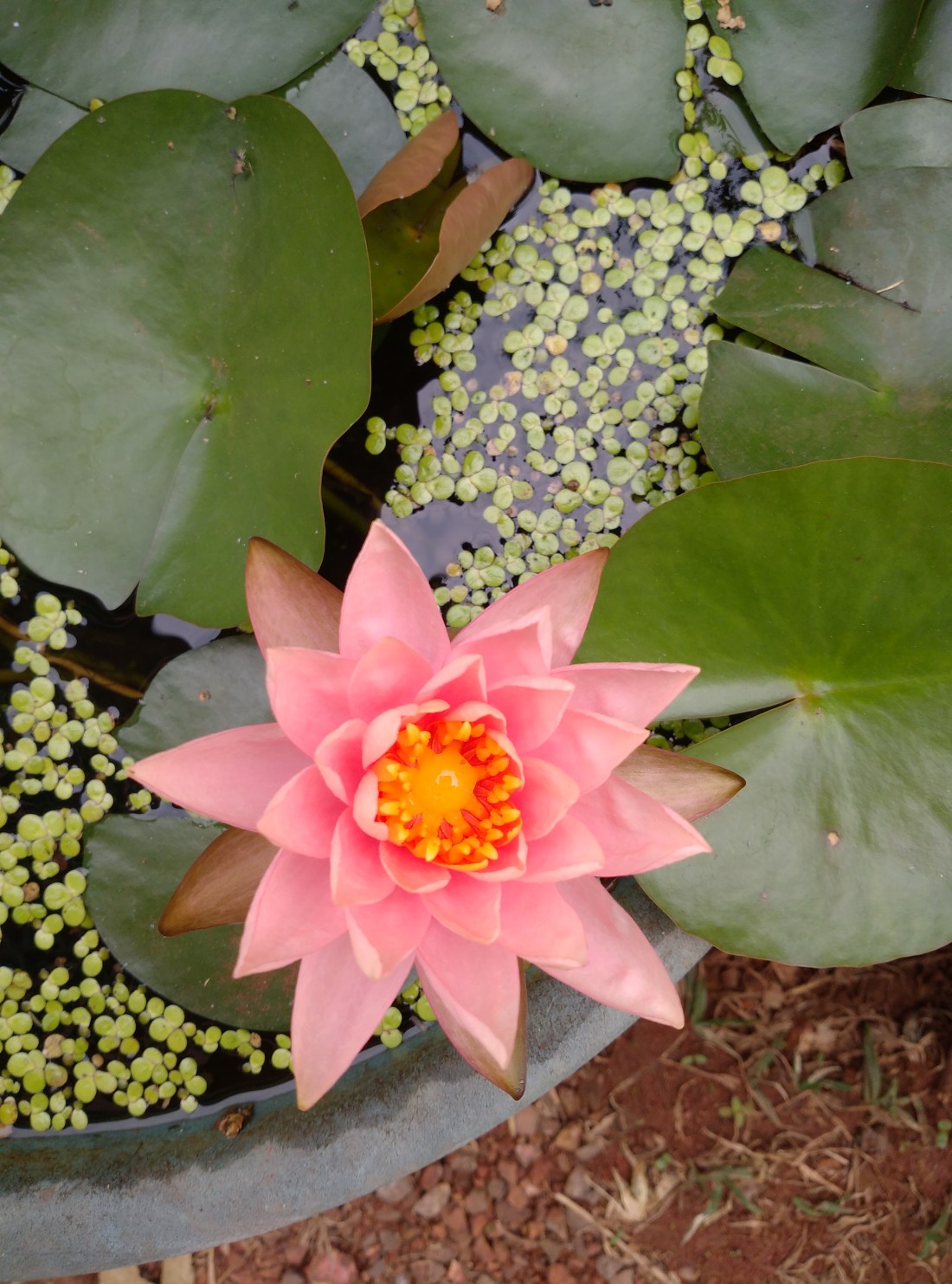
Water Lily (Nymphaea spp.):

Water lilies are iconic aquatic plants known for their large, floating leaves and beautiful flowers. They give a touch of elegance to any pond and are available in a variety of colors and shapes.

Lotus (Nelumbo nucifera):

Lotus plants are revered for their large, fragrant flowers and round leaves. They require full sun and can grow in deeper water compared to water lilies.

Papyrus (Cyperus papyrus):

It is a tall plant with feathery tops that resemble grass. It grows well in shallow water, adding a tropical feel to the garden.

Taro (Colocasia esculenta):

Taro, also known as elephant ear, has large, heart-shaped leaves. It thrives in wet soil and can be grown along the edges of ponds.

Conclusion

Incorporating aquatic plants into your garden can transform it into a lush, vibrant oasis. These plants not only enhance the beauty of your garden but also contribute to the ecological balance. By choosing the right plants and following proper care techniques, you can create a thriving aquatic garden that brings joy and tranquility to your outdoor space.

Happy Gardening!

Explore the World’s Most Beautiful Gardens: Nature’s Masterpieces!

Introduction

Gardens have always been a source of inspiration, tranquility, and beauty. They reflect the creativity and dedication of their creators, offering a glimpse into the harmonious relationship between humans and nature. Here, we explore some of the most beautiful gardens in the world, each with its unique charm and history.

1. Gardens of Versailles, France

The Gardens of Versailles are a testament to the grandeur and opulence of French royalty. Designed by the famous landscape architect André Le Nôtre in the 17th century, these gardens cover approximately 800 hectares of land. The gardens feature meticulously manicured lawns, parterres of flowers, and an array of sculptures and fountains. The Grande Perspective, stretching from the Palace of Versailles to the horizon, is a stunning example of the art of perspective in garden design. Visitors can wander through the Orangery, the Grand Canal, and the numerous groves, each offering a unique experience.

2. Keukenhof Gardens, Netherlands

Known as the “Garden of Europe,” Keukenhof Gardens is one of the largest flower gardens in the world. Located in Lisse, the Netherlands, Keukenhof spans 32 hectares and is home to over 7 million flower bulbs planted annually. The garden is famous for its vibrant displays of tulips, daffodils, hyacinths, and other spring flowers. Open only from mid-March to mid-May, Keukenhof attracts visitors from around the globe who come to witness the breathtaking floral displays. The garden also features themed gardens, pavilions, and a windmill, adding to its charm.

3. Royal Botanic Gardens, Kew, United Kingdom

The Royal Botanic Gardens, Kew in London is a UNESCO World Heritage site and one of the most important botanical gardens in the world. Covering 326 acres, Kew Gardens boasts over 50,000 different species of plants. The garden is renowned for its historic glasshouses, including the Palm House and the Temperate House, which house exotic plants from around the world. Visitors can also explore the Treetop Walkway, the Japanese Gateway, and the stunning Waterlily House. Kew Gardens is not only a place of beauty but also a center for botanical research and conservation.

4. Butchart Gardens, Canada

Located in Brentwood Bay, British Columbia, Butchart Gardens is a floral wonderland that attracts over a million visitors each year. The gardens were created by Jennie Butchart in the early 20th century on the site of a former limestone quarry. Today, Butchart Gardens covers 55 acres and features several themed gardens, including the Sunken Garden, the Rose Garden, and the Japanese Garden. The vibrant displays of flowers, fountains, and sculptures make it a must-visit destination for garden enthusiasts.

5. Claude Monet’s Garden, France

The Claude Monet Garden in Giverny, France, is a living masterpiece that inspired many of the artist’s famous paintings. Monet designed the garden himself, creating a harmonious blend of colors and textures. The garden is divided into two parts: the Clos Normand, a flower garden in front of Monet’s house, and the Japanese-inspired Water Garden, featuring the iconic Japanese bridge and water lilies. Visitors can stroll through the garden and see the scenes that Monet captured in his paintings, making it a unique and immersive experience.

6. Kirstenbosch National Botanical Garden, South Africa

Nestled at the foot of Table Mountain in Cape Town, Kirstenbosch National Botanical Garden is one of the most beautiful botanical gardens in the world. Established in 1913, Kirstenbosch is dedicated to the preservation of South Africa’s unique flora. The garden covers 528 hectares and features a diverse collection of plants, including many rare and endangered species. Highlights include the Tree Canopy Walkway, the Protea Garden, and the fragrance garden. Kirstenbosch is also a popular venue for outdoor concerts and events.


Similar Posts:


7. Nong Nooch Tropical Botanical Garden, Thailand

Nong Nooch Tropical Botanical Garden in Pattaya, Thailand, is a sprawling garden that showcases the beauty and diversity of tropical plants. Covering 500 acres, the garden features a variety of themed gardens, including the French Garden, the Cactus and Succulent Garden, and the Orchid Garden. Nong Nooch is also home to a collection of bonsai trees, topiary sculptures, and traditional Thai architecture. Visitors can enjoy cultural shows, elephant performances, and a scenic lake, making it a vibrant and entertaining destination.

8. Villa d’Este, Italy

The Villa d’Este in Tivoli, Italy, is a Renaissance masterpiece known for its stunning gardens and fountains. Designed in the 16th century by Pirro Ligorio, the gardens are a UNESCO World Heritage site and a prime example of Italian Renaissance garden design. The garden features terraced hillsides, elaborate fountains, and grottoes, all set against the backdrop of the villa. The Fountain of Neptune, the Hundred Fountains, and the Oval Fountain are just a few of the highlights that make Villa d’Este a must-see destination.

9. Desert Botanical Garden, USA

Located in Phoenix, Arizona, the Desert Botanical Garden is a unique garden that showcases the beauty and diversity of desert plants. Covering 140 acres, the garden features over 50,000 plants, including cacti, succulents, and agaves. The garden’s trails wind through various themed areas, such as the Sonoran Desert Nature Loop Trail and the Desert Wildflower Loop Trail. The Desert Botanical Garden also hosts seasonal events, art installations, and educational programs, making it a vibrant and dynamic destination.

10. Biltmore Gardens, USA

The Biltmore Gardens in Asheville, North Carolina, are part of the Biltmore Estate, the largest privately-owned home in the United States. Designed by Frederick Law Olmsted, the gardens cover 8,000 acres and feature a variety of landscapes, including formal gardens, woodland trails, and a conservatory. Highlights include the Italian Garden, the Rose Garden, and the Azalea Garden. The Biltmore Gardens offer a picturesque setting for visitors to explore and enjoy the beauty of nature.

Conclusion

These gardens are just a few examples of the many beautiful gardens around the world. Each garden offers a unique experience, showcasing the creativity and dedication of their creators. Whether you’re a seasoned gardener or simply a lover of nature, visiting these gardens is sure to inspire and delight. So, pack your bags and embark on a journey to explore the most beautiful gardens in the world. 🌸

Happy Gardening!

Maximizing Garden Space: Organizing Plants for Optimal Growth and Yield!

Introduction:

One of the joys of gardening is watching your plants thrive and flourish. However, space can often be a limiting factor, especially for those with smaller gardens or urban spaces. The good news? With careful planning and organization, you can make the most out of your garden’s space, allowing you to grow more plants and enhance your garden’s beauty. In this article, we’ll explore practical tips and strategies for organizing plants in your garden to maximize space and yield.

1. Utilize Vertical Space

Vertical gardening is a game-changer for gardeners looking to maximize space. Utilize trellises, arbors, and wall-mounted planters to grow climbing plants like peas, beans, and cucumbers vertically. This not only saves ground space but also adds visual interest to your garden.

Don’t: Avoid neglecting vertical spaces in your garden. With the right support structures, you can transform walls, fences, and even posts into productive growing areas.

2. Plan Companion Plantings

Companion planting involves grouping plants together that benefit each other. For example, planting marigolds alongside tomatoes can deter pests, while basil can enhance the flavor and growth of tomatoes. Research companion planting guides to find combinations that work best for your garden.

Don’t: Avoid planting incompatible plants together, as this can lead to competition for resources or increased susceptibility to pests and diseases.

3. Opt for Raised Beds and Containers

Raised beds and containers are excellent options for maximizing garden space. They allow you to control soil quality, improve drainage, and concentrate plants in specific areas. Plus, they can be placed in sunny spots, patios, or even rooftops, expanding your growing space.

Don’t: Avoid neglecting proper drainage in raised beds or containers. Ensure adequate drainage holes and use quality potting mix to promote healthy plant growth.

4. Practice Intensive Planting

Intensive planting involves planting crops closer together than traditional methods. This technique can significantly increase yields by maximizing space and reducing weed growth. Research spacing requirements for your plants and adjust based on your garden’s size and layout.

Don’t: Avoid overcrowding plants to the point where they compete for light, nutrients, or space. Balance is key to successful intensive planting.


Similar Posts:


5. Implement Succession Planting

Succession planting involves planting new crops as soon as one harvest is finished. This continuous planting ensures a steady supply of fresh produce throughout the growing season and maximizes the use of garden space. Plan your planting schedule to include early, mid, and late-season crops.

Don’t: Avoid neglecting crop rotation or planting the same crops in the same location year after year. Rotate crops to prevent soil depletion and reduce pest and disease problems.

6. Utilize Corners and Odd Spaces

Corners and odd spaces in your garden can often be overlooked, but they offer valuable growing space. Plant vining plants, herbs, or compact vegetables in these areas to make use of every inch of your garden.

Don’t: Avoid leaving corners or odd spaces unused. With a bit of creativity, you can turn these overlooked areas into productive growing spaces.

7. Design Efficient Paths and Walkways

Efficiently designed paths and walkways can help you navigate your garden while maximizing planting space. Consider using gravel, stepping stones, or mulch for paths that allow water to penetrate the soil and reduce runoff.

Don’t: Avoid creating paths that are too wide or winding, as they can consume valuable planting space. Opt for narrow, straight paths that allow easy access without sacrificing growing areas.

8. Combine Multiple Plants in one container

Plants that require similar conditions, such as adequate sunlight, water, and nutrients from the soil can be grown together. When you mix different types of potted plants in a container, you create a small garden with a range of colors and textures.

Don’t: Avoid planting large plants or plants with different needs in the same container as it can lead to their growth being stunted or even cause them to die.

Conclusion:

Maximizing garden space is all about thoughtful planning, organization, and creativity. By implementing these tips and strategies, you can make the most out of your garden’s space, allowing you to grow more plants and enjoy a bountiful harvest. Whether you’re a seasoned gardener or just starting, these practices can help you create a productive and beautiful garden that makes the most of every square inch.

Happy Gardening!

Top 10 YouTube Channels for Gardening Enthusiasts: Your Green Thumb Guide!

Introduction:

In recent years, YouTube has blossomed into a hub of gardening expertise, offering a plethora of channels dedicated to nurturing greenery, cultivating thriving gardens, and sharing gardening wisdom. Whether you’re a seasoned horticulturist or just dipping your toes into the soil for the first time, these YouTube channels serve as invaluable resources, providing inspiration, guidance, and practical tips to help you grow your gardening skills. Let’s explore the top 10 YouTube channels in the gardening niche that are blooming with knowledge and inspiration.

1. Garden Answer:

With over 1.5 million subscribers, Garden Answer, hosted by Laura LeBoutillier, is a must-watch channel for gardening enthusiasts. Laura’s vibrant personality shines through as she shares expert advice on plant care, garden design ideas, and DIY projects. From stunning floral arrangements to creative container gardening ideas, Garden Answer offers endless inspiration for both indoor and outdoor gardeners.

2. Epic Gardening:

Kevin Espiritu’s Epic Gardening channel is a treasure trove of practical gardening tips, covering everything from urban gardening to hydroponics. With a focus on organic gardening methods and sustainable practices, Kevin shares insightful tutorials, product reviews, and gardening experiments to help viewers grow their own food and create thriving green spaces.

3. Gardening Is My Passion:

Gardening Is My Passion channel is hosted by Dr. Suraj Prakash Agarwal who is not only a dedicated college professor but also an avid gardening enthusiast. With his wealth of knowledge and passion for cultivating greenery, he provides expert guidance on nurturing various plants, including flowering plants, vegetables, and fruits. Additionally, Dr. Agarwal shares valuable insights on selecting the right planters, choosing suitable fertilizers, and implementing effective maintenance techniques to ensure thriving gardens.

4. MIgardener:

Luke Marion’s MIgardener channel is dedicated to empowering gardeners of all skill levels to grow their own food and live a healthier lifestyle. With an emphasis on organic gardening techniques and budget-friendly solutions, Luke shares practical advice on seed starting, soil building, and pest management, making gardening accessible to everyone.

5. California Gardening:

If you’re gardening in California or a similar climate, California Gardening is the channel for you. Hosted by the knowledgeable and affable Shiv, this channel offers expert advice on growing fruits, vegetables, and ornamental plants in the California climate. From citrus trees to succulents, Shiv covers a wide range of topics to help Californian gardeners thrive.


Similar Posts


6. The Rusted Garden:

Gary Pilarchik’s The Rusted Garden channel is a go-to resource for vegetable gardeners seeking practical advice and helpful tips. Gary’s down-to-earth approach and extensive gardening knowledge shine through as he covers topics such as seed starting, companion planting, and organic pest control, helping viewers grow bountiful harvests year-round.

7. HuwRichards:

Huw Richards channel is dedicated to teaching viewers how to grow their own food using organic and no-dig gardening methods. With a focus on sustainability and self-sufficiency, Huw shares valuable insights on composting, mulching, and crop rotation, making gardening both rewarding and environmentally friendly.

8. Growing Your Greens:

John Kohler’s Growing Your Greens channel is all about growing nutrient-dense fruits and vegetables using organic gardening practices. With a focus on urban gardening and small-space gardening solutions, John shares tips on vertical gardening, container gardening, and maximizing garden yields, helping viewers grow food even in limited spaces.

9. James Prigioni:

James Prigioni’s gardening channel offers a wealth of practical advice on topics such as composting, raised bed gardening, and plant propagation. With a laid-back and approachable style, James shares his passion for gardening and encourages viewers to get their hands dirty and connect with nature.

10. BBC Gardeners’ World Magazine:

The official YouTube channel of the popular BBC gardening show, Gardeners’ World offers expert advice, garden tours, and practical tips for gardeners of all skill levels. Hosted by renowned horticulturist Monty Don, this channel covers a wide range of topics, from planting techniques to seasonal garden maintenance, providing valuable insights for gardeners around the world.

Conclusion:

Whether you’re looking to grow your own food, create a vibrant flower garden, or transform your outdoor space, these top 10 YouTube channels in the gardening niche offer a wealth of knowledge, inspiration, and practical tips to help you to achieve your goal. From expert advice on plant care to creative garden design ideas, these channels cater to gardeners of all skill levels and interests, making them essential resources for anyone with a green thumb. So, roll up your sleeves, grab your gardening tools, and let these YouTube channels guide you on your gardening journey to green-thumb greatness!

Happy Gardening!

Crafting Green Havens: Maximizing Small Spaces for Stunning Gardens!

Introduction

In the realm of limited spaces, transforming a tiny area into a lush garden sanctuary is not only feasible but also rewarding. Small gardens present an opportunity to weave greenery and charm into compact spaces, elevating aesthetics and fostering a sense of tranquility. Here’s a comprehensive guide on creating a flourishing garden in even the smallest of areas.

Assess and Plan:

Start by assessing the available space, considering sunlight exposure, soil quality, and the area’s dimensions. Optimize vertical space with hanging planters or trellises for climbing plants. Sketch a layout, focusing on functionality and aesthetics, and select plants suited for the available light conditions.

Choose the Right Plants:

For small gardens, select plants wisely. Opt for dwarf varieties, container-friendly plants, and those suited to compact environments. Herbs, succulents, dwarf shrubs, and ornamental grasses are excellent choices. Consider planters, raised beds, or vertical gardens to maximize space.

Optimize Vertical Space:

Utilize vertical space efficiently by installing wall-mounted planters, trellises, or shelving units. Cascading plants and climbers add depth and visual appeal while maximizing space. Hanging baskets or wall pockets create a vertical oasis without compromising floor space.

Strategic Arrangement:

Arrange plants strategically, considering their growth habits and aesthetics. Layer plants by height, placing taller ones at the back and shorter ones toward the front. Group plants with similar water and sunlight needs together for efficient care and to create visually appealing clusters.


Similar Posts


Utilize Containers and Raised Beds:

Containers and raised beds are invaluable assets in small gardens. They offer mobility, enable better soil control, and add dimension. Utilize various-sized containers, including window boxes, hanging baskets, and pots, to diversify your garden’s appeal.

Maximize Natural Elements:

Incorporate natural elements such as rocks, pebbles, or driftwood to add texture and interest. Utilize mirrors strategically to create an illusion of space and amplify natural light. Create focal points with statues, birdbaths, or small water features.

Maintenance and Care:

Regular maintenance is crucial for small gardens. Water plants as needed, prune regularly, and remove dead foliage to maintain a neat appearance. Opt for slow-release fertilizers or compost to nourish plants effectively.

Conclusion:

Small spaces need not limit your gardening aspirations. With strategic planning, clever plant selection, and creative utilization of space, you can transform even the tiniest areas into thriving garden retreats.

Crafting a small garden is a delightful venture, allowing you to infuse greenery and serenity into your living space. With a dash of creativity and the right approach, your small garden can blossom into a serene and vibrant oasis. Embrace the opportunity to craft a green haven that not only enhances your surroundings but also offers a slice of natural tranquility.

Happy Gardening!

Crafting Serenity: Your Guide to Designing a Backyard Meditation Garden!

In the hustle of daily life, creating a serene space at home can nurture your well-being. A backyard meditation garden offers a haven for relaxation, contemplation, and reconnection with nature. Whether you’re a beginner or an avid gardener, here’s a step-by-step guide to design and cultivate your tranquil oasis.

1. Planning the Space:

Assess your backyard’s layout and choose a suitable spot for your garden. Consider factors like sunlight, shade, and privacy. Sketch out a design, incorporating elements such as pathways, seating areas, and focal points like a fountain or a statue.

2. Selecting Plants:

Choose a mix of plants that engage your senses—fragrant flowers like lavender, jasmine, or roses for aroma, lush greenery for visual appeal, and textured foliage for touch. Native plants can thrive with less maintenance and attract local wildlife, enhancing the garden’s ambiance.

3. Creating Pathways:

Design pathways using gravel, stepping stones, or natural materials like wood chips. Curved paths encourage a leisurely stroll, promoting a sense of tranquility. Consider adding seating areas along the path for meditation or quiet reflection.

4. Adding Elements of Serenity:

Incorporate elements that foster relaxation—a small water feature like a fountain or a reflecting pool can provide soothing sounds. Wind chimes or gentle music can further enhance the ambiance. Install a bench, hammock, or comfortable seating for moments of contemplation.


Similar Posts


5. Personalizing the Space:

Add personal touches like inspirational quotes on stones or tucked into the foliage, symbolic statues, or a dedicated space for yoga or meditation. Consider incorporating elements that hold personal significance to elevate the emotional connection to the garden.

6. Maintaining the Garden:

Regular maintenance is key to preserving the garden’s tranquility. Water plants adequately, prune regularly, and remove weeds to maintain the garden’s allure. Create a schedule for upkeep to ensure it remains a relaxing retreat.

7. Enjoying Your Sanctuary:

Finally, take time to immerse yourself in the tranquility of your backyard meditation garden. Utilize it for meditation, yoga, reading, or simply unwinding after a long day. Embrace the peace and serenity it offers as a haven from the stresses of life.

A backyard meditation garden isn’t just a beautiful addition to your home; it’s a sanctuary for mindfulness and rejuvenation. Invest time in its creation, and let it become a cherished space where you can reconnect with yourself amidst the beauty of nature. Start planning today to create your own oasis of calm and tranquility right at home.

Happy Gardening!