
Introduction
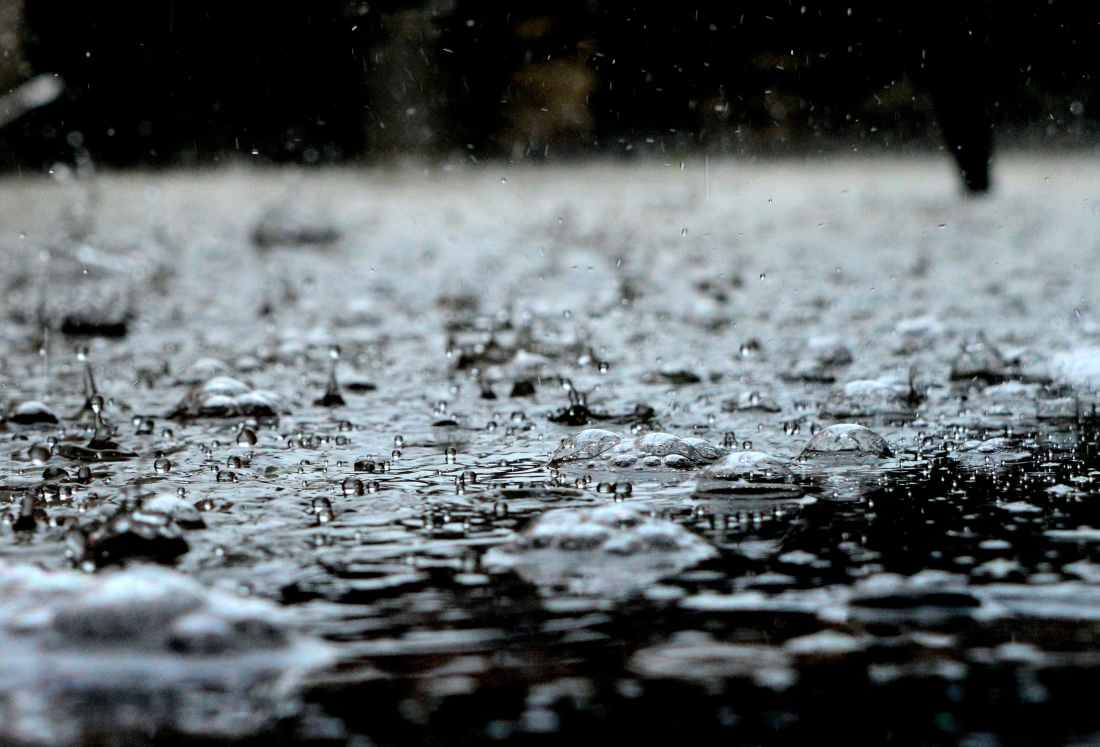
In the realm of gardening, water stands as a precious resource. Amidst concerns of water scarcity and environmental sustainability, rainwater harvesting emerges as a sustainable practice with immense benefits for cultivating flourishing gardens. Harnessing rainwater isn’t just an eco-friendly choice; it’s a powerful technique to nourish your garden while conserving water resources.
Rainwater harvesting for gardening is a method that involves collecting and storing rainwater for later use in watering plants, enriching soil, and sustaining green spaces. This eco-conscious approach not only lessens dependence on traditional water sources but also amplifies the health and vitality of your garden in myriad ways.
Importance of Rainwater Harvesting for Gardening:
- Eco-Friendly and Sustainable: Rainwater harvesting minimizes reliance on municipal water supplies or groundwater, thereby reducing your carbon footprint and lessening strain on natural water sources.
- Nutrient-Rich Water Source: Rainwater is devoid of harmful chemicals and possesses natural nutrients vital for plant growth, providing a healthier alternative to chemically treated water.
- Conservation of Resources: By capturing rainwater, this method ensures you maximize water availability and reduces water wastage, supporting a sustainable approach to gardening.
Methods of Rainwater Harvesting for Gardening:
- Rain Barrels and Cisterns: These storage units collect rainwater from rooftops, diverting it through gutters into barrels or tanks for later use in garden irrigation.
- Rain Gardens: Designed to capture and absorb rainwater runoff, these gardens are planted in low-lying areas and act as natural filters while recharging groundwater.
- Permeable Surfaces: Install permeable pavements or surfaces that allow rainwater to infiltrate the soil directly, replenishing groundwater levels and supporting garden growth.
Benefits of Rainwater Harvesting in Gardening:
- Natural Nutrient Source: Rainwater is free from chlorine or other chemicals often found in tap water, providing plants with a pure, nutrient-rich source of hydration.
- Sustainable Irrigation: The stored rainwater can sustain your garden during dry spells or watering restrictions, ensuring continuous growth and vitality of plants.
- Cost-Efficient: By reducing reliance on municipal water, rainwater harvesting can lower your water bills while providing an effective irrigation solution.
Similar Posts
Tips for Implementing Rainwater Harvesting:
- Proper Storage: Ensure rain barrels or tanks are clean and covered to prevent contamination and breeding of mosquitoes or algae.
- Regular Maintenance: Periodically clean gutters, filters, and storage units to maintain water quality and prevent blockages.
- Use of Screen Filters: Install screen filters to prevent debris or contaminants from entering rainwater collection systems.
Step By Step Process:
Harvesting rainwater for your garden is a sustainable and eco-friendly way to ensure a steady water supply. Here are steps to harvest rainwater effectively:
- Rain Barrel Setup: Place a rain barrel beneath a downspout or gutter to collect rainwater. Ensure the barrel has a secure lid to prevent debris, mosquitoes, and evaporation.
- Barrel Positioning: Position the barrel on a raised platform to improve water pressure. It should be stable and situated close to the garden for easier access.
- Filter System: Install a mesh screen or filter at the entry point to prevent leaves, twigs, and other debris from entering the barrel.
- Gutter Diversion: Direct the downspout or gutter directly into the rain barrel using a diverter. This allows you to control when the rainwater fills the barrel.
- Overflow Outlet: Include an overflow outlet near the top of the barrel. Attach a hose to redirect excess water away from the foundation to avoid waterlogging.
- Regular Maintenance: Clean the barrel and filter periodically to ensure the system remains efficient. Check for leaks or damage.
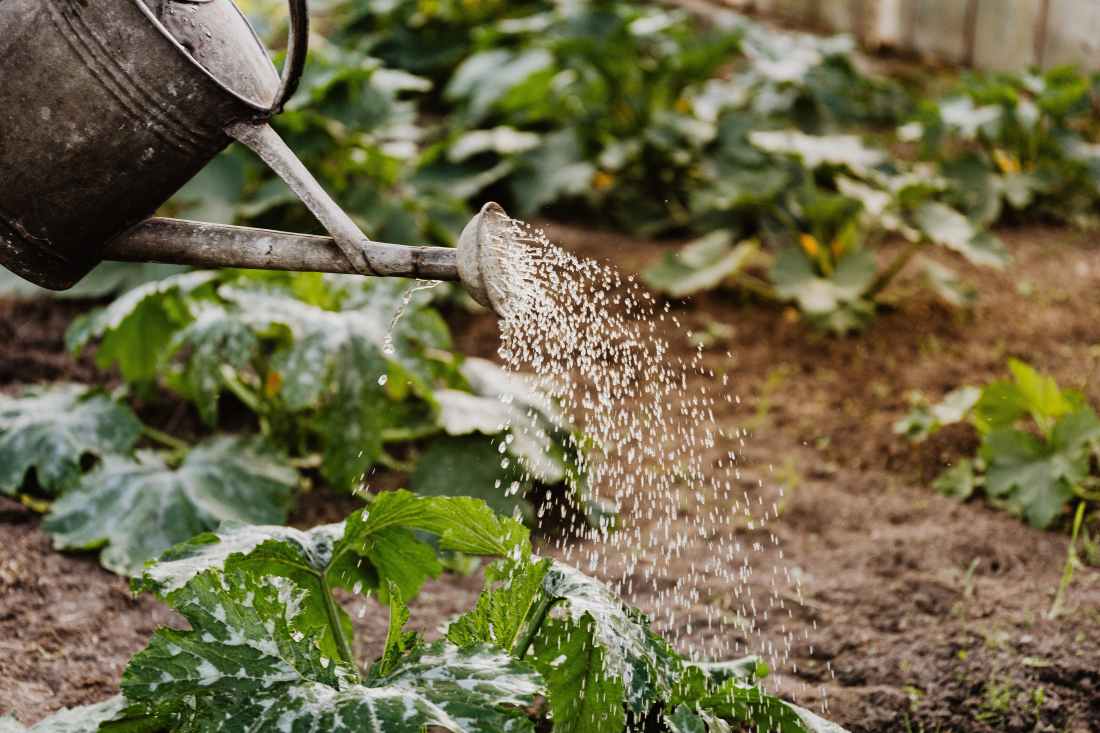
- Water Usage: Use the harvested rainwater to irrigate your garden. Connect a hose or use a watering can for easy distribution.
- Conservation: Conserve rainwater during dry spells and use it judiciously for your plants, prioritizing when watering is most crucial.
By implementing these steps, you can effectively harvest rainwater to nurture your garden while minimizing water waste and reducing your environmental impact.
Conclusion:
Rainwater harvesting is a sustainable, eco-friendly practice that offers immense benefits for gardening enthusiasts. By harnessing the power of rain, gardeners can create thriving landscapes while actively contributing to water conservation efforts. Implementing rainwater harvesting techniques not only elevates gardening practices but also embodies a commitment to environmental stewardship.
Incorporating rainwater harvesting in gardening isn’t just a choice; it’s a conscious step toward sustainable living that fosters healthy, vibrant gardens while preserving precious water resources for future generations.
Happy Gardening!
 ILoveGardening