Aquatic Plants: Transform Your Garden into a Tranquil Oasis!

Introduction

Aquatic plants, often associated with ponds and water features, can bring a unique and serene beauty to your garden. These plants not only enhance the aesthetic appeal but also contribute to the ecological balance of your garden. Here, we explore various aquatic plants that you can grow in your garden, their benefits, and tips for successful cultivation.

Types of Aquatic Plants

Aquatic plants can be broadly categorized into four types: floating plants, submerged plants, marginal plants, and bog plants. Each type has particular characteristics and requirements of its own.

Floating Plants:

Water Lettuce (Pistia stratiotes): This floating plant has rosettes of light green leaves that resemble lettuce. It provides shade and helps in controlling algae growth.

Duckweed (Lemna minor): This tiny, free-floating plant forms a green carpet on the water surface. It is excellent for controlling algae and providing food for fish.

Submerged Plants:

Anacharis (Elodea canadensis): Also known as waterweed, this plant grows entirely underwater. It is great for oxygenating the water and providing habitat for aquatic life.

Hornwort (Ceratophyllum demersum): This plant has feathery, dark green foliage and grows submerged. It helps in maintaining water clarity by absorbing excess nutrients.

Marginal Plants:

Cattail (Typha latifolia): Cattails are tall, reed-like plants that grow along the edges of ponds. They provide shelter for wildlife and help in stabilizing the pond’s edge.

Pickerelweed (Pontederia cordata): This plant has heart-shaped leaves and produces spikes of blue flowers. It thrives in shallow water and attracts pollinators like bees and butterflies.

Bog Plants:

Marsh Marigold (Caltha palustris): With its bright yellow flowers, marsh marigold adds a splash of color to the garden. It prefers wet, boggy conditions and blooms in early spring.

Japanese Iris (Iris ensata): Known for its stunning flowers, Japanese iris grows well in wet soil and can tolerate shallow water.

Benefits of Aquatic Plants

Aquatic plants offer a wide range of benefits in addition to their visual appeal:

Water Quality Improvement:

Aquatic plants play a crucial role in maintaining the quality of water. They absorb excess nutrients, reducing the risk of algae blooms and keeping the water clear.

Habitat for Wildlife:

These plants provide habitat and food for various aquatic creatures, including fish, frogs, and insects. They create a balanced ecosystem in your garden pond.

Erosion Control:

Marginal and bog plants help in stabilizing the soil around the pond, preventing erosion and maintaining the pond’s structure.

Aesthetic Appeal:

The diverse shapes, colors, and textures of aquatic plants add a unique charm to your garden. They create a tranquil and serene environment, perfect for relaxation.


Similar Posts:


Tips for Growing Aquatic Plants

Choose the Right Plants:

Select plants that are suitable for your climate and the specific conditions of your garden pond. Consider factors like water depth, sunlight, and temperature.

Planting Techniques:

Use containers or planting baskets for submerged and marginal plants to control their growth and make maintenance easier.

Water Quality Management:

Regularly monitor the water quality in your pond. Maintain a balance of nutrients and avoid overfeeding fish, as excess food can lead to nutrient buildup and also promotes algae growth.

Regular Maintenance:

Trim and remove dead or decaying plant material to prevent it from decomposing in the water. This helps in maintaining water clarity and preventing the buildup of harmful substances.

Control Invasive Species:

Some aquatic plants like water hyacinths (Eichhornia crassipes) can become invasive if not managed properly. Regularly check for signs of overgrowth and take necessary measures to control their spread.

Popular Aquatic Plants for Your Garden

Water Lily (Nymphaea spp.):

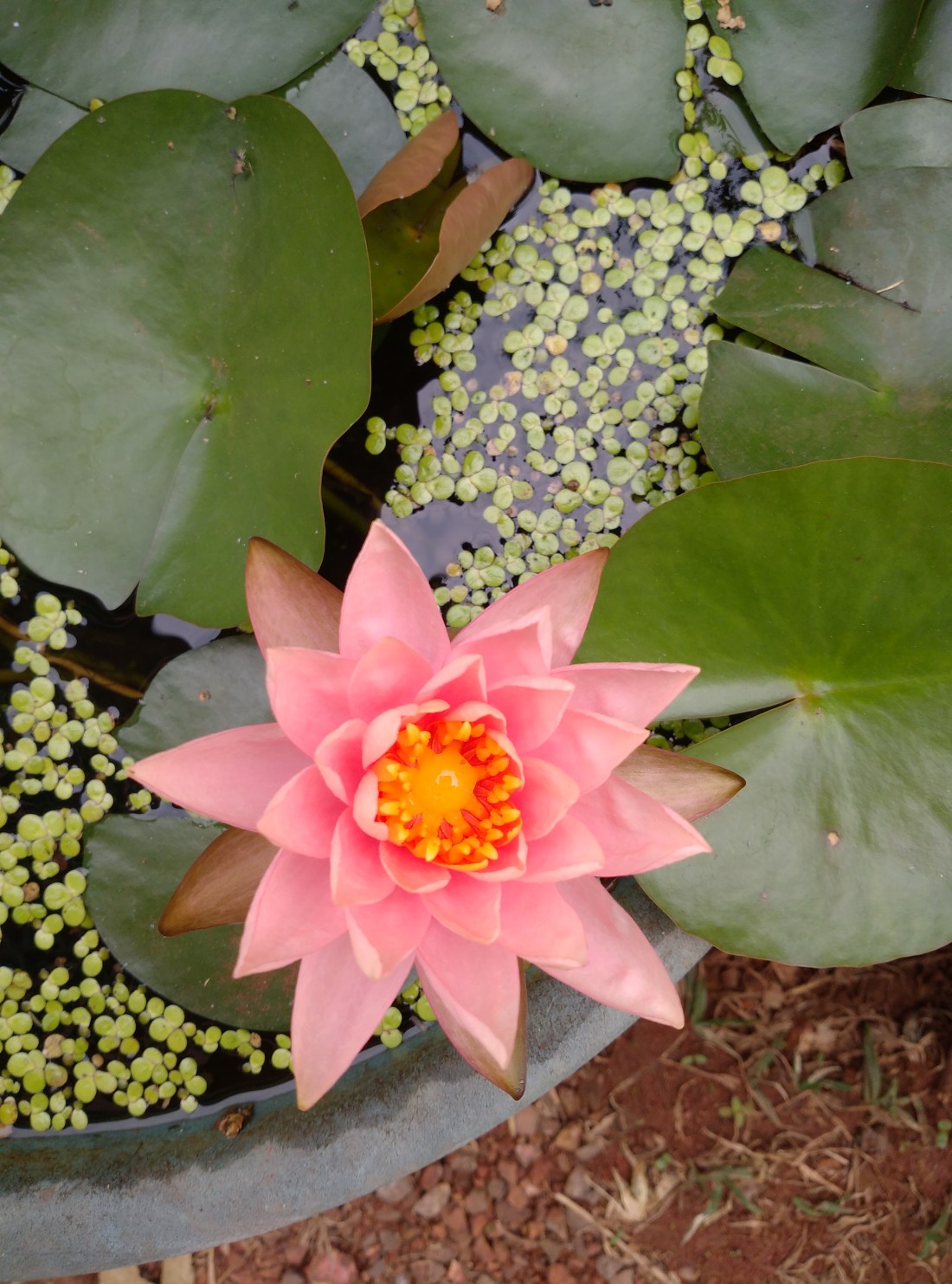
Water lilies are iconic aquatic plants known for their large, floating leaves and beautiful flowers. They give a touch of elegance to any pond and are available in a variety of colors and shapes.

Lotus (Nelumbo nucifera):

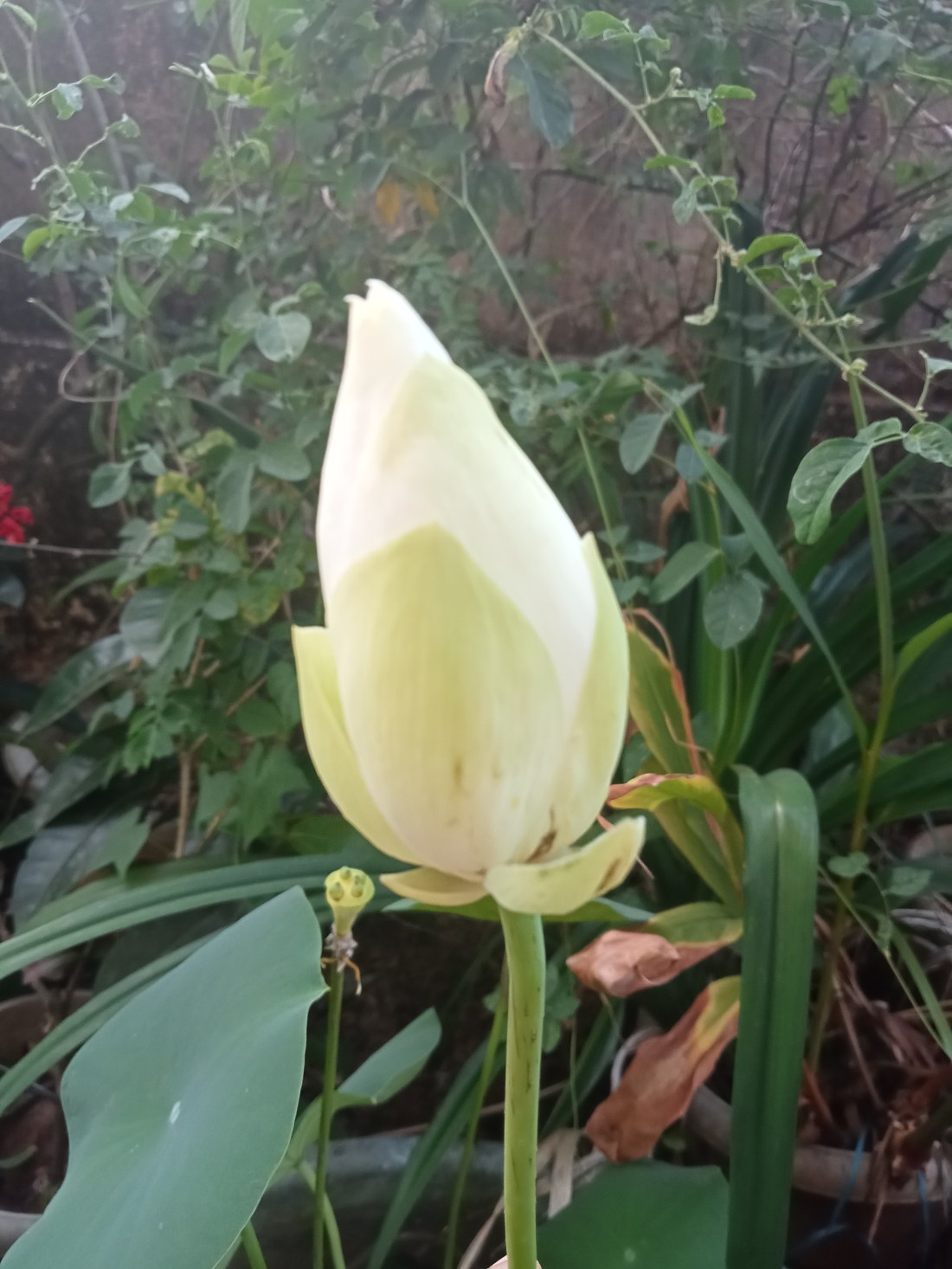
Lotus plants are revered for their large, fragrant flowers and round leaves. They require full sun and can grow in deeper water compared to water lilies.

Papyrus (Cyperus papyrus):

It is a tall plant with feathery tops that resemble grass. It grows well in shallow water, adding a tropical feel to the garden.

Taro (Colocasia esculenta):

Taro, also known as elephant ear, has large, heart-shaped leaves. It thrives in wet soil and can be grown along the edges of ponds.

Conclusion

Incorporating aquatic plants into your garden can transform it into a lush, vibrant oasis. These plants not only enhance the beauty of your garden but also contribute to the ecological balance. By choosing the right plants and following proper care techniques, you can create a thriving aquatic garden that brings joy and tranquility to your outdoor space.

Happy Gardening!

Cow Dung Fertilizer: A Traditional and Highly Beneficial Organic Option!

cow dung fertilizer0

Introduction

Cow dung has long been a staple fertilizer in rural areas, prized for its availability and organic nature. Cow dung is rich in nutrients and has a 3-2-1 NPK ratio, making it suitable for almost all types of plants. It’s also environmentally friendly because it produces very few greenhouse gases. As a natural resource, cow dung is often used to enrich the soil and promote plant growth. Its dried form, known as cow dung cakes, offers several advantages that make it safer and more effective for gardening.

What is a Cow Dung Cake and How is It Made?

Cow dung is simply the waste material excreted by cows. When fresh, it contains high levels of nitrogen, which can generate excessive heat and potentially harm plants. However, when the dung is dried, it loses some of its nitrogen content, making it safer to use as a fertilizer. This dried form, known as cow dung cake, is created by simply spreading fresh cow dung in the sun until it dries completely. Once dried, it can be used as a nutrient-rich fertilizer for your garden.

Benefits of Using Cow Dung Cakes

Using cow dung cakes as fertilizer comes with several benefits that can greatly enhance your gardening experience:

  • Organic and Environmentally Friendly

Cow dung is a completely organic fertilizer, making it an environmentally friendly choice for gardening and farming. Unlike synthetic fertilizers, which can introduce harmful chemicals into the soil and water supply, cow dung enriches the soil naturally without any negative environmental impact. Using cow dung as a fertilizer helps maintain the ecological balance, promotes soil health, and supports sustainable agricultural practices. It’s a great way to nourish your plants while being kind to the planet.

  • Reduced Nitrogen Content

One of the primary advantages of cow dung fertilizer is its reduced nitrogen content. Fresh cow dung contains high nitrogen levels, which can cause root burn if applied directly. The drying process of cow dung cakes lowers this nitrogen content, making it safer and less likely to damage your plants. The main goal of creating cow dung compost is to reduce the heat generated by nitrogen, and dried cow dung cakes achieve this effectively.

  • Improved Absorption

Cow dung cakes have a better absorption rate when applied to the roots of plants. The nutrients from the cake mix with water, allowing them to be more easily absorbed by the plant roots. When applied correctly, cow dung cakes can provide nutrients more effectively than fresh cow dung.

  • Slow Release of Nutrients

Another significant benefit of cow dung cakes is their slow-release nature. As the nutrients in the cake gradually break down in the soil, they provide a consistent supply of nourishment to the plants over time. This steady release helps ensure that the plants receive the nutrients they need for sustained growth.

  • Enhanced Foliar Growth

Cow dung cakes are rich in nitrogen, which is essential for promoting healthy foliar growth. Nitrogen is a key nutrient responsible for the development of leaves, making cow dung fertilizer particularly beneficial for leafy plants.

  • Trace Elements

In addition to nitrogen, cow dung contains a variety of trace elements that are essential for plant health. These microelements help prevent leaf problems, promote better overall growth, and contribute to larger, healthier fruits, flowers, and vegetables. Without these trace elements, plants may struggle to thrive.


Similar Posts:


Tips for Using Cow Dung Cakes

To get the most out of cow dung cakes, it’s important to apply them correctly and in the right amounts. Proper usage can maximize the benefits while minimizing any potential side effects.

  • Using Cow Dung Cakes for Potted Plants

For potted plants, start by crushing the cow dung cakes into a fine powder. The ideal amount is 4 tablespoons for a 10-inch pot, adjusting the dosage based on the size of the pot. Once you’ve measured the appropriate amount, mix the powder thoroughly with the soil. You can apply this cow dung powder every two weeks during the winter months. However, it’s best to avoid using it during hot summers, as the heat can intensify the effects. After applying the powder, water the plant frequently to help the nutrients absorb into the soil. The best time to apply cow dung is in the cool evening.

  • Making Cow Dung Liquid Fertilizer

Another effective way to use cow dung cakes is to create a liquid fertilizer. This method is even safer, as it allows for better absorption and reduces the risk of nitrogen-related heat damage. To make liquid fertilizer, simply soak the cow dung cakes in a liter of water for at least 1-2 nights. Once the cakes have settled in the water, the liquid is ready to use. Dilute this liquid with 8 parts of water, and apply 100ml of the diluted mixture to a 5-inch pot, doubling the dose for larger pots. The best time to apply this liquid fertilizer is in the evening or early morning. It’s safe to use throughout the year, providing consistent nourishment for your plants.

  • Making Panchagavya

Panchagavya, also known as Panchakavyam, is a traditional mixture used in Hindu rituals and Ayurvedic medicine. It’s also widely used in gardening. It is made from five cow-derived products: cow dung, cow urine, milk, curd, and ghee12. These ingredients are mixed and allowed to ferment.

Here’s a recipe for making panchagavya, a mixture that’s used for farming:

Mix 7 kg of cow dung and 1 kg of cow ghee in a wide-mouthed container. Stir in the morning and evening for three days. Mix 10 liters of cow urine and 10 liters of water in a separate container. Stir in the morning and evening for 15 days. After 15 days, mix in 3 liters of cow milk, 2 liters of cow curd, 3 liters of tender coconut water, and 3 kg of jaggery. Add all the ingredients to a wide-mouthed container, like a mud pot, concrete tank, or plastic can. Keep the container open in the shade and stir twice a day.

You can use panchagavya as a liquid fertilizer or foliar spray:

Liquid fertilizer: Dilute panchagavya with 30 parts water. Apply this fertilizer once in a week.

Foliar spray: Filter the liquid with a cotton cloth and spray on plants weekly.

Can Cow Dung Cakes Be Used for All Plants?

Cow dung cakes can be used on a wide variety of plants, including flowering plants, fruiting trees, seasonal vegetables, leafy houseplants, cacti, and succulents. However, it’s crucial to follow the correct dosage and application methods to avoid any adverse effects.

Preventive Measures When Using Cow Dung

While cow dung is a valuable fertilizer, there are a few precautions to keep in mind:

Avoid Using on Seedlings: Never apply cow dung to seedlings that are less than a month old, as they are too delicate to handle the nutrients.

Avoid in Hot Summers: Do not use cow dung during hot summers or on sunny days. The best time to apply is during cool evenings.

Monitor Usage: Overuse of cow dung fertilizer can lead to leaf burn, so it’s essential to use it sparingly.

Remove Weeds: Sometimes cow dung contains seeds of grass or other weeds. Keep a watch, and if weeds start to grow, remove them immediately; otherwise, they will absorb all the nutrients from the soil.

For the safest and most effective results, consider decomposing cow dung cakes into compost before using them. This composted form can be applied to any plant at any time without the risk of damage.

Cow dung cakes offer a traditional, organic way to enrich your garden, providing essential nutrients while being safe and easy to use.

Conclusion

Cow dung is a powerful and versatile natural fertilizer that has been used for centuries. Its many benefits, such as being low in nitrogen, improving nutrient absorption, promoting steady growth, encouraging foliar development, and providing essential trace elements, make it an excellent choice for healthy plant growth. Furthermore, as an organic and eco-friendly option, cow dung helps support sustainable gardening practices while enriching the soil without harmful chemicals. By using cow dung cakes or compost correctly, you can boost the health and productivity of your plants, making your garden flourish naturally.

Happy Gardening!

Maintaining a Pristine Water Lily Pond: Tips for a Clean and Insect-Free Garden Oasis!

Introduction:

Water lilies are captivating aquatic plants that add a touch of elegance and tranquility to any garden pond. Their floating leaves and vibrant blooms create a serene ambiance, attracting not only human admirers but also a variety of insects and wildlife. While some insects are beneficial, others can become pests that disrupt the balance of your pond ecosystem. In this comprehensive guide, we’ll explore the essential tips for keeping your water lily pond clean and insect-free, ensuring it remains a beautiful and harmonious garden oasis.

Understanding the Importance of Pond Maintenance

Before diving into the tips, it’s crucial to understand why pond maintenance is essential. A well-maintained pond not only enhances the aesthetic appeal of your garden but also promotes a healthy ecosystem. Regular maintenance helps prevent algae overgrowth, maintains water clarity, and ensures the well-being of your water lilies and other aquatic plants.

Tips for Keeping Your Water Lily Pond Clean

1. Install a Filtration System

Do: Invest in a quality pond filtration system to help remove debris, sediment, and organic matter from the water. A good filtration system will help keep the water clean and clear, reducing the need for frequent cleaning.

2. Regularly Remove Debris

Do: Skim the surface of your pond regularly to remove leaves, twigs, and other debris that can accumulate and decay, releasing nutrients that promote algae growth. Use a pond net or skimmer to make this task easier.

3. Use Beneficial Bacteria

Do: Add beneficial bacteria to your pond regularly to help break down organic waste and reduce algae growth. Beneficial bacteria are natural and safe for fish, plants, and other pond inhabitants.

4. Monitor Water Quality

Do: Regularly test the water quality of your pond to ensure it meets the optimal conditions for your water lilies and other aquatic plants. Factors to monitor include pH levels, ammonia, nitrites, and nitrates.


Similar Posts:


Tips for Keeping Your Water Lily Pond Insect-Free

1. Attract Beneficial Insects

Do: Encourage the presence of beneficial insects like dragonflies, water beetles, and damselflies that naturally control pest populations. These insects are voracious predators of mosquito larvae and other pests.

2. Use Natural Repellents

Do: Employ natural repellents like citronella or lavender around the pond to deter mosquitoes and other nuisance insects. These plants not only repel pests but also add fragrance and beauty to your garden.

3. Install a Pond Skimmer

Do: Consider installing a pond skimmer with a fine mesh net to catch and remove insects that land on the water surface. This simple device can significantly reduce insect populations in your pond.

4. Avoid Overfeeding Fish

Don’t: Resist the urge to overfeed your fish as uneaten food can decompose and attract pests. Feed your fish sparingly and remove any uneaten food after a few minutes to maintain water quality and reduce pest attraction.

Conclusion:

Maintaining a clean and insect-free water lily pond requires regular care, attention, and a bit of knowledge about pond ecosystems. By following these tips, you can create a harmonious environment that not only showcases the beauty of your water lilies but also provides a sanctuary for aquatic life and beneficial insects.

Remember, prevention is key when it comes to pond maintenance. Regularly monitoring water quality, removing debris, and implementing natural pest control methods will help keep your water lily pond clean, clear, and thriving for years to come.

Happy Gardening!

Caring for Fish in Your Water Lily Pond: A Comprehensive Guide!

Introduction:

Water lilies and fish make for a harmonious combination in a garden pond, creating a serene and captivating aquatic environment. While water lilies beautify the surface with their elegant blooms, fish add movement and life below, creating a dynamic ecosystem. However, caring for fish in a water lily pond requires specific knowledge and attention to ensure their health and well-being. In this article, we’ll delve into the essential tips and best practices for caring for fish in your water lily pond, ensuring a thriving aquatic community.

Understanding the Importance of Fish Care in a Pond

Fish play a vital role in maintaining the ecological balance of a pond. They help control mosquito larvae, algae growth, and other pests while contributing to nutrient cycling. Proper fish care ensures a healthy pond environment where fish can thrive and coexist with water lilies and other aquatic plants.

Choosing the Right Fish for Your Water Lily Pond

1. Consider the Pond Size

Do: Choose fish species that are suitable for the size of your pond. Large ponds can accommodate a variety of fish species, including koi and goldfish, while smaller ponds may be better suited for smaller fish like guppies or minnows.

2. Research Fish Compatibility

Do: Research the compatibility of different fish species to ensure they can coexist peacefully in your pond. Avoid mixing aggressive and passive fish species to prevent conflicts and stress.

3. Opt for Hardy Fish Varieties

Do: Opt for hardy fish varieties that can withstand fluctuating water temperatures and water quality changes. Commonly used pond fish like goldfish and koi are known for their resilience and adaptability.

Maintaining Water Quality for Fish Health

1. Monitor Water Parameters

Do: Regularly test the water quality of your pond to ensure it meets the optimal conditions for fish health. Key parameters to monitor include pH levels, ammonia, nitrites, and nitrates.

2. Install a Pond Filtration System

Do: Install a quality pond filtration system to help remove debris, organic matter, and harmful substances from the water. A good filtration system promotes water clarity and ensures a healthy environment for fish and aquatic plants.

3. Perform Regular Water Changes

Do: Perform regular water changes to dilute harmful substances and replenish essential minerals. Aim to replace 10-20% of the pond water every week or as needed to maintain water quality.


Similar Posts:


Feeding Your Pond Fish

1. Feed a Balanced Diet

Do: Feed your pond fish a balanced diet that meets their nutritional needs. Commercial fish pellets, flakes, and live or frozen foods like bloodworms and brine shrimp are excellent options.

2. Feed Sparingly

Don’t: Avoid overfeeding your pond fish as it can lead to poor water quality and health problems. Feed your fish small amounts 2-3 times a day and remove any uneaten food to prevent water contamination.

3. Monitor Fish Health

Do: Monitor your fish regularly for signs of illness or distress. Look out for abnormal swimming behavior, loss of appetite, or visible signs of disease like lesions or discoloration. Consult a veterinarian or fish expert if you notice any health issues.

Protecting Fish from Predators

1. Provide Shelter

Do: Create shelters and hiding spots for your pond fish using rocks, plants, or artificial structures. These shelters provide refuge from predators like birds and frogs.

2. Use Netting

Do: Install a pond netting or mesh cover to deter predators from accessing your pond. Ensure the netting is securely fastened to prevent animals from getting trapped.

Conclusion

Caring for fish in a water lily pond requires a combination of knowledge, attention, and regular maintenance. By choosing the right fish species, maintaining water quality, providing a balanced diet, and protecting fish from predators, you can create a thriving aquatic community where fish and water lilies coexist harmoniously.

Remember, each pond is unique, and it may take time to establish a balanced ecosystem. With proper care and patience, your water lily pond will become a vibrant and captivating feature of your garden, providing endless enjoyment for years to come.

Happy Gardening!

Top 10 YouTube Channels for Gardening Enthusiasts: Your Green Thumb Guide!

Introduction:

In recent years, YouTube has blossomed into a hub of gardening expertise, offering a plethora of channels dedicated to nurturing greenery, cultivating thriving gardens, and sharing gardening wisdom. Whether you’re a seasoned horticulturist or just dipping your toes into the soil for the first time, these YouTube channels serve as invaluable resources, providing inspiration, guidance, and practical tips to help you grow your gardening skills. Let’s explore the top 10 YouTube channels in the gardening niche that are blooming with knowledge and inspiration.

1. Garden Answer:

With over 1.5 million subscribers, Garden Answer, hosted by Laura LeBoutillier, is a must-watch channel for gardening enthusiasts. Laura’s vibrant personality shines through as she shares expert advice on plant care, garden design ideas, and DIY projects. From stunning floral arrangements to creative container gardening ideas, Garden Answer offers endless inspiration for both indoor and outdoor gardeners.

2. Epic Gardening:

Kevin Espiritu’s Epic Gardening channel is a treasure trove of practical gardening tips, covering everything from urban gardening to hydroponics. With a focus on organic gardening methods and sustainable practices, Kevin shares insightful tutorials, product reviews, and gardening experiments to help viewers grow their own food and create thriving green spaces.

3. Gardening Is My Passion:

Gardening Is My Passion channel is hosted by Dr. Suraj Prakash Agarwal who is not only a dedicated college professor but also an avid gardening enthusiast. With his wealth of knowledge and passion for cultivating greenery, he provides expert guidance on nurturing various plants, including flowering plants, vegetables, and fruits. Additionally, Dr. Agarwal shares valuable insights on selecting the right planters, choosing suitable fertilizers, and implementing effective maintenance techniques to ensure thriving gardens.

4. MIgardener:

Luke Marion’s MIgardener channel is dedicated to empowering gardeners of all skill levels to grow their own food and live a healthier lifestyle. With an emphasis on organic gardening techniques and budget-friendly solutions, Luke shares practical advice on seed starting, soil building, and pest management, making gardening accessible to everyone.

5. California Gardening:

If you’re gardening in California or a similar climate, California Gardening is the channel for you. Hosted by the knowledgeable and affable Shiv, this channel offers expert advice on growing fruits, vegetables, and ornamental plants in the California climate. From citrus trees to succulents, Shiv covers a wide range of topics to help Californian gardeners thrive.


Similar Posts


6. The Rusted Garden:

Gary Pilarchik’s The Rusted Garden channel is a go-to resource for vegetable gardeners seeking practical advice and helpful tips. Gary’s down-to-earth approach and extensive gardening knowledge shine through as he covers topics such as seed starting, companion planting, and organic pest control, helping viewers grow bountiful harvests year-round.

7. HuwRichards:

Huw Richards channel is dedicated to teaching viewers how to grow their own food using organic and no-dig gardening methods. With a focus on sustainability and self-sufficiency, Huw shares valuable insights on composting, mulching, and crop rotation, making gardening both rewarding and environmentally friendly.

8. Growing Your Greens:

John Kohler’s Growing Your Greens channel is all about growing nutrient-dense fruits and vegetables using organic gardening practices. With a focus on urban gardening and small-space gardening solutions, John shares tips on vertical gardening, container gardening, and maximizing garden yields, helping viewers grow food even in limited spaces.

9. James Prigioni:

James Prigioni’s gardening channel offers a wealth of practical advice on topics such as composting, raised bed gardening, and plant propagation. With a laid-back and approachable style, James shares his passion for gardening and encourages viewers to get their hands dirty and connect with nature.

10. BBC Gardeners’ World Magazine:

The official YouTube channel of the popular BBC gardening show, Gardeners’ World offers expert advice, garden tours, and practical tips for gardeners of all skill levels. Hosted by renowned horticulturist Monty Don, this channel covers a wide range of topics, from planting techniques to seasonal garden maintenance, providing valuable insights for gardeners around the world.

Conclusion:

Whether you’re looking to grow your own food, create a vibrant flower garden, or transform your outdoor space, these top 10 YouTube channels in the gardening niche offer a wealth of knowledge, inspiration, and practical tips to help you to achieve your goal. From expert advice on plant care to creative garden design ideas, these channels cater to gardeners of all skill levels and interests, making them essential resources for anyone with a green thumb. So, roll up your sleeves, grab your gardening tools, and let these YouTube channels guide you on your gardening journey to green-thumb greatness!

Happy Gardening!