Blooming Brilliance: A Comprehensive Guide to Growing Crossandra Flowers in Your Garden!

Introduction

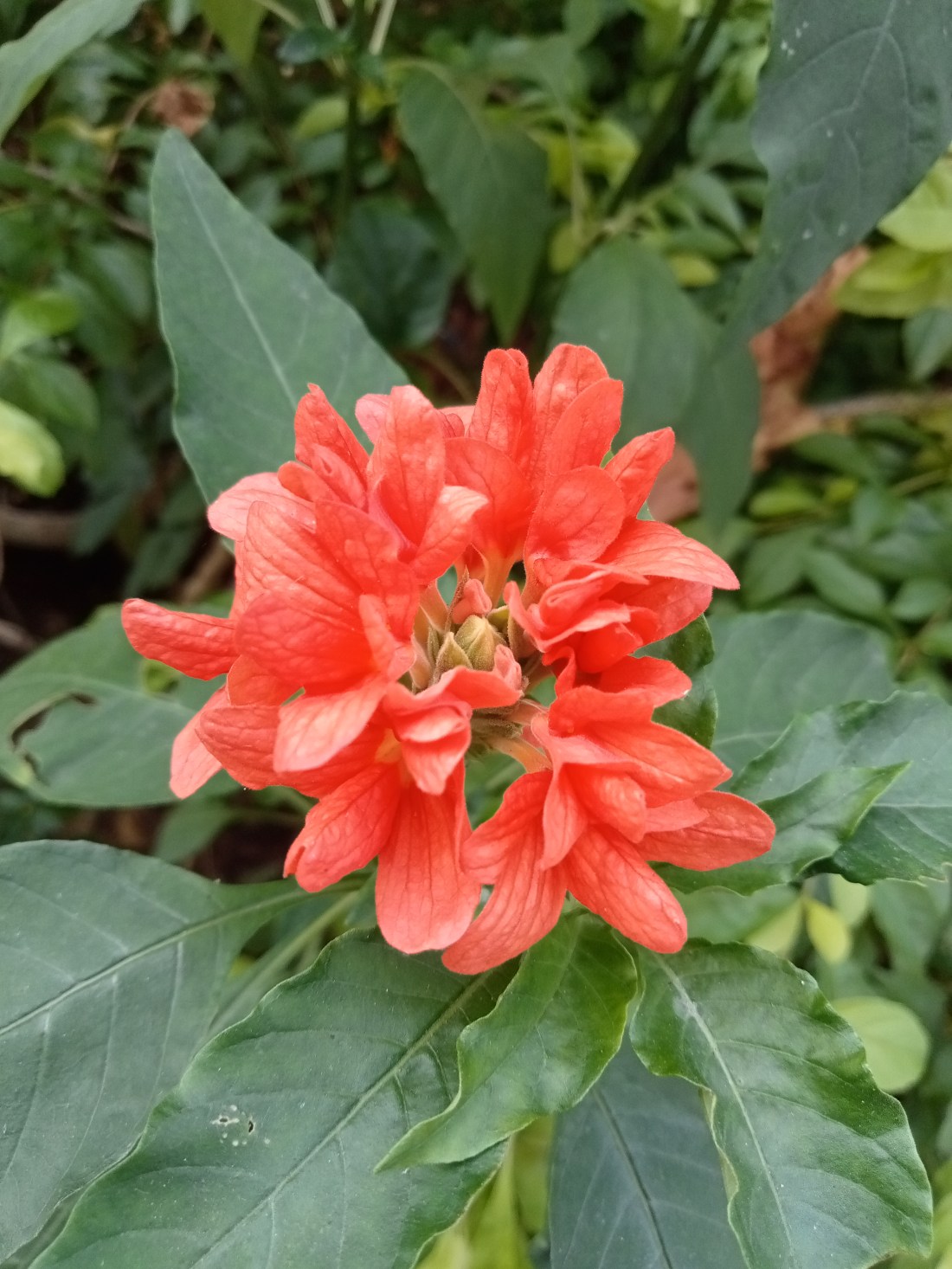
Crossandra flowers, also known as firecracker flowers or Crossandra infundibuliformis, are tropical delights that can bring vibrant splashes of color to your garden. Known for their striking blooms and easy maintenance, cultivating Crossandras can add an exotic touch to your outdoor space. Here’s a detailed guide to growing these stunning flowers in your garden.

1. Choosing the Right Location:

Select a spot in your garden that receives partial shade to full sun, providing adequate warmth and sunlight for Crossandra growth. Ensure the area has well-draining soil, as these flowers thrive in moist but not waterlogged conditions.

2. Planting Crossandra Flowers:

Crossandras can be grown from cuttings or from seeds or you can buy a rooted plant from nursery. When planting Crossandras, space them out accordingly, allowing enough room for growth. Dig a hole slightly larger than the root ball, gently place the plant, and cover the roots with soil. After planting, it is important to water the area thoroughly to help the roots establish properly.

3. Soil and Watering Needs:

Crossandra plants prefer slightly acidic to neutral soil. Regular watering is essential, especially during dry spells, but be cautious not to overwater as it can lead to root rot. Mulching is an effective way to trap moisture in soil and keep soil temperature stable.

4. Fertilization and Maintenance:

Use a balanced fertilizer or one specifically formulated for flowering plants during the growing season to encourage robust blooms. Prune the plants after flowering to maintain their shape and remove any dead or damaged growth.

5. Protecting from Pests and Diseases:

Monitor for common pests like aphids or whiteflies and treat them promptly to prevent infestations. Crossandras are generally resilient but keeping an eye out for signs of diseases such as root rot or fungal infections is crucial for their health.

6. Propagation and Division:

You can propagate Crossandras by taking stem cuttings or dividing mature plants. Root the cuttings in a well-draining potting mix and keep them in a warm, humid environment until they develop roots. While planting cuttings, ensure that at least two nodes of the plants are properly covered with soil, as the roots develop from these nodes. You can also keep the mature cuttings in water for a few days to allow the roots to grow before planting them in soil.

7. Enjoying the Blooms:

With proper care, Crossandra plants will reward you with stunning clusters of fiery-colored flowers throughout the growing season. These blooms not only add visual appeal but also attract pollinators like butterflies and bees to your garden.

8. Winter Care:

In colder climates, consider bringing potted Crossandras indoors during winter or providing a protective covering for outdoor plants to shield them from frost damage.


Similar Posts


Benefits Of Growing Crossandra

Crossandra are tropical wonders with multifaceted importance. Their significance transcends horticulture, culture, and traditional medicine, making them intriguing plants worth exploring.Here are some benefits of growing crossandra.

1. Ornamental Marvels:

Renowned for their vibrant hues of red, orange, and yellow, Crossandras are prized for their striking flowers. They’re coveted additions to landscapes and potted arrangements, elevating gardens and indoor spaces with their vivid beauty.

2. Cultural and Religious Ties:

In various cultures, Crossandras are entwined with rituals and ceremonies. For instance, they hold significance in Hindu religious practices and are offered in worship to deities.

3. Medicinal Properties:

Certain parts of the Crossandra plant, notably the leaves, have been historically used in traditional medicine. They’re believed to possess medicinal properties, aiding in treating skin disorders and digestive issues.

4. Pollinator Magnets:

These flowers act as nectar sources, drawing in vital pollinators like butterflies and bees. Their role in plant pollination supports the health of ecosystems.

5. Landscape Versatility:

Valued for their resilience in diverse climates, Crossandras are favored in landscape design. They’re utilized to craft vibrant, low-maintenance garden beds and borders.

6. Symbolic Significance:

Crossandras are often associated with traits like warmth, vibrancy, and passion due to their fiery blooms. This symbolism makes them ideal for expressing specific emotions in floral arrangements.

7. Botanical Intrigue:

Of botanical interest, Crossandras captivate scientists for their unique flower structure and classification within the Acanthaceae family. Their genetic diversity and adaptability to different environments make them subjects of scientific study.

Crossandra flowers are a tapestry of cultural, medicinal, and horticultural significance. Their diverse roles in various contexts showcase their multifaceted nature, making them fascinating subjects that weave through the realms of art, tradition, and science.

Conclusion

Growing Crossandra flowers can be a rewarding experience, adding tropical allure and vibrant colors to your garden. With the right care and attention, these resilient plants can thrive, bringing joy and beauty to your outdoor space throughout the year.

Happy Gardening!

A Blooming Guide: Caring for Rose Plants!

Introduction

Roses, often referred to as the “queen of flowers,” are cherished for their beauty, fragrance, and symbolic significance. Caring for rose plants can be a rewarding and enjoyable experience, whether you’re a seasoned gardener or a beginner. In this article, we’ll explore essential tips and techniques to help you nurture your rose plants and ensure they thrive in your garden.

The Best Rose Varieties to Choose

Before diving into care instructions, it’s crucial to choose the right rose varieties for your garden. There are three main types to consider:

  • Hybrid Tea Roses: Known for their large, classic-shaped blooms, hybrid tea roses are perfect for cut flowers and often have a strong fragrance.
  • Floribunda Roses: These roses produce clusters of smaller flowers, making them ideal for colorful garden displays.
  • Shrub Roses: Shrub roses are hardy and versatile, requiring less maintenance and offering a more natural appearance.

Selecting the Right Location

Roses require a sunny spot to thrive. They need at least six hours of direct sunlight daily. Ensure your chosen location has good air circulation to prevent diseases. Well-drained soil with organic matter is essential for healthy rose growth.

Planting Your Roses

  • Timing: Plant bare-root roses in late winter or early spring when they are dormant. Container-grown roses can be planted during the growing season.
  • Spacing: Ensure proper spacing to allow air circulation and prevent overcrowding.
  • Digging the Hole: Make a hole large enough to accommodate the root system, keeping the bud union (the swollen area where the canes meet the roots) an inch or two below the soil surface.
  • Watering: After planting, it is important to water thoroughly to help the soil settle.

Watering

Roses need consistent moisture, but they don’t like to sit in waterlogged soil. Here are some suggestions for watering:

  • Deep Watering: Water deeply at the base of the plant to encourage deep root growth.
  • Morning Watering: Water in the morning to allow the leaves to dry before evening, reducing the risk of fungal diseases.
  • Mulching: Apply a layer of mulch to retain soil moisture and regulate temperature.

Fertilizing

Roses benefit from regular feeding. For optimal results, it is recommended to use a balanced fertilizer with a ratio of either 10-10-10 or 14-14-14. Start fertilizing in early spring and repeat every 4-6 weeks during the growing season. Water your roses before and after applying fertilizer to prevent root burn.

Pruning

Pruning is essential for maintaining the health and shape of your rose plants. Here are some important tips on pruning:

  • Deadheading: To promote consistent blooming, it’s recommended to remove any spent flowers.
  • Annual Pruning: Prune in late winter or early spring to remove dead or diseased wood and shape the plant.
  • Cutting Back: For hybrid tea roses, cut back one-third of the plant’s height to encourage new growth.

Similar Posts


Pest and Disease Management

Roses can be susceptible to pests and diseases, but with proper care, you can minimize these issues:

Inspect Regularly: Check your roses regularly for signs of pests or diseases.

Organic Pest Control: Consider using organic methods like neem oil or insecticidal soap to control pests.

Disease Prevention: Apply fungicides as a preventive measure, especially in humid climates.

Winter Care

Winter care is essential to protect your roses from harsh conditions:

  • Mulching: Apply a layer of mulch around the base of the plant to insulate the roots.
  • Pruning: Prune back long canes to prevent wind damage.
  • Wrap Stems: In colder regions, wrap the lower stems with burlap to protect against freezing.

Support and Training

Some rose varieties may need support or training:

  • Staking: Tall or heavy rose varieties may require stakes to keep them upright.
  • Training: Train climbing roses onto trellises or supports to encourage their growth in the desired direction.

Regular Inspection and Care

Lastly, maintaining healthy roses requires consistent attention. Regularly inspect your plants for any issues, such as yellowing leaves or signs of stress, and take appropriate action promptly.

Conclusion

Caring for rose plants can be a deeply satisfying endeavor, resulting in a garden adorned with beautiful, fragrant blossoms. By choosing the right varieties, providing the correct growing conditions, and following essential care practices such as watering, fertilizing, pruning, and pest management, you can enjoy vibrant, healthy roses in your garden year after year. Remember that each rose variety may have specific care requirements, so always consult the specific care guidelines for the roses you choose to cultivate. With dedication and care, your roses will flourish, bringing joy and beauty to your outdoor space.

Happy Gardening!

Adenium Care Guide: Tips for Nurturing Healthy and Vibrant Desert Roses!

Introduction:

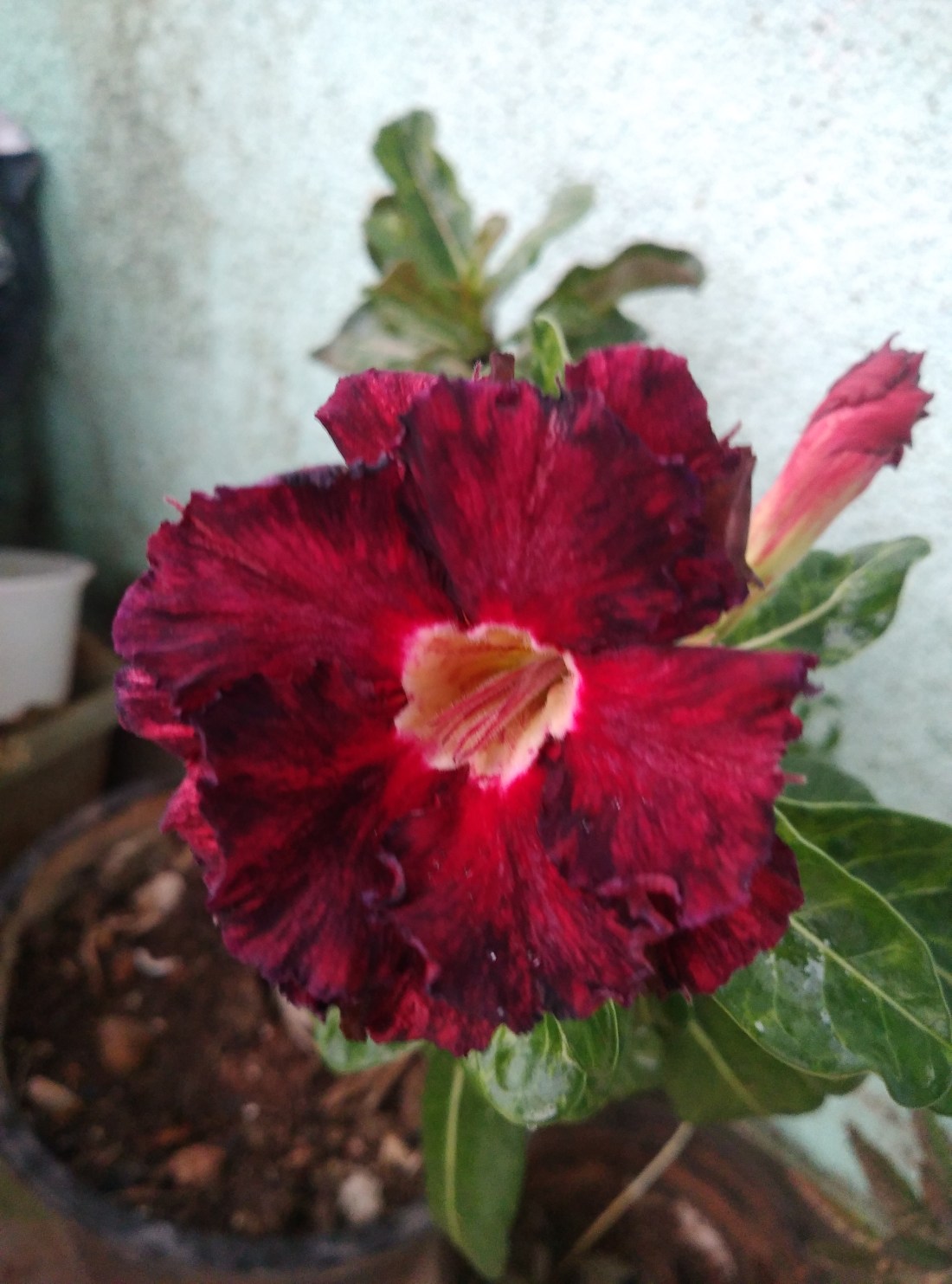
Adenium, commonly known as desert roses or mock azaleas, are fascinating and unique succulents that captivate the hearts of plant enthusiasts around the world. Originating from arid regions, these remarkable plants have adapted to thrive in harsh conditions. Whether you’re a seasoned plant lover or a beginner, this comprehensive Adenium care guide will provide you with valuable insights to help your desert rose to flourish.

1.Choosing the Right Location:

Selecting an appropriate location is the foundation of successful Adenium care. These sun-loving plants require ample sunlight to thrive. Opt for a spot where they can receive at least 6 to 8 hours of direct sunlight each day. A south or west-facing window or a well-lit balcony is ideal for providing the necessary sunlight.

2.Soil and Potting:

Well-draining soil is a must for Adeniums. A mixture of cactus or succulent potting mix combined with perlite or sand works well. Ensure the pot has proper drainage holes to prevent waterlogging, which can lead to root rot. Adeniums like to be a bit root-bound, so choose a pot that is slightly smaller than what you would typically use for a plant of its size. This encourages better flowering.

3.Watering Wisely:

Adeniums are adapted to surviving in arid conditions, so they are accustomed to infrequent but deep watering. In between watering sessions, let the soil to totally dry out completely. Root rot might result from the frequent practice of overwatering. During the active growing season (spring and summer), water once every 10-14 days, and reduce frequency during the dormant period (fall and winter).

4.Temperature and Humidity:

These desert plants thrive in warm temperatures. Aim for a range between 70°F to 90°F (21°C to 32°C) during the day and slightly cooler temperatures at night. Adeniums appreciate low humidity, so they are well-suited to dry indoor environments. Avoid placing them in areas with high humidity, as it can increase the risk of fungal issues.

5.Fertilization:

Feeding your Adenium is essential for robust growth and vibrant blooms. Use a balanced, diluted liquid fertilizer formulated for cacti and succulents. During the active growing season, fertilize every 4-6 weeks. Reduce or stop fertilizing during the dormant period to allow the plant to rest.


Similar Posts


6.Pruning and Shaping:

Pruning is crucial for maintaining an attractive shape and encouraging branching. Pinch off the tips of young stems to promote bushier growth. Remove any dead or yellowing leaves to prevent pests and diseases from taking hold.

7.Pests and Diseases:

Keeping an eye out for pests like aphids, mealybugs, and spider mites is vital. Regularly inspect your Adenium and treat any infestations promptly with insecticidal soap or neem oil. Proper care, including well-draining soil and appropriate watering, can help prevent root rot and fungal issues.

8.Propagation:

Adeniums can be propagated through seeds or stem cuttings. For stem cuttings, allow the cut end to dry and callous before planting in well-draining soil. Propagation is best done during the active growing season for higher success rates.

9.Repotting:

Adeniums generally don’t require frequent repotting. Repot only when the plant becomes severely root-bound or when you notice it’s struggling. Repotting is best done in the spring, before the active growing season. Repotting every 2-3 years or when the plant outgrows its container helps promote healthy growth.

10.Dormancy:

Adeniums naturally go through a period of dormancy, usually during the fall and winter. During this time, reduce watering and cease fertilization. Place the plant in a slightly cooler location, but protect it from frost.

Remember that adeniums might not bloom consistently throughout the year. Their blooming is influenced by factors like age, health, light, and temperature. With proper care and patience, you can encourage your adenium to produce beautiful blooms when its blooming season arrives.

Conclusion:

Adeniums are captivating and rewarding plants that can thrive with the right care and attention. By providing them with proper sunlight, well-draining soil, careful watering, and regular maintenance, you can enjoy a stunning display of their unique caudex and colorful blooms. Remember that each plant is unique, so observing your Adenium’s specific needs will ensure a thriving and beautiful desert rose in your collection.

Happy Gardening!