
Introduction
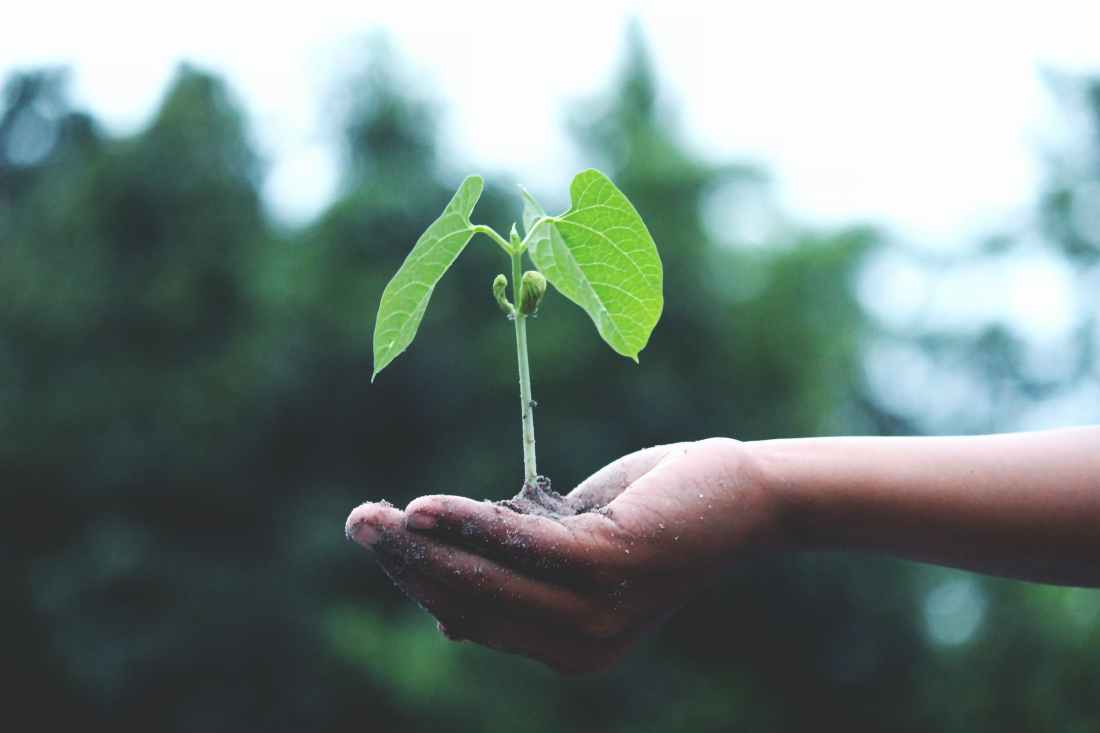
Gardening is more than nurturing plants; it’s a harmonious dance with nature. Embracing sustainable practices not only nurtures your garden but also contributes positively to the environment. Here’s a comprehensive guide to sustainable gardening practices that promote eco-friendly and regenerative habits.
Understanding Sustainability in Gardening:
Sustainable gardening prioritizes the health of the ecosystem, aiming for a balanced and self-sustaining garden that minimizes negative impacts on the environment. It involves reducing waste, conserving resources, and fostering biodiversity.
Soil Health and Fertility:
Healthy soil is the backbone of a sustainable garden. Practice no-till or low-till methods to preserve soil structure and microbial life. Add compost, organic matter, or mulch to improve fertility, retain moisture, and reduce erosion. Consider cover cropping to prevent nutrient leaching and improve soil health.
Avoid using chemical fertilizers, instead use vermicompost or kitchen wastes. Follow practices like companion planting to make good use of soil and space. Plant legumes to increase the nitrogen in the soil.
Water Conservation:
Efficient water use is critical in sustainable gardening. Install drip irrigation systems or use soaker hoses to minimize water wastage. Collect rainwater in barrels or cisterns for irrigation purposes. Mulching is an effective method to help the soil retain moisture, which in turn reduces the need for frequent watering.
Native Plants and Biodiversity:
When choosing plants for your garden or landscape, it’s a good idea to select native species that are well-suited to the climate and soil conditions in your region. These plants will be better adapted to the local environment, which means they’ll require less maintenance and be more resistant to pests and diseases. So, before you start planting, do a little research to find out which native plants will thrive in your area. They require less water and maintenance while supporting local wildlife. Create diverse habitats by incorporating a variety of plants to attract pollinators, beneficial insects, and birds, fostering a healthy ecosystem.
Chemical-Free Gardening:
Avoid synthetic pesticides and chemical fertilizers that can harm beneficial insects, soil organisms, and waterways. Embrace organic pest control methods like companion planting, crop rotation, and using natural predators or homemade remedies to manage pests.
Use plant-friendly insects like ladybugs. They mainly feed on aphids, scales and their eggs, and other pests like mealybugs and whiteflies.
Finally remember the quote “If something is not eating your plants, then your garden is not part of the ecosystem”.
Similar Posts
Sustainable Garden Design:
Plan your garden layout to maximize space and resource efficiency. Utilize companion planting, intercropping, or vertical gardening to optimize growing areas. Incorporate hardscaping elements like rain gardens or bioswales to manage water runoff effectively.
Recycling and Waste Reduction:
Practice composting to recycle garden and kitchen waste into nutrient-rich soil amendments. Use biodegradable or reusable materials for garden beds, pots, and other gardening supplies to reduce waste.
Energy-Efficient Practices:
Optimize energy use by choosing manual tools over power tools whenever possible. Utilize solar-powered lighting for pathways or garden features. Composting and mulching also aid in reducing energy use by minimizing the need for mechanical processes.
Seasonal Gardening and Planting:
Adapt your garden to seasonal changes. Plant cool-season crops in spring and fall, and warm-season crops in summer. Embrace crop rotation to improve soil fertility and minimize pests and diseases.
Community and Education:
Engage in community gardening efforts or join local gardening groups to share knowledge and resources. Educate yourself on sustainable practices through workshops, books, or online resources to continuously improve your gardening methods.
Conclusion:
Sustainable gardening isn’t just a trend; it’s a responsibility towards the planet. By implementing these practices, you’re nurturing not just your garden but the larger ecosystem. Embrace the role of a steward of the earth, cultivating a garden that thrives harmoniously with nature. Small steps in sustainable gardening can yield significant positive impacts on the environment. Happy gardening, and here’s to a greener tomorrow!
Happy Gardening!
 ILoveGardening