
Introduction
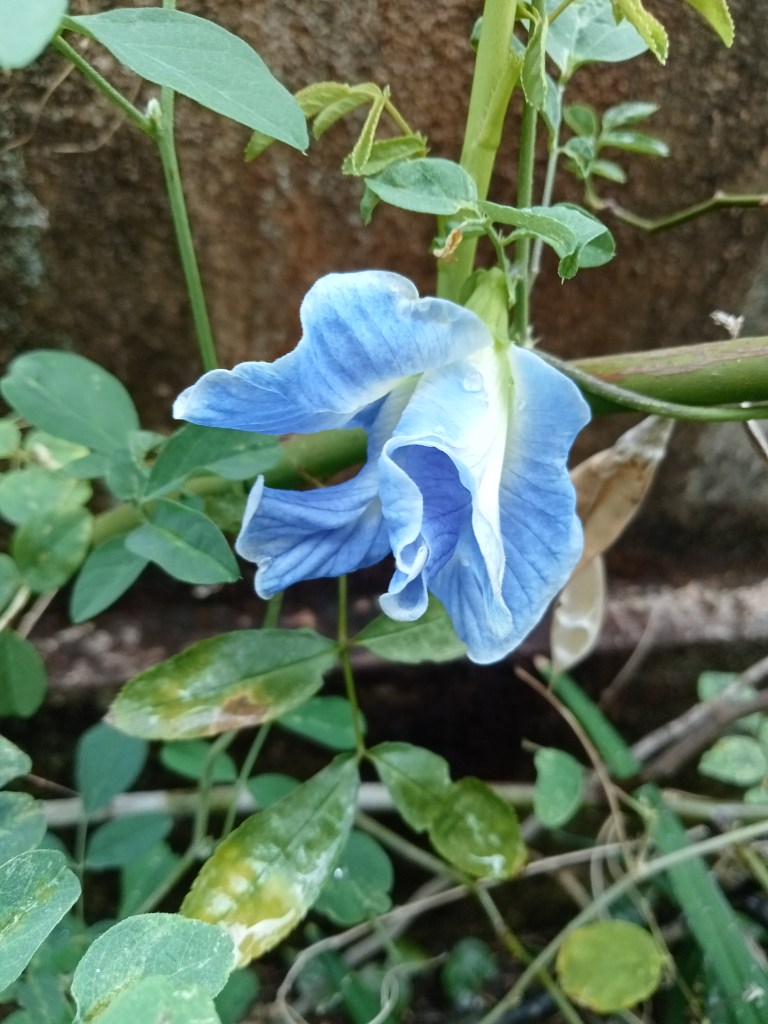
Aparajita, also known as the butterfly pea or Asian pigeonwings, is a strikingly beautiful plant renowned for its vivid blue flowers. Scientifically known as Clitoria ternatea, this versatile plant is not only cherished for its ornamental value but also for its medicinal properties and culinary uses. Native to tropical Asia, Aparajita is easy to grow and can thrive in a variety of conditions. This article provides a comprehensive guide on how to cultivate and care for the Aparajita plant.
Characteristics of Aparajita
Before diving into the cultivation process, it’s essential to understand the unique characteristics of the Aparajita plant:
Botanical Name: Clitoria ternatea
Common Names: Butterfly pea, Blue pea, Asian pigeonwings, Aparajita
Family: Fabaceae
Plant Type: Perennial herbaceous plant
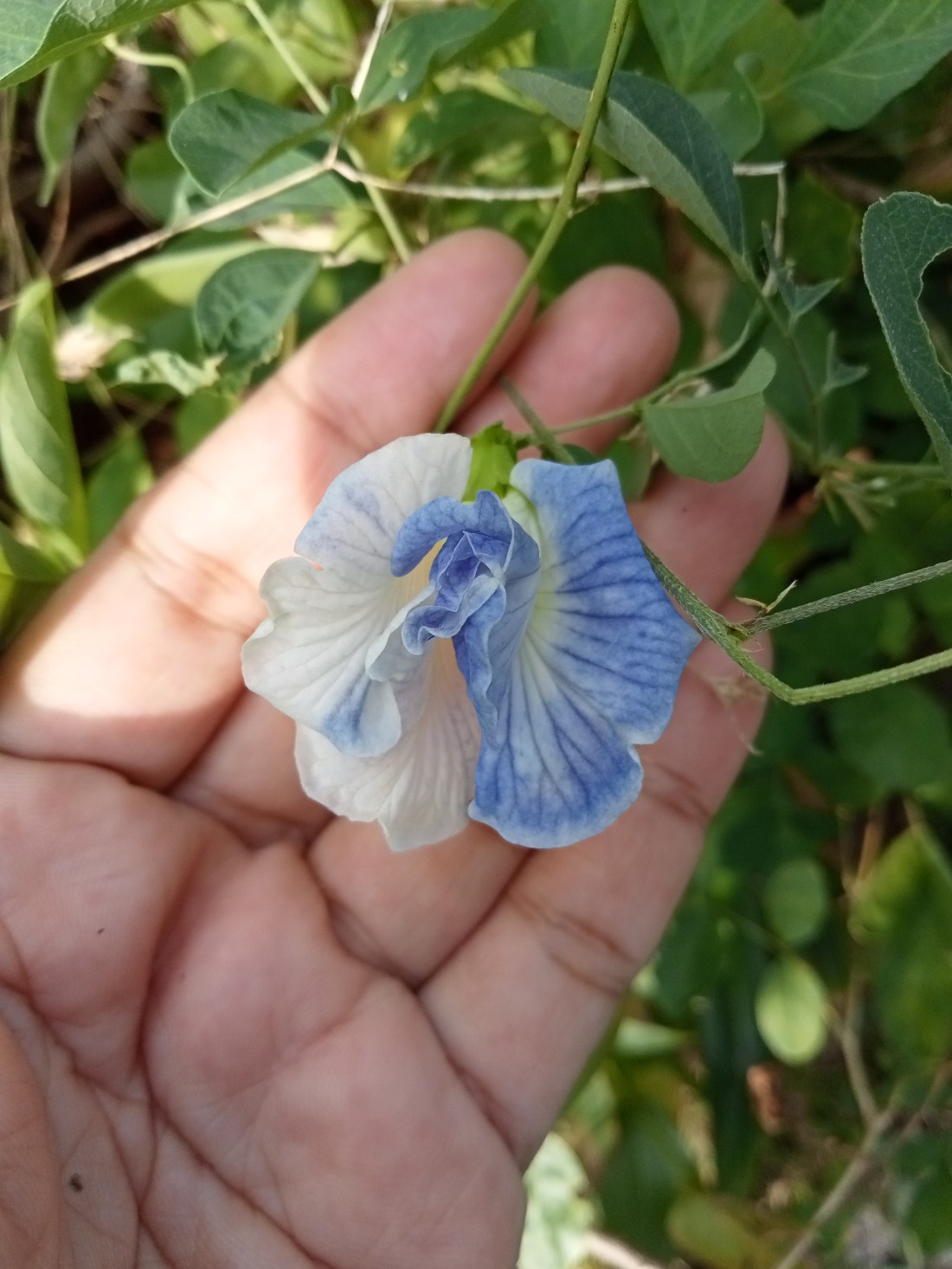
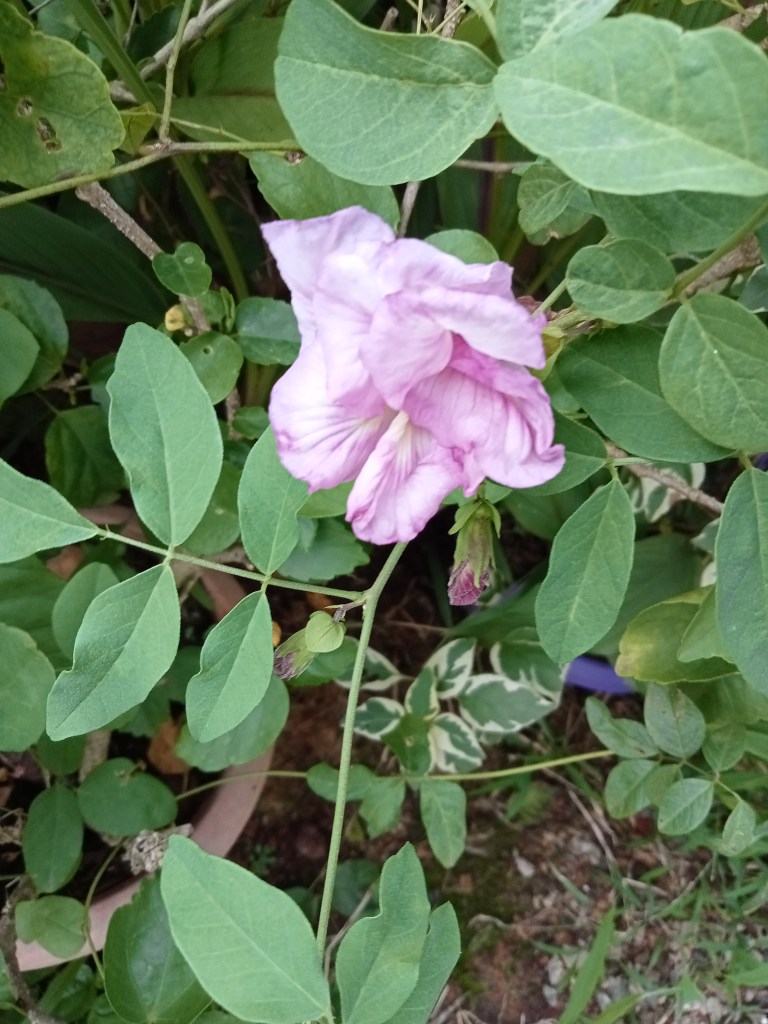
Flower Color: Vibrant blue (also available in white and lavender varieties)
Growth Habit: Climbing vine
Benefits of Growing Aparajita
The Aparajita plant offers several benefits, making it a valuable addition to any garden:
Ornamental Value: The striking blue flowers add a touch of elegance to gardens and landscapes.
Medicinal Properties: Aparajita is known for its health benefits, including antioxidant, anti-inflammatory, and cognitive-enhancing properties.
Culinary Uses: The flowers are used to make herbal teas, natural food coloring, and refreshing drinks.
Soil Improvement: As a member of the legume family, Aparajita helps fix nitrogen in the soil, improving soil fertility.
How to Grow Aparajita
Growing Aparajita is relatively simple and requires basic gardening skills. Here is a detailed, step-by-step tutorial to get you going:
1. Choosing the Right Location
Aparajita thrives in warm, sunny locations. Pick a place that gets direct sunlight. The plant can tolerate partial shade, but full sun ensures the best flowering.
2. Soil Preparation
Aparajita prefers well-draining soil with a neutral to slightly acidic pH (6.0-7.5). Loamy soil that is enriched with organic matter is ideal for promoting healthy plant growth. To improve soil fertility and drainage, mix compost or well-rotted manure into the soil before planting.
3. Propagation
Aparajita can be propagated through seeds or cuttings. Here’s how to do it:
Seeds: Soak the seeds in warm water for 24 hours to enhance germination. Sow the seeds directly in the garden or in seed trays filled with potting mix. The potting mix should be consistently moist until germination occurs, which typically takes 1 to 2 weeks.
Cuttings: Take cuttings that are 6 to 8 inches long from healthy, mature plants. Dip the cut end into the rooting hormone after trimming off the lower leaves. Plant the cuttings in a pot with moist potting mix and keep them in a warm, humid environment until roots develop.
Similar Posts:
4. Planting
Once the seedlings or rooted cuttings are ready, transplant them into the garden. Space the plants about 2-3 feet apart to allow for their climbing habit. If growing as a vine, provide support such as trellises, fences, or arbors for the plants to climb.
5. Watering
Aparajita requires moderate watering. The soil should be consistently moist but it should not be soggy. Depending on the weather, give the plants a deep watering once or twice a week. During the summer season water the plants daily. Applying mulch around the base of plants helps retain soil moisture and suppress weeds.
6. Fertilization
To promote healthy growth and flowering, feed the Aparajita plant with a balanced fertilizer every 4-6 weeks during the growing season. Organic options such as compost, well-rotted manure, or fish emulsion are excellent choices.
7. Pruning and Training
Pruning regularly helps to maintain the shape of the plant and encourages more blooms. Trim back any dead or damaged growth, and pinch the tips of the vines to promote bushier growth. As the vines grow, tie them gently to train them to climb the support structure.
8. Pest and Disease Management
Aparajita is relatively pest-resistant, but it can occasionally be affected by aphids, spider mites, and whiteflies. Inspect the plants regularly and use organic pest control methods such as neem oil or insecticidal soap if needed. To prevent fungal diseases, make sure there is adequate spacing and airflow around your plants.
Harvesting and Uses
The vibrant blue flowers of Aparajita are the most sought-after part of the plant. Here’s a guide on how to harvest and use them:
1. Harvesting
Harvest the flowers early in the morning when they are fresh and fully open. Gently pluck the flowers by hand or use scissors to avoid damaging the plant. Regular harvesting encourages more blooms.
2. Culinary Uses
Aparajita flowers are used in various culinary applications:
Herbal Tea: Steep fresh or dried flowers (blue color) in hot water to make a refreshing herbal tea. The tea has a mild, earthy flavor and is often enjoyed with honey and lemon.
Natural Food Coloring: The vibrant blue pigment from the flowers is used as a natural food coloring in desserts, beverages, and rice dishes. A few drops of lemon juice transform the blue color into purple, producing amazing visual effects.
Beverages: Aparajita flowers are used to make colorful and nutritious drinks. Butterfly pea flower tea, also known as blue tea, is a popular beverage known for its health benefits.
3. Medicinal Uses
For generations, traditional medicine has made use of Aparajita. Some of its medicinal benefits include:
Cognitive Health: Aparajita is believed to enhance memory and cognitive function. In Ayurvedic medicine, it is often used as a brain tonic.
Antioxidant Properties: The flowers contain antioxidants that help protect cells from damage caused by free radicals.
Anti-Inflammatory Effects: Aparajita has anti-inflammatory properties that can help reduce inflammation and pain.
Conclusion
Growing Aparajita (Clitoria ternatea) is a rewarding experience that combines beauty, utility, and tradition. With its stunning blue flowers, health benefits, and ease of cultivation, the Aparajita plant is a valuable addition to any garden. By following the steps outlined in this guide, you can successfully grow and enjoy the many benefits of this remarkable plant.
Happy Gardening! 🌸🌿
 ILoveGardening